Why Local Linen Delivery Matters in the Bay of Plenty

ALSCO UNIFORMS · WORKPLACE INSIGHTS BAY OF PLENTY · NEW ZEALAND
Local service, in practice

Why local linen delivery matters in the Bay of Plenty

Behind a fresh linen delivery to Enviro NZ in Omanawa — and the questions to ask when planning a linen service for your own workplace.

By Alsco Uniforms New Zealand Featuring Enviro NZ
Alsco Uniforms driver arriving at Enviro NZ Omanawa for a linen delivery
On the ground in Omanawa: local service delivered in person.
The everyday detail

A delivery tells a bigger story.

At Enviro NZ in Omanawa, an Alsco Uniforms driver arrives and drops off fresh linen. The photographs capture the visit from the yard to the workplace, with a team image bringing the people on both sides of the service together.

It is a straightforward moment. That is what makes it useful. Behind any discussion about commercial linen delivery in the Bay of Plenty are practical questions: what needs to arrive, where it needs to go and who will be there to receive it.

This story started with a compliment. Kevin, Branch Manager at Enviro NZ, wrote to Alsco Uniforms to thank the local Tauriko (Omanawa) driver who delivers to the site each week:

“He is always pleasant, gets the job done without any issues, says Hi and generally does a fantastic job. He is a credit to your organisation.”

Kevin, Branch Manager, Enviro NZ

Enviro NZ team and Alsco Uniforms driver together beside the delivery truck in Omanawa
The Alsco Uniforms driver with the Enviro NZ team. The service relationship, seen at the customer’s workplace.

Enviro NZ works in waste minimisation and resource recovery. Linen delivery is a different part of its working day, but the photographs give a clear example of workplace essentials reaching the people who use them. Read the Enviro NZ customer case study for the full visual story.

Start with your workplace

Linen needs extend beyond the guest room.

Hotels and restaurants are often the first businesses that come to mind when people think about commercial linen. A workplace can have other needs, including items used in staff facilities, shared spaces or day-to-day cleaning tasks.

Start with the job each item needs to do. A towel, cloth and sheet serve different purposes; the right discussion is about use, suitability and volume. Alsco Uniforms’ commercial linen solutions provide a starting point for exploring the available range.

For an industrial site, linen may be one part of a wider workplace plan. Alsco Uniforms also publishes information on industrial workplace services . Reviewing those options can help you prepare a more complete brief for an onsite discussion.

A practical planning guide

Five questions to ask before you arrange delivery.

“Local” is useful when it connects the service to the way your workplace operates. Put the practical details on the table early, so both teams understand the proposed arrangement.

01 · Product mix
Which linen items do you need, and what will each item be used for?
02 · Stock levels
What quantities suit your normal workload, and how might busy periods change that demand?
03 · Site access
Where can the driver enter, park and hand over the delivery? Are there access or operating-hour restrictions?
04 · The service cycle
How will supply, laundering, used-item collection and replacement work under the proposed plan?
05 · Communication
Who is your contact if requirements change, and who at your business receives the delivery?

These are planning questions for any prospective customer. Use them to prepare your own brief, then confirm the available products and service arrangements directly with Alsco Uniforms.

The wider view

Sustainability deserves a closer look.

Enviro NZ’s focus on waste minimisation and resource recovery makes it a relevant business to feature in a story about everyday workplace services. It is working towards a more sustainable, low-emissions future through its waste and recycling activities.

Alsco Uniforms sets out its own environmental priorities through its New Zealand sustainability programme . When comparing linen services, read the published information and ask how product care, laundering and transport are managed.

For more about the customer featured here, explore Enviro NZ’s story . Understanding a supplier’s and customer’s wider work adds context to the service you see in a single delivery photograph.

The people behind it

Bring the conversation back to your team.

The driver at the door and the person receiving the delivery make a linen service tangible. Clear arrangements help each person understand their part in the handover.

If you are considering linen delivery for a Bay of Plenty workplace, or anywhere else in the country, begin with your team’s needs and your site’s day-to-day requirements. Alsco Uniforms can discuss the options through a free onsite visit. Check out our locations to see a map of all our branches.

See the visit for yourself.

The arrival. The fresh linen handover. The team beside the truck. Explore the image-led story of Alsco Uniforms and Enviro NZ in Omanawa.

View the full customer case study
Frequently asked questions

Local linen delivery: useful answers.

Is commercial linen only for hotels and restaurants?

No. Workplaces in other industries can also have linen needs. Speak with Alsco Uniforms about the products suitable for your site, how they will be used and the quantities required.

Where was the Enviro NZ delivery photographed?

The photographs show an Alsco Uniforms driver visiting Enviro NZ in Omanawa, in the Tauriko area of the Bay of Plenty. See the full customer case study for the delivery photographs and team image.

Can I choose the same delivery arrangement for my business?

Your service arrangement needs to suit your address, products, volumes and operating hours. Discuss these with the Alsco Uniforms team so they can explain the available options for your site.

How do I get started with Alsco Uniforms linen services?

Explore Alsco Uniforms’ linen solutions , then book a free onsite visit or call 0800 425 726.

Alsco Uniforms New Zealand

Plan a linen service around your workplace.

Tell us what your team needs, where you operate and how your workplace runs. We’ll help you explore the right linen service.

Washroom Hygiene Compliance for NZ Workplaces: What Employers Must Provide

What New Zealand Law Requires

The Health and Safety at Work Act 2015 (HSWA) places a duty on employers to provide a work environment that is without risks to health and safety, so far as is reasonably practicable. This extends to washroom and hygiene facilities.

WorkSafe New Zealand’s guidance on facilities requirements includes:

  • Adequate toilet facilities for the number of workers on site
  • Hand washing facilities with soap and clean running water
  • Hand drying facilities (paper towel, continuous roll towel, or electric dryer)
  • Sanitary disposal facilities in female toilet areas
  • Facilities that are clean and maintained in good condition

Failure to meet these requirements is a breach of the employer’s primary duty of care under the HSWA and can result in WorkSafe NZ improvement notices, infringement notices, or prosecution in serious cases.

What “Adequately Maintained” Means in Practice

The law does not just require that facilities exist. It requires that they are maintained. For washroom hygiene, this means:

  • Soap dispensers that are not empty
  • Towel dispensers or dryers that are functional
  • Sanitary bins that are not overflowing and are serviced regularly
  • Surfaces that are cleaned to a standard appropriate for the work environment
  • Facilities that are in working order

In a food processing, healthcare, or aged care environment, the standard is higher than in a low-risk office. The employer must assess the risk level of the work and calibrate hygiene provision accordingly.

Industries With Elevated Compliance Requirements

Some industries face additional requirements beyond the baseline HSWA obligations:

  • Food manufacturing and processing. The Food Act 2014 and associated regulations require hand washing stations at critical control points, specific soap types, and controlled access to hygiene products.
  • Healthcare and aged care. Hand hygiene protocols follow Ministry of Health guidelines. Soap and sanitiser placement, towel type, and bin placement are all specified.
  • Hospitality. Food handling staff must have access to hand washing facilities separate from food preparation areas, per Food Act requirements.
  • Construction. WorkSafe NZ has specific guidance on portable and temporary sanitation for construction sites.

What a Managed Washroom Service Covers

Alsco NZ’s washroom hygiene service operates on a regular service cycle and covers:

  • Soap dispensers. Alsco supplies and refills soap dispensers on each visit.
  • Sanitiser dispensers. Alcohol-based hand sanitiser where required by the facility type.
  • Hand towel dispensers. Continuous roll towel systems or folded towel dispensers depending on the facility.
  • Sanitary disposal units. Serviced on a regular cycle, fully enclosed, and hygienic.
  • Air fresheners. Passive or active fragrance units for odour control.
  • Urinal screens and deodorisers. Replaced on each service visit.
  • Feminine hygiene vending. Optional addition for workplaces that require it.

All products are supplied, installed, serviced, and removed by Alsco. The business does not purchase consumables separately or manage refill schedules.

The Risk of DIY Washroom Management

Businesses that manage washroom hygiene themselves through ad hoc purchasing face several risks:

  • Dispensers run empty between purchase cycles
  • Staff responsible for restocking have other duties and deprioritise refills
  • Sanitary bins are serviced irregularly, creating odour and hygiene complaints
  • The employer cannot demonstrate to an auditor or WorkSafe inspector that facilities are maintained on a documented schedule

A managed service creates a documented, scheduled maintenance record that demonstrates compliance.

Frequently Asked Questions

Is it a legal requirement to provide soap in NZ workplaces?

Yes. Under the Health and Safety at Work Act 2015 and associated regulations, New Zealand employers must provide hand washing facilities with soap and clean water. The standard varies by industry but the obligation applies to all workplaces.

How often does Alsco NZ service washroom dispensers?

Service frequency is set based on your workforce size and facility type. Most workplaces are serviced weekly or fortnightly. Alsco monitors usage and adjusts frequency if a facility consistently runs low between visits.

Does Alsco provide sanitary disposal units for female staff?

Yes. Sanitary disposal units are part of Alsco NZ’s washroom hygiene service. They are serviced and replaced on a regular cycle and meet hygiene standards for workplace use.

What documentation does Alsco provide for compliance purposes?

Alsco NZ can provide service records showing dates, facilities serviced, and products replaced. This documentation supports compliance evidence if required by WorkSafe NZ or an industry auditor.

What is the difference between a soap dispenser service and buying soap from a supermarket?

A managed service ensures dispensers are never empty, products are appropriate for the facility type, and servicing is documented. Supermarket supply relies on internal staff to monitor and refill, which frequently results in empty dispensers and no compliance record.

Alsco NZ Service Areas: Managed Rental Services Across New Zealand

Nationwide Coverage, Local Service

Alsco New Zealand operates its own laundry processing facilities and distribution network across the country. The managed rental model depends on a local laundry infrastructure — garments and linen cannot be sent offshore for processing and returned the same week. Alsco’s New Zealand-based facilities make the weekly and fortnightly service cycle viable for businesses throughout the country.

Major Service Locations

Alsco NZ has established operations in New Zealand’s major population and commercial centres.

Auckland

New Zealand’s largest commercial centre. Alsco services businesses across the Auckland region including the North Shore, West Auckland, South Auckland, and the CBD. The Auckland facility handles uniform rental, linen hire, washroom hygiene, and first aid services.

Wellington

Alsco services Wellington CBD, the Hutt Valley, Porirua, and the wider Wellington region. The service covers government, hospitality, healthcare, and commercial businesses throughout the capital region.

Christchurch

Alsco’s South Island hub services Christchurch and the wider Canterbury region, including businesses in the city’s industrial and hospitality sectors. Regional towns within Canterbury are also covered — contact Alsco to confirm your location.

Hamilton

Servicing the Waikato region including Hamilton city and surrounding areas. The Waikato facility covers food manufacturing, agribusiness, and commercial clients in the region.

Tauranga

Alsco services the Bay of Plenty region from its Tauranga operation. Businesses in Tauranga, Rotorua, and the broader Bay of Plenty can access uniform rental, washroom hygiene, and linen hire services.

Dunedin

Alsco’s Dunedin facility covers the Otago region and services businesses in Dunedin and surrounding areas.

Regional and Rural Coverage

Businesses located outside Alsco NZ’s main service centres should contact Alsco directly to confirm service availability. Some regional locations are covered by the nearest branch’s distribution route. Alsco will advise on service frequency and logistics for locations outside standard coverage areas.

Multi-Site Businesses

New Zealand businesses with multiple sites across different regions can manage all locations under a single Alsco account. Each site has its own service schedule, but billing and account management is consolidated. This is common for hospitality groups, aged care operators, and businesses with franchise locations.

Frequently Asked Questions

Does Alsco NZ service businesses outside major cities?

Alsco NZ services many regional locations beyond its main branches. Coverage depends on proximity to the nearest distribution route. Contact Alsco directly with your location to confirm availability.

Can a business with multiple sites across New Zealand use a single Alsco account?

Yes. Multi-site businesses can operate under a single Alsco NZ account with consolidated billing and individual service schedules for each location.

Does Alsco operate its own laundry facilities in New Zealand?

Yes. Alsco NZ operates its own laundry processing facilities across New Zealand. This is what makes the weekly service cycle possible — garments are not sent offshore for processing.

How long does it take to set up an Alsco NZ account for a new location?

Once a service agreement is confirmed, setup typically involves a site visit for measurements and installation, with the first service delivery occurring within a few weeks. Timelines vary by location and service type.

Which industries does Alsco NZ service in regional areas?

Alsco NZ services food processing, agribusiness, healthcare, hospitality, trades, and commercial businesses in regional New Zealand, subject to location and service availability.

Uniform Rental vs Buying: What’s the Real Cost for NZ Businesses?

Why the Purchase Price is Not the Full Cost

Most businesses that buy uniforms outright calculate the cost as: number of staff multiplied by garments per person multiplied by purchase price. This misses the majority of the real expense.

The full cost of purchased uniforms includes:

  • Laundering. Either the business pays for a commercial laundry service, or the cost is passed to employees (which creates compliance and employment relations issues in NZ). In-house laundry requires machines, water, electricity, detergent, and staff time.
  • Repairs. Garments wear out. Buttons fall off. Seams split. Someone has to repair or replace them.
  • Replacement purchasing. Uniforms do not last indefinitely. A standard work garment has a usable life of 12 to 24 months under daily use. That means a full replacement order every one to two years.
  • Stock management. Businesses that buy uniforms must hold buffer stock for new starters and size changes. Holding excess stock ties up capital.
  • Administration. Someone in your HR or operations team spends time ordering, distributing, tracking, and chasing returned garments when staff leave.
  • Disposal. Used uniforms with company branding cannot simply be thrown away. Secure disposal or repurposing carries a cost.

What Rental Covers in a Single Fee

Alsco NZ’s managed rental fee per garment per week covers supply, laundering, routine repairs, replacements, individual tracking, and scheduled delivery and collection. There is no separate line item for any of those activities.

A Simplified Three-Year Comparison

The numbers below are illustrative. Actual figures depend on garment type, industry, staff count, and location. Use these as a framework, not a quote.

Cost Category Purchase Model Managed Rental
Initial garment supply High upfront Included
Laundering (3 years) Additional cost Included
Repairs Additional cost Included
Replacements (2 cycles) Additional cost Included
Staff admin time Additional cost Not required
Stock buffer Additional cost Not required
Total cost of ownership Higher than expected Predictable weekly fee

For businesses with consistent staff numbers and low turnover, the purchase model can work. For businesses with regular new starters, hygiene requirements, or no in-house laundry capability, rental is almost always more cost-effective over a three-year horizon.

The Hygiene Factor

In food processing, healthcare, and aged care environments, garment hygiene is not optional. It is a regulatory and public health requirement. Industrial laundering at Alsco’s facilities meets standards that a commercial or domestic laundry cannot replicate. For businesses in these industries, rental is not just a financial decision — it is a compliance decision.

When Buying Still Makes Sense

Uniform purchase makes sense when:

  • Staff numbers are very small and stable (fewer than five people)
  • Garments are worn infrequently (for example, a single formal occasion per year)
  • The business has an existing commercial laundry arrangement that already meets its needs
  • The uniform requirement is a one-time promotional garment with no ongoing hygiene expectation

For most operational environments in New Zealand, these conditions do not apply.

How to Get an Accurate Comparison for Your Business

Alsco NZ provides a no-obligation quote that accounts for your actual staff count, garment types, and service frequency. This gives you a real number to compare against your current or projected uniform spend.

Frequently Asked Questions

Does uniform rental work out cheaper than buying?

For most businesses with 10 or more uniformed staff, rental is cheaper over three years once laundering, repairs, replacements, and admin time are included in the purchase cost. Alsco NZ can provide a direct comparison for your business.

Who is responsible for laundering under a rental agreement?

Alsco NZ handles all laundering. You do not need to wash, dry, or press garments. They are collected soiled and returned clean on your service day.

What if my staff numbers change frequently?

Managed rental adjusts to your headcount. You add garments for new staff and remove them when staff leave. You only pay for active garments on your account.

Is there GST on the weekly rental fee?

Yes. All Alsco NZ pricing is subject to GST. Your quote will show the GST-exclusive and GST-inclusive amounts.

Can I mix rental and purchased garments?

Alsco NZ provides a fully managed rental service. Mixing purchased garments into the rental cycle is not part of the standard service, as individual garment tracking relies on items being part of the Alsco inventory.

What is Managed Uniform Rental and How Does It Work in New Zealand?

What is Managed Uniform Rental?

Managed uniform rental is a service where a provider supplies workwear to a business, collects it on a scheduled cycle, launders and inspects every garment, repairs or replaces items as needed, and returns clean uniforms on time. The business pays a predictable weekly fee per garment rather than purchasing stock outright.

Alsco New Zealand has been operating this model since 1904. The service covers industries including food manufacturing, hospitality, healthcare, logistics, trades, and corporate services.

How the Service Works

The process runs on a simple weekly or fortnightly cycle:

  1. Initial setup. Alsco measures and fits each staff member, selects garments appropriate for the role and industry, and embeds a barcode or chip into each item so it is tracked individually throughout its life.
  2. Delivery. Clean, pressed garments are delivered to your premises on your agreed service day. Soiled garments from the previous cycle are collected at the same time.
  3. Laundering. Alsco processes all garments at its own laundry facilities using industrial-grade washing that meets hygiene standards for food-safe, healthcare, and general workwear categories.
  4. Inspection and repair. Every garment is inspected after washing. Items with damage, excessive wear, or missing buttons are flagged for repair or replacement before they are returned.
  5. Replacement. When a garment reaches end of life or a staff member leaves, Alsco replaces it. You do not carry stock or manage sizes.

What is Included in the Weekly Fee

The flat fee per garment per week covers:

  • Supply of the garment
  • Industrial laundering
  • Routine repairs (button replacement, minor stitching)
  • End-of-life replacement
  • Scheduled delivery and collection
  • Individual garment tracking

It does not typically cover rebranding costs if your company logo changes mid-contract, or major damage caused by misuse.

Who is Managed Uniform Rental For

This service suits any New Zealand business where:

  • Staff are required to wear a uniform or PPE garment for work
  • The business employs 5 or more staff in uniformed roles
  • The employer is responsible for ensuring workwear is clean and fit for purpose
  • The business wants to remove uniform management from its HR or operations workload

Common industries using Alsco NZ’s uniform rental include food processing, aged care, hospitality, trades, pharmaceutical manufacturing, and retail.

Managed Rental vs Uniform Purchase

When a business buys uniforms outright, it takes on full responsibility for laundering, tracking, replacement, and disposal. A managed rental arrangement shifts all of that to Alsco. The comparison matters most when staff turnover is moderate to high, when hygiene standards apply, or when garment volume makes in-house laundering impractical.

Is There a Contract?

Alsco NZ operates on a service agreement with a defined term. Contract length and minimum garment counts are discussed during the initial consultation. Alsco is transparent about terms before any commitment is made.

Frequently Asked Questions

How often are uniforms collected and delivered?

Alsco NZ operates on weekly or fortnightly cycles depending on your volume and industry. Your service day is fixed and consistent so your team always knows when clean garments arrive.

What happens when a staff member leaves?

Their garments are collected at the next service visit and removed from your account. You do not pay for garments once a staff member has left the role.

Can I add staff mid-contract?

Yes. New staff members are fitted and added to your service at any point. Alsco delivers their garments within the next scheduled cycle.

Does Alsco supply uniforms for all industries?

Alsco NZ supplies workwear for food processing, healthcare, hospitality, trades, corporate, and logistics industries. Garment specifications vary by industry to meet hygiene, safety, and compliance requirements.

What is the minimum number of staff to use the service?

Alsco NZ can accommodate businesses from small teams upward. Contact Alsco directly to confirm minimums for your specific industry and location.

Who do I contact if a garment is lost or damaged?

Your account is managed by a dedicated Alsco NZ customer service representative. Any garment issues are resolved through your normal service contact.

How Alsco’s ImpacTex Textile Recycling Programme Works

6 min read Updated For Business Owners & Operations Managers
500+
Tonnes of NZ textiles diverted from landfill
115+
Years Alsco has managed textiles for NZ businesses
92K
Tonnes of textile waste generated in NZ each year
$0
Extra cost — ImpacTex is included in your Alsco service

The Problem With Commercial Textile Waste in NZ

New Zealand generates around 92,000 tonnes of textile waste every year. Most of it ends up in landfill. Commercial workwear — overalls, uniforms, food processing garments, hi-vis gear — makes up a significant portion of that total. These fabrics are typically blended synthetic fibres that take decades to break down and release microplastics into the soil and groundwater as they do.

For businesses on managed uniform programmes, the question of what happens to old garments has historically had a frustrating answer: nothing formal. Garments wore out, got damaged, fell out of compliance with hygiene standards — and ended up in a skip.

ImpacTex changes that.

Without ImpacTex
  • End-of-life garments go to landfill
  • No formal end-of-life tracking
  • Business carries reputational risk
  • No sustainability reporting data
  • Synthetic fibres break down over decades
With ImpacTex
  • Garments collected and processed
  • Certified recycling stream
  • Landfill diversion data provided
  • Supports ISO 14001 environmental reporting
  • Textiles repurposed into insulation and industrial fibre

How ImpacTex Works — Step by Step

ImpacTex runs alongside your existing Alsco managed service. There is no separate contract, no collection fee, and no additional admin. Here is how garments move through the programme:

1
End-of-life identification

Alsco’s laundry technicians inspect garments at every service cycle. When a garment is beyond repair — whether due to wear, damage, contamination, or hygiene standards — it is flagged for retirement rather than returned to your stock.

2
Sorting and preparation

Retired garments are sorted by fibre type and condition. Cotton-rich fabrics, polyester blends, and synthetic workwear go into different processing streams. Metal components such as buttons, zips, and buckles are removed before recycling.

3
Certified recycling processing

Textiles are processed through certified recycling partners. The material is mechanically shredded and broken down into fibre, then repurposed into secondary products: industrial insulation, acoustic panels, geotextiles, and recycled fill material. Nothing goes to landfill.

4
Replacement at no extra cost

Retired garments are replaced with fresh stock from Alsco’s managed service as part of your existing agreement. Your team always has the right number of garments — you never need to purchase replacements separately.

5
Sustainability reporting data

Alsco provides clients with data on the total weight of textiles diverted from landfill through their account. This can be used in your own environmental reporting, sustainability disclosures, or stakeholder communications.

What Garments and Textiles Are Eligible

ImpacTex covers the full range of textiles managed under Alsco’s service. If it comes from your Alsco rental programme, it is eligible for the recycling stream.

Textile Type Eligible? End Use
Workwear uniforms & overalls Yes Industrial insulation, recycled fibre
Food processing garments Yes Processed separately, industrial fibre
Hospitality uniforms Yes Fibre recycling, acoustic material
Commercial linen (sheets, tablecloths) Yes Wiping rags, industrial fill
Tea towels and napkins Yes Recycled fibre products
FR workwear (fire retardant) Assessed case by case Specialist stream — depends on fibre composition

ImpacTex and ISO 14001 Environmental Compliance

Alsco holds ISO 14001 certification for its NZ operations — the international standard for environmental management systems. ImpacTex is a direct output of that commitment. For businesses that report on environmental performance, or operate in supply chains with sustainability requirements, Alsco’s certified approach provides a documented, auditable textile waste solution.

Alsco’s Environmental Commitments in NZ
Certifications & Programmes
ISO 14001Active
ImpacTex ProgrammeActive
Coal-free boiler (Christchurch)2024
Key Initiatives
Industrial laundering3-5x longer life
Water recycling in laundryActive
Million Metres StreamsPartner

Why Managed Rental Is More Sustainable Than Buying

The environmental case for managed uniform rental over outright purchase goes beyond end-of-life recycling. The entire lifecycle of a garment under Alsco’s managed service is more resource-efficient than the buy-and-replace model.

Industrial laundering
3-5x more wash cycles
Better
Garment lifespan
Repaired, not replaced
Better
Water use per wash
Lower per garment
Better
End of life
ImpacTex recycling, not landfill
Better

How to Access ImpacTex as an Alsco Client

If you are already an Alsco Uniforms NZ client on a managed rental programme, ImpacTex is available as part of your existing service. There is nothing to sign up for separately.

Not yet an Alsco client? ImpacTex is exclusive to Alsco’s managed rental service. Businesses that buy their own uniforms and manage laundering in-house do not have access to the programme — it is built into the managed service model. Talk to Alsco about switching to a managed rental arrangement to access ImpacTex alongside all the other benefits of the programme.

To get your ImpacTex diversion data for environmental reporting, contact your Alsco account representative and request a sustainability summary for your account. This shows the total weight of textiles diverted from landfill over your chosen reporting period.

Frequently Asked Questions

Does ImpacTex cost extra?+
No. ImpacTex is included as part of Alsco’s managed rental service at no additional charge. There are no collection fees, processing fees, or admin costs.
Can I use ImpacTex data in our sustainability report?+
Yes. Alsco can provide a summary of the total weight of textiles diverted from landfill through your account. This data can be used in sustainability reports, ESG disclosures, supply chain compliance documentation, and stakeholder communications.
What happens to contaminated or food-grade garments?+
Contaminated garments are processed separately from general workwear and go through a specialist cleaning and processing stream before entering the recycling process. Food processing garments that cannot be decontaminated to recycling standards are disposed of through certified waste management rather than general landfill.
Does Alsco recycle its own laundry water?+
Yes. Alsco’s NZ laundry facilities use water recovery and recycling systems to reduce consumption per wash cycle. Combined with industrial-grade machines that achieve more efficient water use per kilogram of textile than domestic washing, the managed service has a significantly lower water footprint than in-house laundering.
Is ImpacTex available outside Auckland?+
Yes. ImpacTex is available across all NZ regions serviced by Alsco Uniforms, including Wellington, Christchurch, Hamilton, Tauranga, Dunedin, and regional locations. End-of-life garments are collected as part of your existing service route.
Alsco Uniforms New Zealand

Keep your uniforms out of landfill.

Switch to Alsco’s managed rental service and your end-of-life garments enter the ImpacTex recycling stream automatically. No extra cost. NZ-wide.

Feminine Hygiene Bins in the Workplace: What NZ Law Says

6 min read Updated For Employers, H&S Managers & Facility Managers
1+
Bin required per female toilet — minimum
2015
Health and Safety at Work Act — the primary legislation
⇧
WorkSafe prosecutions rising for inadequate sanitary facilities
$0
Upfront cost with Alsco’s managed bin service

Is It Actually a Legal Requirement?

Yes — and it has been for years. Many NZ employers treat feminine hygiene bin provision as optional or a matter of courtesy. It is neither.

The Health and Safety at Work Act 2015 (HSWA) places a duty on every Person Conducting a Business or Undertaking (PCBU) to ensure, so far as is reasonably practicable, the health, safety, and welfare of workers. Adequate washroom facilities — including sanitary disposal — fall directly under this duty.

The Health and Safety at Work (General Risk and Workplace Management) Regulations 2016 make it specific: employers must provide toilets, washing facilities, and other welfare facilities appropriate to the needs of workers. For workplaces with female employees, sanitary disposal is part of that obligation.

Primary Legislation
Health and Safety at Work Act 2015

Section 36 duty to provide adequate welfare facilities including sanitary conveniences appropriate to workers’ needs.

Supporting Legislation
Employment Relations Act 2000

Requires employers to provide good faith employment conditions, which WorkSafe has consistently interpreted to include adequate sanitary provision for female workers.

Common misconception: “The law doesn’t specifically mention feminine hygiene bins by name, so it doesn’t apply.” WorkSafe NZ has explicitly confirmed that sanitary disposal falls under the broader welfare facilities obligation. The absence of a named checklist item does not create an exemption.

Which Toilets Need a Bin?

The requirement applies to every toilet where a female employee might reasonably need to use sanitary products. In practice, this means:

  • Every female-designated cubicle — without exception
  • Gender-neutral single-person toilets used by any staff member
  • Every site and every building where female employees work — not just head office
  • Shared building toilets where you have a responsibility of care over your staff
Key Point

If you have one female employee who works a Tuesday afternoon shift at a satellite site, that site needs a compliant bin in the toilet she uses. The obligation follows the employee, not the headcount.

What Counts as Adequate Provision?

WorkSafe does not specify a bin brand or exact size. The standard is “adequate” — which means fit for purpose and appropriate to the needs of your workforce. In practice, an adequate bin must meet all of the following:

Requirement What It Means
Hygienic Fully enclosed lid, no visible waste
Regularly serviced Emptied and sanitised on a regular cycle — not when staff complain
Accessible Inside the cubicle, within easy reach
Adequate capacity Sized appropriately for the number of female users and shift length
Waste disposed legally Sanitary waste is clinical waste — it cannot go in general rubbish. It requires specialist disposal.

The 5 Most Common Compliance Failures

  • × No bin at all — the most common. Often defended with “we only have a small team” or “no one has complained.”
  • × Open-top bin — a standard waste bin in the cubicle does not meet the hygienic enclosure requirement.
  • × Bin outside the cubicle — a shared bin near the sink is not an acceptable substitute for a bin inside each cubicle.
  • × Irregular servicing — a bin that overflows or is not sanitised regularly is a compliance failure, even if it was once adequate.
  • × Disposal in general waste — sanitary waste is clinical waste. Disposing of it in regular rubbish breaches both workplace and environmental regulations.

Beyond Compliance: Why It Also Makes Business Sense

Compliance is the floor, not the ceiling. Employers who provide thoughtful, well-maintained sanitary facilities see real business benefits.

Staff Retention

Female employees notice when basic needs are overlooked. Poor facilities are consistently cited in exit surveys as a factor in leaving.

Reduced Absenteeism

Employees who don’t have adequate facilities sometimes take unscheduled leave rather than manage their needs at work.

Period Positivity Programme

Alsco’s programme pairs managed bins with a discreet Libra product dispenser — so staff always have access to what they need, at no cost to them.

How Alsco’s Managed Bin Service Works

1
Site assessment

We review your number of toilets, female headcount, and shift patterns to determine what provision you need.

2
Installation

Enclosed, compliant bins installed in every required cubicle. No upfront capital cost.

3
Scheduled servicing

Regular collection, sanitisation, and clinical waste disposal on a fixed cycle. Your team does nothing.

4
Compliance records

Service logs maintained so you have evidence of adequate provision if WorkSafe ever visits.

Frequently Asked Questions

Do I need a bin if I only have one female employee?+
Yes. The obligation applies regardless of headcount. One female employee is sufficient to trigger the requirement in any toilet she uses.
What if we share toilets with another business in the building?+
You still have a duty of care for your employees’ welfare. If the shared toilets do not have compliant bins, you should raise it with building management and document that you have done so. If the issue is not resolved, you may need to provide a separate compliant facility.
Can we just put a regular bin in the cubicle?+
No. A standard open-top waste bin does not meet the hygiene requirement. You need an enclosed sanitary disposal bin specifically designed for the purpose, serviced by a provider who handles clinical waste disposal.
How often do the bins need to be serviced?+
Frequently enough that bins never overflow and are always in a hygienic condition. For most workplaces this means fortnightly or monthly servicing. High-traffic sites may require weekly visits. Alsco assesses the right cadence for your site during onboarding.
What happens if WorkSafe finds we don’t have compliant bins?+
At minimum, an improvement notice requiring rectification within a set timeframe. Repeat failures or situations where the lack of provision has caused harm can attract fines. The reputational risk of a WorkSafe improvement notice is also significant for businesses with female staff.
Alsco Uniforms New Zealand

Tick feminine hygiene compliance off your list.

Alsco provides managed sanitary bin services across New Zealand — supply, installation, scheduled servicing, and clinical waste disposal. No upfront costs.

Linen Hire vs Buying: Which Makes More Sense for NZ Businesses?

7 min read Updated For Hospitality, Accommodation & Food Service Operators
Commercial linen hire service for NZ food and beverage businesses — tablecloths, napkins and towels on a managed rental cycle
Managed linen hire covers supply, laundering, and replacement — all on a fixed weekly fee with no upfront capital.
$0
Upfront capital cost with managed hire
3–5x
More washing cycles from industrial laundering vs domestic machines
40%
Of linen replacement cost typically comes from in-house mishandling
115+
Years Alsco has managed linen for NZ businesses

The Question Most Operators Get Wrong

When a restaurant owner or accommodation manager sits down to work out their linen budget, the question they usually ask is: how much does a set of tablecloths cost?

That is the wrong question. The right question is: what does linen cost me over 12 months — including laundering, replacement, storage, and the staff hours that quietly disappear into managing it?

That calculation almost always changes the answer. For most NZ businesses in food service, hospitality, and accommodation, managed linen hire comes out cheaper once you factor in the full cost of ownership. Not always — and it depends on your operation — but more often than most people expect.

What Buying Linen Actually Costs — The Hidden Numbers

The sticker price of commercial linen is only the beginning. Here is what a typical NZ hospitality business actually pays when they own their linen:

Purchase cost
One-time
Visible
Commercial laundering
Every week, forever
Hidden
Replacement (wear/loss)
Irregular, unpredictable
Hidden
Storage space
Ongoing
Hidden
Staff time managing it
Often ignored entirely
Hidden

The laundering problem: Commercial linen for food-contact environments needs to be washed to HACCP or equivalent hygiene standards. A domestic washing machine does not meet those standards. If you are already sending linen to a commercial laundry, you are already paying a weekly service fee — the question is just whether it is bundled into a hire agreement or billed separately on top of linen you own.

Hire vs Buy: Side by Side

Factor Managed Hire Buying Outright
Upfront costNoneHigh — full stock purchase required
LaunderingIncluded in the service feeSeparate ongoing cost on top
Replacement when worn/lostProvider’s responsibilityYour cost — no fixed budget
Storage requirementsMinimal — provider manages stockYou need space for clean and dirty linen
Staff timeNear zeroSignificant — sorting, counting, coordinating
Hygiene complianceIndustrial standard maintainedDepends on your laundry arrangement
Scaling up or downFlexible — adjust quantities as neededOverstocking or understocking common
Cost predictabilityFixed weekly or monthly feeVariable — spikes when items need replacing

When Buying Linen Actually Makes Sense

Managed hire is not the right answer for every operation. Buying outright makes more sense when:

  • You have a very small, stable operation — fewer than 15 staff, low turnover, simple needs
  • You already have industrial laundry capacity on-site — hotels or healthcare facilities with their own commercial machines
  • Your linen requirements are non-standard — highly specific sizes, fabrics, or branding that a hire service cannot replicate
  • You have reliable in-house staff to manage the cycle — and you have costed that labour honestly
Key Question

Before you decide, cost out your current laundering arrangement honestly. If you are already paying a commercial laundry, add that weekly cost to your linen purchase amortised over 2 years, plus replacement estimates. Then compare that number to a managed hire quote. Most operators are surprised by how close they are.

How Different Industries Use Linen Hire in NZ

Restaurants & Cafes

Tablecloths, napkins, tea towels, food and glass wipes

Linen quality directly affects guest perception. Hire ensures freshly laundered stock is delivered on a set schedule — no chasing the laundry before Saturday dinner service. HACCP-compliant laundering for food-contact items is included.

Accommodation & Hotels

Bed sheets, pillowcases, bath towels, robes, bath mats

Volume is the key driver. A 30-room property goes through enormous quantities weekly. Managed hire removes the need to hold large stock buffers, frees storage space, and guarantees consistent quality for guests. Alsco’s Platinum Linen Service includes Egyptian cotton options for premium properties.

Healthcare & Aged Care

Clinical sheets, patient gowns, staff towels

Cross-contamination risk makes compliance non-negotiable. Managed hire with industrial laundering meets infection control requirements that domestic or basic commercial washing cannot reliably achieve.

Food Processing & Industrial Kitchens

HACCP colour-coded microfibre cloths, biodegradable wipes

The colour-coding system (blue for general, red for raw meat, green for salad, yellow for cleaning) is a food safety requirement. Managed hire ensures the right cloths are always available, correctly categorised, and laundered to standard.

Frequently Asked Questions

Is linen hire more expensive than buying over time?+
Not for most operations once you add up laundering, replacement, storage, and staff time. The hire fee is a known, fixed cost. Ownership costs are variable and frequently underestimated. We recommend getting a managed hire quote and comparing it directly against your current all-in linen spend.
What happens if linen is lost or damaged?+
Replacement is covered under the managed service. Normal wear and tear is part of the agreement. Alsco tracks stock and replaces items on the next delivery cycle. You do not pay a separate replacement charge for items that wear out through normal use.
Can I increase or decrease my linen quantity?+
Yes. Managed hire is designed to flex with your business. Restaurants adding function rooms, hotels adding rooms, or businesses with seasonal peaks can adjust quantities with advance notice.
Does Alsco service all of New Zealand?+
Yes. Alsco operates nationwide from branches in Auckland, Wellington, Christchurch, Hamilton, Tauranga, Dunedin, Palmerston North, Nelson, Rotorua, New Plymouth, Invercargill, and across all major NZ regions.
What linen types does Alsco provide?+
Tablecloths, napkins, tea towels, food and glass wipes, bed sheets, pillowcases, towels, robes, bath mats, and HACCP colour-coded microfibre cloths. The Platinum Linen Service includes Egyptian cotton towels and sateen sheets for premium accommodation.
Alsco Uniforms New Zealand

See if linen hire makes sense for your business.

Book a free onsite consultation. We will assess your linen requirements, show you exactly what is covered, and give you a clear quote to compare against what you are spending now. No obligation.

Anti-Fatigue Mats NZ: Do They Actually Work? A Guide for Facility Managers

7 min read Updated July 2026 For Facility Managers & H&S Teams
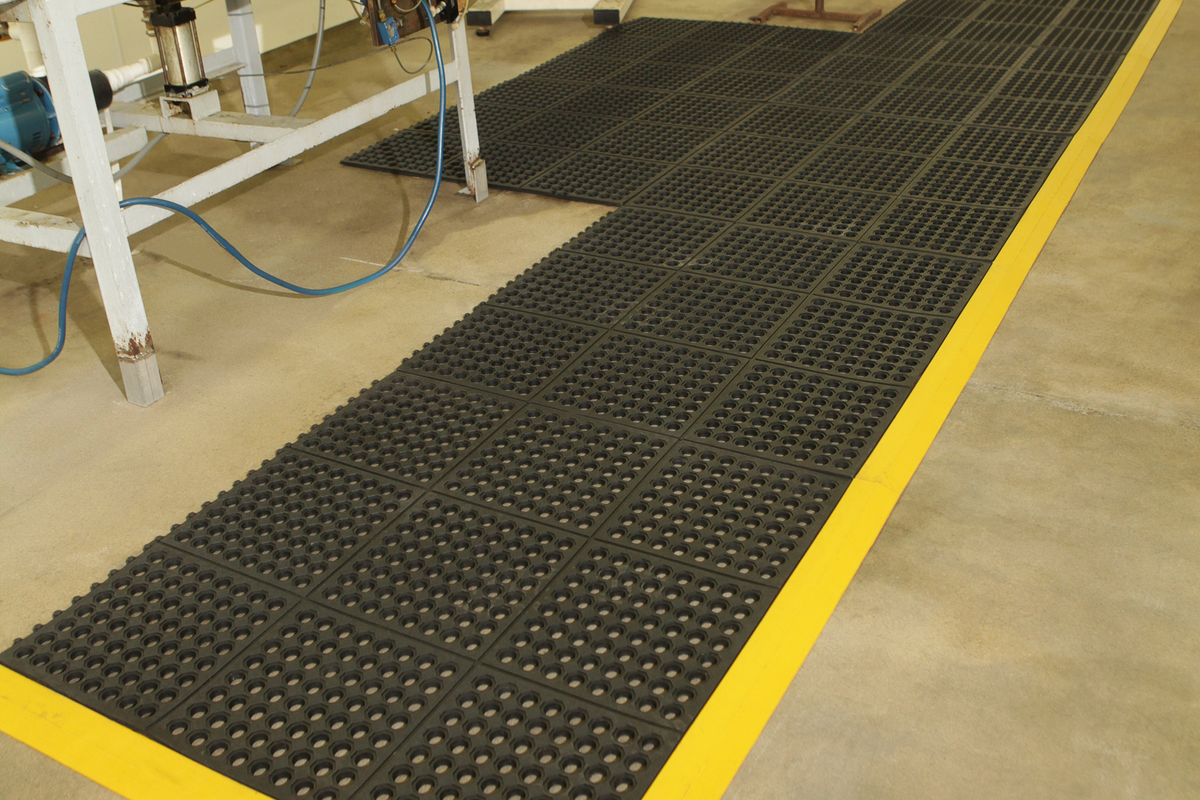
Anti-fatigue mat in a New Zealand industrial workplace setting
Industrial anti-fatigue matting in a NZ workplace — the right mat for the right environment makes a measurable difference to staff comfort and injury rates.
50%
Reduction in lower back
discomfort (research-backed)
62%
Workers report leg fatigue
from standing 4+ hrs/day
$1/day
Alsco managed mat
rental from just $1/day
NZ-wide
Alsco service coverage
from Auckland to Invercargill

Do Anti-Fatigue Mats Actually Work?

Short answer: yes, when they are the right mat for the job. The evidence is not anecdotal. Multiple peer-reviewed studies, including research published in the journal Ergonomics, have found that anti-fatigue matting meaningfully reduces fatigue, musculoskeletal strain, and injury risk in workers who stand for extended periods.

The mechanism is straightforward. Hard concrete and tile floors cause micro-circulation problems in the legs and lower back because standing muscles constantly contract to maintain balance on rigid surfaces. A properly engineered anti-fatigue mat introduces subtle instability that keeps those muscles gently active, improving blood flow and reducing the static load that causes pain and injury.

Key Research Finding

A study by the University of Waterloo found workers standing on anti-fatigue mats reported 50% less lower back discomfort after a full working shift compared to workers on concrete. Discomfort in the legs and feet was reduced by a similar margin.

Measurable Benefits: What the Research Shows

Lower back discomfort
50% reduction
Leg and foot fatigue
45% reduction
Perceived exertion
35% reduction
Worker productivity
Up to 25% improvement

WorkSafe NZ: What Are Your Obligations?

The Health and Safety at Work Act 2015 (HSWA) requires every PCBU to manage risks to workers, including risks from prolonged standing. WorkSafe NZ’s guidance on hazardous manual handling specifically identifies static standing postures as a risk factor for musculoskeletal disorders (MSDs).

This does not mean anti-fatigue mats are legally mandated in every workplace. It does mean that if your workers stand for more than 2 hours per shift on hard surfaces, you are expected to have controlled that risk. Providing anti-fatigue matting is the primary recognised control measure for standing workstations.

MSD risk is your responsibility. Musculoskeletal disorders are the single largest category of workplace injury in New Zealand. If a worker develops a back or leg injury from prolonged standing and no controls were in place, WorkSafe can and does take enforcement action.

Which Industries Need Anti-Fatigue Mats Most?

Any role where workers stand for extended periods on hard surfaces benefits. The industries with the highest MSD risk from standing work in NZ are:

Food Processing

Production Line & Processing

Workers stand 6-10 hours on concrete or tile. Food-grade, anti-slip, oil-resistant mats are required. Alsco’s food prep range meets HACCP hygiene standards.

Hospitality

Kitchen & Bar Staff

Chefs and kitchen hands stand on hard tile for entire shifts. Anti-fatigue mats also reduce slip-and-fall risk in wet kitchen environments.

Healthcare

Operating Theatres & Wards

Surgeons and nursing staff often stand for 4-8 hour procedures. Clean-room grade mats with non-linting surfaces are standard in clinical environments.

Industrial

Manufacturing & Assembly

Assembly-line and machine-operating roles involve prolonged standing with repetitive movements. Anti-fatigue mats reduce cumulative injury over multi-year employment.

Retail & Hospitality

Checkout & Service Counters

Retail staff and baristas may stand 8+ hours. Lighter-duty anti-fatigue mats work well in these environments and fit under counters and workstations.

Commercial

Reception & Front Desk

Often overlooked. Reception staff who stand at desks experience the same cumulative fatigue as industrial workers — a lightweight mat makes a real difference.

Choosing the Right Anti-Fatigue Mat

Not all anti-fatigue mats are the same. The wrong mat in the wrong environment wears out quickly, creates a slip hazard, or simply does not deliver the ergonomic benefit. Here is how to match mat type to environment:

General Purpose
Best for: office, retail, reception, dry environments Foam or rubber-topped mats with flat surfaces. Cushioned support without the heavy-duty construction needed in industrial settings. Lightweight and easy to reposition.
Wet / Grease-Resistant
Best for: kitchens, food processing, beverage, laundry Open-grid or drainage-hole construction allows liquids to drain away. Nitrile rubber backing resists oils, greases, and cleaning chemicals. Critical for slip prevention in wet kitchens.
Industrial / Heavy-Duty
Best for: manufacturing, warehousing, automotive, engineering Heavy nitrile rubber construction withstands heavy loads, dropped tools, and forklift traffic. Oil and solvent resistant. Designed for the harshest factory floor environments.
ESD / Clean-Room
Best for: electronics, pharmaceutical, healthcare, laboratories Electrostatic dissipative properties protect sensitive equipment. Non-linting surfaces meet clean-room standards. Required in environments where particle contamination is a risk.
Alsco Mat Range

Alsco’s managed mat service covers all the above types. Our technicians assess your workstation environments and specify the correct mat for each location — you do not need to work it out yourself. Available in sizes from S 3×2 (90cm x 60cm) to XL 8×3 (90cm x 240cm).

Buying vs Renting: What Makes More Sense?

Factor Buying Alsco Managed Rental
Upfront cost High ($80–$500+ per mat) None — from $1/day
Cleaning Your responsibility Included — collected and laundered
Replacement when worn You pay again Included in service
Correct mat for each zone You research and specify Alsco assesses and specifies
Hygiene compliance On you to maintain Professional industrial laundering
Scaling up or down Fixed investment Flexible — adjust as headcount changes
Admin burden You manage inventory Zero — Alsco handles everything

What to Look for in a Quality Anti-Fatigue Mat

If you are assessing mats — whether purchasing or specifying for a managed service — these are the features that separate effective mats from cheap ones that wear out in six months:

  • Nitrile rubber backing — resists oils, solvents, and greases. Cheaper mats use PVC which degrades quickly in industrial environments.
  • Bevelled edges — tapered edges prevent trip hazards. A flat-edged mat on a busy floor creates a lip that catches feet.
  • 15–20mm thickness — the optimal range for anti-fatigue effect. Thinner mats offer little benefit; thicker ones create instability for some tasks.
  • Non-slip surface texture — particularly important in kitchens and wet environments. A smooth-top mat in a wet kitchen is a liability.
  • Appropriate size for the workstation — the mat must be large enough that workers do not step off it during normal work movement.
  • Easy to clean — mats that trap dirt and cannot be properly cleaned become a hygiene risk over time, particularly in food environments.

Frequently Asked Questions

How long does an anti-fatigue mat last?
A quality industrial anti-fatigue mat typically lasts 3–5 years with proper maintenance. Cheaper mats may compress and lose their anti-fatigue properties in as little as 12 months. With Alsco’s managed rental, mats are inspected on every visit and replaced when they no longer meet the standard — you never need to track wear and tear yourself.
Are anti-fatigue mats required by WorkSafe NZ?
Not mandated by name, but WorkSafe NZ requires employers to control the risk of musculoskeletal disorders from standing work under the HSWA 2015. Anti-fatigue matting is the primary recognised control measure for standing workstations. If a worker sustains an MSD from prolonged standing and no controls were in place, enforcement action is possible.
Can anti-fatigue mats be used outdoors?
Some heavy-duty mats with drainage channels are suitable for semi-outdoor or covered outdoor environments. For fully exposed outdoor use, purpose-built outdoor safety matting is preferable. Speak to Alsco’s team about the right specification for your site.
What is the difference between an anti-fatigue mat and an entrance mat?
Entrance mats are designed to trap dirt and moisture at the door — their primary function is keeping floors clean. Anti-fatigue mats are engineered for ergonomic support at standing workstations. Alsco supplies both under managed rental — they serve different purposes and should not be substituted for each other.
How often do the mats get cleaned in Alsco’s service?
Alsco’s managed mat service includes scheduled collection, industrial laundering, and return on a regular cycle. The frequency is set based on your site’s usage and hygiene requirements — typically fortnightly for food environments, monthly for lower-traffic areas. Your Alsco rep will agree a schedule that suits your operation.
Do anti-fatigue mats help with slip prevention as well?
Open-grid and drainage-hole mats used in wet kitchens and food processing environments do significantly reduce slip-and-fall risk by keeping the standing surface above pooled liquids. However, not all anti-fatigue mats are designed for slip prevention — the surface texture and drainage design matter. Alsco will specify the correct mat for wet versus dry environments.
Alsco Uniforms New Zealand

Protect your team. Remove the admin. Start a free trial.

Alsco’s managed mat rental covers supply, industrial laundering, and scheduled replacement. From $1 a day, with a two-week free trial. NZ-wide coverage.

WorkSafe NZ First Aid Requirements: The Complete 2026 Employer Guide

WorkSafe NZ First Aid Requirements: The Complete 2026 Employer Guide
WorkSafe NZ — Employer Compliance

First Aid Requirements
Every NZ Employer
Must Know in 2026

The Health and Safety at Work Act 2015 makes first aid a legal obligation, not a suggestion. Here is exactly what you need to provide, how many trained people you need on site, and what happens when you fall short.

8 min read Updated July 2026 For H&S Managers & Business Owners
$150K
Maximum fine per business
(Category 3 breach)
1:50
Minimum first aider ratio
in low-risk workplaces
2 yrs
First aider certificate
validity period
12 mo
Minimum kit inspection
frequency
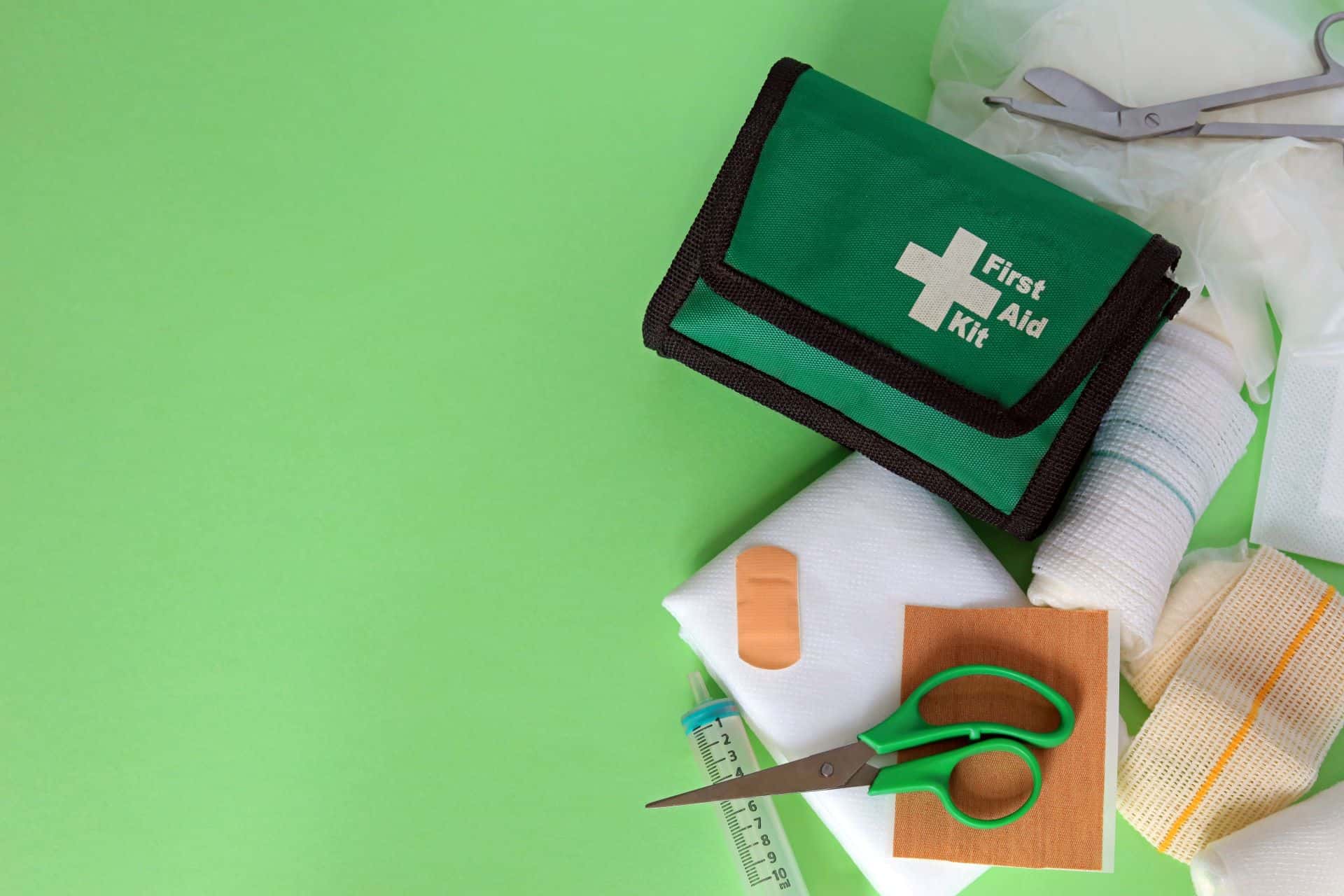
WorkSafe NZ compliant workplace first aid kit contents laid out
A compliant NZ workplace first aid kit must be tailored to your specific hazard profile, not a generic off-the-shelf minimum.

What the Law Actually Says

Most NZ employers know they need a first aid kit. Far fewer understand exactly what the law requires — and the gap between those two things is where compliance failures happen.

Primary Legislation

Health and Safety at Work Act 2015 (HSWA)

Section 36: every Person Conducting a Business or Undertaking (PCBU) must ensure, so far as is reasonably practicable, the health and safety of workers. First aid is a direct obligation under this duty.

Specific Requirements

General Risk and Workplace Management Regulations 2016

Regulation 6 requires adequate trained first aiders, adequate equipment, and facilities for administering first aid. All three must be present — equipment alone is not enough.

Important: “Adequate” is not defined as a fixed kit list. It means appropriate to your specific workplace — which requires a formal risk assessment. If a WorkSafe inspector asks what process you used to determine your provision, “we bought a kit from the chemist” is not a sufficient answer.

First Aider Ratios by Risk Level

A first aider must hold a current certificate from a recognised provider covering CPR, management of unconscious casualties, bleeding control, burns, fractures, and AED use. Certificates are valid for two years. Lapsed certificates mean you are out of compliance even if your kits are fully stocked.

Office, retail, hospitality
1 : 50
Low Risk
Food service, warehousing
1 : 25
Medium Risk
Construction, heavy manufacturing
1 : 10–15
High Risk
Remote or isolated sites
Assess individually
Variable

Shift coverage: A trained first aider must be available during all operating hours — including early mornings, nights, and weekends. If your only trained first aider works Monday to Friday and you operate 24/7, you are non-compliant on evenings and weekends.

What Goes in a Compliant First Aid Kit

WorkSafe NZ does not mandate a single kit list. Contents must reflect the hazards in your workplace. The AS/NZS 2675 standard provides a widely referenced baseline. The split below reflects what those hazards generally require.

Standard Workplace
  • Adhesive dressings (assorted)
  • Sterile eye pads (minimum 2)
  • Sterile wound dressings
  • Triangular and conforming bandages
  • Disposable gloves
  • CPR face shield
  • Resuscitation guide
  • Scissors and tweezers
  • Inspection and use log
High-Risk / Industrial
  • Everything in Standard, plus:
  • Burns kit (burn gel, non-adherent dressings)
  • Eyewash station (ANSI/ISEA Z358.1)
  • Tourniquet device
  • Haemostatic gauze
  • Thermal blanket
  • AED (defibrillator) where warranted
  • Chemical exposure rinse station
  • Sharps disposal container

Restocking and Maintenance — the Part Most Businesses Miss

Having a kit on the wall is the easy part. Keeping it stocked and compliant is where most businesses fall short. WorkSafe’s guidance requires kits to be inspected regularly and restocked after every use.

The most common failures WorkSafe inspectors find:

  • ×Expired consumables — dressings and gloves past their use-by date
  • ×Items removed after an incident and not replaced
  • ×Kits that no longer match the current headcount or hazard profile
  • ×No maintenance log — no evidence anyone has ever checked the kit
  • ×Kits stored in inaccessible or unmarked locations

The maintenance log is what catches businesses out most often. If WorkSafe investigates a workplace incident and you cannot produce inspection records, it significantly strengthens their case for a compliance notice or prosecution.

What Non-Compliance Actually Costs

The HSWA introduced a three-tier penalty structure. Fines are assessed based on the severity of the failure and whether it contributed to harm.

Category 1 — Minor
$10K
Administrative breach with no immediate risk. Example: missing kit inspection log.
Category 2 — Serious
$50K
Failure to provide adequate provision where a risk existed. Example: no first aider on shift during a high-risk operation.
Category 3 — Critical
$150K
Reckless disregard where harm occurred or was likely. Can also include up to 5 years imprisonment for officers.

AEDs: When Are They Required?

Under the HSWA, an AED is not universally mandatory. WorkSafe recommends considering one where 100 or more people regularly work or gather, the site is more than 5 minutes from emergency services, or a specific health risk assessment identifies cardiac risk as significant.

Situation AED Recommended? Rationale
100+ employees on site Yes Statistical likelihood of cardiac event increases with headcount
More than 5 min from EMS Yes Survival rate drops 10% per minute without defibrillation
Physically demanding work Consider Elevated cardiac risk in heavy manual labour environments
Small office, near hospital Not required Risk assessment unlikely to indicate need, but still recommended best practice

How a Managed First Aid Service Removes the Risk

What Alsco’s managed first aid service covers

Instead of tracking expiry dates, sourcing replacements, and hoping your kit still matches the requirements, Alsco handles the entire compliance cycle on your behalf.

1

Initial workplace assessment

We review your headcount, hazard profile, number of sites, and shift patterns to determine exactly what provision you need under WorkSafe NZ guidance.

2

Kit installation and placement

Correctly specified kits are installed at every required location. Burns kits and eyewash stations are included where the hazard assessment calls for them.

3

Regular restocking visits

Alsco technicians visit on a scheduled cycle to inspect, restock, and log every kit. Consumables are replaced before they expire, never after.

4

Audit-ready compliance records

Every inspection is logged. If WorkSafe arrives, you can produce a complete maintenance record on the spot — the detail that most businesses cannot provide.

5

No upfront costs

All equipment is supplied and maintained under a managed rental model. No capital outlay, no surprise replacement costs — a predictable fixed service fee.

Frequently Asked Questions

Does WorkSafe NZ publish a standard kit list I can follow?
No. WorkSafe does not mandate a specific kit list. The AS/NZS 2675 standard provides a baseline, but your actual contents must be determined by the hazards present at your workplace. A risk assessment is required.
Can the same person be the only first aider for multiple shifts?
No. A trained first aider must be present during every operating shift. If your certified first aider is on leave, works part-time, or is absent for any reason, you need another qualified person to cover that shift.
What happens if a WorkSafe inspector finds our kit is out of date?
At minimum you will receive an improvement notice requiring rectification within a set timeframe. If the breach is considered serious or has contributed to harm, fines can reach $50,000–$150,000. Repeat breaches attract stronger enforcement action.
Do we need a first aid room?
Not in most workplaces. WorkSafe requires “facilities for administering first aid” — this is generally interpreted as a designated, clean, accessible area where first aid can be provided. A dedicated room is expected for larger sites (typically 200+ workers) or where the nature of work creates a higher likelihood of injury.
Is a managed first aid service tax deductible?
Generally yes — workplace health and safety expenditure is ordinarily deductible as a business expense under the Income Tax Act 2007. Confirm with your accountant for your specific situation.
How often should we review our first aid provision?
WorkSafe recommends reviewing whenever there is a significant change to the workplace — new processes, additional staff, new hazards, or following any incident. At minimum, an annual review is considered best practice.
Does each site need its own kit?
Yes. Each location is assessed independently. If your staff work across multiple sites, each site requires its own adequate provision based on the specific hazards and headcount at that location.
Alsco Uniforms New Zealand

Take first aid compliance off your plate.

Alsco’s managed first aid service covers supply, scheduled restocking, burns kits, eyewash stations, and audit-ready records. Nationwide. No upfront costs.

Alsco Uniforms

With over a century of experience in providing affordable managed textile, washroom, and safety services, we allow customers to focus on their core business; knowing they have a reliable and sustainable partner.

Alsco Uniforms