Trusted by 238K+ Business Worldwide. Find a Location
Trusted by 238,000+ businesses worldwide across 250 locations delivering uniforms, linens and more. Find a Location Near You


Delivering Excellence Since 1910
Contact Us
8 Tips to Ace Washroom Etiquette in the Workplace
Washroom etiquette plays an important role in creating a happier, safer, and cleaner working environment.
These practices are designed to show respect and reduce the level of bathroom contamination that may render you and your workmates ill.
Inconsiderate individuals can make the toilet a disgusting destination. A clean and hygienic washroom begins with proper washroom etiquette from those who use it. So encourage fellow staffers to be respectful when utilizing this shared space.
For washroom etiquette solutions tailored to your business, contact ALSCO now.
What Poor Washroom Etiquette Can Do To Your Health
Poor etiquette may even set off a chain reaction wherein others don’t try as hard to keep the washroom clean. This can present a health risk to the entire workplace. A dirty bathroom becomes a breeding ground for germs that spread illness.
Harmful germs that can breed in the bathroom include:
- Gastrointestinal viruses. These harmful germs can explore your toilet seat and remain on the surface for as much as a week. They can cause stomach ailments that are easily transmitted.
- Enteric pathogens. These are organisms can spread by contaminated foods or through the oral-faecal route. E. coli and salmonella fall under this category, which causes severe diarrhoea and bloody stools.
- Skin organisms. The bathroom is an ideal environment for the spread of staphylococcus aureus via hands, damp surfaces, towels, and face cloths. It can cause a range of illnesses including skin infections.
- Respiratory viruses. Cold and flu viruses also love damp areas like the bathroom. They can be easily spread through coughing, sneezing and nose-blowing by an infected person.
- Residual fungi. Airborne fungi which enter the bathroom can colonise moist surfaces. It can release spores or substances which trigger or aggravate respiratory allergies such as asthma.
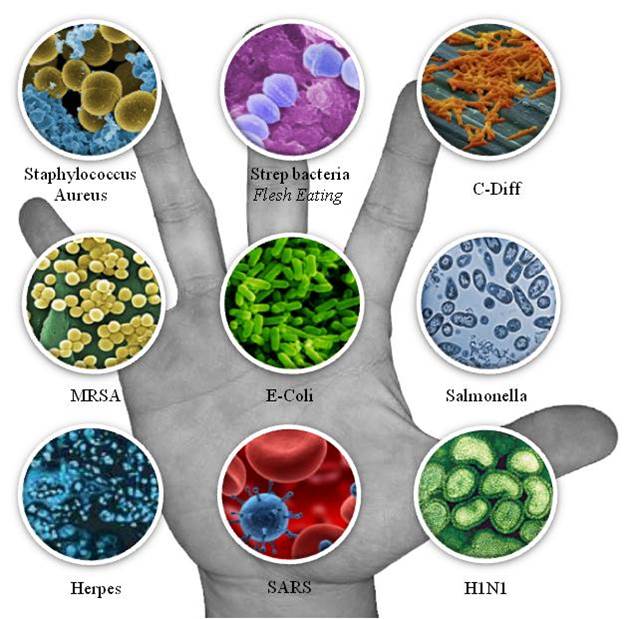
The spread of these pathogens can be prevented with good washroom etiquette and hygiene practices, which is of most importance at crowded workplaces such as schools or restaurants.
Send a positive message to workmates and help ensure their working environment is kept hygienically clean too. Our School Washroom Guide gives you all the necessary guidelines on how to do it if you work in a school, for example.
Greenroom’s Tips On Bathroom Etiquette In The Workplace
Are you aware of the dos and don’ts associated with workplace bathrooms? Remember, you are not the only person using the restroom in the office. So we have listed helpful tips to help you ace good bathroom etiquette.
1. Always wash your hands
Hand washing is an essential part of proper workplace bathroom etiquette. This simple act can prevent millions of germs from spreading. It’s an easy, inexpensive, and effective way to keep employees healthy.
A 2008 SCA Hygiene Report, which involved over 4,800 participants in 9 countries, revealed that the biggest concern over hygiene was firmly set around toilets and bathroom etiquette. Around 47% were concerned about insufficient hand hygiene in connection with toilet visits.
2. Clean the spaces as you go
Imagine visiting the bathroom only to come face to face with a mess. No one wants to be greeted with an unflushed bowl, a toilet seat used for target practice, or floor used as an open landfill site. Always clean as you go.
After flushing the bowl, it would help to wipe down the seat with a little toilet paper from the dispenser next to you. If you drop some paper on the floor, pick it up. It’s simple as that. This etiquette shows respect to your co-workers.
3. Do not conduct business transactions
Bathroom chitchat should be kept to a minimum. No more than the occasional ‘hey’ should be exchanged in most situations. Save the ‘nice to meet you’s’ after you exit the bathroom door. Be sure to wash your hands.
The workplace bathroom exists for specific purposes. It would be inappropriate to conduct business deals in a space made for evacuations. Those involved will only feel uncomfortable and worst, the deal will be lost completely.
4. Doing the courtesy flush
Courtesy flush refers to a ‘flush’ administered midway through the toilet-sitting process. The purpose is to remove odour as quickly as possible. If you let the smell linger, it can make the trip to the toilet extremely unpleasant for your co-workers.
There are some issues against courtesy flushing in terms of eco-friendly principles. As much as 22.7 litres of water is used with every flush, according to EPA. However, modern toilet models now use lesser with just 6.1 gallons.
5. Don’t hang around
This unwritten rule may seem strange but to hang around and wait for your turn may trigger a ‘shy bladder’. In fact, it is now a recognised medical condition known as paruresis wherein the sufferer is unable to urinate in the presence of others.
No one likes to feel rushed, so when it comes to performing either on the throne or at the urinal. Your co-worker may feel slightly embarrassed, but more than likely annoyed. Give them sufficient space by waiting at your desk or workstation.
6. Flush with the lid down
Did you know that bacteria are sprayed around 25 centimetres above the toilet bowl with each flush? This was revealed by a study from Leeds General Infirmary. It was also found that the presence of the bacteria was 12 times greater in open bowls.
Apparently, flushing with the lid up ‘aerosolizes’ bacteria that can spread disease like the diarrhoea-causing Clostridium difficile. This can be found abundantly in workplace bathrooms.
7. No executive privilege
Even if you hold a high position in the company, you are not entitled to skip any aspect of hygienic bathroom etiquette. Do not expect lower-ranked employees to give way to you. People from all walks of life share the same ‘washroom needs’ after all.
You are also not exempted when it comes to flushing the lavatory seat down, as well as washing and drying your hands adequately. Do the same rule in terms of conducting business transactions inside the washroom.
8. Do not release resentments
There is no executive privilege in the workplace bathroom, but if your boss expects you to stand aside, then just do so. There are more diplomatic ways to get the etiquette message across to them.
If your boss tries to strike up a conversation, do not ignore him. Instead, make your answer short and shrift. If you have a company suggestion box, why not suggest to have bathroom etiquette posters displayed inside?
Alsco’s Hygiene and Washroom Services
Alsco’s dedicated team will help keep your business clean, organised and professional. Their trusted services include affordable washroom and hand hygiene solutions and eco-friendly options for the workplace.
Through Alsco’s own workplace hygiene branch, Fresh & Clean, our clients can successfully enhance the degree of workplace bathroom hygiene significantly. Services and products provided include feminine hygiene, odour control, soap dispensers, and hand-drying systems.
Now is the time to promote good washroom etiquette in the workplace! Get in touch with us for hassle-free solutions.
Image Courtesy: kittenfc
5 Reasons To Invest In Hand Sanitisers For The Workplace
The workplace makes you susceptible to many forms of diseases. Good hygiene plays a big factor in keeping the work environment tidy and productive.
Hand washing alone is not enough to kill bacteria. The use of hand sanitisers is also essential in preventing the spread of illness.
Providing a clean, hygienic workplace is important to keep your staff safe against germs. From wall-mounted soap dispenser units, and hand drying solutions, to hand sanitisers, hygiene amenities should be complete.
If you want the best hygiene products that are affordable and easy to install, contact Alsco now.
Why Do You Need Hand Sanitisers?
Did you know that the average desk contains about 400 times more germs than a toilet seat? Frequently touched surfaces are also a breeding ground for germs including lift buttons, telephone handsets, and door handles.
Once the disease spreads, absenteeism begins. This can become a burden on the company and the rest of the staff.
Providing hand sanitisers is one way to help your company’s bottom line. Because it’s convenient, it can easily promote good hygiene and encourage your staff to participate.
How Do Hand Sanitisers Work?
Proper handwashing with soap and water is still the best method to reduce microbes in most situations. However, if soap and water are not available, alcohol-based hand sanitisers that contain at least 60% alcohol are the best substitutes.
Hand sanitisers are typically gels that contain alcohol. It works immediately and effectively in order to kill bacteria and most viruses. Most brands of sanitisers contain moisturisers to minimize skin dryness and irritation.
Hand sanitisers may work well in settings where hands come into contact with germs but are not heavily soiled or greasy. They are more effective in reducing the spread of rotavirus, adenovirus, and rhinovirus.
Why Should You Invest In Hand Sanitisers?
1. Prevents the spread of diseases
The flu and common cold are contagious and can be transmitted via airborne droplets and direct contact. The things you touch throughout the day can become a breeding ground for countless bacteria. Hand washing or the use of sanitisers are effective ways to prevent the spread of germs.
2. Keeps environment safe
If you’re working in the food, education industry or healthcare setting, good hygiene and cleanliness of the workplace are paramount. Regular handwashing or the use of hand sanitisers can reduce the risk of cross-contamination.
If education is your field, to help you learn all you need to know about the effects of washrooms on making a school a safe, healthy and pleasant environment for students and staff, we’ve created the ultimate School Washroom Guide. It will teach you how your school washroom can meet all the legal requirements, health and safety standards and much more.
3. Reinforce the habit among employees
Hand hygiene is essential for good health, yet many people do not give it much thought. Establish the habit of handwashing among your staff by making hand sanitiser dispensers visible and easily accessible. The sight of the container will remind everyone of what they are supposed to do.
4. Boost work productivity
Preventing the spread of illness is preventing absenteeism. Healthy people make more and that’s a fact. Habitual practice of good hygiene amongst employees will lower the risk of spreading diseases. Keep your team or staff in tip-top shape.
5. Show workers you care
A fresh and hygienic washroom only shows that you care about the comfort and well-being of your staff. More so, a washroom that includes complete amenities such as hand soaps, hand sanitisers, paper towels, and hand dryers can create a lasting impression on guests and clients.
What ALSCO Can Offer?
Germs lurk in your work environment every day. Simple steps like putting up hand sanitiser dispensers can go a long way towards keeping employees healthy and productive. Alsco offers a wide range of hygiene products suited to specific needs.
Stop the spread of illness in the workplace and invest in good hygiene practices now!
Want a well-maintained, well-managed washroom and hygiene system, contact Alsco now.
Dry Hands are Safe Hands
An awareness that microorganisms on a person’s hands can be a source of cross-infection and a means by which infectious diseases can be transmitted has been appreciated for over 100 years and followed on from the studies of Dr I.P. Semmelweis who dramatically cut the death rate from infection in his delivery ward by insisting on strict hand washing and disinfection.
There is no shortage of scientific papers in the medical literature on the subject but close inspection will show that the emphasis has always been on the effect of handwashing and disinfection on microbial numbers on the hands –not on what happens after washing.
Washing hands is only a small part of the hygiene story
Research by Dr Tom Miller and colleagues Daniel Patrick and Glenne Findon from the Department of Medicine at the University of Auckland and published in the influential journal, Epidemiology and Infection, have produced startling results showing that hand washing is only part of the hand hygiene story.
According to Dr. Miller hand drying after washing is an additional and critical factor limiting the spread of infection by touch contact.
This topic is particularly important in crowded workplaces, such as restaurants and schools.
Interested in the best hand hygiene practices in school washrooms? Read through the linked guide and learn everything you should know about making schools safe environments for all our children and school staff.
Here’s why it all matters so much.
When items are touched by hands that have been washed but not dried properly many thousands of microorganisms can still be transferred. Dr Miller quotes figures of 60,000 microorganisms being transferred to the skin of a person being touched with damp hands and 40,000 microorganisms being transferred to samples of food. Moisture left on the hands acts as a bridge allowing alarmingly high numbers of bacteria to be transferred by touch contact, says Dr Miller.
These figures contrast with the situation when the hands are carefully dried after washing. With proper hand drying, the numbers transferring with touch contact can be reduced to less than 100.
The research, which used a recyclable textile (cloth) dispensing unit to dry the hands, has important implications for hand hygiene practices in situations where infection control is a priority. Hospitals are an obvious target but the basic principles apply equally well to other hygiene sensitive areas such as food outlets, childcare centres, rest homes for the elderly and in the family home where a caregiver might be moving between a sick member, food preparation and other domestic tasks.
One outcome of the research is that hand drying is now regarded as an integral part of hand hygiene and most international guidelines for hand hygiene practices include a requirement for hand drying.
Best practice for hand drying
Studies carried out in the Department of Medicine, the University of Auckland in recent years by Dr Tom Miller and Daniel Patrick have shown hand drying following a careful hand wash is a critical factor that determines the effectiveness of a hand hygiene practice. The research identified moisture on the hands as a potent “microbial mobilizer” and demonstrated that the degree to which microorganisms can be spread by touch contact is closely related to the level of moisture on the hands when touch contact occurs. In practical terms, hygiene facilities need to include a readily assessable hand basin, running water soap and an efficient means of hand drying.
Experiments carried out using recyclable cloth towelling dispensers have shown cloth towelling to be an effective means of hand drying. However, because the cloth is becoming progressively damp as water is removed, it is difficult to remove moisture to a level that can be considered “safe.”. The researchers have gone on to develop and test a dual-system hand drying protocol that they consider to be “Best Practice”. In the dual system that was evaluated, a cloth towel from a dispensing unit was used first to remove the bulk of water left on the hands after washing. In the second phase, hands were held under a hot air towel to remove residual moisture.
Recommendations arising from the research are that the hands be dried for 10 seconds with the cloth towel followed by a further 10 seconds under an air towel. The protocol has been promoted as the 10/10 procedure. Evidence supporting the 10/10 concept is compelling. Experiments that involved subjects handling skin, food and utilities with wet hands or hands dried using the dual system,10/10, protocol demonstrated just how effective careful hand drying can be at reducing microbial transfer by touch contact.
| Contact surface | Wet hands | dual drying, 10/10 procedure |
|---|---|---|
| Skin | 71,000 microorganisms | 330 microorganisms |
| Food | 11,700 microorganisms | 1,600 microorganisms |
| Utilities | 2,500 microorganisms | 85 microorganisms |
Microbial numbers contaminating skin, food and utilities were therefore reduced 99.5%, 84% and 90% respectively when subjects dried their hands using the dual system, cloth and air towel combination. In the absence of an air towel, it is recommended that residual moisture is removed using a fresh, dry section of a cloth towel. i.e. two 10 second dries using the cloth towelling.


