Trusted by 237K+ Business Worldwide. Find a Location
Trusted by 237,000+businesses worldwide across 250 locations delivering uniforms, linens and more. Find a Location Near You


Delivering Excellence Since 1910
Contact Us
Which Is Better? Hand Soap Or Hand Sanitizer
There is no better way to reduce the spreading of germs and potentially deadly diseases than hand washing.
Nowadays, it is very fortunate that there are many ways to clean one’s hands. We owe that thanks to the inventors of hand sanitisers.
It is recommended to use these bottled gels as a substitute for the outdated handwashing with soap and water.
It is also said that it’s efficient in killing germs and keeping the hands clean.
However, is it all completely true? How good are hand sanitisers compared to hand soaps? Do they actually remove almost 100% of the germs on your hands? Let’s find out!
Hand Washing With Soap
It has been proven that handwashing with soap and water rids you from bacteria such as c.difficile. It’s a very dangerous bacteria and it can lead to debilitating diseases. Hand washing has to be done properly in order to prevent bacteria from contamination. The question is, what is proper?
Proper handwashing means pouring 1-3 ml of soap into your hands. It needs to be turned into a lather by scrubbing for at least 20 seconds. You also need to mind your fingers, fingernails, wrists and if possible, forearms. Afterwards, rinse your hands well and don’t forget to dry them!
Studies have shown that crucial thing to effective hand hygiene is drying. There is a correlation between the hand dampness and the bacteria amount that can be transferred to the surface. Meaning, if you leave your hands wet, your skin will most likely become an even better place for bacteria to breed.
A Must (Not)
There is one more thing you should know! Refrain from rubbing your hands while you’re drying them. An interesting study was conducted at the University of Bradford. It says that it brings bacteria back to the surface if you rub your hands together.
A lot of people rub their hands together in order to dry them faster. That’s why hand dryers are not the best option, but they are still good. On the other hand, paper towels are much better for drying because they prevent your hands from touching each other. That’s why towels are the best!
Anti-Bacterial Soaps
Antibacterial soaps have proven themselves to be as efficient as regular soaps. However, be cautious when using antibacterial soap! It’s possible for consumer antibacterial soap (unlike the soap used in hospitals) to increase bacterial resistance to antibiotics. If you happen to use antibacterial soap, it would be best to use brands trusted by industrial workplaces and clinics.
What About Hand Sanitisers?
Are hand sanitisers really 99% effective as people claim? Yes. However, not actually on the hands. The thing is, products like these are most of the times tested on inanimate surfaces. The results are different if tests are performed on hands.
It may seem as if hand sanitisers are useless, but it’s not so. What’s really efficient at killing bacteria are alcohol-based hand sanitisers. Many doctors recommend using them. That’s because they’ve proven them efficient in preventing viral and bacterial contamination, with some exceptions.
Hand sanitisers are useful when hygiene facilities are not available. However, they cannot replace traditional handwashing with soap and water. That’s because of the presence of more dangerous bacteria types that cannot be eliminated.
Also, hand sanitisers are less effective than soap and water in reducing dirt and grime. The traditional routine is the best solution if your hands are visibly dirty. If not, you can be forgiven for using a hand sanitiser, until you get to use soap and running water again.
The Right Choice
Alcohol is an antiseptic, which is the essential component of a hand sanitiser. However, it doesn’t have to mean that any hand sanitizer with alcohol in it is a good one. Always aim for one that has at least 60% of alcohol. Anything less than that is not effective.
Additionally, it is of great importance to know how to use hand sanitisers in a proper way. Firstly, don’t be afraid to spend too much sanitiser.
Freely squirt more than one dose on your hand. Afterwards, spread it all over the surface of your hands, including the space between your fingers and your nails. Stop only when the sanitiser has dried out.
Implementation Of Hand Sanitisers
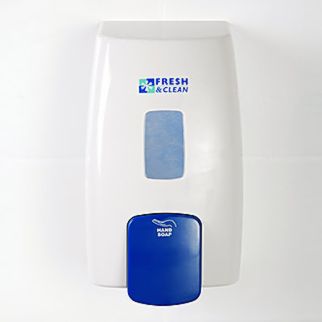 If you are wondering whether to invest in soap dispensers or in hand sanitisers, there should be no uncertainties. Invest in both if you’re willing to provide your workers with a fresh and healthy work environment.
By implementing proper hygiene measurements you will keep diseases away. You will also bolster your worker’s productivity even during the flu months. Every washroom has to be equipped with a hand soap dispenser. It’s helping us promote the routine of handwashing.
There is a very significant place in your office for the hand sanitisers. They have to be placed in a particular and strategic order.
For example, next to elevators, doorways, and floors that have no direct access to a restroom. Have this system installed! Even in the middle of a hectic day, your workers will remember to wash their hands.
The best hand hygiene products for your workplace can be found at Alsco. Hand soap dispensers, hand drying solutions, hand sanitisers and more can be found in their arsenal. If you visit Alsco’s Hand Care page, you will see the full spectrum of their equipment and products for your office. You can also speak with Alsco’s friendly sales representatives.
Photo courtesy of Freepik Images by shayne_ch13
Why Handwashing Is Your Best Defense Against the Flu
The flu is a respiratory disease caused by the influenza virus. It’s spread through contact with contaminated surfaces or people.
Washing your hands is the best defence against transmitting germs to your body.
Studies reveal that only 5% of people wash their hands well. The average time spent washing is only six seconds, which is a far cry from the recommended 20 seconds.
With such bad hand washing habits, we are spreading the virus and infecting ourselves.
Touching your face with dirty hands is the cause of many respiratory diseases. What if I told you that these diseases are often self-inflicted?
This is good news. It means you can prevent it by washing your hands as often as possible. Having hand sanitiser can come in handy when you don’t have access to soap and water.
Proper Hand Washing Technique
Hand washing is important for everyone. Wash your hands as soon as you feel they are dirty. There are also specific instances where you should always wash your hands. They include:
- Before, during and after food preparation
- After using the washroom
- After touching hospital surfaces
- After petting animals and gardening
- Before eating anything
- After coughing, sneezing or attending to a patient
Since few people follow the proper hand washing routine, here is a refresher on how to do it. The simple steps to effective handwashing are as follows:
- Place a small amount on one palm.
- Rub all over your hands until they dry up.
- The process should take at least 15 seconds.
At the sink:
- Wet your hands with running water.
- Add a coin-sized amount of liquid soap.
- Rub your hands until it lathers well.
- Rub all over your hands, in between your fingers and under the fingernails.
- Scrub for about 20 seconds and sing the ‘Happy Birthday’ song twice to help you time it.
- Rinse your hands and dry them with a paper towel.
- Close the tap and open the door with the paper towel before immediately tossing it.
If you are under the care of health professionals, ensure they maintain good hygiene. They are usually vigilant, but it’s good to stay aware. Feel free to raise your concerns if something is not right.
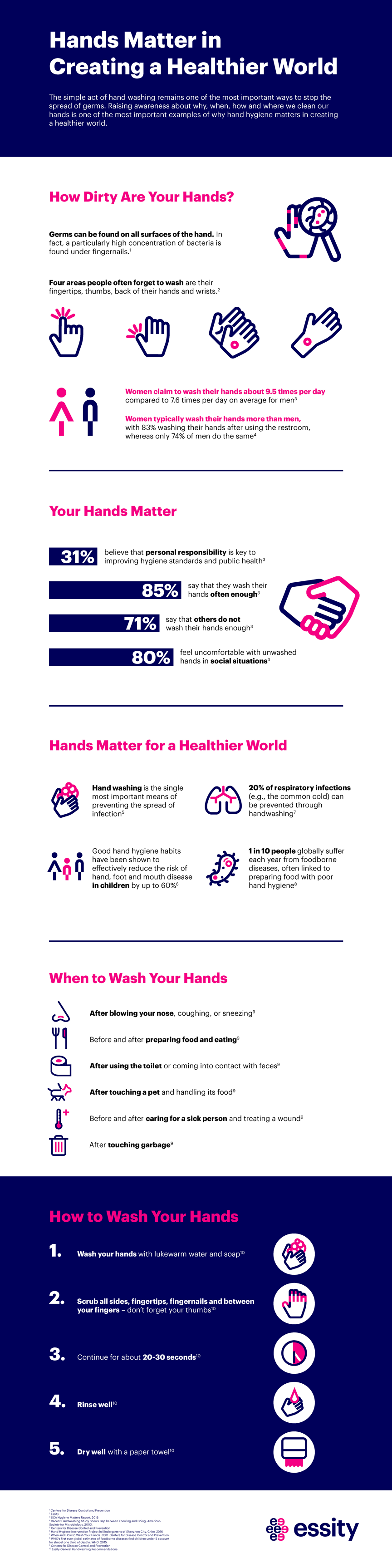
Click image to view the whole Infographic. Source CleanLink
How Hand Washing Prevents the Flu
A simple change to your hand hygiene habits can help you avoid the flu. Hand washing is a great tool for you and the community. Take note of the ways in which it protects you.
1. Hand Washing Prevents the Spread of Respiratory Diseases
Respiratory diseases are not spread by dirty hands. They start when dirty hands touch your face and the germs get access to your body through the nose, mouth or eyes. The loop must be completed to cause disease.
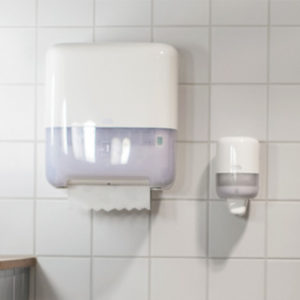
Hand Drying keep your workplace as safe as possible
The best defence against the flu is to avoid touching your face. This is a hard habit to break since most of the touching is subconscious. The best solution is to keep your hands as clean as possible. That way, if you happen to touch your face, your hands are germ-free.
Good hand washing habits keep your hands as clean as possible. The germs in the droplets can stay alive on surfaces for up to 24 hours. Use and throw away tissues after sneezing or coughing. This prevents you from touching your face and spreading the droplets. Do the same for tissues that you use to dry your hands after washing.
Hand washing is a social act. It benefits the people around you because you can’t transmit infections to them. It is a considerate act that we should all take up. If you are sick, you should self-isolate, observe great hand hygiene or sneeze into your elbow if you’re out in public.
2. Hand Washing Prevents Self-Infection
Washing your hands with soap removes infection-causing germs. This is important because dirty hands can pass these germs into your body. Clean hands have a big impact on health. Hand washing education reduces diarrhoea cases by 23-40% and respiratory illnesses by 16-21%.
Removing germs from your hands is important for several reasons:
- The germs could get into the food or drinks you are preparing.
- Germs from dirty hands are transferred to household objects and cause cross-contamination.
- Touching your eyes, nose and mouth is often subconscious and germs can get into the body and make you sick.
- It prevents infections of the eye and skin, as well as respiratory diseases.
In the workplace, the best prevention tactics are non-pharmaceutical. These are measures that don’t use medication to minimise risk. The flu shot is not always an option. Especially in pandemics where the vaccine might not exist. The best Non-Pharmaceutical Intervention (NPI) is hand washing.
NPI guidelines for the workplace include keeping the workspace clean. This involves regular disinfecting of all surfaces as well as hand washing education. Providing cleaning and sanitation supplies is helpful as well. These include washing stations and hand sanitiser.
3. Hand Washing Keeps Crowded Areas Safe
Hand hygiene education is important at home and at work. A decline in enforcing hygiene happened due to changing roles in modern households. Parents may teach kids how to wash their hands, but the emphasis stops once they are older.
A rise of community-based infection signals a decline in hand hygiene. Clean hands are a social responsibility that’s neglected by both adults and children. Germs are unforgiving, and laxity in hand hygiene can lead to a pandemic. This increases the burden of infectious diseases on the economy. We can see a rise of related deaths by 22% between 1980 to 1992 globally.
It’s not surprising that teaching is one of the top germ professions. This is due to a high bacteria count per square inch in schools. A frightening thought for any parent. Touch screens and phones are often dirty because they are passed around and dropped frequently. Keep your kids safe by reinforcing the importance of hand washing.
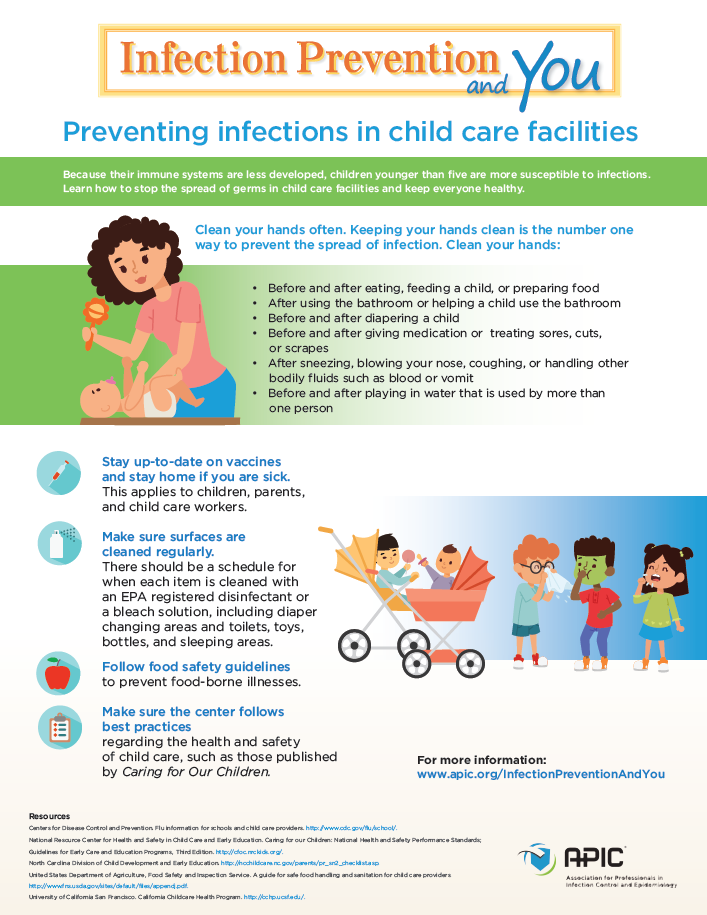
Click image to view the whole infographic. Source Medicalxpress
If you think only elementary schools are dirty, think again. Colleges and universities have a high rate of cross-contamination as well. An effective hand hygiene program has ripple effects across generations. Compliance with hand hygiene is at 58% among elementary kids. Only 28% of girls and only 8% of boys use soap.
The responsibility of hand washing awareness is shared. Good hand hygiene reduces absenteeism, costs of infection and other associated costs. A family-centred approach works best. With the rise of social media, we can use edutainment to educate the community.
4. Hand Washing Keeps Your Immunity High
The body is an efficient machine. The immune system does a great job of self-regulating. That’s unless it’s hindered by things like allergies, autoimmune diseases or medication. Healthy habits increase your immunity. They include:
- Eating a diet rich in vegetables and fruit
- Frequent exercise and movement
- Reaching and maintaining an optimal BMI
- Get between seven and nine hours of sleep daily
- Reduce your stress levels
When washing your hands, all you need to protect your immune system is soap and water. Antibacterial soap is unnecessary since it can lead to microbial resistance bacteria. Scrub for at least 20 seconds with soap and you are good to go.
Have you noticed that it’s hard to find a hand dryer in medical facilities? This is intentional. Avoid hand dryers because they blow germs into your face and all over the room. The best way to dry your hands is to rub them with a paper towel that you can immediately dispose of.
Wash your hands often to stay healthy. This isn’t just after visiting the washroom. You touch surfaces and people throughout the day; it is important to disinfect your hands when you get the chance. That is the key to good hand hygiene.
5. Hand Washing Fights the Spread of Epidemics
At the workplace, stop the spread of the virus through concentrated hygiene measures. Hand washing is your biggest ally in keeping infection at bay. Some of the measures include:
- Keeping a stash of cleaning and hygiene supplies like tissues and soap
- Cleaning frequently touched surfaces and items like door handles, phones and keyboards
- Training people to handle each other’s work in case they have to go home and self-quarantine
When a colleague gets sick, allow them to go home as soon as possible. They may cough into a tissue or their elbow, but how many people wash their hands afterwards? There is a high risk of cross-infection, so prevention is your best plan. The droplets spread easily, and a contaminated surface can infect many people.
Your immunity is vulnerable in aeroplanes and hotels. Bring sanitising wipes to clean all the surfaces you’ll need to touch. Conde Nast travel recommends using alcohol wipes to wipe your hotel phone, desk and remote. Wash your hands to ensure you’re safe.
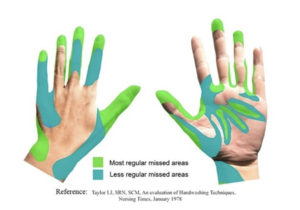
Source Twitter
In public places, surfaces like elevator buttons and gas pumps can cause cross-contamination. Avoid touching them as much as possible or use an antibacterial wipe to handle them. Any place with crowds has the potential to spread infections. Avoid them as much as you can.
Hand Washing Battles the Rise in Antibiotic Resistance
A rising threat to global immunity is antibiotic resistance. Hand washing solves this by reducing the occurrence of respiratory and gastrointestinal diseases. Antibiotics are often wrongly prescribed for these preventable conditions. Reducing the number of infections decreases the need for antibiotics. Overuse of antibiotics is the leading cause of resistance.
Hand washing prevents the spread of disease by antibiotic-resistant bacteria. It gets expensive to treat conditions that are resistant. Proper hand washing education can save lives and money for our economies.
The flu is preventable with a conscious choice to keep hands clean. It slows down epidemics, reduces self-infection and increases your immunity. As a manager, it is your responsibility to keep your workers safe. Fight the flu before it gets to you and your family.
Photo: Gentle07
6 Ways to Prevent Contracting the Flu
Protecting yourself from the flu begins with a basic understanding of the flu and its symptoms.
The flu is a common respiratory infection.
It affects millions of people around the world every year.
The flu begins with a viral infection with mild to severe symptoms.
Common flu symptoms include:
- A fever
- Body aches
- Runny nose
- Sore throat
- Coughing
- Fatigue
In many cases, these symptoms will improve within a week. Most people will recover completely without any serious complications.
But, older adults with weaker immune systems might develop serious complications like pneumonia. Up to 85 per cent of flu-related deaths affect people older than 65. Medical intervention for older adults with the flu can save a life. They need immediate medical attention once they start presenting flu-like symptoms.
Practical Measures to Protect Yourself From the Flu
During the flu season or a respiratory infection outbreak, you need to protect yourself.
There are different protective measures you can take before and after exposure to the flu virus:
1. Stay Away From Crowded Spaces
If you can, stay away from crowded spaces. Limit your contact with people as much as possible.
This will reduce your chances of getting in contact with an infected person.
Some of the spaces to avoid include:
- Local government facilities and offices
- Hospitals and other medical centres
- Schools and other learning centres
- Public transport facilities and hubs
- Health and fitness facilities such as the gym
- Religious centres and gatherings
- Stadiums and large spotting venues
How to Protect Yourself While in Public
Since you cannot avoid these places entirely, make sure you protect yourself in public.
You should:
- Avoid touching surfaces and objects other people touch regularly, such as the rail on a staircase.
- Do not shake hands, hug or kiss people you meet. If you must exchange pleasantries, limit it to a handshake and wash your hands as soon as possible.
- Whenever possible, keep a safe distance between you and other people. For example, you can choose to sit at the back of the bus to avoid people.
- Wear a face mask if you are sick, have a weak immune system or are currently treating another respiratory infection.
- Pay attention to your surroundings. If you see anyone coughing or sneezing, keep your distance.
2. Practice Safe and Regular Handwashing
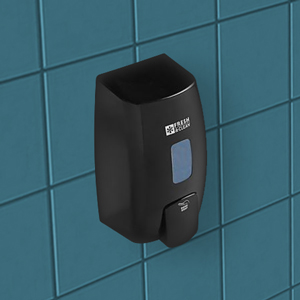
Efficient and convenient first defense Soap Dispensers
The flu virus, like most other respiratory viruses, can live on hard surfaces for up to 24 hours. The virus can enter your body through your eyes, nose or mouth if you touch your face with contaminated hands.
Since you are likely to touch your face several times in a day, get into the habit of washing your hands regularly.
This is especially important if:
- You are eating or preparing food.
- Taking care of children.
- Working with the sick or the elderly.
- Are in constant contact with strangers, such as working as a receptionist.
If you cannot access a sink with water and soap, make sure you always have a bottle of hand sanitising gel with you.
You can use the hand sanitiser after shaking hands or when handling commonly touched surfaces, such as doorknobs.
While hand sanitiser can play a role in reducing the rate of infection, it is not as effective as handwashing.
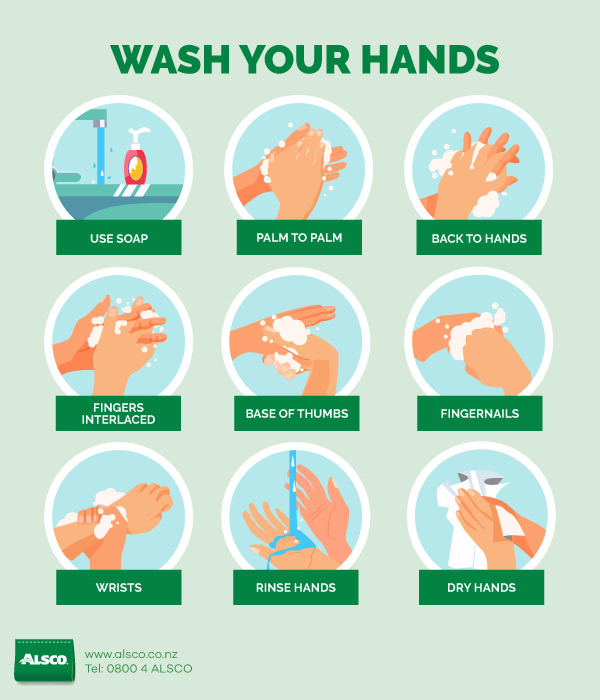
Proper handwashing techniques include:
- Using soap and water.
- Washing your hands under running water.
- Spending at least 20 seconds washing your hands. You can time yourself by singing the happy birthday song twice.
- Drying your hands with a clean towel or dry, disposable tissues.
If you have the flu, you can protect others by coughing into a tissue or your elbow. This reduces the risk of you infecting others around you when you shake hands.
3. Boost Your Natural Immune System
A strong immune system is more resistant to the flu virus. It will help your body fight off the infection and any related complications.
If you get infected, a strong immune system will reduce the severity of your symptoms. It might even help you recover faster.
There are some habits you can develop to strengthen your immune system, for example:
- Make sure you get enough rest by sleeping for seven to nine hours every night. Sleeping allows your body to produce cytokines, a protein targeting inflammation and infections. Cytokines strengthen your immune system. They give your body the ability to fight viral infections.
- Create a physical exercise routine. You can start with 30-minute sessions at least three times a week. Physical activity increases blood flow within the body. This allows white blood cells (in charge of fighting infections) to travel through your body faster.
- Add more fruits and vegetables to your diet. They contain vitamins and antioxidants, which promote good health and support the body’s immune system.
If you have a low immune system, talk to a medical professional. Your doctor will recommend multivitamins to support your natural immune system.
4. Ask Your Doctor for a Flu Vaccine
Make sure you get your annual flu vaccine. The dominant flu virus changes every year, thus, you need to update your vaccine annually.
Getting your annual shot reduces the risk of getting the flu by 40 to 60 per cent.
Schedule your vaccine in mid or late autumn. This gives it enough time to kick in and protect your body. It can take up to two weeks to become effective.
If you are over 65, talk to your doctor and ask for a higher dose of the flu vaccine. The doctor will assess you and give you the right dose for your immune system.
In addition to the flu vaccine, ask your doctor for pneumococcal vaccines. They protect the body against pneumonia and meningitis.
Advantages of Getting the Flu Vaccine:
- It reduces the chances of getting the flu or flu-related illnesses. In some cases, it can also protect you from viruses similar to the flu-causing viruses.
- It lowers the chances of children and the elderly getting hospitalised for the flu.
- The flu vaccine serves as an important life-saving measure. It can make a big difference for people with pre-existing health conditions.
- It keeps pregnant women out of the hospital during and after the pregnancy.
- If you still get sick, it significantly reduces the severity of your symptoms.
Getting the vaccine protects you and the people around you. You should prioritise it if you come into contact with children, the elderly or sick people.
5. Make Use of Disinfectants
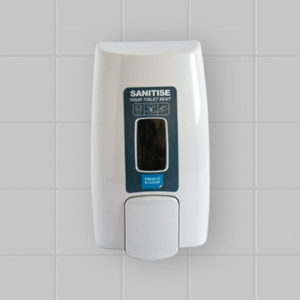
Hand Sanitisers eliminate microbes within seconds.
Clean and disinfect all shared spaces to reduce the risk of infection.
If you or someone around you has the flu, keep them secluded from everyone else.
You can use disinfectant wipes to:
- Wipe the keyboard on your computer and desk at work. This is especially important if you work in shifts and share your work station with others.
- Use a disinfectant on commonly touched surfaces such as doorknobs and remotes.
- Clean the spaces designated for the sick. Make sure any caregivers getting into these spaces wear masks and gloves. This will stop the flu from spreading.
6. Consult Your Doctor if You Have Flu-Like Symptoms
In most cases, the body can fight the flu. There is no cure for the flu-causing virus. Doctors will only give you medication to manage the symptoms and boost your immune system.
Even so, it can lead to serious complications in children and people over the age of 65.
Visiting the doctor early can help you manage your symptoms. This helps doctors test for related infections and treat them early.
Going to a doctor within 48 hours of the infection can help you get an antiviral. The antiviral will help shorten the duration and severity of the flu. This reduces the risk of complications and hospitalisation, which can lead to death.
The Most Important Preventative Measure
In most cases, you can manage the flu with a strong immune system.
Still, the flu poses a serious health risk to the elderly and sick around you.
You have a responsibility to protect yourself and those around you.
Always take advantage of handwashing stations around. Cleaning your hands regularly is the best way to avoid spreading the virus.
Alsco NZ offers a wide variety of handwashing and hand sanitising solutions you can use in your workplace.
If you are committed to preventing the spread of the flu, you can contact Alsco NZ for these and other sanitation solutions.
Photo: Freepik
How to Clean Your Office to Prevent the Spread of the Flu
Influenza or flu viruses survive on some surfaces for up to 48 hours.
Flu patients start spreading the virus before any symptoms appear and they stay infectious for up to seven days after their first symptoms.
Routine workplace cleaning plays a role in reducing the spread of the virus.
Common cleaning agents you can use against the flu include:
- Detergents (soap)
- Alcohol-based cleaners
- Hydrogen peroxide
- Chlorine
- Iodophors
Cleaning helps curb the virus, especially if there is an asymptomatic patient.
Why Cleaning Helps Reduce the Spread of the Flu
Regular cleaning prevents the spread of the flu. Understanding how the viruses spread will help you appreciate the role of cleaning.
The different flu viruses spread by:
- One-on-one contact – When people shake hands or touch an infected person.
- Indirect Contact – This happens by touching shared or contaminated surfaces. Common culprits in the office include doorknobs, staplers and printers.
- Shared Air – If an infected person coughs or sneezes and you breathe into the same air. If you inhale droplets from the infected person, you can get sick.
Different types of cleaning kill and/or remove the germs, reducing infection rates.
In the workplace, cleaning and personal hygiene can help save lives. It starts with basics such as handwashing or disinfecting surfaces several times.
Types of Office Cleaning Services
There are many approaches to cleaning. Each approach should help reduce the risk of spreading the flu virus.
Different cleaning methods have varied effects on flu-causing viruses. You need to understand each to decide the best one for your office.
Office Cleaning
Cleaning focuses on removing dirt, debris and dust. In the process, you also get rid of surface germs. It helps reduce the number of germs on a surface.
Cleaning encourages the removal of allergens and microorganisms. This helps improve the health of office occupants.
Yet, failing to clean the cleaning tools thereafter leads to the spread of germs. You need to use a germicide cleaner on your tools after every cleanse.
There are two common approaches to office cleaning:
ROUTINE CLEANING
This is everyday cleaning and focuses more on appearance. It helps get rid of dirt and dust, making the office look good.
Regular cleaning during flu season is crucial to reducing the spread of germs. It helps get rid of surface germs.
DEEP CLEANING
Deep cleaning requires moving of office furniture combined with strong cleaning agents. The goal is to get rid of grime and any accumulated dirt. This is an opportunity to clean hard-to-reach surfaces.
You can easily combine deep cleaning with sanitising and disinfection sessions.
OFFICE SANITISING
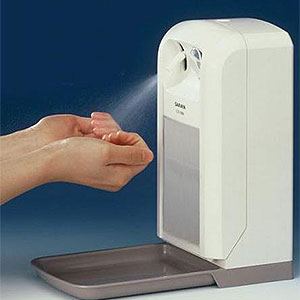
Hand washing is the first line of defence against infections. Learn more
Sanitising your office kills up to 99% of bacteria but has little effect on viruses and fungi.
Proper sanitisation requires you to leave the sanitiser on the surface for up to 30 minutes. Rinsing it off too fast reduces its effectiveness.
If you want to use it, find an alcohol-based sanitiser with up to 60% alcohol content. Look for a neutral-smelling sanitiser you can use around the office. Avoid any strong scents, which can make your employees uncomfortable.
During flu season, sanitisers come in handy. You can use them to wipe down shared spares and reduce the accumulation of germs.
Sanitising is quite effective on water-resistant surfaces. It also offers a quick solution for hand cleaning. You can even use it on commonly touched surfaces such as doorknobs.
Sanitising should complement routine cleaning.
Office Disinfecting
Disinfecting kills bacteria, pathogens and viruses.
Disinfectants work by using a unique set of chemicals to kill germs on contact.
Some cleaning agents contain disinfectants. Nonetheless, you should get a professional to disinfect your office at least once a year.
You can also use disinfectant wipes to clean surfaces or as a handwashing substitute. If you use a disinfectant, leave it on the surface for a few minutes.
Disinfectants offer the best protection against viruses such as influenza. If you can, include them in your routine cleaning.
Air Purification
Air purification dilutes flu viruses in the air and limits their spread. It reduces the risk of airborne infections.
You can purify the air by:
- Increasing the number of fans in the office.
- Opening windows to invite fresh air into the office.
- Increasing the exchange rate of the building’s ventilation system.
You can also prevent the spread of the virus by encouraging all sick employees to wear masks. It will reduce the risk of contaminating office air.
Flu Season Cleaning Tips
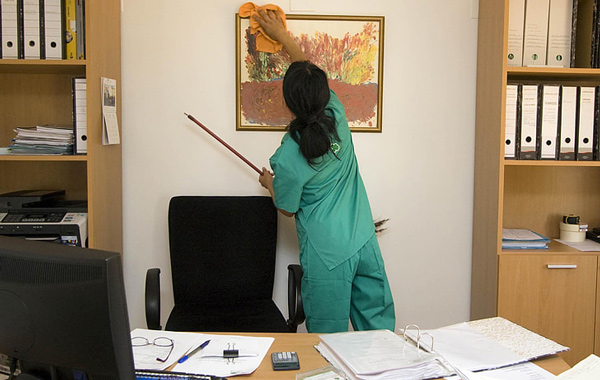
Image from: Pickpik
Focus on Commonly Touched Surfaces and Objects
Shared objects and surfaces can increase the spread of the flu.
Create a standard procedure for cleaning and disinfecting all shared surfaces and objects.
Most office surfaces and objects require a proper cleanse once a day. If you run a busy office, you can clean it twice or thrice a day.
Use disinfectant wipes on commonly touched surfaces every few hours if you are in retail. This also applies to offices that handle a high volume of walk-in customers.
You need to pay attention to surfaces such as:
- Desks, computer keyboards and mouses
- Faucet handles
- Doorknobs
- Staplers and printer surfaces
- Fidget toys
- Rails
- Lift buttons
If you have a confirmed flu infection, limit the person’s use of common surfaces. Provide them with a disinfectant they can use to wipe surfaces and/or objects they touch.
Regular cleaning gets rid of flu viruses fast. Get into the habit of wiping down surfaces, fumigating rooms and using disinfectants.
Follow Labels on Cleaners and Disinfectants
Make sure you follow the labels on your cleaning products correctly.
Start with a general cleaner to remove germs and rinse off with clean water. Afterwards, wipe the surface with a disinfectant to kill remaining germs.
If the surface does not have visible dirt, you can wipe it down with a sanitiser and follow up with a disinfectant.
You should leave the disinfectant on surfaces for a few minutes, giving it time to act on the germs.
Make sure you wipe down electronics with disinfectant wipes or solution. If you use a solution, avoid spilling it on your electronics.
Practice Safe Handling With Cleaning Solutions
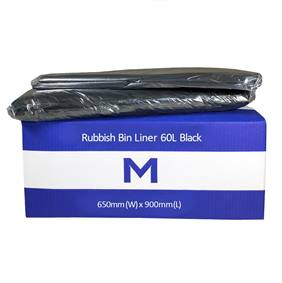
Always pay attention to hazard warnings and directions provided on cleaning products.
Follow proper handling instructions when dealing with any disinfectant or sanitising chemicals.
You should follow general safety instructions, for example:
- Everyone handling cleaning products should wear gloves and eye protection.
- Avoid mixing cleaning products unless the labels show it is safe to do so. Careless mixing of cleaning supplies such as ammonia and chlorine can lead to injury. In extreme cases, it can bring serious health complications leading to death.
- If you distribute disinfectant wipes, make sure everyone knows how to use them.
- Always have a first aid kit to help you respond to mishandling of cleaning chemicals.
Manage Your Waste
Follow your industry’s waste handling procedures with any waste.
If you supply your employees with wipes, increase the number of dust bins on each floor.
After cleaning, make sure you throw away all disposable cleaning material immediately.
Supply your cleaning team with gloves to use when handling dust bins. This will reduce their exposure to germs from disposed tissues and wipes
Make sure everyone cleans their hand with soap and warm water after handling waste or dust bins.
Why you Should Choose the Right Office Cleaning Supply Company
As you can see, cleaning plays a role in reducing the number of flu causing viruses in your office. It can help reduce the risk of employees getting sick or spreading the virus if infected.
Notwithstanding, cleaning is only effective if you use the right products and techniques.
On technique, you can train your cleaning team and improve on it over time.
With products, you have to find the right supplies. You need someone who understands your industry. Someone who appreciates the importance of a clean and healthy workplace.
Try Alsco NZ today.
Alsco NZ specialises in hygiene solutions for the workplace.
With over 130 years of experience in the industry, you can rely on them for:
- A constant supply of cleaning solutions and chemicals. They will customise their supply to meet your industry’s standards.
- Eco-friendly cleaning products. Their products offer protection against germs without compromising the health of your employees.
- Compact handwashing solutions for everyone. Alsco NZ offers compact soap dispensers. You can place them in small spaces to encourage regular handwashing.
- A steady supply of disinfecting and sanitising wipes you can use to keep the office clean at all times.
Contact Alsco NZ today for all your office cleaning solutions.
4 Fascinating Ways to Deal With Washroom Odour
Taking care of your workplace washroom is a necessity. By doing so, you protect your staff from health risks, such as infections.
Above all, you also keep the environment smelling clean and fresh.
It’s no secret that bad smells may repel clients, suppliers and visitors from your business.
It deters them from stepping into your washrooms, making them search for a cleaner option.
This shouldn’t be the case.
So, how can you deal with workplace malodour?
Doing it on your own can be difficult, which is why there’s the option to hire professional assistance. This is how top-ranking businesses stay ahead of the game.
Taking the needs of your staff into consideration ensures they remain loyal.
These four brilliant tips will help you tackle bad washroom odour in no time!
Use the Best Urinal Products Available
The key to maintaining a constant fragrance is by using high-grade cleaning products.
For starters, purchase urinal cakes.
Did you know the term ‘’urinal cake’’ originates from Benjamin Franklin? While using the Franklin stove, John Hancock knocked cakes into a urine pot, which absorbed the smell. Imagine that!
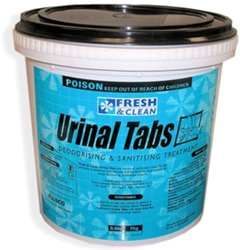
Today, they protect urinals from lingering odours and the accumulation of bacteria. These perfumed urinal blocks come in tabs to retain the product quality.
Below are instructions on using urinal cakes:
- Open the pail packaging.
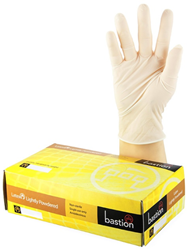
- Wear gloves and take one tab out.
- Place the blue cake at the bottom of the urinal.
- Re-seal the packaging and store in a cool, dry place.
[b3_row]
[b3_column lg=”4″ md=”12″ sm=”12″ xs=”12″ ]
[/b3_column]
[b3_column lg=”4″ md=”12″ sm=”12″ xs=”12″ ]
[/b3_column]
[b3_column lg=”4″ md=”12″ sm=”12″ xs=”12″ ]
[/b3_column]
[/b3_row]
Also, these tabs comprise of dichlorobenzene, which keeps insects away from your closets and washroom urinals.
The heavy-duty tab deodorises your urinal for up to 30 days. After this period, it begins to dissolve and the fragrance diminishes. Such visual indicators are great reminders to replace the cake with a new one.
What’s more, invest in urinal screens. Place this thin and round product above the cake block.
It contributes to odour control and doubles as a preventative measure to stop debris, such as chewing gum, from clogging urinals. As a result, it offers an effective means to keeping your workplace urinals free-flowing.
Remember to replace the urinal screen every 30 days.
Ensure There Is Adequate Washroom Ventilation
Ever wonder why your washroom is stuffy? Well, poor ventilation is a popular cause of musty washroom smells. This keeps the bad odour in and makes your workers feel uncomfortable.
The best way forward is to keep your washroom windows open at all times. Fresh, outside air flows into the washroom and diffuses any bad smells.
Great air circulation also prevents a humid washroom environment. With better humidity control, your workplace washroom will no longer get stuffy. In turn, this creates a pleasant washroom experience.
Along with that, the growth of washroom bacteria minimises. Harmful bacteria that cause infections and sore throats are common in high-traffic washrooms. In a cool environment, they are less likely to thrive and harm your employees.
Do you have mould in your washrooms? This is also brought about by having a humid washroom.
To stagnate its growth, keep your washroom humidity levels to less than 50%. This lowers the chances of your workers contracting respiratory illnesses.
You can also reduce mould spores by scrubbing surfaces with exceptional disinfecting products. Together, these efforts free your washroom from common bacteria and fungi.
Last but not least, for all the above to happen, you need to maintain functional air vents.
Clean them often to prevent moisture retention. This guarantees the air flowing into your washroom is safe.
Flush Your Urinals
It’s easy to underestimate the benefits of flushing. This shouldn’t be the case.
Flushing toilets and urinals can either make or break your workplace washroom.
For one, it improves sanitation.
Washrooms have as much foot traffic as the workspace, meaning it’s imperative to keep them clean. Regular flushing eliminates leftover waste and germs from the interior of urinals.
Flushing also terminates pungent smells. The swirling water distributes the smells up into the air. Free-flowing air from open washroom windows carries the bad odours up and out of the washroom.
Do you need to supervise urinal flushing? No, you don’t.
With an automatic flushing system, all you need is to activate the sensor and it flushes on its own.
An auto-flushing system is:
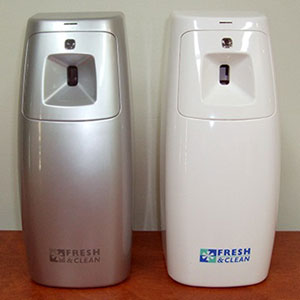
Install our amazing wall-mounted Air Fresheners in your washroom
- Economic. They are pocket-friendly and consume less energy than traditional means of flushing.
- Cleaner. Flush handles are a common touchpoint. Eliminating physical contact reduces the risk of germ transfer.
- Easier to use. All you need to do is stand nearby the sensor and it activates the flushing mechanism.
- Eco-friendly. When the sensor isn’t active, the urinal doesn’t flush. This prevents an unnecessary waste of water.
Over and above, let the professionals install automatic air fresheners in your washrooms.
With delightful scents to choose from, these air fresheners subtly release their scent. They keep your washrooms fresh-smelling at all times.
No need to worry if they run out, as there’s regular servicing every eight weeks at your convenience.
Clean Your Urinals Well
Splashbacks are a common urinal incident. They are notorious for staining washroom floors and attracting insects.
But, with outstanding cleaning products in your possession, there is no need to panic. These products serve to cut sticky stains.
Use these products to wipe down your walls, floor tiles and urinal exteriors. Rinse the surfaces to leave them sparkling and perfumed.
Remember to include wet-area mats near urinals to absorb waste that may splash over. These are a high-quality solution to your stained floors.
Without any hassle, these mats are tailored to fit your workplace washroom needs. For a single annual fee, your worries of dirty and worn-out mats are long gone, leading to a sanitary washroom.
Take the Next Step
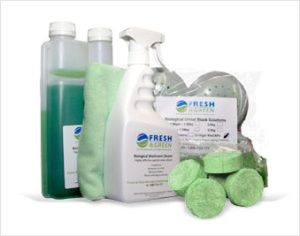
It’s important to have professional cleaning services that provide deep cleaning and biological treatment services. These eco-friendly processes disinfect hard-to-reach washroom areas, keeping them free from grime.
That being so, give your washroom the five-star treatment it deserves. Contact your local experts today and liberate your urinals from clogged drains.
Through the use of our green products and processes, you are sure to enforce your company’s values. From this, you attract similar-minded business partners and clients.
So, what are you waiting for? Get a fast and free quote from Alsco New Zealand today!
Photo: WikiMedia
5 Mind-Blowing Tips for Hand Washing
Hand washing is a necessity that makes life bearable. It is the main foundation of hygiene maintenance.
Fact: Washing hands is a symbolic act which signifies purity in communities.
As the old saying goes, ”Cleanliness is next to godliness.”
But did you know that only 5% of people know how to wash their hands properly? So, to increase this percentage, there are initiatives that provide hand care education.
For example, in New Zealand, health boards develop plans to improve hand hygiene.
There is an immediate need for proper hand hygiene education in workplaces.
The best way to live a healthier lifestyle is for workers to put in a personal effort to do better. If you are reading this, you are definitely in the right place.
These hand washing tips will help you improve your workers’ hand hygiene habits.
Use the Correct Products
It’s crucial to equip workplace washrooms with high-quality hand hygiene products.
Install automatic soap dispensers to make hand wash more accessible to workers.
Interestingly enough, studies show that the presence of soap dispensers encourages hand washing.
Dispensers are a popular choice, compared to a bar of ordinary soap, for the following reasons:
- Dispensers don’t preserve dirt from previous users unlike bars of soap.
- They are resourceful because they release exact amounts of soap to prevent waste.
- Dispensers use sensors to detect hands and release the soap. There is minimal physical contact with the machine, thus reducing the spread of illnesses.
- They contain antibacterial soaps that lather well for people with sensitive skin.
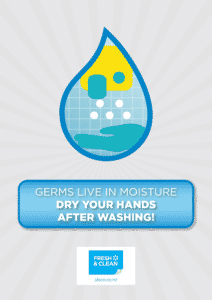
To use soap well, workers must know how to wash their hands correctly. By doing so, their health stays in check.
Encourage them to follow these steps:
- Wet your hands with either warm or cold water. Turn off the faucet to conserve water.
- Lather well after placing a dollop of soap onto your palms.
- Massage your hands between your fingers and under your nails to weaken dirt particles.
- Rinse your hands well to make sure there are no traces of soap left.
This fascinating video demonstrates proper handwashing techniques for practice. Show this video to your colleagues to ensure they maintain the habit of cleanliness.
Wash Hands for the Appropriate Amount of Time
Our hands touch many items in a typical workday, causing germs to accumulate.
So, washing hands for the appropriate amount of time kills germs and reduces the spread of illnesses.
In turn, workers are more productive, which translates to fewer sick days taken. As a result, your workers are more energetic and your business profits improve.
Did you know that people wash their hands for an average of six seconds?
Improve this and advise workers to wash their hands for 20 to 30 seconds for better sanitary results. The World Health Organisation insists this is a suitable amount of time to do a thorough job.
How can workers measure the time while washing their hands?
They don’t need to count down, as this can be boring and overwhelming.
Instead, have some fun with the process and suggest they hum the ‘’Happy Birthday’’ song twice. This way, remembering the correct hand washing duration becomes easier.
As a result, handwashing becomes an enjoyable activity for everyone in the workplace.
“Hygiene is two-thirds of health.” — Proverb.
Dry Your Hands Well
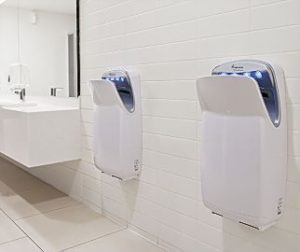
Super-fast, quiet, and environmentally-friendly Jet Dry Executive
Ensure workers dry their hands well by supplying either paper towels or hand dryers.
Both of these products get the job done, but many workers prefer hand dryers.
This research concludes that dryers are more beneficial because they reduce the transfer of bacteria.
These are the pros of hand dryers:
- They are eco-friendly as some paper towels are non-recyclable.
- Hand dryers need less effort because they do the task for you.
- They are a cost-effective option, as they don’t need constant maintenance.
Why is it important for your colleagues to dry their hands?
Specialists confirm that wet hands attract germs easier. Instruct your workers not to shake their hands dry because this retains moisture.
Also, place mini hand lotion near washroom sink areas. This prompts workers to moisturise their hands, thus protecting them from dryness and lifting cuticles.
Don’t Overdo It
Having the appropriate knowledge is excellent, but you need to know how to use it well.
Hand washing is an inexpensive way to keep workers healthy, but are they aware that excessive hand washing may make them sick?
Let them know that although frequent hand washing is helpful, overdoing it may be harmful to their wellness.
Our bodies use a special type of bacteria to boost immunity levels. Without it, we fall sick more often.
Thus, they don’t need to wash their hands every instant. Instead, shift their focus on keeping a proper balance.
According to New Zealand experts, we should wash our hands during key moments.
Inform your workers to wash their hands before:
- Preparing meals or eating.
- Caring for sick people.
- Touching or rubbing their eyes.
And wash their hands after:
- Using the washroom.
- Gardening.
- Coming into contact with animals.
- Touching rubbish bins.
- Changing nappies.
- Sneezing, coughing or itching.
Powerful, alcohol-based Hand Sanitisers
Employees should also wash their hands when they are visibly dirty.
When in a rush and in need of a quick solution, encourage the use of hand sanitiser or antibacterial wipes. These products work well when soap and water are unavailable, such as during fieldwork.
Today, many workplaces encourage the use of alcohol-based sanitisers because of their excellent performance.
These products have lower operational costs and require few refills, which are efficient in providing a great hand hygiene experience.
By observing these steps, workers learn to sanitise their hands well:
- Spritz a good amount onto one palm.
- Rub your hands together until the hands are dry.
Yet, where there is an option, using soap and water is better.
Pay Attention to Hand Hygiene Posters
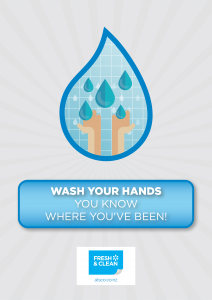
Handwashing posters are crucial in guiding hygiene habits. They come in different creative designs and slogans to grasp people’s attention.
Using visual reminders is interactive in communicating your business’ values. It shows workers that their hygiene is a priority.
As such, teach workers to mind their surroundings and pay attention to any posters within sight.
Have a look at the reasons why posters are powerful in the workplace:
- They remind workers of the proper hand care techniques that contribute to their wellbeing.
- They provide workers with useful hand hygiene facts that encourage them to wash their hands.
Ensure you choose posters that are visible and appealing to the eye. Place them near product dispensers to encourage hand care.
Adopting great hand hygiene habits in the workplace leads to the health protection of the community in general.
Do you need exceptional hand hygiene products in your workplace? Alsco is full of local experts who will make the job a walk in the park. Fully-managed hand hygiene products are only one call away.
Upgrading your hand hygiene regime will happen in no time!
“…a competitive pricing structure and robust product range.” — Richard Brain, Operations Manager, Jani-King.
4 Must-Know Tips to Improve Your Workplace Washroom Hygiene
Do you ever wonder why your employees often take sick leave? One of the reasons could be your washroom hygiene.
It’s uncommon for businesses to think of hygiene as a factor affecting productivity. In reality, poor hygiene disrupts workplace harmony.
Not only does it affect employee productivity, but also drives away potential clients. As a consequence, there is a loss of business funds. Studies show that sick days cost businesses $20,000 annually.
In the workplace, the focus on making profits is a priority so much so that toilet hygiene seems unimportant.
“We are embedding health and well-being at the heart of our business strategy because our people are our greatest asset, and we recognise that a healthy, happy and committed workforce is vital to our business success.” — Alex Gourlay, MD, Boots UK
Good washroom maintenance is a step in the right direction for your business.
How can you improve your washroom hygiene? The following must-know tips are a checklist of what your workplace washroom needs. Use them to assess your washroom and install the necessary items.
Stock up on Basic Washroom Supplies
Many embarrassing scenarios occur because of scarce washroom supplies. While these can make for hilarious stories, they’re also horrifying situations to be in.
Smelly toilets and lack of tissue paper are a few reasons why people avoid washrooms. Running out of toilet paper puts people in a difficult and awkward situation.
Stocking up on basic consumables is a way of investing in your washroom. These are products such as toilet paper, hand wash and paper towels.
Ensure the proper products are available at all times. Providing these products eases the maintenance of good toilet hygiene.
What’s more, people have certain expectations in a business environment. This includes toilet hygiene standards.
Without the proper products, people get the wrong perception of your business. Washroom product shortages make employees feel undervalued.
Stocking up on good products indicates the company cares for their needs.
Other products like air fresheners, hand sanitiser and toilet seat sanitiser are vital. They tackle hand hygiene and odour control, creating a dignified washroom experience.
Everyone enjoys fresh and clean washrooms.
Keep Your Washrooms Clean
Making efforts to maintain a clean washroom is admirable. From wiping the floors and surfaces, down to disinfecting the door handles. These are areas we often come into contact with.
Using good cleaning products to sanitise the washroom reduces potential health risks. This includes using clean water to avoid re-contamination. Otherwise, handwashing will be difficult.
‘’Good health is good business.’’ — Paul Drechsler, Chairman/CEO, Wates Group Limited
Maintaining good toilet hygiene is easier where there is a steady water supply. Making courtesy flushes is more manageable, and this eliminates hanging odours.
Ensure there’s good air circulation in your washroom. Open up windows to let fresh air in and let bad odour out. Investing in a good air ventilation system helps where there are few windows.
Additionally, a little bit of air freshener goes a long way. It keeps the washroom smelling great. Spray a puff or two in the air to kill any hanging smells.
Cleaning surfaces is fundamental because washrooms can get damp. Accumulation of moisture from liquids and poor air circulation causes this.
Soaking up spilt liquids and polishing discoloured tiles helps to battle dampness. Using linen wipes makes the washrooms appear polished and put together.
[b3_row]
[b3_column lg=”4″ md=”4″ sm=”12″ xs=”12″ ]

[/b3_column]
[b3_column lg=”4″ md=”4″ sm=”12″ xs=”12″ ]
[/b3_column]
[b3_column lg=”4″ md=”4″ sm=”12″ xs=”12″ ]
[/b3_column]
[/b3_row]
Mopping the floors and wiping surfaces doesn’t cut it. There’s usually dirt in hard-to-reach places that requires closer inspection.
This doesn’t mean you can ignore them. Instead, it means it’s time for the experts to take over. This is where the need to hire deep-cleaning services comes in.
Deep cleaning rids washrooms of germs and dirt in hard-to-reach areas. It helps in expelling bad odour, especially around urinals and toilet cubicles.
This is a service which is often tailored according to the customer’s needs. Setting up a schedule for regular check-ups works best and is convenient to manage.
Maintain Your Washrooms Regularly
Conducting regular washroom inspections makes this more manageable. This is usually done by plumbers, who identify broken and rusty parts to replace.
We all know how expensive toilet fixtures can be. Regular servicing is cost-effective in the long run. Spotting faulty parts early saves you the trouble of having to buy replacements.

Image from: Dan Watson
Maintaining good toilet hygiene is nearly impossible where there is poor equipment. Imagine walking into your workplace washroom and finding all the toilets clogged. Leaking toilets and broken fixtures should be a thing of the past.
Proper washroom maintenance combats stagnant water. When well-addressed, the washroom won’t attract insects or grow mould.
Putting time and effort into ensuring toilet hygiene sends out a positive message. It inspires people to maintain their own hygiene standards.
Provide Proper Means of Disposal
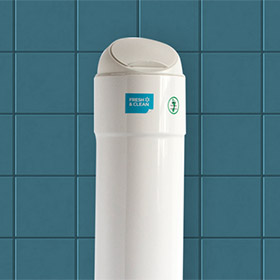
Get Sanitary bins for Feminine Hygiene
Fitting enough disposal units to serve your washroom capacity is crucial. They encourage people to clean up after themselves in the washroom.
Disposal units are often used to dispose of used paper towels and sanitary napkins. For general disposal, place a bin at the sink area for disposing of used paper towels.
Placing a female hygiene unit in each cubicle in the ladies washroom is impressive. This shows employees that you value their hygiene and privacy.
Regularly emptying bins during the workday is crucial. It bypasses a build-up of trash that makes the washroom look disorderly.
It is well-known that bins are a potential breeding ground for bacteria. Washrooms are a particularly sensitive area. About 77,000 types of bacteria and viruses exist in washrooms.
Emptying bins battles the growth of bacteria in washrooms.
Clean the disposal units as often as possible. Proper disinfection avoids a build-up of dirt in unwanted areas. Doing this at the end of each workday leaves your washroom tidy.
“Improving the health and well-being of our employees makes good business sense. As a leading provider of workplace health services, we see every day the difference it can make to a company’s bottom line and the impact it can have on employee morale and motivation. It offers a ”win-win” all-round. Employees benefit from better support for their health. Companies benefit from less absence and improved productivity. And society benefits from improved public health.” — Steve Flanagan, Commercial Director, Bupa
The right professionals guarantee your washroom hygiene is spot on. Let them help you choose the best packages to meet your workplace washroom needs.
Contact ALSCO today! Upgrading your workplace washroom is just one click away!
Photo: pxhere
4 Unexpected Reasons Why Workplace Hand Hygiene Matters
When you think of workplace hand hygiene, constant hand washing comes to mind. But it’s much more than that. Hand care has the potential to save your workplace from a disaster.
Workplace hand hygiene importance has increased over the last few years. This is evident in all the hand hygiene products and posters made available in offices today.
It’s no secret that our hands come into contact with numerous items during the workday from our daily commute, down to the washroom.
Proper hand hygiene observation makes us healthier because hand washing kills a significant number of germs. Hence, it reduces your risk of catching even the common cold.
Is hand hygiene important in your workplace? These interesting reasons will convince you to upgrade your workplace hand hygiene.
Reduces the Spread of Illnesses
Using hand hygiene products, such as soap and sanitiser, protects us from illnesses. That’s why it’s important to wash your hands before you eat and even after using the washroom.
Placing emphasis on hand hygiene importance has great positive effects on your business. Fewer workers fall sick, and this makes your business thrive in unimaginable ways.
Contracting an illness causes fatigue. Oftentimes, workers need to take sick days to recuperate. This means they are absent from work for several days.
Further, this has negative effects on business performance. Did you know that absenteeism at work cost New Zealand $4.5 billion in 2014? Imagine what decreased absenteeism could do to your business alone.
Healthy employees are more productive. They have more energy and morale to get through the workday. They are more attentive at work and can attend to clients well.
Besides, in the workplace, there are different kinds of bacteria. In a common washroom, there are 77,000 distinct types of bacteria and viruses. These are known to cause diseases and infections. These include influenza, E-coli and hepatitis, eye infections and intestinal problems.
Germs are not only found in washrooms but in the workspace, too. This means there are bacteria found on desks, telephones and printing machines.

Image from: Printerland
So, take note to provide the appropriate products in the workspace as well as in washrooms. This helps in emphasising hand hygiene importance.
Making these products available is a form of non-verbal communication to workers. It prompts workers to clean their hands well.
Also, your employees get the message that you care about their health. In turn, they feel valued by their employers and are willing to take part in the hand hygiene processes.
Good Hand Hygiene Saves Workplace Resources
Hand washing is the first line of defence against infections. Learn more
Investing time and effort into your workers’ health is a great investment. This translates to return on investment (ROI) because productive employees are an asset.
Losing time and money due to absenteeism is a common problem that few workplaces can address. Hiring external help in cases of severe illnesses creates an avoidable extra cost. Whereas, healthy workers complete tasks on time.
When workers are absent from work, this causes disruption. Most workplaces are fast-paced environments. The need to beat deadlines and complete projects is imminent.
So, investing in good products and in-house training sessions saves you the trouble. Get managers or volunteers to educate your workers on proper hand hygiene methods.
It’s in your best interest to make these sessions as interactive as possible. Show videos and send out internal memos on hand hygiene importance. This makes the information stick.
‘’We believe that engaged people deliver exceptional results. Wellbeing for us is about what’s going to engage people – what’s important to them? If they’re going to contribute to Z they need to be in a place of strength to do that.’’ — Julian Hughes, GM Health & Safety, Z Energy
Encourage workers to maintain hand hygiene by making it fun and memorable at no extra cost.
Roll out a slogan-making competition to really get your employees engaged in this noble cause. Workers can come up with hand-hygiene slogans and the best can become the slogan of the week.
Using the slogan among themselves reminds them of hand hygiene importance. This slogan can be a simple as ‘’clean hands are safe hands.’’
Essential in Building Resistance and Immunity
Throughout the workday, we come into contact with many items. This includes our faces, bodies and food. We are bound to get sick when we don’t take care of ourselves.
As the old saying goes, prevention is better than cure. Emphasising hand hygiene importance is significant in boosting immunity.
So, the more you wash your hands, the less likely you are to catch a disease.
You will end up spending less money on antibiotics used to treat illnesses. Reducing the overuse of antibiotics saves workers money.
Good hand care causes the body to build resistance. This makes employees healthier, not only as individuals but also in their families. They are less likely to spread bacteria contracted from the workplace to others.
This creates happy relationships in the workplace and healthy families. When workers are healthy, they are happier.
“The groundwork of all happiness is health.” — Leigh Hunt.
Additionally, when clients relate with happy workers, they feel more at home. This increases their loyalty to your business, making them stick around even longer.
Healthier employees are keen on proper engagement with clients. This creates impressionable results.
Promotes Good Etiquette Practices
[b3_row]
[b3_column lg=”8″ md=”12″ sm=”12″ xs=”12″ ]
Proper hand hygiene education creates good etiquette practices in the workplace. Workers will comprehend that the state of their hygiene can affect others. Creating hand hygiene awareness at work extends to their homes. This leads to the creation of a healthier society in general.
Thus, hand hygiene importance is best enforced through the creation of habit. Various mechanisms make this a smooth-sailing process.
For starters, the use of posters in the workspace and washrooms comes in handy. These remind workers of the importance of hand hygiene, as well as educate them on proper hand hygiene techniques, such as how to rub in hand sanitiser well.
These posters state interesting facts, too. They remind us where our hands have been and why washing them is necessary. They are key in repeating the hand hygiene practices taught in training sessions.
[/b3_column]
[b3_column lg=”3″ md=”12″ sm=”12″ xs=”12″ ]
[/b3_column]
[/b3_row]
Are you ready to change the face of your workplace hand hygiene? It’s time to clean up your act and take the first step. Finding an expert is easy, especially one with good recommendations and price quotes.
“…they are always willing to go the extra mile to help us out when we get stuck.” — Lyndsey Morrison-Barnes, Resort Manager, Paihia Beach Resort & Spa
Photo: Mike Mozart
How to Turn Hand Hygiene into a Workplace Priority
Many studies show the link between workplace hand washing and the success of a business.
Since most people spend more time at work than at home, hand hygiene in the workplace is a major area of concern.
In some workplaces, hand hygiene is not a popular topic. Filing complaints about it can, therefore, be difficult.
Management may not think it is a priority when, in fact, it should be.
In the workplace, you can encounter many different kinds of germs that pose a health risk. Improper hand hygiene causes workers to fall ill, making them less productive at work. It can even contribute to the downfall or success of a business.
Proper hand hygiene is instrumental in reducing 80% of bacteria from the hands. This lessens the risk of contracting common hand-to-mouth diseases, such as influenza. Prioritising hand hygiene ensures the good health of your workers.
The hygiene of your business speaks volumes. It is a form of non-verbal communication to others about how much you value your workers and their health. This helps in keeping up a good reputation for your business.
Prioritising Workplace Hand Hygiene
Hand sanitisers that eliminate 99.99% of bacteria.
This may sound like it entails a boring process of showing workers how to wash their hands. In fact, and hygiene is more than hand washing on its own. It is an integral part of living a healthy lifestyle.
The process of prioritising hand hygiene is fun, interactive and informative. Here are four easy ways to do it.
Communication Is Key
The only way to know if your workplace hand hygiene needs work is by communicating with your workers. Find out whether your current hand hygiene regime is effective.
Face-to-face communication causes the temptation to stray off-topic. Instead, use workplace communication channels, such as email, to distribute hand hygiene surveys.
These surveys help gauge workers’ hand hygiene knowledge and their perception of it. A great example is the perception survey by the World Health Organisation (WHO). In these surveys, workers rate their perception of the workplace hand hygiene practices.
Knowing the appropriate changes to make is all in the feedback.
Send out updates on hand hygiene implementations via internal memos. This shows the workers that their opinions are important in effecting change. Keep track of your updated hand hygiene changes by maintaining communication with workers throughout the process.
Incentives, such as paid vacations, encourage workers to improve their hand hygiene. After a time, the habit will stick.
‘’A long healthy life is no accident. It begins with good genes, but it also depends on good habits.’’
— Dan Buettner.
This is a win-win situation. Your workers stay healthy, while your business thrives from having productive workers.
In-House Training Sessions
This is an informative and interactive session. They are usually conducted by human resource managers. To shake things up, other workers can conduct the training. This can be on a rotation basis or by picking names from folded pieces of paper in a jar.
Conducting training sessions on hand hygiene is not as common, and that is the beauty of it. Interestingly enough, in-house training is an effective method of education. It reflects the true culture of the workplace by using examples that workers can relate to. Your workplace stays two steps ahead in ensuring the good health of workers.
During these sessions, it’s important to show videos on proper hand hygiene practices. These videos should be catchy and send out the right message. They should use both humour and scientific facts to pass the message.
Be Creative
You can conduct many sessions and distribute many surveys, but your workers may still not get the point. Some may even forget what they’ve learned. So, how can you make it work? By creating a unique experience for your workers. Hand hygiene doesn’t need to be boring just because it is a serious topic.
Play around with the concept of hand hygiene in your workplace to make it memorable. Using funny posters can help with this. Quirky visual reminders help in relaying the message while making it humourous.
According to research, humour makes concepts easier to learn and remember. Making workers giggle makes hand hygiene concepts memorable.
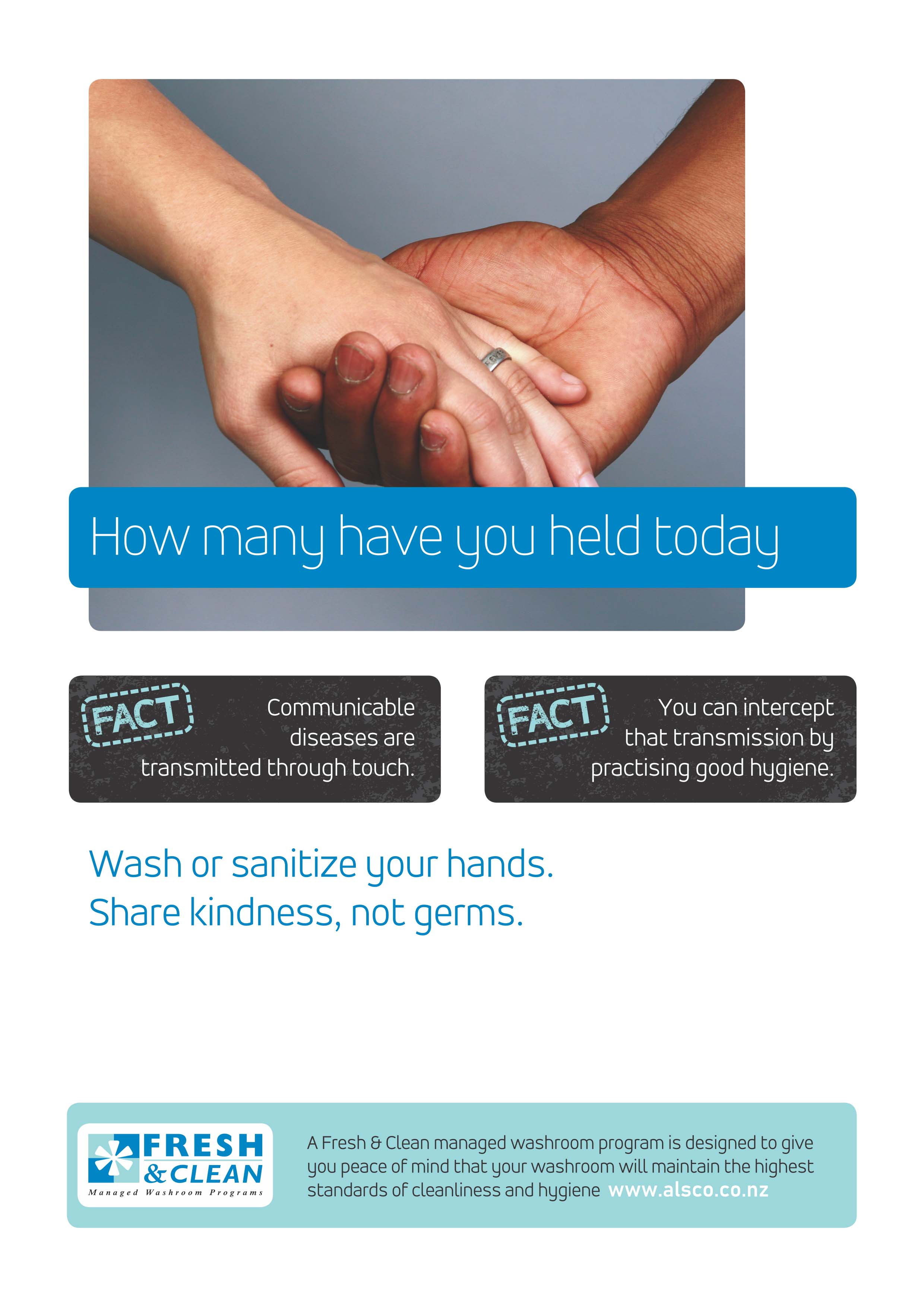
Use posters that remind workers why it is important to pay attention to good hand hygiene. These posters usually have hand hygiene facts. These kinds of posters provide facts about why proper hand hygiene is instrumental in living a healthy life.
Collaborate with workers to come up with hand hygiene slogans or catchphrases. You can make a competition out of it, and ask them to come up with the best slogan. The best slogan wins a prize. This is a creative way to increase participation in hand hygiene matters.
Incorporating these slogans into customised posters makes the message relatable to your workers. This is a simple and cost-effective way to prioritise hand hygiene.
Place these posters near hand hygiene products to make sure they are visible. This is a convenient positioning to promote fast action. Once the worker sees the poster, it prompts them to wash or sanitise their hands.
Desktop Hand Hygiene
Hand hygiene is not only important in the workplace washroom, but also in the workspace. You can provide hand sanitiser dispensers in the work area to encourage cleanliness.
Studies show that 70% of people who wash their hands use sanitiser instead of hand wash due to the convenience. Placing a small amount on your palms and rubbing it in is easier than running to a sink to wash your hands.
Hand sanitiser placement should be within easy reach and sight. Preferable placement is in communal areas in the workplace, such as in the lunchroom.
When workers see the product in front of them, they are more likely to use it as often as they can. This fosters a good habit of sanitising hands during the workday. This reduces the use of paper towels, which some workers use to open doors and hold telephones with.
Prioritising hand hygiene can be time-consuming. With proper help from hand hygiene experts, it is a smooth experience. They are ready to assist with your hand hygiene needs by advising and providing the right products for your workplace.
Transforming your workplace hand hygiene will happen in no time!
Photo: yanalya
4 Ways to Make Hand Hygiene a Priority in the Workplace
When was the last time you thought about office cleanliness? Considering how much time is spent at the office, workplace hygiene is underrated.
We spend over 70% of our lives at work, so it’s important to pay attention to hygiene. As you focus on increasing productivity and profitability, how often do you consider the effect of health and hygiene on workplace performance?
Various studies into the source of germs at work have led to interesting findings. If you are sitting at your desk, you might suddenly feel the urge to leave it. Did you know that the work desk can be 400x dirtier than the average toilet seat?
Everything from your equipment to your desk surface is responsible. The biggest culprits are the keyboard, office phone and your mouse.
The good news is that with a little more emphasis on hand hygiene, the high germs zones are easily contained.
If everyone becomes aware of how important it is to keep their space and equipment safe, the workplace will instantly become healthier.
Importance of Hand Hygiene at the Office
- Creates a Great Working Atmosphere
Every office has a hygiene culture. Do you remember the last time there was a flu outbreak at the office? How fast did it spread? The speed at which it spreads is an insight into your general hygiene habits. It’s time you became intentional about hygiene.
Employees who are confident in their co-worker’s hygiene habits are more comfortable with physical contact e.g. handshakes and hugs. This is shown to improve workplace relations, closeness and cohesion.
- Prevents the Spread of Disease
80% of infectious disease is spread by hand. Awareness of what you do with your hands will reduce your exposure to these germs. Avoid touching your face or mouth, as this exposes you to inhale or inject the germs. Therefore, it is important to maintain great hand hygiene as a preventive measure.
Since many people eat at their desks, keeping great hand hygiene prevents food poisoning and stomach upsets from questionable hygiene. Loss of productive time through preventable disease is bad for your bottom line and overall employee well-being.
- Leaves a Good Impression on Visitors
A beautiful office with washrooms that smell good creates a great first impression. It shows that the office cares about its people, and in turn, will also care for their customers or partners.
Good hand hygiene is also visible in the appearance of the employees. When they look presentable and neat, it creates a positive company image.
How to Create a Hand Washing Culture
1. Make It a Visible Priority

a. Create stickers and place at strategic points
It is proven that people take things that they can see more seriously. This is due to a psychological tendency to increase the perceived importance of a subject matter when it is visible and noticeable. Alsco has some free high quality and printable posters that you can use around your office today.
Therefore, to reinforce your commitment to workplace wellness, you could place wellness stickers at strategic areas around the office. Some great spots include the washroom sink area, the toilet cubicle, the staff kitchen area, near the staff meeting room and in all office shared spaces.
2. Appoint Hygiene Coaches to Make It Fun and Sustainable
Nothing has a greater effect on people than other people. We all have the instinct to fit in. Play on the need to belong to introduce a new culture. Creating a peer hygiene champion will make the process fun and remove the pressure of implementation from one person or department.
a. They Will Spread the Word to Their Friends
Your hygiene coaches will become catalysts to conversations. Since they interact with the rest of the staff in different circles, they will be able to initiate awareness of bacteria and contamination. Word of mouth is the most powerful weapon in internalising the importance of handwashing.
The hygiene coaches can also create cool and contextually relevant rallying calls that can be used as cues to initiate handwashing. This will create a domino effect that leads the office staff to incorporate handwashing into day-to-day conversations. Eventually, this creates a culture of cleanliness.
b. They Will Help Implement, Enforce and Improve the Programme
The beauty of having diverse people in a program is the ability to get different ideas. Your office can get as creative as possible when imagining fun ways to create awareness on the importance of hand hygiene.
Since most people are proven to be visual learners, the hygiene coaches can prepare slides or a presentation that illustrates the importance of hand hygiene. They could also illustrate how to easily improve your daily hygiene habits.
3. Create a Well-Stocked Washroom
a. Maintain Washroom Hygiene, Design and Ambience
With all the emphasis on hygiene, the most important factor to encourage compliance is a conducive washroom. Are you proud of your washroom? Can you proudly point your top client to use the public washroom at work? If your answer is no, you have some work to do.
Things to consider when creating a good washroom include the number of washing stations, odour control, toilet seat cleansers and presence of wellness communication.
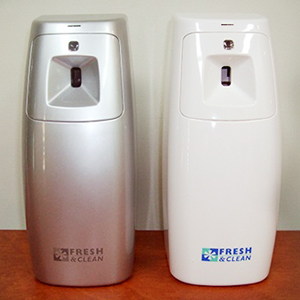
Alsco’s Fresh & Clean service can take the headache out of odour control if you sign up for our rental service.
b. Get Reliable and Standard Hygiene Supplies
After ensuring that the core facilities are in order, you need to consider the supplies that require replenishing or maintenance. This includes soap, hand sanitiser, paper towels, toilet cleanser, odour sprays and disposal bins. The key to long-term winning is consistency. Therefore, get a reliable hygiene vendor to service your washroom weekly.
Do you know the proper standards you are legally expected to maintain in the workplace? It is important to know the regulatory framework in your country and keep the hygiene up to standard.
Since the laws are tweaked regularly, it will be a good idea to consider outsourcing compliance with a reliable vendor.
Alsco’s Fresh & Clean will help you maintain your washroom supplies while always keeping up with any change in compliance laws.
4. Improve Hygiene Around the Office
a. Strategically Placed Hand Sanitisers
Outside the washroom, there are ways to ensure hand hygiene is at the forefront. Strategically place hand sanitisers in core areas at the office. This could be in the kitchen, the office lobby or the washroom exit. Choose areas that can encourage people to prevent exposure to germs from eating or physical contact.
Out of sight, out of mind. The presence of the hand sanitiser will constantly remind people to consider their hygiene. It will act as the non-verbal cue that reminds your team to get clean.
Get a sanitiser dispenser that is automatic to prevent contamination or wastage.
b. Get Office Cleaning Services
Besides handwashing, regular maintenance of the office facilities prevents a build-up of germs and bacteria. Ensure that you get cleaners with high standards that will disinfect high contact areas like doors and desks.
Regular servicing of office equipment is also advisable. The high germ areas were found to be on the office phone, keyboards and mouse. Get a technical team that will clean the office machines professionally to prevent damage.
Encourage healthy hygienic workspaces for a more productive office. Your colleagues will thank you and productivity will increase for the better. There’s no need to do the heavy lifting to coordinate it all.
Just call Alsco and we’ll always deliver quality hygiene supplies to your doorstep in a timely fashion.
In case of an emergency, don’t worry. We are quick to respond, with no extra charge!


