Trusted by 237K+ Business Worldwide. Find a Location
Trusted by 237,000+businesses worldwide across 250 locations delivering uniforms, linens and more. Find a Location Near You


Delivering Excellence Since 1910
Contact Us
6 Benefits of Training Your Employees in First Aid
The 2015 Health and Safety Act mandates employers to ensure safety in the workplace. This includes protection from all perceivable workplace health and safety risks.
According to the act, you must provide your employees with industry-specific safety training. As a bonus, this should include first aid training for employees.
The first aid training complements the safety training. It provides employees with the skills needed to respond to workplace emergencies & accidents.
This reduces the severity of injuries, giving employees a better chance at recovery.
How to Offer Comprehensive Workplace Training
While preparing the training, you must choose who will receive the training. Since this is a highly beneficial skill, you can offer it in two packages:
- Basics of First Aid – You can offer this to everyone in your workplace. As it is a short course, you can include everyone in the office. It introduces your employees to first aid. Each team member gains basic first aid skills.
- Comprehensive First Aid Training – Because this requires a lot more time and resources, you can offer it to a smaller number of people. Choose a few people on each floor, such as supervisors and floor managers for the package. These are people you will refer to in extreme situations.
Resources for Workplace First Aid Training
Proper first aid training begins with finding the right training partner. Some potential workplace first aid trainers include:
- Redcross New Zealand – They offer a variety of workplaces courses. You can choose a course and request them to customise it to your industry’s safety requirements.
- St. John NZ – Speak to a representative and customise the training to suit your workplace.
- Corporate trainers – You can choose from a range of corporate training companies. Each company will offer a unique mix of first aid training packages.
Image courtesy
6 Advantages of Employee First Aid Training
1. Help Speed Up Your Response to Workplace Emergencies and Accidents
An emergency or accident can happen at any time. In many cases, the survival of the victim depends on how fast they receive first aid services.
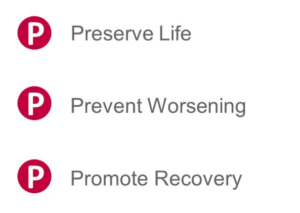
Three P’s of First Aid. Image courtesy
If you train most of your employees in first aid, anyone close to the victim can administer basic care. This speeds up the response time, giving the victim a better chance at a quick recovery.
When everyone on the team has basic skills, they can work together to support the victim before medics arrive.
Having a few people with advanced first aid training helps the victim get more support. You can have a highly-trained supervisor or floor manager coordinate the first-aid efforts.
This person is also in charge of communication with the emergency responders.
2. Training Improves Safety Awareness in the Workplace
First aid training improves employees’ safety awareness. It gives them more on the possible causes of accidents.
Training gives your team a better sense of the severity of workplace accidents. This encourages them to adhere to safety standards.
The training also helps expand their understanding of workplace safety. Each trainee understands how their behaviour affects the safety of others.
This deeper understanding of workplace safety improves behaviour. Employees become more cautious, reducing the number of injuries and accidents.
3. Show Employees You Care, Improving Morale
High employee morale improves productivity in the workplace. It can even lead to higher employee retention rates.
Through training, you show your employees you care about their wellbeing. You are willing to invest time and resources on their safety.
In return, employees feel more confident in your ability to prioritise their safety. They can invest more in their work without worrying about safety.
This translates to high morale, productivity and positive brand association. As your representatives, employees will speak highly of the company. This will improve your brand’s perception among clients.
4. Reduce Costs Related to Workplace Injuries and Accidents
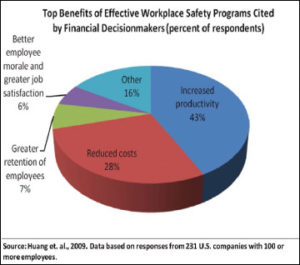
Source: OSHA
Employee recovery time translates to lost company time.
Even if you provide comprehensive insurance, you are better off avoiding workplace injuries.
Increased accidents can lead to an increase in your insurance premiums. In some cases, you might have to take out money from the business to help an employee with medical expenses.
The cost of workplace accidents affects both you and your employees.
With first aid training, you improve your response to accidents. This helps minimise the severity of injuries, reducing medical expenses. It can also reduce recovery time for the employee.
5. Tailor the Training to Your Industry
By bringing the training to your workplace, you can tailor it to your industry’s safety standards.
While looking for a training partner, make sure you share with them your:
- Ongoing risk management strategy.
- Financial budget for the training.
- Company safety manual.
- Industry’s safety guidelines.
This gives the first aid trainers enough information to tailor the training. They have the resources needed to create a first aid training package that is:
- Current
- Effective
- Focused
6. Equip Employees With Life-Saving Skills They Can Use Outside the Workplace
Employees can use the first aid skills outside of work. They can respond to emergencies in the home with confidence.
This is a valuable gift to employees. They will appreciate it more when these skills come in handy in relieving pain or helping others.
If you offer non-monetary benefits to your employees, you can add the first aid training as a bonus.
Equipping Your Office After the First Aid Training
Once your team learns basic first aid skills, you must provide them with the right equipment. They will need this equipment to manage workplace emergencies or accidents.
While sourcing first aid equipment, make sure you find a supplier who understands you.
A leading supplier such as Alsco NZ will help you equip your office properly. They’ll give you everything you need in case of an emergency or accident.
You can refer to Alsco NZ for:
a) Managed First Aid Kits
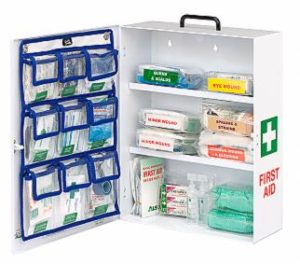
Alsco’s first aid kit Affordable – we charge you a single, all-inclusive annual fee
Alsco NZ supplies managed first aid kits, helping keep your business safe. With the kits, you’ll have everything you need to meet New Zealand’s workplace safety standards.
The Alsco NZ team will refill your kit every three months with hospital grade material. They will even customise it to your industry at no extra cost.
If needed, you can request vehicle and portable first aid kits in your package. They will come in handy if:
- You have field tasks where teams work away from the office.
- You own a fleet of vehicles serving the company.
- You work onsite and need to set up remote work stations.
Why Choose Managed First Aid Kits
There are many advantages to choosing an Alsco NZ Managed First Aid Kit:
- Affordable – You pay a single, all-inclusive annual fee.
- Quarterly Refills – The Alsco NZ team will refill and maintain your kit every three months for free.
- Customised Package – You will get a kit with all the basic supplies. It will even include extras tailored to industry-specific accidents.
b) Portable Defibrillators
New Zealand loses more than 1,600 people to out-of-hospital cardiac arrests. In 2017/2018, St. John medics treated five people daily for cardiac arrests. Most of these cases were in the workplace.
Proper preparation in the workplace can reduce the risk of cardiac-related deaths in the workplace.
Portable defibrillators help you respond to cardiac emergencies. You can use defibrillators to:
- Correct an arrhythmia (an uneven heartbeat).
- Restore the heart’s beating if it stops.
Alsco NZ provides a portable and easy to use HeartSine Samaritan 500p defibrillator. It can save a life in case of an emergency.
With Alsco NZ, you get:
- An easy-to-use defibrillator. Anyone with basic first aid training can operate it.
- Maintenance services every 3 months at no extra cost. If it breaks down, they will replace it for free.
- A single annual fee. You don’t have to worry about monthly payments or upkeep.
The Benefits of Getting Your First Aid Supplies From Alsco NZ
Employee first aid training works best if employees have easy access to first aid kits.
Since first aid is a support service, you need a partner you can trust to keep your kit supplied all year round.
With Alsco NZ, you can request a managed first aid kit. They will customise each package to help you:
- Ensure you have enough supplies for everyone on your team.
- Get enough supplies for industry-specific accidents.
- Meet all regulatory first aid kit standards.
- Refill and maintain your kit every 3 months.
If you are looking to improve workplace safety, contact Alsco NZ today.
Photo: WikiMedia
Do You Need an AED in the Workplace?
The best way to care for your employees is to provide them with the best health and safety equipment.
One way to do this is to install workplace AEDs.
This ensures you are well prepared for any cardiac emergency.
Posting emergency signage around your workplace will help in times of crisis and lead rescuers straight to the available equipment.
1. What Are AEDs?
AEDs, or an Automated External Defibrillator, is an electronic device used for medical emergencies.
It is a lightweight, portable device. Its purpose is to send an electric shock to a victim whose heart ventricles lose function. Or instances when the heart stops beating, this is known as cardiac arrest.
Did you know that cardiac arrest is one of the leading causes of deaths in New Zealand?
According to the Heart Foundation, cardiovascular disease cause 33% of deaths every year. Read more here.
AEDs are in many public spaces such as airports, gyms, schools, banks, churches, casinos, and recreation centres.
An AED can be used by untrained bystanders in an emergency. However, training is advisable for every individual, community, and workplace.
2. What Are the Signs of Cardiac Arrest?
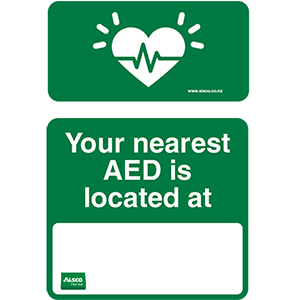
Familiarising yourself with signs of cardiac arrest can help you notice symptoms early. This could mean the difference between life and death.
Knowledge is power. No doctor rushes in blindly to save a life without a general idea of what they are dealing with.
You need to be keen as, for many people, an arrest can happen without warning. A person suffering a cardiac arrest may stop breathing and is likely to lose consciousness immediately.
In the event that there are warning signs to work with, you can expect:
- Dizziness
- Chest pain
- Fainting
- Palpitations
- Breathlessness
Taking care of yourself and those around you helps make the world a better place. We live fast-paced lives and can forget to take care of ourselves. Be sure to keep your heart beating with these tips for a healthy lifestyle.
3. Using an AED in an Emergency
The first ten minutes of cardiac arrest are the most crucial for the victim’s survival. The first sign is fainting.
In an emergency you can try to carry out the following steps:
- Confirm the state of the victim, are they breathing? If the person is already unconscious you need to check their response. They could either be very still or have seizure-like movements.
- You can shout at the victim or gently shake them to get a response and make sure they are not sleeping. You should never shake an infant or a young child because this could send them into shock. Instead, pinch them gently to try and wake them up.
- Ensure to call for professional medical help if two or more rescuers are present. One rescuer can provide CPR while another calls for help.
- No signs of breathing will mean you need to prepare to use the AED as soon as possible.
- There needs to be clear space around the victim, so get rid of bystanders. Any contact with the victim could affect the AED’s reading of their heart.
- An AED uses voice prompts to alert you of when and how to administer the shock. And how to connect the electrodes.
- It can also instruct you to give CPR again after delivering the shock.
- Some AEDs can deliver more that one shock with a higher level of energy
4. Should You Have AEDs in the Workplace?
Considering the value of an AED and the statistics of cases in New Zealand, you should get an AED if there:
- Is a risk of electrocution in your workplace. Employee safety is a top priority for your business and a legal requirement.
- Your workplace is remote. Workspaces that are located far away from any medical services can delay the prompt arrival of an ambulance. (Remember the ten minute period of cardiac arrest.)
AEDs should be easy to locate and in an area that is clearly visible. Maintenance levels must be adhered to according to the manufacturer’s instructions.
You don’t have to be the one concerned with the maintenance and upkeep of your defibrillator. Partnering with a rental company such as Alsco, which maintains your AED, will give you peace of mind.
5. What Does the Law Say About AEDs in the Workplace?
There is no law that requires you to have a defibrillator at work. However, the government of New Zealand recommends all workplaces have at least one.
Remember that workplace AEDs must be accessible and visible.
6. Benefits of Having a Workplace aed
They can save a life! This is the biggest advantage of an AED. They improve the survival rates of victims. The inbuilt voice prompts also help guide the user step by step through the process.
Companies and employers benefit too. The profile of the company is elevated when it demonstrates care for its employees. Everyone wants to work in an environment where they will be taken care of.
Because they are growing in popularity in many public spaces, social expectations call for companies to have access to an AED.
Employees benefit from AED training sessions. This is because many AED manufacturers can provide basic training to familiarise staff with the functions of an AED. This increases confidence in those using the device.
7. Do You Need Training on How to Use AEDs?
As mentioned earlier, even untrained bystanders can use the device.
But, nothing beats hands-on training. This will build upon your staff’s theoretical knowledge of how to use a defibrillator.
Proper training on a defibrillator can help make its usage more effective.
There are several options when it comes to taking an AED or Cardiopulmonary resuscitation (CPR) class. Some course providers have packages that include CPR, AED and first aid. These cover protocol for basic emergency response action.
A Basic Life Support class (BLS) can also come in handy. This is because employees learn advanced techniques in emergency response and AED operation.
8. Should You Rent or Buy an AED?
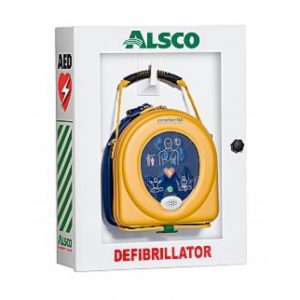
Alsco manages Defibrillator Rental Services
Renting out an AED is a great way to ensure you have an up-to-date, durable and high-quality defibrillator for your employees. A straight year lease means you don’t have to worry about monthly payments.
When you rent equipment, the chances of you having the latest equipment is guaranteed.
The longer you lease out equipment, the cheaper it is for you.
Contact Alsco for your AED needs. Our representatives will help you decide where to place them for easy access. They also install, check and replace them for you on a regular basis. All this at an affordable annual fee.
Check out some of our rental options. Contact us for a quote today.
The Perfect Amount of First Aid Kits for Your Workplace
How many first aid kits does your workplace have? This is a simple question, yet so vital for organisations to answer.
Injuries in the workplace are increasing. Workplace accidents cost the economy of New Zealand upwards of $20 billion per year.
Accidents are unavoidable; yet, preparing your employees can help reduce the number of fatalities. First aid kits are essential in any workplace. First aid in the workplace is dynamic, so office managers should provide first aid kits and train employees to offer first aid.
You must also conduct a needs assessment.
As a manager, you will understand the risks involved in the layout of the organisation and its size.
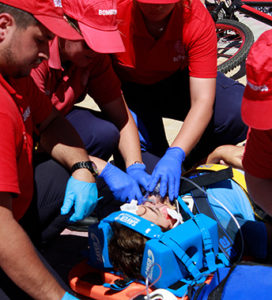
Source: Daniela Santos
Make sure first aid equipment and facilities are adequate to cater to all workers. They include:
- First aid kits
- Portable defibrillators
- Eyewash stations
- Vehicle and portable kits
- Emergency response systems
Note: Besides providing first aid equipment, you must also provide trained first aiders. They could be members of the organisation or from outside your employment.
First aid requirements vary in every organisation. Factors to consider include:
1. The Number of Employees Affects How Many First Aid Kits You Need
The number of first aid kits required increases with an increase in your number of employees.
The higher the number of employees, the higher the number of injuries or fatalities.
A high number of employees is already a risk in itself. Picture this scenario:
A fire breaks out in a workplace with 500 employees. They all rush out at the same time. This is likely to cause further accidents in cases of limited exit points.
It is important to ensure the number of kits available is enough for the whole team.
2. What Risks Are Involved in Your Workplace
The level of risks involved depends on the activities carried out at an organisation.
Some work environments pose greater risks than others. An office environment will have fewer accidents compared to other high-risk environments. In a warehouse, objects may fall. In a manufacturing company, chemicals may spill. In a construction site, machinery may malfunction.
The nature of the risks involved will determine what number of first aid kits will be enough.
3. Where Your Workplace Is Located
Companies in remote areas need more first aid kits compared to those within major towns and cities.
Take an example of a company that constructs windmills in a far off area. Think of a company constructing a bridge in a remote area.
Areas that take an emergency service such as an ambulance more than thirty minutes to arrive are remote.
The only easy way such a place would be accessible is through air emergency services. This may not always be available and would make it difficult to reach the workers in case of an emergency.
Major construction projects take more time and involve a huge number of employees. This requires employees to work in shifts. These factors pose unprecedented dangers.
4. Size of First Aid Kits Available
First aid kits come in different sizes. You can pick from the different sizes depending on the number of people the workplace caters for. Also, think of the industry and the level of risk involved in the activities of your business.
The table below provides general guidelines on the sizes. This is dependent on the work environment and the number of employees. Besides this guide, a first aid risk assessment is useful in making crucial decisions.
| Workplace Environment | Number of Employees | Recommended First Aid Kit |
|---|---|---|
| Low risk | Less than 25 | 1 small kit |
| Low risk | 25-100 | 1 medium kit |
| Low risk | 100+ | 1 large kit per 100 employees |
| High risk | 5-25 | 1 medium kit |
| High risk | 25+ | 1 large kit per 25 employees |
Source: https://enfieldsafety.co.uk/news/a/how-many-first-aid-kits-workplace/
Low-risk workplace environments: This includes offices, conference rooms, libraries, and schools.
High-risk workplace environments: This includes warehouses, construction sites, and manufacturing companies.
5. Complexity of the Workplace Layout
The complexity of the workplace determines the first aid kits you require.
In large buildings, different departments are housed on different floors. Some buildings are complex and need a thorough check on emergency exits.
In such a situation, place the kits in designated areas where workers can access them with ease.
Other Factors to Consider When Choosing a First Aid Kit
Your work environment can get hectic. There are absent employees, differences in experience and changes in shift patterns. To add to the mix, there are lots of unforeseen circumstances.
A first aid assessment test is important to ensure you leave nothing to chance.
Do not forget other potential factors, such as first aid provisions for:
- Site visitors
- Travelling workers
- Shared occupancy sites
Where Should First Aid Kits Be Located?
Place first aid kits at a position where all employees are able to access them.
For larger and more high-risk organisations, employers should provide a first aid room. Keep all first aid equipment such as portable defibrillators, vehicle kits and eyewash stations here.
Being in charge of the workplace, you should ensure the location is:
- Easily accessible for all employees.
- Supervised by a member of staff.
- Complete with clear signage.
- Connected to a telephone or clear communication channels.
- Always open when people are at work.
- Clean and organised.
- Supplied with water.
- Located close to exit points.
Remember:
- Check first aid kits for expiry dates.
- Restock the first aid supplies to ensure there is no shortage during emergencies.
- Source first aid kits from reputable companies only.
- Most importantly, remember that kits are not enough while dealing with life-threatening conditions. Be sure to dial 111 in cases of emergency. Contact a first aid officer to track the situation before the emergency team arrives.
Increase Your Workplace Safety with Alsco New Zealand
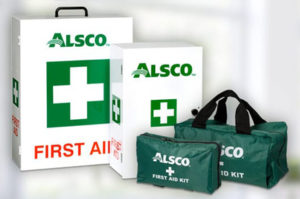
By now, this article has given you enough insight into work safety. You now know the number of first aid kits you need and the factors to consider in making your choices.
Empower your employees early enough so they are ready for any emergency scenario. Stock your workplace with the best range of first aid products from Alsco New Zealand.
By making the above considerations, you will make your workplace a safe haven for you and your employees. How about getting started?
9 Things Your Employees Need to Know About AEDs
There are many misconceptions about AEDs on mainstream media.
You are likely familiar with the medic scene in movies or sitcoms where a defibrillator is pressed down on the victim and a shock is administered while the victim’s body convulses, later you hear- “clear!”
The reality is quite different.
When someone suffers abnormal heart behaviour, AEDs work to restore normal heart functions.
Very few will ever witness these devices restarting a stopped heart.
This does not mean AEDs are irrelevant! Did you know that when it comes to cardiac arrest the risk is higher at the workplace?
The process is less powerful (and could last longer) than what you see on television.
What Is an AED?
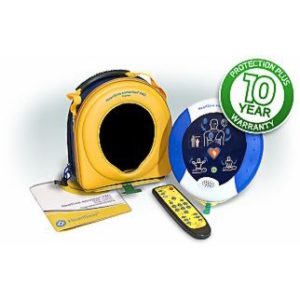
An AED or an Automated External Defibrillator is a portable electronic device that diagnoses sudden cardiac arrest symptoms and helps in treatment.
This occurs through a process known as defibrillation. (sending electrical shock into a victim’s body to help restore effective rhythm).
AEDs are sophisticated, easy to use and a must-have in your workplace and other public buildings.
An AED kit will contain the following:
- Face shield or mask that creates a barrier between the victim and first aider during a rescue
- Nitrile rubber gloves.
- Towel to wipe moisture from the chest area
- Razor (for patients with hairy chests)
- Trauma shears meant to cut through clothing and expose the chest area
Benefits of Having an AED
There are numerous benefits of keeping an AED in the workplace:
- You can boost the survival rate of a victim in dire condition with a defibrillator by 60% according to the Occupational and Safety Health Administration.
- Defibrillators help save on time as they can be used before emergency medical service personnel arrive. This improves the likelihood of survival for the victim.
- They are easy to use with the proper training. Modern defibrillators won’t allow you to shock a victim with a steady heartbeat. This means you reduce the risk of causing more harm to the victim.
Should You Take an AED First Aid Course?
One in 21 adults lives with heart disease in New Zealand. It is the leading cause of death with 33% of fatalities attributed to it annually.
When a heart stops beating, every second is valuable. Reading up on techniques that can help you save a life is a good first step.
Did you that heart attacks are the leading cause of accidents around the world?
Your knowledge needs to extend into practical abilities as well. Operating an AED should be as familiar to you as knowing how to use your phone.
This means you are better placed to help your colleague or passerby. You can and should seek out professional assistance in case of an emergency, but be able to provide help as you wait.
You can provide training on AEDs, certified first responder (CPR), basic life support (BLS) and first aid techniques in your workplace.
You can take note of this acronym to help you in emergency situations:
D- danger?
R- response?
S- send for help
A- open the airway
B- breathing normally?
C- start giving CPR
D- attach the defibrillator
This information is not a substitute for an actual course, but rather tips to add to your first aid knowledge. These are basic steps that can be administered to adults, children and infants.
Are There Any Risks Involved?
Metal conducts electricity very fast. This can cause harm to the victim who needs AED treatment.
You need to be cautious of any item of clothing that has metal underwire such as bras that can cause interference.
Be sure to also look for body piercings or any metal jewellery in areas where the AED pads need to be placed.
In most cases, care providers suggest placing the pads inches away from the metal to perform AED treatment.
It is also assumed that the electrical charge released is high enough to be deadly. This is not the case.
There is no recorded history of a defibrillator causing harm to bystanders or persons administering help to a victim. It is still wise to make sure everyone is clear of the victim when the shock is given.
Can You Be Sued for Using AED on a Victim?
Again, there are no recorded cases of a person being injured by using an AED. if you ever find yourself needing to use AED on a victim, you are unlikely to cause any harm and not land yourself a lawsuit.
Ever heard of Good Samaritan Laws? They work at protecting a responder who acts in good faith in an attempt to save another.
Can AED Pads Be Used on a Wet Surface?
Defibrillation is meant to be performed on a dry surface. This means clearing the area surrounding the victim. Bystanders should create as much space as possible away from the wet surface.
If the victim cannot be moved to a dry surface immediately, caregivers must avoid direct contact with them while using AEDs.
Are AED Pads Reusable?
No. AED pads are one-time use only. Make sure you dispose of them right after. They are not toxic and can be disposed of in a standard trash can.
You need to make sure you replace them as soon as possible so that you are prepared for emergencies at all times.
Where Should AEDs Be Stored?
Defibrillators should be easily accessible and highly visible. The casing is often brightly coloured and mounted on walls near the entrance of a building.
Should You Buy or Rent an AED?
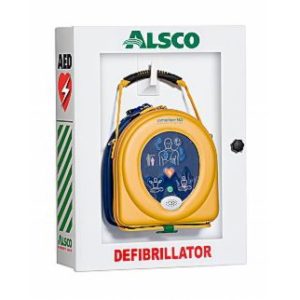
Alsco’s manage Defibrillator rental Services
If you want the latest technology and the latest equipment you need a quality AED kit. Did you know you can deduct the rental fee for an AED as an operating expense?
Keeping your employees safe and well informed is important for any business. The age-old saying better safe than sorry still carries weight when it comes to safety practices.
With Alsco’s defibrillators you receive:
- One inclusive annual fee, making it an affordable payment plan.
- A simplified and easy to use AED kit.
- Regular checks, maintenance and/or replacement every three months.
Don’t risk a life, contact Alsco now and get an AED installed within your workplace.
The Importance of First-Aid Kits
Let’s assume one of your employees trips and tumbles down a flight of stairs. They may need immediate medical attention to help relieve the pain before receiving adequate medical assistance.
How would you react in such a scenario?
As distasteful as this may seem, accidents and certain medical conditions do occur.
This is especially true when you have employees who are more prone to accidents than others, including those with certain medical conditions.
A Brief Historical Background
First aid is not only a complex topic, but it also has a complex history. Let’s take a quick journey through time.
About a century and a half ago, a war in Italy ignited an idea that has since revolutionised the world. Henry Dunant, a businessman from Geneva, witnessed great misery and torment during the battle of Solferino in June of 1859.
This led him to assemble civilians composed of women and children. They went on to take care of the casualties and tended to their wounds regardless of their role in the battle.
Dunant later aided in the setting up of provisional hospitals. He also provided the resources needed at the time.
The formation of the International Committee of the Red Cross (ICRC) in 1863 was later inspired by a book Dunant published titled A Memory of Solferino.
Robert Wood Johnson was inspired to create the first modern commercial first aid kit 25 years later while on a train to Colorado in 1888.
Johnson was the founder of the medical supply company Johnson & Johnson. The kit consisted of the essential pieces of equipment to be used when an injury occurs.
Nevertheless, during an emergency, having a first aid kit in the office can be lifesaving. If not, the situation could escalate before the injured person is able to go to the hospital.
In the words of Benjamin Franklin, “If you fail to prepare, you are preparing to fail”. Thus, ensure you have the necessary supplies in your workplace first aid kit. Preparedness could mean the difference between life and death.
With that said, having a workplace first aid kit is always a good idea whether it is a low- or high-risk work environment. It is a requirement by law according to the Health and Safety at Work Act 2015, but it can also help decrease the severity of an accident/injury.
Additionally, the workplace first id kit must include a range of items that can be used to treat:
- Several common ailments
- Allergic reactions
- Sprains
- Burns
- Minor and major cuts and open wounds
- Scrapes and bruises
The following are some essential items found in a first aid kit:
- Bandages – Used to hold a wound dressing in place or support an injured joint
- Burn Gel – Provides soothing pain relief on the affected area caused by a burn
- Epi-Pen – Used during emergencies to treat severe allergic reactions caused by allergens such as foods, insect bites/stings, and more
- Antiseptic wipes – Used to clean the skin around a wound
- Eye-wash solution – Used to cleanse the eyes in an emergency
- Adhesive bandage – For covering small cuts
- Latex gloves – Protects the victim and the wearer from potential infections
- Clean dressings – Used for covering open wounds
There are several reasons why having a first aid kit in the workplace is so important.
1. First Aid Can Save A Person’s Life
Alsco’s first aid kit Affordable – we charge you a single, all-inclusive annual fee
First aid is the response administered immediately after an accident, injury or illness occurs. It can make a huge difference to a victim.
Having a well-stocked first aid kit can boost your employees’ confidence. Proper first aid training gives them the ability to react immediately to an emergency.
Your employees must be up to date with the practical first aid courses. This training should only be from qualified trainers.
How often should your employees keep these skills updated? According to WorkSafe, a first aid training refresher should be conducted every two years.
Many lives have been saved as a result of the quick response, but only if it’s taken during the crucial moments of a life-threatening situation.
Recently, there have been numerous stories in the media highlighting the importance of having a well-stocked first aid kit and how useful the skills acquired in first aid training can prove to be in the workplace.
Click here to read more on the importance of first-aid in the workplace.
The following are examples of the hazards in various places of work and their potential harm. According to WorkSafe:
- Extreme manual labour can lead to exhaustion and straining of the muscles.
- Slippery surfaces may lead to concussions, joint dislocations and fractures from falls.
- Live, exposed electrical wires can lead to electrocution, cardiac arrest and severe burns.
- Violent tendencies such as physical abuse can cause psychological and physical trauma.
- Exposure to radiation can cause cancer.
- Biological hazards can lead to infections and allergic reactions.
- Extreme temperatures can lead to hypothermia or heatstroke.
2. Help Provide Urgent Relief Before the Paramedics Arrive
It should be noted that first aid treatment is not meant to completely cure a person with an injury, a medical condition or someone involved in an accident.
A medical-grade first aid kit is meant to give the victim basic treatment before the arrival of professional medical help. Having a workplace first aid kit is the initial step to being prepared for any kind of emergency.
You must inspect all first aid kits in your workplace. Immediately replace any contents that have been used.
It is also important to check the expiry date on all products. Make sure you throw out and replace expired items.
3. Lower The Risk Of a Wound Becoming Infected
You can’t always prevent your employees from getting injured. However, you can protect them when they do get hurt using a first aid kit.
A medical-grade first aid kit contains the necessary tools and pieces of equipment to clean out and cover up an open wound. This reduces the severity of the injury and in turn lowers the chances of the wound getting infected.
Shortens the Victim’s Healing and Recovery Period
A lowered risk of acquiring an infection means the healing and recovery period of the victim is drastically reduced.
4. Prevent Potential Liability Charges
According to the Health and Safety at Work (General Risk and Workplace Management) Regulations 2016, it is the duty of the employer to provide their employees with adequate first aid equipment, facilities and/or training.
Anyone who does not follow these regulations will be charged with hefty fines.
5. Reduce The Chances Of A Severe Injury From Becoming Fatal
According to Injury Prevention and Environmental Health, it is estimated that “317 million nonfatal occupational injuries and 321,000 occupational fatalities occur globally each year.”
In a work environment, injuries can occur when you least expect them. The wrong move in a chemical plant or at a construction site could lead to a painful if not fatal injury. With a first aid kit, however, you can reduce the severity of the injuries.
Being well-prepared, knowing how to use a first aid kit and the right way to react during an emergency is reassuring to both the victim and the first responder.
Prevents Excessive Blood Loss
What do you do when one of the employees at your restaurant accidentally sustains a deep cut? What if the cut is bleeding uncontrollably?
Well, having a first aid kit close by can help. It provides the right tools needed to stop the bleeding before help can arrive.
The Answer You Have Been Searching For
Any business’ top priority should be the health and safety of their employees.
Having healthy workers means higher productivity. However, many businesses are concerned about the costs that come with purchasing and maintaining the legal number of required first aid kits in a place of work.
Luckily, there is a simple cost-efficient solution to this dilemma.
Due to the unpredictable nature of accidents in the workplace, you can now guarantee the safety of your employees with ALSCO NZ medical-grade managed first aid kits, which are specially crafted for any type of work environment.
Why Should You Subscribe to Alsco NZ’s First Aid Rental Service?
- It’s a cost-efficient alternative to buying first aid kits.
- Guaranteed free unlimited restock of any used or expired first aid supplies.
- The contents in every kit are colour-coded for specific injuries.
- We offer quarterly maintenance services.
- Our workplace first aid kits meet the required OSH guidelines.
- Alsco also offers vehicle and portable first aid kits, which are perfect for company vehicles so you can stay safe when on the move.
Visit us today to get a quote.
Are AEDs Required in Schools?
On a normal day, children spend most of their time in schools and learning institutions.
Every parent wants to be certain that their children are safe when not in their care.
Cardiac arrest can happen without warning. It could be at a sporting meet, debate club or other school event.
It is important for schools to provide adequate first aid measures to keep children, staff and visitors to the school safe.
1. What Is Cardiac Arrest?
Cardiac arrest occurs when the heart stops working or pumping blood normally. When a blockage prevents blood from getting to the heart, the heart is starved of oxygen and this affects its regular rhythm.
Most of the time it means the heart has not received enough oxygen to effectively pump blood to the body. The pulse is weakened and when the blood stops circulating the brain is starved of oxygen. At this point, the victim falls unconscious and stops breathing. If left untreated, the victim could die.
A cardiac arrest can be caused by many things and it differs from children to adults.
For children, such causes could be:
- Trauma
- Respiratory illness
- Cardiac disease (usually hereditary)
Young children are affected because of their developing hearts. Their bodies are still growing and so their soft chest walls are easily affected. It could be as simple as bumping into another person/object or a sharp blow to the child’s chest.
The chance of survival during a cardiac arrest decreases by close to 10% for every minute the victim goes without Cardiopulmonary Resuscitation (CPR) and a defibrillator shock.
This is why defibrillation is very important. The sooner the victim receives CPR and AED shock, their chances of survival are increased.
If you ever find yourself in an emergency, remember these steps:
- Call for an ambulance.
- Administer CPR.
- Use an AED as soon as possible.
2. What Are AEDs?
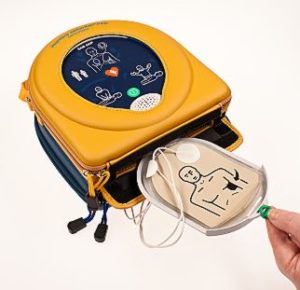
An Automated External Defibrillator (AED) is used to administer a safe electric shock in an attempt to restart the heart.
They are portable, lightweight and easy to use. It is true that they can be used by anyone, regardless of experience quite effectively.
They are found in many public spaces including gyms, airports, banks, recreational centres and so on.
When used in combination with CPR, they can resume normal heart function. The process of CPR maintains the blood and oxygen circulation until the victim can receive a defibrillator shock.
Most medical practitioners use AEDs over other equipment for cardiac arrests.
You can watch this video about how to use the Alsco HeartSine Samaritan 500 P AED.
3. Should Students Learn First Aid, Including CPR and AED Use?
As part of health education, schools can choose to incorporate CPR training.
This improves response rates when victims experience cardiac arrest. It prompts bystanders into action.
The World Health Organisation believes that teaching children CPR for two hours in a year can boost survival rates and improve global health.
CPR is an easy and important skill to learn. Children can pick up these techniques quickly.
AEDs are designed to be used without training. However, proper training on the use of AEDs can improve their effectiveness. Training can answer common questions regarding AEDS. It also increases confidence and the willingness to help in an emergency.
These lessons are provided by local ambulance service or first aid trainers during Education Outside The Classroom (EOTC) sessions.
4. Emergencies and EOTC Activities
Education Outside The Classroom (EOTC) is not a new concept in New Zealand. It ranges from sports trips, school camps, museum visits and so much more.
There should be policies in place that include all major issues such as traumatic events.
Schools should do a risk assessment of all the EOTC activities before the actual event.
It is never pleasant when incidents occur during an EOTC, for any party involved. A response with procedural steps in case of any emergency should be planned ahead of time. This helps lessen the impact and speed up recovery.
The person in charge of EOTC events should check with the EOTC provider on the potential risks involved. Then confirm if there are staff trained in first aid on site. It is important to note how many first aid trainers are available and if the premise has an AED.
The EOTC provider should also provide a health and safety orientation. That includes emergency procedure and where first aid equipment may be located.
5. Benefits of Having an AED on a School Site
AEDs have voice prompts that provide step by step guidelines in an emergency situation.
For those that are hearing impaired, a step by step guide comes with all devices.
Whether a school decides to buy an AED lies with the board of trustees. The school’s health and safety policies, as well as workplace regulations, should be considered in the decision-making process.
Most schools have other activities going on besides learning. The community at large can have access to school buildings for sports events, civil emergencies, natural disasters and meetings.
When such events occur, it is worth considering the benefits of having an AED on the premises.
Although schools may be located near facilities such as hospitals. However, you can never predict an emergency. Traffic, obstructions on the road, and other factors can delay professional medical personnel from getting to the site.
Considering the rate at which the survival rate drops when it comes to cardiac arrest, it is beneficial to have an AED in schools.
5. Schools Should Train Staff in CPR and AED Use
All schools must have staff trained in first aid under the Health and safety act of 2010. This includes knowledge on how to perform CPR as well as use an AED.
Practical training is the best way to get familiar with using an AED, but not the only way. There are videos and e-learning training that ease the basic understanding of using this equipment.
Local emergency service personnel and local ambulance crews can visit your school to speak at assembly and engage the students.
This can help build the wealth of knowledge students have on areas like health and physical education, science and social studies. Real-time engagement with individuals in the medical field can help empower students to act in an emergency.
6. Where Should You Keep an AED in Schools?
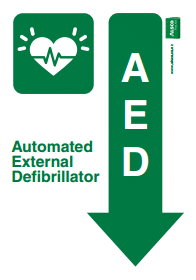
A visible, central location that is accessible in an emergency is the best place to store an AED. Consider getting emergency signs placed right beside the AED.
When someone loses consciousness, there needs to be a clear process for getting the AED.
Did you know that in New Zealand there are apps for AED locations?
They are used to map the location of AEDs nationwide.
This makes it easy to access all nearby AEDs if you have your smartphone.
It is recommended that you register the location of your AED.
7. What Does the Law Say About AEDs in Schools?
There are regulations that place responsibility on persons conducting a business or undertaking (PCBU) or a board of trustees. They must have first aid provisions for others in their care.
Regulation 13 covers provisions for first aid facilities, equipment and number of first aid trainers.
This school trustees must assess the risks involved at the school and decide what is appropriate.
Ensuring the safety of children in schools is of the utmost importance.
The provision of an AED in a school building is not only helpful for students but the community at large.
Don’t Take a Chance, Get an AED for Your Workplace Today
An AED instantly makes your school safer for pupils, staff, parents and visitors.
You don’t have to risk a life. With Alsco, you can relax, because all the hard work is done for you.
We install, check and replace the contents of your AED throughout the year.
For an annual fee you can ensure that your school is equipped with the latest in AED technology.
Call your local Alsco branch and ask us about our rental fee.
Where Is the Best Place to Keep a First Aid Kit in the Office?
The safety of your employees is important to keep your business running smoothly.
Exposure to different elements over time can affect your employees. New safety measures are required.
They include hygiene procedures, quality uniform suppliers, and stocking suitable first aid kits for your workplace.
A first aid kit contains supplies and equipment used for medical treatment. They are essential for any establishment. Do you know the contents of a first aid kit?
You should use first aid signs that show the locations of the first aid equipment. They make first aid kits easier to locate in an emergency.
Did you know that by posting signs to denote first aid kit locations, you comply with NZS/AS 1319: 1994 Safety Signs for the Occupational Environment? Find out more about standards on www.standards.co.nz
Where Should You Keep First Aid Kits in the Workplace?
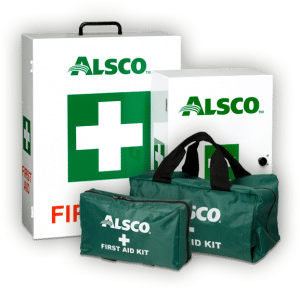
Alsco’s managed first aid kit service offers your workplace safety.
First and foremost, you need to place the kits within reach.
You should have at least one full first aid kit wherever employees are stationed. This extends to work vehicles and equipment.
The size of your establishment (both architecture and workforce) plays a big role in determining how many kits may be required, as does the kind of labour and activity involved.
A needs assessment test is important to determine how many extra kits may be necessary.
The number of kits you need also depends on the number of employees you have. You must have one kit for every 50 employees.
A multi-story building should have at least one kit on each floor.
Large spaces such as stadiums and airports should have industry first aid kits. They should be placed wherever staff work in order to meet occupational health and safety requirements.
All venues must have clear information on how to access the equipment. It would be useless to have kits locked away in a cupboard in the event of an emergency.
Kits should be unlocked wherever possible. Employees should be informed of their accessibility during orientation.
Sealed emergency kits should be available in instances or places where kits must be locked, such as areas with high traffic from the public.
Water is often needed to clean up wounds, which is why first aid kits should be placed close to washbasins with running water and clean towels.
When water is not available, a well-stocked kit would have sterile saline solution or wet wipes and hand sanitising gel.
Kits should be placed in high-risk areas. If they are mounted on a wall, the contents should be accessible at all times.
Types of First Aid Kits
Regulations apply to both contractors and employees under the Health and Safety at Work Act 2015.
The Act and related regulations demand that workers are given the best level of protection from workplace health and safety risks within reasonable practice.
Providing such necessities can boost the image of your workplace. It could also improve relationships with your employees.
You can choose from a variety of kits, such as:
1. Office First Aid Kits
Work-related injuries can range from paper cuts to broken bones.
Accidents can happen in the most mundane ways. If not accidents, then there’s one’s health to consider.
Most first aid kits consist of nonprescription drugs, such as mild painkillers and antihistamines, which can be restocked after use.
2. Managed First Aid Kits
[b3_row]
[b3_column lg=”8″ md=”12″ sm=”12″ xs=”12″ ]
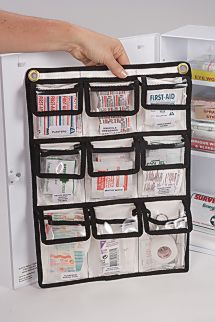
Can you picture having your first aid kit tailored to your business requirements, with the ability to choose ready-made kits that have all the basics?
This package also makes you compliant with New Zealand legislation all year round since the kits will be installed, checked, and restocked for you.
There are three restocking intervals during which hospital-grade material is refilled and expired contents are removed.
Alsco carefully selects the highest quality and most durable first aid supplies as part of our service.
Plus, you get all that for a single annual fee. That means you can take a break. We’ve got it covered.
[/b3_column]
[b3_column lg=”3″ md=”12″ sm=”12″ xs=”12″ ]
[/b3_column]
[/b3_row]
3. Vehicle and Portable First Aid Kits
[b3_row]
[b3_column lg=”7″ md=”12″ sm=”12″ xs=”12″ ]
Accidents can happen at any given time. It is more practical to be safe and cautious rather than sorry.
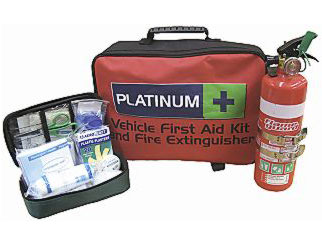
When employees have tasks that keep them out of the office and in their vehicles driving across New Zealand, they need to be well-equipped.
Employees who also operate heavy machinery, hot/cold equipment, sharp objects and so on need access to proper safety equipment.
Having the proper kit is crucial, especially if your employees are alone. On the road, you need a light and compact first aid kit that can fit in small nooks and crannies.
[/b3_column]
[b3_column lg=”3″ md=”12″ sm=”12″ xs=”12″ ]
[/b3_column]
[/b3_row]
4. First Responder Kits
Emergency medical responders are known to have their kits close by in case of emergencies.
You never know what distress call you could be walking into.
This is why all levels of emergency medical response kits include stethoscopes, blood pressure cuffs, belt packs with shears and flashlights.
You can buy these kits online or in local stores.
5. Sports First Aid Kits
These kits focus on orthopedic injuries.
They have cold packs that vary in proportions depending on the size of the group and compression wraps.
These are great to have during outdoor activities such as team-building sessions.
They can also be bought online and in local stores, too.
Frequently Asked Questions About First Aid Kits
1. Do First Aid Kits Expire?
It is essential you ensure your first aid kit contents are checked regularly and replenished. This is important because there are cases where they are rarely needed. In such cases, some of the content expires and goes unnoticed for extended periods of time.
First aid kits often have a three- to five- year shelf life.
2. Who Regulates What Is Inside a First Aid Kit?
The contents of a business’ first aid kit is determined by WorkSafe, which sets strict guidelines. Their guidelines differ depending on the size of the site and the number of employees.
3. What First Aid Documents Need to Be Kept?
The Safety Statement must hold the name of the professional first aider and the location of the first aid rooms, facilities and equipment.
A health and safety inspector should be able to give out written records of the dates of all first aid training, including recertification training upon request.
The information should be kept in a secure place, appropriate for their confidential nature and be made available to the health and safety inspector should the need occur.
4. What Are the Situations in Which a First Aid Kit Can Be Used?
All kinds of wounds can be treated by a first aid kit. It does not only come in handy for emergencies and large wounds. Adhesive bandages can cover up paper cuts.
A first aid kit is a place to keep and organize essentials that could come in handy in any given medical situation. It is wise to get familiar with the contents and their uses, no matter the size.
You could also read more about the main aims of first aid in the workplace
5. Which First Aid Kit Is Best?
The best first aid kit is one that has current functioning medical supplies. Kits vary on who makes them and may be different save a few crucial items.
For example, a sports kit may be slightly different than a kit in your office, which could also vary to one meant for your vehicle. If unused for a long period, supplies may expire or become less effective.
You should review the contents of your kit on a yearly basis or replace items that may be low in stock.
Why Choose Alsco’s Rented Portable First Aid Kits?
At Alsco, we believe our kits are a grand representation of our company. We aim to deliver quality, durable first aid supplies to best suit your needs. Our kits are:
- Stored in sturdy and compact cabinets that can be installed anywhere in your workplace.
- Supplied to meet the needs of unrelated industries, whether you’re in a blue-collar workspace, hospitality, a white-collar office, etc.
- Organised with colour-coded elements so injuries are treated as efficiently as possible.
- Affordable. You only get charged once a year. No reminders, no annoying emails.
If you’d like to guarantee safety at your workplace, get a quick quote here.
New Zealand’s Laws for Workplace First Aid Kits
It was due to the railway construction in 1888 that first aid kits emerged.
Robert Wood Johnson was on a train en route to Colorado when he wound up speaking to the chief surgeon of the Denver and Rio Grande Railway.
The doctor revealed the dangers of railroad construction. Especially the shortage of medical supplies to treat industry-specific ailments.
Hospitals were a distance away and proved troublesome to reach for emergencies.
This gave Robert his eureka moment, a chance to both advance the field of healthcare and develop his business.
Then came the genesis of Johnson & Johnson’s First Aid Kit!
What First Aid is Required in the Workplace?
First aid refers to immediate help given to any person in distress or pain over a serious illness or injury before a doctor, health professional or emergency service intervene.
The aim is to preserve life and prevent the condition from worsening.
This is done by maintaining breathing and circulation levels, immobilizing broken bones, stemming blood, protecting the unconscious and more.
At work, there are three categories for first aid requirements:
- Well stocked facilities and first aid kits
- Information for employees on first aid dispositions
- Trained first aiders available where needed
Here you will find suggestions to help you organise adequate first aid kits, the number of first aiders needed, facilities and helpful information for employees.
Find out What are the contents of a First Aid Kit?
Did you know that every workplace has a legal obligation to ensure ample first aid provisions?
If you are a person conducting business or undertaking (PCBU), it is your responsibility to ensure your workplace provides employees and others with access to proper first aid equipment.
Several factors come into play when determining the set-up of your first aid equipment and the number of first aiders you may need.
Certain workplaces have heightened risks of injury and illnesses because of the nature of the work undertaken.
These factors could range from the size of your workforce, the industry, location and so on. they aim to help you counter the possible risks and be better prepared.
Employers must then provide first aid kits that take into account all the potential hazards of the workplace or industry.
A sure way to get this done is to conduct a needs assessment that will help you determine your first aid requirements.
Note: this should also include deliberation with your employees to take their views into account.
How to Conduct a First Aid Needs Assessment
You can use these questions as a guideline:
1. What Are the Hazards in my Workplace and Is There Any Potential Harm?
Examples of hazards are:
- Physical: Physical hazards consist of environmental factors that can harm an employee. Including (but not limited to) heights, noise, radiation and pressure.
- Biological: Biological hazards could be bacteria, insects, viruses, animals, etc., that can bring about dire health impacts. Click this link to find 4 Ways to Maintain Your Workplace Hygiene Effectively.
- Chemical: Chemical hazards are substances that can inflict harm. These hazards can have both health and physical impacts, such as skin irritation, blindness, respiratory system irritation etc.
- Ergonomic: Ergonomic hazards come about when physical factors can result in musculoskeletal injuries. For example, a poor workstation set up in an office, poor posture and manual handling.
2. How Many Employees Are in the Workplace and Where Are They Located?
The higher the number of employees, the more the facilities required. An awareness of the number of employees will also help you determine if you need trained first aiders, and how many.`
When it comes to trained first aiders consider:
- Location of the establishment and the distance from medical services.
- The likelihood of people being hurt and the intensity of the injuries.
- The size of the workplace and how dispersed your employees are within the location.
- The number of employees in the workplace at all times.
- The nature of their work and the hazards they face.
- Whether there are other people than employees at the workplace i.e. clients.
You need to allow some of your first aiders to have their leave days, or to be absent on unplanned occasions such as sick leave.
This means your first aid provisions must be able to cover all hours when employees are working. This includes their shifts and overtimes.
Regardless of their work plan or schedules, employees need access to first aid.
Workplaces that have employees with disabilities or special needs need to also have their medical and first aid needs taken into account.
To do so, consultation should occur with the employees concerned (with their consent) for their best medical advice.
3. If Employees of More Than One Employer Are Working Together Can They Share First Aid Resources?
It could be easy to get equipment mixed up if there are multiple first-aid boxes present. In such environments, it would be advisable to agree to share first-aid provisions. An agreement could be made, for example, the employer with a higher number of employees on-site can handle the first aid provisions.
To avoid conflict, the agreement should be in writing and both parties owning copies. Each employer has to make sure the employees are also aware of the agreement.
4. How Does the Size and Layout of My Workplace Affect My First Aid Needs?
This depends on accessibility.
First aid kits should be easy to access especially in case of an emergency. To do so, you must consider:
- The size of your workplace.
- The time it takes to access the first aid kit.
- If employees are spread out in several buildings across a worksite.
- If employees work on several floors or one floor of a building.
- The communication channels in large worksites and how fast they are i.e telephones, pagers.
- The security on site and after-hour requirements.
5. What about Employees Who Work Away from the Site?
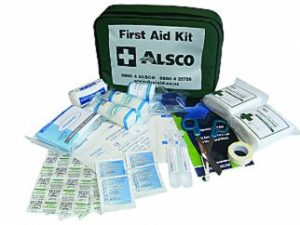
When employees are working away from the main workplace you should ensure they have portable first aid provisions with them. It varies according to the work being conducted, the potential risks and if they are working in groups or alone.
Alsco offers light, compact and portable vehicle first aid kits that would be great to have in such situations. They are colour coded thus easy to use and have the most essential supplies meaning your employees as safe as possible wherever they are.
6. How Does the Location of My Workplace Affect First Aid Needs?
Your employees may require immediate medical attention that surpasses the abilities of a first aid kit. If hospitals, medical centres or ambulances are far away this could pose a challenge.
Workplaces in remote locations need to have back-up plans or special arrangements. Find a medical service you can partner with and understand how they operate; their working hours, their efficiency and so on.
7. Can You Provide First Aid for People Who Aren’t Employees?
Yes, anyone who requires first aid in your workplace should be able to receive it.
This could include contractors, volunteers, interns or work experience trainees and loaned employees.
As such your first aid provisions should take others into account. Your kit needs to be as extensive as possible.
You can get Alsco to provide your workplace with managed first aid kit services that are regularly restocked and tailored to suit your business at a single, all-inclusive annual fee.
8. What If My Workplace Provides In-House Occupational Health Services?
This is a bonus to your workplace and first aid planning can be done in consultation with the medical practitioners in charge.
It does not need to be staffed continuously, as long as there is sufficient help or coverage for employees when the service is not operating. This is when the trained first aiders can step in.
Trained First Aiders Needed?
This is dependent on the hazards in your workplace, the number of your employees, their workstations and how your location in terms of access to medical services.
The needs assessment test should help you be able to gauge the needs of your workplace better and judge how many trained first aiders you should have.
You need to think about ensuring that first aid cover is available on all shifts and determine if the first aid response is adequate for the hazards employees face.
Alsco’s managed rental service has other types of first aid kits and services to handle various emergencies. Remember, having a well-stocked first aid kit can make all the difference in an emergency.
5 Benefits of Having a First Aid Kit in Your Workplace
What happens when there is a quick medical emergency in the office?
Do you have a first aid kit to help you respond to the situation as you wait for professional medical help?
Accidents and medical emergencies will happen in the workplace even with the best risk management in place.
You need to ensure you have the capacity to respond to common workplace injuries and accidents.
What Are Some Common Workplace Accidents in New Zealand?
While setting up an office, you must ensure it is reasonably safe and healthy for your employees. According to the Health and Safety at Work Act 2015 (HSWA), this responsibility extends to anyone visiting the office. Workplace safety includes customers, suppliers and visitors.
Some common injury risks in the workplace you should watch out for include:
1. Lifting and Carrying Injuries
Keep your workplace safe and your employees happy.
Lifting and carrying heavy objects around the office can lead to injury if:
- The load is too heavy or too large.
- The carrier must bend and twist when handling the load.
- You need to place or remove the load from a high shelf.
Lifting and carrying heavy and bulky objects can strain the back and other large muscles. You should watch out for injuries such as:
- Muscle strains and sprains
- Injuries to ligaments and the back
- Soft tissue tears
- Chronic pain
How to Prevent These Injuries
There are several things you can do to reduce the risk of lifting and carrying injuries, for example:
- Get the right lifting equipment for your office. You can either buy the equipment or hire it when needed.
- Train your workers on proper lifting techniques.
- Invest in ramps and trolleys if you need to move things around on a regular basis.
- Install your racks and shelving at accessible heights.
2. Posture and Equipment Related Injuries
Spending long hours sitting and working on a computer stresses the body. In workspaces without the right furniture, this can lead to strains and injuries.
As more people spend time working on their computers and mobile devices, you need to prepare for posture-related injuries.
Wrong use of office furniture and equipment can also lead to serious injuries.
How to Prevent Posture and Equipment Injuries
- Equip your office with adjustable furniture and equipment to suit different users.
- Educate your employees and workers on the right working posture.
- Offer flexible working options such as standing desks or laptop stands.
- Provide extensive handling and safety training for all workers.
3. Slips and Falls at the Workplace
Slips and falls can lead to minor or major injuries. The severity of the injury will depend on the magnitude of the fall.
How to Avoid Slips and Falls in the Office
You can make your office safer by looking out for:
- Clutter around the office.
- Poor lighting, especially in high traffic areas.
- Damaged floors and broken tiles making the floor uneven.
- Water and other liquids on the floor.
- Poor workflow through the office space.
- Structural issues such as the absence of a rail on a staircase.
How Do You Respond to Workplace Injuries?
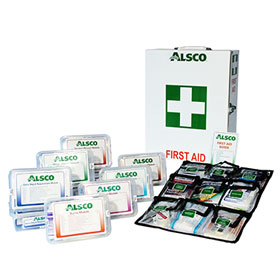
Alsco’s Managed Rental Program for First Aid Kit Supplies
In case of an accident or injury in the office, you should call for medical help immediately. But, having a first aid kit can reduce the severity of the injury significantly.
Having a first aid kit in the office can save lives or prevent an injury from worsening. Equipping your office with the right first aid kit can prevent a routine injury from escalating into a life-threatening condition.
A basic first aid kit should help you:
- Treat cuts and scrapes.
- Clean and dress wounds.
- Attend to sprains and burns.
- Offer some OTC medication such as painkillers.
If you run a high-risk workplace, you can add more supplies to your first aid kit. You can speak to Alsco to help you assess the risks in your office. Thereafter, they will customise your first aid kit to suit your working environment.
For example, adding an eyewash station if you run the risk of employees accidentally touching their eyes after handling chemicals.
How Will a First Aid Kit Help You in the Workplace?
There are several benefits to having a well-equipped first aid kit in your office, namely:
1. Respond to Emergencies as You Wait for Help
Having a first aid kit keeps you ready to respond to a medical emergency or an injury.
The first aid kit will not help you cure an illness or an injury, but it can help you offer relief before help arrives. You can apply basic treatment to the patient such as stopping bleeding.
While equipping your kit, start by assessing possible injuries in your workplace. This will help you find the right mix of supplies for your first aid kit.
For example, a welding factory will need more burn supplies in their kit.
After the emergency, make sure you replace all the used supplies. You need to ensure the kit stays well-supplied at all times.
A quick response also helps reduce the recovery time for some injuries. This reduces the amount of time the patient spends in the hospital or on bed rest.
2. Reduce the Risk of Workplace Infections
You cannot keep your employees from getting hurt. But, you can offer the necessary protection in case of an injury. For example, having an antiseptic solution to clean a cut before dressing the wound.
Minor injuries in the workplace can escalate quickly, leading to life-threatening infections.
Besides, other workers on the floor can protect themselves from infection while responding to an emergency. Handling a bleed or exposed flesh exposes both the injured and the responder to infection.
A well-equipped kit helps ensure the patient gets the necessary help fast. It also helps to protect the people helping out.
3. A First Aid Kits Helps Save Lives
Alsco’s manage Defibrillator rental Services
Having a first aid kit gives other workers the confidence and tools they need to respond to an emergency fast.
This response can make the difference between life and death in many workplace accidents.
A first aid kit can help save a life in different ways:
- If you have trained first aiders in the workplace, they will know how to manage most injuries as they wait for help. But, this is only possible if they have access to a well equipped first aid kit.
- Once you call for help, you can have the medical response team walk you through basic life-saving procedures using the available first aid supplies.
With a custom first aid kit, you can have access to equipment such as portable defibrillators. These make it easy for you to respond to cardiac issues, which cause up to 6,000 deaths annually in New Zealand.
4. Provide Emergency Medication in the Workplace
A good first aid kit will have a selection of medication to help you respond to different situations. A kit should have both preventative and remedial medication, such as:
- Pain relief medication
- Antacid tablets
- Cold relief medication
- Antihistamine liquid or tablets
- An EpiPen
- Alcohol wipes
- Antiseptic cream or ointment
5. Inspire Confidence in the Safety of the Workplace
Having a first aid kit on site inspires confidence in everyone in the office.
Your employees can go on with their work without worrying about your ability to respond to an injury or a medical emergency.
In addition to having a first aid kit, you can earn the confidence of your employees by:
- Offering first aid training to everyone as part of their safety training. This way, everyone learns the basics of responding to different emergencies.
- Having a few people receive extensive first aid training and certification. This way, workers are confident of receiving the best emergency care possible as they wait for medical professionals.
- Customising the first aid kit to your needs. Make sure you have a safety assessment to identify the best supplies for your office.
How to Equip Your Workplace with a First Aid Kit
According to the New Zealand Health and Safety Laws, every business must have a first aid kit.
With Alsco’s managed first aid kit, you can keep your workplace safe and follow New Zealand’s safety regulations.
Once you sign up to Alsco, you can customise your kit to meet your needs at no extra cost.
Our first aid kit rental services guarantee you:
- A regularly stocked kit supplied every three months so you never have to worry about it.
- Customisation to ensure your kit meets safety standards in your industry.
- An all-inclusive and affordable annual charge exclusive to Alsco.
You can upgrade the safety in your office today with Alsco. Request a custom quote right now.
You Need a Workplace First Aid Officer: Here’s Why
Do we really need to have a first aid officer at work?
That’s a question on the minds of many business owners and managers not just in New Zealand, but the world over. And the answer is an absolute “yes.”
If an emergency occurred right now, a first aid officer (or a team of them) could make a huge difference in the outcome.
Before we take a look at the crucial roles and responsibilities of a first aid officer, let’s examine some legal considerations.
As a Person Conducting a Business or Undertaking (PCBU) in New Zealand, you must ensure there are enough workers trained to administer first aid at the workplace.
The number of trained first aid officers will depend on:
- The nature of the work being carried out at the workplace
- The kinds of hazards people at your workplace are exposed to
- The size and location of your workplace
- The composition of the workforce in your workplace
Failure to do this can result in fines of up to $10,000 for individuals.
Your legal obligations concerning health and safety are outlined in detail here.
What, then, are the roles of a workplace first aid officer?
1. Assess the Situation and Understand Its Severity
Thanks to their training, first aid officers can make a comprehensive assessment of emergencies quickly and effectively.
On the other hand, other employees are likely to panic, be at a loss for what to do or even complicate the situation further.
A first aid officer not only remains calm but helps others at the scene to regain composure.
They start by checking whether it’s safe to approach casualties.
First aid officers look around for anything that poses further risk to affected persons, onlookers and themselves.
Next, they identify the cause(s) of the situation at hand. Their judgement forms the basis of the kind of care they’ll give to those affected.
2. Protect Themselves and Others
We’re all aware that there’s no shortage of hazards at the workplace.
However, simply knowing they exist doesn’t mean everyone knows what to do about them.
The training first aid officers receive gives them an understanding of the different types of hazards as well as the correct action to take in different scenarios.
First aid officers know what to do in an emergency by following principles such as DRSABCD.
DRSABCD is an acronym that stands for:
Danger
First aid officers check for anything in the vicinity that could compromise the safety of everyone at the scene.
Response
The next step is to check whether the victim is responsive or has lost consciousness.
Send
Once this is established, send for help by calling 111.
Airway
For this step, check if there’s any obstruction of the airway.
Breathing
Check if the victim is breathing normally.
Compressions
If they’re not, perform cardiopulmonary resuscitation (CPR) compressions.
Defibrillation
Cardiac arrest causes the heart to stop and interrupts its normal rhythm.
Blood may, therefore, not flow as it should.
Defibrillation is the process of restoring the rhythm of the heart by administering a controlled electric shock.
CPR and defibrillation are covered in more detail in the section below.
3. Perform CPR
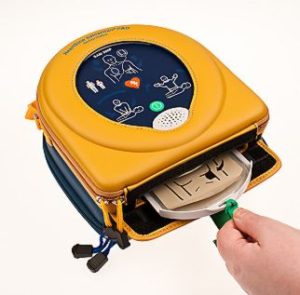
Alsco’s managed Portable Defibrillator rental Services
Cardiac arrests are one of the leading causes of death in New Zealand. Nearly 6,000 people die from cardiac-related diseases annually.
When someone suffers from a cardiac arrest, it’s important to preserve brain function until blood circulation can be restored.
Keeping their blood flow active manually increases the possibility of successful resuscitation once medical professionals arrive.
This is achieved through Cardiopulmonary Resuscitation (CPR), a lifesaving procedure performed when the heart stops beating.
If administered immediately, CPR can double or triple a person’s survival chances after cardiac arrest.
Workplace first aid officers know how to do this using an automated external defibrillator (AED)
There are two commonly known versions of CPR.
Of the two, the more elaborate one should be administered by trained first aid officers only.
It entails chest compressions and mouth-to-mouth breathing at a rate of two breaths for every 30 compressions.
4. Recognise and Attend to Common Medical Issues
First aiders are better placed to recognise the symptoms of common conditions such as:
- Breathing difficulties
- Choking
- Coronary syndromes
- Diabetes complications
- Seizures
- Stroke
In any of these situations, they provide the patient with necessary care, buying them time until the emergency medical services (EMS) arrive.
They ensure that the patient is ready to receive advanced treatment once professionals take over the situation.
And, in everyday scenarios, a first aid officer is the person to help anyone on the premises affected by:
- Burns
- Cuts
- Eye injuries
- Fractures
- Head injuries
5. Manage Workplace First Aid Resources
Regardless of the size of your business, there is a need for first-aid resources to be properly managed.
As a PCBU, you are required to keep a register of all accidents and near misses when someone is harmed at work.
This register has a particular format and should be stored in a designated place.
Because you must report certain incidents to the Department of Labour, it’s important to have a first aider, as they know which cases qualify for reporting.
They understand that such reports need to be made within a given period (seven days).
Workplace first aid officers help efforts aimed at preventing accidents at work.
They share crucial information as well as health and safety resources to raise awareness. This helps everyone take responsibility (both personally and collectively) for their well-being.
Lastly, it’s their responsibility to maintain all the first aid kits at work.
The number of first aid kits required at your workplace depends on:
- How many people are on the premises
- The nature of work done
- The kind of hazards people are exposed to.
For businesses with more than 100 employees, there should be a first aid room and a team to attend to workers.
Understandably, it can be overwhelming to be in charge of all these first aid resources.
You should consider working with a managed first aid service to improve workplace safety.
This kind of service can improve the efficiency and effectiveness of your first aid officer(s) as well.
What Is Alsco’s Managed First Aid Service?
Alsco New Zealand offers a comprehensive first aid kit rental service.
Rather than buying, restocking, managing and replacing all your workplace first aid kits manually, Alsco handles everything, so you don’t have to.
Alsco provides you with as many kits as needed, and your kits are restocked with hospital-grade supplies regularly.
With Alsco, you never have to worry if your kits are in the right condition. Every kit is checked to ensure that you’re compliant with government regulations.
Alsco New Zealand FAQ
Is it better to rent or buy first aid kits?
Renting is a better alternative to buying. It’s cost-effective, and Alsco offers maintenance and restocking at no extra cost!
Does Alsco have kits for my kind of business?
Alsco offers different kinds of kits which are tailored to meet your unique business needs.
Just by filling out a simple form, you can get specific information on what Alsco can do for you, regardless of the industry you’re in.
How often does Alsco check on the kits?
First aid kit maintenance is done every three months. This way, your kits are fit for use, and there are no expired or contaminated contents.
To choose Alsco is to choose reliable, trusted and guaranteed service.
“Making contact with Alsco was the best decision we could have made. I wouldn’t hesitate in recommending Alsco to any company that wants a professional service day after day.” — Miranda Sage, Administration and Marketing Manager, Delta Stock Crates Ltd
Ready to elevate safety at your workplace for as little as $1 a day? Get your quote now.
Photo: FVSU


