Trusted by 237K+ Business Worldwide. Find a Location
Trusted by 237,000+businesses worldwide across 250 locations delivering uniforms, linens and more. Find a Location Near You


Delivering Excellence Since 1910
Contact Us
How to Choose Table Linens for Your Hotel
The number one priority of every hotel should be the care and well being of each individual guest. This is what will ensure the guest’s visit is an unforgettable experience. The qualities of a luxury hotel are in many ways timeless.
Luxury can often mean something very different to the classic understanding of the word. It can be highly personal and extend to a deeper desire for recognition. It is about all the details, big or small. When executed properly it can make the guest’s hotel experience feel special.
Understand the Hotel’s Interior Design Style and Theme
What is the hotel’s mission? How can table linen help fulfil that mission?
Before picking table linen for your hotel, you first have to understand the interior design theme. Doing so will enable you to select the right table linen, one that matches the overall design theme of the hotel, thereby saving you money, time and effort by getting it right the first time around.
According to a report by Gallup Business Journal,
“In order to achieve sustainable, long-term growth, hoteliers must develop a deep understanding of the type of customers they want to attract, then offer an experience that is tailored to that specific group.”
One of the ways this can be achieved is by ensuring that the table linen you choose for your hotel enhances the style, ambience and overall design theme of the hotel while elevating the guests’ experience.
These table linens include:
- Napkins
- Table runners
- Tablecloths
- Table skirts
Choosing the Right Material
When selecting table linen, the choice of material isn’t always a straightforward decision. Sometimes the material you choose might not be the right one for that particular item. For example, silk would not be a practical fabric choice for daily-use napkins, unless used for fine-dining occasions.
Firstly, you have to think about what it’s intended for. According to design expert Richard Seymour,
“Once you engage material you can get excited by the capabilities. They speak to you in a way, but if you abuse them, they definitely won’t speak to you.”
Napkin and Tablecloth Considerations
Often, elegant tablecloths and napkins are made with cotton and fine linen due to their highly absorbent nature.
Consider the Following Questions Before Choosing a Napkin:
- What kind of experience do you want for your guests?
- Is it for daily use? Fine dining or casual?
- How large or small should they be?
- Should they be decorative or strictly functional?
Consider the Following Questions Before Choosing a Tablecloth:
- How much are they going to cost?
- Function – Are they going to be decorative or protective?
- How durable do they need to be?
You might save a few dollars if you settle for cheap table linen with low-quality materials, but they won’t stand the test of time.
According to design legend Philippe Starck,
“A great hotel combines intelligence, culture, efficiency, and always a touch of comfort above all.”
The Fundamentals of Good Table Linen
We sometimes lose sight of the fundamentals of what makes good table linen. Here are some basics that are always good to revisit.
Size Matters
The first thing to consider is size. Your linen needs to fit. There is no universal standard tablecloth size, it varies according to the shape of your tables. You need to take into consideration the actual shape and size of your tables by measuring them carefully to be able to match the right fit. Not overly large or too small.
- For a rectangular or square table measure the length and width first.
- Measure the diameter for a circular table.
Follow this simple formula to determine the perfect measurements and ‘drop length’ for your tablecloths.
Create a Pleasant Colour Scheme
It is one thing to get the size right but if your colours are all over the place it’s not going to look aesthetically pleasing.
Colour is a very powerful tool. According to the psychology of colour, it can shift a person’s mood in an instant. Colour can make or break your hotel’s theme. This is why most interior design blogs and magazines often recommend going for neutral colours for dining items such as napkins and tablecloths.
Depending on the type of dining experience you want to offer the guests, the colour you choose should have a reason and a purpose. Choosing the right colours can effectively alter your guest’s mood.
- The colours generally considered to be neutral in the design are black, grey, white, navy, brown and khaki.
It’s understandable if you wish to incorporate a little more colour besides the greys, whites and navies, but ensure that it syncs with the overall theme of the hotel.
One simple guideline to follow is sticking to at least two or three colours for a particular table setting, including two neutrals.
- For example, using a white tablecloth and napkin with different coloured table skirts and table runner.
This doesn’t mean that you can’t be more adventurous and use more than three colours or even multiple bold colours. It’s just a general guideline to help maintain a fixed colour palette for your chosen theme.
Colour Blocking/Mixing Ideas
Your entire table setting can be colour blocked with different single-coloured items. This is known as monochromatic colour blocking. Simply pair pieces of the same colour for a cohesive look. The key is varying the shade and saturation of that colour. For example, using various shades of white such as ivory, cream, eggshell and vanilla. You could also have one item on the table be colour blocked with panels of different colours.
When it comes to picking colour always remember when in doubt, less is more.
Incorporating Texture
The fabric texture is often the unsung hero in design. Proper use of texture can turn a good linen piece into a great one. When chosen correctly guests will appreciate your services even more as they get up close with your attention to detail.
Along with colour, different textures can alter the mood of particular table setup. The key is to be very intentional with your choice of fabrics.
On the contrary, you can also opt for fabrics that have no visible texture. This can make for a very minimal, modern, high-end look. With the right centrepiece, it can make the dining space look and feel elegant and sophisticated.
A good table set up is not complete without the proper accessories to complement it.
Take a classic white tablecloth for example, without any accessories it looks a little bit empty; by adding a textured and colourful table runner, it instantly makes it look more aesthetically pleasing.
Elevating Your Hotel’s Dining Space
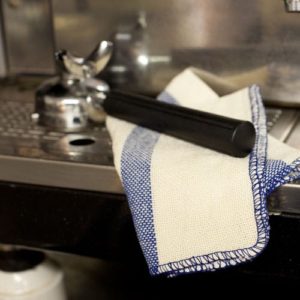
Now that we’ve gone over the basics, let’s put them into practice. One of the easiest and most cost-efficient ways to elevate your hotel’s dining space is by investing in a good and reliable table linen supplier.
Create bespoke and meaningful dining experiences for your guests by using the best high-quality table linen at fair prices allowing you to elevate your hotel’s dining space too.
Consistency is the key to customer service satisfaction. Renting linen is an affordable and fail-safe way of ensuring that you maintain high-quality standards in your hotel. Enhance and customize each guest’s visit. Make it the most memorable experience that you can.
A linen supplier with a lean delivery system guarantees that you will receive fresh, crisp and clean table linen delivered on time directly to your hotel. This eliminates the stress of dealing with soiled linen.
Treat your guests today to a luxurious 5-star dining experience by subscribing to a platinum linen service that offers table linen made from 100% pure Egyptian cotton that comes in a range of colours shapes and sizes to meet all your guests’ dining needs.
Contact alsco for a free quote today.
Photo: Freepic-Diller
5 Hacks for Removing Urine Odour from Urinals
Urine odour can be a nightmare in broad daylight.
No matter what you try, it just doesn’t seem to go away. Or it lets you think it’s dissipated, only for it to creep back into what you thought was a fresh and clean washroom.
And the bigger your business is, the more complex it gets, given the number of people who use the washrooms each day.
The truth is, urine odour doesn’t have to be a permanent headache, but only if you know what it takes to deal with it effectively.
Removing odour from urinals requires a multi-pronged process.
By putting the following steps into action, you can guarantee round-the-clock fresh and clean washrooms.
1. Understand the Cause of Urine Odour
With frequent toilet, use comes build-up in the piping.
This is attributed to the composition of urine, which is made primarily of water, urea and uric acid.
Uric acid forms crystals which accumulate in urinal drains over time. Subsequently, bacteria activity in the pipes results in the release of odour.
How does this happen?
When urine goes stale, bacteria convert it into ammonia, which gives off the pungent smell that often characterises washrooms.
Here’s the interesting bit.
If your urinals are the regular flushing kind, then the water they use is largely to blame for odour. Why? Water accelerates the process in which odour is formed.
That’s because water is vital for sustaining bacteria, which are living organisms, after all.
Every time the urinals are flushed, bacteria rely on the moisture for two reasons:
- To take in food
- To take out waste products
As a result, using regular aerosol sprays may serve only as a temporary solution. They can only cover odour rather than address its root cause.
2. Prepare With a Preconditioner
With this knowledge, it’s time to launch your first attack on odour.
The first step is to use a preconditioner.
This is a chemical substance that helps a surface become more receptive to cleaning products. Preconditioners make cleaning agents more adhesive to the urinal wall and thus highly effective.
They achieve this by breaking down urine components.
It takes about 10 minutes after application for the preconditioner to completely dissolve the uric salt crystals which have accumulated over time.
Did You Know?
- Water makes up over 95% of urine, with urea and uric acid making up the remainder.
- Typically, an adult excretes about 25 grams of urea per day.
- Urea has a rather interesting history. After being first discovered in 1773, it was then synthetically produced for the first time in 1828 by Friedrich Wöhler, a German chemist.
Thus, urea became the first organic compound to be synthesised from purely inorganic materials, making Friedrich the trailblazer of organic chemistry. - And, urea is actually commercially useful.
3. Use Disinfectants and Antiseptics
Once you’ve dealt with uric salts, it’s time to shift focus to the bacteria that have made a home in the piping.
This calls for disinfectants and antiseptics, or a combination of both.
Disinfectants are chemical substances which destroy microorganisms such as those present on urinal surfaces.
Antiseptics are substances which slow down or altogether impede the growth and reproduction of microorganisms.
Microorganisms (also called microbes) are the microscopic organisms present all around us. As the name suggests, they aren’t visible to the naked eye.
While many aren’t harmful to humans, there are those that affect our lives negatively by causing illness and giving off repugnant odours.
There are four main kinds of microorganisms:
- Bacteria
- Fungi
- Viruses
- Algae
Despite there being relatively few dangerous bacteria, of the four categories, these microorganisms are the most problematic in terms of causing disease to humans.
It comes as no surprise, then, that they are also the most well-known microbes.
Disinfectants eliminate bacteria in different ways.
Air Disinfectants
These chemical substances disinfect by getting rid of microorganisms present in the air.
For them to be effective, a sufficient concentration of air disinfectant needs to be sprayed in the air to keep the number of microorganisms in check.
Alcohol Disinfectants
Alcohol-based disinfectants and antiseptics tackle microorganisms in three distinct ways:
- Cross-linking
- Coagulating
- Clumping
Though non-corrosive, they are flammable and can thus be a fire hazard.
Alcohols are most effective when combined with purified water and can be further enhanced by dodecanoic acid.
So, how do alcohol disinfectants work?
They render proteins in the bacteria cells incapable of performing their function by causing them to clump together.
Oxidising Disinfectants
Disinfectants which contain oxidising agents are able to oxidise the cell membranes of microorganisms.
This leads to a loss of cell structure and ultimately death.
Many disinfectants act against odour-causing bacteria in this way.
Given that chlorine has strong oxidising properties, its compounds frequently feature in the making of oxidising disinfectants.
In fact, even in small amounts, chlorine acts quickly against bacteria, which is why it is commonly used even in purifying drinking water.
As such, you’ll find it in many cleaning solutions for varying settings, from households to commercial spaces.
Phenol
Phenol, along with substances derived from it, affects bacteria in two ways:
- by rendering bacteria incapable of defending themselves from attack by altering their cells, and
- preventing important enzymes from making their way around the microorganism.
Quaternary Ammonium Compounds
Simply referred to as quats, these compounds are among the most widely-used disinfectants.
This is attributed to their high level of effectiveness. They cause vital substances to step out of the cells in bacteria.
4. Finish Off With an Odour Eliminator
At this point, the urinals should be clean and odourless. But this may not last for long.
As soon as another cycle of usage and flushing starts, a new layer of uric salt crystals begins to form and you may just find yourself right where you started.
Thankfully, there’s odour control for that.
Odour control is the first line of defence in a freshly cleaned washroom.
Unlike typical aerosol sprays, odour control stops bacteria from starting to spread rapidly again through two methods which can be used separately but work better together.
First, auto sanitisers deal with bacteria right at the source by releasing a controlled amount of sanitiser in intervals.
Next, an automatic air freshener periodically releases scents into the atmosphere, keeping the washroom pleasant and inviting.
Odour control is beneficial in several ways:
- It is compatible with almost any plumbing system.
- Automatic systems work on their own.
- It helps prevent buildup in the drain and in pipes.
- It prevents odours from spreading.
- The components are serviced in regular intervals (e.g., every eight weeks).
The result?
Throughout the day, you can rest assured that no urine odour is compromising the quality of air in your washrooms.
5. Put Professional Hygiene Systems in Place
Maintaining clean, odourless washrooms can be a hectic, lengthy process that requires both dedication and expertise.
There are numerous products on the market with varying degrees of effectiveness. Finding the right ones and combining them to provide the best results may prove painstaking.
For this reason, removing urine odour is best left to the experts.
For over two decades, Alsco New Zealand has consistently delivered a trusted, comprehensive service and provided professional hygiene systems to businesses across the country.
With a range of tried and tested solutions, there’s something that works for you regardless of the nature of your business.
What do Alsco’s Professional Hygiene Systems have to offer?
Remember, maintaining cleanliness and keeping odour at bay is a multi-pronged process. This means it can’t be achieved using a single product or approach.
Professional hygiene systems thus bring together distinct, vital components that work harmoniously to guarantee washrooms remain of the highest standard at all times.
In addition to odour control, Alsco’s other products and services are advantageous in several ways.
Deep Cleaning
An unmatched, thorough cleaning process that:
- is environmentally-friendly.
- Is suitable for all surfaces.
- cleans even the most stubborn filth.
- eliminates all mould, mildew and fungi.
- reaches everywhere, even the seemingly impossible spaces.
Biological Treatment
A cleaning solution that does away with toxic chemicals. In their place, biological treatment uses harmless microbes to eliminate odour-causing bacteria, making it:
- highly effective as it eliminates all bacteria, and
- long-lasting so it only needs servicing and replacement four times a year.
No serious business wants any compromise when it comes to the health and hygiene of its visitors and staff.
To find out more about how your business can benefit, simply get a quote that matches your unique needs.
Photo: tszchungwing
4 Untapped Ways to Truly Delight Your Restaurant Guests in 2020
How can customer experience be improved? How do I keep my restaurant guests happy?
If you’ve found yourself asking questions along these lines, you’re in the right place.
It’s that time of year again. We’re setting personal resolutions (and crossing our fingers that we’ll stick to them).
Now is also an opportune time to draw up plans that will advance your business. The basis for delighting your restaurant guests in 2020 is simple but powerful:
Think like your guests. Strive to offer them what they want and need.
You can do just that in the four ways outlined below.
1. Maintain Cleanliness and Orderliness by Doing This
When running a restaurant, the workload can run you down. There are times it feels like you’re juggling too many tasks all at once.
How, then, do you keep everything in check?
Get a little help. Why not outsource some of the work?
Stop worrying about cleaning and maintaining all your employees’ uniforms. Instead, work with a managed uniform rental service.
Why? This is beneficial to your establishment in numerous ways.
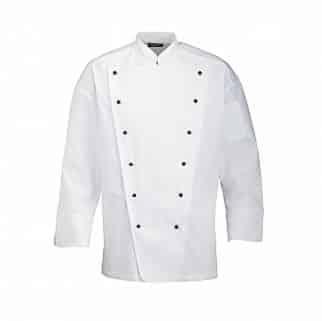
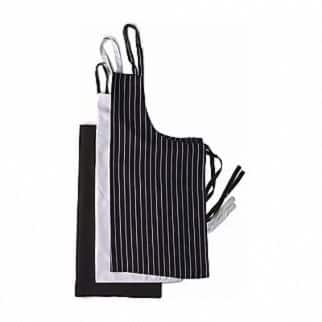
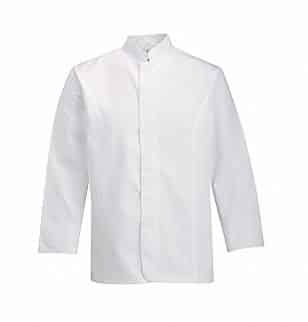
First and foremost, you get to have all your workwear needs met, from aprons, chef jackets and trousers, to jerkins and waiters jackets.
[b3_row]
[b3_column lg=”4″ md=”12″ sm=”12″ xs=”12″ ]
[/b3_column]
[b3_column lg=”4″ md=”12″ sm=”12″ xs=”12″ ]
[/b3_column]
[b3_column lg=”4″ md=”12″ sm=”12″ xs=”12″ ]
[/b3_column]
[/b3_row]
Furthermore, a managed uniform rental service can save you time, energy and money by:
- Keeping track of every single uniform so you don’t have to.
- Having workwear repaired and replaced.
- Keeping uniforms clean and presentable.
Plus, renting uniforms is more cost-effective in the long run.
It’s better than buying a new one every time someone joins your staff or there’s a lost or damaged garment.
With more time on your hands, you’ll be able to keep your establishment in order.
Maintaining a clean and orderly restaurant not only results in a hygienic environment. It also plays a crucial role in the perception of your restaurant.
Go over all the little details. They can greatly affect the impression upon your customers.
2. Offer the Two Things More Important than Good Food
Restaurants aren’t just about the food.
If that’s the case, then what more do your guests want?
First, they want a fulfilling dining experience.
Put yourself in your customer’s shoes. Think of all you can do to keep them satisfied while at your restaurant.
People appreciate experiences that aren’t riddled with hiccups. Find every possible hitch and brainstorm on how to rectify them all.
From the moment a customer walks in, to the moment they leave, make sure they have a good time.
It’s also important to stay consistent. If your diners have a good time today, then, by all means, they should enjoy themselves every other time they stop by.
Be a great host at all times. Have guests welcomed cordially and directed to a table as soon as they arrive. Keep in mind that delays are a pet peeve for many diners.
They don’t want to wait too long to:
- Receive the menu.
- Have their order taken.
- Get served.
- Receive their bill.
And yet, despite your best efforts, delays are inevitable.
In such instances, your customers will appreciate being honestly informed about waiting times.
This applies both to finding a table as well as when they can expect dishes that take longer to prepare.
And while they wait, help them while away their time.
There are two easy and effective ways to do this which will keep patrons busy.
- The first is to provide free Wi-Fi. Don’t let the financial implications of making such a move discourage you.
Customers can spend up to 50% more in establishments that offer them connectivity. - The other is to offer free appetizers. While guests await their meal, give them a complimentary light snack or breadbasket.
The second thing diners want is exceptional customer service.
Excellent culinary delights can fail to impress if accompanied by unsavoury customer service.
And Kiwis take service very seriously. 61% of people wouldn’t return to a restaurant with unsatisfactory service.
3. Keep Up With These Big Restaurant Trends in 2020
This isn’t to say you should just go with the flow.
Rather, keeping tabs on trends will help you better understand market dynamics.
Doing so can give insight into what new ideas are a match for your business, so you don’t get left behind.
Industry experts have already identified what will shape the restaurant landscape this year.
Here’s a rundown of what to expect.
Sustainable Sourcing
If there’s a pressing issue among many restaurant-goers today, it’s the “how” factor.
People are becoming more concerned about the sourcing of the food they consume.
This is set to continue over the year for two reasons:
- increasing consumer consciousness, and
- a greater interest in transparent processes.
How can your restaurant benefit from this? By showing commitment to ethical and humane practices.
Locavore Dining
A locavore is a person who prefers consuming food grown locally. This trend goes hand in hand with food sourcing.
People who identify as locavores prefer organic farm-grown food. Their lifestyle aims at supporting local farmers.
Food Waste Management
2020 will see a greater interest in how dining establishments handle food waste.
It’s only natural that if people have concerns about where their food comes from, they’ll want to know where its remains go.
It’s not hard to see why.
- Every year over 1 billion tonnes of food goes to waste.
- 70 per cent of food turns to waste even before it gets onto a customer’s plate.
- Of this, restaurants alone account for 40 per cent.
You can reduce food waste in several ways.
- Keep track. Develop an inventory to identify how much waste you generate and where it’s highest.
- Evaluate. Go over your purchases and compare this to consumption.
- Repurpose. Anticipated demand won’t always be accurate. Find ways to safely repurpose ingredients rather than throwing them away.
Other trends to keep an eye out for are:
- Reduced plastic usage
- More plant-based foods
- Foods harvested in a manner that encourages soil regeneration
- Healthier options for kids’ menus, such as whole-grain food
4. Harness the Power of Technology
If one thing is certain in New Zealand’s restaurant industry, it’s got to be competition.
While some are ceasing operations, many new restaurants are opening their doors.
For perspective, 7 new hospitality outlets open up every day across New Zealand. So, how can you give your establishment an edge?
Make technology work to your advantage. This will result in a more efficient and effective business environment.
Remember the point about having a seamless experience? Technology can make it a reality, and offer you several benefits.
More Data, Better Insight
Data analytics contribute to a better understanding of consumer behaviour. You can match your restaurant operations to your client demographics and psychographics.
Improved Internal Processes
From interactive, on-demand training to better communication among staff, the possibilities are endless.
Using cloud-based applications can improve workflow and make collaboration much easier.
Hassle-free Online Reservations
Offer convenience to your customers. Enabling them to book their table before they arrive makes their lives easier.
It will improve your planning while helping to reduce queues and commotion.
Next-Level Menus
The static paper menu of today may soon be a thing of the past with an interactive digital equivalent.
Picture a menu that suggests meal and wine pairings. Or displays options based on pre-selected dietary preferences.
Using a tablet and software, you can do this and blow your customers’ minds.
Online Orders
New Zealand has one of the highest rates of ordering food in rather than dining out.
While taking orders by phone is fine, a growing number of people prefer to order online.
If you don’t already fulfil online orders, you may be missing out on serving a quarter of the country’s population.
Remember, Customer Service Is Make-or-Break
At the end of the day, exceptional service is your greatest asset.
The warmth of a server’s smile, their professionalism and their presentability are an absolute delight.
Plus, they set the pace for a customer’s satisfaction.
Your customers will recall all this. In turn, it will inform their decision on whether or not to return.
Invest in training your staff and in keeping them looking their very best.
The easiest way to do the latter is to choose a managed uniform rental service that meets your unique needs.
Alsco’s trusted service offers you a comprehensive catering workwear solution.
By choosing Alsco, you benefit from:
- Workwear customised to match your brand identity
- Sanitary, durable uniforms
- An extensive range of styles and sizes
- A sophisticated barcode system to keep track of all uniforms
- Flexibility to meet your changing needs at no extra cost
- Trusted, reputable, service for one annual fee
All this starts from as little as $1 a day.
Get a quote tailored just for you.
Photo: Freepik
How to Clean and Maintain Waterless Urinals
There are a varied number of mixed reactions when you bring up waterless urinals.
Are they practical?
Are they better than conventional urinals?
Are they truly sanitary?
The last one may seem funny but when they were first introduced in the U.S in the early 1990s, this was the case in some parts of the country. Before their invention, plumbing codes were not equipped to deal with them.
Thus, by virtue of history, they really did start out as illegal devices.
James Krug is a versatile entrepreneur.
He served as a vice president of the Disney Channel in the 1980s and ran a distribution company with members of the Disney family in the ’90s.
About thirty years ago, he was a rising star in the film and television business. But eventually, Krug became convinced that the world did not need another TV show.
What it needed was a better urinal.
What Exactly are Waterless Urinals?
A waterless urinal does not differ in appearance from a conventional urinal.
Most times, all that is different is the lack of a flush valve or water piping that normally sits above the unit.
This is due to the quite obvious implication that they do not need water to operate.
Instead, waterless systems have a vertical-trap design that integrates a cylinder or trap filled with a thin layer of liquid sealant placed atop the drain area of the urinal.
Urine passes through the cylinder and sealant (the liquid is lighter than the urine); fills up then flows under the barrier layer and into the waste line where it is drained.
The sealant is important because it keeps sewer gases from backing up.
When a water-using urinal is flushed, the likelihood of germs becoming airborne is very high.
How so?
The force of the flush causes urine, germs and bacteria to splash onto walls, partitions, the floor, hands, clothes… you get the picture.
The water sitting in the toilet bowl is extremely conducive for the growth of bacteria.
Because they are living organisms, they require water for removal of waste and food uptake.
Also adding to the unpleasant odour no one likes in a washroom.
To have a clean and hygienic washroom, you need to take care of the toilets, ensure efficient hand washing and hand drying options, introduce effective odour control and make sure all the consumables are always in place.
Your other option is to contact Alsco New Zealand and have us keep track of all that. Here are our Washroom Services to choose from.
How Do You Clean a Waterless Urinal?
Although there exist slight differences depending on the manufacturer, cleaning a waterless urinal is pretty much standard procedure as a conventional urinal:
- Safety and hygiene are the most important factors for you or your employees. Gloves (and goggles) are required to clean any restroom fixtures.
- Discard any foreign object(s) in the urinal. Not to worry: the trap is designed to well… trap larger objects from entering the drain area.
- Never use toilet bowl cleaners or similar powerful cleaning agents on waterless urinals.
- Clean the urinal using an all-purpose cleaner or cleaner-disinfectant and a microfiber cleaning cloth.
- Never scrub waterless urinals with a brush or scouring device; these can scratch the interior of the urinal.
- Wipe clean andy the surfaces with a soft cloth.
- Clean the interior of the urinal first, then the exterior.
Cartridge/Sealant
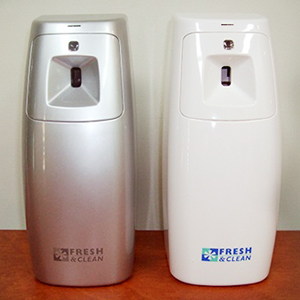
Install our amazing wall-mounted Air Fresheners in your washroom
Due to the inclusion of cartridges, waterless urinals require special maintenance.
In most cases, cleaning professionals step in to oversee this process. Alsco New Zealand offers Odour Control services that are created with your washrooms in mind.
Although maintenance requirements may differ depending on the product, it mostly involves replenishing the liquid sealant to monitor odour control or replacing the cylinder as necessary.
There are a few signs to watch out for when it is time to switch out a urinal cartridge.
The unit itself may be experiencing “slow flow” issues — causing urine to flood the unit — or sealant may be seeping through the top of the device (usually visible in blue colour).
As the urinal is used, small amounts of the sealant are drained into the waste line and need to be replenished.
In a typical school, this amounts to about two refills per month.
A “portion aid” device is often provided by manufacturers that accurately measures just the right amount of sealant required. This is then poured directly into the cartridge.
The cartridge also requires replacing about four times per year or after every 7,000 uses (if you can keep track) although this can vary depending on the brand.
Cylinder and Valve Replacement
This process takes about four or five minutes:
- Remove the trap using the metal tool provided by the manufacturer.
- Gently ease it into the trap, unhinging it using a back and forth motion.
- Drain any excess liquids from the cylinder down the drain. Be careful doing this to avoid flooding the drainage or splashing urine onto nearby surfaces.
- With the trap removed, a bucket of (preferably) hot water should be poured down the drain to flush away any sediment particles.
- Insert a new trap and fill with sealant
Take note: some traps cannot be replaced and need to be taken apart for cleaning.
If there are odours coming from the urinal:
- Pour warm water mixed with cleaning agent into the drain to clean the valve of any debris.
- If odours still noticeable, extract the valve core, remove the top screen and clean thoroughly.
- If odours are still noticeable, change the valve core.
Regular Maintenance
This is critical to their proper operation.
This regular urinal service ensures the waterless urinal valves are working properly and the urinal pipework is clear of any foreign matter that may affect its function.
The regularity of maintenance depends directly on the amount of use of your waterless urinal.
If your waterless urinal is being used every day by more than 10 people, then it needs to be cleaned every day.
To save on cost keep in mind that there are instances waterless urinals should be avoided.
Although they are an excellent option for most sites, there can be instances where they are not best suitable:
- Badly designed drainage – because waterless urinals can be retrofitted easily, does not mean it should be done carelessly. Pipework that requires high levels of water flow due to long pipelines (or poor layout) will not work well with waterless urinals.
- Copper pipework – they simply aren’t compatible!
How Can You Make This All Easier?
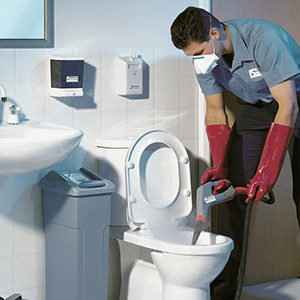
Maintaining your urinals doesn’t have to be a hassle.
Alsco can help you keep your washrooms maintained with the highest standards of cleanliness and hygiene. Moreover, it will be done in a smart and environmentally friendly manner.
You can stop thinking about how much soap you have or if your washroom has an unpleasant odour.
That’s all on Alsco now.
Our knowledgeable and skilled employees will regularly replenish all the consumables from your washroom and, if you choose that option: deep clean all your toilets and showers.
Take it from one of our clients:
“Their pricing fitted with our budget allocation”
Kathryn Payne, Office Manager at Whakarongo School
Alsco AoG has supplied products to Whakarongo School since March 2017.
“We chose Alsco because their pricing fitted with our budget allocation for the products needed.”
Their service is great. Orders are delivered promptly, and any queries are answered quickly. There are regular phone calls from Alsco to check on product supplies and the staff are very friendly and helpful to deal with.”
Photo: Flickr
How to Choose the Best Pharmaceutical Workwear in New Zealand
Clothes maketh the man (or woman). Does pharmaceutical workwear matter?
According to Desmond Morris, author of Manwatching: A Field Guide to Human Behaviour, it is impossible to wear clothes without transmitting social signals.
What does this mean? Based on your outfit, people make judgements on credibility, likeability, education and trustworthiness.
In Morris’ study, some participants were shown photographs of a model dressed in different styles and were asked to appraise each one using adjectives.
Target subjects included students (judging what teachers wear) and patients (judging doctors’ attire).
The research found that the perception of professionalism and competency changed depending on what the model was wearing.
The last thing you need is for your clientele to view your staff as incompetent or unprofessional. This is why professional uniforms are essential for pharmaceutical workers in New Zealand.
Why Are Staff Uniforms Needed in the Pharmaceutical Industry?
Pharmaceutical Workwear Increases Credibility
Attire can affect the behaviour of others. For example, one study showed that people are more likely to respond to a request from someone in uniform than to a request from someone not in uniform.
It makes sense that the style of dress influences patient-pharmacist relationships. It also affects relationships with other healthcare professionals.
Pharmaceutical Workwear Increases Safety
In an environment where hygiene is paramount, the right attire protects staff from any potential harm. There are strict hygiene rules in the pharmaceutical sector, and the right uniforms help the staff to follow them safely.
When your staff are the first line of defence against bacteria, it pays to have them well-equipped. Minimal, smart and bacteria-resistant clothing is your best bet.
In some organisations, pharmacists choose what they wear as long as they are presentable. If they wish, they can wear the same uniform as technicians (tunic tops and trousers). Identification badges, therefore, become their main means of identification as pharmacists.
When pharmacists go into a room where a patient is in isolation, they wear an apron and gloves, while in infection outbreaks, they wear “theatre blues”.
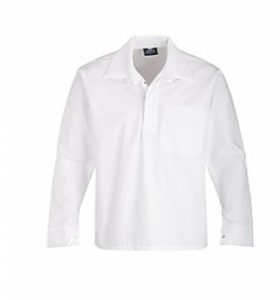
Pharmaceutical Workwear Increases Trustworthiness
Consumers associate positive traits with uniformed employees. A uniform implies a higher work ethic and inspires a greater sense of trust and confidence.
When a consumer sees an employee in uniform, they feel like they will receive a better product and higher quality of service. With such positive results, it only makes sense to give your staff uniforms that help customers be identified as the hard-working individuals that they are.
The choice of colour also matters when picking uniforms for pharmaceutical staff. Would you trust a pharmacist in festive colours? A crisp white shirt or blouse adds an edge to casual dressing. Also, it adds customer trust in your staff’s professionalism. You need distinguishable professional garments to add points for believability.
How to Decide the Type of Uniforms Your Company Needs
Pharmaceutical journals and schools are debating the best attire for pharmaceutical practitioners. One size does not fit all. There are important considerations when selecting uniforms for your staff.
Assess Your Staff Work Demands
Do your staff members get in direct contact with customers? Consider uniforms that are simple enough to convey approachability. If your staff needs to go into a room where a patient is in isolation, provide aprons, gloves and identification badges.
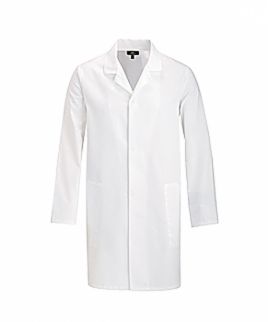
If you decide to use the white coat as a uniform, ensure it is laundered. Daily cleaning is the best for infection control. In fact, the British Medical Association identified wearing white coats as a potential source of cross-contamination. This is due to their low frequency of getting washed.
The disappearance of white coats amongst the pharmaceutical fraternity is not just a matter of cleanliness. It signals a cultural shift that places the customer’s comfort as a priority.
Be Mindful of Design Needs
Since your staff members will spend all day in uniform, make sure it is easy to work in. Use high-quality poly-cotton blend fabric, best known to provide comfort, durability, and safety.
The cotton allows air to circulate, making the fabric breathable and perfect for hot workplaces. It is also odour-resistant and does not tear easily.
You need to protect staff from contamination or being sources of contamination.
Poly-cotton blend fabric is known to be long-lasting and strong. It is also wrinkle-free to keep your staff looking professional and neat throughout the day.
Consider Customer Expectations
To test the perception of a pharmacist’s competence based on attire, researchers did a study. They concluded that dress is not likely to influence a person’s evaluation of a pharmacist, especially when their performance is considered.
However, attire is an extrinsic cue likely to be used as a quality indicator when a consumer doesn’t have adequate information about intrinsic attributes. In other words, what a pharmacist wears may enhance the first impression.
On the flip side, a white coat may spell professionalism but intimidate patients. Staff on psychiatric or paediatric wards shun the white coat for this reason. It contributes to “white coat hypertension”, where blood pressure is elevated in clinical settings. This is due to the heightened anxiety of a customer during a consultation.
How to Find the Best Pharmaceutical Workwear Supplier
Pay Attention to the Fabric & Fit
If you wish to start a dress code, ensure it does not contravene the Employment Equality (Religion or Belief) Regulations. The Advisory, Conciliation and Arbitration Service (ACAS) advises that general dress codes that conflict with religious requirements may constitute indirect discrimination.
For example, aside from a wedding ring, Hindu women often wear a necklace (mangal sutra) placed around their neck during the wedding ceremony. Some may find it distressing if not allowed to wear it at work unless the rule was for justifiable reasons.
What pharmacists wear could influence how they behave, as well as their service delivery. If they are not happy with their uniform, they are not going to perform as well. It is good to pay attention to the thoughts of your staff before enforcing a certain dress code. If possible, involve them in choosing their uniform.
The future of uniforms is evolving to simpler cuts and styles. Scrub suit-type garments that are casual and easy to wear may become more prevalent. An advantage is that these could be cheaper to provide than sets of shirts, trousers and coats. The fabrics used will change with technological advances.
When considering uniforms, remember that pharmacists come in all shapes, sizes and ages. Choose uniforms that work well with all these variations. A pharmacist’s uniform is part of a jigsaw and should slot in with the uniforms of other roles to give a complete corporate look. For smaller pharmacies, the pharmacist’s look could be more focused and individual.
Maintenance and Laundering Processes
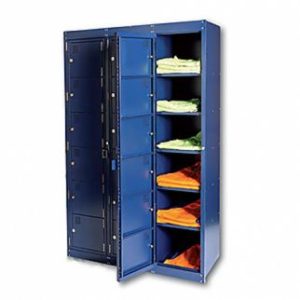
Alsco’s Locker Garment Systems
It is best practice for employers to provide and maintain uniforms for their staff. Create a system that separates clean and soiled uniforms. It improves staff morale and productivity when you remove the stress of managing uniforms.
Use locker systems from reputable suppliers like Alsco NZ, which provide enough space to store uniforms and other items. They are made out of a sturdy and durable material that is easily cleaned and maintained.
Alsco NZ takes the soiled uniforms and refills the lockers with clean, pressed uniforms on a regular basis. Increased convenience is always worth it.
These locker systems also provide much-needed hazard management. Prevent cross-contamination in the handling and transportation of soiled uniforms by using special laundry bags for dirty uniforms and separate lockers for storing them. Add separate carts to transport them.
Legal Compliance With Pharmaceutical Standards
The global pharmaceutical industry has a tough regulatory framework. It is common to hear regulatory bodies taking strict actions against companies who fail to meet hygiene standards. Manufacturers need to ensure suppliers understand these high hygiene standards.
Using a supplier who’s always up to date with regulations relieves the burden of designing and purchasing workwear. There is no compromise on safety or hygiene. Alsco NZ has been at it for over 125 years and will save you the trouble and headache of maintaining such logistics.
When hygiene is your biggest concern, you need to pick partners that understand what they need to do to serve you. The pharmaceutical industry is critical and sensitive in the fight against contamination. Don’t let uniforms get in the way of serving your customers to the best of your ability.
Alsco NZ’s managed rental service is fast, affordable and reliable anywhere in New Zealand. The uniforms arrive at your doorstep as often as you need them. We also style and brand your uniforms to your specifications. At your request, we can also colour-code them.
Alsco NZ is ultra-modern, ultra-hygienic and the ultimate partner for you. Contact us to learn more!
4 Types of Waterless Urinals and How They Work
The mere thought of a waterless urinal sounds impossible. Or downright ridiculous to say the very least. And that’s very understandable.
Despite how far-fetched the concept may sound, waterless urinals have been around for more than two decades.
But more importantly, waterless urinals work.
You’re probably wondering, “How is that even remotely possible?” That’s a very valid question, so read on for the intriguing answer.
MYTH-BUSTER
There’s one thing that comes to mind when most people hear of waterless urinals: “Doesn’t the lack of water pose a sanitary hazard?”
Quite the opposite. Water helps bacteria grow faster.
Because they are living organisms, bacteria require water for food intake and the removal of waste.
These bacteria escalate the process of odour formation. Since urine consists mostly of urea, ammonia forms once it comes into contact with moisture.
So, then, what’s the origin of waterless urinals?
The Waterless Urinal Was Born in Hollywood
You read that right.
And no, it wasn’t a prop for some blockbuster set in the distant future.
James Krug had worked in Hollywood for a good amount of time when he decided to try his hand at something different.
In the ’80s, he’d held a vice president position at Disney and went on to do business with the company in the ’90s.
In 1999, through an acquaintance, Krug had a meeting with Ditmar Gorges at Universal Studios Hilton in Los Angeles.
The German engineer had devised a urinal that didn’t need flushing.
His reasoning was straight forward: Urine is a liquid. All it needs is for gravity to pull it down the drain.
He thus perceived flushing as no more than a waste of water, a resource too scarce and precious for such use.
And Krug concurred with him.
Mainstream adoption of waterless urinals would mean improved water conservation on a large scale.
They weren’t the first to come up with waterfree urinals, though.
Nevertheless, Krug and Gorges created what has since become the most widely-used type of waterless urinals.
The invention was a revolution in itself.
Today, there are four different types of waterless urinals to choose from. Read on to learn how the different options function and out-perform traditional water-wasting urinals.
1. Cartridges Containing Liquid Sealant
To completely eliminate water from urinals, Gorges figured there needed to be a suitable replacement.
Why? In traditional flushing toilets, water serves a crucial purpose.
It prevents odour from coming up from the drain.
So, he formulated a special liquid that could do the same, contained in a cartridge below the urinal pan.
The liquid sealant relies on the principle of density.
Since the sealant is less dense than urine, the waste liquid goes under it, but odour can’t rise above the sealant layer.
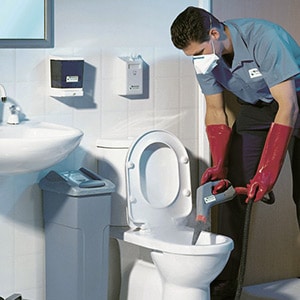
Alsco Deep Clean Service eliminates all mould, mildew and fungi.
However, liquid sealant cartridges have a limited lifespan.
Depending on the manufacturer, after a given number of uses, they need replacement. Otherwise, odour could become a problem.
Plus, their life cycles aren’t constant. One may last for several thousand cycles while its replacement may go for a few hundred.
To guarantee your washrooms stay fresh and hygienic at all times, try a deep cleaning solution.
It is ideal for both waterless and flushing urinals.
That way, even if you’re unsure of when cartridges need replacement, you’ll be sure that your washrooms remain inviting.
2. Integrated & Membrane Traps
All kinds of toilets and urinals have one issue in common: over time, the inevitable build-up of waste material results in odour.
In certain kinds of waterless urinals, the way around this is a trap that blocks the release of odour, preventing its release into the atmosphere.
How is this achieved, you ask.
Unlike the sealant cartridge affixed to the drain, the urinal pan has an integrated trap built into it.
Due to its nature, an integrated tap waterless urinal needs a good dousing with water every two to four weeks.
Membrane traps use a lining usually made of plastic, rubber or silicone. They work as one-way valves, allowing urine down and preventing the surfacing of odour.
It’s not advisable to clean membrane traps with water, as this reduces their functionality.
After a number of uses, membrane traps in waterless urinals require replacement.
3. Biological Treatment
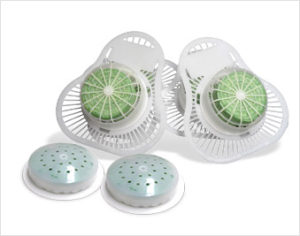
Intensive cleaning and eco-friendly Biological Treatment that eliminates all germs.
Another way in which urinals work without needing water after every flush is the use of biological treatment.
When you think of the unpleasant build-up in toilets, it’s likely that powerful chemicals come to mind.
It seems they are the only products that have what it takes to fight germs, bacteria and odour.
Most of these contain highly toxic substances. When released into our surroundings, they pose a hazard to human, plant and animal life.
Biological treatment, on the other hand, is environmentally friendly.
It is the perfect alternative to harsh cleaning chemicals, which aren’t kind to the environment.
These consist of components such as:
- Microorganisms: microscopic organisms that reduce hazardous substances into less toxic or non-toxic ones
- Surfactants: molecules that reduce surface tension between the cleaning agent and the urinal surface
Their components “feed on” the bad stuff that accumulates in urinals by breaking them down.
While chemicals are a temporary, one-off approach to toilet cleaning, biotreatment has a long-lasting effect.
For instance, bio blocks require replacement and servicing only on a quarterly basis.
And, during that period, you’re guaranteed that they’ll eliminate every last germ.
The result? Around-the-clock clean washrooms.
4. LDPE Balls
Another ground-breaking waterless urinal technology is the use of LDPE balls.
Low-density polyethene is a thermoplastic with special characteristics:
- It is generally not reactive at room temperatures.
- It can continuously withstand high temperatures (around 80º C).
- It possesses flexibility, resilience and toughness (although it is breakable).
Since its molecules are less tightly packed and less crystalline, LDPE possesses low density.
Balls made of this material replace traps and cartridges but work in a similar manner.
Given that it has a low density, an LDPE ball allows urine down by floating up when the urinal is in use.
Afterwards, it recedes to the bottom of its unit underneath the urinal pan, blocking odour from rising.
When the inevitable build-up forms, take out the ball, clean it and put it right back.
An LDPE ball can last for a considerable amount of time, making such a waterless urinal easier to maintain.
See? Waterless urinals could be just the thing you need for a sustainable, eco-friendly washroom to meet the dynamic needs of the future.
They offer several benefits:
- Savings thanks to reduced water usage
- Require less maintenance than normal urinals
- Easy installation
- Improved hygiene levels
- Less chance of flooding and pipe blockage
And, with proper maintenance, they can serve even the busiest of premises, such as stadiums, like the Rose Bowl in the United States.
The 90,000 capacity stadium (15th largest in the world) has been using them for years and saving millions of gallons of water annually.
Ultimately, whichever of the four waterless urinal variants you choose, one thing is certain: They’ll all need cleaning at one point or another.
Get a Comprehensive Cleaning Solution for Your Washroom
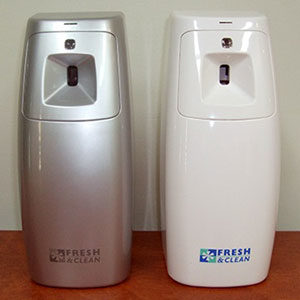
Alsco Air Fresheners will keep your washrooms continuously fresh for a longer period of time.
The best cleaning solution for you depends on the nature of your workplace.
Thankfully, Alsco NZ has a wide range of products tailored to meet your needs, including:
- Biological Treatment: A first of its kind in New Zealand, which not only cleans but prevents the future build-up of urinal waste.
- Deep Cleaning: Ideal when replacing cartridges and traps.
- Odour Control: For washrooms that are pleasant and fresh day in and day out.
Washrooms that are superbly cleaned, well-maintained and eco-friendly speak highly of your organisation’s high standards.
If you’d like to find out more about the friendly, timely, effective and efficient service Alsco offers, you can get your quote right now.
Photo: Freepik
6 Reasons Why Workplace Urinals Stink and How to Get Rid of It for Good
Before diving in, we need to understand urine and washroom urinals.
When running a business or a building, sanitation is one of the hot-button issues that arise.
It’s not an elegant discussion, but it’s necessary to understand how to manage urinals and washrooms.
After all, knowledge is power.
When you know how things work, you are able to troubleshoot when something goes wrong. Let’s dig in.
Demystifying Urine & Urinals
Understand Urine
What Is Urine?
When the kidney flushes out toxins and other waste from your body, it forms urine. Urine consists of 95% water and 5% urea. Urea consists of the waste flushed from your body, and the contents depend on what is in your body.
When you flush with fresh water in the toilet or urinal, it causes the urea to hydrolyse. The hydrolysis of urea is the cause of any odour you may experience from urine. It takes place when the enzyme urease turns urea into ammonia and carbamate. Carbamate further decomposes to carbonic acid and forms the second molecule of ammonia.
Why Does It Smell?
The normal human detection of ammonia is estimated to be 50 parts per million (ppm), but some people can detect it at 20 ppm. Ammonia is a colourless but pungent gas. A buildup of hydrolysed urine causes a buildup of odour.
Another major cause of the odour is bacteria that use urine as a food source. The bacteria are present in improperly maintained washrooms. These bacteria feed on urine and penetrate porous surfaces, grout and etched porcelain.
Types of Urinals
Flushing Urinals
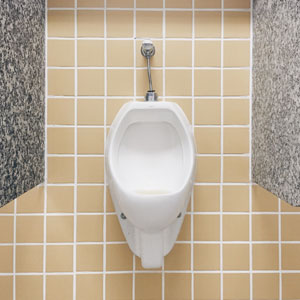
Photo: Pexels
Any flushing urinal has four basic parts: a urinal bowl, a cistern to hold water, a flushing mechanism, and a trap that carries the contents to the drain. The flushing mechanisms come in different shapes, sizes and technologies.
The most basic flushing system is the manual flush which uses a lever to activate the flush. There are also timed flushing systems that auto-flush at intervals. Sensor flush urinals notice when a person is in front of it and will flush once the person steps back.
Properties of flushing urinals include:
- Need Odour Control
Most people complain of odour in flush urinals. Odour control mechanisms like urinal cakes and air fresheners are needed. Odours are created when urine mixes with water and hydrolyses into ammonia. They need frequent cleaning and odour control measures. - Require Frequent Maintenance
Flush toilets need frequent maintenance. The hydraulic flush may break down and an electronic flush needs regular replacement. Cleaning staff might need to regularly check the urinals in case a user chose not to flush. - Clogged up by Hard Water
Where the water used to flush contains minerals (hard water), it deposits sediments on urinal pans and drainage lines. This makes the washrooms smell worse and chokes the drainage line. This racks up an expensive maintenance budget. - Wastes a Lot of Water
With 4-6 litres of water used per flush, urinals use almost 38% of the water in offices and buildings. However, low-flush toilets still use a lot of water since they use two litres per flush. A lot of water goes down the drain. Literally.
- Need Odour Control
Waterless Urinals
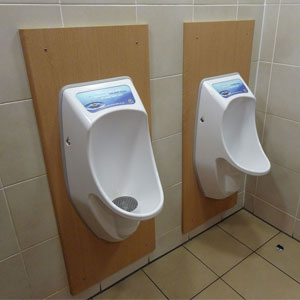
Photo: Common Wikimedia
Waterless urinals are made of the same materials as traditional flushing urinals. They are also plumbed into the standard drain line. However, that’s where the similarities end.
They use a cartridge filled with a liquid sealant that sits atop the drain area of the urinal. The sealant forms a barrier once the urine passes through the trap/cylinder to prevent odour. Urine, being denser than the sealant oil, displaces it and flows into the drainpipe.
Properties of the waterless urinal include:
- Maintains Cleanliness
They eliminate the splashing of urine on the floors or walls due to their sleek and improved design. Urine is sterile until it mixes with water, which allows the bacteria to develop. - Stays Odour-Free
Since waterless urinals use gravity to draw urine to the drain, it prevents the need for water. The sealant in the trap acts as a barrier between the urine and the atmosphere, preventing odour. It also prevents sewer gases from the drain from escaping into the restroom air. - Stress-Free Maintenance
The only initial cost lies in installation and training cleaning staff on how waterless urinals work. Afterwards, maintenance costs remain low. Flashing urinals have many moving parts that get jammed or vandalised. Waterless urinals have no moving parts. - Water Savings
A traditional flushing urinal uses 4-6 litres of water per flush. Even a low-flush toilet uses up to 2 litres of water with each flush. This adds up to about 1-3 gallons per flush and 40,000 gallons annually. If you convert all that into your area’s water costs, you see how much water a waterless urinal saves.
- Maintains Cleanliness
Why Do Urinals Stink?
Poor Ventilation
Bacteria thrive in warm environments. When the washroom gets too warm, odour-causing bacteria multiply faster. In flushing urinals, the heat causes faster ammonia production by speeding up the uric acid reaction. When the drain pipes are in direct contact with hot gas exhaust lines, it evaporates the drain fluids and creates more smells.
Ammonia Levels
The smell in most restrooms comes from urine spilt on areas next to the urinal. When urinals are not optimised to drain all the urine, splashing urine around leads to a foul smell, especially in high-traffic areas. The spilt urine hosts bacteria that feed on the waste in the urine and produce foul gases.
Poor Urinal Installation
In flushing urinals, faults in installing the drain pipe cause odour. This is because the smells are released back into the restroom atmosphere. The recommended solution is using a drain trap, cockroach trap or Nani trap that creates a barrier for gases. It also prevents cockroach or rat infestation.
In waterless urinals, odours are only caused by bad installation or maintenance. If the sealant liquid in the cylinder does not rest well on the drain entrance, it could allow gases to seep into the restroom atmosphere.
Poor Plumbing Design
How are the pipes and outlets connected in the washroom? For instance, if the overflow pipe from a WC cistern is connected to a urinal, smells come up from the waste into the cistern and out into the washroom.
Configure exhaust systems to keep positive ventilation. Ensure doors and windows have louvres where fresh air is pulled in to regulate airflow.
Poor Cleaning
In flushing urinals, observe the standard cleaning process to prevent odour. The smell is caused by the formation of algae, debris and scaling. This generates foul-smelling organisms, salt formation, and in longer runs, ammonia build-up.
For waterless urinals, the odour can be caused by improper cleaning. Water-based cleaning agents react with the sealant and prevent it from working. Frequent cleaning with a biochemical spray and a cloth will keep the urinal fresh. Clean more often for high-usage areas.
Spills on the Floor
When urine spills to the floor or walls, it leads to odour since bacteria feed on the urine and produce foul gases. This is why the good design of urinals is essential to preventing spills. You should also ensure that your cleaning team reaches every area in a restroom.
How to Care for Urinals
For flushing urinals, ensure daily cleaning and use of scented cleaning solutions. Consider using urinal cakes for odour control as well. Keep a thorough maintenance schedule and call your plumber for regular upkeep.
It is possible to have waterless urinals produce odour. The reason is always the same: they’re not cleaned properly. When you are aware of how waterless urinals work, you can ensure they stay odour-free.
How to Ensure Waterless Urinals Don’t Smell
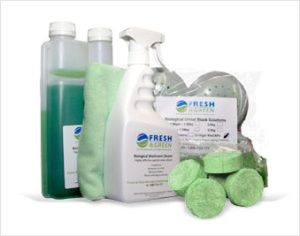
Maintain the level of hygiene with Alsco Biological Treatment
Use Proper Cleaning Agents
For effective daily cleaning, using the correct cleaning solutions goes a long way. Biological treatment is a game-changing way to clean. It uses harmless “bugs” that consume bacteria and other germs without damaging the washroom surfaces.
If used regularly, it forms a permanent protective layer on the surface being cleaned. This helps to further ensure that the area stays clean and odour-free between cleans. Toxic chemicals can work as a one-time solution but are not friendly.
With daily cleaning in place, remember that regular cleaning still leaves something behind. This is why it’s important to schedule systematic cleaning, also known as deep cleaning.
Use a reputable supplier with powerful chemicals and high-tech equipment. Alsco’s deep cleaning service offers just what you need. Clean every little detail of your washroom, down to every single tile.
A good supplier will provide services and cleaning solutions that they replace regularly. Alsco NZ supplies biological treatment and blocks that maintain the work done by the deep cleaners.
Train Your Staff on How to Handle Waterless Urinals
To create a training program or guide, it’s good to know the basics of how to clean the waterless urinal. There are some differences depending on the manufacturer but the common steps are as below:
- Put on gloves (and goggles) to prepare for cleaning the restroom.
- Remove all foreign objects blocked by the trap. It is designed to prevent larger objects from entering the drain area.
- Stay away from abrasive cleaners, towels, or brushes.
- Spray the urinal surfaces with a neutral or all-purpose cleaner. For best practices, use biological treatments.
- Allow the solution to sit for a while if indicated by the chemical manufacturer.
- Use a soft cloth or sponge to wipe the surfaces clean.
- Use a dry cloth to finish and dry the surfaces.
Your staff also needs to be instructed on how to replace the parts that need to be changed. Keep a maintenance schedule that ensures parts are replaced in good time. It is important to train them to do it properly. The parts that need to be replaced include the cylinder and sealant liquid
Never Put Water Down Waterless Urinals
The water will affect the effectiveness of the sealant and create a limestone deposit in the drain pipes. When the calcium in water comes into contact with uric acid, it forms limestone that blocks the pipes.
When changing the cylinder and cleaning the drainpipe, pour water through the drainpipe to remove limestone build-up. Water is fine for occasional flushing of the drain pipe, but it should never be used in the waterless urinal cylinder.
What’s Next?
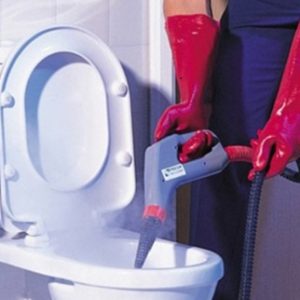
When you invest in waterless urinals, invest in the training and education that equip your staff to care for them correctly.
With the right cleaning and maintenance, they will never smell! The cleaning regimen is simple, as it only needs a biological treatment and a cloth.
Remember to also schedule deep cleaning from experts who will thoroughly clean every corner of the washroom. It is important to safeguard the health and safety of your staff and colleagues.
The right supplier will make sure maintenance is a breeze. Choose an affordable but reliable partner like Alsco NZ.
19 FAQs About Waterless Urinals Answered
1. How Do Waterless Urinals Work?
The science behind all waterless urinals is simple. The bowl of the urinal allows the urine to flow down to the strainer that catches debris.
Below the strainer is the sealing liquid where urine passes through and collects in the waste pipe below. The sealing liquid is simply vegetable oil or a specially formulated oil-based liquid.
Urine is able to sink through the sealing liquid due to the different densities of urine and oil. Urine tends to be denser than oil, so the oil will float and form a layer above the urine below.
This activity pushes the air bubbles out, and they rise to the top of the oil after escaping. The urine is therefore in a low-oxygen environment, which traps the odour. This is why waterless urinals are great in preventing washroom odour.
The urine is slowed down significantly before it meets the oil. This is to prevent oil from flowing into the waste pipe. When the urine is in the waste pipe, simple displacement sends it down the plumbing system. For context, the densities of the liquids involved are as follows:
- 823 kg/m3 – Ammonia
- 920 kg/m3 – Oil
- 1021 kg/m3 – Water
Waterless urinals exist in two varieties: cartridge-based and non-cartridge-based. Cartridge-based units are pre-filled with sealing liquid. The cartridges are replaced after a couple of months as the sealing liquid degrades or erodes. Non-cartridge units introduce sealing liquid into the drain hole to allow it to naturally settle into the correct position.
2. What Stops the Urine From Crystallising?
The liquid sealant filters and breaks down the uric sediment. Since urine is 97% water and 3% waste, by the time it runs down the waste pipe, most of the waste is already removed and any remaining sediments are filtered by the sealing liquid.
3. Are They Easy to Install?
One of the great things about waterless urinals is how easy they are to install. In no longer than one hour, you should be able to comfortably install each unit. If you’re doing it for a new building, you don’t need a water supply connected, and this significantly decreases the installation time.
4. How Much Do They Cost?
The cost per unit averages anywhere between $250 – $500 per unit. With just your water savings, you will get a full return on investment in less than two years. Furthermore, it serves as a great marketing tool for commercial properties, as they can help earn LEED (Leadership in Energy and Environmental Design) credits.
5. Do They Come in Different Colours?
Most waterless urinals come in the standard sanitary white colour. However, some manufacturers allow for custom colour orders based on availability. Check with your supplier to find out.
However, with their sleek design, white waterless urinals already look great. You don’t need flashy colours to spruce up your washroom.
6. Do They Need Cleaning?
A clear distinction between waterless urinals and flush urinals is the absence of mineral residue. Therefore, regular scrubbing is not required. You also don’t need conventional urinal cakes thanks to the liquid sealant. A simple daily spray and wipe are recommended to keep the urinals fresh and clean. In high usage areas, consider cleaning them more than once a day.
7. What Cleaning Products Will I Need?
Eco-friendly Biological Treatment that eliminates urinals’ nasty odours.
Normal cleaning sprays can do the job, but for best results, use a biochemical cleaning solution. These solutions are made up of bacteria that kill 99.9% of germs and are so safe that you can drink them!
The biochemical solutions mimic nature. The best way to get rid of something is to find another that can eat it. Good quality solutions are packed with harmless ‘bugs’ that consume bacteria and germs without damaging anything else on the washroom surface.
Furthermore, these ‘hungry microbes’ provide a lasting solution to smelly buildups. With regular use, they form a protective layer that keeps the toilet germ and odour-free. The toxic chemicals are usually a one-time solution that also ruin the environment.
8. How Often Do They Need Cleaning?
Alsco’s Deep Clean Service, helps eliminate the danger of bacteria spreading.
Clean waterless urinals as often as you would flushing urinals. Since they are easier to clean, it should take you a shorter time to finish. Daily cleaning is optimal to keep the washrooms pristine.
Once in a while, it’s great to have deep cleaning that gives your washrooms a thorough washing to eliminate all bacteria.
You can do it yourself or call in experts who clean all corners of urinals, toilets, shower cubicles and other washroom elements.
Normal cleaning is often not enough to maintain presentable and safe washrooms. Schedule regular deep cleaning for your building or office.
9. Do I Have to Open the Trap to Clean It?
No, don’t open the trap. It only needs replacement 2-4 times per year depending on your urinal’s rate of usage. The cylinder also lasts a couple of months and needs changing 2-4 times per year. Different manufacturers have instructions for changing out the cartridges. Make sure you follow the instructions specific to your urinal to prevent damaging the system.
10. Must I Remove the Urinal for Waste Line Clean Out?
There’s no need for that. Simply use the provided key to remove the cartridge. Most plumbers love this feature, which allows easy access to pipes while saving time. It also saves you money in plumber fees.
11. Is the Liquid Biodegradable/Organic?
Yes, it is. Since it consists of mineral oils, alcohols and colour dye, it is fully biodegradable. It‘s the most effective sealing liquid on the market and most manufacturers use it in their units. Since it’s organic, it is also efficient and cost-effective.
12. How Do I Maintain the Waterless Urinal?
When it comes to maintenance, it’s important to regularly disinfect the units and replace the cartridge or any other relevant parts.
- Disinfecting
Although they are significantly more hygienic than flushing urinals, your cleaning staff needs to disinfect the units daily. If your urinals are in a high traffic area, clean them more than once a day to keep them fresh. - Cartridge Replacement
This is a crucial component to ensure your urinals work as they should. The frequency depends on how often they are used and the time elapsed. The recommended timeline is replacing them every three to six months.
Keep a maintenance log as a record of when they were last replaced and indicate the next time they should be replaced. Make sure your staff is aware of how to change the cartridge properly and are familiar with the manufacturer’s specifications.
13. What Is the Cost of Maintenance?
When you consider the cost of replacing cartridges, remember they need to be changed after about 7,000 uses and that the cost depends on your manufacturer.
For cleaning solutions and deep cleaning, consider hiring a vendor with monthly rental services. Only pay for what you need at an affordable monthly rate.
14. How Often Do I Need to Change the Sealant?
Usually, there’s no need to change the sealant. When you replace the cartridge, fill it with the new sealant provided. The sealant usually lasts as long as the cartridge.
However, as the urinal is in use, small amounts of the sealant are continuously drained into the waste line and need to be replenished. In high usage areas like a school, it could amount to two refills per month. The sealant needs to be replenished after 1,500 uses.
Accurately measure the three ounces needed to refill the sealant directly into the cylinder. Do this by using the ‘portion aid’ device provided by the manufacturer.
15. Do Many People Use Waterless Urinals?
Yes, they do. Their popularity increased with the need to conserve the environment and increase efficiency. Looking at only one manufacturer called Falcon, there are over 350,000 units in use all over the world! Even McDonald’s has a version of waterless urinals that won a toilet of the year award in 2009!
16. Can They Be Used in Schools?
In fact, they are perfect for high usage areas like schools. They are more hygienic, vandal-proof and they don’t block! Some even come with advertising space above the urinals that can be used to hang up hygiene messages like, “Wash your hands!”
17. Do They Smell?
Urine is typically odourless. An odour is present when it reacts with water and hydrolyses to create ammonia. With the absence of water in waterless urinals, this removes the reaction.
Furthermore, most units are non-porous and designed to channel every drop of urine through the sealant layer and down the drain. The sealant liquid creates an airtight seal that traps the urine and seals it from the restroom’s atmosphere. This means the sealant liquid prevents the back migration of sewer gases into the atmosphere.
With these mechanisms in place, waterless urinals are built for maximum odour resistance.
18. What Can I Do If They Smell?
When an odour is present, it is a sign that the urinals were not installed properly or are not well-maintained. For these reasons, prevention is better than a cure. During installation, ensure the urinals are plumbed with the proper pitch and placed downstream from a water source like the sinks. Some people include one flushing urinal to keep the sanitary line flushed to prevent urine buildup in the pipes.
Clean the urinals with waterless urinal cleaner to prevent emulsification of the sealant. The sealant should remain in tiptop shape in order to block out odour from the sewer lines or from trapped urine.
19. Why Choose Waterless Urinal Over Low-Flush Urinals?
Are waterless urinals better than reduced flush urinals? By a long shot! First, the cost of the low flush urinals is usually higher than that of waterless urinals. This is because you still factor in the cost of water per flush plus the cost of the unit.
Second, while the amount of flush water is reduced, the amount of urine usage remains the same. This creates limestone buildup in waste lines faster than regular high-volume flush toilets. Plumbers servicing high traffic areas can confirm this. It means that although water use is reduced, the maintenance costs go up since the waste pipe will need regular unclogging.
Waterless urinals have none of these problems.
Photo: Jetcarson
How to Choose the Best Food Industry Workwear in New Zealand
The food industry is a paradox. The people who work for you are both your biggest asset and your biggest liability.
You need people to thrive, but people are also a major potential source of contamination for the food.
We can separate the common sources of contamination into two groups: physical and microbial. The physical sources include skin flakes, threads or buttons, etc., while the microbial sources are pathogens.
As a manager, it’s critical to know these dangers and understand the role of protective clothing in preventing contamination. Keep the following in mind.
1. Workwear Provides Employee Safety
Regulations in the New Zealand food industry guide the basic protective garments needed for your employees. Depending on the level of risk, the required garments include:
- Headcovers – These include hair nets, mop hats, trilby hats, hard hats, etc.
- Overalls – These can be full-body overalls or protective coverings like aprons or coats.
- Gloves – Wear them when the foods are high risk, sensitive or aggressive on bare hands.
- Footwear – Choose some good quality, non-slip shoes that can be colour-coded for safety.
2. Staff Uniforms Prevent Cross-Contamination
To meet legal requirements for processing certain foods, you need to provide safety equipment for your staff members. Uniforms ensure production protection from contamination or potential legal suits.
When choosing suppliers, ensure they’re up to date with the latest regulatory requirements. Choose a supplier that makes your life easier. Reliable uniform suppliers like Alsco NZ take care of the legal requirements for you.
3. Workwear Establishes Internal Systems and Controls
Uniforms in the food industry can denote rank in a particular organisation. For example, it is easy to spot the chef by their hat. It is important for guests or new employees to be able to distinguish the staff members.
Colour-coded uniforms maintain and reinforce internal safety systems. The colours identify what belongs in certain departments. This prevents cross-contamination or laxity in maintaining the standards.
4. Staff Uniforms Create a Company or Brand Reputation
Well-maintained and well-designed uniforms create a great first impression. Brands that care for what their staff wear gain a positive reputation. Pay attention to the design and maintenance of your staff uniforms. Always add your brand logo for greater visibility.
Uniforms reinforce clean working since staff are aware of their uniform’s appearance. Comfortable, well-fitting workwear that is well-maintained sends a message to your staff. They’ll believe that you care about cleanliness and will follow your lead.
How to Decide the Type of Uniforms You Need
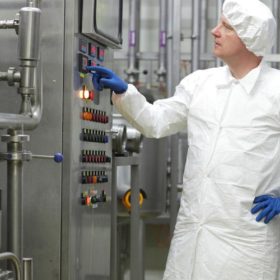
Food Industry Overalls are highly durable, breathable, functional and comfortable.
1. Assess the Risk Levels Involved
Every workplace has its different risk levels for different jobs. The higher the risk levels, the stricter the requirements for workwear become. Assess risk by factors like:
- Perishability of ingredients
- The production process
- The production setup
- The type of end consumer
High-risk jobs: These are jobs like handling ready-to-eat, perishable or unpacked food. The typical products include raw meats, ready-to-eat salads, or spreads. To prevent the entry of microorganisms and contamination, maintain the highest levels of hygiene at all times.
Low-risk jobs: These are the inverse of the above. Handling foods that are not perishable, such as crisps and coffee, fall into this category. Workwear provides simple coverage since packaging provides the required protection for the food.
2. Be Aware of Uniform Requirements in the Food Industry
When it comes to safety regulations, it is always better to be safe than sorry. Are you aware of the basic protective coverings for the food industry? Do you know when to provide them? Brush up on the requirements before you start sourcing uniforms for your staff members.
Head Covering

Proper Head Wear is essential in preventing contamination when working with food.
Hair is a source for both physical and microbial contamination matter. It is imperative that head covering becomes a part of your essential uniform tool kit. Communicate the importance of the head covering to staff members through regular training.
- Hairnets: A basic item for head covering is a hair net. Regardless of the type of hat you choose, ensure all your staff wear a hairnet underneath. This is especially important for people with long hair.
- Hats: To ensure comfort and adequate coverage, choose hats with a generous size that fits hair. Check that the elastic in the net doesn’t cause irritation while staff are working.
- Hard hats – They become a necessity when an impact to the head is a possibility. Buy them if your company has processes that involve an overhead conveyor or cranes. Hard hats are durable and easy to clean.
- Disposable paper hats – They are perfect for catering outlets and assignments. Non-woven disposable hats can be effective for high-risk areas where daily cleaning is critical. This is because they can be cheaper compared to daily laundering.
- Facial hair covering– To cut contamination, cover all head hair, including beards and moustaches. Everyone in the factory should wear beard snoods in disposable fabrics. This also includes visitors, site engineers and contract employees.
Choosing headwear doesn’t have to become complicated. A call to Alsco NZ is all you need. We will give you an account manager who can advise and sort your needs.
Overalls
There are three types of overalls used in food industry workwear. They include a coverall (boiler suit), separate jacket or shirt and trousers, or a coat sometimes paired with trousers.
For ease in usability and versatility, the coat wins. It can be worn over trousers or any clothing that your staff might wear. It works best for jobs with medium to low risk with a diverse workforce.
Footwear
The footwear used in the production area should never leave the production area. Ensure that the shoes are comfortable and well-fitting. The material should also be easy to clean and stored on the storage racks.
Dedicate the footwear to the work area. Wellington boots are perfect for wet processing or cleaning. Colour code the footwear as a reminder of the hygiene requirements of the production area.
Gloves
It is better to have clean hands than dirty gloves. This phrase should be your guiding light when considering how to buy and care for gloves. It’s not easy to realise when a glove gets too dirty. It is important to put in place processes that remove soiled gloves before they outlive their usefulness.
Use gloves when handling the below categories of products:
- High-risk products (e.g., cooked meats) – Natural rubber gloves are the best in terms of usability and safety.
- Sensitive products (e.g., chocolate items) – Thin cotton gloves are good but need to be changed for clean ones at regular intervals.
- Aggressive products (e.g., salt, fish or cartons) – PVC or rubber gloves are best for protection against abrasives or irritants.
- Hot and cold products – Special fabric gloves work well for handling hot items from ovens. Insulated gloves are available for staff working with frozen foods.
3. Be Mindful of Design Needs
The food industry is highly regulated, and New Zealand is no exception. Get acquainted with the laws and regulations that govern food industry uniforms to keep your company safe from litigation.
In a nutshell, these are the general design requirements you should pay attention to:
Use Light or White Fabric
White or other light-coloured uniforms make it easy to inspect for cleanliness. Workwear has to live up to food safety standards.
Use Long-Sleeved Workwear
Food industry workwear in all risk levels must have adjustable long-sleeves. The sleeves are important to protect the food from staff contamination. Always close coats and jackets and ensure they are long enough to cover the side pockets on trousers.
Permanently Attach Your Logos and Emblems
Avoid using logo stickers or tags. Embed the logos directly onto the garment. The transferable sticky logos can loosen with time. Logos need to be of a high enough quality to last the whole life cycle of the workwear to which they are attached.
Use Fitted Garments to Prevent Spills
Fitted uniforms are comfortable and increase staff productivity. A good workwear rental supplier will measure your staff and make sure uniforms fit. Ensure your supplier can do this for you. Providing your own uniforms will prove to be tedious and time-consuming. Get a trusted partner like Alsco NZ to take care of this process for you.
How to Find the Best Food Industry Uniform Vendor
1. Do They Pay Attention to Fabric & Fit?
Do you understand the standard material used for protective clothing? Most protective clothing is now made from a blend of 65% polyester and 35% cotton. These are comfortable to wear, last a long time and absorb spillages.
An adequate supply of clean garments is essential. Everyone should have at least a weekly change in garments, while some will need a daily change. Rent or buy garments on-site or send them to a specialist laundry.
2. What Is the Maintenance and Laundering Process?

Alsco provides a comprehensive Managed Uniform Rental Service to help your business thrive.
Make sure your supplier is right for your business. The food industry CCPs that your supplier needs to be mindful of include:
- Garment material: Traditional apron materials, like vinyl and polyurethane, have cleanability problems. Choosing good materials promotes food and employee safety.
- Carts/plastic tubs: Clean clothes should be transported by designated carts that only carry clean clothes. Line the carts with a disposable plastic liner to ensure clean clothes do not touch carts or soiled garments.
- Pest control: Each laundry-processing plant should minimise hazards through an effective pest control program.
- Gloves: Change disposable gloves worn during the sorting of dirty garments and by handlers of clean laundry before being poly-wrapped.
- Cross-contamination on the service route: Design the process for serving food accounts to prevent cross-contamination.
- Training: Certify all vendor employees on basic food safety and preventing cross-contamination.
- Service trucks: Keep these free of dust and dirt. Separate soiled and cleaned garments on trucks to prevent cross-contamination.
Choosing and maintaining staff uniforms can become an extreme sport if you choose the wrong supplier. When you put these notes into consideration, you will pick a great supplier for you.
A neat trick to get you started is to look out for companies with great recommendations and track records.
The rental workwear service from Alsco NZ is affordable, reliable and always up to par with legal requirements. Don’t take our word for it: Check out what our clients say about us.
Photo: Emiliano García-Page Sánchez
The Ultimate Guide to Choosing a Professional Laundry Service for Your Company
If you’re looking for the right laundry service for your staff uniforms, you’ve come to the right place.
Maintenance is where the rubber meets the road.
Running a business where your staff needs professional uniforms takes a lot of work.
Your laundry partner will either save you money and make life easier, or lose your money and stress you out.
4 Factors to Consider When Choosing a Laundry Service
1. Great Customer Care
Trustworthy reviews will come from satisfied or dissatisfied customers. Before committing to a vendor, do some groundwork to establish their standards in customer care.
a. Responsiveness
When you pick up the phone to call them, does someone always answer? How do they respond to customer needs or complaints? How promptly do they act?
Your time is precious. Pick partners who value it and treat all customer matters with a sense of urgency.
b. Transparency
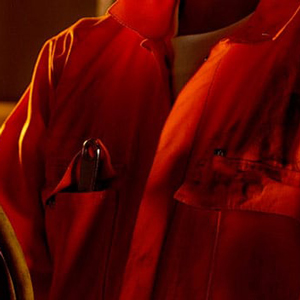
Alsco’s Managed Uniform Rental Service picks up your dirty uniforms and delivers clean ones to your door.
Do they provide a list of all their services and prices upfront? Ensure you get a good grasp of all the associated costs to avoid surprise hidden charges. Ask about all the features you may need, from folding to pressing and more. If they are upfront about all the available packages, they are a good match.
Alsco’s Fresh & Clean managed rental service provides affordable uniforms for your organisation. Reach out for a free quote or for a comprehensive guide to what we offer.
c. Professional
How do the staff behave? Are they happy to answer questions or help out? Professionalism comes from consistency and how much effort the staff makes. They should be knowledgeable and reliable in their tasks.
Since you’re trusting them with your assets, they should give you the confidence that you’re in the right hands. Alsco’s team is ready to create a customer service that caters to how often you need your uniforms. All this for an affordable monthly or annual rate.
2. Reliability and Guarantee of Service
Avoid surprise or costly lessons. A little background research will save you from the misery of working with unreliable laundry vendors.
a. Online reviews
A foolproof way of reviewing vendor efficiency by location is through reviews on apps like Google Maps, Yelp or Nextdoor.
Look for well-thought-out comments that give a perspective of first-time users. Responsible business owners always ask for reviews from customers. This is because they are confident about the quality of service provided.
b. Displayed Customer Recommendations
Read and check out the customer reviews on the official website or social media pages. They give you insights into important things like the size of companies they serve.
The reviews also give insight into companies that are happily affiliated with the laundry provider. This is a show of confidence in the service and brand. Alsco New Zealand has many local reviews on our website from happy clients.
c. Professional Equipment
Laundry for staff uniforms involves more than just washing. Ensure the vendor has machines or processes which assist in drying, cleaning, pressing, ironing, mending and folding clothes. A proper commercial dry cleaner uses safe, efficient and sustainable equipment.
d. Certificates and Permits
Look for vendors that have a valid licence for running a commercial laundry service. Afterwards, ensure they uphold the standards in your respective industry.
They must also follow the legal standards for handling and disposing of detergents and dry cleaning solvents.
Companies that have been around for a long time are likely to be up-to-date and compliant with the law. It is not a guarantee and you should feel free to ask questions about how they work and run their laundry service. Alsco New Zealand has been in the business for over 125 years and is ready to provide you with the best service possible. Feel free to reach out with any questions.
3. Pricing
The maintenance of staff uniforms can become a huge budget item. Therefore, it is important to pay attention to the details of your contract.
a. Pricing Packages
How does the laundry provider calculate their charges? Is it by the pound? What influences the pricing? Ask about the packages available and the specific services included in each.
A bundled package tailored to your business is the ideal situation. Beware of rigid vendors who insist on a specific package without the assurance they can accommodate your needs. They may not have the resources to customise your orders.
b. Compare to Competitor’s Pricing
Don’t settle for the first quote you get. Shop around and get several quotes and packages from different vendors. You’ll find a deal or service that works best for you.
c. Check for Extras
Maintaining staff uniforms involves buying quality items and providing efficient laundering. You win if you can find vendors that take both tasks off your hands. These are some of the extra benefits you should be on the lookout for.
Alsco New Zealand offers a managed rental service where we deliver clean uniforms to your office for an affordable monthly or annual fee. This service frees you from buying and storing uniforms. We rent the uniforms to you, which saves you from the cost and worry of buying uniforms.
4. Service Agreements
Sometimes you need to sign a contract to hire a vendor. Make sure you get the best deal by paying attention to the following:
a. Contract Terms
Read the fine print carefully. Ensure all your needs are met and then give your lawyers the contract. They will be able to spot clauses or hidden tricks in any document. You can never be too careful.
b. Personalised Service
Will you be able to reach out to someone when you need something done quickly? Look out for vendors that offer personalised attention or negotiate for it in your contracts. Emergency needs might arise in the future.
With Alsco NZ, you get an account manager who will advise you on the best services for your needs. With over 50,000 happy customers and 125 years in the business, we’ve perfected the art.
c. Special Needs and Detergent Provision
Does your industry need special detergents? Will some employees need you to use hypoallergenic detergent? Ask for accommodation for your specific needs or ensure there is room to request new needs as they arise. Flexibility is an important trait in a great laundry partner.
d. Pickup and Delivery Options
There are two notes to keep in mind when considering the pickup and delivery of your staff uniforms.
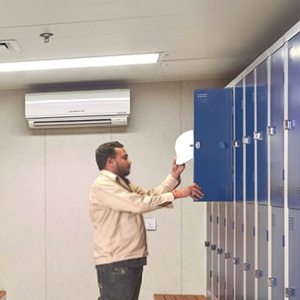
Alsco’s Locker Garment Systems helps provide a cleaner and dust-free work environment.
- Pickup and Storage
To prevent cross-contamination between clean and dirty uniforms, how will you store soiled uniforms for pickup? Keep safety and cleanliness in mind when selecting the vendor you would like to work with.
Alsco NZ offers a storage solution for soiled uniforms or garments. We provide lockers for soiled garments that prevent dust from building up.
- Delivery Schedule
Pay attention to important details like the radius of delivery and flexibility of delivery time. Do they deliver all over New Zealand? How often can they deliver the uniforms? How long do they take between deliveries?
To ease the delivery of uniforms to your staff, you need a locker system to make the process seamless. Consider getting a locker for the clean uniforms. They will provide your staff with easy access to their work attire. Alsco NZ provides these lockers through our managed rental service.
Ask about emergency orders or needs. Do they attract an extra charge? Alsco’s annual fee guarantees you limitless uniform replacements at no extra cost.
Whether you run a company of 10 or 100 employees, a reliable laundry partner allows you to relax and focus on your core business.
There’s a reason Alsco NZ has been around for over 125 years. We’ve got you covered, no matter your industry or uniform needs.


