Trusted by 237K+ Business Worldwide. Find a Location
Trusted by 237,000+businesses worldwide across 250 locations delivering uniforms, linens and more. Find a Location Near You


Delivering Excellence Since 1910
Contact Us
Basic Prevention Methods Against the Flu
The flu season is upon us, and you need to get prepared. The best cure is prevention, and we want to ensure you’re well-informed to protect you and your family.
There are some simple steps you can do today to improve your defence against the flu.
Causes of the Flu
It is important to know how the flu is spread so prevention tactics are more effective.
The influenza virus causes the flu by infesting the throat, lungs and nose. It spreads when people send droplets of the virus in the air through sneezing, talking or coughing. Touching surfaces with the virus on it can infect you if you touch your face with your hands.
Did you know it is possible to spread the cold before you start showing symptoms? People with weaker immune systems, like children and sick adults, are infected for a longer time.
Flu Risk Factors
There are people who are more prone to catching the flu. For these high-risk people, influenza can be deadly and lead to complications. The following people are at high risk:
- Anyone with lung illnesses like asthma or cystic fibrosis
- People with heart disease
- People with chronic kidney conditions
- Diabetics or people with metabolic disorders
- Morbidly obese people
- Anaemic people
- People with immune-suppressing diseases or treatments
Prevention Against the Flu
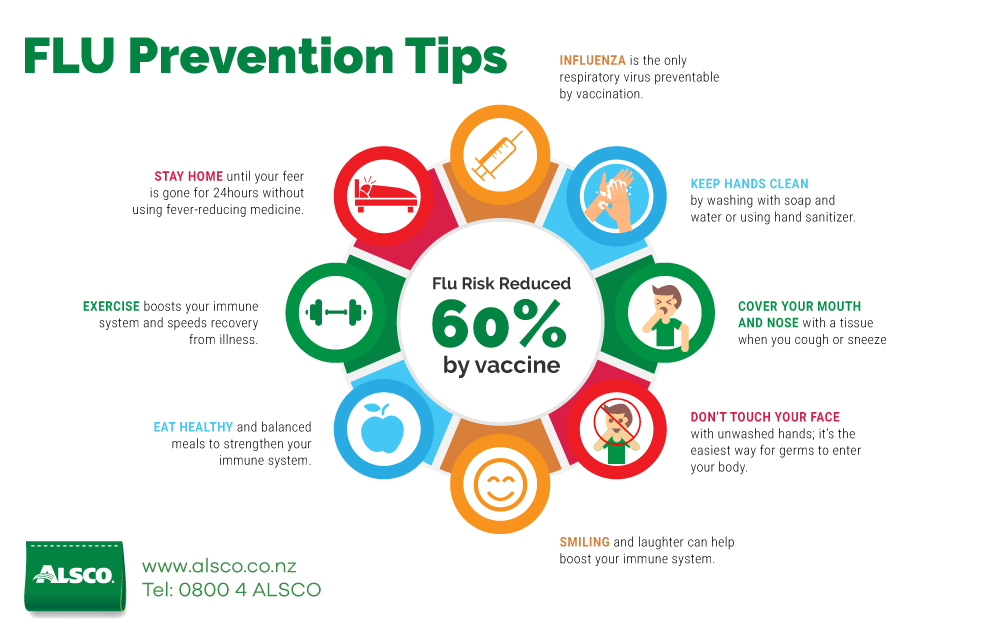
There’s good news! The flu is the only respiratory disease that is preventable by vaccination. Prevention measures will reduce the risk of catching the flu. When you make these part of your lifestyle, you’ll manage the flu virus.
1. Practice Good Hand Hygiene
With proper hand washing habits alone, you can avoid most respiratory diseases. These are the diseases we give ourselves when we transfer germs from our hands to our faces. The germs come from touching dirty surfaces or coming into close contact with infected people. The flu virus can live on hard surfaces for 24 hours, so it’s good to pick up the habit of washing your hands.
Essentials you need to have are hand sanitiser and antibacterial wipes. They help you keep your hands as clean as possible. You can also wipe down surfaces you need to touch. Especially in public spaces. Use your sanitiser throughout the day when you are unable to wash your hands.
In addition to washing your hands as often as possible, make an effort not to touch your face. It’s harder than you think. This is why you should keep your hands as clean as possible..
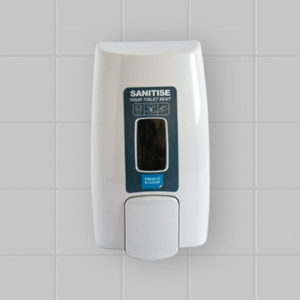
Hand Sanitisers eliminate microbes within seconds.
Proper hand washing technique recommends washing your hands for 20 seconds. Use warm soapy water if possible. Cold water works fine as well. After washing your hands, dry them with a paper towel and then dispose of it. Add helpful posters in your workplace to remind the team about hygiene.
In public areas, avoid using a hand towel because it could become a hub for germs.
Sneeze or cough strategically to avoid touching your face. Use your elbow or a disposable tissue for best results.
Do you know the proper hand washing technique? Here is what you need to keep in mind:
- Using an alcohol-based hand sanitiser:
- Use a small amount of sanitiser and place it on your palm.
- Rub it all over your hands until it dries off.
- This should take around 15 seconds or more.
- At a sink:
- Wet your hands and use liquid soap if available. You only need a coin-size amount of soap on your hands.
- Rub your hands until the soap lathers up.
- Rub over the top of the hands, in between fingers and around the fingernail area.
- Be thorough and take at least 20 seconds rubbing your hands. To time yourself, sing your favorite song. A common example is the ‘Happy Birthday’ song. Sing it twice.
- Rub your hands with a paper towel to dry them. Use the towel to turn off the tap and open the door.
- Avoid using a hand dryer when you can. Paper towels are the most hygienic method.
2. Get a Flu Shot
A flu shot reduces the risk by about 40-60% when the vaccine is well-matched to the prevalent flu. The vaccine works by triggering antibodies within two weeks of taking the shot.
Antibodies help fight the flu strains contained in the vaccine. Although side effects are reported in some people, you cannot get the flu from a flu vaccine.
Who should get a flu shot?
The shot is available for everyone above six months. Get one every year. Discuss with your doctors beforehand to ensure it is safe for you to receive the flu shot. People with allergies and specific conditions can get bad reactions from the vaccine.
If the flu vaccine is in short supply, priority goes to expectant women, children and people with weak immunity. They are at the highest risk of developing complications and need added protection.
3. Clean and Disinfect Surfaces
Clean and disinfect surfaces at home and at work. This reduces the risk of infection since the flu virus can survive for 24 hours on hard surfaces. Disinfecting kills the flu germs and prevents cross-contamination.
Disinfect publicly used items and surfaces several times a day. They include things like doorknobs, toys, light switches and telephones. Quarantine infected people to prevent them from spreading the flu to others. This is important if your loved one becomes infected. Keep them in one part of the house until they stop being contagious.
When caring for sick people at home, wear a mask and gloves when attending to them. Disinfect surfaces to keep you safe and to help the patient recover faster. Remember to always wash your hands after caring for them.
4. Improve Your Immunity Through Diet and Exercise
As you work hard to prevent getting the flu, it is important to strengthen your immune system. In case you catch the flu, you need to be able to fight it effectively. Your lifestyle choices could have weakened your immune system, but it’s never too late to improve it.
Habits that help increase your immunity include:
- Eat a balanced diet with a rich intake of fruits and vegetables.
- Lower stress levels by starting relaxation techniques, gratitude practises and taking breaks.
- Get enough sleep to allow your body time to heal and recover from the business of living.
- Get active and ensure you have moderate daily exercise to keep your body in good shape.
- Make good hygiene a habit to prevent cross-contamination from sick people or dirty surfaces.
- Increase your vitamin D intake. If possible, get sufficient sunlight, and take supplements and eat food rich in vitamin D, like salmon and tuna.
5. Keep Confined Spaces Hygienic
Crowded or heavy-use areas like workplaces and schools are high infection zones. They can lead to the easy spread of an epidemic. A study reveals that one doorknob can spread a virus to 40-60% of workers within 2-4 hours of contamination. It’s important to go home immediately when someone has the flu. Spreading it is very easy.
The same concern should be extended to schools. People are in close proximity and use the same facilities. Avoiding crowds is difficult, but limiting contact as much as possible is advised, especially during a pandemic. If your immune system is weak, wear a facemask when in public.
‘’Good health is good business.’’ — Paul Drechsler, Chairman/CEO, Wates Group Limited
Give a little extra love to high usage washrooms. Making courtesy flushes eliminates floating odours. Maintain good circulation in your washroom and open up windows for good airflow.
If there aren’t enough good windows, invest in a good ventilation system. Air fresheners keep the air pleasant. A great washroom keeps a workplace healthy.
Clean all surfaces to get rid of spills, discolourations and potential germs. Use good quality towels to wipe the surface for maximum absorbency and effectiveness.
Schedule deep cleaning to reach the corners that daily mopping could not. It removes all residual dirt and smells.
6. Avoid Physical Contact During an Epidemic
During an epidemic, it is better to be safe than sorry. Follow the below simple steps to minimise the spread of the flu virus:
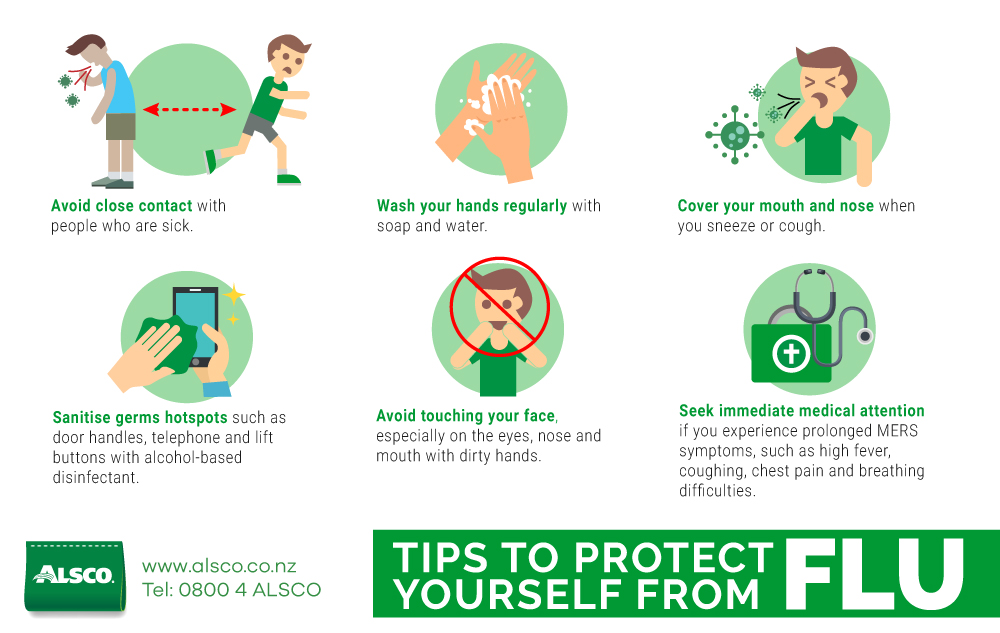
- Avoid close contact with people who are sick.
- Stay away from work or school if you have flu-like symptoms.
- Cover your mouth with a tissue after sneezing or coughing and throw it away immediately.
- Make handwashing with water and soap a habit. Use an alcohol-based hand sanitiser when you cannot access soap.
- Disinfect all surfaces you have to share, whether this is at home, school or work.
- Wearing surgical masks has been proven to reduce the spread of symptoms by up to 75%. This was a study by the University of Michigan.
a. Avoid Touching Your Face
Many of us are unaware of how often we touch our faces. Start avoiding it. This is because most respiratory diseases are self-inflicted. We touch infected surfaces or people who spread the virus to us. The eyes, nose and mouth are especially sensitive because this is how germs gain entry into your body.
Learn proper respiratory hygiene by covering your mouth and nose. Best practise is using your bent elbow or tissues when you cough or sneeze. Avoid reusing tissues and dispose of them after use. This is because droplets spread the virus.
b. Avoid Physical Touch Greetings
Recent studies reveal that people fall short of the recommended hand washing time. Only 5% of people admit to regularly washing up for at least 20 seconds. With this in mind, it is wise to avoid direct physical contact until the epidemic is over.
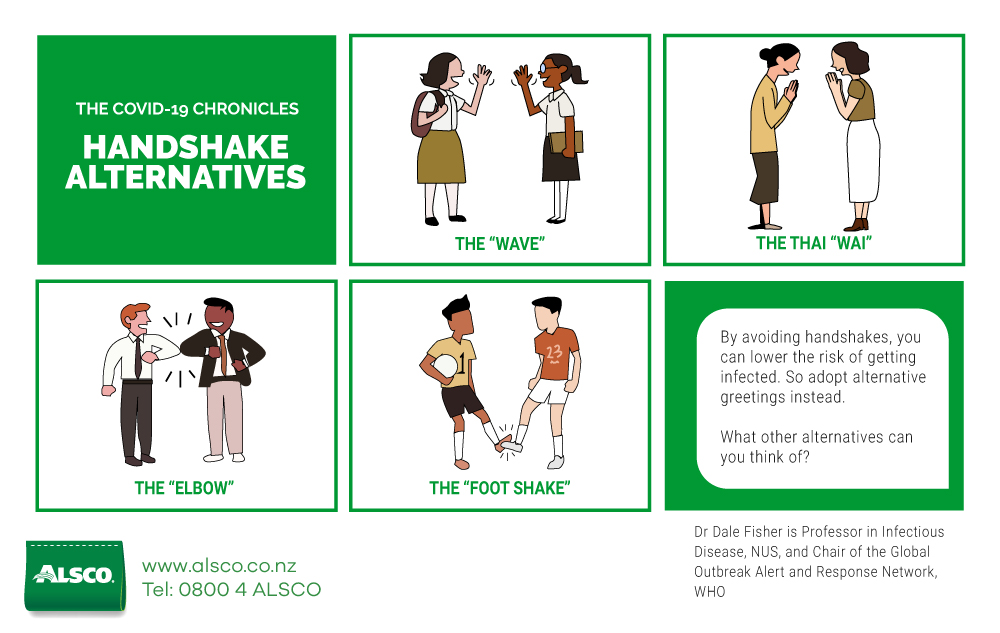
Use alternative greetings to handshakes and hugs. Things like waving, bowing or the elbow shake avoid contact but maintain the social ritual of greetings. Whenever possible, work from home until the epidemic subsides. If you’re the one who’s sick, self-quarantine at home until you feel well.
Flu Prevention Starts With You
The flu is a viral infection that is preventable with a few lifestyle changes. Since influenza has a vaccine, take advantage and ask your doctor if you can have a flu shot. With the coronavirus, a vaccine is not yet available, but you can prevent catching it through other flu precautions.
If you have to move around during an epidemic, do not panic. The simple rule to remember is to keep your hands as clean as possible and keep them off your face. Wash your hands as often as you can and keep a hand sanitiser with you at all times. The same rules apply if you need to take care of a sick loved one at home. Cross-contamination is only possible if the germs enter your body.
Reduce stress by sleeping enough and spending time with family and friends. The laughter and community will keep your immunity high. Keeping your immune system strong is important in case you catch the flu. Coupled with a good diet and moderate exercise, you’ll get through flu season without a problem.
Photo: UFV
Why Handwashing Is Your Best Defense Against the Flu
The flu is a respiratory disease caused by the influenza virus. It’s spread through contact with contaminated surfaces or people.
Washing your hands is the best defence against transmitting germs to your body.
Studies reveal that only 5% of people wash their hands well. The average time spent washing is only six seconds, which is a far cry from the recommended 20 seconds.
With such bad hand washing habits, we are spreading the virus and infecting ourselves.
Touching your face with dirty hands is the cause of many respiratory diseases. What if I told you that these diseases are often self-inflicted?
This is good news. It means you can prevent it by washing your hands as often as possible. Having hand sanitiser can come in handy when you don’t have access to soap and water.
Proper Hand Washing Technique
Hand washing is important for everyone. Wash your hands as soon as you feel they are dirty. There are also specific instances where you should always wash your hands. They include:
- Before, during and after food preparation
- After using the washroom
- After touching hospital surfaces
- After petting animals and gardening
- Before eating anything
- After coughing, sneezing or attending to a patient
Since few people follow the proper hand washing routine, here is a refresher on how to do it. The simple steps to effective handwashing are as follows:
- Place a small amount on one palm.
- Rub all over your hands until they dry up.
- The process should take at least 15 seconds.
At the sink:
- Wet your hands with running water.
- Add a coin-sized amount of liquid soap.
- Rub your hands until it lathers well.
- Rub all over your hands, in between your fingers and under the fingernails.
- Scrub for about 20 seconds and sing the ‘Happy Birthday’ song twice to help you time it.
- Rinse your hands and dry them with a paper towel.
- Close the tap and open the door with the paper towel before immediately tossing it.
If you are under the care of health professionals, ensure they maintain good hygiene. They are usually vigilant, but it’s good to stay aware. Feel free to raise your concerns if something is not right.
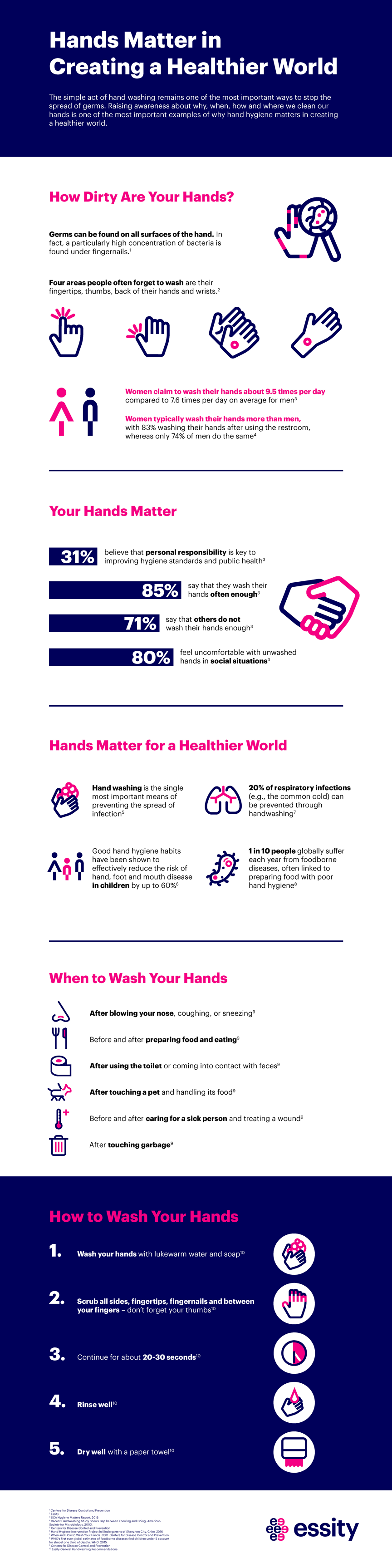
Click image to view the whole Infographic. Source CleanLink
How Hand Washing Prevents the Flu
A simple change to your hand hygiene habits can help you avoid the flu. Hand washing is a great tool for you and the community. Take note of the ways in which it protects you.
1. Hand Washing Prevents the Spread of Respiratory Diseases
Respiratory diseases are not spread by dirty hands. They start when dirty hands touch your face and the germs get access to your body through the nose, mouth or eyes. The loop must be completed to cause disease.
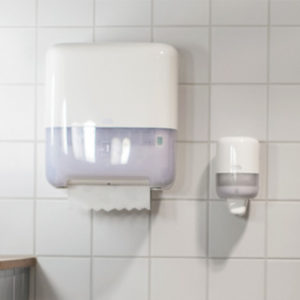
Hand Drying keep your workplace as safe as possible
The best defence against the flu is to avoid touching your face. This is a hard habit to break since most of the touching is subconscious. The best solution is to keep your hands as clean as possible. That way, if you happen to touch your face, your hands are germ-free.
Good hand washing habits keep your hands as clean as possible. The germs in the droplets can stay alive on surfaces for up to 24 hours. Use and throw away tissues after sneezing or coughing. This prevents you from touching your face and spreading the droplets. Do the same for tissues that you use to dry your hands after washing.
Hand washing is a social act. It benefits the people around you because you can’t transmit infections to them. It is a considerate act that we should all take up. If you are sick, you should self-isolate, observe great hand hygiene or sneeze into your elbow if you’re out in public.
2. Hand Washing Prevents Self-Infection
Washing your hands with soap removes infection-causing germs. This is important because dirty hands can pass these germs into your body. Clean hands have a big impact on health. Hand washing education reduces diarrhoea cases by 23-40% and respiratory illnesses by 16-21%.
Removing germs from your hands is important for several reasons:
- The germs could get into the food or drinks you are preparing.
- Germs from dirty hands are transferred to household objects and cause cross-contamination.
- Touching your eyes, nose and mouth is often subconscious and germs can get into the body and make you sick.
- It prevents infections of the eye and skin, as well as respiratory diseases.
In the workplace, the best prevention tactics are non-pharmaceutical. These are measures that don’t use medication to minimise risk. The flu shot is not always an option. Especially in pandemics where the vaccine might not exist. The best Non-Pharmaceutical Intervention (NPI) is hand washing.
NPI guidelines for the workplace include keeping the workspace clean. This involves regular disinfecting of all surfaces as well as hand washing education. Providing cleaning and sanitation supplies is helpful as well. These include washing stations and hand sanitiser.
3. Hand Washing Keeps Crowded Areas Safe
Hand hygiene education is important at home and at work. A decline in enforcing hygiene happened due to changing roles in modern households. Parents may teach kids how to wash their hands, but the emphasis stops once they are older.
A rise of community-based infection signals a decline in hand hygiene. Clean hands are a social responsibility that’s neglected by both adults and children. Germs are unforgiving, and laxity in hand hygiene can lead to a pandemic. This increases the burden of infectious diseases on the economy. We can see a rise of related deaths by 22% between 1980 to 1992 globally.
It’s not surprising that teaching is one of the top germ professions. This is due to a high bacteria count per square inch in schools. A frightening thought for any parent. Touch screens and phones are often dirty because they are passed around and dropped frequently. Keep your kids safe by reinforcing the importance of hand washing.
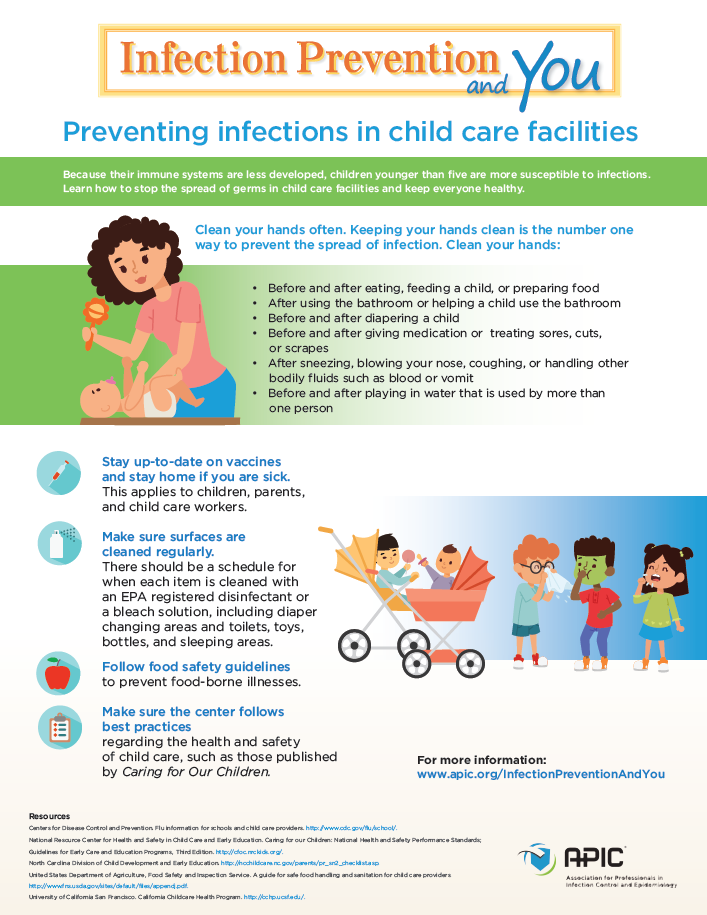
Click image to view the whole infographic. Source Medicalxpress
If you think only elementary schools are dirty, think again. Colleges and universities have a high rate of cross-contamination as well. An effective hand hygiene program has ripple effects across generations. Compliance with hand hygiene is at 58% among elementary kids. Only 28% of girls and only 8% of boys use soap.
The responsibility of hand washing awareness is shared. Good hand hygiene reduces absenteeism, costs of infection and other associated costs. A family-centred approach works best. With the rise of social media, we can use edutainment to educate the community.
4. Hand Washing Keeps Your Immunity High
The body is an efficient machine. The immune system does a great job of self-regulating. That’s unless it’s hindered by things like allergies, autoimmune diseases or medication. Healthy habits increase your immunity. They include:
- Eating a diet rich in vegetables and fruit
- Frequent exercise and movement
- Reaching and maintaining an optimal BMI
- Get between seven and nine hours of sleep daily
- Reduce your stress levels
When washing your hands, all you need to protect your immune system is soap and water. Antibacterial soap is unnecessary since it can lead to microbial resistance bacteria. Scrub for at least 20 seconds with soap and you are good to go.
Have you noticed that it’s hard to find a hand dryer in medical facilities? This is intentional. Avoid hand dryers because they blow germs into your face and all over the room. The best way to dry your hands is to rub them with a paper towel that you can immediately dispose of.
Wash your hands often to stay healthy. This isn’t just after visiting the washroom. You touch surfaces and people throughout the day; it is important to disinfect your hands when you get the chance. That is the key to good hand hygiene.
5. Hand Washing Fights the Spread of Epidemics
At the workplace, stop the spread of the virus through concentrated hygiene measures. Hand washing is your biggest ally in keeping infection at bay. Some of the measures include:
- Keeping a stash of cleaning and hygiene supplies like tissues and soap
- Cleaning frequently touched surfaces and items like door handles, phones and keyboards
- Training people to handle each other’s work in case they have to go home and self-quarantine
When a colleague gets sick, allow them to go home as soon as possible. They may cough into a tissue or their elbow, but how many people wash their hands afterwards? There is a high risk of cross-infection, so prevention is your best plan. The droplets spread easily, and a contaminated surface can infect many people.
Your immunity is vulnerable in aeroplanes and hotels. Bring sanitising wipes to clean all the surfaces you’ll need to touch. Conde Nast travel recommends using alcohol wipes to wipe your hotel phone, desk and remote. Wash your hands to ensure you’re safe.
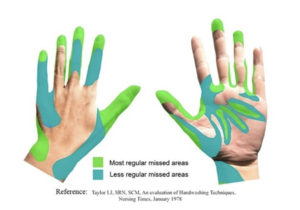
Source Twitter
In public places, surfaces like elevator buttons and gas pumps can cause cross-contamination. Avoid touching them as much as possible or use an antibacterial wipe to handle them. Any place with crowds has the potential to spread infections. Avoid them as much as you can.
Hand Washing Battles the Rise in Antibiotic Resistance
A rising threat to global immunity is antibiotic resistance. Hand washing solves this by reducing the occurrence of respiratory and gastrointestinal diseases. Antibiotics are often wrongly prescribed for these preventable conditions. Reducing the number of infections decreases the need for antibiotics. Overuse of antibiotics is the leading cause of resistance.
Hand washing prevents the spread of disease by antibiotic-resistant bacteria. It gets expensive to treat conditions that are resistant. Proper hand washing education can save lives and money for our economies.
The flu is preventable with a conscious choice to keep hands clean. It slows down epidemics, reduces self-infection and increases your immunity. As a manager, it is your responsibility to keep your workers safe. Fight the flu before it gets to you and your family.
Photo: Gentle07
6 Ways to Prevent Contracting the Flu
Protecting yourself from the flu begins with a basic understanding of the flu and its symptoms.
The flu is a common respiratory infection.
It affects millions of people around the world every year.
The flu begins with a viral infection with mild to severe symptoms.
Common flu symptoms include:
- A fever
- Body aches
- Runny nose
- Sore throat
- Coughing
- Fatigue
In many cases, these symptoms will improve within a week. Most people will recover completely without any serious complications.
But, older adults with weaker immune systems might develop serious complications like pneumonia. Up to 85 per cent of flu-related deaths affect people older than 65. Medical intervention for older adults with the flu can save a life. They need immediate medical attention once they start presenting flu-like symptoms.
Practical Measures to Protect Yourself From the Flu
During the flu season or a respiratory infection outbreak, you need to protect yourself.
There are different protective measures you can take before and after exposure to the flu virus:
1. Stay Away From Crowded Spaces
If you can, stay away from crowded spaces. Limit your contact with people as much as possible.
This will reduce your chances of getting in contact with an infected person.
Some of the spaces to avoid include:
- Local government facilities and offices
- Hospitals and other medical centres
- Schools and other learning centres
- Public transport facilities and hubs
- Health and fitness facilities such as the gym
- Religious centres and gatherings
- Stadiums and large spotting venues
How to Protect Yourself While in Public
Since you cannot avoid these places entirely, make sure you protect yourself in public.
You should:
- Avoid touching surfaces and objects other people touch regularly, such as the rail on a staircase.
- Do not shake hands, hug or kiss people you meet. If you must exchange pleasantries, limit it to a handshake and wash your hands as soon as possible.
- Whenever possible, keep a safe distance between you and other people. For example, you can choose to sit at the back of the bus to avoid people.
- Wear a face mask if you are sick, have a weak immune system or are currently treating another respiratory infection.
- Pay attention to your surroundings. If you see anyone coughing or sneezing, keep your distance.
2. Practice Safe and Regular Handwashing
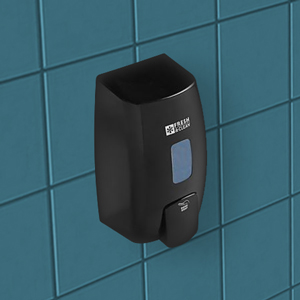
Efficient and convenient first defense Soap Dispensers
The flu virus, like most other respiratory viruses, can live on hard surfaces for up to 24 hours. The virus can enter your body through your eyes, nose or mouth if you touch your face with contaminated hands.
Since you are likely to touch your face several times in a day, get into the habit of washing your hands regularly.
This is especially important if:
- You are eating or preparing food.
- Taking care of children.
- Working with the sick or the elderly.
- Are in constant contact with strangers, such as working as a receptionist.
If you cannot access a sink with water and soap, make sure you always have a bottle of hand sanitising gel with you.
You can use the hand sanitiser after shaking hands or when handling commonly touched surfaces, such as doorknobs.
While hand sanitiser can play a role in reducing the rate of infection, it is not as effective as handwashing.
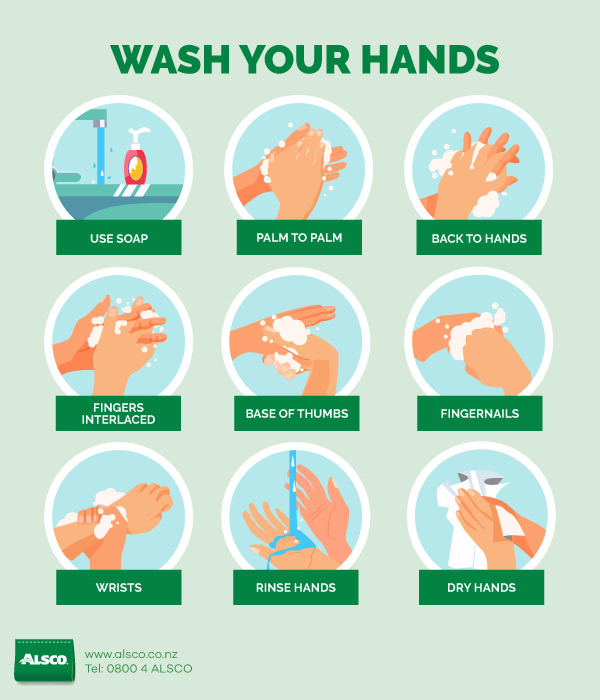
Proper handwashing techniques include:
- Using soap and water.
- Washing your hands under running water.
- Spending at least 20 seconds washing your hands. You can time yourself by singing the happy birthday song twice.
- Drying your hands with a clean towel or dry, disposable tissues.
If you have the flu, you can protect others by coughing into a tissue or your elbow. This reduces the risk of you infecting others around you when you shake hands.
3. Boost Your Natural Immune System
A strong immune system is more resistant to the flu virus. It will help your body fight off the infection and any related complications.
If you get infected, a strong immune system will reduce the severity of your symptoms. It might even help you recover faster.
There are some habits you can develop to strengthen your immune system, for example:
- Make sure you get enough rest by sleeping for seven to nine hours every night. Sleeping allows your body to produce cytokines, a protein targeting inflammation and infections. Cytokines strengthen your immune system. They give your body the ability to fight viral infections.
- Create a physical exercise routine. You can start with 30-minute sessions at least three times a week. Physical activity increases blood flow within the body. This allows white blood cells (in charge of fighting infections) to travel through your body faster.
- Add more fruits and vegetables to your diet. They contain vitamins and antioxidants, which promote good health and support the body’s immune system.
If you have a low immune system, talk to a medical professional. Your doctor will recommend multivitamins to support your natural immune system.
4. Ask Your Doctor for a Flu Vaccine
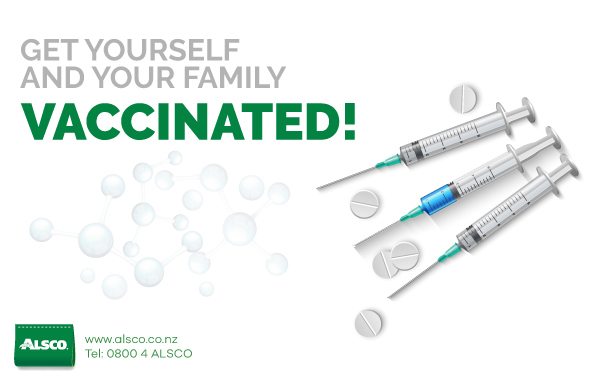
Make sure you get your annual flu vaccine. The dominant flu virus changes every year, thus, you need to update your vaccine annually.
Getting your annual shot reduces the risk of getting the flu by 40 to 60 per cent.
Schedule your vaccine in mid or late autumn. This gives it enough time to kick in and protect your body. It can take up to two weeks to become effective.
If you are over 65, talk to your doctor and ask for a higher dose of the flu vaccine. The doctor will assess you and give you the right dose for your immune system.
In addition to the flu vaccine, ask your doctor for pneumococcal vaccines. They protect the body against pneumonia and meningitis.
Advantages of Getting the Flu Vaccine:
- It reduces the chances of getting the flu or flu-related illnesses. In some cases, it can also protect you from viruses similar to the flu-causing viruses.
- It lowers the chances of children and the elderly getting hospitalised for the flu.
- The flu vaccine serves as an important life-saving measure. It can make a big difference for people with pre-existing health conditions.
- It keeps pregnant women out of the hospital during and after the pregnancy.
- If you still get sick, it significantly reduces the severity of your symptoms.
Getting the vaccine protects you and the people around you. You should prioritise it if you come into contact with children, the elderly or sick people.
5. Make Use of Disinfectants
Hand Sanitisers eliminate microbes within seconds.
Clean and disinfect all shared spaces to reduce the risk of infection.
If you or someone around you has the flu, keep them secluded from everyone else.
You can use disinfectant wipes to:
- Wipe the keyboard on your computer and desk at work. This is especially important if you work in shifts and share your work station with others.
- Use a disinfectant on commonly touched surfaces such as doorknobs and remotes.
- Clean the spaces designated for the sick. Make sure any caregivers getting into these spaces wear masks and gloves. This will stop the flu from spreading.
6. Consult Your Doctor if You Have Flu-Like Symptoms
In most cases, the body can fight the flu. There is no cure for the flu-causing virus. Doctors will only give you medication to manage the symptoms and boost your immune system.
Even so, it can lead to serious complications in children and people over the age of 65.
Visiting the doctor early can help you manage your symptoms. This helps doctors test for related infections and treat them early.
Going to a doctor within 48 hours of the infection can help you get an antiviral. The antiviral will help shorten the duration and severity of the flu. This reduces the risk of complications and hospitalisation, which can lead to death.
The Most Important Preventative Measure
In most cases, you can manage the flu with a strong immune system.
Still, the flu poses a serious health risk to the elderly and sick around you.
You have a responsibility to protect yourself and those around you.
Always take advantage of handwashing stations around. Cleaning your hands regularly is the best way to avoid spreading the virus.
Alsco NZ offers a wide variety of handwashing and hand sanitising solutions you can use in your workplace.
If you are committed to preventing the spread of the flu, you can contact Alsco NZ for these and other sanitation solutions.
Photo: Freepik
6 Main Issues With Conventional Urinals and Easy Ways to Resolve Them
Urinals were once famously dubbed vespasiennes by Parisians. The first vespasienne appeared in Paris in 1834.
The name is derived from that of the Roman emperor Vespasien, who, according to legend, imposed a tax on urine for use in tanning.
They doubled as both urinals and advertisements stands!
As one of the earliest models of urinals, they were not without error.
We can only imagine how terrible the stench must have been for reforms to fall into place.
Now, you must understand that this was a generation in an age accustomed to chamber pots in bedrooms.
It is worth wondering what happened to the poor trees in Palais-Royal gardens from all the urine they took in.
So, what do they have in common with conventional urinals?
Well, let’s find out…
6 Main Issues and Their Solutions
Urinals are designed to last for decades.
Most problems are then derived from the plumbing, odour and external fixtures.
San Francisco grabbed the headlines in 2011 for… can you guess?
Smelling unpleasant.
The smell was traced back to low-flow toilets, which guides us to our first problem…
1. Low Flush Pressure
Because conventional urinals use water, they have flush valves installed at the top of the urinals. They are either controlled manually or by sensors.
Sometimes a lot of water goes to waste because of the timer system involved.
Consider upgrading your plumbing with PVC pipes, which are better for handling the minimal flow of newer toilets.
It is also important to note the current state of your pipes. Older cast-iron pipes could be troublesome when handling the low-flow. A pressure-assisted toilet is designed to enhance the flush with pressurised air in the toilet tank.
Caution: Pressure-assisted toilets are more expensive and noisier, which may be an issue for a bathroom adjacent to a bedroom, but they typically require less maintenance.
Take note that it would be wise to avoid also using chemical in-tank cleaners. Their corrosive nature is bound to deteriorate toilet apparatus.
They also lower the effectiveness of the water, interfering with flushing speed and strength.
This is an easy repair that can be performed by building engineers. However, there should be a regulator that can be adjusted to release more water.
2. High Flush Pressure
Then what should you do in the opposing scenario?
High flush pressure is dangerous because of all the germs that get to traverse your washroom and re-create their own adventures of Phineas and Ferb.
Simply put, germs thrive in stagnant water that sits in your toilet.
That environment is highly conducive for bacteria, and when the toilet is flushed, water can spray onto nearby surfaces, including the flush valves, walls, etc.
Follow the same aforementioned steps, but this time, turn the regulator so that less water is released.
In both cases, over time and with use, regulators may need to be adjusted. In some cases, the entire flush device may need to be replaced.
When replacing parts, try to find the original manufacturer’s equipment rather than secondhand parts.
The extra cost and effort are beneficial in the long-run, as some after-market parts do not work properly.
3. Odour Control
Smells and blockages are caused by the buildup of uric salt, body fat and limescale in waste traps.
As your urinal fixtures age, odours can develop in your washroom that could lead to overflows and flooding, which in turn can cost you time and money for repairs.
The causes of odours are usually easy to rectify but can take some time to identify.
The first step should be to find the source of the odour and make sure it really is related to the urinals in the washroom.
Sometimes it is easy to assume the origin of certain odours.
Large buildings that have a lot of open spaces could have smells emanating from one washroom and have it noticeable on other floors.
More often than not, urinals are not smelly, and this is because the cleaners are using appropriate cleaning chemicals and doing their job properly.
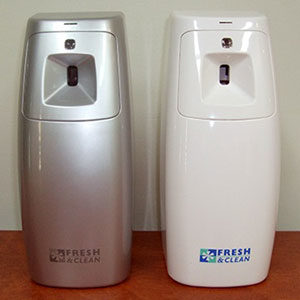
Install our amazing wall-mounted Air Fresheners in your washroom
Key signs of inadequate cleaning include brown stains underneath the urinal bowl, especially around the traps, and stains at the back of and underneath the urinals.
Alsco New Zealand offers odour control services that can easily help you maintain your washroom standards.
While the Alsco Auto Sanitisers are great to combat odour-causing bacteria, your Air Fresheners are the cherry on top by improving the air quality of your washrooms.
The two work best in combination to provide the ultimate hygiene experience!
Alsco also has a managed rental service. We install, maintain and replace dispensers on a schedule that is flexible with your preferences.
4. Flushing Difficulties
Since gravity can only do so much with the little water present in pressure-assisted flush toilets, they use pressurised air in the tank to push the water into the bowl more forcefully.
This makes up for the low water levels.
Australia is home to dual-flush toilets, which have options: you either push one button for flushing liquid waste or another for solid waste.
Caroma first introduced the dual-flush system to help reduce water waste and they made it efficient too!
How pervasive does it feel when a urinal does not flush?
When this happens, there could be an actual break in the piping leading to the urinal.
Sometimes, it is caused by a malfunction of some sort in the flushing mechanism, whether manual or automatic.
Most problems can be avoided by only using the toilet for its intended use.
Paper towels and other kinds of trash aren’t to be dumped in high-efficiency toilets: they are not designed for it.
This should be made common knowledge in high-traffic buildings (schools, stadiums, malls and many others) to save on maintenance costs.
5. Backed-Up Drain
When the water does not drain in a urinal, the problem can vary. It could be a simple issue relating to a clog in the urinal internal drain.
Or a complicated problem meaning the plumbing drain line may need to be snaked.
If you have unsuccessfully tried to clear your clogged drain with a plunger before, then a drain snake is your next best option.
This is the act of getting a clog to move out of your pipe so that your utilities will drain without problems.
It would be wise to also check the vet stack regularly for cleanliness.
They are designed to release sewer gases. This is usually via the roof of a facility and to provide air supply so the fixtures work correctly.
A plunger can be used to clear any debris that may be lodged in the drain hole.
If clearing the urinal drain holes does not fix the problem, you will want to check the main drain line for blockages.
Calling a plumber to oversee these tasks is best.
6. Strange Noises
As pipes age, the metal begins to fall apart in little flakes from the inside. Old buildings tend to have old pipes.
If you have ever flushed a toilet and heard strange noises, it probably came from sediment or obstructions in the waterline. You can relax.
These metal flakes can easily find their way into the nylon hoses used for sinks, urinals and toilets through the water pressure when it is flushed.
If these lines get blocked, the water flow to the toilet will be at a slow crawl, followed by backwater pressure noises until the lines are unclogged. This could sound like the beginning of a horror movie.
This urinal repair requires you to turn off the main water line and clear any iron peelings and residue from the pipes that bring in water.
What’s Next?
If your washrooms are high-traffic areas, you are bound to encounter some of the challenges mentioned above.
Focus on creating an environment that allows you, your staff and potential guests to have a pleasant experience.
When you invest in conventional urinals, invest in the training and education that equips your staff to care for them correctly.
Remember to also schedule deep cleaning from experts who will thoroughly clean every corner of the washroom.
The right supplier will make this a no-brainer. Choose an affordable but reliable partner like Alsco NZ.
Photo: Daniel Hamilton
4 Sure-Fire Ways to Keep Your Workplace Fragrant
The sense of smell is one of the strongest in the human body. Did you know that it’s linked to our memory and perception? That’s right! Humans first have an emotional reaction to scent and then identify it shortly after.
Paying attention to details in a workplace is mandatory. Few workplace managers know this, but that’s why high-ranking businesses stay at the top.
So, why does workplace odour matter? For one, smells in the office can either make or break your business reputation.
There are many scientifically proven benefits to maintaining a fragrant workplace environment. Let’s have a look at them:
- Reduces the frequency of typos made by workers
- Increases client’s intentions to buy products/services
- Influences longer office visits from suppliers
- Boosts the perception of service quality
- Increases clients’ willingness to pay for products
Why not enhance your customer experience today? You’re in the right place. These tips from your local experts are the best-proven ways to end workplace odours fast.
Freshen up Your Office Washrooms
Washrooms are the number one culprit of emanating malodour. Without proper care, the bad smell diffuses into workspaces. As a result, employees feel uncomfortable. Nobody likes obnoxious smells, so this affects their morale and concentration levels.
Do your office washrooms often smell? There are several possible reasons why:
- Poor ventilation systems
- Unclean toilets and urinals
- Clogged drain pipes
- Improper cleaning methods
- Low-quality cleaning products
If any of these occur in your washroom, it’s time to turn things around.
Install our amazing wall-mounted Air Fresheners in your washroom
Begin by ensuring there is always good air circulation in your washrooms. This is as simple as opening up the windows to let the clean air push the bad air out.
If your washrooms have vents, see to it that they are free from dirt that could spread in the air.
Don’t underestimate the powers of good air circulation:
- Washrooms become less humid.
- Fresh air is nature’s odour control method.
- Stagnates the growth of mould spores.
On top of that, contact the best local supplier of automatic air fresheners. Place them in strategic areas to release a burst of scent every few minutes.
The best part is you don’t need to worry about them running out. Servicing these air fresheners occurs every eight weeks and you don’t have to lift a finger.
To supplement this, verify there is regular cleaning of your workplace washroom. Make biological treatment a priority to extend the washroom’s long-lasting fragrance.
Your employees’ enjoy this as the service disinfects washrooms, leaving them sanitary.
Say goodbye to clogged drains and bacteria build-up. This treatment is the answer to all your washroom problems.
Stagnant water attracts flies and generates bad smells. These aren’t a good look for your office washroom, so purchase wet area mats as well.
They play a key role in absorbing splashbacks and minor water spills. Not to mention they provide a strong grip on your employees’ shoes. Make slip-and-fall accidents a thing of the past.
Create a Break Room
Hand Sanitisers eliminate 99.99% of bacteria and efficiently prevent their spreading around your workplace
Otherwise known as a lunchroom, this is a space in the office set aside for having meals and drinks.
To some managers, this may appear as an extra expense. Worry not, for this is a great investment.
Without an appropriate room, your employees may have no choice but to eat in the office workspace. When this happens, bits of food fall all over the work equipment, attracting ants.
Other than that, pungent smells from food and drinks stick onto cloth fabrics and linger in the air for a long time.
How can you go about this? Begin by opening up space with fresh air for your workers to take short breaks. Fit seats and tables onto a patio or balcony away from the workspace. This prevents them from eating at their workstations.
After handling food, the smell sticks to their hands. Without cleaning them, your employees spread the odour from one place to another.
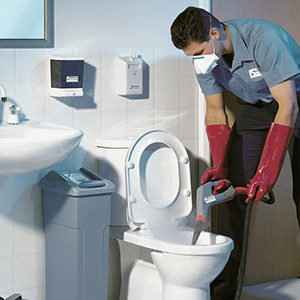
Alsco’s Deep Clean Services eliminates all mould, mildew and fungi.
Thus, after breaks and in-between working sessions, encourage the use of hand sanitiser. Provide them at the entrance of the breakroom and common hallways.
Plus, consider incorporating scent diffusers into workstations. They release scents of natural oils and improve the productivity of your employees.
Over and above, the break rooms and workspaces remain immaculate through deep cleaning. This eco-friendly process gets into the nooks and crannies of your office. As a result, there’s no stubborn filth that contributes to general malodour.
There’s no way bad odour will survive these thorough efforts.
Empty the Rubbish Bins
Bins are notorious for harbouring bad smells. Failing to attend to this waste causes the production of enzymes that produce malodour. So, without proper hygiene maintenance, bins can discourage visitors from your office.
The best way forward is to take the trash out at least twice a day. This stops the various forms of litter from creating a cocktail of smells in your office.
Thereafter, clean the bins and dry them to get rid of the residue that may have stuck to the interior surfaces. This is best done using a pressure washer to get rid of dirt stuck at the bottom.
This should be done with gloves on to prioritise the health of your cleaning staff. After this, ensure you line each bin with a fresh garbage bag.
Moving forward, confirm that each bin has a cover. This prevents unpleasant odours from slipping out.
Do this for both deskside bins and centralised bins to upkeep a tidy workplace image. They each play a part in keeping your workplace clean.
Follow this rubbish recycling and disposal guide to care for waste the correct way.
Wipe Down Surfaces
Accidental spills make workplace exteriors sticky. Without proper care, they emanate unpleasant smells.
The wrong kind of cleaning products doesn’t solve this problem. Hence, clear your supply closet and fill it with exemplary hygiene products.
These effective chemicals verify that your surfaces remain fragrant and stain-free. You can upkeep the office’s hygiene standards with ease.
Anti-bacterial products stun the growth of harmful enzymes that cause malodour.
Pour a small amount onto a wiping cloth and wipe the office surfaces. After allowing the product to settle, rinse it off with a damp cloth for the best results.
Over and above, verify that you clean your office carpets too. Dirt and food crumbs are not a pretty sight. The fabric harbours these materials and makes the office appear unkempt.
Image is everything in business, so see to it that the workplace carpets are clean at all times.
Here are a couple of effects of exceptional carpet maintenance:
- Enhances the quality of air
- Proper maintenance extends carpet life
- Prevents the growth of harmful bacteria
- Improves employee productivity and morale
- Maintains a clean office image
- Upkeeps carpet quality
Let Alsco Assist You
“…took care of all our requirements, in one hit, fantastic!” — Miranda Sage, Administration and Marketing Manager, Delta Stock Crates Ltd.
As trusted workplace hygiene providers, Alsco New Zealand always fulfils your office needs. In an instant, your workplace benefits from professional, honest and reliable expertise.
Are you ready to set the mood for productive business operations? If so, leave the dirty work to the experts and enjoy our high-grade products and services. Through the company’s rental services, managers don’t need to worry about hygiene matters.
Call us today to take your workplace fragrance to the next level.
Photo: Pexels
4 Fascinating Ways to Deal With Washroom Odour
Taking care of your workplace washroom is a necessity. By doing so, you protect your staff from health risks, such as infections.
Above all, you also keep the environment smelling clean and fresh.
It’s no secret that bad smells may repel clients, suppliers and visitors from your business.
It deters them from stepping into your washrooms, making them search for a cleaner option.
This shouldn’t be the case.
So, how can you deal with workplace malodour?
Doing it on your own can be difficult, which is why there’s the option to hire professional assistance. This is how top-ranking businesses stay ahead of the game.
Taking the needs of your staff into consideration ensures they remain loyal.
These four brilliant tips will help you tackle bad washroom odour in no time!
Use the Best Urinal Products Available
The key to maintaining a constant fragrance is by using high-grade cleaning products.
For starters, purchase urinal cakes.
Did you know the term ‘’urinal cake’’ originates from Benjamin Franklin? While using the Franklin stove, John Hancock knocked cakes into a urine pot, which absorbed the smell. Imagine that!
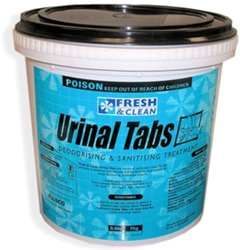
Today, they protect urinals from lingering odours and the accumulation of bacteria. These perfumed urinal blocks come in tabs to retain the product quality.
Below are instructions on using urinal cakes:
- Open the pail packaging.
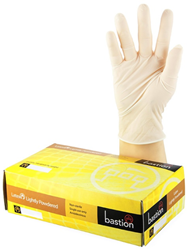
- Wear gloves and take one tab out.
- Place the blue cake at the bottom of the urinal.
- Re-seal the packaging and store in a cool, dry place.
[b3_row]
[b3_column lg=”4″ md=”12″ sm=”12″ xs=”12″ ]
[/b3_column]
[b3_column lg=”4″ md=”12″ sm=”12″ xs=”12″ ]
[/b3_column]
[b3_column lg=”4″ md=”12″ sm=”12″ xs=”12″ ]
[/b3_column]
[/b3_row]
Also, these tabs comprise of dichlorobenzene, which keeps insects away from your closets and washroom urinals.
The heavy-duty tab deodorises your urinal for up to 30 days. After this period, it begins to dissolve and the fragrance diminishes. Such visual indicators are great reminders to replace the cake with a new one.
What’s more, invest in urinal screens. Place this thin and round product above the cake block.
It contributes to odour control and doubles as a preventative measure to stop debris, such as chewing gum, from clogging urinals. As a result, it offers an effective means to keeping your workplace urinals free-flowing.
Remember to replace the urinal screen every 30 days.
Ensure There Is Adequate Washroom Ventilation
Ever wonder why your washroom is stuffy? Well, poor ventilation is a popular cause of musty washroom smells. This keeps the bad odour in and makes your workers feel uncomfortable.
The best way forward is to keep your washroom windows open at all times. Fresh, outside air flows into the washroom and diffuses any bad smells.
Great air circulation also prevents a humid washroom environment. With better humidity control, your workplace washroom will no longer get stuffy. In turn, this creates a pleasant washroom experience.
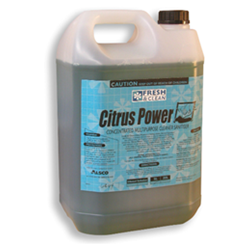
Along with that, the growth of washroom bacteria minimises. Harmful bacteria that cause infections and sore throats are common in high-traffic washrooms. In a cool environment, they are less likely to thrive and harm your employees.
Do you have mould in your washrooms? This is also brought about by having a humid washroom.
To stagnate its growth, keep your washroom humidity levels to less than 50%. This lowers the chances of your workers contracting respiratory illnesses.
You can also reduce mould spores by scrubbing surfaces with exceptional disinfecting products. Together, these efforts free your washroom from common bacteria and fungi.
Last but not least, for all the above to happen, you need to maintain functional air vents.
Clean them often to prevent moisture retention. This guarantees the air flowing into your washroom is safe.
Flush Your Urinals
It’s easy to underestimate the benefits of flushing. This shouldn’t be the case.
Flushing toilets and urinals can either make or break your workplace washroom.
For one, it improves sanitation.
Washrooms have as much foot traffic as the workspace, meaning it’s imperative to keep them clean. Regular flushing eliminates leftover waste and germs from the interior of urinals.
Flushing also terminates pungent smells. The swirling water distributes the smells up into the air. Free-flowing air from open washroom windows carries the bad odours up and out of the washroom.
Do you need to supervise urinal flushing? No, you don’t.
With an automatic flushing system, all you need is to activate the sensor and it flushes on its own.
An auto-flushing system is:
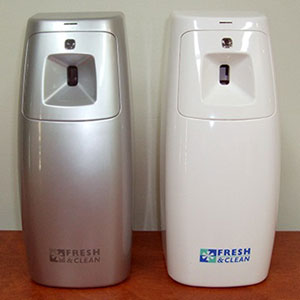
Install our amazing wall-mounted Air Fresheners in your washroom
- Economic. They are pocket-friendly and consume less energy than traditional means of flushing.
- Cleaner. Flush handles are a common touchpoint. Eliminating physical contact reduces the risk of germ transfer.
- Easier to use. All you need to do is stand nearby the sensor and it activates the flushing mechanism.
- Eco-friendly. When the sensor isn’t active, the urinal doesn’t flush. This prevents an unnecessary waste of water.
Over and above, let the professionals install automatic air fresheners in your washrooms.
With delightful scents to choose from, these air fresheners subtly release their scent. They keep your washrooms fresh-smelling at all times.
No need to worry if they run out, as there’s regular servicing every eight weeks at your convenience.
Clean Your Urinals Well
Splashbacks are a common urinal incident. They are notorious for staining washroom floors and attracting insects.
But, with outstanding cleaning products in your possession, there is no need to panic. These products serve to cut sticky stains.
Use these products to wipe down your walls, floor tiles and urinal exteriors. Rinse the surfaces to leave them sparkling and perfumed.
Remember to include wet-area mats near urinals to absorb waste that may splash over. These are a high-quality solution to your stained floors.
Without any hassle, these mats are tailored to fit your workplace washroom needs. For a single annual fee, your worries of dirty and worn-out mats are long gone, leading to a sanitary washroom.
Take the Next Step
It’s important to have professional cleaning services that provide deep cleaning and biological treatment services. These eco-friendly processes disinfect hard-to-reach washroom areas, keeping them free from grime.
That being so, give your washroom the five-star treatment it deserves. Contact your local experts today and liberate your urinals from clogged drains.
Through the use of our green products and processes, you are sure to enforce your company’s values. From this, you attract similar-minded business partners and clients.
So, what are you waiting for? Get a fast and free quote from Alsco New Zealand today!
Photo: WikiMedia
The Ultimate Guide to Workplace Washroom Urinals
Most business owners have scarce knowledge of their workplace washrooms.
First, did you know that employers should follow national health and safety guidelines? These are policies guiding workplaces on washroom facilities and health standards.
So, keep yourself up-to-date with workplace matters to understand your obligations better.
Urinals can be a problematic aspect of a washroom. Although they may appear like any other washroom necessity, there’s still a lot to learn.
Workers spend large amounts of time in washrooms during a work day. Urinals often emanate malodour and provide a home for bacterial outbreaks.
Without thorough hygiene knowledge, you expose your employees to an unsafe working environment. As a result, they are unable to work well and continue with projects.
Without appropriate urinal hygiene awareness, your business stands a chance of suffering losses. Focusing on important details helps sustain the high-grade status of your workplace washroom.
The best way forward is this informative guide below. It is the best way to begin your urinal transformation journey.
What You Need to Know
To begin with, you need to understand where urinals originate from.
Contrary to popular belief, a woman is believed to have come up with the first urinal invention in the 1800s. Yet, she couldn’t get a patent. So, in 1886, Andrew Rankin received the first urinal patent with her help.
Today, urinals exist for both men and women. By installing both toilets and urinals in washrooms, there is gender inclusivity.
Let’s have a look at the different types of urinals.
First, there are male urinals, which are more popular.
There are three main types of male urinals:
- Trough Urinal
- Bucket Urinal
- ‘’Wee-Against-the-Wall’’
Today, these designs are tweaked to form the basis of the variety of male urinals that exist. As a result, it’s easier to design urinals to fit your washroom decor and accessories.
Though female urinals are scarce, they are a fast-growing trend in the market. This survey concludes that 23% of women believe they minimise health risks.
The first designs for female urinals began to emerge in the 1900s. They borrow features from male urinals.
The three popular female urinal designs are:
- Lady P
- Lady Loo
- Girly
How will you know if female urinals are what your workers need? That’s easy.
Take their opinions into consideration through questionnaires. By doing so, female staff can express themselves about which washroom facility they prefer.
Either way, it is best to provide both toilets and urinals in workplace washrooms.
How many urinals and toilets do you need to make your employees comfortable? To get a rough idea, use this toilet calculator. It determines the number of washroom facilities according to building capacity.
Besides that, the Building Code requires workplaces to have enough washroom fixtures. This includes washroom facilities for persons with disabilities.
Here are the general requirements for the number of urinals:
| User group | Number of occupants | Number of necessary urinals |
|---|---|---|
| Male staff | 1-150 151-550 >550 | 1 2 Add 1 per 450 |
Unfortunately, the code doesn’t include female urinals, but have a look at the number of female toilets you need in your workplace:
| User group | Number of occupants | Number of necessary WC pans | Number of occupants | Number of necessary washbasins |
|---|---|---|---|---|
| Female staff | 1-10 11-50 51-90 >90 | 1 2 3 Add 1 per 60 | 1-70 71-250 >250 | 1 2 Add 1 per 200 |
If you’re looking to buy a urinal, they cost around $60 to $100. They have a lifespan of up to 30 years or longer.
Consider hiring expert plumbing services to install the urinals.
Waterless urinals are a popular go-to design. They save between 57,000 and 170,000 litres of water per urinal, per year. Each fixture takes up to two hours to install.
Here’s a list of local professional plumbers to consider:
Hire Professional Service Maintenance
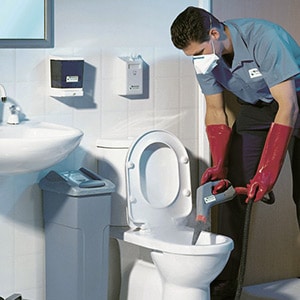
Alsco’s Deep Clean Services eliminates all mould, mildew and fungi.
It’s essential to have a sanitary and well-equipped workplace washroom. Unclean washrooms emit pungent smells and are a breeding place for bacteria.
This research study concludes that there are traces of more than 77,000 types of viruses in these spaces.
When you fail to clean urinals the right way, they attract silverfish, mites and flies. These insects transfer bacteria, creating a major health risk. Their presence makes workers feel unsafe and undervalued.
First impressions are important and they affect how people view your business.
Bugs deter them from visiting your washrooms for fear of getting sick. Don’t let this happen to you.
Exceptional washroom hygiene speaks volumes. That’s why you should rely on your local hygiene experts. Put your trust in skilled professionals to lift the burden off your shoulders.
Purchase urinal tabs that contain a strong chemical. One tab contains urinal cakes to ensure your urinals stay squeaky clean. Replace them every 30 days when they dissolve.
But, what are urinal tabs for anyway?
- Deodorise urinal drains and soaks up pungent smells
- Repel bugs
- Prevent build-up of uric acid
Washrooms are one of the significant workplace facilities. Leaving a positive impression is a piece of cake with regular maintenance.
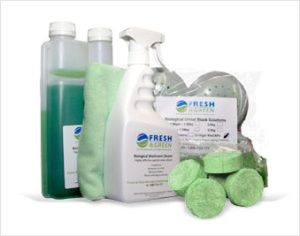
Biological Treatment – intensive cleaning that eliminates all germs
Thus, deep cleaning and biological treatment are noteworthy processes for urinal sanitation.
These revolutionary services produce outstanding results. They leave your urinals fungi-free, and regular maintenance is included in your price. Isn’t that amazing?
Through a four-step process, all the nooks and crannies of your urinals will remain spotless.
As such, conduct these eco-friendly processes quarterly to remove stains and disinfect drains.
Without hesitation, furnish your washrooms with automatic air fresheners to keep them fragrant.
Lay out wet area mats nearby urinals to absorb any splashback that may stain the floor. They comprise of a comfortable material that keeps your workers from slipping. This is instrumental in preventing accidents.
Wash these mats often to rid them of waste and dirt residue. Thereafter, dry them well to prevent the growth of mould.
Enforce Workplace Urinal Etiquette
Poor use of urinals minimises the effects of cleaning and maintenance.
To supplement cleaning efforts, consider encouraging your workers to exercise excellent washroom etiquette.
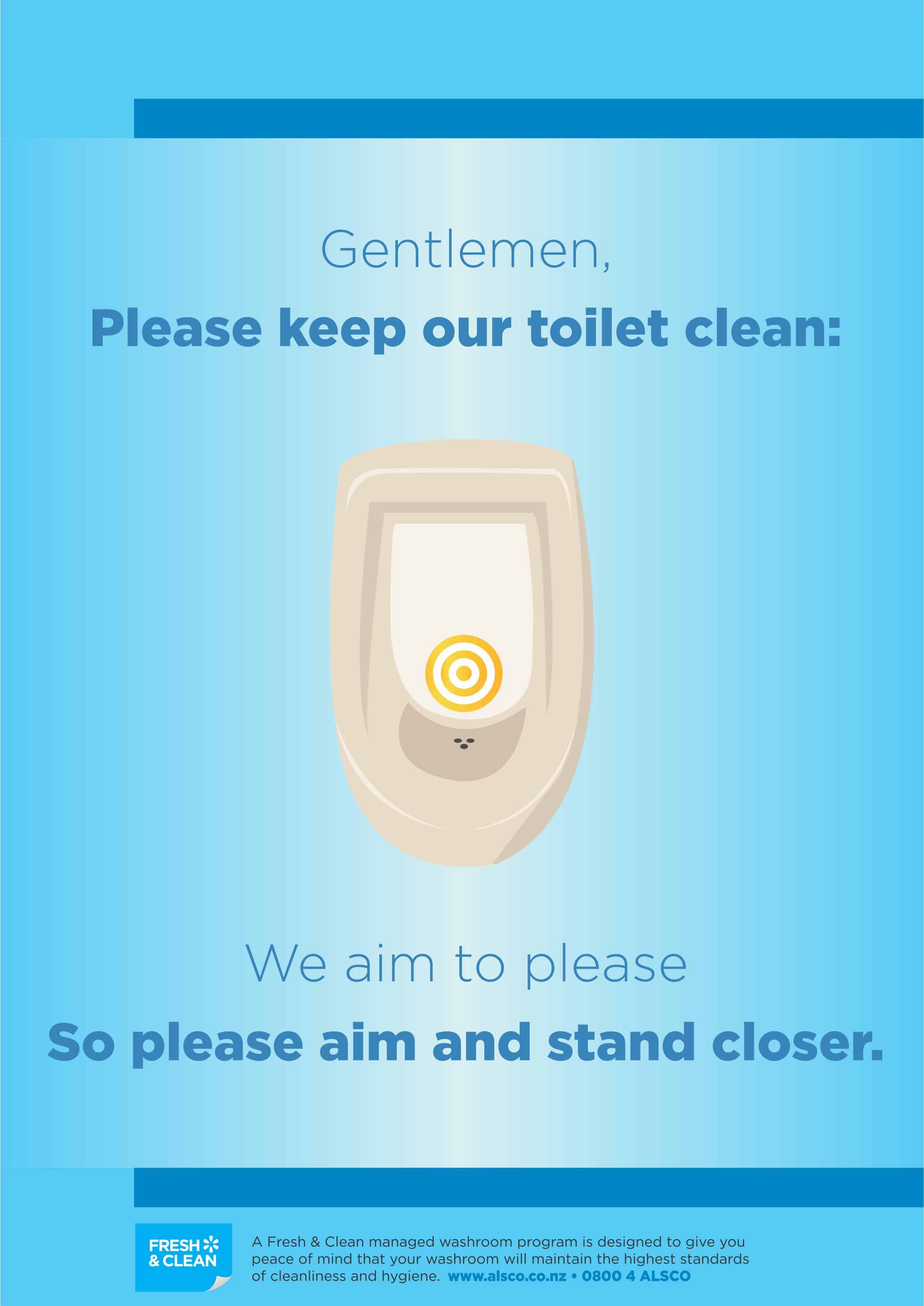
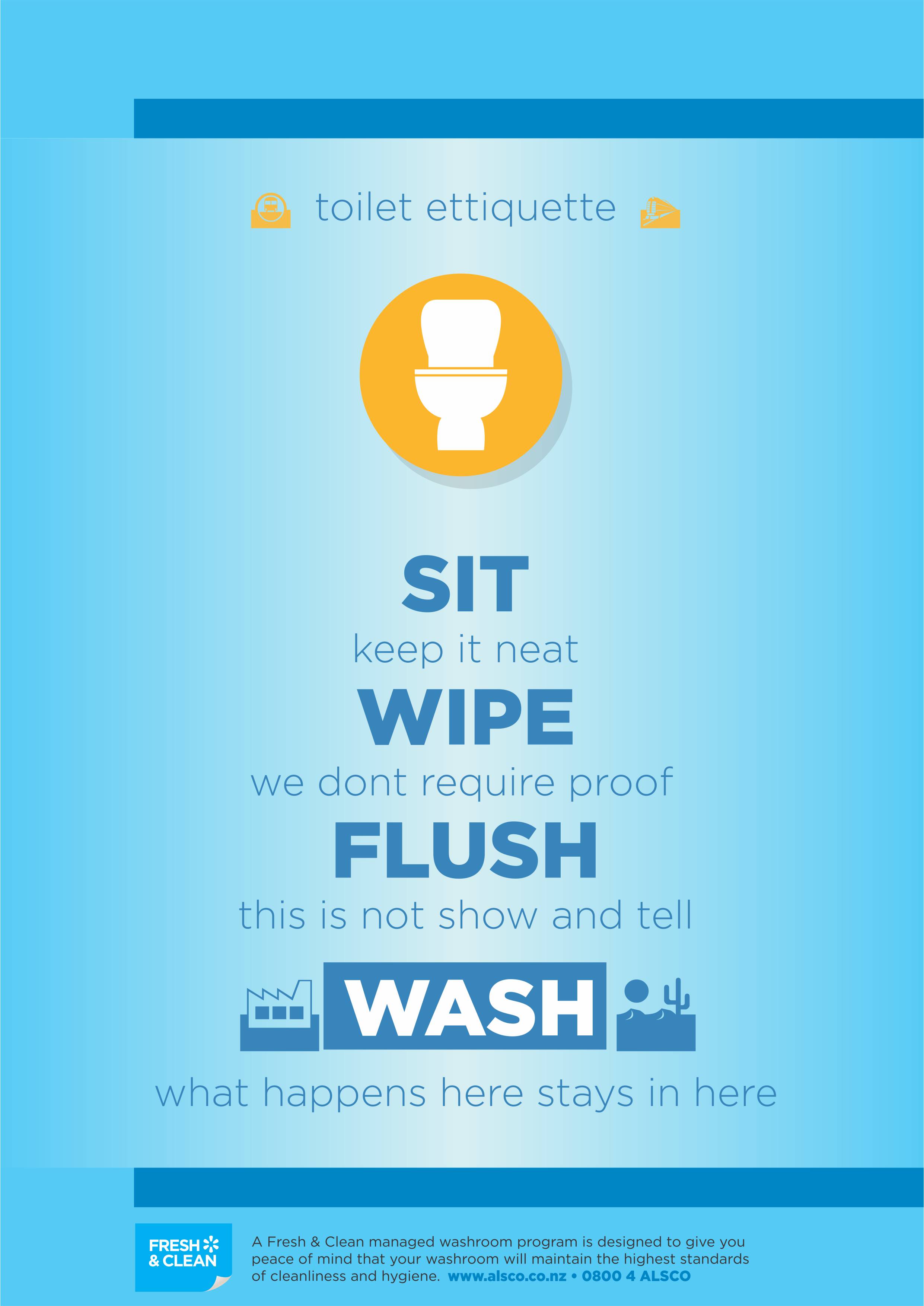
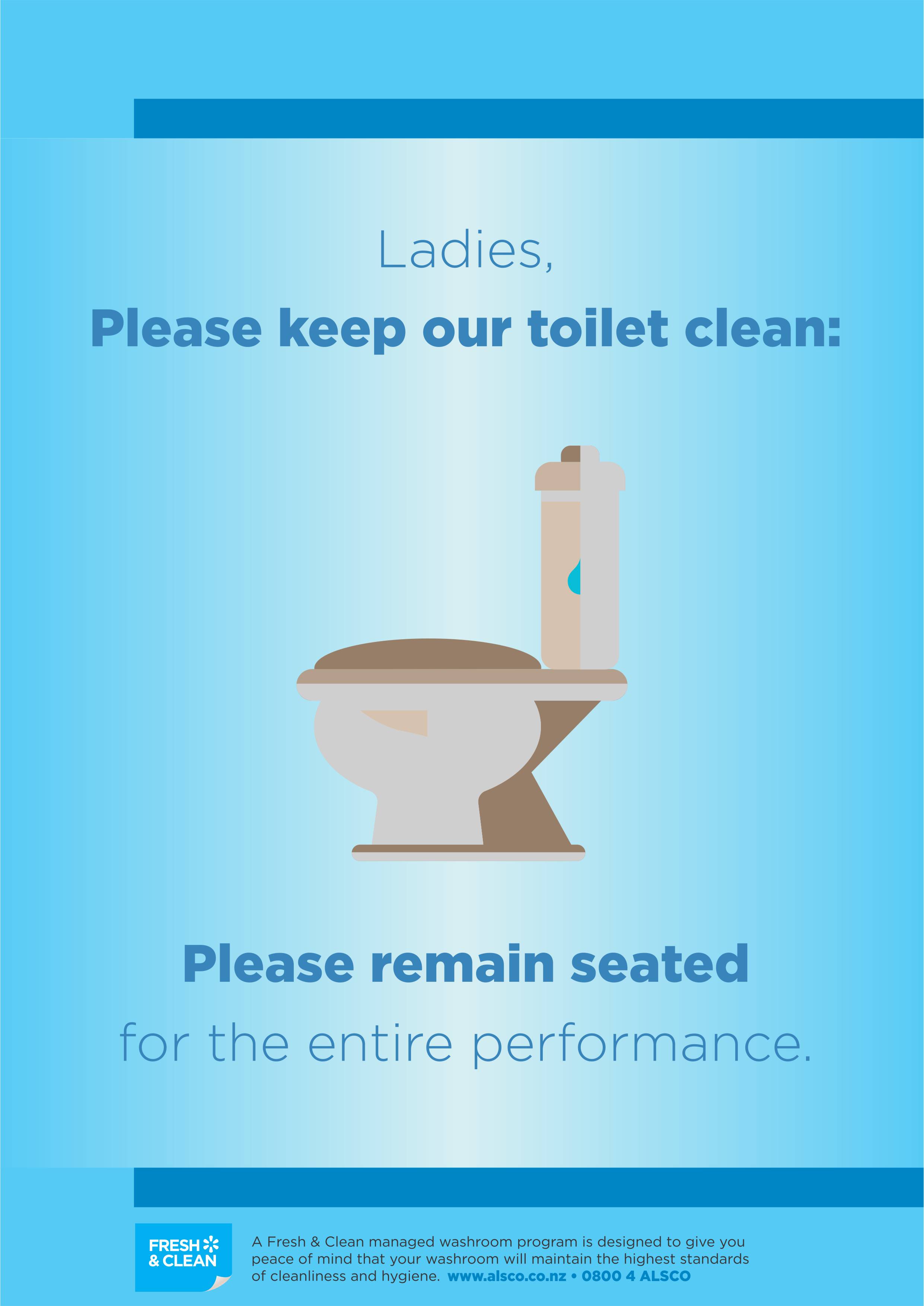
How can you do this? Begin by placing informative posters in strategic areas in the washroom.
[b3_row]
[b3_column lg=”4″ md=”12″ sm=”12″ xs=”12″ ]
[/b3_column]
[b3_column lg=”4″ md=”12″ sm=”12″ xs=”12″ ]
[/b3_column]
[b3_column lg=”4″ md=”12″ sm=”12″ xs=”12″ ]
[/b3_column]
[/b3_row]
For instance, stick them above sinks and nearby the urinal area. They remind workers to leave the washroom as clean as they found it.
They remind your employees of washroom practices that provide a comfortable environment.
With time, this fosters a healthy and positive workplace culture.
Also encourage courtesy flushing after every washroom visit. The rush of water carries the pungent smells away.
Supplement this by conducting frequent urinal etiquette workshops. Inform your employees by displaying appropriate videos and distributing newsletters.
For ideas on what to include in your newsletters, have a look at this list of workplace etiquette do’s and don’ts.
Better hygiene practices lead to fewer sick days and healthier employees. This means they will have more energy to go about their daily duties.
What Are You Waiting For?
Immaculate washrooms are every business owner’s dream. So, why shouldn’t your dreams come true?
With Alsco, all your dreams can become reality. With over 27,000 satisfied businesses in New Zealand, they are bound to take your washroom to the next level.
Pay attention to your washroom and establish your core business values. Buy their premium cleaning products and services to open the door to endless success.
Contact Alsco’s experts today, sit back and let them do the heavy-duty work for you.
Photo: Pixabay
Don’t Let Your Money Go Down the Drain: 5 Ways High-Efficiency Water Saving Urinals Can Help You
Daily Show host Trevor Noah believes everyone is at their most vulnerable state when in the bathroom.
That even all the greats have had to use the bathroom and it is the one thing that unites us all.
Do you agree?
If yes, then washrooms must have high-security and biometrics right? Not necessarily.
Your washroom says a lot about you and the way you run your business.
There are a few fundamentals that go into having the best washrooms around. Hygiene, maintenance, and ambience definitely make it to the top of the list.
Buckle up and let’s see if high-efficiency urinals easily work alongside these attributes and save you money.
What Are High-Efficiency Urinals?
Urinals are sanitary plumbing fixtures meant for urination purposes only.
It can take the form of a container or simply a wall, with drainage and automatic or manual flushing. Some are even operational without any water involved, as is the case for waterless urinals.
Urinals come in different designs. The most common urinals are either intended for a single user or provide a trough design for multiple users. They are used in a standing position.
Whereas urinals are generally intended for male use, there are designs for females on the market.
A high-efficiency urinal is a fixture that functions at 0.5-gallons per flush (gpf) (1.9 litres per flush (lpf) ) or less.
The process for flushing the flushometer valve is no different from conventional and ultra-low flush urinals.
It only requires a higher pressure and higher velocity for the supply water and a smaller opening in the midsection of the flush valve.
This is great because it is a threshold that provides 50% less water usage than the current U.S. national standard (maximum) mandated by the U.S. Energy Policy Act in 1992, which became effective in 1994.
There are still more innovative urinals coming into play, and water authorities/designers use this 50% threshold as a measure of their plumbing fixture retrofit programs.
1. Get Your Money Back
If your washrooms experience a lot of traffic (let’s assume you have staff working a five-day week and using the facilities four times a day), can you begin to imagine the water and energy going to waste here?
You can choose to retrofit your washrooms with high-efficiency or even waterless urinals to save on cost.
Retrofitting is the act of modifying equipment that still works using parts that were developed or made available after the time of the original manufacture.
You can choose to put up a full fixture replacement or simply upgrade the valves with flushometers.
There are rebate programs involved when some establishments make the switch to high-efficiency toilets.
For example, the New Zealand Water Efficiency Labelling and Standards (NZWELS) scheme helps New Zealanders evaluate the water efficiency of varied fixtures.
NZWELS-regulated products include washing machines, toilet suites, urinals, showers, taps dishwashers and flow controllers. Retailers must display the efficiency ratings of these fixtures in easy to see areas.
The mandatory labels are available for download in a variety of formats.
Water is not necessarily free. It needs to be processed and delivered before it gets to you.
You are charged by your local utility every time you use water. The greater the demand for water, the higher the cost. By conserving water, you will save money both in terms of the price per unit and the quantity used
2. Save on Maintenance
If your high-efficiency urinals are well looked after, then your maintenance costs will be much lower than the cost of maintaining conventional urinals.
“Urinals are designed to last for long periods of time. Usually, the only part that breaks down is the flush valve, and this can be fixed relatively easily. Because urinals can remain functional for many years they rarely go out of style. Facilities seldom need to replace them unless a washroom is being remodelled,” states Klaus Reichardt, founder and managing partner of the manufacturer Waterless Co.
A high-efficiency toilet contains fewer moving parts. This means fewer breakdowns and servicing on your end.
Make a point of inspecting the valves and checking for worn parts at least once every year.
Extensive flush cycles and running valves may indicate a clogged bypass opening in the valve or improper sealing.
If it does break down, you will have to hire someone qualified to fix it. This is because it might be difficult to obtain some parts and you could make matters worse trying to DIY your way out of it.
3. Water Conservation
The idea is to save as much water as possible!
Saving water helps preserve our environment. The supply may seem abundant, but water is not a limitless resource. Especially the fresh potable water most necessary for human survival.
Did you know? It’s been estimated that by 2050, 9.7 billion people will live in water-stressed areas according to research conducted by the Massachusetts Institute of Technology.
With newer urinal inventions on the market, you could even choose to upgrade to fixtures that will help you conserve more water. If you’re switching from a 1-gallon version a 0.5 gpf model, it will cut your water use in half.
And it gets even better…
You could choose 0.25 and 0.125 gpf versions, which can make do with a pint of water to flush!
These make high-efficiency urinals quite, well, efficient, seeing as the flushing system can be quite forceful. You don’t need to flush twice and toilet clogs are quite rare, even in older plumbing pipes.
4. Energy Consumption
Energy tends to go to waste when water is overused.
Water in your home or business must be heated for several uses, such as bathing and cleaning, and this takes up energy. It also takes energy to flush urinals.
High-efficiency toilets are energy efficient because they depend on water velocity instead of removing waste by using water volume.
You can use this energy cost calculator to evaluate how much water and energy goes to waste in your establishment.
5. Odour Control
Install our amazing wall-mounted Air Fresheners in your washroom
Without proper care, the state of your washroom can quickly deteriorate. This is bad for your business, especially if you have potential clients visiting the premises.
Splashbacks are a common occurrence in the urinal area.
Poor cleaning and odour can lead to an unhygienic environment. This is not only bad for business but could potentially harm the health of your employees if they contract bacteria.
Consider investing in urinal tabs.
These are blocks of perfumed crystals used primarily in urinals as a deodoriser.
Urinal tabs are heavy-duty products that also repel silverfish and moths. All you have to do is place the tab at the bottom of the urinal and replace them often.
Alsco New Zealand offers odour control services tailored to your washroom.
While the Alsco sanitisers kill off odour-causing bacteria, your air fresheners will boost your air quality with scents. It’s quite the duo.
You won’t need to worry about the maintenance and replacement of dispensers for your washroom once we install them. This service is customised to your business needs as part of Alsco’s managed rental service.
Let us do the worrying for you.
Take it from one of our clients:
“On behalf of Education Action, we would just like to say a huge thank you to your employee Margaret, who completes this service to the very best of her ability.
We very much appreciate the work she does, and if it was not for her, we would have never had known what was wrong with our urinals. It was on her recommendation that we get them looked at.
By doing this, she could help us fix the problem before it got much worse, and for that, we want to say thank you.
We appreciate all that Margaret and the Fresh and Clean team at Alsco do, and we look forward to working with your team in the future.
Thanks a million.”
Shaan Antunovich, Manager, Education Action
Photo: Creative Commons
Benefits and Maintenance Requirements for Waterless Urinals
In the 21st century, one of the biggest issues of our time is the efficient use of natural resources. Water consumption and conservation are at the heart of sustainability conversations.
Waterless urinals are the answer to the extravagant use of water due to flushing.
In appearance, waterless urinals look like flushing urinals. The main difference is the absent flush valve that should sit right above the urinal. This is because waterless urinals have no need for water and thus no need for piping.
They are built with a vertical trap design that has a cylinder filled with liquid sealant. It sits atop the drain area of the urinal. Urine goes through the cylinder and sealant, draining into the waste line, and passes through the barrier layer.
The dry urinal surface inhibits bacteria growth and odour, making the waterless urinal easier to clean and maintain. The lack of water also prevents rust buildup, unlike a conventional flushing urinal.
Why Waterless Urinals Are Great
There’s been a surge in installing waterless urinals, especially in recent years where many states have raised water rates. The higher rates come from upgraded facilities or the rising costs of gathering, treating, delivering and removing water.
This has inspired many office blocks, schools and hotels to install waterless urinals. They look a lot like traditional urinals but don’t need any water. This saves institutions thousands of dollars in annual water bills.
Waterless Urinals Are Odour Free
Odours are not an issue when it comes to waterless urinals. The cause of odour in flush urinals is when urea and water react. In the absence of water, no reaction takes place and no odour will exist. Furthermore, the sealant liquid prevents any odour from coming back into the washroom atmosphere.
Cost Savings on Environment and Water
How much water do waterless urinals save? All of it, as they don’t need any water at all to work. The only water you may need is about 20 litres during periodical maintenance to flush down the drain line. This drain line flush prevents the buildup of limescale.
In a building with a few dozen male employees using the flushing urinal about three times a day, the estimated water consumption of a single flush urinal is 75,000 to 170,000 litres of water annually. The average toilet uses about one to three gallons (3.17-11.3 litres) of water for each flush. Newer models tend to use less so the exact cost saving for your building depends on the flush units you are replacing.
Waterless urinals pay for themselves in water bill savings alone in the first one to three years. All the water used by flush urinals costs money depending on the metered rates for the municipality and the level of use. Individual waterless units cost around $250 to $500 per urinal.
Cost Savings on Installation and Maintenance Installation
Waterless urinals are less prone to malfunctioning due to the absence of moving parts. They are easy to clean and offer savings on maintenance. The only maintenance costs are the replacement of sealant liquid and cartridges every three to six months.
These maintenance costs savings come as a result of the following:
- There are no mechanical parts to buy or repair.
- There are reduced opportunities for vandalism since flush mechanisms, commonly stolen items, are absent.
- The waterless urinals are less costly to buy and install compared to traditional urinals.
- No special plumbing is required since they drain into the standard two-inch drain.
Waterless Urinals Allow Urine Reuse for Ecological Benefits
Waterless urinals have unexpected ecological benefits. You can collect pure and undiluted urine for reuse as fertiliser in urban farming after proper treatment and storage. If your facility has a high usage urinal, this can be an alternative revenue source for your building.
Waterless Urinals Give You Green Building Rating Points
As a great marketing tool to eco-conscious clients, waterless urinals can earn you up to six points on LEED, or an equivalent green building certification in your country. This creates a positive image for your brand and building, increasing your reputation and eventual profits. Consumers do business with people and companies they like.
How to Care for Waterless Urinals
Use Proper Cleaning Agents
Alsco’s Deep Clean Services eliminates all mould, mildew and fungi.
Despite your best efforts, regular cleaning always leaves something behind. You need occasional systematic cleaning to reach difficult areas or clean any build-up. Plan for thorough cleaning to keep your buildings and offices clean with healthy employees.
Alsco’s deep cleaning service offers what you need. Our systems rely on powerful chemicals and high-tech equipment. Both have been designed for the complete elimination of dirt, filth, uric acid build-up and germs. All that is left is a spotlessly clean, sanitary and healthy washroom.
The best way to remove dirt and germs is to find something that eats it. That’s precisely what Alsco offers. Our amazing biological solution is packed with harmless “bugs” that eat bacteria and other germs without damaging the washroom surfaces.
While toxic chemicals are not environmentally friendly, they are also only a one-time solution. With our “hungry microbes,” those horrible, smelly build-ups are a thing of the past. The effects last longer and the environment is saved.
Alsco uses the bio solution to clean your washrooms. We also leave blocks to maintain hygiene. Our representatives come regularly to clean and replace the solution or blocks.
Train Maintenance Staff on How to Handle Waterless Urinals
Regardless of the slight variations that different manufacturers use, cleaning a waterless urinal follows the same process. Here are the important steps that your staff should follow:
- Put on gloves (and goggles) to clean any restroom.
- Start by removing any foreign objects in the urinal. The trap is designed to prevent larger objects from entering the drain area.
- Avoid abrasive cleaners, towels, or brushes.
- Mist urinal surfaces with a neutral or all-purpose cleaner.
- Allow for dwell time (if indicated by the chemical manufacturer).
- Wipe clean with a soft sponge or a cleaning cloth.
- Dry the surfaces with a soft cloth.
- Do not pour excess or soiled water down the waterless urinal trap, as it can flush the sealant out of the trap insert.
Never Put Water Down Waterless Urinals
Putting water down a waterless urinal can spoil it. They are made to function without water and are not built to handle it. Instruct your staff to avoid pouring water or cleaning solution down the urinal.
In the event water is poured down a waterless urinal, the calcium in the water will react with uric acid to create limescale deposits. Traditional urinals can counteract this effect because of the continuous flushing. In waterless urinals, all it takes is a small amount of water for a limescale reaction to occur. Without flushing, the limescale builds up and blocks the urinal.
What Can You Do?
If you’re investing in waterless urinals, it’s critical that you invest in training and education. If you clean your urinals correctly, they won’t smell. With all the great benefits associated, you will wonder what took you so long to invest in a waterless urinal.
Since cleaning waterless urinals is different from traditional urinals, ensure your cleaners understand this. Use the correct cleaning agent for daily maintenance. A bio cleaner is a sustainable and thorough solution for cleaning waterless urinals. Alsco NZ provides a top of the line bio-cleaner at an affordable monthly fee.
Alternatively, use a cleaning partner that understands public washrooms and how to clean different units. Partners like Alsco NZ are great for the occasional deep cleaning to reach the corners where dirt builds up.
If you have old, stubborn stains and uric acid build-ups, they are almost impossible to get rid of. Almost! With Alsco Deep Clean, their four-step process eliminates all sorts of dirt, grime and filth. It is effective on toilets, showers and other washroom elements.
With some planning, maintaining a hygienic and functional restroom is within your reach. Get reliable partners like Alsco NZ so you can focus on what you do best.
Photo: Creative Commons
3 Surprising & Verifiable Facts About Urinals
Did you know the fear of using public restrooms is known as Paruresis? Also known as bashful bladder syndrome (BBS), shy bladder or urophobia, Paruresis is a logical fear that can affect individuals of all ages and genders.
A research study by BioMed Central indicated that
“Proper hand hygiene may not always be achievable when using public washrooms… Public restroom environments are frequently contaminated and show potential transmission of bacteria or viruses, including antibiotic-resistant bacteria”.
This phobia is therefore commonly brought about by the fact that some public restrooms can be unhygienic, bacteria-infested dens.
So here are some surprising facts about a piece of public restroom equipment that is often overlooked – the urinal.
1. A Urinal Altered the Course of Art History in the 20th Century
This may sound astonishing, but would you believe something as basic as a urinal would be deemed art? French artist Marcel Duchamp revolutionised the art world in April of 1917 when he submitted an art piece to the Society of Independent Artists’ salon in New York.
The Society of Independent Artists’ salon was accepting any work of art as long as the application fee was paid by the artist. The artwork Duchamp submitted was a standard urinal turned upside down and signed “R. Mutt, 1917”, with the title ‘Fountain’.
‘Fountain’ was made to shift the focus from typical works of art to interpretive symbolic art. Because of this work and a few others, Duchamp became known for a style of art known as DADA-ism. This became a movement which many artists channelled their inspiration from.
According to expert art historian Simon Wilson, Fountain
“Reflects the dynamic nature of art today and the idea that the creative process that goes into a work of art is the most important thing, the work itself can be made of anything and can take any form”.
A 2004 poll of 500 art experts from a variety of fields found Duchamps Fountain to be the most influential work of art of the 20th Century.
2. Urinals were Made Popular by the American Industrial Revolution
According to the British Association of Urological Surgeons, the demand for proper hygiene systems dates back as far as the Roman era.
According to legend, a Roman officer was on his way back home from duty and needed to relieve himself. He ended up doing so in a duct that supplied clean water to the town he was passing through. As a result, the legend says that he was arrested, found guilty, castrated and a sanitation system was crafted while the officer lived out his days as a eunuch.
During the 19th Century expansion of American cities, fears concerning the outbreak of diseases due to overcrowding led to the construction of a bigger and more sophisticated sewer system which could accommodate the burgeoning population.
In factories, multiple urinals could occupy the same amount of space as a single sit-down toilet cubicle. This reduced the space needed for men’s washrooms.
Theories in the 1800s concerning worker productivity, such as Taylorism, pointed out the demand for
“Determining the best way for the worker to do the job, to provide the proper tools and training, and to provide incentives for good performance while maximising efficiency”.
As a result, factories were redesigned to include restrooms indoors and closer to the workspace. Installing urinals meant that less time was spent using them compared to single-stall sit-down toilets which were previously located outside.
Women Also Played a Role in the Popularisation of the Urinal
The first upright flushing urinal was patented by Andrew Rankin on March 27th, 1866 in the United States. Although it is rumoured that
“a woman was behind the invention of the upright flushing urinal during the civil war” by the Waterless Co Inc. CEO Klaus Reichardt.
After the end of World War 2 women began streaming into the workforce in greater numbers. The urinal reignited issues of gender equality as men’s washrooms became spots for water cooler privileges to which women were denied.
As women petitioned for equal rights, they unknowingly popularised the use of urinals as men became convinced that urinating while standing up made them superior, which boosted their egos.
The Female Urinal
In a bid to further the fight against gender inequality and decrease the long queues observed in women’s washrooms, female urinals were explored around the same period. However, their awkward designs, potential obstruction of certain female clothing items and little to no marketing caused their popularity to decline.
In recent years, newer models have sprung up but are only in use in specific locations worldwide despite their growth in popularity.
3. The Modern Water-Free Urinal Is One of the Latest Washroom Innovations
The Waterless company first introduced the modern waterless urinal in 1992. Initially, this innovative bathroom equipment faced heavy scepticism. There was strong resistance from the general public, the piping industry and even building owners when it was first launched because of the idea that traditional urinals were more hygienic.
However, it has become increasingly popular over the years as the green building movement has taken place.
Waterless urinals use a removable plastic cartridge filled with a biodegradable liquid sealant that traps gasses and odours as the urine passes through it.
The concept was based on the principles of ecological sanitation to help in preventing environmental challenges that are caused by conventional flush sanitation systems.
Fresh water is becoming increasingly scarce across the globe with residents in major cities dealing with water shortages daily.
Millions of litres of water a day get flushed down the drain in the lavatories of commercial and public facilities like airports, malls and restaurants. One waterless urinal uses about 100 litres of water yearly, compared to their conventional counterparts which can use 75,000-170,000 litres of water per year.
Benefits of installing a waterless urinal include:
- Low maintenance cost
- Reduces infrastructure required for water supply and wastewater treatment
- Cleaner and more hygienic compared to flush urinals
- Conservation of water
- A unique odour trap mechanism which allows it to function without requiring water
Alsco Has You Covered
Commercial facilities face numerous operational challenges with their bathrooms leading to:
- Immense water wastage
- Stains
- Foul odour
- Clogging of drains
- Bad customer experience
Providing a clean and healthy work environment is essential in ensuring the well-being of your employees, clients and visitors. Hygienic conditions keep the working atmosphere healthy and motivating. A dirty work environment can negatively damage the reputation of your business.
Alsco’s Deep Clean Services eliminates all mould, mildew and fungi.
Alsco NZ provides an array of cleaning services at reasonable costs and guarantees consistent, high-quality cleaning services that keep all your surfaces and bathrooms clean while you stay focused on your business needs and concerns.
Their deep cleaning service uses state of the art cleaning equipment ensuring that every surface is thoroughly cleaned and disinfected therefore minimising the spread of germs and bacteria.
This ensures that every part of your organisation becomes vibrant and service-oriented.
Alsco NZ will make upgrading your cleaning service experience smooth and efficient.
Are you dissatisfied with your current cleaning services? Looking to upgrade?
Contact us today to get a clean and germ-free workplace!
Photo: WikiPedia


