Trusted by 237K+ Business Worldwide. Find a Location
Trusted by 237,000+businesses worldwide across 250 locations delivering uniforms, linens and more. Find a Location Near You


Delivering Excellence Since 1910
Contact Us
How to Deep Clean Your Kitchen Equipment (Restaurant Cleaning checklist)
Neglecting to deep clean kitchen equipment can have detrimental effects on your restaurant. Deep cleaning is designed to reduce the spread of viruses as well as remove dust and clutter.
It’s crucial to note that regular cleaning is not a substitute for deep cleaning. Deep cleaning involves cleaning and sanitising surfaces, corners, and kitchen equipment.
Because restaurants prepare food in kitchens, always sanitise kitchen equipment to avoid contamination.
Studies show that over 200 diseases are transmitted through contaminated foods each year.
Therefore, maintaining hygienic equipment is mandatory for a healthy kitchen environment. This is because the kitchen is a room prone to the growth of disease-causing bacteria and pests.
Let’s look at how you can deep clean each of your kitchen equipment.
Deep Cleaning Your Restaurant’s Fryer
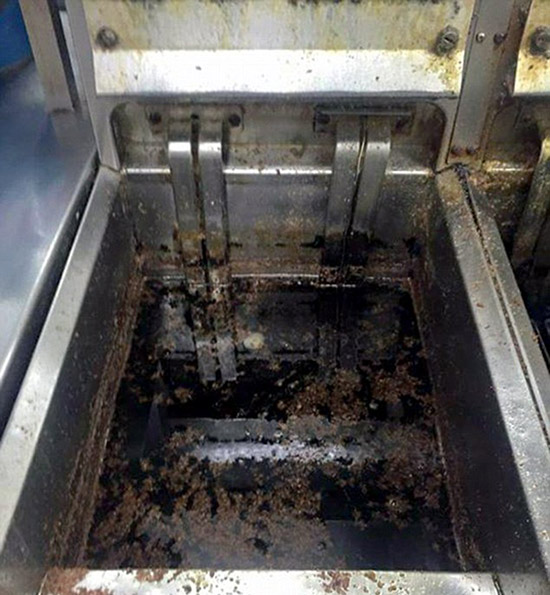
Source: dailymail.co.uk
If you are among the many restaurant owners in New Zealand, there’s a high chance you have a deep fryer in your kitchen.
Fried food has one of the best flavours. And restaurant fryers give it that wonderful flavour without much hassle.
Although oil can be recycled, it’s essential to deep clean your restaurant fryer regularly.
Necessary Chemicals and Tools
- Fresh & Clean Oven & Grill
- Deep Fat Fryer Cleaner
- Oil pan drum
- Fryer clean out rod
- Synthetic scrub pad
- Clean cloths/ Paper towels
- Water hose for rinsing
- Pail of freshwater
- A long brush that is suitable for high temperature
- Protective eye-glasses
- Protective apron
- Heat-proof gloves
How to Do It Right
For optimal performance, deep cleaning the fryer using these step by step procedures.
Interior Deep Cleaning
- Turn off the fryer and let it completely cool down.
- When cool, drain the fryer oil into an oil pan drum for disposal or future use.
- Remove any remaining large debris from the inside of the unit.
- Wipe the interior of the fryer using clean cloths or towels.
- Fill the fryer with water.
- Add about 4 oz. of Deep Fat Fryer Cleaner liquid for every 3-4 litres of water.
- Turn on the heater and boil the mixture of water and cleaning fluid for about half an hour.
- After the water has boiled, turn off the fryer and let the water cool down.
- Drain the water out of the fryer while scrubbing the interior using a long-handled brush.
- Thoroughly flush the unit with water to get rid of the cleaning solution.
- Wipe the interior with clean cloths or towels and allow the fryer to dry completely.
- Close the drain valve.
- Fill your fryer with fresh or recycled oil.
External Cleaning
- Clean the exterior surface of the unit using the Fresh & Clean Oven & Grill. The cleaner will help degrease surfaces and remove carbonized food.
- Use a synthetic pad to scrub stubborn spots.
- Use a damp towel/cloth to dry the floor completely.
Deep Cleaning Your Restaurant’s Oven
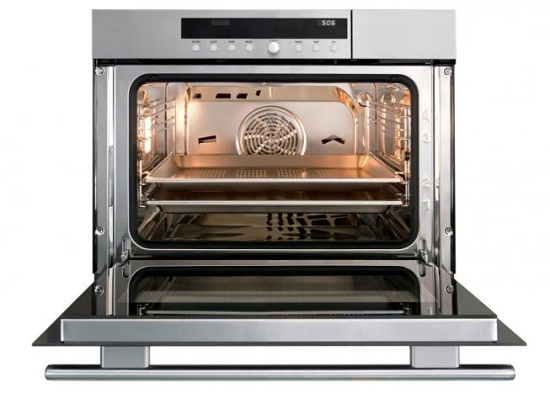
Source: awebtoknow.com
Without a doubt, ovens are the backbone of any restaurant kitchen. They are regularly used and thus prone to accumulation of grease, food particles, and other debris.
You should not wait to see smoke from your oven to start cleaning it.
Necessary Chemicals and Tools
- Oven and Grill Heavy Duty Cleaner
- Gloves
- Microfiber cloths
How to Do It Right
- If the oven has just been in use, allow it to cool down before you start deep cleaning.
- Take out all the oven racks and clean them separately using an Oven and Grill Heavy Duty Cleaner and warm water.
- Wipe the inside of the oven using a wet microfiber cloth.
- After you have thoroughly cleaned the oven and the racks, put them back to their original positions.
Deep Cleaning Your Restaurant’s Refrigerators
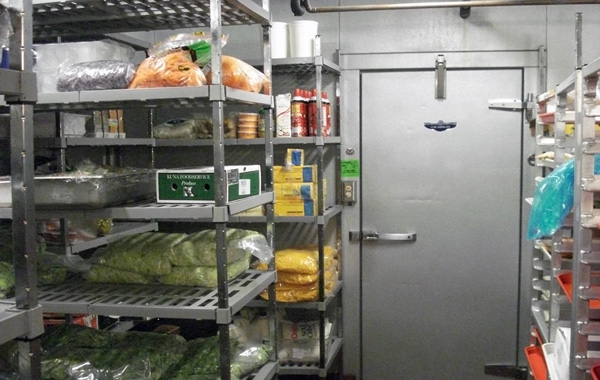 Source: derektime.com
The primary concern of many restaurants is to keep food safe for consumption.
You don’t want to waste money on an underperforming refrigerator. This is because a clean refrigerator keeps food at a safe temperature and improves its overall performance.
Always follow the instruction of your fridge manufacturer when cleaning it.
Necessary Chemicals and Tools
- Gentle surface wipes
- Regular dishwashing liquid
- Warm water
- A basin
- Baking soda or sodium bicarbonate
How to Do It Right
- Take out food from the refrigerator and ensure it’s empty.
- Take out all parts of the fridge that are removable, such as drawers or shelves.
- Mix regular dishwashing soap with warm water in a basin and let the drawers soak before you rinse and wipe them.
- Use gentle surface wipes with a combination of warm water and dishwasher soap to clean the surface of the refrigerator.
- For stubborn stains, apply a mixture of baking soda and a little water. Leave the paste (water and baking soda) for about one hour before wiping it out.
How To Deep Clean Your Restaurant’s Grills
 Source: pixabay.com
It’s recommended that grills be cleaned at least once a day. This reduces cross-contamination and decreases the possible accumulation of stubborn grease stains.
Necessary Chemicals and Tools
- Stiff wire brush
- Spackle knife or sturdy spatula
- Shine Multipurpose Polish
- Baking Soda or sodium bicarbonate
- Paper towel or rags
- Water with soap
How to Do It Right
- Remove the charcoal and ash out of the grill in case your restaurant is using a charcoal grill.
- If you have a gas grill, disconnect its propane tank and set it aside from the grill.
- Get the grill hot by firing it up for a minimum of 30 minutes. Extreme temperatures will remove stuck-on food and grease.
- While the grill is hot, pour one cup of cooking oil onto its surface.
- After the grill has cooled, remove all grates. Submerge them in warm, soapy water for about 30 minutes.
- For stubborn gunk, mix baking soda and a little water and apply the paste on caked-on food bits.
- After grill grates have been removed, use a spackle knife to remove any stuck-on substance from the firebox of the grill.
- Dip the stiff wire brush in a bucket of warm soapy water. Use it to scrub off all carbon from its grates and panels.
- To ensure effective decontamination, soak a paper towel or rag in cooking oil and scrub the surface of the grill.
- As a final touch, use the Shine Multipurpose Polish to polish the grill.
- Once the grill is clean, reassemble all parts that were previously removed.
How to Sanitise Your Restaurant’s Burners
 Source: pixabay
Necessary Chemicals and Tools
- Sponge
- Dishwashing soap
- Clean cloth or paper towel
- Baking soda
How to Do It Right
- Before you start deep cleaning the burner, ensure it has completely cooled down.
- Remove the burner coils (in the case of an electric range) or grates (for a gas range) and clean them separately.
- Mix lukewarm water and dishwashing soap in a bowl.
- Dip a sponge or cloth in the soap solution and then scrub the burner.
- Mix a bit of water and baking soda to form a thick paste.
- Use the thick paste coat the burner and let it stand for about 30 minutes.
- Rinse off the burner to remove caked-on residue. Ensure the paste is also rinsed off.
- Dry the burner using a paper towel or clean cloth.
- Reassemble the burner when all its parts are completely dry.
- Your restaurant stove is now ready for a cooking session.
Get Expert Deep Cleaning Service Today!
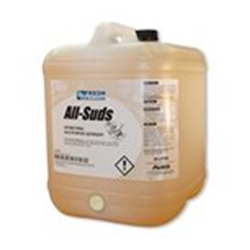
Fresh & Clean Antibacterial Multi-Purpose Detergent 20L
Deep cleaning is vital to your restaurant employees and patrons’ health and safety for various reasons. Some of these reasons include:
- Improving their working conditions.
- Increasing their morale.
- Helps your restaurant maintain food and safety regulations.
Cleanliness should be a top priority if you want to run a successful restaurant kitchen. And Alsco NZ offers exactly that – unique deep-cleaning services.
Alsco uses high-tech equipment and powerful chemicals to keep your kitchen spotlessly clean.
You can also order deep-cleaning tools and supplies and improve your restaurant hygiene.
Photo: possector
Easy Steps to Deep Clean Your Restaurant’s Kitchen
Poor food handling practices and dirty kitchens can lead to food contamination. Food contamination causes up to 420,000 deaths a year and makes 1 in 10 people sick.
Food safety begins with safety practices while handling, preparing, and storing food.
Restaurant safety and cleanliness should begin in the kitchen. A clean and hygienic kitchen will impact both your employees and customers.
Read on to find out how to deep clean your kitchen.
How Dirty Kitchens Affect Employees and Customers
Employees hate a dirty restaurant kitchen. With the proper tools, they can help you maintain a clean and hygienic environment.
If you insist on running a dirty kitchen, it will:
- Increase employee turnover. If you run a dirty kitchen, your staff will leave for a better working environment.
- Affect employee morale. Restaurant staff work better in a clean and organised kitchen. Their creativity, productivity and workflow will improve in a clean kitchen.
- Influence recommendations. They will not risk inviting their friends and families to a germ-prone restaurant. In extreme cases, they will even share the truth about your kitchen, destroying your reputation.
- Incite them to call the relevant authorities. Employees care about their reputation. If you do not take action, they are under a legal obligation to report you to health authorities.
Running a dirty restaurant will also affect your customers. A dirty kitchen will:
- Reduce their chances of coming back to the restaurant. No one will willingly come back to a restaurant if there is a risk of food contamination.
- Have customers call authorities. If customers fall ill from eating at your restaurant, they will report to the authorities. Upon investigation, a dirty kitchen can make you liable.
- Share complaints about your restaurant and destroy your business’s reputation. Customer feedback can build or break your business. You cannot risk having customers accuse you of running a dirty kitchen.
- Land customers in hospital. A dirty kitchen increases the risk of contamination. This can make customers get sick from foodborne germs. In extreme cases, it can lead to death.
How to Deep Clean a Restaurant Kitchen
The first step towards a clean and hygienic kitchen is a deep clean.
Before opening up to the public, you need to dedicate time to deep clean your kitchen. This includes cleaning and sanitizing every part of the kitchen.
To get started with the restaurant kitchen deep clean, make sure you:
- Wear protective clothing especially when using cleaning chemicals.
- Read the instructions on every cleaning product.
- Understand what products work together versus products you cannot mix.
- Have enough ventilation in the room you are cleaning.
- Test new cleaning products on a small surface before using them.
Cleaning Countertops and Food Preparation Tables
Chemicals and Tools You Will Need
The method and tools you use while cleaning countertops will depend on the material.
Different surface materials need different tools and chemicals. The tools you use might also change for specific tasks, such as removing stains.
The table below breaks down the tools and chemicals you need for different materials:
| Countertop Material | Tools and Chemicals |
|---|---|
| Wood countertops | Warm Water Distilled White – Vinegar Nonabrasive cleaner Spatula or metal pastry scraper Microfiber cloths Lemon Salt |
| Marble and granite countertops | Water Dish soap Microfiber cloths Baking Soda Hydrogen Peroxide Plastic Wrap Tape |
| Laminate countertops | Mild cleaner Water Microfiber cloths Baking soda |
| Quartz or engineered stone countertops | Dish soap Water Nonabrasive glass or surface cleaner Microfiber cloths Nonabrasive sponge |
| Stainless steel countertops | Water Dish Soap Microfiber cloths |
| Stainless-steel cleaner Baking soda Stainless-steel polish Lemon oil | |
| Soapstone countertops | Multipurpose cleaner Microfiber cloths Mineral oil Fine-grit sandpaper |
How to Do It Right
While cleaning countertops you must:
- Wipe them down to get rid of any dirt. This includes removing any scraps, leftovers or food waste.
- Use the right tools to clean the surface. Here, use a mild tool such as a cloth to get rid of the dirt. Some surfaces will need more than one cleaning agent.
- Remove any stains. Some surfaces will need a brush while others might benefit from some scrapping.
- Once the surface is clean, sanitize it. Make sure you find a food-safe sanitiser. A good start is the Kemsol Bac-Stop Sanitiser Disinfectant Concentrate. You can buy it from Alsco New Zealand.
- You can use bleach. Either way, let the sanitiser sit on the surface for up to 30 minutes to act on the germs and viruses.
Cleaning the Vent and Exhaust Hoods
Chemicals and Tools You Will Need
- Microfibre cloths
- All-purpose cleaner
- Duster
How to Do It Right
- Wash out the vents and exhaust hoods to get rid of grease and grime.
- Clean the filters as per the user instructions on the manufacturer’s manual.
- Replace ripped or torn filters immediately.
Cleaning the Kitchen Floors, Ceilings and Walls
Chemicals and Tools You Will Need
- Microfibre cloths
- All-purpose cleaner
- Dusting mitts
- Soap cleanser
- Brush and scrubber
- Vacuum cleaner
- Garbage bags
- Mop and bucket
- Kitchen sanitiser
How to Do It Right
Kitchen floors and walls in restaurants harbour both germs and dirt. A deep clean should include:
- Wiping down and sanitising the ceiling and fans.
- Wiping down the walls for spills and grease marks.
- Vacuuming or sweeping to get rid of dirt and debris.
- Removing floor mats and other floor coverings.
- Scrubbing the floors with water and a cleaning detergent.
- Running a kitchen degreaser on the floor.
- Mopping the floor for better access to hard-to-reach areas.
- Sanitising the floor and walls.
- Drying the floor before using it again.
Cleaning the Walk-in Freezer and Chiller
Chemicals and Tools You Will Need
- Cleaning solution
- Microfibre cleaning cloths
- Spray and vac system
- Stiff brush
How to Do It Right
- Pull out all the food from the shelves. Throw away any stale or unusable foods and leftovers.
- Drain the tubs and pans.
- Apply the cleaning solution to the shelves with a spray and vac system.
- Use a powerful spray to get rid of debris, soil and other foreign objects.
- Brush the condenser coils with a stiff bristle brush. Vacuum it to remove grime and dust.
- Wipe down the shelves, walls and the inside of the door. Leave them to dry for a few minutes before restocking the shelves.
- Wipe down and sanitise the door and door handles.
Cleaning the Grease Trap
Chemicals and Tools You Will Need
- Rubber gloves for handling messy grease
- Overalls to protect your clothes
- Wrench, scraper and crowbar
- Soap cleanser
- Pot scrubber
How to Do It Right
- Remove the lid of the grease trap. Be slow and gentle to protect the gaskets on the lead.
- Dip a ruler into the grease trap and take note of how many inches of grease you have.
- Remove water from the grease trap with a small pump or a bucket.
- Scoop the grease from the trap. Use a heavy-duty scraper or shovel to handle the grease. Scrape the bottom and sides to prevent build up as you work.
- Clean the grease trap with warm water and soap and rinse it out.
- Take out the removable parts and clean them with soap and warm water.
- Pour in water to confirm if flows freely. If it does, replace the removable parts and lid.
The Bottom Line
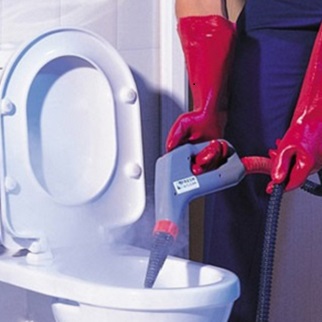
Deep cleaning in a restaurant kitchen saves lives.
It’s an opportunity for you to set health and hygiene standards for your business.
Following a cleanliness guide while using the right tools and products can help you:
- Protect customers from foodborne bacteria and viruses.
- Maintain health and safety standards required in the handling of food.
- Create a clean and hygienic kitchen to inspire your staff. They are more inspired to maintain a clean and sanitary environment.
- Help you meet health and safety standards set by local authorities.
- Assure your customers of their health and safety while in your restaurant.
You can start your restaurant’s deep clean today by getting the right tools and supplies. At Alsco New Zealand, you can order your supplies in bulk, such as:
- Cleaning cloths
- Washing chemicals
- Cleaning gloves and protective gear
- Soaps and other detergents
- Sanitising solutions
Make your order from Alsco NZ today and deep clean your restaurant kitchen.
Photo: fluidhygiene.com
Workplace Hygiene: 3 Major Areas Where Flu Germs Hide
As a business owner, you aim to build a team of hard-working individuals to propel you to success.
Imagine their disappointment when they need to miss out on work because of the flu.
As Richard Branson once said:
‘’Your employees are your greatest asset. If you take care of them, they will take care of your clients.’’
This powerful quote rings true.
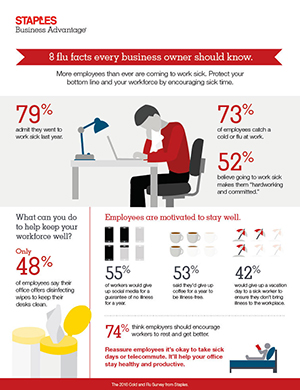
Studies show that employees admire clean workplaces and this makes them more productive.
Do your employees fall sick more than usual? If the answer is yes, you need to assess how clean your office is.
You don’t need to be a medical expert to do this and here’s why:
 Source: businesswire.com
Researchers identify workplaces to be a key area where flu-causing germs hide. When you don’t clean your office environment well, your employees aren’t safe. Their well-being is at risk and this may cause them to be unproductive and unmotivated.
There’s good news! This article is a positive step in the right direction. This workplace hygiene guide informs you how to clean these areas and prevent the flu for good.
So, there’s no need to worry. With the best hygiene systems and products, you can sniff out these bacteria and put an end to them in no time.
What’s in it for you? Maintaining great office hygiene translates to:
- Creation of a positive brand image
- Reduction in employee absenteeism
- Rise in employee welfare and morale
- Improvement of client satisfaction
So what are you waiting for? Let’s get into it!
Why Is It Easy to Catch the Flu Anyway?
Imagine suffering from the flu and trying to gather the strength to go to work as well. It’s hard but this is what your employees go through sometimes.
If you’ve ever wondered how they catch the flu in the first place, here’s a breakdown:
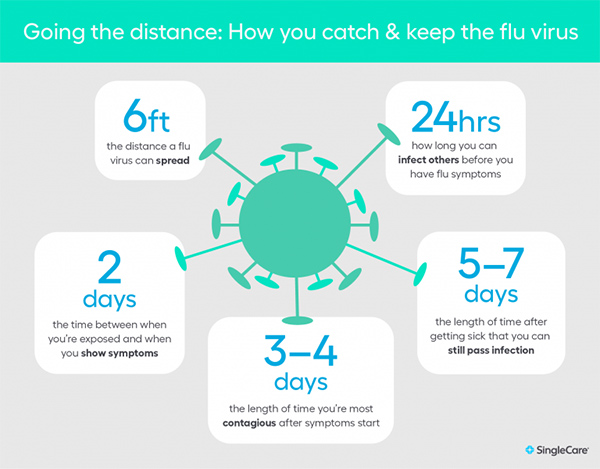
- When someone with the flu coughs or sneezes near another person, they inhale the germs. This enters their system and makes them sick.
- Flu-laden droplets may also land on surfaces and remain infectious for 48 hours. Any person who touches these unclean areas and doesn’t wash their hands may fall sick too.
 Source: singlecare.com
Since an office is a high-traffic area, this means that flu germs can hide anywhere. On the bright side, medical experts break it down to the following key areas to watch out for:
- Workspaces and desks
- Kitchens and break rooms
- Office washrooms
Think of this as a cheat-sheet to workplace hygiene. You don’t need to go through a trial and error process to get to the real source of the germs. If you’re wondering how to get these areas germ-free, you’re in the right place. Here are incredible solutions that you probably didn’t think of.
Workspaces
How clean is your work desk?
Scientists confirm that an average desk can house 400 times more bacteria than a toilet seat. This confirms that your employees can catch the flu from their desk alone.
In the workspace, germs hide on common touchpoints such as door handles and buttons. After touching infected surfaces, flu germs enter through the nose, mouth and eyes.
If you think about it, you can’t go a day without touching these things.
What do you notice here? The sense of touch plays a key role in germ transmission. This means that keeping your hands clean is the solution to preventing the flu.
Make antibacterial wipes available in your office. Your employees will find it liberating to be able to control their workspace hygiene. They can wipe down their desk items as often as they please. This creates a feeling of confidence and boosts their work performance.
Besides this, install hand sanitising stations at office entry and exit points.
Interesting fact: Alcohol-based sanitiser kills bacteria and prevents it from developing resistance. So, sanitisers don’t lose effectiveness with continued use.
Consider the following benefits of hand sanitiser in the workplace:
- Reduces cross-contamination of germs. There’s no need to touch automatic sanitiser dispensers for them to operate.
- Kills germs within seconds. It takes a short amount of time to disinfect your hands.
- Convenient in the absence of sinks. This is the best option for your workers as they go about their daily tasks.
 Source: who.int
Encouraging exceptional hand hygiene is as simple as that!
Providing these products gives them the extra nudge they need to keep their hands clean.
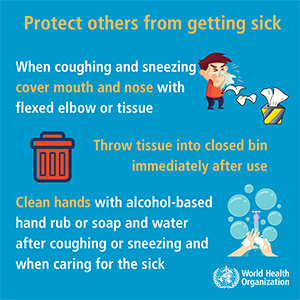
Couple this up by informing them of flu season etiquette to reduce the spread of the illness. This includes teaching them the importance of staying at home when they’re sick.
On the upside, this will lower the rate of presenteeism and reduce the exposure of your staff to the flu.
Remember, that a healthy employee is a happy employee.
Kitchens and Break Rooms
The kitchen is a hot-bed for the flu virus. Scientists state that flu germs can survive for 24 to 48 hours on hard surfaces. From the washing sponge to the coffee mug – everything in this area is a potential home for germs.
The best solution is to ensure your kitchen surfaces stay clean at all costs. The dirty little secret to achieving this is through surface sanitation. You should attack flu germs by using exceptional anti-bacterial cleaning products. Apply a small amount of the product onto a damp cloth and wipe down every surface to disinfect it.
It’s essential to also maintain a clean washing sponge to prevent cross-contamination. After washing the dishes, soak it in bleach for 10 minutes to kill any germs.
Pro tip: A sterilising cycle is the most effective way to dry dishes and keep them sanitary. Using a dishtowel is least effective.
When was the last time you cleaned the office refrigerator and microwave? You should know these two are the most germ-laden kitchen gadgets.
So, remember to throw out any old food containers and disinfect the interior surfaces. This involves cleaning out cupboards and washing coffee mugs often.
These sure-fire tips will keep you vigilant of your workplace hygiene.
Office Washrooms
Without a doubt, this is one area that deserves your undivided attention. To begin with, our fingertips have 2 to 10 million bacteria. Surprising enough, this number doubles after you use the washroom. This increases your chances of contracting the flu.
What you need to do is focus on washing your hands with soap and water.
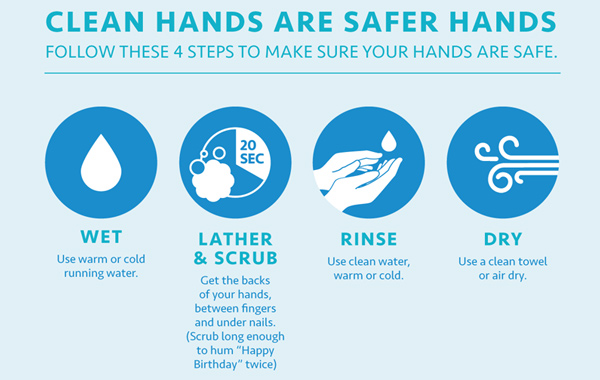 Source: ucihealth.org
Instead of going for the conventional soap bar, install automatic soap dispensers. Here’s why you need these tools:
- Soap and water is the first line of defence in protecting yourself from the flu.
- Handwashing plays a key role in boosting your immune system.
- Your chances of getting the flu reduce by 21%.
- Handwashing reduces your chances of catching 80% of communicable diseases.
“Thorough handwashing with soap and water remains the best way to reduce the spread of disease-causing microorganisms’’
-Michael P. McCann, Ph.D., Professor of biology
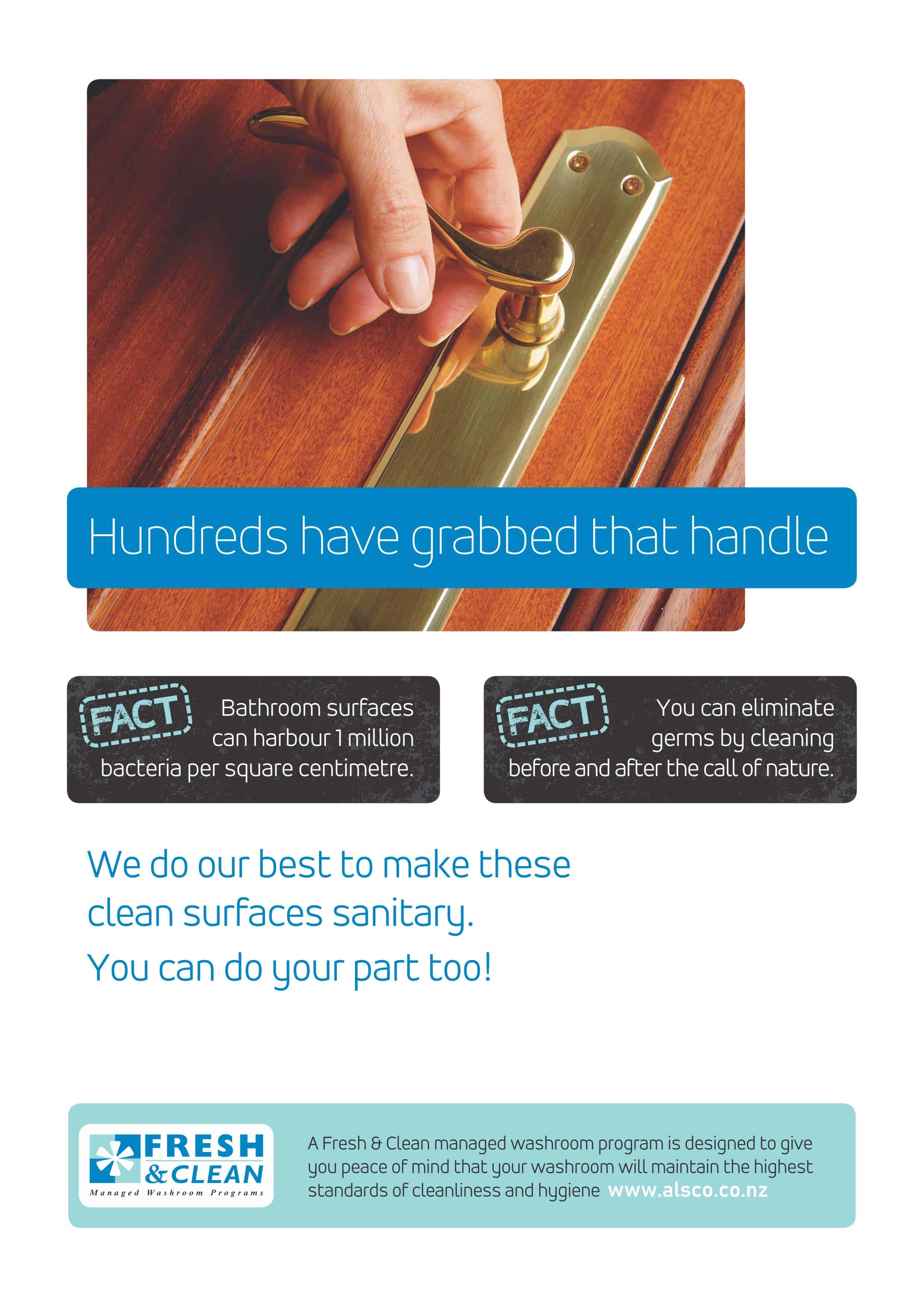
As for the washroom surfaces, flu germs often hide in hard-to-reach areas. To get rid of them, hire your local deep cleaning experts to disinfect areas you may overlook.
This 4-step process leaves no stone unturned and creates a sanitary washroom environment.
To supplement your efforts to end the spread of the flu, you should use washroom posters.
These are subtle reminders that personal hygiene contributes to protection from the virus.
Master the Art of Flu Prevention in Your Workplace
Did you know that up to 20% of the New Zealand population contracts the flu each year? All these tips point to one fact: the flu ends with you. Encouraging your employees to take care of their well-being protects the society too.
You need to try out these tips and kill the flu virus before it attacks your workforce.
Maintaining workplace hygiene has never been so easy!
What’s more, Alsco New Zealand is always ready to take the burden off your shoulders. Through their professionally managed cleaning services, your workplace can enjoy 5-star treatment.
Give us a call today for a fast and free quote that fits your business needs.
Photo: Wikipedia
7 Ways You Can Prove To Your Customer That Your Restaurant Is Super Hygienic
Restaurants are a competitive business. If you’re running a restaurant you must maintain top-notch hygiene standards.
Running a restaurant means you handle customers’ food. This is an essential and very sensitive commodity.
Every year 1 in 10 people fall ill from eating unsafe food. Food safety is a shared responsibility. Yet, food handlers play a huge role in preventing foodborne diseases.
Poor hygiene standards can cost you your restaurant patrons. Nobody wants to risk their life while benefiting your business.
Customers have a very keen eye when it comes to selecting restaurants. They not only want to enjoy a sumptuous meal, but they also want to enjoy a great ambience free of any contaminants.
Restaurant hygiene is not just about maintaining the health of your employees. It also gives value and credibility to your business.
Hygiene standards reflect on the image of the company. They can make or break your business.
A good restaurateur must always think of ways to improve hygiene standards. From keeping the kitchen sparkling clean to staff personal hygiene, you need to always be vigilant.
7 Ways to Boost Your Patron’s Confidence in Your Restaurant Hygiene Standards
1. Have a Clean Track Record
First, work towards maintaining an unsullied hygiene track record. This is crucial in boosting customer trust in your restaurants’ hygiene standards.
You can achieve great hygiene by:
- Hourly sanitising high touch point areas
- Improved cleaning protocols
- Provision of handwashing soap and water at all wash points
- Safe food handling
Remember, you want to gain a great reputation as a go-to restaurant.
For this to happen you must maintain high food safety standards and keep up with health policies. These standards impact staff morale and give you a better reputation.
2. Conveniently Located Hand Wash Stations
Hand washing is an important aspect of hygiene that you should encourage in your restaurant.
The spread of germs from the hands of food workers to food can cause foodborne illness outbreaks in restaurants. Study shows that 89% of outbreaks in restaurants are caused by contaminated food.
Proper handwashing can curb the spread of germs. It can also reduce the spread of germs from workers’ hands to food and people.
Handwashing facilities should be conveniently located in the following areas:
- In the kitchen or within areas where food handlers work.
- Next to the toilets or toilet cubicle.
- Immediately at the entrance of the restaurant.
The government stipulates guidelines on the maintenance of hand washing basins in food premises. They should be permanent fixtures with a constant supply of water.
You must also provide supplies needed for a proper hand wash station at a restaurant. These include:
- A nail brush
- An adequate supply of handwashing soap
- Paper towels or roller towels
- Roller towel dispenser or other hand drying options
- Hot and cold running water
3. Display Your Restaurant’s Hygiene Standard Policy
Restaurant owners must ensure employees receive skills that raise their personal hygiene standards.
As a proprietor, it is important to educate staff to enable them to keep up with the Food Safety Standards.
Training in general hygiene practices is paramount. Display hygiene standard policies for future reference by your staff members. Place these in high traffic areas such as:
- Work stations
- Above hand washing sinks
- Open areas on the wall
4. Display Your Hygiene Rating by a Recognised Health and Safety Body
Hygiene rating cards are a good way of creating a buzz around raising hygiene standards.
Displayed rating cards can boost the morale of restaurant patrons. It can also lead to increased health inspection scores.
Place your rating cards in areas where they are visible to everyone:
- Near the entrance door
- On the windows
- Outside your restaurant
5. Prove It, Don’t Just Say It
 Source: Jack Sparrow
How do you prove your hygiene standards? It is by providing actionable steps you are taking to make a difference. Here are a few ways to prove you’re going above and beyond.
Keep Floors Clean
Dirty floors at a restaurant are depressing. They can make your patrons walk away from a loss of appetite. And who takes selfies in a dirty environment?
Again, you do not want messy accidents or lawsuits following you. To avoid all this, ensure your floors are sparkling clean throughout the day.
Sparkling Cutlery, Crockery and Glassware
Impressions have a lasting impact. Unclean cutlery, crockery, and glassware is not the last picture you want on your patrons’ minds.
Keep kitchen utensils clean by sensitising the staff on the importance of hygiene.
Keep Windows Spotless
When patrons visit a restaurant, they want to enjoy a sumptuous meal and a perfect ambience. Having dirty windows will be a turn off for your clients.
This is a perfect chore for staff when the restaurant is quiet or between rushes.
Scrub Your Chairs, Tables and Countertops
One of the major attractions of a restaurant is the dining area. Chairs, tables, and countertops of your restaurant should be well cleaned and sanitised.
Invest in luxurious quality linens and towels to match your classy establishment. This helps in maintaining a wonderful appearance.
6. Restrooms are Spotless and Stocked
Restaurant restroom hygiene is of the utmost importance.
Restaurant washrooms are shared by both your employees and your visitors. Thus, they can impact on the reputation of your restaurant.
Having a good reputation means keeping your loyal patrons, which is what you want right?
How to achieve washroom hygiene:
- Have your washrooms cleaned hourly.
- Provide handwashing soap and water.
- Provide hand drying options.
- Strategically place disposable bins.
Note: Restaurant washrooms should be cleaned and sanitised throughout the day.
7. Staff Hygiene
Restaurant staff handle food. Without proper hygiene, they can easily cause contamination.
Many restaurants implement strict handwashing rules to prevent cross-contamination. Protective coverings like hair nets and food service gloves prevent contamination.
Employees should maintain high standards of hygiene at all times. A food handler must:
- Do their best to prevent contact with ready to eat food
- Wear outer protective clothing
- Ensure bandages or dressing on exposed parts of the body are well covered
- Not sneeze, blow or cough over unprotected surfaces likely to come in contact with food
- Not eat over unprotected food or surfaces likely to come in contact with food
Restaurant staff must follow a special handwashing policy. This means they must wash their hands:
- Before touching ready to eat food.
- After handling raw food.
- After using the washrooms
- After getting back to work after other engagements.
- After smoking, coughing or sneezing, etc.
- After touching their hair or any other body part, including their face.
Staff must inform their employers if they are diagnosed with, or suspect having contracted a foodborne illness.
An employee is entitled to 5 paid sick leave days per year to take care of themselves or a dependent.
Restaurant staff are at the front line of maintaining hygiene standards. From proper handwashing to proper workwear, your staff are the key to your success.
Do not forget to keep your kitchen staff educated on ways to keep food safe at all times.
Get Started Today and Improve Your Hygiene Standards
The importance of cleanliness in your restaurant cannot be overemphasised.
This article gives you the basics of restaurant hygiene. But there’s so much more you can do. Do not just look clean, be clean! Be sure to clean unknown hotspots for contamination in your restaurant.
If you are feeling overwhelmed, reach out to an expert who can help you adapt your business today.
Photo: Unique Hotels
6 Ways Protective Workwear Benefits Your Organization
Let’s be honest. You wouldn’t think of going fishing without bringing along the right tackle. Would you?
Then why allow your workers to work without protective workwear? Protective workwear keeps workers safe from injuries.
But if the protective workwear is for the benefit of the worker, why not ask them to buy their own? This is a dilemma that many organizations face.
If you are in a similar situation, read on.
Protective workwear is, to a large extent, personal. Yet, providing it for your staff speaks volumes.
It shows the organization’s attitude and commitment to the safety of its staff.
Your workers do a tough job. At the very least they deserve protective workwear.
Whereas this benefits the worker, it also benefits the organization. Here are six benefits, although there are many more:
- Promotes an organization’s brand.
- Encourages uniformity and professionalism at work.
- Helps an organization follow the set regulations.
- Makes the workplace safe and secure to work in.
- Saves the organization money.
- Fosters team spirit in an organization.
Let’s have a look at each benefit.
1. Promotes an Organization’s Brand
Your staff’s workwear forms a key part of your company’s identity. It is a great marketing opportunity for your organization.
If used well, you can establish a strong brand identity. Which helps in making your brand recognizable to the public, and more likely to generate repeat customers.
To maximize this, customize the workwear. Include your organization’s logo and corporate colors on it. This helps to make it distinct from other companies.
Every time your workers wear their branded workwear, it markets your organization. Those who don’t know it gain awareness. And as for your regular clients, the branding enables them to spot your company from a distance.
You can brand your workwear in either of these two styles:
- Printing. This is a fast and cost-effective method. You can print the company logo on any material, including high-visibility jackets.
- Embroidery. This involves stitching the logo on the fabric. Making it ideal for non-waterproof workwear. Embroidery is longer-lasting than printing even after several industrial washings of workwear. Also, the process takes a longer time than printing. Embroidery is advisable when branding workwear using small logos.
2. Encourages Uniformity and Professionalism
It is difficult for workers to flout rules when they are wearing branded workwear. Your organization can use this to its advantage.
When your staff is in matching uniforms they become the spokespeople for your company. A branded uniform helps staff embody the company and keep them in character throughout their shift.
Customers are more relaxed approaching staff in uniform. When staff is in uniform customers feel more comfortable approaching them with questions, concerns, or advice. The uniform represents the brand and signifies to the customer that the employee is there to help.
Branded workwear presents a professional image of your organization. Clients can identify your staff and the company they associate with. This improves client service.
This can also lead to more business. When people see your staff looking professional, they may want to work with you or seek your organization’s services.
It creates uniformity and equality. Everyone looks the same and feels comfortable at work.
3. Helps Organization Follow Regulations
There are laws that demand organizations to safeguard the safety of their workers. Failure to adhere to the law results in consequences.
For example, New Zealand has a Health and Safety at Work Act 2015 (HSWA). The act states that a person conducting a business or undertaking must ensure, so far as is practicable, the health and safety of workers. Also, that others are not placed at risk by the execution of the work.
This is a primary duty of care of an organization to its staff. You don’t want your organization to neglect this duty. You risk a legal suit when on the wrong side of the law.
There are different levels of protection depending on the level of risk. But how does an organization know what workwear to provide staff with to keep them safe?
For example, there are different classifications of hi-vis workwear. Each depends on the level of risk exposed to:
- Class 1. This is the lowest and most basic level of protection. Wear protective workwear in work environments of minimal risks. For example, wearing only a hi-vis shirt or trousers, but not both.
- Class 2. This is an intermediate level of protection. The protective workwear is more visible in the dark with shining headlights. For example, wearing a safety vest.
- Class 3. This is the highest level of protection. It is for environments that have a high level of risk. For example, wearing a hi-vis overall.
4. Make the Workplace Safe and Secure
Protective workwear makes employees feel safe and comfortable at work. It shows that the organization cares about the wellbeing of its staff.
Many industrial workplaces can be dangerous. Especially for employees who are not wearing proper protective equipment.
By ensuring that your employees have access to appropriate, high-quality, and industry-specific workwear as well as a trusted laundering service, you make the statement that you genuinely care about the health and well-being of your staff.
This positions the organization as the ideal work environment for prospective and current workers. The organization doesn’t have to worry about losing its skilled workforce.
When workers feel safe and secure, they are more engaged at work. They also stay longer with organizations. This reduces time off work because of illness or injury. The Queen’s School of Business and the Gallup Organization back this research.
The studies showed that disengaged workers had a 37% higher rate of absenteeism. Also, 49% of these workers had more accidents, and 60% had more errors and defects.
With protective workwear, it is also easy to identify those breaking the rules. Refusal to wear protective wear can be catastrophic for the individual and company. You can face legal action in case of an accident.
5. Save the Organization Money
Claims from accidents at work are costly! As an organization, you lose money, trained human resources and working days.
In fact, the cost can be so much that it drives you out of business. That is why organizations need to have safety measures in place to protect them in case of an accident.
Many organizations shy away from the cost of purchasing protective workwear for staff. This is a huge cost, especially where you have hundreds of staff.
While it might be an initial expense, you can save on lowered insurance premiums. This will help you recoup the costs associated with purchasing the protective workwear.
Besides buying protective workwear, put in place training programs to prevent injury and illness. This helps in risk reduction.
Sometimes, your insurance provider may lower your premium. This happens if there is a lower safety risk based on the measures your organization has taken.
Studies show organizations that invest in safety at work save money through:
- Reduction of insurance premiums for workers’ compensation.
- Fewer resources spent on the paperwork of filing injury and illness reports.
- Less money spent on compensating workers.
- Fewer resources spent to train new staff. Also to replace those absent from work due to injuries, illness or death from work injuries.
6. Foster Teamspirit.
Let’s take sports for example.
Notice how fans of a sports team wear their branded gear with pride?
It makes them feel part of the team. They are happy and proud to associate with that team.
They spend money purchasing branded items of their team so they can feel a sense of belonging.
That is how you want your staff to feel when they wear branded protective workwear. To ensure this, buy protective workwear that plays a functional and an aesthetic role.
You want your staff to not only be protected but also look good in their workwear. Let the protective workwear be well-fitting.
Factor in different styles and body shapes of your staff. Also, be gender-sensitive. This may seem expensive but remember it is a worthy investment.
It promotes unity and a sense of belonging among staff. Staff are proud to associate with your organization. They look out for each other and for the interest of the company.
This can turn your staff into brand ambassadors. When the staff is happy at work, their performance improves. There is also an increase in productivity.
Final Thoughts
Now you believe that protective workwear can benefit your organization.
Wondering where to buy protective workwear in New Zealand? And who will provide the most reliable options?
A trusted brand can help your business keep staff safe. Some huge benefits of purchasing protective workwear from a reputable provide include:
- High-performance protective wear. That is durable, safe and heavy-duty.
- The best price guarantee. Customers who buy in bulk get huge discounts.
- Branding your protective workwear. This improves a company’s image.
- Workwear sourced from the highest-quality manufacturers in New Zealand.
Getting in touch with friendly customer service representatives and finding a quote will help you place the perfect order for your organization.
Article contribution by Alsco New Zealand. Alsco aims to help create a healthier and safer workplace by providing affordable yet high-quality uniform rental service and hospital-grade first aid solutions.
Photo: Kevin Phillips
6 Amazing Tips to Best Manage Fatigue-Related Risks in the Workplace
Imagine being a customer service executive who has to work the night shift. You did not sleep or rest during the day, and now you’ve got to get to work.
After a few hours on the job, you’re tired and dozing off at your desk. The calls have slowed down. And then, there’s one call that stirs you awake, and in your confusion, you are off your desk and tumbling down to the ground.
Does this scenario sound familiar? Work-related fatigue is a common problem.
The most affected group of people are those who work the night shift.
But What Is Fatigue?
Fatigue is the physical and mental state of being tired.
Physical fatigue is the inability of muscles to maintain optimal physical performance.
Mental fatigue is the decrease in maximal cognitive performance. This usually results from prolonged mental activity.
As this article points out, fatigue is more than the state of feeling tired or drowsy. In the work context, fatigue reduces a person’s ability to perform their job as they should.
Causes of fatigue:
- Lack of enough sleep
- Prolonged mental or physical activity
- Underlying medical conditions
Fatigue can be due to both work- and non-work-related conditions. It is important to note that it can accumulate over a long time, thus causing a breakdown.
Work-related fatigue is, in most cases, due to a lack of enough sleep. It is common among people who work the night shift.
Sleep problems are a risk factor for work injuries.
Research indicates that workers who did not rest enough had 1.62 times higher risk of injury.
A 2015 Southern Cross Health Care Group Survey revealed that a quarter of the New Zealand population feels fatigued every day. This number rises to 36% among people under 30.
The survey further shows 11% of New Zealand citizens have fallen asleep while behind the wheel.
It’s easy to see there is a clear link between fatigue and cases of injuries at work.
Useful Tips on How to Manage Fatigue-Related Risks in the Workplace
1. Provide Healthy Meals and Snacks
 Source: Brooke Lark
There are various ways in which you can relieve employee stress at the workplace.
You can provide free and healthy meals made from wholesome foods. The food can be placed at different work stations. Employees can then snack whenever they are on their breaks.
This will keep employees healthy and prevent the consumption of junk food, which is common.
Additionally, having meals at the workplace saves time.
Verona Fossa explores food culture at work. She notes that food culture is close to an organization.
Sharing healthier foods creates a sense of connection between team members. This, in turn, boosts employee morale and productivity.
The World Moving and Storage Company offers breakfast at the workplace. Companies such as Sanitarium offer wholemeal food options. Tasman Bay Food Co. also offers healthy meal options.
Start by offering catered meals once or twice a week. You can also offer snacks, tea, water and coffee to keep your employees energized throughout the day.
2. Avoid Overexertion
The body has a way of shutting down from extreme exhaustion. Too many hours on the job can lead to fatigue in the workplace, thus posing a risk.
Working too long can lead to a decline in productivity as the body and mind slow down from exhaustion.
Reduce overtime so employees can work at their greatest levels.
Create a workplace culture that values rest. While you may not ban overtime, put a limit on the number of hours to ensure workers do not experience burnout.
In case your workers have to work long hours, ensure they also have time to take breaks, socialize, commute and spend time with family.
3. Introduce Leave and Holidays
 Source: Andrea Piacquadio
Taking time away from work has immense physical and psychological benefits. People who take breaks and vacation time experience lower stress levels.
As a result, they enjoy improved physical and mental health.
Encourage employees to take their leave and holidays. If possible, ensure that such provisions are mandatory.
This will not only be beneficial to them but also to your business.
Taking breaks and holidays prevents burnout. It also ensures you have a re-energized team when they resume.
4. Provide Rest Facilities
Does your organization have a place where your employees can unwind?
Consider providing a clean, safe and comfortable environment where they can rest.
It could be a place where they sit down or nap before their shift or before their commute home.
Rest facilities could include entertainment features like television sets, games and books.
Note: Rest facilities should have good lighting, cool temperatures and tolerable noise levels.
It is a good idea to include green plants, as they reduce stress levels and provide a relaxing atmosphere.
5. Encourage Employees to ‘Work Smarter, Not Harder’
A 2018 survey of working life indicates that almost 1 in 10 New Zealanders have more than one job.
What this means is that a population of over 200,000 people work overtime.
The traditional 40-hour workweek is uncommon for those with many jobs.
Only 5% work a 40-hour week compared to 33% of single-job holders. Additionally, 20% of multiple-job holders work 60 or more hours a week across all their jobs.
Employers should ensure employees understand that working smart promotes productivity.
No matter how much time your employees spend in the workplace, what matters most is what they do.
Remember, you want the job done, but you want it done well. Too many hours at the wheel will only lead to a decline in productivity.
6. Educate Employees on Better Lifestyle Habits
The best way to keep your employees healthy is to educate them on better lifestyle habits.
Once in a while, you can also plan for training that will help in improving other aspects of their lives. Some of the lifestyle habits you can advocate for include:
Tips for Getting Better Sleep
- Reduce blue light exposure in the evening.
- Go to bed early and at the same time every day.
- Turn out the lights when going to bed.
- Remake your bed before bedtime.
- Don’t read or watch television in bed.
- Make your room dark and quiet before sleep.
- Avoid caffeine, tobacco, and alcohol, especially before bedtime.
Tips on Eating
- Do not skip meals.
- Have a healthy and balanced diet.
- Establish regular eating times.
- Avoid caffeine, tobacco, and alcohol.
- Avoid overeating.
- Exercise regularly.
Take the Next Step to Reduce Fatigue-Related Risks in Your Workplace
This article gives you six amazing tips on how to manage fatigue-related risks in the workplace. Organizations must continue working toward creating safety culture in the workplace. Provide appropriate workwear, educate and train employees on how to avoid fatigue-related risks.
Employers must also lead by example. They should involve workers in their efforts to build a safety culture.
Photo: Andrea Piacquadio
Get the Most Wear and Performance from your Workwear: 4 Top Tips
Staff are the most important asset in an organisation. The beginning of the year is as good a time as any to kick work safety into high gear.
As a manager, you know the importance of protective workwear.
- It ensures the organisation complies with the legal requirements
- It keeps your staff safe
- It increases work productivity
- It gives staff professionality
- It is a great opportunity to brand your organisation
You have convinced your organisation to buy workwear for its staff. This is a huge investment and it is up to you to ensure you get the most from it.
It is natural to use pricing to judge the value of the workwear. Managers are often under immense pressure. They want to improve work safety but within the budget of the organisation.
But it takes more than price to get the most wear and performance from your workwear.
So what exactly does it take?
The answer to this question, and more, lies within the sections below. Let’s dive in!
1. Buy Workwear for Longevity
Quality is a MUST when considering buying workwear. Select workwear made of high-quality fabric so it serves you for a long time.
Cheap may be very expensive in the long run. The workwear deteriorates fast and is not up to the job. It ends up serving you for only a short period and exposes your staff to risk.
Before long you are back at it again – convincing the organisation to buy new workwear for staff.
You may be wary of the higher initial cost of buying high-quality workwear but think of it as an investment.
You could cut down on the cost. Companies such as Alsco give you a discount if you buy in bulk and they also provide transport. This will save the organisation a few coins.
Don’t compromise by buying cheap workwear made of low-quality fabric. Your workwear is an important part of branding. It reflects the organisation’s image to the public.
Your staff serve as brand ambassadors of the organisation. If they wear high-quality workwear, it gives your organisation a good image. And the vice versa is true.
For your workwear to last longer, it also needs to be functional. It shouldn’t hinder the worker’s productivity.
For example, don’t buy workwear in bulk without factoring in the different sizes of your workers.
If it is too tight, loose or heavy, it won’t serve your company well. Loose or tight clothing is prone to catching and tearing on corners or wearing through quickly as seams are under increased strain. Customise it so it is light, well-fitting and gender-sensitive.
A smart way to go about this is to first make one order of the workwear. Test it to ensure that it is a good fit for your staff and organisation.
Only when you are sure it fits well should you order in bulk.
2. Use the Right Workwear for the Right Job
Every industry demands specific requirements of the workwear. It is important to factor these before buying.
Start by first listing down all the job-related features you need from your workwear. Once you are clear about this, make an order. Emphasise that the workwear needs to have these features.
It should also follow all the applicable safety regulations. For example, in New Zealand, the Hi-Vis AS/NZ 4602 regulates all hi-vis workwear.
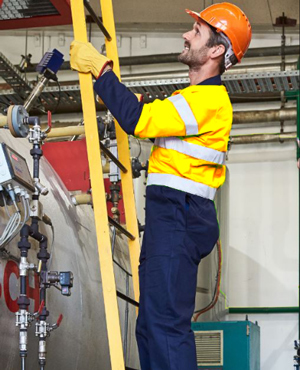
There are three classes of workwear depending on the type of risk. Choose the right high-visibility for the job.
- Performance Class 1. This is for low risks. Usually, this workwear has the least amount of reflective material. Workers use it in a non-complex work environment. For example, a hi-vis shirt.
- Performance Class 2. This is for medium risks. It includes workwear that has more hi-vis material and designs. This workwear makes the employee stand out in a more complex environment. For example, a sleeveless safety vest.

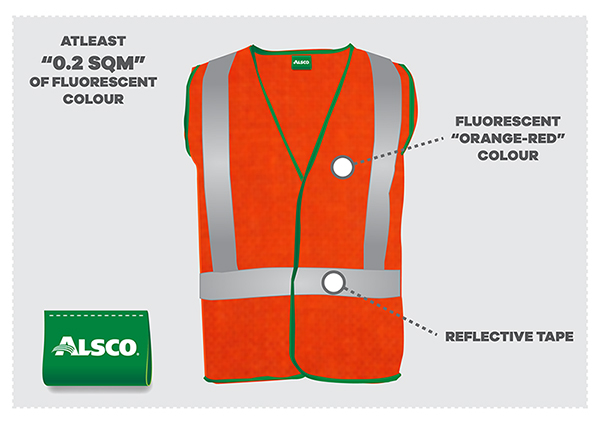
- Performance Class 3. This is for high risks. It has similar requirements as class 2, but with more hi-vis reflective material. This covers the arms and legs. For example, a hi-vis overall.
3. Follow Wash Care Instructions
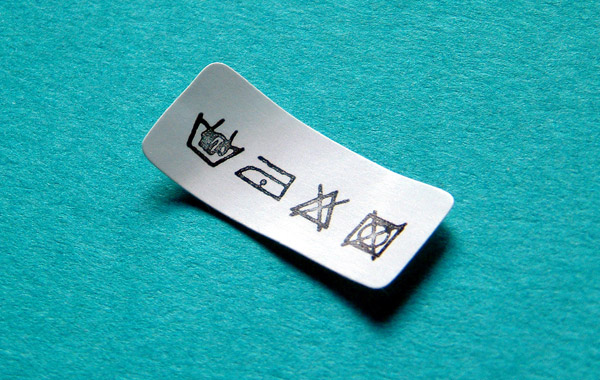
Photo by Marcel Hol from FreeImages
Your workwear should uphold the highest standards of cleanliness. Failure to do so compromises on the level of protection it can offer.
For example, when high-visibility clothing is not well cleaned and maintained the dirt on the retro-reflective material can lower visibility.
Washing workwear in the wrong way will damage the item. You want to take care of your workwear so it will serve you for a long time.
All workwear has wash care instructions provided on the labels. The manufacturer places them there for a reason.
Failure to follow the wash care instructions can cause the fabric to shrink or loosen when you wash.
Encourage your staff NOT to wash workwear by hand. Instead, use a washing machine.
Wash workwear only as needed. Don’t keep them dirty for too long. The dirt will stick and become difficult to clean.
Beware that only cleaning workwear every now and then will cause wear and tear. If possible, provide your staff with another set of workwear so they can alternate.
Separate them from other clothes and wash workwear alones. Mixing them with other clothes can cause cross-contamination of germs.
Your personal clothes can also colour bleed on the reflective material. This will reduce visibility of the workwear and put a worker at risk.
Use a normal mild detergent when washing. Avoid softeners and harsh chemicals such as chlorine bleach and oxygen peroxide. These will end up damaging not only your workwear but also the environment.
Once cleaned, tumble-dry your workwear. Avoid drying them under direct sunlight as they risk fading. Also, some fabrics shrink when dried under direct sun.
4. Always Check Workwear for Damage
Take stock of all the workwear that need repair and those that have been lost. Plan to replace those lost and repair the torn ones as soon as possible. Remember, a stitch in time saves nine. Replace those lost immediately.
Encourage your staff to take some personal responsibility for their workwear. It is only right for them to report when the workwear gets lost, needs repair or replaced.
Sometimes, you have no other option than to replace the workwear with a new one. Such situations include:
- If the workwear has exceeded its shelf life.
- If staff have lost their workwear.
- If the tear on the workwear is beyond repair.
- If some staff have soiled their workwear and cleaning no longer restores it.
It is difficult to track all of this on your own. Why not consider commercial services for cleaning your staff’s workwear?
Alsco New Zealand are experts at these services. They have been in business for 125 years.
They guarantee :
- Convenience. Alsco not only sell you the right workwear but also provide you with a workwear rental service. You only deal with one supplier for all your workwear needs.
- Affordability. You get the best price every time. For example, with one annual fee, you get an array of services. They change soiled workwear for fresh, spotless and sanitised ones. It doesn’t matter how demanding your business is, they cater to you.
- Safety. Alsco makes workwear with high-quality fabric. It is also 100 per cent compliant with safety regulations. Giving you peace of mind.
- Customised services. Alsco tailors their services to your needs at no extra cost. With 125 years in business, they have perfected the art.
Save your time and money. Get in touch with Alsco and make your order today. They will help you find the perfect workwear that can serve you for a long time.
Photo: Pressfoto
9 Things Your Employees Need to Know About AEDs
There are many misconceptions about AEDs on mainstream media.
You are likely familiar with the medic scene in movies or sitcoms where a defibrillator is pressed down on the victim and a shock is administered while the victim’s body convulses, later you hear- “clear!”
The reality is quite different.
When someone suffers abnormal heart behaviour, AEDs work to restore normal heart functions.
Very few will ever witness these devices restarting a stopped heart.
This does not mean AEDs are irrelevant! Did you know that when it comes to cardiac arrest the risk is higher at the workplace?
The process is less powerful (and could last longer) than what you see on television.
What Is an AED?
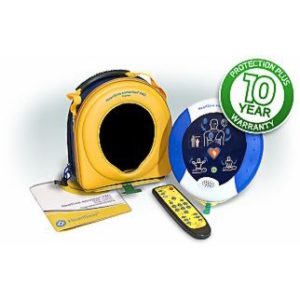
An AED or an Automated External Defibrillator is a portable electronic device that diagnoses sudden cardiac arrest symptoms and helps in treatment.
This occurs through a process known as defibrillation. (sending electrical shock into a victim’s body to help restore effective rhythm).
AEDs are sophisticated, easy to use and a must-have in your workplace and other public buildings.
An AED kit will contain the following:
- Face shield or mask that creates a barrier between the victim and first aider during a rescue
- Nitrile rubber gloves.
- Towel to wipe moisture from the chest area
- Razor (for patients with hairy chests)
- Trauma shears meant to cut through clothing and expose the chest area
Benefits of Having an AED
There are numerous benefits of keeping an AED in the workplace:
- You can boost the survival rate of a victim in dire condition with a defibrillator by 60% according to the Occupational and Safety Health Administration.
- Defibrillators help save on time as they can be used before emergency medical service personnel arrive. This improves the likelihood of survival for the victim.
- They are easy to use with the proper training. Modern defibrillators won’t allow you to shock a victim with a steady heartbeat. This means you reduce the risk of causing more harm to the victim.
Should You Take an AED First Aid Course?
One in 21 adults lives with heart disease in New Zealand. It is the leading cause of death with 33% of fatalities attributed to it annually.
When a heart stops beating, every second is valuable. Reading up on techniques that can help you save a life is a good first step.
Did you that heart attacks are the leading cause of accidents around the world?
Your knowledge needs to extend into practical abilities as well. Operating an AED should be as familiar to you as knowing how to use your phone.
This means you are better placed to help your colleague or passerby. You can and should seek out professional assistance in case of an emergency, but be able to provide help as you wait.
You can provide training on AEDs, certified first responder (CPR), basic life support (BLS) and first aid techniques in your workplace.
You can take note of this acronym to help you in emergency situations:
D- danger?
R- response?
S- send for help
A- open the airway
B- breathing normally?
C- start giving CPR
D- attach the defibrillator
This information is not a substitute for an actual course, but rather tips to add to your first aid knowledge. These are basic steps that can be administered to adults, children and infants.
Are There Any Risks Involved?
Metal conducts electricity very fast. This can cause harm to the victim who needs AED treatment.
You need to be cautious of any item of clothing that has metal underwire such as bras that can cause interference.
Be sure to also look for body piercings or any metal jewellery in areas where the AED pads need to be placed.
In most cases, care providers suggest placing the pads inches away from the metal to perform AED treatment.
It is also assumed that the electrical charge released is high enough to be deadly. This is not the case.
There is no recorded history of a defibrillator causing harm to bystanders or persons administering help to a victim. It is still wise to make sure everyone is clear of the victim when the shock is given.
Can You Be Sued for Using AED on a Victim?
Again, there are no recorded cases of a person being injured by using an AED. if you ever find yourself needing to use AED on a victim, you are unlikely to cause any harm and not land yourself a lawsuit.
Ever heard of Good Samaritan Laws? They work at protecting a responder who acts in good faith in an attempt to save another.
Can AED Pads Be Used on a Wet Surface?
Defibrillation is meant to be performed on a dry surface. This means clearing the area surrounding the victim. Bystanders should create as much space as possible away from the wet surface.
If the victim cannot be moved to a dry surface immediately, caregivers must avoid direct contact with them while using AEDs.
Are AED Pads Reusable?
No. AED pads are one-time use only. Make sure you dispose of them right after. They are not toxic and can be disposed of in a standard trash can.
You need to make sure you replace them as soon as possible so that you are prepared for emergencies at all times.
Where Should AEDs Be Stored?
Defibrillators should be easily accessible and highly visible. The casing is often brightly coloured and mounted on walls near the entrance of a building.
Should You Buy or Rent an AED?
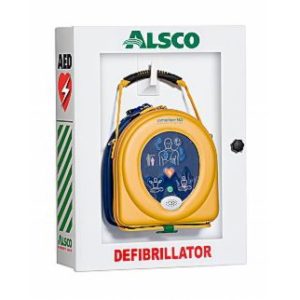
Alsco’s manage Defibrillator rental Services
If you want the latest technology and the latest equipment you need a quality AED kit. Did you know you can deduct the rental fee for an AED as an operating expense?
Keeping your employees safe and well informed is important for any business. The age-old saying better safe than sorry still carries weight when it comes to safety practices.
With Alsco’s defibrillators you receive:
- One inclusive annual fee, making it an affordable payment plan.
- A simplified and easy to use AED kit.
- Regular checks, maintenance and/or replacement every three months.
Don’t risk a life, contact Alsco now and get an AED installed within your workplace.
The Importance of First-Aid Kits
Let’s assume one of your employees trips and tumbles down a flight of stairs. They may need immediate medical attention to help relieve the pain before receiving adequate medical assistance.
How would you react in such a scenario?
As distasteful as this may seem, accidents and certain medical conditions do occur.
This is especially true when you have employees who are more prone to accidents than others, including those with certain medical conditions.
A Brief Historical Background
First aid is not only a complex topic, but it also has a complex history. Let’s take a quick journey through time.
About a century and a half ago, a war in Italy ignited an idea that has since revolutionised the world. Henry Dunant, a businessman from Geneva, witnessed great misery and torment during the battle of Solferino in June of 1859.
This led him to assemble civilians composed of women and children. They went on to take care of the casualties and tended to their wounds regardless of their role in the battle.
Dunant later aided in the setting up of provisional hospitals. He also provided the resources needed at the time.
The formation of the International Committee of the Red Cross (ICRC) in 1863 was later inspired by a book Dunant published titled A Memory of Solferino.
Robert Wood Johnson was inspired to create the first modern commercial first aid kit 25 years later while on a train to Colorado in 1888.
Johnson was the founder of the medical supply company Johnson & Johnson. The kit consisted of the essential pieces of equipment to be used when an injury occurs.
Nevertheless, during an emergency, having a first aid kit in the office can be lifesaving. If not, the situation could escalate before the injured person is able to go to the hospital.
In the words of Benjamin Franklin, “If you fail to prepare, you are preparing to fail”. Thus, ensure you have the necessary supplies in your workplace first aid kit. Preparedness could mean the difference between life and death.
With that said, having a workplace first aid kit is always a good idea whether it is a low- or high-risk work environment. It is a requirement by law according to the Health and Safety at Work Act 2015, but it can also help decrease the severity of an accident/injury.
Additionally, the workplace first id kit must include a range of items that can be used to treat:
- Several common ailments
- Allergic reactions
- Sprains
- Burns
- Minor and major cuts and open wounds
- Scrapes and bruises
The following are some essential items found in a first aid kit:
- Bandages – Used to hold a wound dressing in place or support an injured joint
- Burn Gel – Provides soothing pain relief on the affected area caused by a burn
- Epi-Pen – Used during emergencies to treat severe allergic reactions caused by allergens such as foods, insect bites/stings, and more
- Antiseptic wipes – Used to clean the skin around a wound
- Eye-wash solution – Used to cleanse the eyes in an emergency
- Adhesive bandage – For covering small cuts
- Latex gloves – Protects the victim and the wearer from potential infections
- Clean dressings – Used for covering open wounds
There are several reasons why having a first aid kit in the workplace is so important.
1. First Aid Can Save A Person’s Life
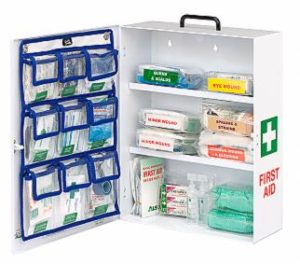
Alsco’s first aid kit Affordable – we charge you a single, all-inclusive annual fee
First aid is the response administered immediately after an accident, injury or illness occurs. It can make a huge difference to a victim.
Having a well-stocked first aid kit can boost your employees’ confidence. Proper first aid training gives them the ability to react immediately to an emergency.
Your employees must be up to date with the practical first aid courses. This training should only be from qualified trainers.
How often should your employees keep these skills updated? According to WorkSafe, a first aid training refresher should be conducted every two years.
Many lives have been saved as a result of the quick response, but only if it’s taken during the crucial moments of a life-threatening situation.
Recently, there have been numerous stories in the media highlighting the importance of having a well-stocked first aid kit and how useful the skills acquired in first aid training can prove to be in the workplace.
Click here to read more on the importance of first-aid in the workplace.
The following are examples of the hazards in various places of work and their potential harm. According to WorkSafe:
- Extreme manual labour can lead to exhaustion and straining of the muscles.
- Slippery surfaces may lead to concussions, joint dislocations and fractures from falls.
- Live, exposed electrical wires can lead to electrocution, cardiac arrest and severe burns.
- Violent tendencies such as physical abuse can cause psychological and physical trauma.
- Exposure to radiation can cause cancer.
- Biological hazards can lead to infections and allergic reactions.
- Extreme temperatures can lead to hypothermia or heatstroke.
2. Help Provide Urgent Relief Before the Paramedics Arrive
It should be noted that first aid treatment is not meant to completely cure a person with an injury, a medical condition or someone involved in an accident.
A medical-grade first aid kit is meant to give the victim basic treatment before the arrival of professional medical help. Having a workplace first aid kit is the initial step to being prepared for any kind of emergency.
You must inspect all first aid kits in your workplace. Immediately replace any contents that have been used.
It is also important to check the expiry date on all products. Make sure you throw out and replace expired items.
3. Lower The Risk Of a Wound Becoming Infected
You can’t always prevent your employees from getting injured. However, you can protect them when they do get hurt using a first aid kit.
A medical-grade first aid kit contains the necessary tools and pieces of equipment to clean out and cover up an open wound. This reduces the severity of the injury and in turn lowers the chances of the wound getting infected.
Shortens the Victim’s Healing and Recovery Period
A lowered risk of acquiring an infection means the healing and recovery period of the victim is drastically reduced.
4. Prevent Potential Liability Charges
According to the Health and Safety at Work (General Risk and Workplace Management) Regulations 2016, it is the duty of the employer to provide their employees with adequate first aid equipment, facilities and/or training.
Anyone who does not follow these regulations will be charged with hefty fines.
5. Reduce The Chances Of A Severe Injury From Becoming Fatal
According to Injury Prevention and Environmental Health, it is estimated that “317 million nonfatal occupational injuries and 321,000 occupational fatalities occur globally each year.”
In a work environment, injuries can occur when you least expect them. The wrong move in a chemical plant or at a construction site could lead to a painful if not fatal injury. With a first aid kit, however, you can reduce the severity of the injuries.
Being well-prepared, knowing how to use a first aid kit and the right way to react during an emergency is reassuring to both the victim and the first responder.
Prevents Excessive Blood Loss
What do you do when one of the employees at your restaurant accidentally sustains a deep cut? What if the cut is bleeding uncontrollably?
Well, having a first aid kit close by can help. It provides the right tools needed to stop the bleeding before help can arrive.
The Answer You Have Been Searching For
Any business’ top priority should be the health and safety of their employees.
Having healthy workers means higher productivity. However, many businesses are concerned about the costs that come with purchasing and maintaining the legal number of required first aid kits in a place of work.
Luckily, there is a simple cost-efficient solution to this dilemma.
Due to the unpredictable nature of accidents in the workplace, you can now guarantee the safety of your employees with ALSCO NZ medical-grade managed first aid kits, which are specially crafted for any type of work environment.
Why Should You Subscribe to Alsco NZ’s First Aid Rental Service?
- It’s a cost-efficient alternative to buying first aid kits.
- Guaranteed free unlimited restock of any used or expired first aid supplies.
- The contents in every kit are colour-coded for specific injuries.
- We offer quarterly maintenance services.
- Our workplace first aid kits meet the required OSH guidelines.
- Alsco also offers vehicle and portable first aid kits, which are perfect for company vehicles so you can stay safe when on the move.
Visit us today to get a quote.
Are AEDs Required in Schools?
On a normal day, children spend most of their time in schools and learning institutions.
Every parent wants to be certain that their children are safe when not in their care.
Cardiac arrest can happen without warning. It could be at a sporting meet, debate club or other school event.
It is important for schools to provide adequate first aid measures to keep children, staff and visitors to the school safe.
1. What Is Cardiac Arrest?
Cardiac arrest occurs when the heart stops working or pumping blood normally. When a blockage prevents blood from getting to the heart, the heart is starved of oxygen and this affects its regular rhythm.
Most of the time it means the heart has not received enough oxygen to effectively pump blood to the body. The pulse is weakened and when the blood stops circulating the brain is starved of oxygen. At this point, the victim falls unconscious and stops breathing. If left untreated, the victim could die.
A cardiac arrest can be caused by many things and it differs from children to adults.
For children, such causes could be:
- Trauma
- Respiratory illness
- Cardiac disease (usually hereditary)
Young children are affected because of their developing hearts. Their bodies are still growing and so their soft chest walls are easily affected. It could be as simple as bumping into another person/object or a sharp blow to the child’s chest.
The chance of survival during a cardiac arrest decreases by close to 10% for every minute the victim goes without Cardiopulmonary Resuscitation (CPR) and a defibrillator shock.
This is why defibrillation is very important. The sooner the victim receives CPR and AED shock, their chances of survival are increased.
If you ever find yourself in an emergency, remember these steps:
- Call for an ambulance.
- Administer CPR.
- Use an AED as soon as possible.
2. What Are AEDs?
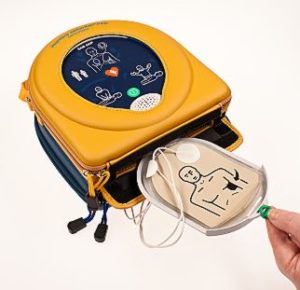
An Automated External Defibrillator (AED) is used to administer a safe electric shock in an attempt to restart the heart.
They are portable, lightweight and easy to use. It is true that they can be used by anyone, regardless of experience quite effectively.
They are found in many public spaces including gyms, airports, banks, recreational centres and so on.
When used in combination with CPR, they can resume normal heart function. The process of CPR maintains the blood and oxygen circulation until the victim can receive a defibrillator shock.
Most medical practitioners use AEDs over other equipment for cardiac arrests.
You can watch this video about how to use the Alsco HeartSine Samaritan 500 P AED.
3. Should Students Learn First Aid, Including CPR and AED Use?
As part of health education, schools can choose to incorporate CPR training.
This improves response rates when victims experience cardiac arrest. It prompts bystanders into action.
The World Health Organisation believes that teaching children CPR for two hours in a year can boost survival rates and improve global health.
CPR is an easy and important skill to learn. Children can pick up these techniques quickly.
AEDs are designed to be used without training. However, proper training on the use of AEDs can improve their effectiveness. Training can answer common questions regarding AEDS. It also increases confidence and the willingness to help in an emergency.
These lessons are provided by local ambulance service or first aid trainers during Education Outside The Classroom (EOTC) sessions.
4. Emergencies and EOTC Activities
Education Outside The Classroom (EOTC) is not a new concept in New Zealand. It ranges from sports trips, school camps, museum visits and so much more.
There should be policies in place that include all major issues such as traumatic events.
Schools should do a risk assessment of all the EOTC activities before the actual event.
It is never pleasant when incidents occur during an EOTC, for any party involved. A response with procedural steps in case of any emergency should be planned ahead of time. This helps lessen the impact and speed up recovery.
The person in charge of EOTC events should check with the EOTC provider on the potential risks involved. Then confirm if there are staff trained in first aid on site. It is important to note how many first aid trainers are available and if the premise has an AED.
The EOTC provider should also provide a health and safety orientation. That includes emergency procedure and where first aid equipment may be located.
5. Benefits of Having an AED on a School Site
AEDs have voice prompts that provide step by step guidelines in an emergency situation.
For those that are hearing impaired, a step by step guide comes with all devices.
Whether a school decides to buy an AED lies with the board of trustees. The school’s health and safety policies, as well as workplace regulations, should be considered in the decision-making process.
Most schools have other activities going on besides learning. The community at large can have access to school buildings for sports events, civil emergencies, natural disasters and meetings.
When such events occur, it is worth considering the benefits of having an AED on the premises.
Although schools may be located near facilities such as hospitals. However, you can never predict an emergency. Traffic, obstructions on the road, and other factors can delay professional medical personnel from getting to the site.
Considering the rate at which the survival rate drops when it comes to cardiac arrest, it is beneficial to have an AED in schools.
5. Schools Should Train Staff in CPR and AED Use
All schools must have staff trained in first aid under the Health and safety act of 2010. This includes knowledge on how to perform CPR as well as use an AED.
Practical training is the best way to get familiar with using an AED, but not the only way. There are videos and e-learning training that ease the basic understanding of using this equipment.
Local emergency service personnel and local ambulance crews can visit your school to speak at assembly and engage the students.
This can help build the wealth of knowledge students have on areas like health and physical education, science and social studies. Real-time engagement with individuals in the medical field can help empower students to act in an emergency.
6. Where Should You Keep an AED in Schools?
A visible, central location that is accessible in an emergency is the best place to store an AED. Consider getting emergency signs placed right beside the AED.
When someone loses consciousness, there needs to be a clear process for getting the AED.
Did you know that in New Zealand there are apps for AED locations?
They are used to map the location of AEDs nationwide.
This makes it easy to access all nearby AEDs if you have your smartphone.
It is recommended that you register the location of your AED.
7. What Does the Law Say About AEDs in Schools?
There are regulations that place responsibility on persons conducting a business or undertaking (PCBU) or a board of trustees. They must have first aid provisions for others in their care.
Regulation 13 covers provisions for first aid facilities, equipment and number of first aid trainers.
This school trustees must assess the risks involved at the school and decide what is appropriate.
Ensuring the safety of children in schools is of the utmost importance.
The provision of an AED in a school building is not only helpful for students but the community at large.
Don’t Take a Chance, Get an AED for Your Workplace Today
An AED instantly makes your school safer for pupils, staff, parents and visitors.
You don’t have to risk a life. With Alsco, you can relax, because all the hard work is done for you.
We install, check and replace the contents of your AED throughout the year.
For an annual fee you can ensure that your school is equipped with the latest in AED technology.
Call your local Alsco branch and ask us about our rental fee.


