Trusted by 237K+ Business Worldwide. Find a Location
Trusted by 237,000+businesses worldwide across 250 locations delivering uniforms, linens and more. Find a Location Near You


Delivering Excellence Since 1910
Contact Us
Waterless Urinals: How They Save You Money and Water
Did you know that the average person in New Zealand uses 227 litres of water a day?
Specifically, 86 litres per day is used for flushing, 68 litres for bathing and hygiene purposes and another 73 litres for laundry and kitchen purposes.
More than 70% of this water is used in the bathroom. More than 20% is used in the kitchen and for laundry.
So, how many litres of water does it take to flush a toilet?
Toilets manufactured in the 1980s use 13 litres per flush, and models manufactured prior to that use between 19 and 26 litres per flush.
The average person flushes five times a day!
This accounts for a considerable amount of water usage.
Now, do the math for a business that has over 15 employees. That is a lot of water and money wasted.
What Can You Do to Make It Better?
Urinals are highly common in men’s bathrooms of the commercial, industrial, and institutional sectors of society. Today, there are models for women being developed and installed all over the world.
Personal homes are not left behind either!
Builders, plumbers, and federal agencies need to ensure that urinal fixtures are water-efficient and that the most appropriate fixture is chosen for specific applications.
Toilets and urinals can account for nearly one-third of a building’s water consumption. Inefficient or poorly-maintained toilets and urinal fixtures can be a nuisance.
Flush urinals, over time, can use more water than what they were designed for, especially if the flush handle has frequently needed repair or the urinal was subjected to some form of vandalism.
Luckily, innovative advancements have made it possible for a new wave of urinals to see the light of day.
Waterless Urinals
Urinals come in two types:
- Flushometer urinals: These send pressurised water straight from the supply line via a flush valve directly to the urinal fixture to create the flush.
- Nonwater/waterless urinals: No water is required to flush, but a cartridge in the bottom contains a sealant that allows waste to flow through into the drain line.
There are some contemporary waterless urinals that have a kind of self-cleaning property due to small pressure differences that ‘flush’ the valve clean with each use.
Urinals that have liquid sealed valves allow urine to seep through the oil blocking outlet, utilising the different densities of the two fluids.
Waterless urinals are designed to be compatible with already existing urinal infrastructure. The only difference is the lack of flush handles and no need to attach a water inlet pipe.
Waterless urinals take away the physical interaction with handles, creating a ‘touch-free’ environment.
That’s pretty cool.
Just as with other toilet fixtures, a full range of designs (and prices) are available for installation in both private residences and public buildings.
What Makes Waterless Urinals so Great?
There are a number of reasons waterless urinals are an obvious choice for your business or home.
1. Cost
This is always what it boils down to at the end of the day.
A switch to waterless urinals can pay for itself in as little as one year in municipalities that offer rebates for their installation.
They also end up being a cheaper option for new bathroom installations. Regular flushing urinals often incur substantially higher installation costs than waterless urinals due to their pipework and flushing devices.
Keep in mind that urinals now being used in your facility will cost you for water, sewer and maintenance.
Why not convert these costs to purchase waterless urinals? Your retrofit can pay its own way.
2. Maintenance
Maintenance on waterless urinals is different than that of a flushometer urinal and takes up less time!
All that is required is daily spray-and-wipe cleaning of each fixture and occasionally replacing the cartridge, which you will know to do when the blue sealant seeps through the top of the cartridge.
Typically, a cartridge will last about 7,000 uses, depending on the frequency of use.
As part of Alsco’s managed rental service, we will install, maintain and replace dispensers on a schedule customised to your business’ needs.
3. Hygiene
The hypothesis that waterless urinals decrease bacteria compared to water-based urinals is proven to be true.
How?
Water in toilet bowls is the perfect environment for bacteria growth, and the flushing of these urinals often sprays the bacteria into the air and onto nearby surfaces.
If this happens, it breeds cross-contamination, which can be very serious in a busy manufacturing facility.
In fact, in a study published in August 2003, Dr Gerba states, “Waterless urinals would result in a significant improvement in public restroom hygiene.”
Gerba studies “filth, pestilence, and disease,” with an emphasis on the bathroom, and says he has done more field studies on the toilet than anyone else in academia.
4. Environmentally Friendly
The most renowned benefit of using waterless urinals is the amount of freshwater saved, energy conserved, sewage eliminated and carbon emissions avoided.
Because no water goes down the drain, additional wastewater requiring treatment is not generated.
The special drain cartridges and inserts used in some models are recyclable. The sealant liquid composed of natural oil is also biodegradable.
How awesome is that? You get to contribute to saving the planet, too!
5. Odour Control
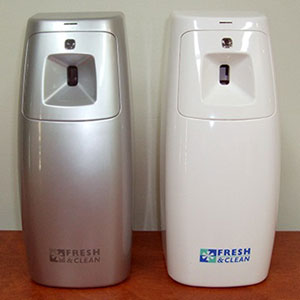
Air Freshening and Odour Elimination Services
Controlling odour was actually one of the main problems in the development process of waterless urinals.
But not anymore…
Some restroom fixtures develop odour problems that can be corrected by cleaning professionals such as Alsco New Zealand.
We offer odour control services created with your washrooms in mind.
While the Alsco sanitisers work as your first line of defence and kill off odour-causing bacteria before they get the chance to spread, your air fresheners will add to your air quality by scenting it.
You can choose sanitisers or air fresheners, but they work best in combination.
Both of Alsco’s sanitising and air freshening units have dispensers that release their products on a regular basis, so you don’t have to worry about activating or replenishing them.
That’s Alsco’s job.
Why It Matters
Many innovators have diverted their attention towards developing low-flow urinals and shower heads to meet the demand for freshwater.
Such endeavours in environmental and economic conservation have seized the curiosity of some government agencies.
The U.S. Army’s Facilities Policy Division and Installation Management Agency specified that waterless urinals be installed in all new construction and major retrofits effective October 2006. Since 2010, all-new U.S. military facilities have only used waterless urinals.
According to Annette L. Stumpf, an Army architect at the U.S. Army Engineer Research and Development Center, Construction Engineering Research Lab in Champaign, Illinois, the decision to install only waterless urinals is based on the following reasons:
- They can save up to 170,000 litres of water per year.
- Waterless systems require no freeze protection.
- Electrical requirements for pumps are eliminated.
- There is no need to provide an infrastructure for fresh (potable) water.
- Septic loads and water treatment time are reduced.
- The waterless systems require no installation or maintenance costs for flush handles, valves, sensors, or water supply piping.
- No batteries, transformers, or other electronics are necessary.
- The units are environmentally friendly.
The plethora of advantages of waterless urinals is worth the switch and an essential component to future building projects.
Don’t Let Your Waterless Urinals Be Your Achilles Heel
Get in touch with the experts and they will handle the upkeep for you!
Quality providers like Alsco will continually replenish all the consumables from your urinals and, if you wish, even deep clean all your toilets and showers.
Contact Alsco for a best-price quote today, and you are sure to leave a lasting impression on your clients, employees and the environment!
Photo: Nelo Hotsuma
A Quick Guide to Urinals: What You Need to Know
Before today’s workplace urinals, Andrew Rankin was the pioneer of older designs in 1866.
Now, they are common all over the world and are a washroom necessity for relieving ourselves.
Unfortunately, managers often overlook workplace urinals. This shouldn’t be the case, as they play a major role in washroom hygiene.
This ultimate guide to urinals will lead your washroom experience to the next level.
Types of Urinals
To know which urinals suit your washrooms, you need to know the types that exist.
Urinals are under 3 major categories:
1. According to Flushing Mechanisms
Flushing is vital because it eliminates microorganisms found within the urinal.
To select a suitable urinal, you need to understand the different flushing mechanisms.
Manual Flushing
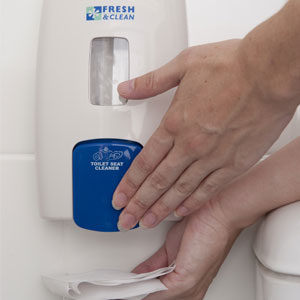 Handy, accessible wall-mounted units Toilet Seat Sanitiser
This is a popular method. Workers press a button or pull on a lever to flush. This pushes the water from the cistern and into the urinal to flush waste. Flush handles are a common touchpoint. So, there is a high probability of spreading illnesses.
Make sanitiser available in washrooms so that workers can clean their hands after. But, there is an easier way out. Take the safe route for your workplace and avoid this flushing mechanism. Instead, select from the modern options below.
Automatic Flushing
This method prevents the need for physical contact. An infrared sensor detects movement and activates the flush.
If your workplace washrooms have the standard flushing handle, don’t fret. You can upgrade the urinals to this functionality.
Your workers benefit and feel more comfortable using washrooms. In turn, this boosts their morale and productivity.
Timed Flushing
Flushing occurs automatically within set intervals. This method ensures urinals remain clean and fresh-smelling.
Once the cistern water has reached its tipping point, all urinals flush together.
Link the flushing system to the washroom light switches to avoid wasting water.
Door-Regulated Flushing
Maintaining washroom hygiene is easier as urinals flush after the main door opens.
This mechanism saves water as flushing doesn’t occur when the doors stay shut at night.
2. According to Water Use
Some urinals use water, while others don’t.
Waterless Urinals Versus Flushing Urinals
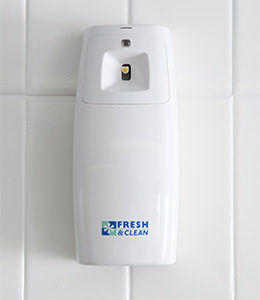 Place Alsco Air Fresheners on your walls and stop worrying.
Waterless urinals have been in existence since the 19th Century. They aim to eliminate the use of water while flushing.
The waste passes through a cartridge and into the drain without the need to flush. There’s no need to worry about pungent smells, as the cartridge absorbs them. Waterless urinals are the in-thing, and this is why:
- They are eco-friendly. They save between 57,000 and 170,000 litres of water per urinal, per year.
- Installation in high-populated areas is possible.
- Prevent the release of bad odours. Plus, provide the best brand of air fresheners to maintain a fresh-smelling workplace washroom.
- Proper installation leads to fewer problems.
Like any other device, waterless urinals have cons:
- They need constant maintenance because odour control is costly. Curb this by inquiring which odour controlling mechanism is long-lasting.
- The urinals should be compatible with your workplace building plumbing system. So, contact professionals to guide the way forward.3. According to Urinal Design
Urinal design is one of the best ways to understand your workplace washroom needs.
Not only does this give you the chance to spruce up the decor, but also, provides a sanitary option.
There are 3 main types of urinals designs:
Trough Urinal (TU)
This is an affordable urinal design that is shaped like an animal feeding trough. But, because of this, the little space available creates some awkwardness.
The plumbing leads to one drain and feeds from one cistern. Hence, this design is a common sight in public areas.
Bucket Urinal (BU)
As the name suggests, this urinal resembles a bucket.
It is a go-to choice for its plumbing variations. It is easier to adapt to your workplace washroom design to accommodate for it.
‘’Wee-Against-The-Wall’’ (WAW)
The name may not reflect the true aesthetic beauty they have. When put up by professionals, it can make a great conversation starter.
Unfortunately, this isn’t the best design to look to when saving costs. Installation on a tight budget makes it looks undesirable for your workers to use.
Buy the Right Urinals
After identifying the best design for your workplace washroom, you need to know where to buy it from.
With advances in technology, purchasing items is a piece of cake.
So, commercial online and physical bathroom stores are the way to go. A few local stores to choose from include:
- Macdonald Industries Limited.
- Paterson.
- Robertson Bathware.
- Archipro.
First, understand that stores sell urinals to meet different customers’ needs.
Thus, consider the following factors before purchasing your workplace urinals
Water Use
If you want your workplace to ”go green”, then you need urinals that conserve water. So, waterless urinals are an excellent choice
Flushing Mechanism
Select a urinal with sensors to track flushing frequency in the workplace washroom
Urinal Design
Washroom layout and design contribute to the productivity of workers. Select a design that promotes privacy and hygiene of your workers.
It should have enough space between washroom users to avoid a cramped up appearance.
Gender
To promote gender equality, there are both male and female urinals in the market. Conduct workplace surveys to understand the needs of your workers in this respect.
With these factors in mind, you can select the urinals that suit your workplace best. From this, there is a question about cost.
Instead of doing guesswork, have a look at this toilet calculator. It assists business owners in planning construction of washrooms.
Yet, the typical price range for urinals is between 199 to 900 Nz Dollars.
How to Install Urinals
Like any other appliance, you can install urinals yourself.
Consider these DIY installation tips before beginning your project:
- Ensure there is a steady water flow.
- Avoid tampering with electrical wires.
- Weld with care to prevent accidents.
Unfortunately, this option is not the best way to go for a professional job. Instead, trust the experts to do the job for you.
The benefits of hiring experts are:
- 5-star plumbing services are a phone call away.
- Knowledge and experience in local plumbing that your washrooms will.
- Facilitates the creation of a long-lasting relationship with the business.
Maintain Clean Urinals
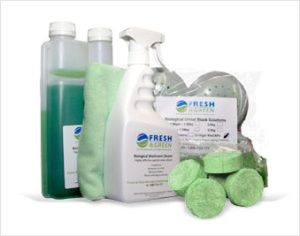 Clean your washrooms with Biological Treatment
After all, urinals are a major part of the washroom. Without proper care, the state of your workplace washroom deteriorates.
For starters, splashbacks are a common incident in the urinal area.
In turn, bad odour and poor cleaning methods attract flies. This creates an unhygienic environment that may damage the reputation of your business.
Investing in urinal tabs is one of the surefire ways to deal with these problems. They consist of a chemical that controls odour and bacteria formation.
Urinal tabs are heavy-duty products that also repel silverfish and moths. All you have to do is place the tab at the bottom of the urinal and replace them often.
Additionally, consider hiring cleaning professionals that offer the following services:
Deep Cleaning
This is a 4-step process that involves the elimination of dirt from hard-to-reach areas.
Deep cleaning is suitable for washing the outer area of urinals
Biological Treatment
This treatment is a permanent solution to smelly and clogged urinal drains.
According to the experts, this is an effective option that removes the build-up of uric acid.
Consider using a combination of these 2 services for extraordinary results. As a result, the maintenance of washroom hygiene is a piece of cake.
Plus, install wet area mats nearby urinals to absorb any splashback that may occur. Clean and replace them to upkeep the washroom appearance.
In the long run, high-quality and sanitary urinals are a great workplace asset, as:
- It upholds your business’ reputation and reflects its core values.
- It enhances your workers comfort at work.
- This contributes to people’s general satisfaction with the workplace
How to Choose the Best Staff Uniforms in New Zealand
Introducing staff uniforms could be one of the best decisions you’ve made for your business.
Workwear is great for reinforcing standards and processes in your business.
With the below tips, you will be able to navigate getting the best uniform vendor in New Zealand.
What Is the Staff Uniform Policy in NZ?
It is common to agree on uniform and dress standards during the recruitment process. It is wise to record the agreement to prevent future problems. The employee is always free to bring up any issues they may experience so the employer can assist.
Below are the common best practices in regards to buying and cleaning the uniforms:
- The employer provides the uniforms but the employee covers the cleaning costs.
- The employer provides the uniforms and pays the employee a laundry allowance to cover the cleaning cost.
- The employer provides and cleans the employee’s uniform.
Where the uniform is generic (e.g., white collared shirt, black pants and black shoes), the employer could ask the staff to buy it. In such a case, the employer should make sure the employee understands and has agreed to this in writing.
It is important to note that if the uniform is part of health and safety requirements, the employer must provide all appropriate protective equipment and suitable protective clothing at no cost to the employees.
What Are the Categories of Staff Uniforms?
There are two distinct types of staff workwear. The difference is in different roles you would expect your staff to carry out.
1. Dress Code/Professional Staff Uniform
To improve the general image and atmosphere of a workplace, you can introduce a dress code as a guideline to dressing up for work. What works may vary for different businesses. Apply your policy across the whole organisation to prevent discrimination.
Employees generally push the boundaries of what is acceptable. Thus, make the dress code description specific with allowance for the employer to have discretion as to what is appropriate.
Avoid making the dress code part of employment agreements because you will then need the employee’s consent to change it. Instead, put it in your workplace policy manual and ensure you bring it to all employees’ attention.
2. Safety Uniforms
Different levels of hazards exist. The degree depends on the workplace and the tasks involved. Where hazards can be eliminated or isolated, employers are required to take all practicable measures to reduce the risk of staff being harmed. Providing protective clothing might be one of the necessary steps needed to reduce the risk of harm.
Section 10(2)(b) of the HSE Act states that employers must provide, make accessible, and ensure the use of suitable clothing and equipment to protect employees from any harm that may result in being exposed to a significant hazard.
Employers can be prosecuted and fined for failing to provide adequate protective clothing and equipment, even if no one has suffered harm as a result.
What to Consider When Choosing a Dress Code
1. Form and Design of the Workwear
For public-facing employees, it is common for employers to enforce a type of dress code. Examples of dress codes include phrases like business casual, casual, formal, etc. It is important to provide concrete examples of the allowed attire and accessories to prevent confusion.
When choosing dress codes, be considerate of all body types and affiliations that may hinder adherence. Inclusive design and policy will increase compliance and reduce incidents of potential discrimination.
The Health and Safety at Work Act 2015 requires employers to ensure a nametag so far as is practicable in the health and safety of its workers. Sometimes an employer won’t be able to make an employee wear a name badge with their full name printed if this might put them in the way of potential harm from members of the public.
An employer should respect their employees’ privacy rights in terms of the disclosure of their full names to members of the public.
Function and Utility
1. Hospitality Uniforms
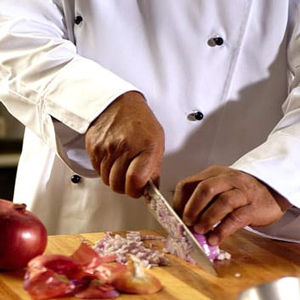
When it comes to your catering establishment, cleanliness goes beyond looking professional. It’s vital for the health of your customers and your survival as a business. When choosing your uniforms, keep the needs of your staff in mind.
For your chef, provide uniforms that are both functional and stylish. They need to stand out and feel pride when they go out to meet clients. Alsco NZ has a diverse range of chef jackets and aprons that are both stylish and functional.
For your catering staff, comfort and hygiene are crucial. They need comfortable pants and jerkins that allow them to add a stylish apron and work comfortably. The material and maintenance of these items play a big role in how presentable your team will look.
2. Food Processing Uniforms
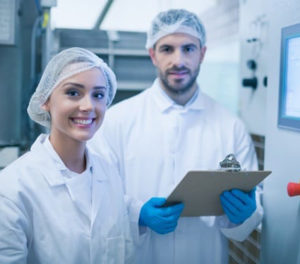
The food industry deals with food manufacturing, processing, or packaging. This means that the hygienic standards are high, and your staff is the first line of defence. Even a little bit of dirt can have catastrophic consequences.
The uniforms need to be tough, minimal and sterile. The food processing industry has strict regulations for a good reason. The risk of contamination is always lurking, and any laxity can have grave results.
Alsco NZ offers a wide range that includes headwear, overalls and aprons. With over 125 years in business, we know our way around uniforms. We have developed systems that make uniform management seamless.
What to Consider When Providing Safety Staff Uniforms
1. Legal Employer Obligations
For a uniform policy to work, staff must be willing to implement and follow the policy. Employers have a legal obligation to ensure employees understand how to use protective uniforms in hazardous areas.
As a manager, ensure the below are implemented to keep your company in line with New Zealand’s regulations on safety uniforms:
- The employee knows where protective clothing or equipment is kept.
- The employee has ready access to protective clothing or equipment.
- The protective clothing or equipment is suitable for the purpose.
- The employee is properly trained in the use of protective equipment and clothing.
- The use of protective clothing and equipment by the employee is regularly monitored.
- With consent, the employee’s health is regularly monitored.
Furthermore, employers are mandated by regulation 5 of the Health and Safety in Employment Regulations 1995 (HSE Regulations) to provide suitable changing facilities.
2. Special Industry Workwear Needs
Medical & Pharmaceutical
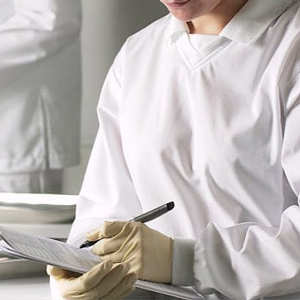
These industries have strict hygiene rules for good reason. The people are the first line against dirt, contamination and pathogen spread. The uniforms need to be modern, hygienic and comfortable.
Due to the need for sterile conditions, medical and pharmaceutical wear has to be white and pristine. That’s why Alsco NZ doesn’t just clean dirt. We stock and sterilise your clothing as part of Alsco’s Rented Pharmaceutical Workwear Service.
Depending on the size of your company, you can choose from a wide catalogue of uniforms. They include items like dust coats, long-sleeved shirts, polycotton pants and polycotton jackets.
Manufacturing & Industrial
When your business is of a physical nature, your staff’s uniforms aren’t just uniforms. They’re what distinguishes a happy, safe workspace from a hazardous, accident-prone one. You need heavy-duty, durable and safe uniforms.
Alsco NZ offers a wide range of long-lasting, high-performance industrial workwear that’ll protect your staff. We offer the best price guarantee and reliable service that saves you the headache of sourcing, fitting, laundering and transportation. All for an affordable monthly rental fee.
We can customise the uniforms to suit your needs. This includes:
- Branding to improve your team’s morale and company image
- A range of styles and sizes, including women-friendly fits
- Made from tough, long-lasting fabrics (e.g., cotton drill, blends, flame/stain resistant)
- Sourcing from the best manufacturers in New Zealand
3. Cleaning and Maintenance
According to regulations 66 and 67 of the New Zealand HSE Regulations, designers, manufacturers and suppliers of protective clothing and equipment have certain duties. As a manager, it is important for you to be aware of them and ensure they are followed.
These include:
- Making sure protective clothing and equipment is designed in accordance with ergonomic principles.
- Design and manufacture workwear that will provide adequate protection from the harm it’s intended to protect against.
- Protective clothing and equipment must come with comprehensive information, such as how to use, clean and maintain it.
- Suppliers of protective clothing and equipment must provide comprehensive information on how to install, adjust, use, clean, maintain, repair or dismantle it.
After the supplier has taken all precautions to provide clean garments, it is important to have a storage system that prevents cross-contamination.
The Alsco locker system separates soiled and clean garments in a hygienic and convenient method. Designated areas for clean and dirty uniforms make life easier for your staff members.
What Next?
Alsco’s managed rental service understands the process of providing staff uniforms. We’ve been in business for 125 years, and we understand the necessity for uniforms.
No matter what industry you’re in, we have a solution for you. Get in touch with us today.
An account manager in your area will reach out and help you choose the best package for your needs.
For an affordable monthly rate, you get clean professional uniforms delivered to your doorstep anywhere in New Zealand, as often as you need them.
Emergency uniforms can also be availed at no extra cost!
You can never go wrong with Alsco New Zealand.
Photo: laros
How to Pick the Perfect Restaurant Table Linen
A great restaurant makes you feel like you’re not sure whether you went out or came home. If it can do both at the same time, you’re hooked.
What makes a restaurant so great? Well, the quality of the food or service they provide.
The table linen you choose for your restaurant should, therefore, dress the room and reflect your style while elevating the guest’s experience.
According to The New York Times Bestseller Danny Meyer, “The restaurant industry isn’t about serving food it’s about hospitality. The end goal of any restaurant is to make their guests feel good.”
Table linen is the bridge that connects food, service and ambience together on the table for your guest.
Examples of Table Linen Include:
- Tablecloths
- Napkins
- Table Runners
- Overlays
Choosing the Ideal Size
Consider the Following When Selecting a Tablecloth
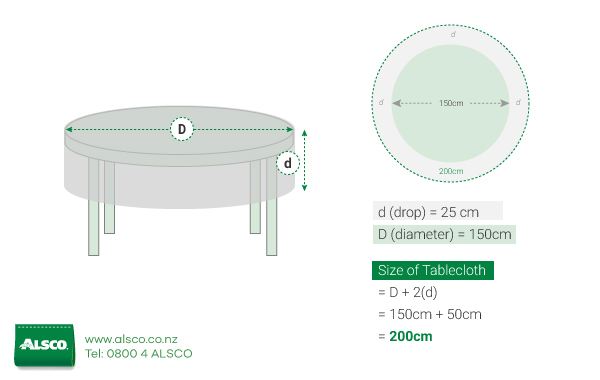
The first aspect you need to think about is the size of your table. This will define how much you can put on it. You need to know the exact measurements of your table before you purchase the linen. This will allow you to get the perfect “drop length” (the distance the tablecloth hangs from the edge of the table).
There is an easy formula to determine the perfect tablecloth measurements.
- Measure the length and width of a square or rectangular table.
- Measure the diameter for a round table.
- Next, multiply the desired “drop” by 2. Add that to the length, width or diameter.
- The result gives you the size of the tablecloth you need.
For instance: Take a rectangular table that measures 100 centimetres wide and 180 centimetres long. You are going for a drop of 25 centimetres. Multiply 25 by 2 and add that to each side.
The final dimensions of the Tablecloth you are going to select are 150 x 230 centimetres.
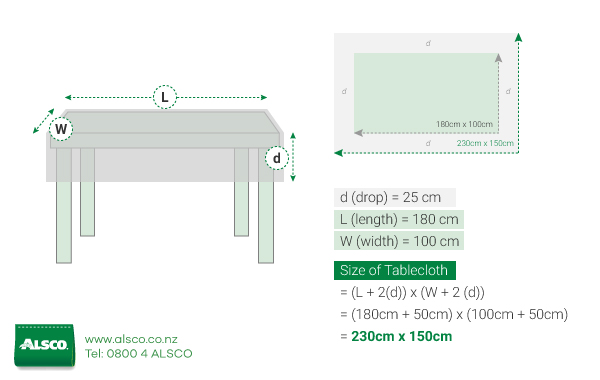
Determining the tablecloth size for a round table is much easier.
If you are going for a drop of 25cm on a table with a diameter of 150cm, simply multiply the drop size by 2 and add to the diameter of the table. The tablecloth you choose should, therefore, have a diameter of 200cm.
- The standard tablecloth drop length for a formal fine-dining restaurant setting is about 38 centimetres.
- The standard tablecloth drop length for a casual easy dine restaurant ranges between 20cm – 38cm.
The biggest investment you can make in the restaurant industry is finding a good vendor or working with an excellent table linen supplier.
This is because tablecloths and other table linen can sometimes be hard to find. They tend to be bulky and cumbersome. The Alsco tablecloth is a style favourite due to its simplicity and quality.
Don’t Shy Away from Colour
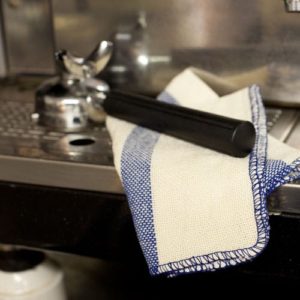
White table linen is a staple for most restaurants but colour has a place as well.
The sleek look of white table linen is perfect in a bright modern setting but also works in a traditional setting.
Neutral colours like white and grey can help you balance your design so that when you do use colour, it stands out.
According to the psychology of colour, some colours can either increase a person’s appetite or suppress it. For example, the colour red invokes passion and stimulates a person’s appetite while the colour blue decreases a person’s appetite.
When it comes to eating, research has proven that the right colour can sway a person’s mood to directly affect how they enjoy their next meal. Therefore, keep your colour scheme simple. Pick a table linen colour that is engaging and easy on the eyes.
You Can Match Colours from Key Decor Features in the Room By:
- Layering a white tablecloth with a coloured table runner, overlay and/or napkins to colour-match the paint on the ceiling, walls or trim of your restaurant to give a cohesive feel.
- Getting creative and experimenting with your colour schemes. Table linen such as table runners come in a variety of colours and fabrics, which means the creative solutions are endless.
Every colour sends a message. It’s, therefore, important to consider the tone of your restaurant and choose a linen colour that fits. Brightly coloured linen makes a restaurant feel authentic.
For example, bright colours tend to give a modern and uplifting vibe.
Coloured table linen might seem intimidating because it’s difficult to choose a pallet that works in your restaurant. However, it doesn’t have to be. Just keep experimenting.
Pick Functional and Luxurious Materials.
Materials are more compelling and convincing once you see them in context. Imbue your guests with a sense of well-being, empowerment and a sort of gentle joyfulness by using luxurious, high-quality materials.
When purchasing table linen, ensure that they are made of natural fibres such as cotton and linen, which are:
- Soft
- Super absorbent
- Durable
- Lightweight
For napkins, cotton and linen are the most common fabrics to choose from. They are breathable, meaning heat and moisture will not be trapped between the point of contact of the plate and table.
Air can easily flow through the fibres and moisture can evaporate.
*A napkin can be used to impress your guests when turned into a sculpture. Given that you have the necessary origami skills, you can create a great blue heron or a tea rose to display it on top of the plate*
Materials Are Best Understood by Contrast
Our senses are wired to notice contrasting textures. Create visual depth by purchasing table linen of varying textures.
This will help send a message about the elegance of the meal or how casual the environment is, which is an important part of creating an experience for your guests.
Restaurant interiors that have been treated as a less important side to design are now taken seriously.
What Next?
Table linen is an important factor to your restaurant’s success because this is what your guests are going to be touching, seeing, feeling and experiencing during their visit.
- Take time to choose wisely and make sure you’re thinking about the colour, shape, feel and size so your linen echoes your restaurant’s concept.
- Have a close connection to your guests and know how to reach them, how to excite them and how to inspire them.
Create an environment that is less about aesthetics and more about making people feel better.
Following these simple steps should make you feel a little more confident and make it easier when choosing linens for your restaurant.
For all your table linen solutions, visit Alsco New Zealand. We offer personalised service tailored to your specific linen needs. Whether it’s an emergency or daily operations, we’ll have you covered.
Photo: Pixabay
4 Ways to Create an Irresistible Office Entryway
You only get one chance to create a first impression. Your office entryway is a chance to impress potential customers or employees. Looks matter, so pay attention to what your office entryway says about you.
A beautiful lobby has unexpected benefits. You can easily convince clients to pay higher prices if your office is tastefully decorated. Stunning lobbies also create a sense of pride in your employees.
They will be glad to show up each morning to a beautiful office.
How Can You Improve Your Office Entryway?
The office entry consists of two areas. Outside the office and inside the office at the reception. These pivotal areas can transform your office if you pay attention to key aspects.
1. Be Deliberate with Your Colour Scheme
Colours have meaning. They create a mood and rhythm in a room. What do you want your entryway to say about you? What does your colour choice reveal about your character?
Since people will judge your office by its cover, take special care of colour in these strategic areas:
a. Brighten Up Your Door
How serious are your day-to-day relations? Consider the degree of seriousness in your business before choosing your office colours. Some companies will work well with traditional corporate colours like blue. Others in creative or service-based businesses need livelier colours.
Choose colours that suit the median age and cultural background of your clientele. Power colours like dark green, navy blue or burgundy evoke a sense of responsibility and confidence. If you’re still unsure, you can never go wrong with installing a glass door.
b. Display Your Logo
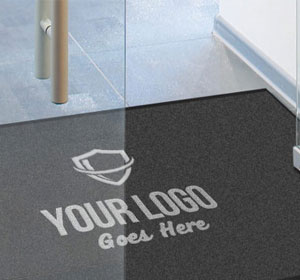
How visible is your brand identity? Make sure that your company name and logo are visible. When people are looking for your office, finding your logo will be a relief. Make it prominent by creating a logo wall indoors or outdoors.
c. Customise Your Mats
To protect your office floor from dirt and wear, it is important to have mats. Use these mats both at the door and in the lobby. Customising the mats creates the ambience of your choice.
Get welcome mats with your company logo or a cheeky message from Alsco’s managed rental service. You will always have high quality and professional-looking mats without the hassle of buying them in-house.
d. Choose a Front Desk That Suits Your Company
The colour of the reception desk sets the pace for the office ambience. Use your brand colours or become intentional about creating a mood. The reception desk is your chance to set the pace for the conversations in your office.
When choosing a reception desk, there are three things you should always keep in mind: the style or design of the desk, the space available and functionality. You should ensure that the desk height is appropriate since a high desk can be intimidating.
Stay true to your company’s personality. Don’t be afraid to choose an experimental or unusual desk. It adds a bit of interest to your office and puts your visitors at ease.
2. Create a Great Seating Area
Since the entry is the first point of contact, it’s important to create a great impression at first sight. Strategically choose colours and furniture to create the perfect ambience.
a. Indoor Seating Area
In the indoor reception area, it is critical to create a mood that helps your company achieve its goals. Do this with careful colour and furniture choices.
Add personality to the reception area. If it’s important to make clients feel welcome, a soft colour like peach creates a positive environment. A soft yellow will create a happy and cheerful feeling. A soft blue-green is great when customers use the reception area to make decisions.
Add life and personality to the reception area with lush plants and as much natural light as possible. You can also display your company’s charity work and awards. Choose durable comfortable furniture that will create a great impression.
b. Outdoor Seating Area
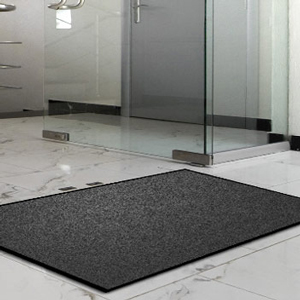
If you have wiggle room outside your office, create an outdoor seating area. This can serve as an extra meeting area or a great spot for employees to have a break. Choose all-weather material for the seats and arrange them in a way that encourages conversation.
Have a cheerful welcome mat at your door to make your visitors feel at home while cleaning their shoes. Alsco New Zealand has a range of popular welcome mats. Don’t take our word for it. Try them out for yourself.
3. Keep the Outside Areas Clean and Tidy
Ignoring the outside area of your office is like taking a shower and wearing dirty clothes. If the outside area looks dodgy, it does not matter how clean or polished your office is. Improve the appearance by considering the below:
a. Check the Lighting
Lights bring a sense of security to a home or office. Ensure all public-facing areas are well-lit at all times to help people feel safe. They can also be a deterrent to crime since burglars will be afraid of getting spotted. Start with a security light right outside your office door.
b. Check the Lawn
Is your lawn well-maintained or crawling with weeds? A well-manicured lawn with healthy and thriving plants looks appealing. Keep the garden stunning with regular care.
As a bonus, add colourful and functional seating in the garden area to allow people to enjoy the garden. Add interesting garden decorations like sculptures for a little extra touch of personality.
c. Check the Paved Areas
It’s easy to forget the paved areas outside, like the parking area or sidewalk. Negligence of paved areas increases the cost of fixing a problem that may arise. By the time you notice, the damage may be too much.
You could also get stained floors if you do not pay special attention to the high traffic areas. Use heavy-duty vacuum cleaners and mats to preserve them for longer.
4. Create Accent Walls
An accent wall is of a different colour or material or has different features from the rest of the walls. This is done intentionally to create an area of visual interest. Accent walls could be inbuilt or made by customising an existing wall.
a. Indoors
The ideas for indoor accent walls are endless. You can do it with a mural, wallpaper or by installing a reclaimed wood backdrop on a wall. Wall hanging patterns are popular in creating interesting patterns on an accent wall.
To accentuate the wall, add interesting furniture pieces that match or contrast it. Your best bet would be mono-coloured seats that are simple but stylish. Consider adding a surface rug as an accessory.
b. Outdoors
For outside, you can add interest by modifying the wall right outside your office. You can do this by commissioning a mural. The mural would be great for a company that needs to add some character to their office.
Another great idea could be creating a plant wall. Use stylish planters or grow creeping plants that fill up the wall. This natural wall is calming and a great feature to distinguish your office entry.
Get Started
Every company is different in how they choose to express themselves. Service-centric companies have greater leeway in creating fun spaces. Product-centric businesses value functionality and practicality.
Whatever industry you’re in, these examples from We Work’s global offices will inspire you.
The condition of your floors defines your office entry. Keep them in the best condition possible with a reliable floor care partner like Alsco. With annual rates that translate to about $1 a day, you’ll have an affordable and professional partner. Get a quick quote today.
Photo: Amtec Photos
What Is a Hi-Vis Vest?
A hi-vis vest is a piece of hi-visibility clothing. It means that it is a vest that is highly reflective and is easily seen against most backgrounds. Obviously, its purpose is to make its wearer more visible and prevent injuries and accidents.
(Note: The prerequisite for reliable injury prevention is measuring your workwear properly.)
Hi-vis vest uses a combination of fluorescent fabric and reflective tape to achieve the highest levels of visibility during both day and night.
Hi-vis clothing regulations in NZ require that the hi-vis vests are a yellow or orange colour. These colours need to be fluorescent. The hi-vis standard in NZ which deals with the fluorescent colours is NZ AS/NZS 1906.4:2010.
There is another hi-vis standard in NZ that deals with the high visibility clothing and their design features. That is AS/NZS 4602.1:2011. Here are some of the rules about hi-vis vest design:
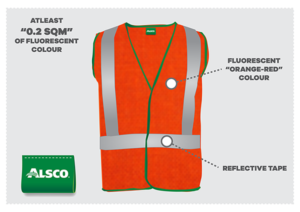
- There has to be at least 0.2 sqm of uninterrupted yellow or orange fluorescent colour on the front of a hi vis vest and the same amount on the back.
- Reflective tape needs to be 5 cm wide and it should be positioned in one out of five permitted configurations.
- Any logos, signs and other elements on the hi vis vest should be excluded when calculating the total of interrupted fluorescent fabric. This includes the reflective tape.
Alsco New Zealand rents hi vis vests that meet all the standards, regulations and criteria of New Zealand authorities. We rent hi vis vests to many companies from different industries.
Regardless of how different these companies are, they use the high visibility vests for the same thing – safety of their employees. Let’s look into how the hi visibility vests are used.
What Is High Visibility Vest Used For?
Generally, a hi vis vest is used for any situation in which a person needs to stand out from the background and be visible to others in those surroundings. The most common example of hi visibility vest in use are the uniforms of railway and highway workers. Others occupations that also use hi-vis vests are:
- Airport employees
- Construction workers
- Utility workers
- Tow-truck drivers
- Heavy equipment operators
- Toll booth operators
- Parking attendants
- Firemen
- Policemen
- Event security
Many other occupations also may have the need for the hi vis vest use. Moreover, hi vis clothing is used by hunters and cyclists, as well.
Hi visibility is important for all these occupations. However, not all of these occupations benefit from increased visibility in the same way. Namely, hi vis clothing offers three benefits to its wearers:
- Increased safety – this is the most common and the most obvious benefit of hi vis clothing. Employees who wear hi vis apparel are more visible and less likely to be involved in accidents. This function is especially important for highway construction workers, parking attendants and all those who spend a lot of time in traffic.
- Easy identification – occupations such as firemen, emergency responders, policemen and security workers need to be easy to spot by the others. People in emergency situations need to be able to identify the closest policeman or a security officer as soon as possible.
- Brand boosting – if the hi vis vests that a company uses are large enough, there is enough place for the company logo on the back. As long as it doesn’t interfere with the reflective tape and the coverage of the fluorescent fabric is still at least 0.2 sqm, it is possible to add logo.
Now you know what are hi vis vests used for and how they benefit the companies and different industries. The question remains – how does that even work?
Hi vis vests work on the same principle as the rest of the hi vis clothing. So, let’s examine what that really means.
How Does Hi Visibility Clothing Work?
Hi vis clothing works on the principles of conspicuity. This means that a hi vis vest attracts the attention of other people in the surroundings, even if those people are not actively trying to spot the wearer of the hi vis vest.
How? This is where the answer gets a bit more complicated.
Conspicuity is achieved through visibility and recognition. In other words, for hi vis clothing to work, it should be easily spotted and easily recognised as a type of “warning”. Let’s start with visibility.
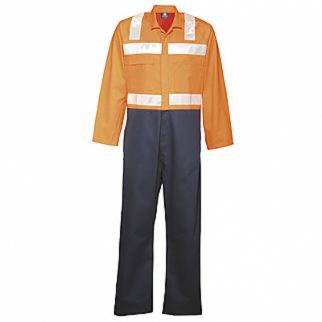
Visibility of hi vis clothing is achieved with the choice of colours and with the addition of fluorescent and reflective fabrics. Colours that ensure increased visibility are yellow and orange. To make sure that these colours are even more prominent, it is best to use them next to black, dark green or navy for contrast.
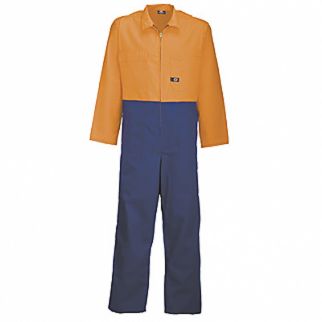
Orange/Royal Blue
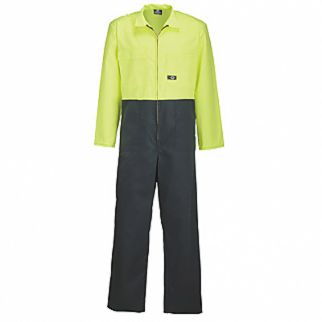
Yellow/Green
This contrast will make the colours stand out during daytime. However, for the nighttime, the fluorescent hi vis clothing needs to be complemented with the reflective tape.
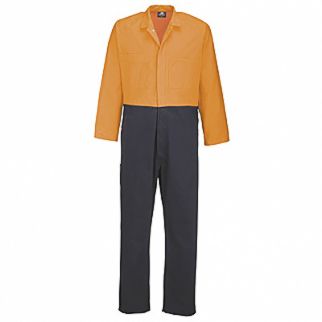
Recognition of hi vis clothing means that certain colours of hi vis clothing make us more attentive. In simple words – if you see the highly-recognisable bright yellow colour on the road, you will immediately be aware that you should be careful and pay attention to the person who is wearing such hi vis vest.
On the other hand, the orange-red hi vis colour, or “safety orange” is recognised by many as a sign for caution. This is also the colour of many signs, traffic cones and other traffic elements. Most of people will subconsciously react to it and recognise it.
People easily spot hi vis vests and they associate their wearers with safety workers, emergency responders and similar occupations. Consequently, they drive more slowly, become more aware of the heavy machinery dangers and become more careful, in general.
However, for hi vis vests to do their “magic” and to have all the above listed effects, they need to be clean and regularly maintained.
How Often Should You Replace Your Hi Visibility Clothing?
In general, you should replace your hi vis vest every six months. However, if it is rarely used, you should replace it once it is not visible from 300 m. If it is used sparsely and maintained regularly, it can last up to three years.
Hi vis clothing is made out of fluorescent material and reflective tape. For these two elements to remain functional, you need to clean them regularly. Any dirt or soil on them will block the light from reaching it and that will render them useless.
Fluorescent material actually converts the light of certain wavelength into that recognisable glow. It is impossible to happen if the dirt blocks the light from reaching it.
Similarly, the reflective tape works on the principle of micro-prisms or glass beads. They reflect the light directly back to its source. Dirt and soil will be on the way of the light and that means that the reflective tape won’t be able to reflect it.
Cleaning and maintaining your hi vis clothing is not difficult. You should clean it with a mild detergent in cold water and dry it without excessive heat. If you opt for machine washing, you should choose a program that washes your hi vis vest in cold water.
There is also an easier way to keep your hi-vis clothing up to date – you can rent it from Alsco New Zealand. In that way, you don’t have to worry whether your hi vis vest is already six months old or not or whether it is still visible enough.
As soon as your hi vis clothing is dirty, you just need to put it in a hamper and you will be delivered fully visible and spotlessly clean replacement first thing in the morning. That is what you get for choosing to rent the hi vis clothing.
We will come and pick up your dirty laundry and leave you with fresh and clean uniforms at the same time. All this is included in your affordable annual fee. Call Alsco New Zealand today and learn what is your best quote for this amazing service.
Crucial Washroom Hygiene Supplies And Equipment Your Restaurant Needs Right Now
In New Zealand and the world over, restaurateurs always took hygiene standards quite seriously. They were perhaps only second to surgeons.
Given the health implications related to poor sanitation, they had to.
But 2020 has brought a unanimous truth for all foodservice industry stakeholders.
The unfortunate reality of Covid-19 is here. Hygiene and sanitisation standards must now evolve to stellar levels.
Minimising instances of contamination while maximising sanitisation efforts is the only goal.
Restaurant customers are understandably wary. Eating out or even ordering-in is less fun because of fear. It is, therefore, more essential to focus on maintaining high-level cleanliness.
Aside from the health benefits, this is one way to instil trust and confidence in customers. This maintains a positive brand image for a restaurant.
Washroom cleanliness in a restaurant has a big impact on its bottom line.
Studies show that poor sanitation is almost never forgotten by customers. One viral image of a dirty restroom can irreparably destroy a restaurant’s public image. It is the main reason for low client retention rates.
A restaurant getting constant negative reviews about hygiene is bad. Potential customers may never pay them a visit.
Restaurant hygiene also affects the health and safety of employees. Cleanliness can build morale among them.
Maintaining hygiene is a commitment to your clients and your business success. To fulfil this promise, there are crucial tools and supplies you need. Here’s a list to help you keep your washroom clean.
Essential Hygiene Supplies And Equipment Disposable Gloves
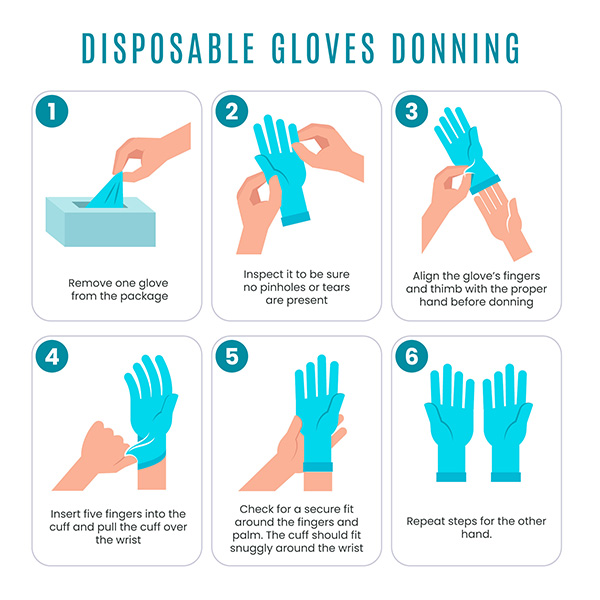
Disposable gloves are for single usage. They can provide temporary protection from germs and various infections.
Diseases such as Covid-19 are quite contagious. They spread through touching contaminated surfaces. These include door handles, tables, seats and countertops. Once the virus is on one’s hands, it can reach the mouth, nose or eyes.
People can use disposable gloves for extra protection in the washroom. Especially when accessing different washroom items, areas and surfaces.
It is, however, important to emphasise this to customers. The disposable gloves should not be a substitute for handwashing. Using soap and water for at least 20 seconds is the best protection.
Disinfectant Surface Wipes
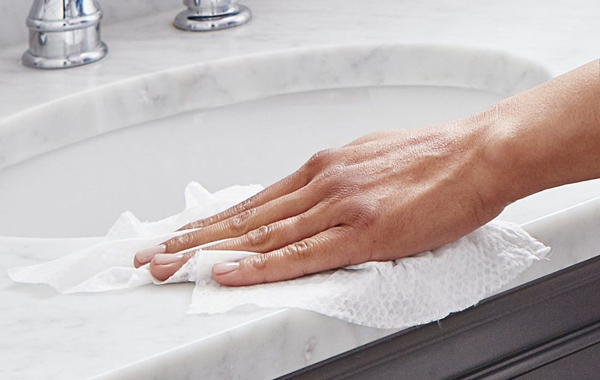
Hard surface disinfecting wipes are a must-have for restaurant washrooms and other areas.
They contain properties that can eliminate an array of contaminants. This includes viruses, bacteria, and fungi. This protection happens within 10 minutes or less of their initial application.
They also keep any new bacteria causing germs from forming on the applied surfaces. Hard disinfectant wipes are critical and preferred even in healthcare facilities. They can stop instances of cross-contamination and mass outbreaks. This is especially important for places with high human traffic.
Customers or employees can use them to clean and disinfect key areas. For example, washroom door handles, countertops, sinks, toilet flushers and even faucets.
Hand Cleaning Sanitising Wipes
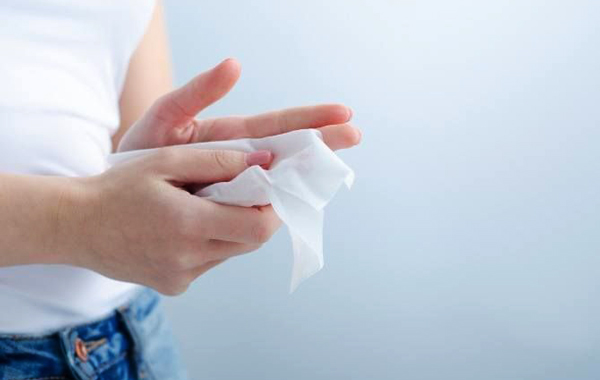
Alcohol-based sanitising wipes are the next best thing to soap and water.
Hand cleaning sanitising wipes can help clients to quickly refresh. After powdering their noses, for example.
Always remind your customers of the value of frequent handwashing. Post simple signs all around the restaurant to encourage this practice.
Bin Liners & Garbage Bags
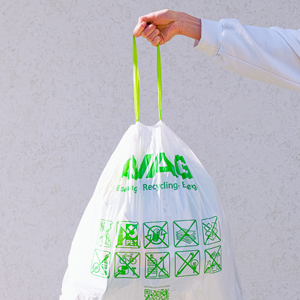
Bin liners or garbage bags are usually made of plastic, and used to line the inside of garbage bins.
They are lightweight and convenient. Use them to prevent the trash bins from becoming too messy with damp rubbish such as paper towels or wipes.
Bin liners are also useful in minimising odour and keeping the general area fresh. They also make the process of emptying the full bins very easy.
Trash Cans
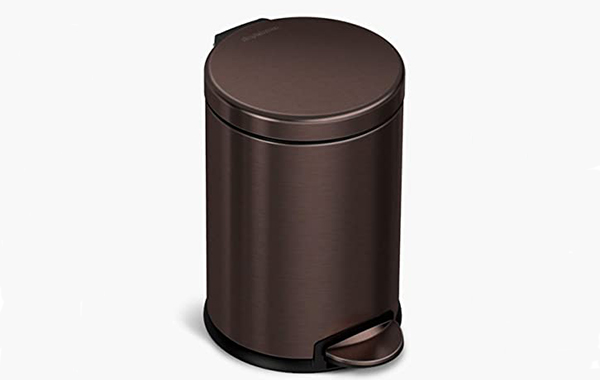
Trash cans are essential in any restaurant washroom.
People use tissues, paper towels and other waste materials in the bathroom. Every bathroom has to have some form of a trash receptacle.
This goes a long way towards maintaining cleanliness. It also maintains safety and proper waste management and disposal.
Toilet Paper
Toilet paper plays a huge part in enhancing personal hygiene. Access to it gives people a feeling of comfort and convenience. Customers expect washrooms to always have an adequate supply of high-quality toilet paper.
In a pilot study done by King-Casey, 100 restaurant-goers shared that they most prefer soft, absorbent toilet paper. The thin and waxy industrial type of toilet paper was the least prefered.
Restrooms act as a silent extension of your restaurant. So it’s important to incorporate customer preferences about this space.
Additionally, there’s a cost-saving benefit to providing high-quality toilet paper. Clients will need less toilet paper. There will be fewer cases of shredded waste paper strewn all over the bathroom floors. This is good for the environment.
Feminine Hygiene Products
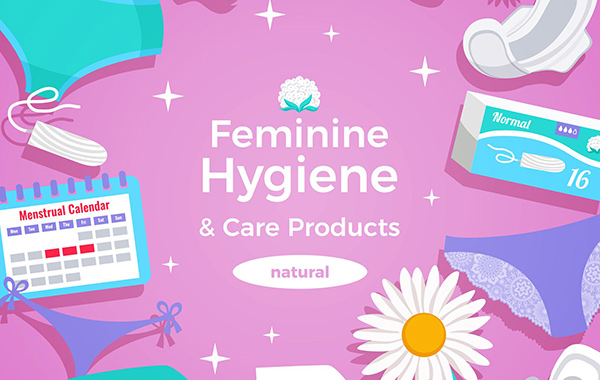
Feminine hygiene products include personal care items such as:
- Sanitary pads
- Panty shields
- Tampons
- Menstrual cups
- Female wipes
- Period panties
In case of a feminine emergency, you should have these products in your restaurant’s washroom. This means not losing a valuable customer. They will not need to rush home or to the nearest store for help.
The added benefit to the customer is the ease of access. And freedom to enjoy their meals without distress. They will no doubt turn into a happy brand ambassador for your restaurant.
Feminine Hygiene Product Dispensers
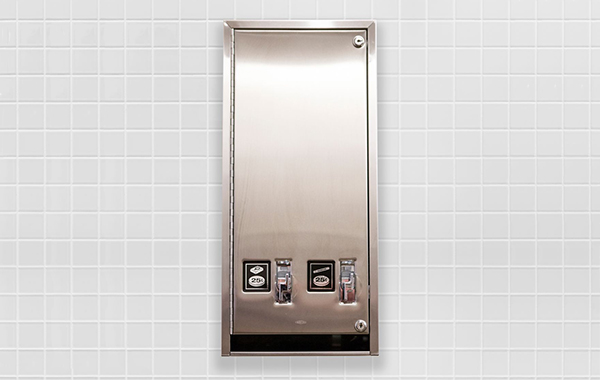
To avoid the “freebie” temptation, businesses tend to instal coin-operated dispensers. This ensures that people only take what they need. It also discourages any instances of outside theft.
Commercial Paper Towels
Paper towel dispensers make hand drying a convenient affair. They curb the spread of germs because wet or damp hands tend to attract germ causing bacteria.
One of the worst, but most common restaurant washroom issues is the lack of toilet rolls. This can be tactfully avoided by installing a jumbo holder. Restaurants may also use any other type of dispenser that can store a suitable quantity.
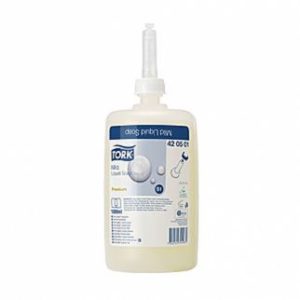
People frequently and unconsciously touch their faces, eyes, noses, and mouths. This is the fastest way to get infected by germs and viruses.
Due to the reduced contact with the soap itself, soap dispensers reduce the spread of germs. Bacteria or viruses among people. They have other advantages such as:
Hand Sanitisers
They are usually in a liquid, foam or gel consistency. In most cases, hand sanitisers are used where soap and water are unavailable. But they are a necessary addition to a restaurant washroom for cases such as:
Automated hand sanitiser dispensers go the extra mile in preventing waste. They usually release a uniform amount per activation. These kinds of dispensers encourage usage from customers and children alike. They make it fun and simple, which means more people with cleaner hands.
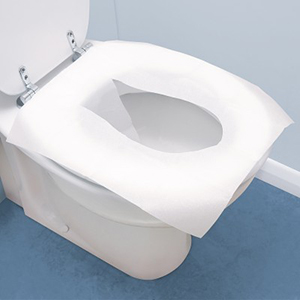
Restaurant washrooms are used by a high number of people. So toilet seat covers are a worthwhile investment. They are quite easy to use and flush down the toilet afterwards.
Automated toilet seat cover dispensers are all the rage today. The main benefits of using automated versus manual dispensers are:
They are a necessary item in restaurant washrooms. Families tend to form the largest dining demographic. Without this convenient tool, a restaurant risks losing out on paying customers.
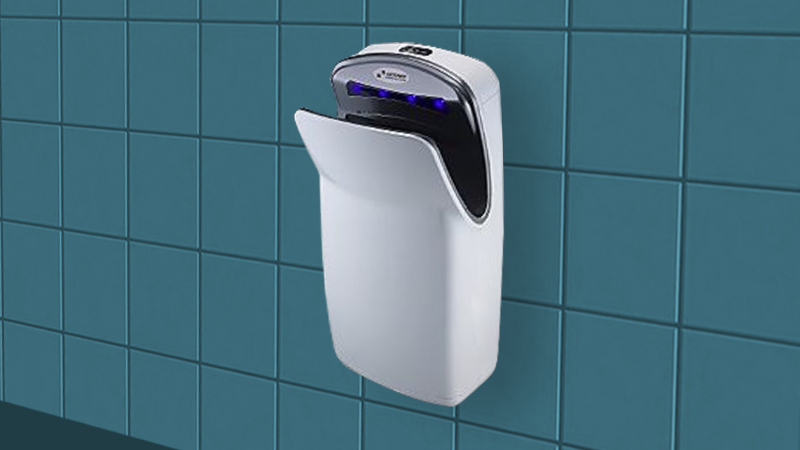
Automatic Air Fresheners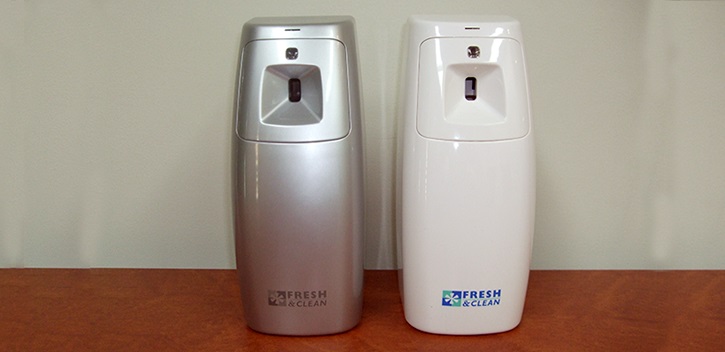
Urinal deodorisers are small, brightly coloured and scented disinfectant blocks placed inside urinals. They come in various shapes and colours.
Automatic Toilet Flushers
Our deep cleaning solution covers every corner of your restaurant washroom. We leave everything sparkling clean. There will be no room for bacteria to reemerge. We always maintain New Zealand business cleaning standards.
5 Essential Foodservice Chemicals To Deep Clean Your Restaurant Equipment
Keeping your restaurant clean is crucial for many reasons. Regardless of how tasty your food is, failing to maintain cleanliness will steer your customers away from your restaurant.
Typically, word-of-mouth is the best form of recommendation for many restaurants.
And your patrons can only recommend your business if you’ve built a positive reputation.
A clean and hygienic restaurant will surely create the exact impression you want. Moreover, you’ll receive an excellent report from your health and food inspectors.
Therefore, it’s important to deep clean your restaurant using proper chemicals to ensure you:
- Safeguard your patrons from foodborne diseases.
- Reduce your employee workload.
- Keep pests at bay in your restaurant’s kitchen.
Let’s now look at the five foodservice chemicals you need to use when deep cleaning your restaurant equipment.
Coffee Machine Cleaner
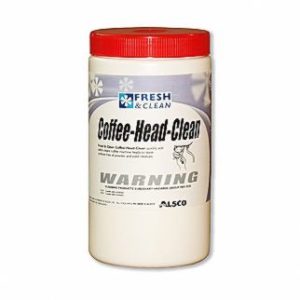
A coffee machine cleaner is a deep cleaning chemical used to clean and disinfects coffee makers.
Your restaurant coffee machine may not be as clean as you imagine. Some signs of a dirty coffee machine include:
- Bitter tasting coffee
- Allergies
- Experiencing blot gastrointestinal issues
- Headache or skin irritation
How to Use a Coffee Machine Cleaner
- Put half a spoon of coffee machine cleaning chemicals in every blind filter basket.
- Tightly lock the portafilters into the group head.
- Activate the group heads for about ten seconds.
- Then deactivate the heads for tens seconds.
- Repeat the procedure three times.
- Remove the machine’s blind portafilter.
- Dispense water out of the group head for about ten seconds.
- Rinse the blind portafilter.
- Put clean portafilters into the group heads.
- Repeat the backflush process without using the coffee maker cleaner.
- Now rinse the inside of the machine.
To ensure your patrons don’t get infected with coliform bacteria or other germs, you need to deep clean the machine regularly using the espresso machine cleaner.
Cleaning your coffee machine also keeps it in the best condition.
Ice Machine Cleaner
Ice machine cleaners are biodegradable cleaners that are used to remove scale deposits from ice machines. The cleaner usually digests harmful biofilms.
Biofilms comprise contaminants and microorganisms such as bacteria, fungi, and even protists.
How to Use an Ice Machine Cleaner
- Turn off your ice machine unit.
- Remove all the ice, drain and bleed from the machine.
- Remove its water trough, distribution tubes, curtains, and any other parts that are contacted by water.
- For every litre of water, mix 25 ml of ice machine cleaner.
- Place the removed machine parts into the cleaning solution and let them soak.
- Where necessary, loosen any scales using a soft brush.
- Clean the storage cabinet and bin using a clean cloth or sponge soaked in the cleaning solution. Rinse these parts thoroughly with clean water.
- Remove the soaked parts from the solution and rinse them with clean water. Replace them and turn on the water.
- Add about 40 ml of the cleaner into the ice machine and allow it to circulate for about 10-15 minutes. The water should circulate until there is no scale. Ensure all the drains become clear.
- After the unit is clear, drain the circulating solution. Flush it with fresh water for about one minute.
- Replace the drain plug.
- To ensure you get high-quality ice, rinse its bin thoroughly with fresh water.
- Restart the unit and discard the first set of ice.
An example of an ice machine cleaner is Impresa Products Ice Machine Cleaner.
Prolong the life of your ice machine while maintaining proper food safety. As such, this cleaning chemical is designed to:
- Prevent corrosive damage
- Mineral buildup
- Bacterial contamination
Oven and Grill Cleaners
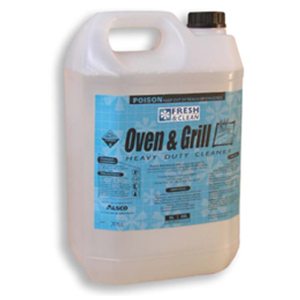
An oven and grill cleaner removes grease deposits, carbon, and burnt-on fat. The cleaner can work on all surfaces, including:
- Baking trays
- Rotisseries
- Baking trays
- Barbecues
- Hotplates
Regular cleaning ensures your restaurant equipment continually works appropriately.
How to Use an Oven and Grill Cleaner
- Turn off the unit and unplug it.
- Wait till the oven and grill are cool.
- Poor the undiluted cleaner on the surface you wish to clean.
- Leave the chemical on the surface for some minutes.
- Use a stiff scraper or brush to remove any soiling.
- Rinse the surface with fresh water to finish.
Without a doubt, your oven and grill are essential to your foodservice operations. Whether you own a modern restaurant oven or an outdoor patio grill, these cleaners will definitely improve your equipment conditions.
An example of oven and grill cleaners is the Fresh & Clean Oven And Grill Carbon/Grease Cleaner.
This cleaner is highly effective even during first-time cleaning. They are also biodegradable to promote a cleaner environment.
Deep-Fryer Cleaner
A deep-fryer cleaner is a foodservice chemical that helps sanitise and clean the surfaces of a deep fryer. A deep fryer helps cook home and restaurant foods such as:
- Chicken
- Donuts
- Turkey
- Onion rings
- Potatoes
Freshly deep-fried chicken or turkey sure tastes heavenly. But this might not be possible if your restaurant isn’t clean. These cleaners are easy-to-use and more convenient compared to other forms of cleaning.
How to Use a Deep-Fryer Cleaner
Cleaning the interior:
- Unplug the deep fryer from its source of power.
- Let it cool down for some minutes.
- Using a spider strainer, remove any large food debris.
- Pour cooled oil from the unit into a container.
- Add deep-fryer cleaning solution.
- Plug the unit and let the solution boil for about 30 minutes, depending on your unit soil.
- Turn off the unit and drain the unit.
- Use a brush to remove any remaining soil from the sides of the deep fryer.
- Flush the unit with clean water and allow it to dry.
- You can now close the valve and refill the unit with oil.
Cleaning the exterior:
- Use the cleaner to spray the exterior surface of the unit.
- Leave the solution for some time.
- Use a synthetic pad or brush to scrub the surface.
- Rinse it with clean water.
An example of a deep-fryer cleaner is the Boil Out Fryer Cleaners.
As a restaurant owner, you spend a lot of money on filtering your fry oil. It will be a waste of money if you pour clean oil into a dirty deep fryer.
Besides, dirty deep fryers coils and walls take more time to heat up. This will cost your commercial business time and money. Thus, you need to regularly clean your fryer to make your task quicker and faster.
Degreasers
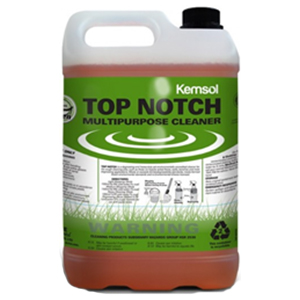
A degreaser is a cleaning agent designed to remove water-insoluble oil and grease from hard surfaces. They minimise equipment replacement.
Degreasers come in many forms, including solutions, wipes, and sprays. Besides cleansing, some degreasers disinfect and deodorise the surface of restaurant equipment.
Some degreasers are water-based, while others are solvent-based.
Water-based degreasers are used in sectors such as:
- Food and beverage production
- Agriculture
- Manufacturing
Solvent-based degreasers are used in industries such as:
- Aerospace
- Automotive
- Marine
- Oil and gas
- Mechanical
How to Use Water-Based Degreasers
- Switch off the equipment you wish to clean.
- Ensure there is no uncovered food lying around.
- Remove visible dirt and soil from the equipment.
- Mix hot or warm water with a water-based degreaser.
- Apply the degreaser (in small amounts) on the equipment surface.
- After grease and oil have been cleaned and removed, discard the degreaser used responsibly.
- Don’t mix degreasers with chemical agents such as caustics, ammonia, acid and bleach.
One of the best degreasers is the Kemsol Green Top Notch Cleaner Degreaser. This degreaser is environmentally accredited.
Find Your Best Solution for Your Deep Cleaning Worries
Foodservice chemicals help you spend less on human resources and energy. You also get to maintain cleanliness and attract customers in your restaurant.
If you’re looking for the best foodservice chemicals, Alsco New Zealand has got you covered. Having offered hygiene solutions for over 130 years, you can rely on our deep cleaning chemicals because they are:
- Environmentally friendly
- Non-corrosive
- Ready to use
Contact Alsco NZ for all your restaurant deep cleaning chemicals.
Essential Floor Cleaning Supplies And Equipment Your Restaurant Needs Right Now
Let’s be honest, the first thing that customers check when they walk into a restaurant is the level of hygiene.
They notice the table layout, and whether surfaces are clean, or the sinks are clogged with dirt.
The importance of maintaining high hygiene standards cannot be overemphasized. Restaurant hygiene is key for any restaurant business that needs to stay afloat. After all, ghastly scenes should not be part of any menu.
Restaurant hygiene is essential in maintaining the health of your staff and clients. It is also important in creating your brand and making your business stand out from the rest.
The wave of COVID-19 sweeping across the globe has affected the restaurant industry. Many have closed down. Those still afloat are exploring new ways including online orders and more take-outs.

Governments have set out a reopening checklist for restaurants that includes regulations on:
- Employee screening
- Social distancing
- Water provision
- Food safety
- Facility operations
- Hand washing
As restaurant businesses go through these hard times, stepping up on hygiene is key.
Restaurant hygiene is critical and constant cleaning and sanitising are an essential part of it. With that in mind, here are essential floor cleaning supplies and equipment to keep your restaurant safe for customers and staff.
The Floor Cleaning Supplies and Equipment you Need
Floor Drains
Floor drains are plumbing fixtures with metallic or plastic gratings. They are installed on the floor of a structure to remove any standing water.
They come in different shapes, with sizes ranging from 2-12 inches. The floor around them is normally slanted to allow water drainage.
Restaurants need regular cleaning in critical areas such as the kitchen or washrooms. These areas harbour lots of dirt and grime.
Floor drains should be properly installed to avoid messy accidents. Before cleaning the floors staff should ensure that the drains are clear.
Floor Scrubbers and Buffers
A floor scrubber is a cleaning device in the form of a floor mop, brush or a ride-on machine. It works by mixing water with detergent, scrubbing and lifting any residue.
The buffer works by evening out surfaces to achieve a smooth, glossy, uniform look.
This equipment can help in keeping your restaurant floors clean, dry and smooth. Such a clean look keeps your clients coming.
Spare Buffer Pads
Spare buffer pads are extra pads fitted to a buffing machine to help remove light scuff marks and dirt.
They help in giving your floor a sparkling finish and shine, and they are perfect for light-duty use.
Spare buffer pads are perfectly designed for a low-speed buffing machine. They are also convenient for the daily scheduled cleaning tasks in the restaurant.
Spare Scrubber Pads
Scrubber pads are best designed to clean aggressively without removing floor finishes. They can remove heavy dirt and scuff marks with a low-speed machine.
Scrubber pads can be used in heavy traffic areas such as restaurant entryways, and are best used on wet surfaces.
Spare scrubber pads keep the cleaning going.
Commercial Vacuums
Commercial vacuums are cleaning equipment that comes in different shapes and sizes. They solve different problems like spot cleaning and wet residue pickup.
Choosing the right vacuum depends on the area and the level of traffic you are dealing with.
Commercial vacuums have different features which allow you to clean all areas. In restaurants, they can be used to clean under tables and chairs.
Whether you’re cleaning hard floors or concrete floors, commercial vacuums work. From spot cleaning to wet cleaning, they are perfect for your restaurant.
Microfibre Mops
Microfiber mops have charged split fibres that allow them to pick up and hold dust, dirt and even liquid in the deepest crevices.
Microfiber mops are useful in restaurants as they are able to pick up 99% of bacteria present on floors.
Squeegees
A squeegee is a tool made out of flat rubber that controls the flow of liquid in a flat surface.
In these COVID-19 times, restaurants need to be thoroughly cleaned and dried throughout the day. Having squeegees as part of your cleaning equipment makes it easier to dry surfaces.
This helps in keeping spaces clean and in avoiding messy accidents that may occur on wet surfaces.
Retractable Hose Pipes
A hosepipe is a long flexible rubber or plastic pipe that is used to carry water from one point to another. Retractable hose pipes are versatile as they can easily be pulled back.
To maintain a clean look in your restaurant, there is a need for a constant supply of water. Retractable hose pipes make it easier to access water in areas that need cleaning.
Mops
Mops are cleaning tools made of absorbent material attached to a long handle. They are used for washing, drying or dusting floors.
In restaurants, small accidents happen, like a spilt cup of tea or some splashes of water around the sinks. Mops can easily clean up such messes.
Brooms
A broom is a brush with a long handle that is used for sweeping dirt.
Brooms are basic yet very important tools. They come in various forms to allow them to meet different needs.
Choosing the right broom depends on its intended use as the quality of bristles determines the kind of work it can do.
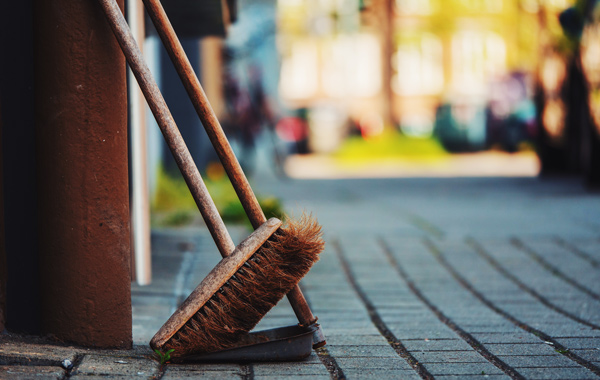
Lightweight and compact brooms can be used to sweep under tables and chairs. Mid-sized push brooms can be used in sweeping hallways and other open spaces.
Dust Pans
A dustpan is a short-handed shovel-shaped scoop that is used to collect dust.
Some brooms are best designed to work with dustpans.
In a restaurant, dustpans help in picking up broken glass, food or other debris. They can also be used in cleaning busy areas like the kitchen where dirt can easily build-up, leading to germs.
Long Brushes
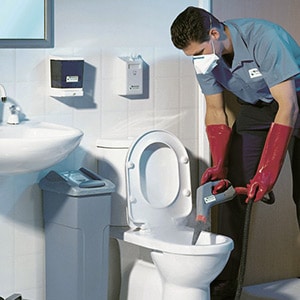
Alsco’s Deep Clean Services eliminates all mould, mildew and fungi. A cleaning brush is a tool with bristles, wire or other filaments attached to it, and with a handle to hold. It can be used to dust, scrub and remove debris from objects and surfaces.
In a restaurant set up, long brushes can be used to scrub and clean the kitchen as well as washrooms. Kitchen surfaces can have a build-up of grime if not well cleaned.
Long brushes can be used to clean up kitchen surfaces, fryers and baskets in your deep clean. They can also be used in cleaning bathrooms and removing dirt from crevices.
Dust Mops
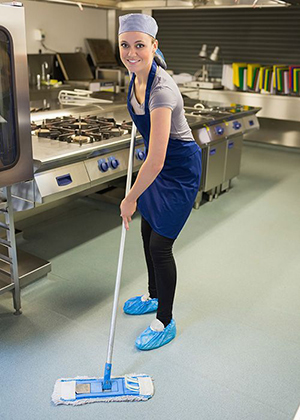
A dust mop is a long-handled cleaning instrument made out of cloth, sponge or other absorbent material attached to a stick. It’s ideally made to dust floors and, in many cases, wall ceilings.
In most cases, dust mops are made out of microfiber material in order to attract and hold onto dust. The heads are fairly flat and removable so they can be washed and used again. Dust mop handles are also adjustable.
Spare Broom and Mop Handles
Brooms and mops need extra handles to make them versatile.
The Coronavirus pandemic has sent the restaurant business into disarray. Cleaning schedules have been disrupted and there is a need for more cleaning round the clock.
Spare brooms and mops enable janitorial teams to work efficiently in different locations.
Spare Mop Heads
Mop head replacements come in handy in ensuring that you clean all the areas in your restaurant.
Mop heads are made of different materials including cotton and synthetic fibres. Each material has its pros and cons.
Having spare mop heads for your restaurant allows you to select the right head for the right job. Cotton mop heads are great for light-duty cleaning. On the downside, they are hard to dry.
Mops made of cotton and synthetic fibres perform better and are a good choice for daily cleaning. Those made of semi-synthetic fibres are good at absorbing and drying but they also shrink.
Spare mop heads can be used while others hang out to dry.
Mop Buckets and Wringers
A mop bucket is a wheeled bucket that allows a user to wring out the mop without getting their hands dirty. A wringer is a device attached to the mop bucket that allows the user to press out excess liquid.
A mop bucket and wringer design offers an advantage over the traditional bucket. It’s an essential addition to your cleaning equipment. It helps in your daily cleaning routines and also in enhancing safety in your restaurant.
Wet Floor Signs
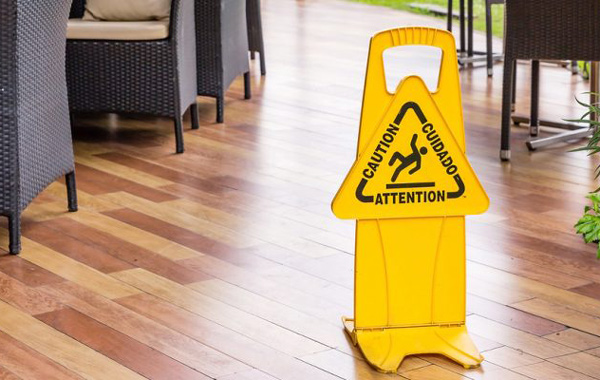
Wet floor signs are indicators displayed to warn customers of a wet area from mopping, spills or trapped water. For restaurants proper wet floor signage is critical. Failure to put up signs can lead to accidents and insurance claims that can drain your pockets.
Plastic/Metal buckets
Cleaning buckets are cylindrical vessels which you can use to carry water. They come in different sizes and are made out of plastic or metal.
Buckets have been traditionally used over the years, and they continue to be indispensable.
Floor Cleaning Detergents and Sanitisers
Cleaning detergents are products used in the removal of stains on different floors. They come in powder or liquid form.
Sanitisers are liquids capable of destroying microorganisms including bacteria. Floor cleaning detergents and sanitisers help in keeping restaurants sparkling clean. They are particularly important in disinfecting kitchen surfaces.
Better Safe Than Sorry
The best way to maintain a high inspection rating is to adhere to the set-out hygiene standards.
With the new reality that is COVID-19, there is a need to up your cleaning game to ensure that your restaurant survives.
Remember, you want to protect your staff and also your clients.
Useful Tips:
- Do a deep clean.
- Stick to a scheduled cleaning routine.
- Build weekly and monthly routines.
When you are overwhelmed, call in the experts who will take care of cleaning your restaurant.
Alsco New Zealand provides you with the supplies you need to keep your business thriving. We also have fully managed hygiene rental services that are cost-effective. Engaging us will ease your burden and save you time.
Contact us today for all your restaurant cleaning needs.
7 Harmful Bacteria in Your Restaurant Kitchen Right Now
Bacteria, fungi, and viruses are in your restaurant kitchen right now. They are unavoidable.
And you know what?
They are multiplying much faster than you might think.
In fact, bacteria can multiply over 16 million times in just eight hours. And as Rutvik Oza puts it:
“Happiness and bacteria have one thing in common; they multiply by dividing!”
You probably have at one time or another become sick after eating some food. This is what is known as food poisoning or foodborne illnesses.
Bacteria are the primary sources of foodborne illnesses, and its symptoms include:
- Feeling weak
- Nausea
- Fever
- Stomach pain
- Headache
- Diarrhoea
- Vomiting
Any of these symptoms can prevent your patrons from coming back to your restaurant. This is why, at Alsco, we recommend you always maintain a clean restaurant kitchen.
The health of your staff and customers should always be your priority. Here are the seven harmful bacteria lurking in your kitchen.
Salmonella
Salmonella is a type of bacteria that mostly causes food-related illnesses, such as typhoid fever and gastroenteritis.
Most of the deaths related to salmonella infection affect the young, the very old, and people with weak immune systems.
These bacteria live in the intestines, faeces, and bowel of human beings and animals.
How Salmonella Spreads In the Kitchen
Some sources of salmonella in the kitchen include:
- Raw and undercooked eggs
- Inadequately cooked poultry or meats
- Unpasteurised dairy products, such as raw milk or cheese
- Unpasteurised fruit juice
- Salads
- Fruits and vegetables
The bacterium gets into other foods in the kitchen through cross-contamination. This can be through hands, utensils and kitchen equipment.
How to Stop the Spread of Salmonella in Your Restaurant’s Kitchen
- Keep raw meat and chicken separate from other raw kitchen ingredients.
- At all times, ensure you keep cooked and raw foods separate.
- Use a food thermometer to ensure meat poultry or any other foods are thoroughly cooked.
- Clean and sanitise food preparation areas regularly.
Campylobacter
Campylobacter is a spiral-shaped bacteria that is found in animals, like dogs, cattle, cats, poultry. It’s an infection of the gut (digestive tract).
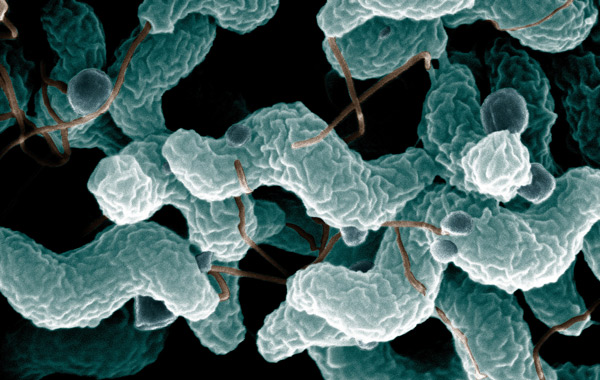
About half of all reported bacteria-related gastrointestinal infections are due to campylobacter infection. Each year about 33 million people die from these bacteria throughout the world.
How Campylobacter Spreads In the Kitchen
Campylobacter bacteria spread through:
- Eating undercooked meat or chicken.
- Drinking unpasteurised milk.
- Eating any other food that has been cross-contaminated.
- Handling raw meat, young pets and other animals.
- Person-to-person spread.
Person-to-person spread occurs when people get in contact with microscopic amounts of an ill person’s faeces. These kinds of spread happen when people touch contaminated surfaces.
How to Stop the Spread of Campylobacter in Your Restaurant’s Kitchen
- Keep raw food away from ready-to-eat foods to prevent cross-contamination.
- Always store meat below cooked foods in the refrigerator.
- Use separate knives and chopping boards for ready-to-eat and raw foods.
- Cook poultry and meat to a temperature of 75°C (or till its meat juice is not pink).
- Keep hot foods above 60°C and cold foods below 5°C.
Staphylococcus Aureus
Staphylococcus aureus is a spherical, gram-positive bacteria that cause a wide range of infections. Approximately 25% of animals and people suffer from staphylococcus aureus.
These bacteria cause:
- Furuncles (boils), carbuncles, cellulitis folliculitis
- Minor skin infection
- Meningitis or brain infection
- Osteomyelitis or bone infection
- Endocarditis or heart infection
How Staphylococcus Aureus Spreads in the Kitchen
- People carrying the bacteria can spread it to food if they don’t wash their hands.
- Direct contact with infected persons.
- Inhaling infected dispersed sneeze or cough droplets.
How to Stop the Spread of Staphylococcus in Your Restaurant’s Kitchen
- Cooking foods thoroughly to over 75°C.
- Use a food thermometer for cooking.
- Wash your hands with soap and water before and after handling food.
- In case of any wounds, infections on your wrists or hands, wear gloves when preparing food.
Escherichia Coli (E. Coli)
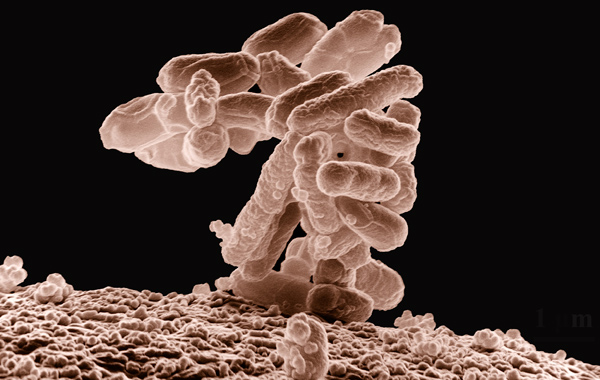
Escherichia Coli is a gram-negative bacteria. It’s rod-shaped and commonly found in the lower intestine of both humans and animals.
Although this bacteria is mostly harmless, some people are at a greater risk of having complications. These categories of people include:
- Pregnant mothers
- Young children
- Old people
- People with weakened immune systems
How E. Coli Spreads in the Kitchen
Since this bacterium lives in the intestine of animals like goats, cattle and sheep, it can be passed directly from meat or milk. Therefore, E. coli can be spread through:
- Improper handling and processing of meat
- Unpasteurised milk
- Contaminated fruits and vegetables
How to Stop the Spread of E. Coli in Your Restaurant’s Kitchen
- Wash your hands with soap and warm water for at least 20 seconds.
- Always separate raw meat and other foods.
- Cook food thoroughly.
- Wash raw fruits and vegetables with soapy water.
Listeria
Listeria infection is a serious foodborne bacterial illness that is commonly caused by the consumption of improperly processed deli meat or unpasteurised milk.
About 1,600 people suffer from listeria infections every year. Just like E.coli, the infection usually affects:
- Newborns
- Pregnant women
- People with weakened immune systems
- Older adults
How Listeria Spreads in the Kitchen
Sources of Listeria in the kitchen include:
- Unpasteurised dairy products like cheese
- Sliced deli meats
- Hot dogs
- Deli-prepared salads
Whenever people inject any of these contaminated foods, they spread the bacteria.
How to Stop Listeria Spreading in Your Restaurant’s Kitchen
- Use ready-to-eat and precooked foods as soon as you can.
- Avoid having raw milk in the kitchen.
- Wash vegetables and fruits thoroughly.
- Avoid refrigerated smoked seafood.
Clostridium Botulinum
Clostridium botulinum is a bacterium that produces botulinum toxins in low oxygen conditions. These toxins cause muscular paralysis and respiratory problems because they block nerve functions. Botulinum toxins are some of the most life-threatening substances.
How Clostridium Botulinum Spreads in the Kitchen
In the kitchen, this bacteria can be spread through poor handling of:
- Canned foods
- Meat products, such as sausage and ham
- Canned tuna fish
- Preserved vegetables and fruits of low acid content
How to Stop the Spread of Clostridium Botulinum in Your Restaurant’s Kitchen
- Practice hygiene standards when handling canned foods.
- Never taste canned food products to determine if they are still good. Instead, throw away all cans that appear damaged, leaked or bulging.
- Ensure oils are infused with herbs or garlic in the kitchen refrigerator.
Clostridium Perfringens
C. perfringens is a spore-forming anaerobic bacteria that commonly resides in newborns and adults. The ingestion of contaminated food causes C. perfringens.
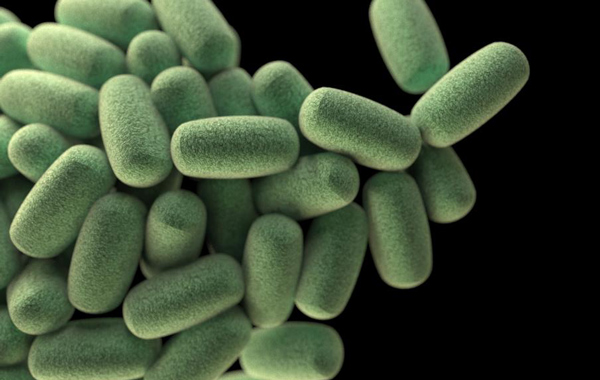
How Clostridium Perfringens Spreads in the Kitchen
Temperature abuse is the leading cause of transmission of these bacteria. This is the reason slow cooling of cooked foods before serving customers has been associated with its outbreaks.
How to Stop the Spread of Clostridium Perfringens in Your Restaurant’s Kitchen
- Cook food at the right temperature.
- Refrigerate leftovers below 5°C.
- Reheat leftover food to at least 75°C.
- Throw away any food if you are in doubt
What Is The Solution to These Harmful Bacteria?
Poor hygiene and cleaning practices can cause food contamination and the speed of infection in your restaurant.
But there are a few steps your staff can follow to ensure your restaurant kitchen is bacteria-free. Some of these steps include:
- Ensure their work area is clean.
- Keep themselves clean.
- Cook food properly.
- Store food in the right places before and after cooking.
However, most restaurant employees don’t follow some of these steps. This is why you need regular Alsco hygiene services to get rid of bacteria from your kitchen.
It’s worth noting that your restaurant hygiene has a direct impact on the morale and health of your employees.
Your restaurant kitchen should always remain spotlessly clean and sanitary. Contact Alsco New Zealand for expert deep cleaning services.


