Trusted by 237K+ Business Worldwide. Find a Location
Trusted by 237,000+businesses worldwide across 250 locations delivering uniforms, linens and more. Find a Location Near You


Delivering Excellence Since 1910
Contact Us
14 Tips to Avoid Restaurant Fires
Fourteen fire trucks were trying to put down a fire that happened in the Garden Shed bistro in New Zealand in 2018. That is just one of the cases when a fire ruined a good business. It’s a well-known fact that one of the most devastating hazards among restaurant kitchens is the outbreak of a fire.
Not only do restaurant fires cause damage to equipment and the building itself, but these fires can also cause injuries to the restaurant and kitchen workers.
This results in a huge financial hit for the business due to the reparations, business downtime, and sometimes may result in the restaurant closing permanently.
The National Fire Protection Association (NFPA) has estimated that there are roughly 7,640 reported restaurant fires on an annual basis which have resulted in nearly $250 million in property damage. While this is a high number, it does not account for revenue losses and the money lost due to the restaurant being closed either temporarily or permanently.
In a restaurant kitchen, there are lots of fire threats. Open flames, heating equipment, cooking oils, cleaning chemicals, all of them are flammable and contribute to the fire hazards within a kitchen. With the number of flammable substances in a kitchen, it’s no surprise there are as many fires as there are.
Is your restaurant prepared for emergencies? Contact Alsco for a fully-managed Emergency Response Systems and First Aid Supplies.
How You Can Prevent a Restaurant Fire
Given the very nature of cooking, there is no way to completely eliminate the risk of a fire. However, you are able to take a variety of precautions to prevent for fire from breaking out, keep your workers safe, and even ensure first aid supplies in case it happens. With that in mind, here are some steps that can be taken to avoid a restaurant fire as much as possible.
The Necessary Fire Suppression Equipment for a Restaurant Kitchen
Equipment such as situation dependant fire extinguishers and sprinklers in restaurant kitchens are a health and safety requirement in New Zealand nowadays, although their placement and accessibility play an important part in case of a fire. So, what how can you ensure that your fire suppression equipment is up to its best standard?
Tip #1 – Install an Automated Fire Control System.
This first tip is by far the most important. Having an automated fire control system allows for action to be taken the second fire breaks out. This is done by not only cutting off the power to the kitchen but both the gas line and fuel supply, preventing the fire from growing.
Tip #2 – Always Have Backup Equipment.
Fire extinguishers aren’t used regularly, which unfortunately gives the possibility of them not working at the time of use. This is why it’s important to have several backups available in different locations within not only the kitchen but other parts of your restaurant too. To prevent a fire extinguisher not working in the time of need, make sure that you keep them up to date as well as having them serviced on a regular basis.
Tip #3 – Have the Right Equipment Available.
While fire extinguishers and sprinkler installation is important, making sure that you have other things such as fire blankets are equally as important. Make sure that your whole staff team is informed on where all of your fire equipment is located as well as informed on how to react in a fire situation.
Preparing Your Electrical Equipment
While all fires are difficult to deal with, unless they are dealt with at a very early stage, an electric fire is extremely difficult to deal with due to how it spreads fast. One of the most common causes of electrical fires is short-circuiting.
Tip #4 – Regularly Maintain your Electrical Equipment.
This tip accounts for all electrical equipment in your restaurant, not only the kitchen. Your electrical system as a whole should be surveyed regularly, although between surveys you must train your staff on watching out for old or frayed wires which may be a danger, as well as watching for multiple high-voltage appliances plugged into one outlet, which can cause a short circuit fire.
Tip #5 – Rearrange your Kitchen.
The best way to ensure that an electrical fire is prevented is to move potentially dangerous appliances away from one another. For example, if you have your deep fat fryers located next to wall sockets, move the fryer to a different part of your kitchen.
Fire Outbreak: First Response
If your previous preparation failed you and a fire does outbreak, it’s important that you and your staff team know how to react.
Tip #6 – Shut Off the Power.
To stop the fire from spreading and further damaging your restaurant, make sure that there are multiple people trained to deal with shutting off both the electrical power and the fuel supplies, for your kitchen. This will prevent the fire from spreading as well as prevent a potential gas explosion.
Tip #7 – Evacuate your Restaurant.
There must always be an evacuation plan in place. While the fire is most likely in the kitchen, fires can spread quickly so it is important that you get everyone who is in the restaurant, outside of the restaurant. In order to have this done efficiently, there are a few steps that must be considered:
- There must always be an evacuation plan in place, and if changes are made to the restaurant these changes must be accounted for in the plan. This plan should account for the capacity and access points of the restaurant.
- Have staff members who are responsible for the evacuation and are trained to get everyone out of the building efficiently and safely.
- Practice evacuation and fire drills on a regular basis. This will ensure that all of your staff members are fit to deal with the unfortunate situation if it were ever to break out.
TIP#8 – Get Fire Safety Training.
It’s important that your staff are trained in Fire and Warden Training. This will ensure that your staff know how to deal with fire as well as remain calm while doing so.
Tip #9 – Check Out your First Aid Kits Regularly.
It’s important that the first aid kit in the workplace is up to date and the first aid kit supplies are adequate to deal with a variety of situations, one of them being a fire. Make sure that you have multiple first aid kits around your restaurant and make sure that they are properly organised so that an injury is dealt with as soon as possible.
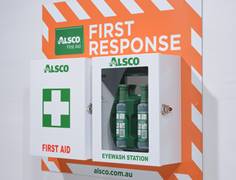
Emergency Response Systems
Ensure your employees are as prepared as possible in an emergency situation.
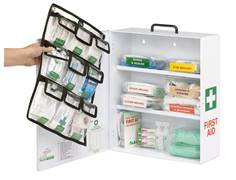
First Aid Kits
Managed first aid kit service keeps your business safe and compliant – year-round.
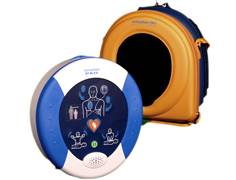
Portable Defibrillators
Ensure your people are capable and prepared as possible when a cardiac emergency strikes.
Find out more about it…
Dealing with Kitchen Grease Properly
Kitchen grease is one of the biggest pains of working in a kitchen. Not only is it dangerous to work with, but if one drip hits the floor, it must be cleaned up immediately and cleaned up properly to ensure that the floor does not become a danger to your workers.
Tip #10 – Clean the Hoods and Vents Regularly.
It’s important to put together a regular cleaning schedule for your deep fat fryers, however, every restaurant schedule will differ depending on many factors. It’s important to ensure that both the fryer and the vents are cleaned regularly in order to ensure that a build-up of grease does not become a fire hazard.
Tip #11 – Ensure that All Parts of the Fryer is in their Correct Places after Cleaning.
If parts are not put back properly, it can result in the fryer not working as efficiently as before and can cause even more of a grease build up in the vents and hood.
Tip #12 – Consult a Professional.
Having a professional inspect your exhaust system will ensure that the deep and harder to reach parts of the fryer system are cleaned efficiently. As well as this, you will be told with confidence if there are certain parts of the system which are not being cleaned as well as they are supposed to be.
Tip #13 – Clean Grease from Around the Whole Kitchen.
Given that in a kitchen you are working with grease regularly, it’s important to clean the whole kitchen every day (or at the very least every other day). Not only is this general health and safety, but it prevents grease from building up in other parts of the kitchen and become a safety hazard.
Tip #14 – Have your Cleaning Rags Cleaned, too.
Remember, grease isn’t the most pleasant thing to work with, and that’s not just the case for in the kitchen. When it comes to cleaning grease out of your cleaning rags it can be a real pain. Have your greasy rags professionally cleaned, too.
It’s The Little Things That Count
While the bigger pointers such as “Make sure at the end of the day, everything is turned off” are important, smaller pointers such as ensuring that your first aid kits are prepared properly are the things that really count when running a business.
Having properly marked exits, efficiently marked first aid kits, and cleaning up spillages. These are the little things that can make or break your business, take care of your business and it will take care of you.
Before the worst strikes your workplace, Send Alsco NZ an enquiry to learn more about our fully-managed Alsco New Zealand Emergency Response Systems and First Aid kits.
Paper Or Cloth Towels: Which Are Better For You?
There’s always lots of chemistry in kitchens! They always tend to become all stained and dirty.
There has to be something effective enough that can clean that mess up.
Paper Towels
Paper towels are the most traditional solution when it comes to cleaning up a spill, and they are not a good choice.
They can become quite an expensive solution when there’s a lot of little spills happening every day.
From an environmental aspect, paper towel isn’t a good option either.
Even if the paper towel you use is recycled, you make a lot of waste, and you can avoid that.
Cloth Towels
You’re probably wondering if there is a better option for cleaning up spills than a paper towel? There definitely is! There are three benefits to cloth towels:
- Efficiency – cloth towels are more efficient. They are made out of thicker fabric, which makes them absorbent. They also have a thicker pile for collecting dirt.
- Cost effective – cloth towels are reusable. Even using a rental system to keep a supply of clean cloth towels full is cheaper than buying rolls of paper towel.
- Environmentally friendly – apart from being reusable, cloth towels also reduce the amount of waste from your kitchen.
We’ve come to a conclusion that reusable wipes work better. They are also good for the environment and are cost-effective. But who will be cleaning them? And how can you be sure that they appeal to workplace health and safety regulations? There is a rental program that can take care of all these problems for you!
We collect cloth towels for food and glass and launder them according to high standards. Afterwards, we deliver them back for you to use and reuse them. We conform to all relevant workplace health and safety requirements. We can provide you with you with colour-coded food wipes in order to prevent cross-contamination.
We are also providing you with glass wipes for detailing and cleaning. Our rental service can make sure that there is no capital outlay. It means that the costs related to purchasing are eliminated, so you can rest assured you’ll always have clean towels ready for use.
Now it’s even easier to run a commercial kitchen. Your kitchen is waiting to be cleaned up! You can try these Alsco’s cloth towels and make a decision for yourself!
Photo courtesy of Freepik Images by aopsan
What is a Dark Kitchen?
It may sound ominous, but a dark kitchen is not as ‘dark’ as it sounds. No, you do not have to paint your kitchen black. Nor do you have to cook in the dark.
A dark kitchen is an establishment which sells meals exclusively through food order delivery.
Also known as cloud or virtual kitchens, they reveal the changing face of gastronomy.
The brick & mortar restaurant industry is notorious for shutdowns and bankruptcy.
“23% of restaurants fail within the first four years” – RS&G
The issues around the location can also be a major headache for owners.
It is no surprise that business owners are using these new dark kitchens as alternatives.
But what exactly do dark kitchens entail?
Luckily, it’s not that complicated. Let’s explore this new different concept to restaurants.
What Is a Cloud Kitchen
Dark kitchens or cloud kitchens are quickly becoming the new norm.
They offer an opportunity to provide dining experiences without really owning a restaurant.
Some distinctive features include:
1. No Physical Dine-In Premises
This means that there is no space allocated for customers within these restaurants. They are usually small spaces fitted with professional cooking equipment only.
There are no counters, tills or tables or even a ‘store-front’. As a passerby, unless you smell (or see them) you may not even know there are dishes being made inside.
In fact, many clients do not even know where the dark kitchens are. All food orders are made online and meals are delivered to their homes.
2. Delivery Only Establishments
 Source: rawpixel.com
The major feature of these dark kitchens is that they offer only delivery services, usually via apps. They do not have dining areas or takeaway facilities. Consumers interact only with the uniformed delivery person.
This is why business owners should invest in branded uniforms for delivery people. By using a rented workwear service, they can save costs and improve the brand image of the business.
3. Often Connected to an Existing Restaurant
Sometimes existing restaurants will outsource dark kitchens to handle the business’ delivery side. They can opt for the concept of dark kitchens or team up with an online delivery service like Uber Eats.
If they do not have the capabilities to deliver food, dark kitchens are the obvious choice.
Benefits of a Dark Kitchen
1. Reduced Overhead Costs
For restaurants to be successful, they need to be strategically placed.
They have to attract the attention of the public and entice them to become customers. This often means placement in prime real estate areas such as the inner city and exclusive malls.
It is not surprising that rental costs are often the downfall of many eateries. Reducing this cost is a major advantage for any restaurant owner.
With less customer seating and waiting areas, there is significantly less rent expense.
In addition, there is no need for service staff as there are no tables to wait upon. This means fewer salaries are paid.
2. Increased Adaptability & Variety
Virtual or ghost restaurants have the advantage of being able to quickly and cost-effectively move with different trends.
They do not have the restrictions of set menus and physical infrastructure. A dark kitchen can experiment with culinary concepts to choose the right brand.
In addition, they can offer a wide range of cuisines – a way of appealing to a broad range of customer tastes.
3. Economies of Scale
By offering services to a number of brands and restaurants, dark kitchens can take advantage of economies of scale by sharing ingredients.
Many brands are catered for under one roof and even if their foods are vastly different, they consist of the same basic ingredients.
If an owner buys them in bulk, it is usually at a lower price. They can use it across all the brands they distribute and will save on buying smaller quantities.
4. Capitalise on Home Delivery
The food delivery market is expected to increase by at least 20% each year. This offers huge potential for restaurants that can tap into the online market.
More diners, especially millennials want the convenience of good food paired with the comfort of their homes.
These businesses can tap into a larger market because their food can be shared between many people who might not otherwise get the opportunity to choose to eat it.
Types of Dark Kitchens
Commissary Kitchen
Also known as an aggregator kitchen, this is a shared space owned by a 3rd party. Multiple restaurants rent space and operate under one roof (think of shared workspaces).These are often found in large warehouses.
It is ideal for chain restaurants which have high delivery-driven demand. They can meet customer needs without opening a new branch.
It also lets them experiment with new cuisines to test the market with minimum risk.
Pop up Kitchen
Do not confuse these with a popup restaurant which is only open for a limited time.
Popups are cooking stations within the main cooking area which are designed for completing only delivery orders.
They then partner with services like Uber Eats to deliver the food.
 Source: unsplash.com
Being included as part of the main cooking area means there is a higher risk of hazardous spillage.
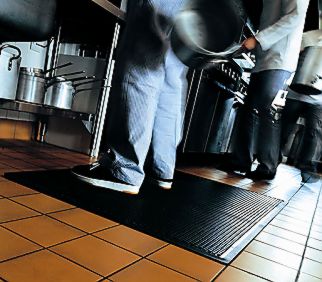
To avoid injury, managers are encouraged to use anti-fatigue and wet area mats.
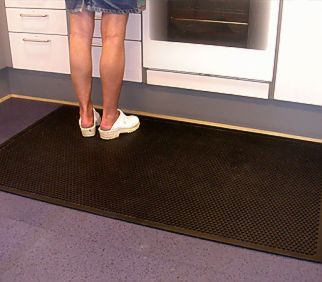
Wet Area Mats
]
Domestic Kitchen Wet Area Mats
Reliable rental services ensure that floor mats are installed, cleaned and replaced regularly.
Pod Kitchens
This type of dark kitchen is the newest development in the restaurant market.
They are small spaces located close to the customers and kitted out to cook food for various brands.
Deliveroo is one such organisation which has been extremely successful and popularised this concept. Let’s take a brief look at some details of this company.
Does Deliveroo Have Their Own Kitchen?
Deliveroo has basically reinvented the commercial kitchen. This is achieved by placing a functional kitchen in a shipping container known as a RooBox.
This offsite delivery system provides partner restaurants with fully-equipped cooking facilities.
Deliveroo dark kitchens are a way to provide food delivery to areas with a high demand of customers and a low supply of restaurants.
What is Editions on Deliveroo
Deliveroo Editions lets existing restaurants deliver food in new locations without investing millions.
They can instead work with Deliveroo to acquire a RooBox where food can be made and delivered.
The company uses data to determine where demand for a certain cuisine or brand of food is lacking. They then partner with the different restaurateurs to fill the gap.
Chefs focus on creating meals for ‘at-home dining’, especially in residential areas where it may be hard to find a specific restaurant.
Taking the Stress Out of Running a Dark Kitchen
The combination of increased delivery services and lockdowns due to the COVID-19 pandemic will have a huge impact on the industry.
Many restaurant owners may need to opt for dark kitchens as their primary business model.
From the physical infrastructure to the day-to-day details, it may all become a bit overwhelming.
Establishments may find it easier to outsource time (and money) consuming tasks to a professional service provider.
It saves the hassle of laundering small necessities such as cleaning wipes and tea towels. Instead, just wait for a weekly delivery to your doorstep.

Alsco’s laundered wipes
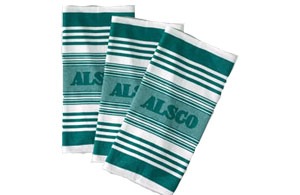
Cotton Jaquard Tea Towel
]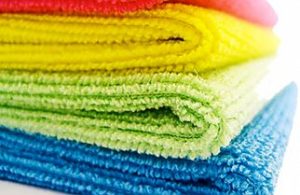
Microfibre cloths
Alsco is the trusted rental services provider to 27,000 businesses across New Zealand. We promise to provide excellent solutions and leave you to the business of making money.
Contact them today and focus on ensuring the success of your business.
Photo: freepik
5 Workplace Hazards To Watch Out For
Hazards are inconvenient and costly. The average company gets more than two fines on average per inspection.
With the WorkSafe fines reaching $3,000,000 for reckless business practices that expose employees to harm. With planning and some forethought, you can avoid hazard-related losses.
Workplace hazards affect employees. Over 600 New Zealanders die each year from world related injures and disease. A loss of income to thousands of households and physiological impact on a community.
For the workplace, it’s a loss of skilled staff plus health and medical costs, not to mention extremely upsetting for the staff and management.
To avoid losses, stay aware of potential workplace hazards. Look around your workplace to identify which hazards apply to you. Then take the required measures to keep your staff and business safe.
1. Physical Workplace Hazards
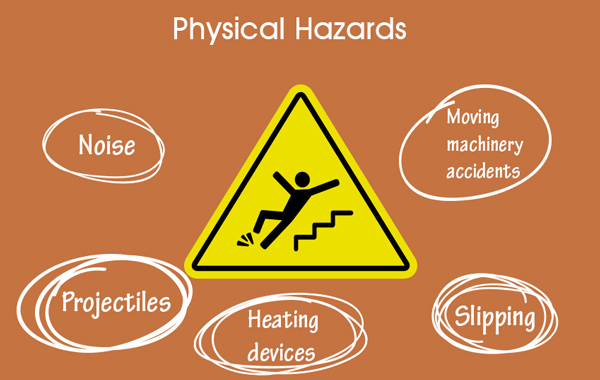
The workplace environment presents different levels of threats to workers. Physical hazards are obstacles, objects or elements that present potential threats. Solve these with proper workplace design and adherence to safety processes.
a) Housekeeping Mistakes
Slips and falls happen because of liquids or elements, such as boxes or cables, lying around. Clutter blocks drainage or prevents effective movement around the workplace. It includes things like disorganized wiring and misused storage facilities.
To prevent accidents, start a culture where your staff clean as they go. Waiting on cleaning staff to store tools creates a lack of personal responsibility. It leads to avoidable exposure to hazards.
When cleaning up needs specialized skills, alert the relevant manager or department. This way, you solve problems soon before they occur.
Consider using safety signage in high-risk areas. These include floors where spills are common or stacked loads that can topple over. Safety posters identify hazards and keep staff from becoming complacent. Have a first aid poster with emergency numbers handy in case any incidents occur.
b) Sharp Objects and Machinery
In the retail sector, cuts from sharp objects like knives and box cutters are common. It’s a result of lack of training or taking shortcuts. It is important to establish safety procedures that instruct employees on how to safely carry out their duties.
Workplaces with machinery or mechanical moving parts create a potential hazard. The common injuries include broken bones, strained muscles or even death. Operate machines with care and full attention.
To prevent casualties, ensure staff have protective wear. They include hard hats for machine workers and gloves for handling sharp objects. With training, scheduled breaks and safety processes, incidents should decline.
First aid is crucial in keeping an injury under control. Distribute adequate first aid kits to ensure first aid is accessible immediately after an incident occurs. Keep them stocked with essentials and emergency numbers for paramedics.
c) Extreme Temperature and Fire
Different seasons come with a shift in temperature. Design your workplace to regulate these variations. Exposure to extreme temperature leads to heat stress, hypothermia, sunburn or heat stroke. Protect your employees with good ventilation and air conditioning.
Fire is an ever-present hazard in many workplaces. Especially if you work with machines that can overheat or chemicals that combust. Another risk factor is publicly accessible buildings. They are vulnerable to arson.
To keep staff safe, the first line of defence is installing a fire alarm and sprinkler system. Practice safety drills until reactions to a real emergency are immediate and orderly.
Place fire extinguishers, fire blankets and first aid kits around the workplace. Most first aid kits contain masks that can help people breathe in smoky rooms. Fire blankets will protect your face from flames as you evacuate from a burning building. The first aid kit helps to treat burns and scratches before medical care arrives.
2. Chemical Workplace Hazards
An unfortunate habit by companies that deal with chemicals is stockpiling them. Since chemicals tend to be expensive, they stay for far too long in anticipation of future use. This exposes your staff to danger since some chemicals become hazardous with time. For example, ether becomes unstable over time and turns into poisonous peroxide. Establish a control system that ensures all chemicals that come in first go out first.
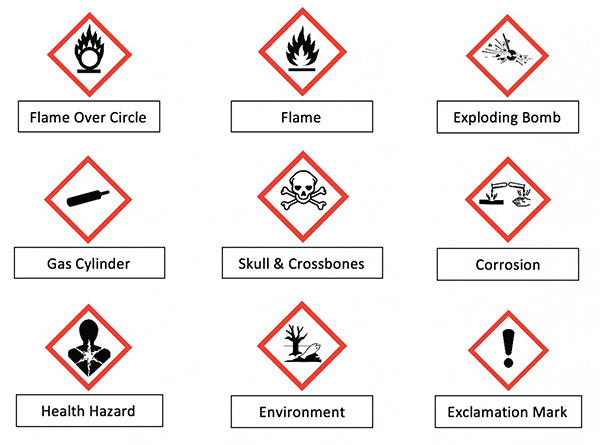
Source: Scholarblogs
a) Chemical Handling
Create an inventory of your products. Note expiry dates to ensure you use the chemical before it expires. Avoid transferring chemicals from one container to another. This creates allows for harmful reactions to occur.
Ensure all staff are trained on how to handle chemicals. They need protective gear that allows them to work and move comfortably. Practice proper labelling to ensure your team is aware of what harmful chemicals they are handling.
For swift action, place eyewash stations and first aid kits around your workplace. Acting fast prevents a minor injury from escalating. Eyewash stations are essential in removing contamination before it infects or damages the eyes.
b) Asbestos Poisoning
This is a particularly harmful substance that deserves specific mention. It causes breathing complications and mesothelioma after exposure. There’s no known way of removing the fibres once they get to the lungs and the disease they cause has no cure. It’s found in building projects built before 2000.
Workers maintaining buildings built with asbestos are at risk. The only way to prevent damage is to limit or completely prevent exposure to the fibres. If you have asbestos in your building, get specialized asbestos contractors to advise you on its removal.
3. Social Workplace Hazards
Workplaces are dynamic. You could have the best safety processes but still, experience many workplace accidents. Protect the mental health of your staff by keeping workplace stressors in mind.
25% of employees admit to their jobs being the top source of stress in their lives. Stress is sometimes psychological and caused by harassment or heavy workload. Work can stress people if they feel underprepared or overburdened. This can spiral into low self-esteem and self-harm.
Create an open-door policy where your staff can come to you with any problems they face. This way, you create a culture of openness that helps you know when the team is overwhelmed or need new training. Stress is a harmful response that happens when job requirements don’t match resources. Staying aware of this helps reduce the stress levels for your staff.
b) Workplace Violence
This refers to disruptive behaviour or threats of physical abuse at the workplace. It can come from fellow colleagues or clients and suppliers. Whether verbal or physical, abuse has adverse effects on the performance of your staff.
Due to an increasingly diverse workforce, violence is a rising concern for employers. Do your part with sensitisation campaigns that encourage tolerance and professionalism at work. Reinforce good behaviour and have penalties for people who threaten violence. You cannot afford to be on the fence while your staff suffer fear or intimidation.
c) Poor Hazard Communication
Communication breakdown at the workplace leads to avoidable accidents. Make sure your staff are aware of all the safety precautions. When handling dangerous substances, communicate the potential risks. Emphasise why it’s important to follow procedures. This increases compliance and promotes a sense of workplace cohesion.
d) Workplace Bullying
Bullying is persistent actions towards a co-worker aimed at degrading them. It creates a huge risk to the mental health of your employees. It leaves an employee feeling helpless and defenceless. It undermines the right to dignity at work.
4. Ergonomic Workplace Hazards
Non-impact injuries from overexertion are the leading cause of joint inflammation and pain. Excessive physical effort can lead to discomfort or blinding pain in others. Prevention is the best cure against overexertion. Other causes of ergonomic hazards are poor lighting and poor posture.
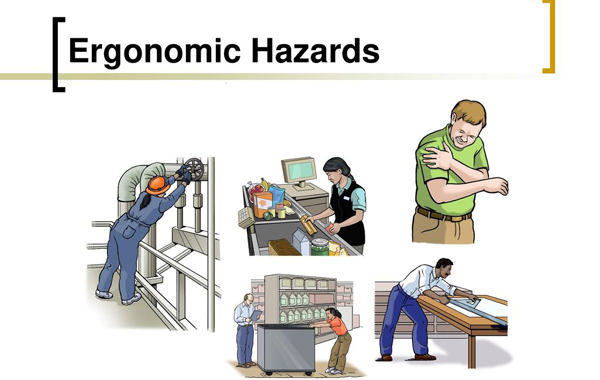
Source: ehsdb.com
a) Repetitive Tasks
Use ergonomic principles to reduce the risk of fatigue, short term pain or illness. Awkward movements can affect posture, the back and other strained areas of your body. Instead of repeating a task, practice task variety to reduce repetitive movements.
Space out your tasks to give the body time to recover. Teach your staff to value breaks and lead by example. The health of your staff leads to long-term productivity and success.
b) Lifting and Handling Materials
Improper technique while lifting, lowering or twisting will cause strains and serious injuries. Training empowers your workers with skills they need to maintain ergonomic practices. Supplement this training with safety signage as a reminder of workplace safety measures.
Position safety tools within reach this includes a first aid kit. If someone sprains a leg, wrapping the affected joint with a bandage can help your staff recover in good time.
5. Biological Workplace Hazards
When working with animals, people or plants, you can encounter biological hazards. They include viruses, bacteria, injuries sustained from animal care and exposure to toxic plants or blood. These biological agents can cause injuries, disease or illness in humans.
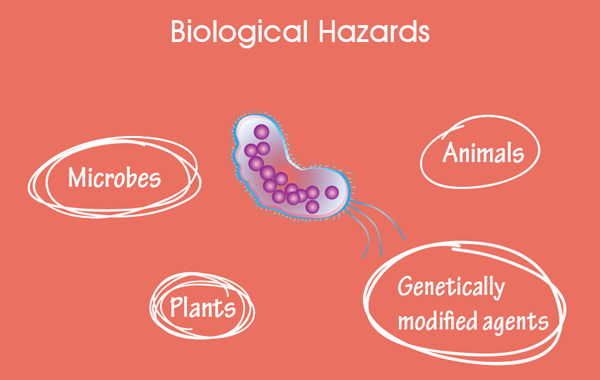 Source: InterFocus
Emphasise the importance of personal hygiene in prevention. Most illness-causing agents are transmitted directly through physical contact or indirectly through ingestion. Practice good hand hygiene and wear protective gear where necessary.
Clean and disinfect all the time and keep up your immunisations. This prevents diseases like rabies. Keep your immunity high and have a first aid box that can help ease symptoms of diseases. Painkillers and anti-inflammatory medications keep staff comfortable before medical help arrives.
Focus on Prevention and Preparation with Alsco NZ
Prevention is the best way to handle workplace hazards. After identifying which ones apply to your business, take immediate action. Foolproof prevention measures include:
- Training – Train employees on safety protocols as soon as they join your organisation. Conduct periodic refreshers for everyone to re-emphasise the importance of safety.
- Protection Resources – Wear protective gear to protect yourself from injury or illness. Provide ample first aid kits to help out in case an incident occurs. Fast action can sometimes be the difference between life and death.
- Culture – An open culture ensures open communication. Your employees will be able to communicate their needs and frustrations to you. This will increase job satisfaction and decrease workplace stress.
Alsco Nz provides your workplace with top of the line safety equipment to keep your workplace running smoothly.
Speak to a customer care agent today and equip your workplace with managed first aid kits. For an annual fee, Alsco NZ will keep your workplace first aid kit stocked and replenished every three months; meaning you can focus on your business.
5 Mystifying Types of Urinals From Around the World
Did you know that the average human should visit the washroom six to seven times a day? To some, this may be a dreadful task, especially if the washroom available lacks what you need.
Well, the great news is that you no longer need to fear. The global rise in ‘’urinal art’’ gives an aesthetic and hygienic option to relieve yourself.
The revolution of urinal art began in 1917 with Marcel Duchamp. He turned a urinal up-side-down and named it ‘’Fountain.’’
There are now diverse urinal designs found all over the world.
Going to the washroom is no longer a trivial matter. These unique urinal designs will amaze you.
Looking to upgrade your workplace washroom decor? Look no further. Have a glance at these quirky depictions and you’re sure to find one that tickles your fancy.
1. Resourceful Urinals
As with any other washroom appliance, urinals come with their downfalls. One distinct problem is splashback. This is when some of the waste splashes onto your clothes while using a urinal.
Splashbacks are detrimental to your washroom appearance and your workers’ health. The acidic nature of urine forms a stain which attracts dust and dirt. It makes your tiles appear off-white, which isn’t pretty.
The urinal designs below help in eliminating this problem for good!
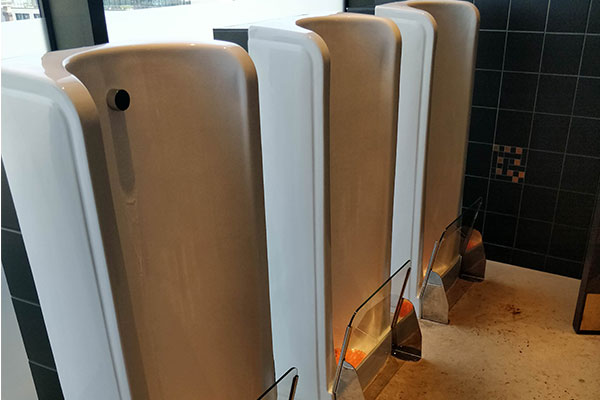 Urinals that protect your shoes from the splashback. Image: Reddit
The above urinal has a protective shield, which is like a urinal screen. It curves outwards at the bottom to prevent water or waste from getting on your shoes or trousers. Your workers can use the washroom with this innovation.
Next, this urinal interior has a mini-soccer game for its users. What’s it good for?
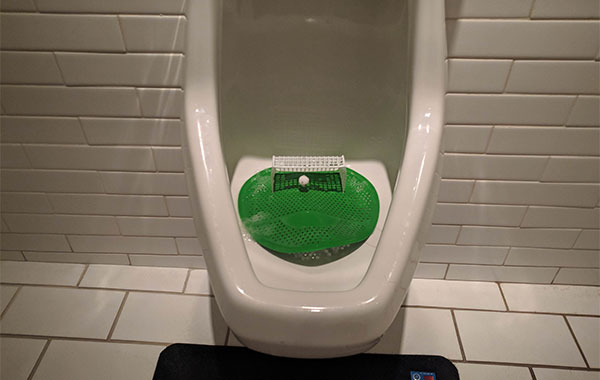 Urinal with a miniature screen. Image: Imgur
For one, it relieves your employees from work-related stress. Going to a workplace washroom shouldn’t be a nerve-racking activity.
Besides, it serves as a conventional reminder to aim well when using a urinal.
Couple this with wet area mats to absorb any waste that may splash from the urinal. Together, these efforts serve to control malodour and prevent the formation of stains.
There are also urinals with headrests. How convenient!
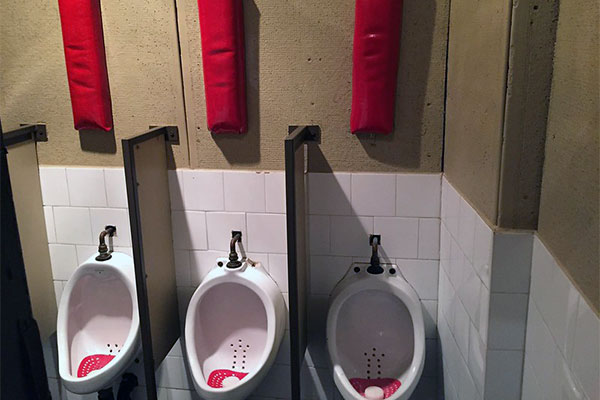 Urinals with headrest. Image: Flickr
After a long day, this may be helpful to unwind.
This next prototype involves a rather bold combination of a toilet and sink. Don’t worry, it’s not as bad as you think it is.
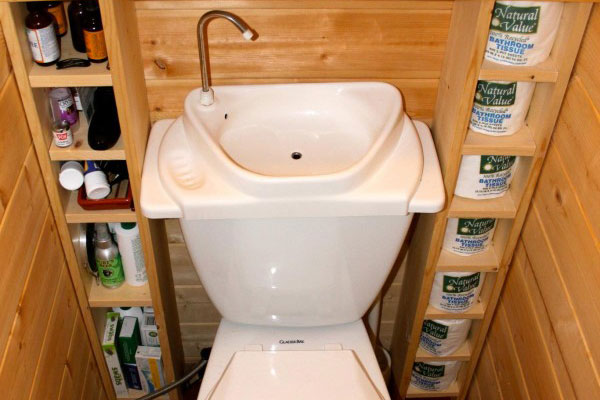 Toilet sink combination. Image: Homedit
To conserve water in your workplace, this stylish combination is the way to go. It recycles the water from the sink to flush the toilet.
2. Artistic Urinals
Without a doubt, these urinals are gorgeous. Not only are they colourful, but also display an array of creativity.
First, some urinals glorify all things music and take the form of musical instruments.
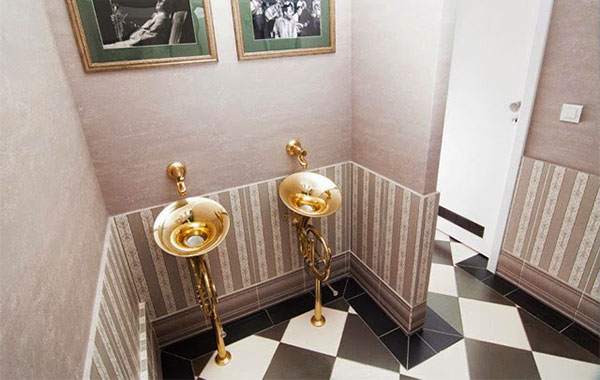 Recycle abandoned musical instrument urinals. Image: Pinterest
Are your employees music lovers? If so, then this is the best choice for your workplace washroom.
The unique shapes of these urinals make it easier to maintain hygiene. You can place a urinal cake at the bottom of the urinal. It isn’t out in the open, but your urinal hygiene always prevails.
Remember to handle urinal tabs using gloves to ensure you place them well.
If you thought you had seen it all, well it’s not over yet. This golden urinal found in Hong Kong is fit for a king and a real tourist attraction.
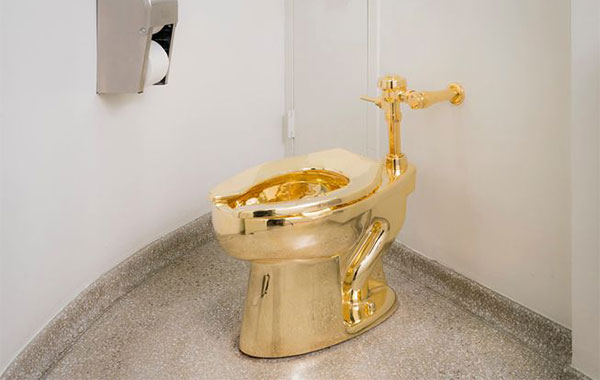 Golden toilet. Image: Pinterest
Not to mention, it is comprised of real gold gems and is valued at $4.8 million.
What’s more, it’s counterpart is this glass toilet. Although it only exists in theory, it would be a suitable addition for a classy touch to washrooms.
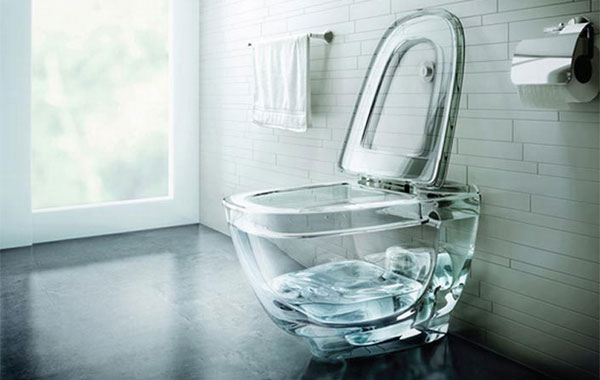 See-through, a toilet glass. Image: Pinterest
There are plenty of elegant urinals located globally. Oftentimes, these are on display for urinal art fanatics who travel across the globe to see them.
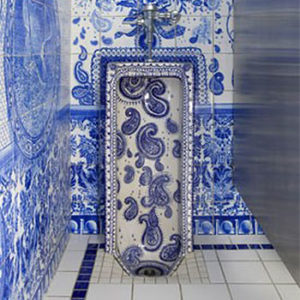 Unique artwork urinal. Image: Pinterest
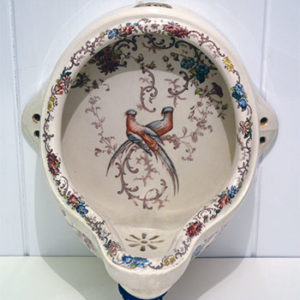 1890 Victorian Polychromatic Urinal. Image: Pinterest
Borrowing these ornamental urinal concepts is not new. They can now feature in washrooms from offices to museums.]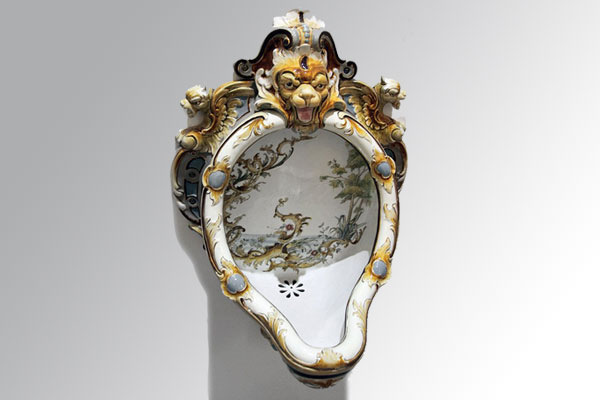 Urinal Veneta, Austria 1895. Image: Designboom
This urinal is on exhibit in Austria, in collaboration with the Harvard School of Design.
3. Urinals for Plant Lovers
Offices don’t always need to be dull with a white and grey colour scheme. Your workers will begin to dread the office.
Flowers and plants are the solutions to your decor problems. They are a beautiful accessory to include in your workplace.
Did you know that plants have many benefits for your employees? Have a look at the following advantages:
- Decreases the number of sick days taken
- Reduces stress levels
- Office appearance becomes tasteful and pleasing
- Reduces the effects of background office chatter
- Decreases the risk of respiratory illnesses
Include a potted plant or two, and while you’re at it, why not transform your urinals into plants, too?
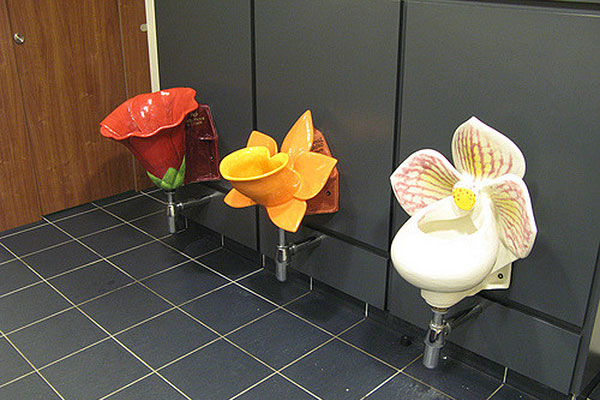 Flower urinals design. Image: Pinterest
This category of urinals are designs inspired by a love for the environment. They imitate different kinds of flowers and trees and are a real sight for sore eyes.
The shapes of plant-like urinals make it easier to carry out hygiene maintenance. Don’t let your ceramic urinals collect dust and grime.
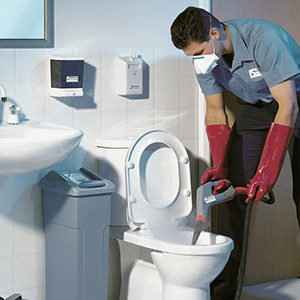 Alsco’s Deep Clean Services eliminates all mould, mildew and fungi.
Opt for deep-cleaning services to maintain the high-grade condition of your urinals.
This is why a routine deep clean is important:
- Retains the high-quality of your urinal ceramic
- Destroys mould and mildew spores
- Disinfects all washroom surfaces
Indulge in five-star maintenance services to keep your urinals exquisite both inside and out.
4. Tech-Savvy Urinals
Today, technology is growing at the speed of light. The current number of tech start-ups is around 1.35 million. Yet, it is shocking to see technology in washrooms.
Recently, there has been an incorporation of tech-savvy urinals. They either solve a problem or celebrate the developments of science.
For instance, this urinal with a microscope creates a fun washroom experience.
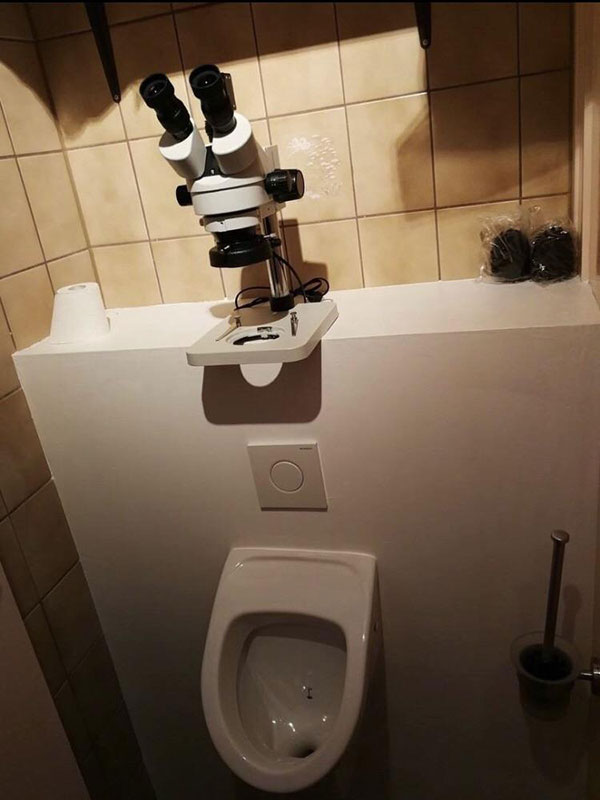 Urinal with microscope design. Image: Reddit
Other urinals aim to enhance the washroom experience. Here’s a design named ’’The Vertebrae.’’
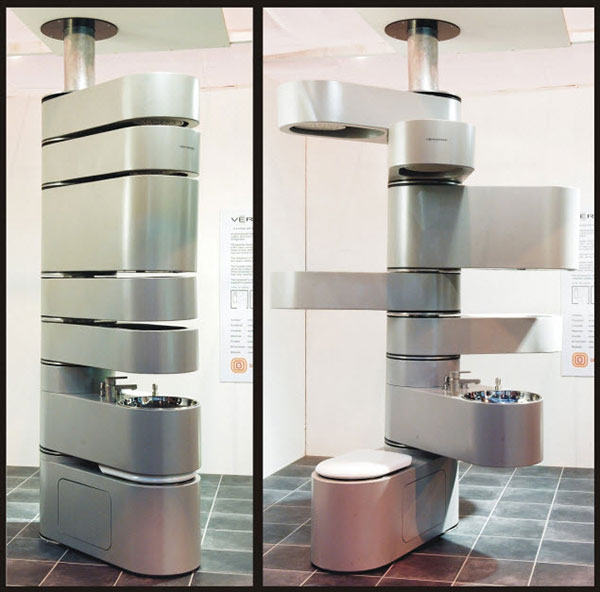 Vertebrae washroom design. Image: Cool Things
This Swiss Army design is the ultimate solution to washroom space. This all-in-one design has all washroom amenities in this single rotating module.
It saves on the time-consuming process of standing in line to use urinals or washbasins.
Another fantastic idea is a urinal fit with a television. Bathroom breaks become a source of joy for your employees and relieves some tension.
Besides being able to watch their favourite show, they can also play video games. This prototype has a sensor that detects movement, which assists in playing the games.
[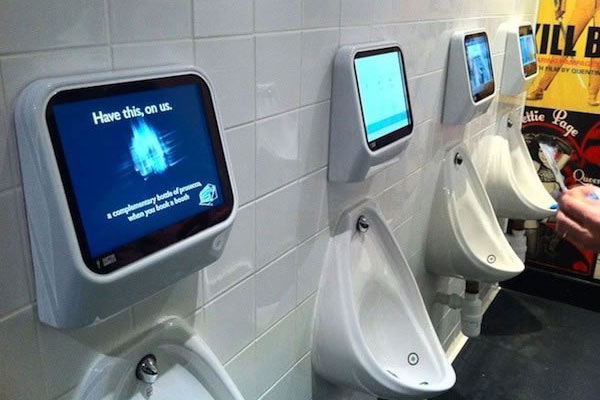 Video gaming urinals. Image: BBC
As you can imagine, this category of urinals will involve constant maintenance.
What you need to do is invest in high-end cleaning products that will sustain your urinals’ shine. The presence of eco-friendly products will attract like-minded individuals to your business.
Your trendy washroom needs to stay in the best shape. So, wipe down metal surfaces using an antibacterial disinfectant. Then, rinse it off with a damp cloth, leaving behind a fragrant smell.
5. Awe-Inspiring Urinals
Do your workers fancy ghosts and ghouls? This category involves thrilling designs which inspire Halloween office decor.
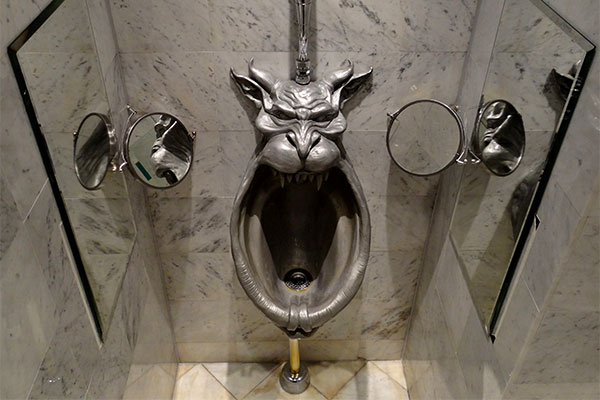 Gothic urinal design. Image: Wikimedia Commons
Because of their unique shapes, these urinals’ drains need special care. The best way is to disinfect drains quarterly through biological treatment. This process keeps away bad odours that may repel your workers.
It also prevents insects from hovering around your urinals.
Focus on This
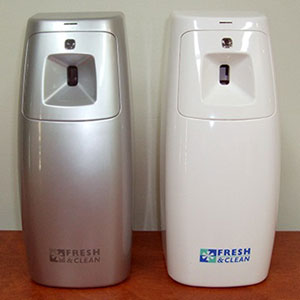 Install our amazing wall-mounted Air Fresheners in your washroom.
Today’s business environment is competitive, and thus, your workplace should aim to stay ahead.
Holding high workplace hygiene standards is mandatory. It’s a sign of valuing your employees and your business.
Take the first major step in hygiene maintenance and contact the experts to take over.
Your local branch of professionals will:
- Clean your washrooms at your convenience.
- Charge affordable prices.
- Replace diminished products.
Get in touch with Alsco New Zealand for a fast and free quote. Begin your workplace urinal transformation journey today.
Photo: Wikimedia Commons
What Should Be in an Earthquake Kit?
Your earthquake survival kit in New Zealand workplace should contain food and water that can sustain you for at least 72 hours. That is more than enough time for you to reach the destination you intend to reach or to be rescued if you are trapped inside a building.
Make sure that your food is non-perishable, regularly checked for the expiry date and that it doesn’t contain anything that causes your allergies.
Home emergency kit also includes food for infants if you have babies in your household and similar adjustments to match your family needs.
Your earthquake kit list should contain the following types of food:
- Canned food
- Dry, non-perishable energy bars
- Granolas
- Nuts and seeds
- Dried fruit
- Peanut butter
- 9 litres of water
In New Zealand workplaces, your personal earthquake preparedness kit can contain food that should sustain you alone. Everybody in your workplace should have their own emergency kit for an earthquake that is enough to sustain them.
Besides those personal kits, there are also those workplace earthquake kits that are the responsibility of the employer. Workplace earthquake survival kit in NZ has to contain first aid supplies, as well as some basic protective gear.
While you should encourage your employees to create their own earthquake grab bags, you should go on and rent Alsco’s earthquake kit for NZ conditions that will help you prepare your workplace for such an event.
What Should Be in a Survival Kit for NZ?
The earthquake survival kit for NZ workplaces should definitely contain items that will provide you with protection, first aid, sanitation supplies, and even communication and rescue tools.
It should also contain some food and water, although that is something people should have in their own earthquake preparedness kit.
Let’s look a bit closer into these items:
- First Aid Supplies – There are a lot of injuries that can happen during an earthquake. People who don’t immediately drop down can fall and hurt themselves. Debris and falling objects can hurt those that don’t seek shelter. Your workplace needs well-stocked first aid kits in case of an earthquake.
- Sanitation Necessities – You can count on your first aid kit for the sanitising supplies when it comes to dressing the wounds. However, if you need to spend 72 hours without the access to your workplace washroom, you will need wet wipes or towels, garbage bags, paper towels, additional water supplies, as well as some soap.
- Items for providing warmth and protection – It is common knowledge that fleece clothing and blankets can be folded so they take up very little space. At the same time, they are very warm. This makes them one of the good choices for your earthquake kit. You will also need gloves and maybe even helmets in case you need to dig your way out of debris or even just walk through a corridor with the unstable ceiling.
- Tools and torches – It is quite expected that an earthquake will cut off electricity in your building. That is why you will need a battery powered torch as well as some spare batteries. Other handy items are pliers or wrenches because you may have to turn off utilities or valves.
- Communication devices – You need to get in touch with your family if the earthquake occurs while you are at work. Mobile devices may or may not work, but you should have them either way. You need a battery powered radio to keep up with the most important news. A power bank for your mobile phone is also useful in case the operators are working.
What to Do If You are Driving During an Earthquake?
When an earthquake starts, you should:
- Slow down
- Stop
- Wait in your car
First, you need to figure out that there is an earthquake happening. This may sound odd, but not everybody understands that it is an earthquake and they believe it’s their car acting out.
To ensure your car is not the problem, look at the trees and your surroundings to see if they also shake or sway in an unusual manner.
You Have Established the Earthquake is Happening
Remember to take those three easy steps:
What to do if an #earthquake hits while you’re driving: https://t.co/IS4Vy92etU #RoadSafety @DriveBC @TranBC pic.twitter.com/OS5pACqI5p
— PreparedBC (@PreparedBC) January 3, 2017
You should not move until the grounds stops shaking. That usually doesn’t take much longer than a couple of minutes.
This is a general rule of thumb, but there are some variations to these steps. They mostly depend on the fact where you and your car are at the moment of an earthquake. The best place to be is in an open space, far away from the seaside and the landslides. Obviously, the daytime is much better than the nighttime.
Of course, before slowing down and stopping, you need to make sure you are not in immediate danger.
Being close to lampposts or on a road that cuts through a mountain means there can be falling objects around you. It is best if you can get away from any slopes and possible landslides.
While beaches may sound like a great idea given that they are usually open space, you should not stay near them due to the possibility of a tsunami.
You will recognise the danger of a tsunami because the tide will go out much further than it usually does right before it. You will have just a couple of minutes to escape the coast if there is an active tsunami warning.
When the Earthquake Is Over
The first thing you should do is check the Geonet website for the epicentre and the magnitude of the earthquake. Of course, this will be possible only if the Internet is accessible to you. You may also want to check the social media and turn on your local radio.
If you don’t have the Internet and the mobile phones are off the grid, it means that the earthquake was stronger than 5 degrees of magnitude.
It is important not to call emergency services if you are not in danger. There will be a lot of people who are and the emergency services need to direct their resources toward those that are in immediate danger. Instead, call your family members and friends to check up on them and to let them know you are safe.
All of this should also matter to you if you are a business owner and you have a business vehicle. Each of those vehicles should have their own vehicle emergency earthquake kit. They can come in handy if a person is trapped in a car or they cannot leave the vehicle for any reason.
Rent your earthquake preparedness kit from Alsco New Zealand. In that way, you don’t have to make big upfront investments and you also don’t have to worry whether your every earthquake emergency kit has all the necessary items and whether they are up to date.
Call Alsco New Zealand and our representatives will explain in great detail what we can do for you. You will also get a chance to receive the best possible quote for your business.
Photo courtesy of Flickr by USDA
How to Buy the Best Tea Towels for Your Restaurant or Cafe
The humble tea towel is no stranger to the kitchen. It is often found near a mess of sorts, dutifully helping to clean up spillages.
But, common as it may seem, when it comes to the tea towel, there is more than meets the eye.
In order to find the best tea towels for your restaurant or cafe, you need to understand these handy kitchen cloths better.
For instance, why are tea towels made of different materials, which of these are the best and why is it better to rent tea towels rather than buy them?
Where Did Tea Towels Come From?
Tea towels have been around for over three hundred years.
When they emerged in 18th century England, tea towels were mostly made of soft, lint-free linen.
Their original purpose was simple: to dry fine china and any other valuable crockery. Despite the simplicity of this task, it was one so special that only the lady of the house could undertake it.
When they weren’t wiping delicate tea sets in the kitchen, tea towels were used at the dining room in the manner from which their name is derived.
A kettle would be wrapped in a tea towel to soak up any drips as tea was being served. In this way, there were no unsightly marks around the kettle, helping to maintain an air of elegance.
And, should tea have been served outdoors, the towels kept cakes and sandwiches free from the touch of meddlesome flies.
Tea towels were also highly regarded in that era as a show of creativity, prowess and skill through one’s embroidery. They were a mark of heritage, with the embroidery techniques often passed down from one generation to the next.
What Are the Best Tea Towels Made Of?
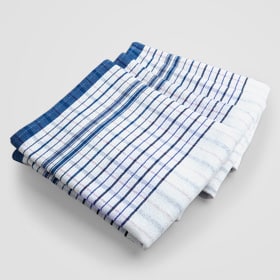
Cotton Blue Striped Tea Towel 100% cotton, highly-absorbent and anti-bacterial.
Today, you’ll find tea towels primarily made of three materials with varying degrees of effectiveness and durability:
- Cotton
- Linen
- Microfibre
Some tea towels are also made from a combination of these materials.
Ultimately, cotton tea towels are the best, especially those made purely with organic cotton. To understand why let’s examine the properties of each.
Cotton
Cotton is one of the most widely used materials in making tea towels, and that shouldn’t come as a surprise. Why? Cotton possesses two important qualities:
Absorbency
Cotton can absorb as much liquid as 25 times its weight. Why? We can attribute this to the nature of both cotton and water.
Cotton is largely made up of cellulose which is a carbohydrate.
Water has only three atoms. The two hydrogen atoms in water are slightly positively charged while the oxygen atom is negatively charged. This makes water a dipole.
As a result, cotton molecules easily attract water molecules when they come into contact with each other.
Biodegradability
As far as sustainability goes, cotton is the material of choice for tea towels. Because it occurs naturally, it breaks down easily (e.g., when put in composting bins).
Due to its biodegradability, cotton can be recycled. For instance, in the US, Cotton Incorporated turns used denim into household insulation.
While there are many tea towels made of linen, these may not work best for your establishment.
Why is this? Linen has a tendency to tear and rip rather easily, and it will disappoint with its low capacity to absorb.
Because of their fragility, linen tea towels are best used as decorative pieces in domestic settings. They may survive the occasional buffing of worktops but can’t withstand the demanding nature of a restaurant or cafe kitchen.
As the name suggests, microfibre is a fabric comprised of extremely thin strands. For perspective, microfibre strands are thinner than silk whose diameter is a fifth that of human hair.
For the most part, this attribute is advantageous in that microfibre lends itself to a wide range of uses, such as making mops, thanks to its versatility and adaptability.
However, this is also its undoing.
Microfibre tea towels would prove more fragile than cotton ones and thus, less durable in the long term. You would need to frequently replace them which could increase your operational costs.
Keep in mind that microfibre is synthetic and thus non-biodegradable.
If you’re wondering what other options are available, polycotton is also worth trying.
Polycotton is a fabric obtained from a blend of cotton and polyester.
It combines the absorbency of cotton with the strength of polyester for tea towels that are up to the challenge.
How to Make the Most of Your Tea Towels
Tea towels have several functional uses:
- When preparing multiple dishes in one go, tea towels come in handy when you need to dry your hands every time you wash them.
- Need to move hot cookware fast? While it’s best to use a potholder, using a well-folded tea towel can be a good way to improvise.
- Ditch the salad spinner and get your leafy vegetables and herbs dry with a tea towel. You can either dab vegetables dry or use the tea towel to squeeze out excess moisture after rinsing.
There are also a couple of creative uses for your restaurant/cafe tea towels:
- When hosting a group for gatherings such as birthday or holiday celebrations, tea towels folded in half make a great placement for the plates.
- If your establishment has a more relaxed setting, why not gift your loyal patrons something from your pastry section (e.g., a baguette cut in half) accompanied by a jam jar wrapped together with a tea towel?
- When decorating, you can use boldly coloured tea towels as candle holders. Simply fold your towels till they completely wrap around the candles and match their height, then secure them with satin ribbons.
The Hassle-Free Way to Get the Best Tea Towels for Your Establishment
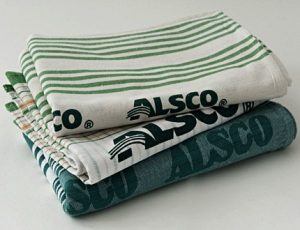
Looking for high-quality tea towels? Choose Alsco’s tea towels.
One thing many restaurants and cafes don’t realise is that not all tea towels are created equal.
It’s easy to think that buying many cheap tea towels is the way to go. However, sooner rather than later, doing this will leave you disappointed and in need of new tea towels.
Why not rent tea towels from Alsco New Zealand?
Alsco’s Tea Towels stand out because they are:
- Eco-friendly compared to paper towels or tea towels made of synthetic fibres
- More affordable and cost-effective because they are rented instead of purchased
- Made of 100% pure cotton making them high quality, durable and sustainable
- Available in a wide variety to meet all of your restaurant/cafe needs
- Industrially laundered to keep them clean and hygienic always. Alsco picks up dirty tea towels and drops off clean ones on a regular basis, thanks to extensive coverage of numerous routes.
Above all, choosing Alsco means choosing a guaranteed and trusted service.
Over 34,000 businesses across New Zealand use Alsco’s reliable products and services for their reliability, efficiency and cost-effectiveness.
For the best tea towels around, simply get a quick quote tailored to suit your needs.
Photo: Freepik
4 Interesting Tips for Workplace Urinal Hygiene
Urinal hygiene is an important aspect of washroom hygiene. Bad odours may diffuse into workspaces and make workers unable to focus.
However, clean urinals also contribute to overall washroom hygiene. In turn, this leaves a great impression on both clients and employees.
Besides, sanitary washrooms have positive effects on workers’ health.
How can you give your workplace washroom a facelift? Ensure excellent washroom hygiene through the use of professional products and maintenance.
There are different ways to care for urinals to upgrade your washroom’s appearance. Here below is all you need to know about urinal hygiene essentials.
1. Use the Best Urinal Hygiene Products
Workplace cleanliness has a direct impact on workers’ perception of your professionalism. In the long run, the amount of effort put in translates to an increase in employee loyalty. This also applies to external parties, such as clients, investors and suppliers.
Besides, customers associate dirty washrooms with lack of care. The appearance of your washrooms may put them off and keep them from doing business with you.
So, keeping washrooms clean may appear to be a difficult task, but using the best products makes it easier. It also leaves a lasting impression.
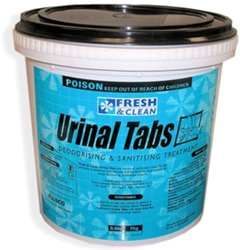
To begin, place urinal tabs at the bottom of every urinal. These are a must-have hygiene product that disinfects and eliminates bad odour. Besides this, they keep away insects like flies, moths and silverfish.
By reducing the buildup of uric acid, clogged urinals become a thing of the past. How do they do this? By consisting of the main ingredient para-dichlorobenzene, they keep all the bad stuff at bay.
Urinal tabs come in different colours, shapes and sizes, but they all perform the same functions.
Consider investing in urine screens to cut down on splashback accidents. Place them at each urinal to make hygiene maintenance easier for your cleaning staff.
They contain a strong fragrance which freshens up the urinal for up to 30 days. After this period, replace the old screen with a new one for long-lasting freshness.
These products often yield better results when combined with the tips that follow.
2. Use High-Quality Washroom Cleaning Chemicals
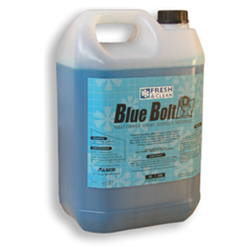
Clean urinals contribute to workplace image. The correct products prevent the spread of bacteria, creating a healthy working environment.
For starters, encourage the use of toilet cleaner. It removes scale deposits that make your urinals look off-white.
Pour a small amount of the product into the urinal and let it sit for 3-5 minutes. Then, scrub the urinal with a brush and rinse it off.
Its thick formulation minimises waste and over-use, saving costs in the long-run.
Ensure you also purchase scouring cream to clean washroom surfaces. This eliminates dirt and grime, enhancing the urinal’s appeal.
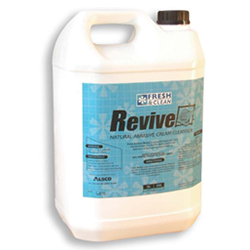
Apply the product on a damp cloth and wipe the urinal exterior before rinsing it off. It leaves a fragrant and spotless surface.
These products have a long-lasting impact on your washroom, giving it the kind of care it deserves.
These products are essential in disinfecting urinals to protect your workers from illnesses. Cases of absenteeism will decrease, saving your business a significant amount of money.
This report finds that absenteeism costs the New Zealand economy $1.79 billion in 2018. So, investing in the well-being of your employees has many benefits to your company. The bottom line is, workplace cleanliness affects workers’ satisfaction and productivity.
“The higher your energy level, the more efficient your body. The more efficient your body, the better you feel, and the more you will use your talent to produce outstanding results.” — Anthony Robbins.
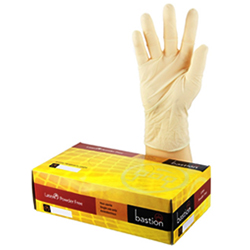
Handle these products using gloves and safety glasses to prevent any harm.
To kill general malodour, place automatic air fresheners behind urinals. Overlooking this area allows awkward smells to thrive. It’s better to deal with the problem from the source.
Ensure to select scents that boost your employees’ energy levels, like:
- Lemon
- Lavender
- Jasmine
- Rosemary
- Cinnamon
- Peppermint
These scents trigger positive moods in workers and increase their morale.
Don’t forget common touch-points, such as urinal flush handles, are covered in disease-causing germs. Protect your employees by making automatic hand soaps and sanitisers available. Creating a sterile environment speaks volumes and assures them they are in safe hands.
Fresh and Clean takes the burden off your shoulders. Rental hand care products are available for servicing and refills at your convenience.
3. Hire Professional Cleaning Services
This is the secret to creating a 5-star washroom experience. Contrary to workplace myths, this is not an unnecessary expense. Instead, it’s an investment in your company. This is how your business stays leading in a competitive market.
Expert services provide consistency by putting in the extra effort your washroom needs. Partner with Fresh and Clean to stay ahead of the game! Through both deep cleaning and biological treatment services, you upkeep your hygienic standards. This offers a complete washroom solution for exceptional cleanliness standards.
These are both eco-friendly cleaning alternatives to using toxic chemical products. Your workplace gains the favour of like-minded clients that admire sustainable business practices. It adds to your workplace’s core values and increases marketability.
Have a look at this chart below to understand which service works best for your workplace needs:
| Deep Cleaning | Biological Treatment |
|---|---|
|
|
Below are the benefits of partnering with professional services:
- Specially-trained staff that have the skills your washroom requires.
- Formulation of a cleaning plan according to your workplace washroom needs.
- Deliver exceptional results, keeping your urinals in top-notch quality.
- Use specialised equipment and products to fulfil your needs.
4. Take Extra Precautions
This is another angle towards maintaining urinal hygiene. Do so by creating awareness and implementing hygiene policies in the workplace. Together, these will yield extraordinary results. Both your workplace sanitary standards and workers’ washroom etiquette improves.
Sending subtle messages has extraordinary effects on washroom hygiene. As a result, the repeat of avoidable washroom incidents reduces.
Your workers then become aware of their hygiene practices and the effects it has on others.
Use washroom posters to assure employees that you care about their well-being. By creating a sense of safety and security, your workers can’t help but be loyal. It encourages them to report any washroom accident that requires immediate attention.
Bear in mind to install washroom mats near urinals and sink areas. This prevents accidents. They are also firm and comfortable to stand on, improving relaxation while relieving yourself.
So, there you have it, the four major tips you need to improve your urinal hygiene. Give them a try and share the results with your colleagues.
Overturn Your Workplace Washroom Today
As committed hygiene service providers, Alsco makes it a priority to keep your washroom in high-grade condition.
“You service our branch with an awesome attitude.” — Shaan Antunovich, Manager, Education Action.
Contact Alsco’s Fresh and Clean friendly customer services for a convenient and affordable experience. Our expertise is all your urinals need!
Photo: Creative Common
Why Do Hospitals Use White Sheets?
Have you been to a hospital recently? Were you admitted? Maybe you were just visiting a friend or family member who fell ill or needed medical attention.
If you’re observant enough, you’ll realise that most hospitals predominantly use white bed sheets in their patient wards.
Ever wondered why?
Well, this article aims to shed some light on the reasons behind white bed linen use in hospitals.
Using White Sheets Is a Standard Hygiene Practice
Over the years, white has become the colour of choice for bedding and other garments in most hospitals in the world. The main reason behind this is hygiene.
“The very first requirement in a hospital is that it should do the sick no harm.” — Florence Nightingale
The mission of any hospital is to provide the best possible patient care. Despite being one of the most essential parts of healthcare, hospital bed linen is greatly overlooked.
The body in charge of international standards on quality and patient safety, Joint Commission International, ensures uniformity and standardisation of hospitals across the world.
It has laid down six important patient safety goals. One of the most important patient safety goals is ensuring the prevention of Hospital-Associated Infections (HAI).
HAIs are defined as any new infection in a patient who’s been in the hospital for at least 48 hours and did not come to the hospital with this particular infection.
Hospital Associated Infections are extremely violent and aggressive. They are often fatal.
According to a report by the World Health Organisation, 10% of patients (1 in 10) get an infection while receiving care in a health facility.
HAIs may cause:
- Additional emotional stress to the patient.
- An increase in costs, causing a financial burden to both the patient and hospital.
- The hospital to receive a bad reputation.
Infected patients are often the sources of major hospital epidemics. These infected patients contaminate various surfaces with different pathogenic microorganisms.
Contaminated bedding is one of the sources of invisible germs and pathogens. They can cause susceptible people to become sick when exposed to them.
These infectious risks include:
- Conventional Pathogens: These are sources of disease that infect healthy individuals missing specific immunities. They include Streptococcus pyogenes, Salmonella, Hepatitis Viruses, etc.
- Conditional Pathogens: These cause diseases in newborns and individuals with a low resistance to infections. Examples include Acinetobacter baumannii, Pseudomonas aeruginosa, and Candida spp.
- Opportunistic Pathogens: These cause generalised diseases only to individuals with a low resistance to infections. Examples are atypical mycobacteria, Nocardia asteroides, and Pneumocystis carinii.
Therefore, sterile white sheets are primarily used as an infection prevention and control measure to manage and reduce the infections that may occur in the hospital. This, in turn, helps to prevent patients, staff, and visitors from acquiring infections from the hospital.
Extreme measures must be taken to ensure infectious germs are not transferred to patients, residences, or healthcare workers.
White Sheets Are Faster and Easier to Clean
White sheets are used because they are the only form that can survive the vigorous cleaning and bleaching process. For sterilisation purposes, they are also chemically treated at extreme temperatures.
This is because hospital bed sheets are often contaminated with blood, skin, secretions, excretions, vomitus and other bodily fluids from patients that contain infectious pathogens.
This laundering process ensures they are sterile and stain-free without having to worry about fading or any colour bleeding.
According to an article from the US National Library of Medicine, “Oxidising compounds, such as chlorine or activated oxygen bleach and temperatures of or above 60°C play a crucial role in ensuring an efficient antimicrobial action of the laundering process.”
Coloured bed sheets would not survive this extreme laundering process. This makes white sheets faster and easier to clean because they do not require sorting.
White Sheets Have an Aesthetically Pleasing and Professional Look
According to the psychology of colour, certain colours have a significant impact on people’s emotions. White represents peace, comfort, purity, and joy. It is for this reason that most hospitals are painted white.
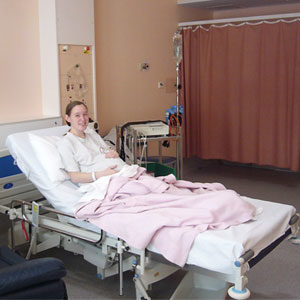 Image from: creativecommons
This is meant to create a tranquil aesthetic and reassure patients that it is a safe space.
Patients go to the hospital when they are in need of advanced medical treatment and care. However, they soon find out that it’s not the best environment for them to recover and heal.
The hospital environment is generally chaotic, with a lot of activity going on at the same time.
Hospital wards tend to have white or neutrally coloured linen so as not to increase the chaos and frustration. These neutral colours help patients to feel calm and relaxed.
Having a good night’s sleep is a patient’s number one expectation when admitted to any hospital.
According to a study by the International Journal for Quality in Health Care, deep sleep is what helps a patient heal faster.
Using white sheets assures the patients that the bed is clean and fresh. White signifies comfort, and people tend to identify it with a good night’s sleep. White sheets also evoke a fresh hotel bed look and feel, which most people love.
There is no proven research that specifically links quality of sleep to white sheets. However, white bed sheets create a placebo effect that arouses the memory and feeling of sleeping in a bed that had crisp, clean sheets.
This can help a patient sleep better, as stated by dentist and sleep expert Dr Sabrina Magid.
Getting enough sleep boosts the immune system and fastens the patient’s recovery process. This, in turn, shortens their hospital stay and gets them back to the lives they had been missing at home.
White Sheets Signal the Bedding Needs to Be Replaced
Hospitals in the past used coloured sheets which transferred and promoted the spread of bacteria and other pathogens because it was difficult to tell if they were dirty.
Many hospitals have adopted the use of white sheets as an additional hygiene practice to ensure they are replaced with clean ones every day.
Stains are easily detectable on a white sheet, which quickly signals to the hospital staff that they need changing.
In this way, white sheets act as an early warning detection system to give the doctors more insight as to what might be affecting the patient.
For example, if there is any form of bleeding or bodily discharge from a patient, it is easily noticeable on white sheets. This will enable the doctors to take immediate action as compared to brown sheets where the stains would not be visible.
In such a scenario, white sheets are useful because they can help save a patient’s life.
Looking to Enhance Your Patients’ Hospital Stay?
Patients expect the very best during their stay in the hospital. It is, therefore, the hospital’s duty to ensure that every patient’s visit is as pleasant as possible.
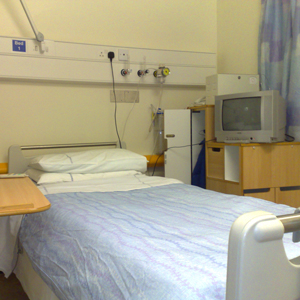 Image from: flickr
Linen is one of the products that hospitals use to ensure their patients’ experience is top quality. Alsco NZ offers a wide range of luxurious, high-quality white bed sheets suitable for every type of patient.
Our sheets are made from 100% breathable cotton that is soft, comfortable, and gentle on the skin, providing a crisp cooling effect which can help patients to sleep better.
Hospitals generate a great amount of soiled linen every week. When dealing with tons of dirty sheets, towels, and patient garments each month, it makes more sense to use a specialist linen supplier.
At Alsco NZ, we have a lean system delivering what’s needed to meet the daily bedlinen requirements for your hospital.
Visit Alsco NZ today for all your bed linen needs to ensure that your patients’ healthcare experience is the best it can be.
Photo: Pexel
Demystifying the Hand Hygiene Battle: Paper Towels And Hand Dryers
The road of technology is paved with good intentions.
In the hand drying arena, there might be a popular notion that newer and shinier technologies reign supreme over the old school way of doing things.
The truth is, throwing away the traditional paper towels in favour of the jet air dryers is not always the best course of action.
Hand drying may well be considered an art that may equally benefit from both traditional and cutting edge methods.
There are numerous factors that can tip the scales to the favour of modern hand dryers or traditional paper towels. Depending on your organisation’s priorities, here is the lowdown on some of these crucial factors that will aid you in your decision-making process.
Counting the Cost of paper towels vs hand dryers
When it comes to calculating the cheaper option, it’s the jet air hand dryers and warm air hand dryers that win the hand hygiene battle. Continuously using paper hand towels entails excessive paper consumption. This is something that jet air or warm air hand dryers eliminate completely.
Indirect costs like manpower requirements are also factors to consider. If you use traditional paper hand towels for your organisation’s hand drying needs, you will also expect more trash bins to be emptied that will require more janitorial services. Some bathroom users also foster the unhealthy habit of clogging toilet bowls with tissue paper even with religiously posted reminders to use the trash can.
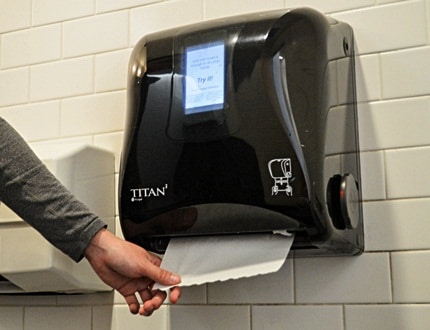
Photo courtesy: Flickr Image by Simon Fraser University – University Communications
The Drying Motion
Another chief consideration is the mechanism by which drying is introduced. Traditional hand paper towels make use of the friction of vigorously rubbing the surface of the skin with an absorbent material. On the other hand, modern dryers use the element of air to simulate the drying action.
The artificial air movement introduced by jet air and warm air hand dryers can present a problem. This air circulation that can go as fast as 400 mph can promote contamination. It can easily take bacteria from one user up to a 2-meter radius or the entire bathroom facility.
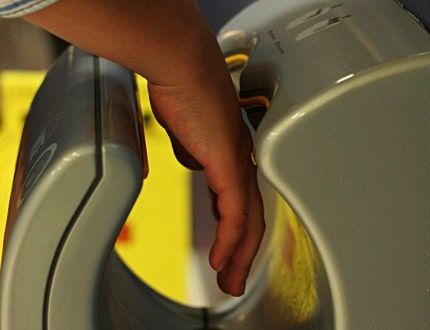
Photo courtesy: Flickr Image by Richard Masoner / Cyclelicious
The Bacteria Risks
Much research has already established that there are greater risks from automated air dryers to spread bacteria compared to traditional paper hand towels. It spreads germs in the bathroom by as much as 1,300 times compared to paper towels.
Warm air dryers, in particular, can be a prime breeding ground for bacteria because of its temperature. Paper towel users were recorded to have a bacterial count within the range of 85.2% to 91.5%, quite a stark contrast to the 41.4% to 47.8% range observed from users of warm air hand dryers.
Because of this controversy on bacterial spreading tendencies, experts have weighed in their opinion that modern hand dryers may not exactly be the best solution for bathrooms that run a higher risk of spreading diseases.
Some examples include laboratories, diagnostic clinics, and hospital settings where there is a greater percentage of extremely sick people who will be using the jet air or warm air hand dryers.
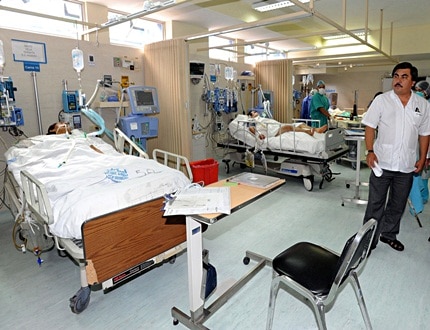
Photo courtesy: Flickr Image by Congreso de la República del Perú
Environmental Footprint Considerations
Going green is becoming a mainstream consideration for organisational facility solutions like hand drying options. If you are keen on saving the environment, that’s a point taken in favour of warm air and jet air hand dryers.
A consultancy firm on environmental resources management claims that paper towels require 64% more electric power when compared to power requirements of warm air hand dryers.
This may seem counter-intuitive considering that paper towels do not really require electric power when it is being used for hand drying. However the manufacturing of the paper towel products to supply bathrooms globally has an accumulated power cost requirement.
In addition to this, public schools in Kansas were selected as a venue for a global dryer study. Of the 102 hand dryers observed in the schools, the study found some astounding savings in a span of one year: approximately 700,000 water gallons, close to 600 trees, and 34 tons of solid waste.

Photo courtesy: Flickr Image by ABDUL HAFIZ ABDUL MUHIMIM
Besides selecting the best hand-drying option for schools, this School Washroom Guide deals with other major health and safety concerns, so you may want to read through it carefully if education is your industry.
Actual Cleaning and Drying Power
A University of Westminster study has proven that paper hand towels are more hygienic and effective in drying the hands. Given the propensity of automated hand dryers to proliferate bacteria, the paper towels’ individualised and disposable quality makes them immune from transmitting germs from one user to another.
Aside from this, drying the hands took 30 seconds faster when using paper hand towels. Drying with paper hand towels takes 10 seconds and using a jet air dryer requires 40 seconds.
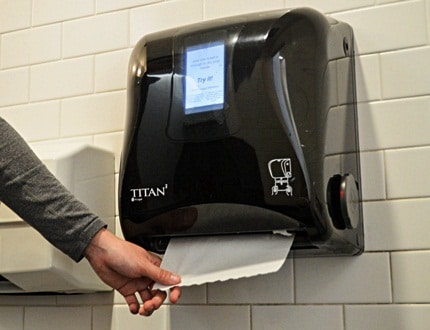
Photo courtesy: Flickr Image by Ambernectar 13
Regardless of your ultimate decision on who wins the hand hygiene battle, it is important to find the optimum solution to your organisation’s unique handwashing and drying needs.
While you can opt for DIY, professional services or opinions may also help give you a more informed decision. Take advantage of Alsco’s commitment-free workplace audit and contact us today to get some expert opinions on your predicament.
Photo Courtesy of Flickr Image by Newtown grafitti


