Trusted by 237K+ Business Worldwide. Find a Location
Trusted by 237,000+businesses worldwide across 250 locations delivering uniforms, linens and more. Find a Location Near You


Delivering Excellence Since 1910
Contact Us
Why Use Microfibre Cloths and Mops?

We source all of our high quality microfiber cloths directly from Filta, and work together closely to determine the most effective microfiber options that elevate your commercial cleaning solutions.
When it comes to cleaning, microfiber cloths and mops outshine traditional cotton options for several reasons:
- No lint or streaks are left behind, ensuring a spotless result.
- They can absorb up to eight times their weight in water.
- Gentle on delicate surfaces, these won’t leave scratches.
- With just water, they can clean almost any surface.
- Not only environmentally friendly but also budget friendly.
- Easy to clean and maintain, they stay effective even after 300 washes.
- Filta microfiber cloths are HACCP Hygiene approved with a 0.15 Decitex rating.
- Designed for optimal performance, they’re 40cm x 40cm in size and made from Commercial Grade weight microfiber.
- Featuring true 80/20 split fibres, these cloths efficiently capture dirt and bacteria during cleaning.
- Now made entirely from waste and recycled plastic!
Here are some useful tips on integrating microfibre cloths into your standard commercial cleaning routine
Dusting and cleaning surfaces
For a swift and effortless dusting solution, opt for a dry microfibre cloth. Thanks to its positive charge, the cloth functions like a dust magnet, efficiently trapping dust particles instead of allowing them to scatter.
Cleaning glass and mirrors
Just take a damp cloth to wipe away dirt, debris, and fingerprints from the surface. Follow up with a dry cloth to buff the area, achieving a streak-free shine. No need for window cleaner, but feel free to use some if you prefer.
wet/dry flat mopping
Revolutionise your wet mopping routine with Microfiber Mop Heads, surpassing standard mop heads for a more hygienic and superior clean.
When it comes to wet/dry flat mopping floors, Microfiber Flat Mops have become the industry standard. Their enhanced hygiene, lightweight design, and ergonomic features make them far more user-friendly than traditional wet mop/bucket combinations. Simply apply your preferred floor cleaner, spray it onto the floors, and effortlessly wipe them clean with the Microfiber Flat Mop.
Opt for a long fringe mop for optimal results in dry mopping and see how close the mop gets to the surface for the most hygienic clean yet.
kitchen counters and stove tops
Clean your kitchen counters and stovetops effortlessly by using a damp microfibre cloth to tackle everyday messes. Microfibre is especially effective in clearing away food spills on glass and other smooth surfaces, leaving them streak free.
bathroom sinks, tubs, showers, counters, bathroom floors, toilets and sanitary
In the competitive landscape of commercial cleaning, tackling challenging tasks requires a cloth that consistently delivers. Filta Microfibre stands out, providing an efficient clean with minimal effort, thanks to the cloth’s advanced technology.
The microfiber composition ensures that each wipe is equivalent to the cleaning power of 15 cotton wipes, ensuring a spotless result from the first attempt. With Filta Microfibre, cleaning time is reduced by 30%, offering a more effective and time-saving solution.
stainless-steel appliances and chrome faucets
Discover the magic of microfibre as it brings outstanding results to your cleaning routine. Achieve a sparkling finish by using a damp cloth to wipe down stainless-steel appliances and chrome faucets.
Transform your faucets and fixtures with just a few swipes of the cloth, leaving them gleaming and shiny in no time as the absence of lint ensures a streak-free result every time!
colour coded for convenience
Red: bathroom floors, toilets, and sanitary.
Yellow: bathroom sinks, showers, and counters.
Blue: glass, mirrors, and dusting.
Green: food prepping areas, kitchen appliances, and stainless steel.
GET A QUOTE TODAY
Speak to one of our friendly Alsco Uniforms sales representatives today to discover how microfibres can save you time and money in your commercial space.
Click Here
How Does Hi-Visibility Clothing Work?
Hi-visibility workwear makes its wearers more visible. In that way, it is meant to prevent injuries and accidents.
People wearing a hi-vis vest, for example, are visible because the hi-visibility vest has patches of fabric that are either fluorescent or reflect the light.
Both of these types of hi-vis clothing work in a different way:
- Fluorescent hi-vis clothing is made out of synthetic materials to which a specific type of dye is added. This dye converts the short-wavelength energy into light. In that way, such hi-vis clothing is more visible.
- Fluorescent hi-vis clothing is most effective during daylight. Artificial lights, especially UV lights are not rich in short wave energy, so they reduce the effects of such clothing.
- Retroreflective high visibility clothing is best used for safety in traffic. It reflects the light that is pointed directly to it – like from behind the wheel. However, it is not that effective when observed from other angles.
The specifics of these high-protective uniforms are listed in AS/NZS 1906.4:2010 and AS/NZS 4602:1:2011.
The first standard deals with the fabrics, materials and colours that need to be used for Hi-vis clothing in NZ, while the second one deals with the possible applications of such clothing.
Instead of spending time and resources studying these standards and trying to apply them to your workplace, you can contact Alsco New Zealand and let them do that for you. Alsco NZ rents uniforms that match hi-vis clothing regulations in NZ.
What Colours Are Considered High Visibility?
The only two colours that are acceptable by hi-vis clothing regulations in NZ are yellow and red-orange.
Red is only allowed if it is in the orange spectrum. Otherwise, it cannot be considered a hi-vis colour, because it is not easily discernible for some people with a specific type of colour-blindness. This is regulated by AS/NZS 1906.4:2010.
However, hi-vis standards in NZ don’t stop at determining the colours. There are also some other, specific requirements. Some of them include:
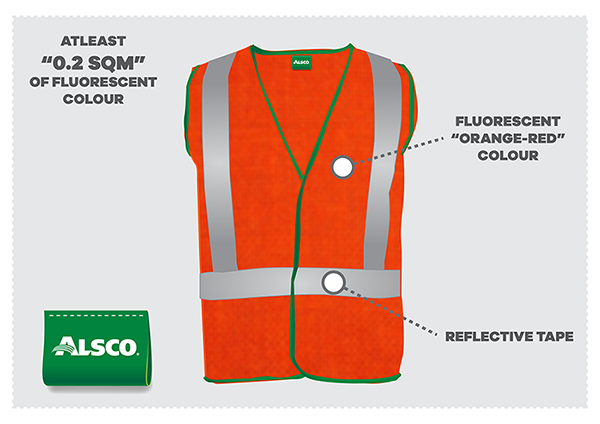
- All hi-vis clothing in NZ is required to have at least 0.2 square metres of fluorescent material on the front of any hi-vis vest or another type of garment and the same size patch on the back. This fluorescent area should not be interrupted.
- The reflective hi-vis tape for clothing needs to be at least 5 cm wide. Hi-vis clothing regulations in NZ require for the tape to be in one of the five allowed positions.
- Logos can be used on reflective parts of clothing, as long as it still leaves enough reflective clothing visible. On the other hand, logos cannot be placed over the reflective tape and should be less than 10cm x 10 cm in size.
- It is permitted to add underarm venting squares that are up to 10cm x 10 cm of size.
- Reflective tape, logos, venting square and all other additions do not add up to the required size of fluorescent material.
How Many Classes of Hi-Vis Clothing Are There in NZ?
There are three classes of hi-vis clothing in NZ. They are Class D, Class D/N and Class N. Hi-visibility clothing regulations in NZ classify the garments in accordance with their use.
| Class | Class D | Class N | Class D/N |
| Time of day | Day | Night | Day and Night |
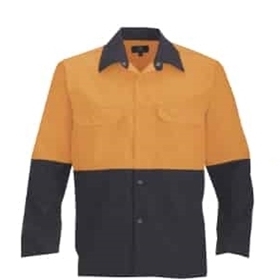 | 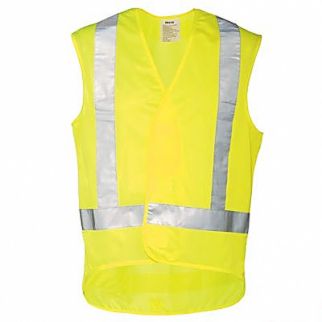 | 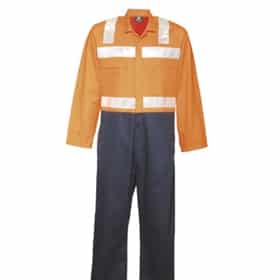 | |
| Features | Fluorescent fabric on both front and back of the hi-vis clothing. EAch side needs to have at least 0.2 sqm of fluorescent fabric, excluding logos, reflective tape and other items. | High visibility is achieved with reflective tape that is at least 50 mm wide and positioned in a certain manner on the garments. | This type of hi-visibility clothing is a combination of fluorescent fabric and reflective tape. In that way, one type of reflective features will work either during day or night. |
So, Class D is intended for daytime use, D/N for both day and night and N for nighttime.
Since these three classes have different uses, they also have to meet different hi-vis clothing regulations in NZ.
Class D – This type of hi vis clothing is intended for daytime use. It is not compliant with the hi-vis standards in NZ if it is used outside daylight hours. It needs to have at least 0.2 sq m of fluorescent yellow or orange-red colour on both front and back side. However, fluorescent colour should not be on the sleeves or collars.
Class D/N – For those that need to wear safety hi-vis clothing during both daytime and nighttime, Class D/N is the best option. It has similar requirements for the amount of fluorescent material on them, but there is also the requirement for strips of reflective tape. While fluorescent material is not suitable for nighttime, reflective tape is.
Class N – This type of hi-vis clothing is suitable for nighttime. Since the fluorescent colours are not visible without daylight, the colours of this clothing is not that important as long as it has enough reflecting tape on it. That tape has to be at least 5 cm wide and it has to meet certain configuration.
Who Invented Hi-Vis Clothing?
An American Bob Switzer is the person who invented hi-vis clothing. However, that was not his first intention. Namely, Switzer wanted to be a doctor. At the time, he was a manual worker in Heinz Ketchup factory in California.
One day, during work, sustained injuries to his head as a result of falling and hitting his head. Those injuries were so severe he ended up in a coma. As a result of this comatose state, his vision was in jeopardy of being permanently damaged. Doctors advised for him to remain in dark.
Since the recovery was long, Bob Switzer’s brother Joe wanted to help him by keeping him entertained, performing magic tricks. Joe Switzer found a way to utilise fluorescent chemicals to make his magic tricks more appealing for his recovering brother.
Bob Switzer enjoyed those tricks so much he continued experimenting after his recovery and ended up developing the ‘Day-Glo’ paint. Bob even used it to colour his wife’s wedding dress, making it the first hi-vis clothing in the world.
Later on, the safety and commercial applications of this colour became apparent and today, the safety hi-visibility clothing is used all over the world and in a wide range of industries.
If your business is one of those industries, it is important that you keep your employees safe by offering them safety hi-vis clothing. This can include overalls for NZ workplaces, or even just a hi-vis vest for every employee who needs to be visible in their workplace. Just take care that every employee gets the workwear that fits them perfectly to ensure safety.
You don’t have to worry about meeting all the hi-vis clothing regulations of NZ authorities or how you’ll pay for all that safety hi vis clothing. You simply rent all the necessary hi-vis clothing for a flat annual fee.
Alsco New Zealand always offers hi vis garments that are up to hi-vis standards in NZ. Regular cleaning is included in your price. Call us to learn more.
Which Is Better? Hand Soap Or Hand Sanitizer
There is no better way to reduce the spreading of germs and potentially deadly diseases than hand washing.
Nowadays, it is very fortunate that there are many ways to clean one’s hands. We owe that thanks to the inventors of hand sanitisers.
It is recommended to use these bottled gels as a substitute for the outdated handwashing with soap and water.
It is also said that it’s efficient in killing germs and keeping the hands clean.
However, is it all completely true? How good are hand sanitisers compared to hand soaps? Do they actually remove almost 100% of the germs on your hands? Let’s find out!
Hand Washing With Soap
It has been proven that handwashing with soap and water rids you from bacteria such as c.difficile. It’s a very dangerous bacteria and it can lead to debilitating diseases. Hand washing has to be done properly in order to prevent bacteria from contamination. The question is, what is proper?
Proper handwashing means pouring 1-3 ml of soap into your hands. It needs to be turned into a lather by scrubbing for at least 20 seconds. You also need to mind your fingers, fingernails, wrists and if possible, forearms. Afterwards, rinse your hands well and don’t forget to dry them!
Studies have shown that crucial thing to effective hand hygiene is drying. There is a correlation between the hand dampness and the bacteria amount that can be transferred to the surface. Meaning, if you leave your hands wet, your skin will most likely become an even better place for bacteria to breed.
A Must (Not)
There is one more thing you should know! Refrain from rubbing your hands while you’re drying them. An interesting study was conducted at the University of Bradford. It says that it brings bacteria back to the surface if you rub your hands together.
A lot of people rub their hands together in order to dry them faster. That’s why hand dryers are not the best option, but they are still good. On the other hand, paper towels are much better for drying because they prevent your hands from touching each other. That’s why towels are the best!
Anti-Bacterial Soaps
Antibacterial soaps have proven themselves to be as efficient as regular soaps. However, be cautious when using antibacterial soap! It’s possible for consumer antibacterial soap (unlike the soap used in hospitals) to increase bacterial resistance to antibiotics. If you happen to use antibacterial soap, it would be best to use brands trusted by industrial workplaces and clinics.
What About Hand Sanitisers?
Are hand sanitisers really 99% effective as people claim? Yes. However, not actually on the hands. The thing is, products like these are most of the times tested on inanimate surfaces. The results are different if tests are performed on hands.
It may seem as if hand sanitisers are useless, but it’s not so. What’s really efficient at killing bacteria are alcohol-based hand sanitisers. Many doctors recommend using them. That’s because they’ve proven them efficient in preventing viral and bacterial contamination, with some exceptions.
Hand sanitisers are useful when hygiene facilities are not available. However, they cannot replace traditional handwashing with soap and water. That’s because of the presence of more dangerous bacteria types that cannot be eliminated.
Also, hand sanitisers are less effective than soap and water in reducing dirt and grime. The traditional routine is the best solution if your hands are visibly dirty. If not, you can be forgiven for using a hand sanitiser, until you get to use soap and running water again.
The Right Choice
Alcohol is an antiseptic, which is the essential component of a hand sanitiser. However, it doesn’t have to mean that any hand sanitizer with alcohol in it is a good one. Always aim for one that has at least 60% of alcohol. Anything less than that is not effective.
Additionally, it is of great importance to know how to use hand sanitisers in a proper way. Firstly, don’t be afraid to spend too much sanitiser.
Freely squirt more than one dose on your hand. Afterwards, spread it all over the surface of your hands, including the space between your fingers and your nails. Stop only when the sanitiser has dried out.
Implementation Of Hand Sanitisers
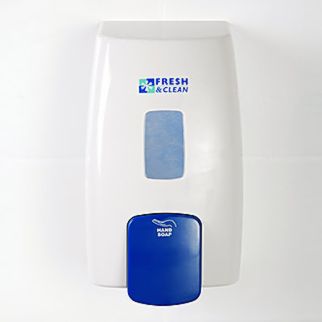 If you are wondering whether to invest in soap dispensers or in hand sanitisers, there should be no uncertainties. Invest in both if you’re willing to provide your workers with a fresh and healthy work environment.
By implementing proper hygiene measurements you will keep diseases away. You will also bolster your worker’s productivity even during the flu months. Every washroom has to be equipped with a hand soap dispenser. It’s helping us promote the routine of handwashing.
There is a very significant place in your office for the hand sanitisers. They have to be placed in a particular and strategic order.
For example, next to elevators, doorways, and floors that have no direct access to a restroom. Have this system installed! Even in the middle of a hectic day, your workers will remember to wash their hands.
The best hand hygiene products for your workplace can be found at Alsco. Hand soap dispensers, hand drying solutions, hand sanitisers and more can be found in their arsenal. If you visit Alsco’s Hand Care page, you will see the full spectrum of their equipment and products for your office. You can also speak with Alsco’s friendly sales representatives.
Photo courtesy of Freepik Images by shayne_ch13
Hosting Made Easy: How to Pick the Best Towels for Your Airbnb
Running an Airbnb is the gift that keeps on giving. From earning extra money to making friends from all over the world and joining a global movement of hosts.
The sharing economy has encouraged everyone to imagine new ways of making a living while connecting with people from all over the globe.
Becoming a super host on Airbnb is a coveted title.
Your home will be booked all year round and you get to make good money while helping your guests have an excellent visit.
Airbnb super hosts Gabriela Domicelj and Derek Young from New South Whales have authored the Home Stay Guide that shares the secrets and joys of super hosts. After running their Airbnb for seven years, Gabriela and Derek have a wealth of knowledge to share.
Their biggest emphasis is the importance of the hygiene factor. This is the bare minimum expectation that the guest will find a clean home. Therefore, it is crucial to create processes and transition lists to help manage the cleaning.
Importance of Choosing Good Towels for Your Guests
Fresh towels provide a cosy feeling to your home and improve the hygiene factor. You should pay attention to how you choose towels because of the following reasons:
Amazing Towels Add an Element of Surprise to Your Airbnb
The devil is in the details. Guests will notice when you pay attention to their needs. Learn about your guest and the reason for their visit in order to customize their experience.
Adding a little unexpected surprise will make your guests smile and increase your chances of getting that lucrative 5-star rating.
Guests like to freshen up when they arrive at their Airbnb. Therefore, the quality of towels you provide will be critical in forming their first impression. Cosy towels create a feeling of being at home, so choose good quality and comfortable towels.
Consider Your Airbnb Maintenance Routine
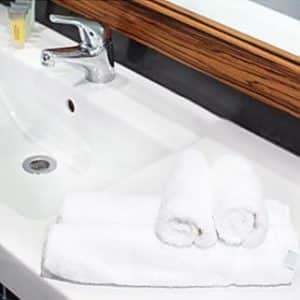
Regularly replace your linen with clean, crisp, and luxurious white linens.
Do you have a defined cleaning process for your Airbnb? For a seamless transition between each guest, it is important to have a process in place for your Airbnb. You need it whether you choose to do the cleaning personally or by hiring cleaners.
When deciding whether to outsource the cleaning service, consider how much time and effort you will preserve in between your guests. Instead of stocking up and caring for linen, you can choose to outsource your linen service.
Alsco New Zealand delivers clean and hygienic linen to your doorstep regularly.
We also provide emergency linen requests at no extra cost.
Factor in the Cost of Wear and Tear
Since most hosts start an Airbnb as a source of income, you need to treat it like a business. Therefore, you should always have running and utility costs in mind. Is your linen good quality and long-lasting?
The beauty of Alsco’s Fresh & Clean service is that for a great price, you can order crisp, clean linen that ranges from bath mats, plush towels, robes, sheets and industry-specific linen.
When designing your home to become an Airbnb, consider the quality of items in your home. Cheap is expensive in the long-term.
- Is your furniture sturdy and of good quality?
- Is your washroom well-maintained and built to last?
- Does your kitchen have great quality towels and cookware?
- Is the linen cosy and long-lasting?
Factors to Consider When Choosing Your Airbnb Towels1. How They Feel to the Touch
A towel’s feel is influenced by two things:
a. Fabric Quality
There are two common types of fabrics. Pure cotton towels and blended towels. Blended towels are lighter and are commonly used for contemporary functions. Pure cotton towels have a soft and luxurious feel. Blended towels are usually cotton mixed with microfiber materials to create a different look and feel.
Another key factor for quality is the style of the towel edges. Choose the double turned edge over the woven edge for two distinct advantages. The double turned edge is attractive and durable since it is less likely to fray.
b. The Type of Cotton
While pure cotton towels are preferable for business use, different varieties of cotton have their own merits and demerits. Everyday towels are made with standard cotton.
However, for business use, the common types of cotton are Egyptian cotton, Turkish cotton and Supima Cotton. Egyptian and Supima Cotton are soft and luxurious to the touch. They are also durable and great for business. Turkish cotton towels are popular in hotels and spas and have a thick, luxurious feel. They take longer to dry but also get softer and fluffier with every wash.
2. The Weight of the Towel
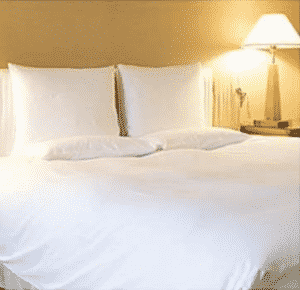 Impress your customers with good ambiance and impeccably luxurious linens
Two main reasons affect the weight of a towel:
a. Density
Towel density is measured by grams per square meter (GSM), also called the pile. The pile ranges from 200-900 and a good quality towel has a high density. On the other hand, 200-400 gram towels are light and great for the gym or kitchen due to their quick drying quality. Next, 400-600 gram towels are great for the beach and everyday showering due to their medium weight quality. Finally, 600-900 gram towels are extra luxurious and absorbent but take longer to dry.
It’s important to strike the correct balance for your Airbnb. If you run a luxury establishment, go for a higher density towel. If you run a laid back home, you should use lower density towels. You can find good quality Egyptian cotton towels with a pile of 250.
The platinum accommodation service from Alsco Fresh & Clean was created to help luxury establishments get premium linen without the hustle.
b. Absorbency
Absorbency is simply the ability of a towel to dry you off fast. A towel with good absorbency is soft and thick. Like those commonly used in hotels. Egyptian cotton is a common choice for its long and thick threads.
Another factor that affects absorbency is the technology used to make the towel. Towels made with zero-twist technology are extraordinarily soft and fluffy while also lightweight, fast-drying, easily packable and durable.
3. The Towel Size
Towels sizes are as vast as their uses. Here are the common variations:
a. BathroomSize
Every good shower deserves a cosy towel. The standard bath towel used after a shower or a bath is 27 by 52 inches. You will find these in most homes, and they are handy to have around for family and guests.
A larger option is called a bath sheet since it offers more coverage and allows one to fully cover themselves after a bath. The size of a bath sheet is 35 by 60 inches. These are common in hotels and spas to offer the option of lounging in a comfortable towel.
The Alsco Fresh & Clean service delivers linen to your doorstep according to your specifications anywhere in New Zealand.
[
b. Kitchen & Utility Towel
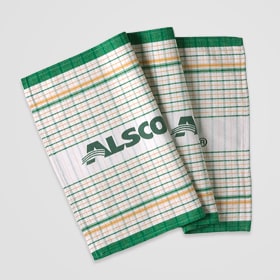
For kitchen and utility use, you also need the smaller towels. Hand towels are 16 by 30 inches while washcloths are 13 by 13 inches. These towels are also important to stock up since the kitchen and washroom are high usage areas. Consider a service like Alsco’s Fresh & Clean for cleaning, replacing and restocking your linen. Get it out of your mind for good and let us take care of it for you.
4. The Towel Colour and Style
A towel can elevate the ambience and finish of a bathroom or house. Therefore, it is important to consider the colour and style of the towel as you stock your washroom racks.
The colour can be influenced by the seasons or house theme. Bright, happy colours for spring and summer and cooler colours for fall and winter. You can also use fun colours and patterns as accents to add warmth to a washroom. Stacked towels can serve both aesthetic and functional purposes. The classic choice is fluffy white towels. You can never go wrong with this timeless option.
Running an Airbnb is demanding and you could use all the help you can get.
Let us take a load off your back. Alsco’s Fresh & Clean rental service will regularly clean, replace and supply fresh, crisp linen to your doorstep. For both your accommodation linen and kitchen linen needs. There’s even a platinum service for premium properties.
Whatever your style, we’ve got you covered.
Photo: lifeforstoc
How to Effortlessly Ensure Safety in an Automotive Workshop
Working in the automotive industry is really demanding, whether you work in a marketing department or a workshop. However, working in an office is at least a safer option.
People who work in an automotive workshop work in a pretty tough environment. They are surrounded by hazardous chemicals, many machines, high temperatures and they usually spend all their time in very tight spaces.
This does not sound like fun, right? It is even less fun when you think of the legal regulations that come after someone gets injured.
So, in order to make sure your employees are safe and take care of their safety, there are many issues you have to consider. And yes, some of them will include the fundamental ones, like ensuring first aid solutions for their workplace or providing them with high-performance industrial workwear.
Keeping in mind that automotive workshop owners usually do not have much spare time, here are some straightforward tips and activities that will do the job.
Make Sure Your Employees Are Well-Trained
When hiring people, everyone will hire someone who knows how to do the job, right? However, your care about your employees’ education and training does not stop after the first trial month of their work.
Working in any type of workshop, and especially an automotive workshop, can be extremely dangerous. This means that workers could get injured at any moment. Nobody wants this of course. So, the first thing you can do in order to prevent your employees’ injuries is to provide proper safety training. This is one of the best ways to avoid accidents in your workshop.
Get Your Automotive Workshop Cleaned Regularly
Keeping your workplace spotless and sanitised is a highly important step in providing safe working conditions. Cleaning and wiping the floors, machines and machine parts, tools, and keeping all the chemicals in the appropriate containers in a proper space will significantly reduce the level of injuries.

If the floors are clean and dry, nobody can slip, right? Furthermore, if all hazardous chemicals are put in containers and marked appropriately, nobody could get confused and take the wrong one and get poisoned, for example. So simple, but very effective.
Maintain the Machines Properly
Machine maintenance basically means keeping the machines and all their parts in good condition, operating safely and efficiently. This includes activities such as servicing, replacing, repairing, testing, and inspecting the machine and all the necessary equipment.
By doing this, you do two things. Firstly, the chances of someone getting injured because of the inadequate condition of the machines are really low. Secondly, taking care of the machines and equipment means they will last longer. Aren’t these great benefits from one step?
Provide Adequate Uniforms for the Employees
Now, when working in an automotive workshop, uniforms are everything but just a piece of clothing! They have a much bigger purpose here than looking good. In this case, they are protection for your employees.

So, you should definitely invest in good quality uniforms that will keep your employees protected from the heat, hazardous chemicals, and other dangerous situations that may occur.
Make sure every employee gets the right size of their protective workwear and always keep in mind that you are not investing in some fashionable clothing here. You invest in your employees’ health and nothing is more important than that.
Create Reminders
Giving clear instructions is crucial in maintaining a high safety level in your workshop. Make sure you always give clear instructions to your employees. Otherwise, they may cause danger to all the people in the workshop just because they failed to understand their task. One more great thing to do in order to prevent disasters from happening is to make a reminder board in your workshop. Or a poster if you like that more! The important thing is that your employees always have in mind all the dangerous situations that may occur and what to do if they happen and how to prevent them. When they have a visual reminder in front of them, or they pass by it many times during the day, it will stay in their mind much longer, and they will be more cautious.
If you find this a bit funny, maybe you should know that people were doing this ‘reminder trick’ many, many years ago. Some things are so good that they do not need a change, just a small update, wouldn’t you agree?
Having in mind that many automotive workshop owners really have to think about a significant number of details when running a business and that they do not have much spare time to think about all these things, here is great news – Alsco can help you, as you might have noticed so far.
For instance, cleaning all the dirty and greasy parts is a piece of cake with Alsco’s Ecosafe Washer. Not only that it save time, but it is environmentally-friendly as well, and it is always an awesome thing when you can do your job in a bit greener way!
Do not hesitate, contact Alsco now, and our friendly representatives will help you to get the best possible offer!
Photo courtesy from Freepik Images by peoplecreations
Common Questions About Urinal Cakes
Most men will see a urinal cake on a daily basis. This is the small tablet placed in urinal bowls that serves as a deodoriser in public restrooms.
Public restrooms without urinal cakes use waterless urinals. Waterless systems rely on biological treatments to stay odourless.
In the urinal, it plays an important role. However, if ingested, it can lead to devastating consequences.
Urinal cakes help in restroom hygiene with some advantages and risks.
What Are Urinal Cakes?
Urinal cakes resemble moth-balls. You will find them at the bottom of public urinals.
The urinal cakes reduce the pee smell in urinals and control bacteria.
The name ‘urinal cake’ comes from the shape of the cakes. It also borrows from the role they play in keeping public restrooms smelling good.
Before the 1880s, going to the bathroom was a private affair. There were no public restrooms.
As more people started visiting towns and trade centres for business, using the restroom became a public problem.
This led to an increase in demand for better plumbing and sanitation. Gradually, people started building and using public restrooms.
This then created a big odour problem.
As towns, markets and urban centres became more popular, there was an increase in the use and demand of public toilets.
This led to the innovation of urinal cakes as commercial products.
Urinal cakes are made of para-dichlorobenzene, which acts as a deodoriser and disinfectant.
The name ‘cake’ comes from the round and colourful shape of the chemical block you will see in urinals.
Where and Why Do People Use Urinal Cakes?
You will most likely see ‘urinal cakes’ at the bottom of public urinals. They help disinfect the urinals and mask or reduce odours.
The chemical composition of most cakes may vary. But, almost all urinal cakes contain para-dichlorobenzene, which acts as the main deodoriser.
The para-dichlorobenzene in the cake helps it sublime when it comes into contact with urine. This means that it converts into a gas without going through the liquid state.
What Do Urinal Cakes Smell Like?
Most urinal cakes have a neutral or pleasant smell. It all depends on their function.
Disinfectant cakes tend to have a more neutral smell.
Urinal cakes meant to deodorise the urinal have a pleasant scent. This helps keep the urinal smelling fresh throughout.
Health Concerns Associated with Urinal Cakes
Once the cakes come into contact with urine, they turn into a gas, which you can inhale.
While there is no extensive study on the effect of the gas on humans, it has shown some negative effects on animals.
This unknown risk has led to a ban on para-dichlorobenzene in some countries around the world.
Many public restrooms today prefer para-dichlorobenzene free cakes as an alternative.
They are water-soluble and work well to deodorise urinals. They also improve the cleaning of the pipes to remove some of the odour-causing buildup.
Recent formulations and innovations have created biological bacterial spores. When combined with surfactant cleaners, they eradicate odour in the pipes. They also get rid of any buildup likely to cause a blockage.
The only way around the smell and risks of using urinal cakes is waterless urinals. These require little maintenance. They also rely on biological treatments to stay fresh and odourless. This is a good alternative even for the environment.
Can You Eat a Urinal Cake?
Eating a urinal cake can kill you.
Anyone crazy enough to bite into a urinal cake is putting their health at risk. Ingesting the chemicals found in urinal cakes can lead to symptoms such as:
- Dizziness
- Nausea
- Diarrhoea
Over time, these symptoms can worsen, leading to hospitalisation.
Naphthalene, a common compound found in urinal cakes can also lead to the death of red blood cells.
Without proper care, your body may be overwhelmed by all the chemicals. This can lead to organ failure and other complications.
Alternatives to Using Urinal Cakes
The best alternative to urinal cakes so far is waterless urinals. Since you will not be relying on para-dichlorobenzene, you must keep them clean.
You can keep waterness urinals odour free by:
Investing in the Right Cleaning Agents
You should use biological treatments for everyday cleaning.
With these treatments, you introduce harmless ‘bugs’ into the urinals. The bugs eat away bacteria responsible for toilet smells.
These bacteria play a role in breaking down urea and uric acid, found in urine. Once the two chemicals are broken down, they produce the pungent smell found in toilets.
Over time, these treatments form a protective barrier on the surface of the urinal and pipes. This helps keep the urinal odour-free between cleans.
When using biological treatments, make sure you find a reputable supplier. Alsco NZ offers some of the best biological alternatives in the market. We offer year-long contracts to ensure your team never runs out of treatments.
Keeping the Urinals Water-free
Water will affect the integrity and basic functioning of a waterless urinal.
It reacts with the sealant to create limestone deposits on the urinal sink and pipes. These deposits can block urine from flowing down the drain.
You can use water to clean the pipes occasionally but never in the waterless urinal cylinder.
In a public restroom, make sure you have warning signs. Every cylinder should have a sign warning people against pouring water into it.
An Odourless Washroom
One of the biggest cleaning challenges is keeping the toilets smelling fresh.
A clean and odourless toilet can influence the morale of employees. In a public-facing business, it can make or break your reputation.
Make sure you get washroom cleaning experts to help you with the installation and maintenance of waterless urinals.
After installation, get the right supplies to keep your washrooms fresh.
Alsco will:
- Help you identify the right supplies for your urinals.
- Supply you with the chemicals you need.
- Refill your chemicals on a regular basis.
You can stop using urinal cakes and start running an odourless washroom today with Alsco NZ.
Alsco Nz provides your workplace with top-of-the-line safety equipment to keep your workplace running smoothly.
Speak to a customer care agent today to learn more.
15 Crucial Factors for Managing Your Restaurant Front-of-House
First impressions count, especially when it comes to the restaurant business. It’s important for your front-of-house to be inviting and spacious for your customers. The restaurant front of house is usually made up of the dining area, the bar area, the waiting area and the reception.
When planning your front-of-house, you should keep in mind the staff members who you want to handle the customers.
Depending on the size of your business, these can include a shift manager, a host (sometimes called a maître d′), the waiters (also called servers) and even bartenders.
There are many ways that you can make your restaurant front-of-house inviting for customers and a great space for your staff to work in.
The Staff are The Stars of The Show
The staff members who serve your customers need to be well-trained, patient and have great customer service skills. There are a number of roles you can fill to adequately handle the front-of-house.
The General or Shift Manager: The front-of-house team needs a competent leader who will ensure that everything is running smoothly. The general manager hires and fires staff, oversees shift rosters and meetings, and ensures that he or she handles customer or team member queries.
The Host: Aside from the general manager, another crucial team member is often the host or hostess. This is the person who receives guests at the reception or reservation desk. They are impeccably presented and welcoming to the guests. Aside from receiving guests, they handle the waiting guests and also seat those whose tables are ready.
The Servers or Waiters: The servers or waiters are a vital element of your restaurant front-of-house team. They are responsible for taking food and drink orders at the tables, serving the guests and also making menu suggestions. They must have customer service skills to handle different types of customers, and their patience will sometimes be tested.
The Bartenders: If your restaurant front-of-house has a bar, then a qualified bartender or two can be a great addition to the team. Good bartenders create cocktails and any other beverages available at the bar. In some restaurants, the bar also serves as the waiting zone, so it’s often up to the bartenders to interact with the waiting customers.
The Restaurant Runners: In larger restaurants, the waiters usually get help from restaurant runners (or food runners). They keep drinks full, bring out the meals to the guests, clear the tables once the customers are done and even set up tables for the next group of guests.
How Do You Successfully Manage Your Restaurant Front-of-House?Ensure the Front-of-House Design is Practical
]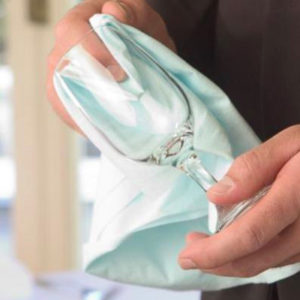
Alsco Restaurant/Hospitality Linens
When planning for your restaurant, it’s important to design the front-of-house to suit your guests and staff members. It’s all about the details. Just as the spaces between dining tables need to be compliant with the regulatory codes, the table linen needs to be clean and appealing to the eye.
The walkways need to allow for ease of movement and the lighting should be just right – not too bright, but bright enough for guests to read the menus.
While planning the front-of-house design, make adequate plans for your reservation desk, the bar, waiting area and payment station.
All these areas need to be well spaced as well as easily accessible to guests and staff.
Run a Tight Ship
Hold Pre and Post Shift Meetings: The staff are the stars of your restaurant show. They need to have a conducive working environment and should be well-trained. Run a session between key meal times in the restaurant where the team, led by the general manager or shift manager, divide roles among themselves while sharing any concerns they may have while on duty.
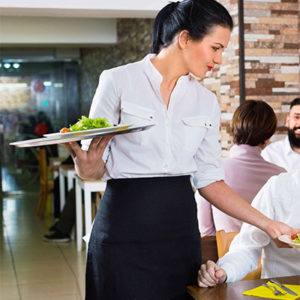
Alsco Wrap Waist Apron
Keep Staff Looking Good in Uniform: Your staff need to look professional to create a great impression with customers. The easiest way to keep your staff uniforms looking crisp and clean is by using a Managed Uniform Rental Service.
They pick up all your dirty laundry and deliver clean uniforms for your staff.
For an obligation-free quote or more information about their uniform rental service, contact Alsco today.
Provide Regular Training for Staff: To have a competent front-of-house team, you should invest in regular training for the staff. The most crucial training they need is customer service. Training should be continuous to ensure that new team members are also aware of best customer relations practices.
Monitor Team Activities: To run a successful restaurant, managers should be able to keep track of their staff members. One way to do this is to have an hourly staff labour report. You will be able to keep track of staff hours on duty as well as each task they have undertaken.
Motivate Your Team: From time to time, staff should be motivated and appreciated at the restaurant. A great example of staff motivation is to have a cocktail and menu tasting session for them to experience the restaurant menu in a relaxed setting.
You can also give them adequate time off and breaks so they are not overworked. You should also have an open communication policy at the restaurant. This will allow the management and the rest of the team to share any issues they may have outside of the shift meetings. A happy team will make your restaurant successful.
Use the Right Tools for Smooth Front-of-House Operation
Some issues customers can face at a restaurant include reservations and payment. As a restaurant owner, be on the lookout for the right tools that will ensure that all processes are running smoothly at your restaurant.
Reservation Tools: When it comes to reservations, make sure that all booking channels are monitored. Some restaurants receive phone reservations, the restaurant website or even an app (if available). The host and restaurant manager should work together to ensure all reservations are properly recorded.
When setting reservations, be honest with your customers. If the restaurant is closed for some reason or if reservations are full, be transparent and your customers will appreciate your honesty even if they feel disappointed.
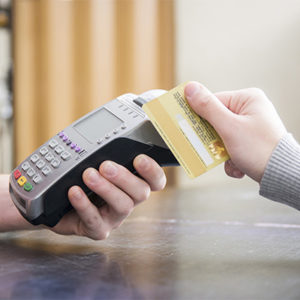 Image from: Freepik
Payment Tools: Find out which payment methods most of your customers use and give your customers what they want. For example, you can use multiple payment stations or opt for a pay-at-the-table technology.
An integrated Point of Sale System allows you to track payments, sales, staff performance and overall restaurant performance. When looking for a POS System, request a demo session to see it in action and find out which features the best suit your business.
Data and Statistics Tools: Make use of data and statistics to determine what is working for your restaurant. The integrated POS system will help you determine which hours are busiest at the restaurant.
You can also keep track of which menu items are less popular based on orders. In addition, you can monitor staff performance to make any required team changes.
Photo: StockSnap
Should You Care About Hand Hygiene In Your Restaurant? 5 Crucial Tips
Did you know that washing hands with soap and water can reduce diarrhoea associated deaths by 50%?
In short, a million people can be saved in a year, by the routine action of handwashing.
Hands are one of the main pathways of germ transmissions. This makes handwashing a critical practice in restaurants.
Handwashing education reduces:
- The number of diarrhoea infections by 23-40%.
- Diarrheal illness in people with weakened immune systems by 58%.
- Respiratory illness like colds by 16-21%.
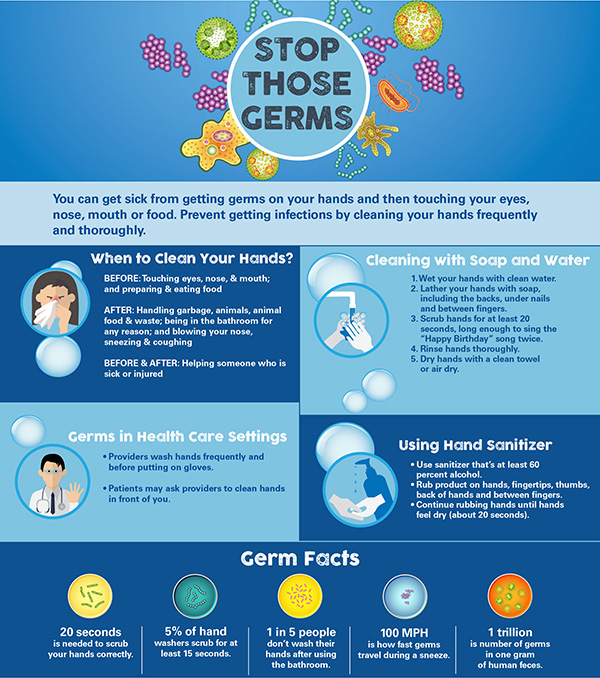
Here are 5 crucial tips on why you should promote high hand hygiene standards in your restaurant.
How to Properly Wash Hands
A high number of people understand the importance of handwashing, yet not all practice proper hand hygiene.
Most people wash the palm of their hands and forget key areas including nails which hide germs.
Missing out on the critical steps will not help. It is also equally important to dry your hands after handwashing. Damp hands are 1,000 times more likely to spread bacteria compared to a pair of dry hands.
Handwashing is an easy process that will help keep germs at bay.
In restaurants, handwashing is key, particularly in the kitchen where harmful bacteria lurk.
Actionable Steps for Handwashing
- Wet your hands with clean running water. Turn off the water and properly apply soap.
- Lather your hands by rubbing the soap onto your hands.
- Scrub your hands for at least 20 seconds.
- Rinse your hands well under clean, running water.
- Use a clean towel or an air dryer to dry your hands.
Important Supplies Needed for Handwashing
Customers want to know that they are dining in a restaurant with high hygiene standards.
To prove yourself in the restaurant business, provide important supplies needed for handwashing. These include:
Soap
Soap is a cleansing and emulsifying agent made by treating a fat with an alkali. Handwashing with soap is critical as it helps in the removal of germs from your hands.
Using soap with water is more effective than using water alone. The surfactants in soap help in lifting microbes form the hands. The lathering abilities of soap also help in making it easier for you to scrub your hands.
Water
Clean running water should be used for handwashing. Use of stagnant water is dangerous as the water could easily lead to recontamination.
Scrubbers
Scrubbers are particularly useful in removing dirt from the fingernails when it comes to handwashing.
Sanitisers
A Sanitiser is a liquid, gel or foam used to decrease infectious agents on the hands.
Using a sanitiser is not as effective as washing your hands with soap and water. Sanitisers should only be used when there is no soap and water.
When to Wash Your Hands
Proper handwashing is a vital food safety step.
Restaurant employees and particularly food handlers should wash their hands before handling food.
The Food Safety Standards stipulate that food handlers are to wash their hands:
- Before handling ready-to-eat food and after handling raw food.
- After touching the open parts of your body including nose, ears and mouth.
- After using toilet facilities.
- After handling or caring for any animals.
- After sneezing, coughing, using a handkerchief, smoking, eating or drinking.
- After handling soiled equipment or utensils.
- During food preparation to avoid cross-contamination.
- Before wearing gloves to work with food.
- After any activity that contaminates the hands.
Germs That Spread With Your Hands
Many diseases spread from dirty hands with millions of germs passing through them in a day. It is therefore important that we keep our hands clean and germ-free.
Germs get onto your hands after you use the toilet or handle raw meats which have germs.
Additionally, one can also get germs through touching contaminated objects.
Germs that can spread through your hands include:
- Salmonella
- Ecoli
- Norovirus
- Adenovirus
- Coxsackievirus
- Hepatitis A
- Shigella
4 Steps to Encourage Hand Hygiene in Your Restaurant
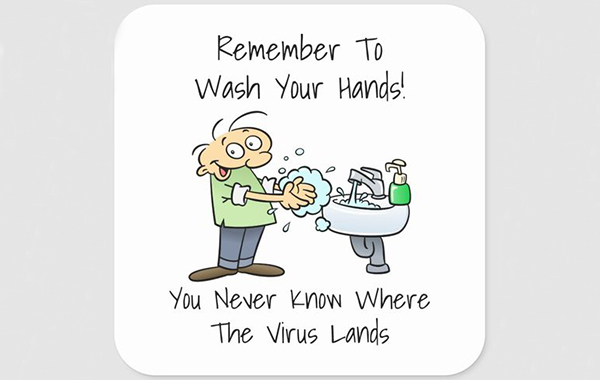
Actionable steps include:
- Installing handwashing stations at key points and stocking them with necessary supplies.
- Integrating handwashing in training to orient new employees on the importance of handwashing.
- Reinforcing proper food handling by training on best practices like wearing gloves.
- Putting up proper signage in common languages on the importance of handwashing.
4 Common Handwashing Myths Debunked
Handwashing may seem easy and obvious. However, a rather harsh truth is that many people do not know how to wash their hands properly. Indeed there are some handwashing misconceptions often peddled as the truth.
To separate misconceptions from the truth, here are 4 common handwashing myths that you might have heard of debunked.
Myth 1: Hand sanitiser is as effective as soap and water.
Good hand sanitisers contain at least 60% alcohol. They are a great option to use when water and soap are not available but they are not as effective.
In truth, all sanitisers do not eliminate all types of germs. This includes norovirus, a highly contagious disease which causes diarrhoea and vomiting.
Myth 2: Handwashing with warm water is more effective than with cold water.
This notion is wrong. Indeed hot water can irritate your skin making you more vulnerable to infections.
Myth 3: So long as you’re using soap, it won’t matter how long you wash your hands.
The World Health Organisation has recommended a specific length of time for handwashing. Singing the birthday song twice is long enough when handwashing with soap.
Myth 4: Hot air dryers are more effective than paper towels.
Both methods of drying hands are effective. The most important thing is to dry your hands completely as damp hands can spread germs.
Encourage Hand Hygiene with Alsco New Zealand
Hand washing is an important step in keeping your customers and communities healthy.
It prevents illness-causing germs from spreading through our hands.
Useful Tips:
- Wash your hands with soap and running water.
- Wash your hands during key times.
- Only use hand sanitiser when water and soap are not available.
- Always dry your hands after handwashing.
Clean hands are your first line of defence in protecting your business.
If you are wondering where to start, worry no more as we at Alsco New Zealand have got you covered.
We provide you with top of the range handcare and hand drying products for your restaurant.
The beauty of it is our products are affordable and tailored to meet all your business needs. Contact us today.
28 Plants To Bring Your Office Back To Life
Making your employees feel good at work shouldn’t be too hard if you are determined to do it.
As a matter of fact, there are so many ways in which you can improve workers well-being – and most of them don’t even include giving them additional money at all!
Plants are an often neglected way to improve the atmosphere in the office.
Apart from looking great, there are also a couple of other benefits that you can get when you decide to introduce some flora in the office.
For example, some plants are able to:
- Reduce work-related illnesses
- Reduce noise which means reduced distractions
- Improve the air quality inside the office
- Remove impurities
- Add a focal point to your work environment.
- Increase creativity
- Reduce work-related stress
- Enhance productivity by 15%
- Reduce absenteeism
- Lower O&M (Operations and Maintenance) costs
In this article, we will provide you with a list of some great plants you should consider introducing to your office:
1. African Violet
The African violets, or Saintpaulia, are great plants to add colour and cheer to any area. While these flowering plants require a bit more maintenance than others, they’re only going to take up very little space, making them perfect for desks.
2. Peace Lily (Spathiphyllum)
Now, if you’re interested in something a bit more tropical, then we suggest you get yourself a Peace Lily. Not only are they beautiful, but peace lilies are also easy to keep since they can grow in very low lighting conditions. This makes them ideal for workspaces and offices that are a bit short on windows (or hat have very small windows.
In fact, you should keep these away from direct sunlight. Keep them in low light places with lots of humidity.
3. Azalea
Azaleas are flowering shrubs that thrive in cold environments and can filter the air to combat formaldehyde.
4. Bromeliads
Now, if you prefer pretty and ornamental plants, then Bromeliads are the way to go. They come in a variety of shapes and sizes, and even in different colours. They have rigid and thick leaves that really help out with the atmosphere in the office.
5. Jade Plant
Next, the jade plant is a succulent that has very small flowers. Also, it really doesn’t need to be watered as often as other plants should. Also called money plant, the Crassula Ovata is fabled as to bringing financial success to its owner.
6. Walking Iris (Neomarica bicolor gracillis)
This plant has hardy leaves that look like they are swords. Also known as Apostle plants, the Walking Iris has an orchid-like flower that blooms at the upper end of its stem. These flowers last only for a day, but that day truly is special. Now, while very pretty, they need constant and regular watering.
7. Chinese Evergreen
Next, the Chinese Evergreen, also known as Aglaonema. These are great since they require very little maintenance, don’t need a lot of light, and they even remove and disperse toxins in the air.
8. Mother-in-law’s Tongue (Sansevieria)
These can reach almost seven feet in height. With upright leaves and a specific look, these gorgeous plants will really brighten up your office. They can last for years if you take care of them properly and can thrive almost anywhere.
9. English Ivy
The English Ivy is also known as Hedera helix. It’s a clinging vine that can reduce airborne fecal matter particles and filter out formaldehyde.
As disturbing as it is to know those airborne particles exist, it’s good English Ivy can take care of it. This is another plant ideal for those stale office environments lacking a lot of fresh air circulating.
10. Gerber Daisy
Aside from being attractive decors to your office, Gerber Daisies, also known as Gerbara, are also great at filtering toxins like benzene (a substance that can be emitted by some printing systems.)
11. Parlor Palm
If you want something really tropical, we suggest you get some Chamaedorea elegans – or, better known as a Parlor Palm. Called so because they, well, look like palm trees, these plants are a great fit for any office. Also, they don’t really need as much light as you would think they would.
12. Snake Plant (Sansevieria trifasciata)
The leaves of a snake plant can grow fairly tall. They come with shooting dark green leaves that have bands of a bright yellow-green on the outside. These plants are great as natural partitions in the workplace.
13. Cacti
These plants come in different varieties, sizes, and shapes. They look great on desks but take note that they require a lot of sunlight. So, if your office is dimly lit, make sure they are placed near a window so they still get a lot of sunlight.
14. Warneck Dracaena (Dracaena reflexa)
These shrubs can grow tall enough to be perfect dividers for different office areas. They help combat pollutants from varnishes and oils. This plant is ideal for offices with hardwood floors.
15. Fiddle-leaf Fig (Ficus lyrata)
Fiddle-leaf Figs also have a tropical look with their long stems and large glossy leaves. They are actually one of the trendiest plants to have right now. These plants are best placed where there is plenty of light as it tends to stretch in low light conditions.
16. Weeping Fig
The weeping figs are large plants that can filter pollutants such as formaldehyde and benzene as well as other pollutants found in carpets and furniture.
17. Ming Aralia
Also great for offices that require privacy between workstations. The Ming Aralia or Polyscias fruticosa are also tall, bushy plants that doesn’t require too much maintenance. Just water it every couple of weeks.
18. Spider Plant
Spider plants are also known as Chlorophytum comosum. They are often displayed in hanging baskets and are one of the easiest plants to grow indoors, making them great office space decor.
19. Aloe
These plants are usually small in size so they easily fit on desks. Their air-filtering qualities also have the ability to remove pollutants like formaldehyde and benzene from the air. Aside from purifying the air, Aloe also has a gel inside the plant that can be used to treat wounds and burns.
20. Philodendrons
If you would like to add some height to small areas in the office, get these large climbers. The best part is, these plants can survive even with very little maintenance.
21. Umbrella Tree
Umbrella Trees can grow to be quite tall, making them perfect for creating office privacy. They also come in smaller dwarf versions you can put on desktops.
22. Janet Craig (Dracaena deremensis)
These plants come with dark green, glossy leaves and can thrive even in low light conditions. Just make sure to place them in a corner where they won’t get damaged by passing traffic.
23. Pothos
The Pothos or Epipremnum aureum is flowering plants perfect for desktops. They may require occasional trimming but aside from that, these plants are very low maintenance and can be left on a desk for long periods without needing much care.
24. Madagascar Dragon Tree (Dracaena marginata)
Madagascar Dragon Trees have tall snake-like trunks and green and pink leaves. They can grow up to 3 meters high and they look best in a well-lit space to maximize leaf coloring.
25. Zanzibar Gem (Zamioculcas zamiifolia)
Zanzibar Gems grow even in dry, shaded areas, making them perfect office plants because they can survive an amazing amount of neglect. During winter, just water them less and clean the leaves by wiping them with a damp cloth.
26. Yucca (Yucca elephantipes)
Yuccas are one of the most versatile indoor plants. They have long woody stems and large strappy leaves, perfect for offices. While they prefer high levels of light, yuccas usually survive neglect rather well so they would definitely make great additions to your office.
27. Fittonia
Sometimes referred to as the nerve or mosaic plant, Fittonias can thrive on the fluorescent light so they work well in offices.
Plus, the oversized, inside-out look on the leaves of the Fittonia can serve as quite a focal point in your office space.
28. Mixed Garden
A mixed garden is always a great idea. If you can’t decide what to get, you get multi-grouped planting. These plants are intended for desktops or any other place in the office that has lots of light.
Your office will look so much better with those plants around, and they will make your employees feel a lot more motivated to work. These plants alleviate stress, and will even energize and motivate your employees.
Now, adding plants to your office really will spruce things up, but, you should also consider taking care of workplace hygiene. So, let the next step of going green be a focus on cleanliness.
Alsco offers high-quality solutions for your green workplace. From mats to odour control, from the washroom to hand hygiene, Alsco offers services that can be tailored to any particular needs your business may have.
Photo courtesy of Unsplash Images by Ellyot
How Many Toilets Do You Need?
So, what is the total number of toilets you need for your school or workplace?
According to the regulations from New Zealand Building Code Clause G1 Personal Hygiene, ‘sanitary fixtures shall be provided in sufficient number and be appropriate for the people who are intended to use them.’
So, the total number of toilets required by the law depends on the purpose of the building and the number of people who are going to use them. Let’s dig deeper now and see the regulations for different intended toilet uses.

How Many Toilets Should a School Have?

How Many Toilets Should There Be in a Workplace?
How Many Toilets Are Required in a Commercial Building?
How Many Toilets Should a School Have?
New Zealand Government doesn’t set strict law regulations for the number of toilets required in schools, but a kind of guidelines for school washrooms:
- 1 toilet and washbasin for every 10 students under the age of 5 (pre-school),
- 1 toilet and washbasin per 20 students aged 5-11 (primary school),
- 1 toilet and washbasin per 20 students aged over 11 (secondary school).
However, according to health and safety legislative requirements for schools, students should be provided with toilets of 7sqm or larger near their classrooms, with the access to a wash-hand basin with a hot and cold water supply in schools where there are more than 61 students.
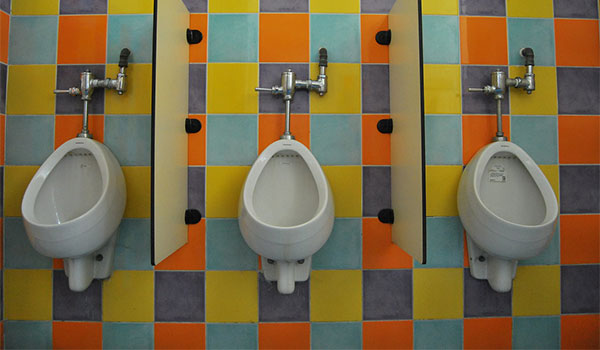 Image from: Flickr by Ironchefbalara
Here are the general requirements for the exact number of toilets according to the number of students:
Female | 1 – 10 | 1 wc |
|---|---|---|
| 11 – 50 | 2 | |
| 51 – 90 | 33 | |
| > 90 | Add 1 per 60 | |
Male | 1 – 10 | 1 wc |
| 11 – 50 | 2 | |
| 51 – 110 | 3 | |
| > 110 | Add 1 per 70 | |
Disabled facilities | 1 – 300 | 1 wc |
| > 300 | 2 |
And here’s the allowed ratio for male toilets combining urinals and WC pans, where every compartment must have a separate door:
| WC pans | Urinals | ||
|---|---|---|---|
| 1 – 10 | 1 wc | 1 – 150 | 1 ur |
| 11 – 60 | 2 | 151 – 550 | 2 |
| 61 – 120 | 3 | > 500 | add 1 per 450 |
| > 120 | add 1 per 80 | ||
The following are general requirements for wash-hand basins stating that every unit must be provided with a supply of warm water, soap dispensers, toilet paper dispensers, as well as adequate hand-drying equipment.
The study, by researchers from Otago University and Public Health South, concluded that “a significant number of New Zealand children do not currently have access to high-quality hygiene facilities at school”.
(Source: schoolnews.co.nz)
Changing and shower areas are necessary only for secondary schools, mainly where children attend PE classes.
For more detailed information on other school washroom requirements in New Zealand, check our School Washroom Guide.
How Many Toilets Should There Be in a Workplace?
According to the Guidelines for the Provision of Facilities and General Safety and Health in Commercial & Industrial Premises, every employer should provide enough male and female sanitary conveniences based on the number of employees. The minimum requirements are:
- 1 toilet per 15 or fewer employed females,
- 2 toilets for up to 20 employed females and 1 additional toilet for each additional 20 employees,
- 1 toilet per 20 or fewer males,
- 2 toilets for up to 30 employed males and 1 in addition for additional 30 male employees,
- 1 urinal for up to 15 males,
- 2 urinals for 15 to 30 males and plus 1 for each 30 male employers in addition.
Adequate conveniently accessible washing facilities, hot water supplies and other washroom hygiene necessities go without saying.
How many toilets do you need per employee? | ||||
|---|---|---|---|---|
| Number of female employees | Number of toilets | Number of male employees | Number of toilets | Number of urinals |
| 1-15 | 1 | 1-20 | 1 | 1 for 1-15 employers |
| 16-20 | 2 | 21-30 | 2 | 2 for 16-30 employers |
| 21-40 | 3 | 31-60 | 3 | 3 for 31-60 employers |
| 41-60 | 4 | 61-90 | 4 | 4 for 61-90 employers |
| 61-80 | 5 | 91-120 | 5 | 5 for 91-120 employers |
If there are no more than 15 employees in your company, separate washrooms for men and women are not mandatory. Providing your employees with access to one unisex washroom with a locking door would suffice in that case.
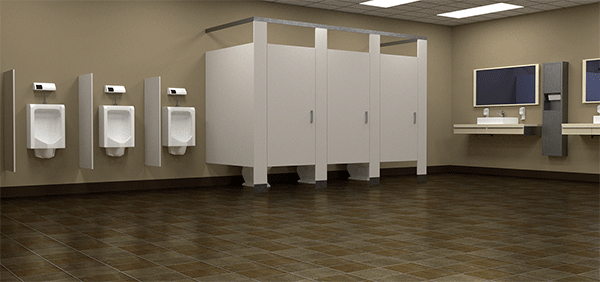 Image from: pixabay by myjanitors
How Many Toilets Are Required in a Commercial Building?
A commercial building is any building with a business purpose such as amusement parks, shopping centres, libraries, transport terminals and other similar places. We’ve already addressed workplaces, but let’s see how many toilets other commercial buildings should have.
Generally speaking, the minimum requirement for washroom facilities is one toilet and one washbasin per 15 women and men in restaurants, nightclubs, coffee bars, tea rooms and the like.
The following requirements are in compliance with the New Zealand Building Code document:
How many female toilets do you need in a restaurant? | |||
|---|---|---|---|
| Number of women | Number of necessary WC pans | Number of women | Number of necessary washbasins |
| 1 – 15 | 1 | 1 – 120 | 1 |
| 16 – 90 | 2 | 121 – 380 | 2 |
| 91 – 170 | 3 | >380 | Add 1 per 290 |
| >170 | Add 1 per 100 | – | – |
How many male toilets do you need in a restaurant? | |||||
|---|---|---|---|---|---|
| Number of men | Number of necessary WC pans | Number of men | Number of necessary urinals | Number of men | Number of necessary washbasins |
| 1 – 15 | 1 | 1 – 100 | 1 | 1 – 70 | 1 |
| 16 – 80 | 2 | 101 – 340 | 2 | 71 – 250 | 2 |
| >80 | Add 1 per 100 | 341 – 600 | 3 | >250 | Add 1 per 200 |
| – | – | >600 | Add 1 per 280 | – | – |
Here are the NZ requirements for sports venues such as swimming pools, gyms, sports stadiums and other places of active recreation.
How many female toilets do you need in sports venues? | |||
|---|---|---|---|
| Number of women | Number of necessary WC pans | Number of women | Number of necessary washbasins |
| 1 – 10 | 1 | 1 – 70 | 1 |
| 11 – 60 | 2 | 71 – 230 | 2 |
| 61 – 120 | 3 | 231 – 400 | 3 |
| >120 | Add 1 per 70 | >400 | Add 1 per 170 |
How many male toilets do you need in sports venues? | |||||
|---|---|---|---|---|---|
| Number of men | Number of necessary WC pans | Number of men | Number of necessary urinals | Number of men | Number of necessary washbasins |
| 1 – 25 | 1 | 1 – 50 | 1 | 1 – 50 | 1 |
| 26 – 130 | 2 | 51 – 180 | 2 | 51 – 180 | 2 |
| 131 – 270 | 3 | 181 – 320 | 3 | >180 | Add 1 per 140 |
| >270 | Add 1 per 150 | >320 | Add 1 per 150 | – | – |
The recommendations for entertainment venues such as theatres, cinemas, concert halls and others are as follows in the table below.
How many female toilets do you need in entertainment venues? | |||
|---|---|---|---|
| Number of women | Number of necessary WC pans | Number of women | Number of necessary washbasins |
| 1 – 10 | 1 | 1 – 80 | 1 |
| 11 – 50 | 2 | 81 – 250 | 2 |
| >50 | Add 1 per 60 | 251 – 430 | 3 |
| – | – | >430 | Add 1 per 200 |
How many male toilets do you need in entertainment venues? | |||||
|---|---|---|---|---|---|
| Number of men | Number of necessary WC pans | Number of men | Number of necessary urinals | Number of men | Number of necessary washbasins |
| 1 – 15 | 1 | 1 – 80 | 1 | 1 – 65 | 1 |
| 16 – 80 | 2 | 81 – 290 | 2 | 66 – 220 | 2 |
| >80 | Add 1 per 100 | >290 | Add 1 per 230 | >220 | Add 1 per 170 |
| – | – | – | – | – | – |
As far as shopping centres, amusement parks, libraries and transport terminals are concerned, here are the basic washroom requirements.
How many female toilets do you need in shopping centres? | |||
|---|---|---|---|
| Number of women | Number of necessary WC pans | Number of women | Number of necessary washbasins |
| 1 – 50 | 1 | 1 – 350 | 1 |
| 51 – 240 | 2 | 351 – 1150 | 2 |
| 241 – 480 | 3 | >1150 | Add 1 per 850 |
| 481 – 750 | 4 | – | – |
| >750 | Add 1 per 250 | – | – |
How many male toilets do you need in shopping centres? | |||||
|---|---|---|---|---|---|
| Number of men | Number of necessary WC pans | Number of men | Number of necessary urinals | Number of men | Number of necessary washbasins |
| 1 – 15 | 1 | 1 – 80 | 1 | 1 – 65 | 1 |
| 16 – 80 | 2 | 81 – 290 | 2 | 66 – 220 | 2 |
| >80 | Add 1 per 100 | >290 | Add 1 per 230 | >220 | Add 1 per 170 |
| – | – | – | – | – | – |
The requirements for the number of WC pans, urinals, and washbasins for people with disabilities differ. Check the full compliance document for more details.
Bear in mind that proper washroom hygiene says much more about your business than the number of facilities. Don’t let your neglected washroom spoil your business impression. Don’t hesitate to Contact Alsco should you need any help or advice.


