Trusted by 237K+ Business Worldwide. Find a Location
Trusted by 237,000+businesses worldwide across 250 locations delivering uniforms, linens and more. Find a Location Near You


Delivering Excellence Since 1910
Contact Us
How To Easily Minimize Fatigue At Your Workplace
The area of work itself does not matter, fatigue is visible in every office building, in IT, logistics or management sectors. As long as there are employees and workers around, there will be fatigue.
Whatever the job description, the employees are bound to feel the effects. This will, in turn, reduce their productivity.
Understanding fatigue is the first step towards minimizing its negative impact.
It cannot be said that fatigue is the same as just “being tired”. This particular state is reached when a person becomes exhausted and weary at all levels.
This includes both physical and mental exhaustion, oftentimes feeling emotionally drained as well.
When employees start experiencing fatigue, minimized efficiency is not the only cause for concern. It is also the question of its long term consequences on productivity and contribution. This condition cannot be dealt with simply by relaxation and resting.
It’s Simple to Overcome Workplace Fatigue
One of the simplest ways to stop workplace fatigue might not be to everyone’s satisfaction. If employees are not in their work environment and contributing, employers cannot have the expected results. Therefore, something else must be the solution.
There are actually several ways to minimize fatigue at your workplace. The best part is that it doesn’t require a lot of effort on your part.
Our suggestions here fall under one phrase: “Easy ways to minimize workplace fatigue”. This means that you can take the edge off and still get some results.
These are only some of the ideas that you can try out:
1. Exercising While At Work?
This idea may sound ambiguous to most people. On the one hand, we’re talking about fighting fatigue and on the other we’re proposing exercising while at work.
Isn’t it logical that employees would only become more tired? Both assumptions are correct. However, research has shown that moderate exercising indeed helps in fighting fatigue.
Of course, employees should not be forced to walk or run around the office whenever they feel tired. This would be counterproductive. The whole idea is about getting them to appreciate regular and short exercise. A 15-minute exercise can go a long way.
Making a decision about exercising is strictly personal. The employer should configure a workplace in such a way that employees are encouraged to work out. Of course, there are a lot of creative ways to make an exercise area within the workplace.
In San Francisco, people at Autodesk’s Pier 9 facility, came up with one of the craziest ideas out there. They created a kind of hamster-wheel-work-and-work-out-area. There is a special desk which allows an employee to work while walking or even running! Who would have thought – it does the job. A worker can exercise while working.
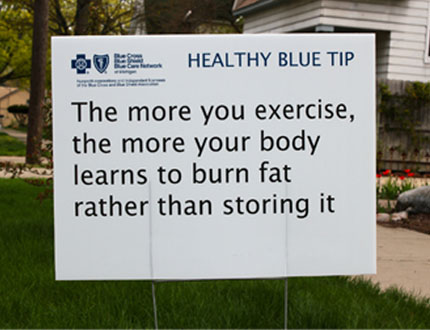
If you don’t think that people in your workplace would be fighting over who gets to use a giant hamster wheel, there are other equally creative ideas that you can employ to make them burn some calories to fight fatigue, like moving the washroom to a different building or disabling the elevator. Just kidding!
2. No Dehydration Or Starvation Allowed
Taking a decent break has always been the top solution for tired employees. It is also important that a workplace is designed so that workers can easily relax. There should be a cafeteria for employees to eat and drink so they can get a rest during their breaks.
If employees work a night shift, there should be areas for them to take a nap if they are feeling too sleepy to work. The workplace shouldn’t be based on the model of some labour camp.
Try providing hardworking employees with a place to take regular and proper breaks. This can help minimise workplace fatigue and maximise efficiency.
3. A Posture To Be Proud Of
An improper posture for those employees who are required to sit all day long can lead to fatigue. It can also lead to back pains and other more serious health problems. However, bad posture can be prevented. All you need is a workplace set up in the correct way.
For example, ergonomically designed seats maintain proper posture. Also, employees should be taught how to perform exercises to promote and keep a good posture.
4. Standing Up for Yourself
Preventing employees from getting too tired to be efficient at their work doesn’t demand that much effort. The employer can make provisions for workers to perform their work while standing. For example by giving them standing desks to use at their workplace.
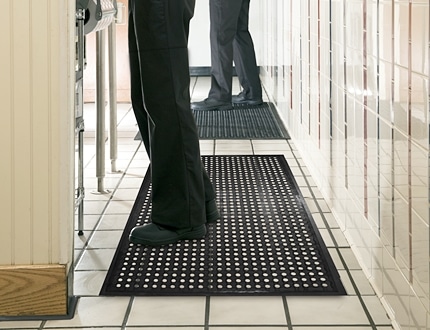
Workers maintain proper posture while standing. They should also keep on moving so they don’t start suffering from the effects of fatigue. One of the leading ways to ensure this is to use a range of products, such as anti-fatigue floor mats that can be rented.
Also, here is an infographic from SnackNation.com on how to stay healthy at work.
Total prevention of fatigue is most definitely impossible. Still, at least some of the ideas mentioned in this article can help fight it. More employers need to realize that their employees are humans and not robots. Fewer people would suffer from the downsides of workplace fatigue. Most of the ideas listed here should be able to help out employees stay productive in the workplace. In the end, employers can look into the products offered by Alsco. They serve the above-mentioned purpose in a work-friendly way.
Photo courtesy from Freepik Images by freepik
Photo courtesy of Flickr Images by A Healthier Michigan
The Ultimate Guide to Identifying Risks in Your Workplace
Creating a completely risk-free workplace is challenging, but it’s commonly understood that working in a mine is riskier than working in a clean, air-conditioned office for example. While achieving absolute safety is not guaranteed, you can and should take steps to move in that direction, starting with ensuring your workplace follows first-aid guidelines.
To keep your employees safe and establish a secure environment, begin by assessing potential risks.
You can achieve this by asking yourself the following questions:
- What is the highest number of workers present in your workplace at any time?
- How potentially dangerous are their working tasks and should they have immediate access to first aid?
- Do you have remote, high-risk workplaces without easy access to emergency services?
- Do you have workers that are alone or without a First Aider’s supervision?
- Can you think of any other risk factors that are specific for your workplace? (shift work, crowded places, overtime, etc)
Answers to these questions will give you an overall idea as to what needs to be improved in your workplace to increase safety. Think about the first aid kits and additional equipment, First Aiders and easy access to emergency facilities.
In other words, you need to get closely acquainted with the legal framework for ensuring a safe and healthy workplace.
Obtain and Properly Position First Aid Kits
The placing and the contents of your First Aid kits are not left to your personal estimate.
There are rules, laws and regulations that outline the best course of action. Your go-to legal document for understanding these restrictions is the Health and Safety Work Act from 2015.
Besides being properly stocked and regularly replenished with compliant first aid supplies, your First Aid kits need to be positioned correctly in your workplace. They need to be easily accessed and all properly marked. You can use first aid posters and resources to draw attention to first aid kits and wall cabinets.
Keeping Your Workplace First Aid Kits Compliant
Do you know the current state of each and every one of your First Aid Kits at this very moment? Do you know what’s in them, what’s missing and what should be replenished?
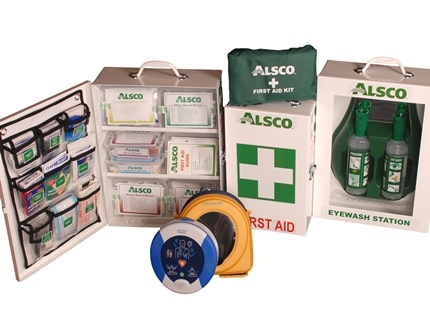
If you don’t know, somebody else must! Assign this duty to one of your First Aiders. Their primary duties when it comes to first aid kit maintenance should involve:
- Making sure that First Aid kits are always easily accessible and that there is always a clear and unblocked path to each and every one of them.
- Checking the contents of First Aid kits if they are used, or at least once a year if they are not used.
Additional First Aid Equipment
There is so much more you can add to your workplace first aid besides the regular kits. There is eye washing equipment, automatic defibrillators or even showers that you can get for your company.
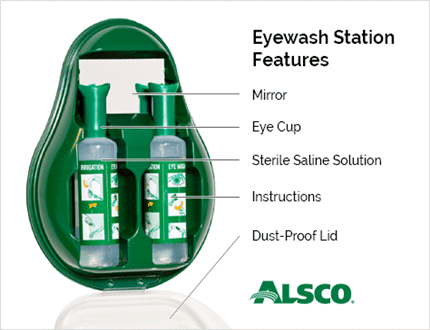
Eye washing equipment is an excellent addition to your basic First Aid kits if your work involves working with dangerous chemicals or there is fine dust involved. Of course, it is useful in all other workplaces where there is a high chance of foreign objects hurting the eyes of the employees.
Workplace showers can be of enormous help in situations that involve burns or exposure to chemicals that are absorbed by the skin. Showers have to have easily hand operated hoses and in the workplaces with lower risks of chemical exposure, you can obtain rubber hoses that are easily attached to the taps.
Automatic defibrillators are absolutely irreplaceable devices when it comes to first aid efforts to save patients that are having a heart attack. Educate your employees on how to use a portable defibrillator and increases the chances of survival in case of heart failure at the workplace.
First Aid Rooms and Facilities
When there is a need to administer first aid, you need an appropriate place for that to happen.
Depending on the size of your workplace, a number of employees and the risk levels that are the consequence of the nature of your business, you need to decide among the First Aid centre, First Aid room or just a quiet, secluded place where basic first aid can be administered.
Obviously, a simple secluded place is enough for low-risk offices with a small number of employees. However, there still needs to be a proper First Aid kit.
The next level is the First Aid room. This is recommendable for low-risk workplaces with workforce counting 200 people and high-risk workplaces with under 100 employees. Make sure that it can be accessed by wheelchairs and that it is always kept in order. You should assign a First Aider to maintain the room in good condition.
A high-risk workplace where hundreds of people work needs its own health centre. It means a stand-alone facility in which medical workers are hired. If this centre is in the same building, it is best if it is on the ground floor.
Make sure it is big enough to store all of the necessary equipment and that the materials used for its interior are easily cleaned and sanitised.
As you can see, there are many factors to take into consideration when you want to run a safe and healthy, fully first aid compliant workplace. Moreover, even if you have it under control, it is fairly easy to miss out some important legal updates.
Luckily for you, there is a way to delegate some of that ‘worry’ over to the professionals.
We at Alsco Uniforms make it our job to make you 100% first aid compliant at all times. Make your workplace safe by looking into our First Aid program.
Alsco Uniforms representatives will check and replenish the kits regularly and take it upon us to make all the necessary changes and updates. Call us today to arrange a consultation.
5 Steps to Make Your Workplace Colds and Flu Free
The flu and colds season is every employer’s nightmare. Sometimes they might not know what is the worse option for their business.
Employees who do not come to work because of seasonal illnesses or employees who come to work ill and then spread viruses to other employees.
Both options lead to lower productivity and efficiency.
Viruses are normal phenomena, especially during the fall and winter months.
You cannot protect your employees completely from them, but there is something you can do.
By following the next steps you will make your workplace environment as healthy and as productive as possible.
1. Never Forget Hygiene
Hands need to be washed using soap and hand sanitisers right before and after eating. Talk to your staff and encourage them to wash their hands as often as possible. You can even put up some posters or get creative about reminding them about regular hand washing in some other way.
Moreover, proper hand drying is also highly important since improper hand drying can lead to spreading bacteria. You should consider having some high-quality cloth or paper towel dispensers or maybe an air towel.
Also, provide tissues and gel sanitisers for all your employees. It is more than helpful to have them around in case of sneezing or coughing, don’t you think? Make sure that there is each of these at every corner of the workplace.
2. Improve Your Workplace Conditions
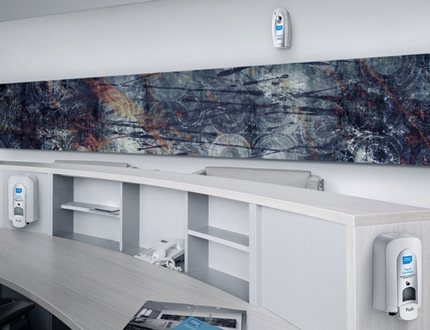
Fresh and clean air is something every workplace needs. Viruses and bacteria are not huge fans of it, but your staff should be. There are plenty of ways to improve the quality of the air.
The simplest ways to do this is getting some green plants in your office and ensuring the ventilation systems are clean. Moreover, cleaning and disinfecting the surfaces in your workplace will prevent the spread of germs enormously.
3. Encourage the Employees to Take Care of Themselves
Eating healthy, sleeping well, doing some exercises and relaxing improve and strengthen your immune system. Learn how to deal with stress and the best way to relax and calm your mind.
Encourage your employees to try with doing some office exercises. Doing any type of exercise would provide your immune system with a boost. After implementing these tips you will see that fighting off viruses has never been easier.
4. Educate Your Employees

It is extremely important that your employees know how to recognise the symptoms of a cold or the flu. Remind them how to protect themselves. The best way to do this is to have reminder posters in your workplace.
Putting up hygiene posters all over the place is not done because you don’t think that your employees are not able to take care of themselves. Busy environment often means that they have a lot on their minds and if not reminded, their attention to hygienic details may slip.
5. Keep Sick Employees Away From the Workplace
Lastly, there are numerous reasons why sick people shouldn’t come to work. Firstly, for purely human reasons – no one who does not feel good enough to work should be at work. Show your employees that it is all right if they need a day or two off in order to feel better.
Secondly, by staying at home, sick employees cannot spread the germs around the workplace and chances of other employees catching a cold or the flu are very low.Health Should Always ComHaving a healthy and clean workspace is crucial. Healthy employees and clients should be your top priority. If you are not sure what is the most efficient way to boost hygienic levels in your workplace, Alsco can help you do that without capital investments.
For instance, if a school is your business environment, this School Washroom Guide contains all you need to know about the New Zealand legal requirements and health and safety standards school washrooms must meet to keep germs at bay.
We provide plenty of useful and essential products and services, including hand sanitisers, different soaps, washroom essentials, as well as first aid supplies.
To get the best both for your workplace and your employees’ health, call Alsco and ask for their excellent services and tailored fees.
4 Ways to Improve The Air Quality of Your Workplace
The air quality of the indoor space is extremely important for the health and productivity of your employees.
Not many people will notice the good quality of air in their workplace, but they will notice if it’s bad.
The indoor air can be very polluted, matching even the pollution levels of the outdoor air.
In cases where you have more people working in one room together, dirt and dust can really build up quickly.
If your employees complain about headaches, respiratory problems and coughing while they are working, the air quality can easily be the cause for those issues.
In order to prevent these problems, read about these 4 ways to improve the air quality in your workspace.
1. Keep Your Workspace Clean
Regular dusting and floor mopping do miracles! It is impossible to make your surfaces 100% clean all the time, of course, but dust can be reduced. So, what you have to do is to make sure that all the surfaces in your workplace are being dusted at least twice a day.
You can even use some dust control mats as well. That will prevent the dust from piling up on the surfaces in your workplace since the mats will contain it and keep the dust levels in the air to a minimum.
That can further help with any respiratory issues your employees might suffer from, like reducing the number of asthma triggers and such.
2. Make Your Workspace Greener
Bring in plants to your workspace! Besides the decorative effect, plants have a huge role in improving the quality of indoor air.
It is not really a secret that plants produce oxygen, right? And not only that, but they also absorb a lot of “bad air” and freshen up the air we breathe.

Photos courtesy of Freepik Image by Freepik Vectors
Everyone will enjoy the final result of this action – clean air and well-decorated workplace. And remember – as greener the office, fresher the air. Just make sure that you get air-purifying office plants that don’t require too much maintenance.
3. Clean the Fans and Vents Regularly
The ventilation system is always extremely important when it comes to maintaining air quality. Especially if there are many people who work together in one room. No matter how big the room is, it is always a bit stuffy when there is a crowd.
So, the things that have to be done are regular cleaning and servicing of the ventilation system. Moreover, talk with your employees and ask them not to keep any boxes or furniture in front of the vents, since the airflow will be blocked in that case.
When talking about vents, you should not fail to mention fans as well. They are used mostly during the summer, and if not maintained properly, they will end up just throwing dust and dirt all over the workplace.
In that way, the employees breathe in all the dust, germs and bacteria which can jeopardise the overall health of both the employees and office visitors.
4. Dispose of the Rubbish Properly
There is nothing worse than working in an office while the bad smell is coming out of the bin. Especially when the source is decomposed food scraps. It can be very unpleasant to work in such an atmosphere and it can cause nausea and headaches for some people.
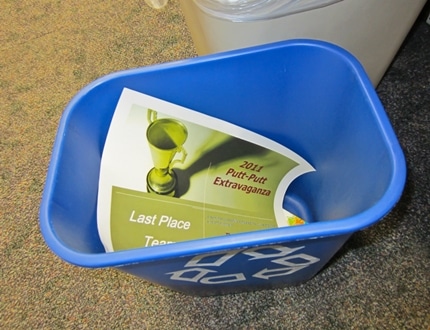
Photo courtesy of Flickr Image by Steve
In order to provide your employees and office visitors with the freshest air possible, make sure that all the bins are emptied regularly.
If you really want to improve not only the air quality in your workplace but also the health of your employees during working hours, you should implement at least some of the above-mentioned suggestions.
However, if you are still not sure how to do it, Alsco could be the right choice for you. It offers a wide range of products that can help keep your workplace clean and fresh. You don’t have to invest too much in this all at once.
Moreover, you don’t have to buy anything at all if you don’t want to – Alsco rents all the necessary equipment at a fair annual price that you can agree on with our friendly representatives.
Choose among different cleaning products, air fresheners and air sanitisers and even deep cleaning service if necessary. They will drastically improve the air quality of your workplace and make it a healthier and more professional venue. All you need to do is contact Alsco now and find the best products for you.
Make Your Workplace Trip and Slip Free
More often than not, when someone slips or trips, we can’t help but giggle or laugh.
This incident is used countless times in reruns of slapstick comedies where a character lays flat on his face after a chasing scene.
Slipping or tripping are actually not laughing matters. Alsco understands the reality of this commonly perceived ‘ridiculous accident’.
From minor cuts to bone fractures, these incidents can lead to serious injuries and sometimes even death.
All employees, visitors, and guests are all equally at risk. According to statistics, slips and trips are among the most common causes of injuries at work. Both employees and employers are affected by the consequences of a nasty fall.
They cost employers a hefty amount in lost production and other costs. Conversely, from an employee’s perspective, aside from the excruciating pain, it can also lead to long-term injuries.
How to Keep Your Workplace Safe from Slips
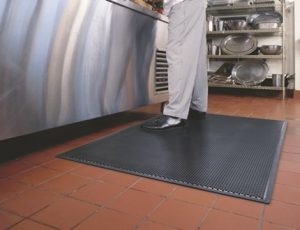
1. Customers and guests can come in from the rain dripping wet. It is best to use water absorbent floor mats to prevent accidents caused by a wet floor. These ingenious mats can absorb a high volume of water and are easy to maintain.
2. Keep a conspicuous area near the entrance for wet umbrellas and overcoats. Make sure they are easily accessible but away from busy traffic routes.
3. Maintain your machinery on a regular basis. Their condition is essential not only to your productivity but for any untoward incident they can cause if leaking. Some of those leaks can be toxic and require the use of appropriate spill kits.
4. Always consider that water and other liquids can spill on the floor. Prioritise having special work area matting, they can resist oil and liquids and definitely lessen slippage among workers and customers.
5. Design your work area to have a systematic location of your cleaning equipment and materials. They should all be easily accessible at any given time.
How to Keep Your Workplace Safe from Trips
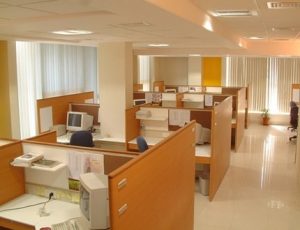
Image from: Pixabay by officerent
1. Clean and inspect your workplace regularly. Clear areas of traffic from any items that may cause tripping. Segregate storage areas for tools, equipment, and boxes. See to it that all cables are out of sight.
2. Level your floor surface at all times. Secure ridges and cover floor power sockets, whenever possible, flatten all inclines.
3. Check the edges of carpets or tiling, always making sure that they are not warped or chipped on the edges, especially in the areas where flooring type changes.
4. Instead of laying cables, install extra power sockets. When there is an actual need for cables, consider placing them overhead rather than on the floor.
5. Spread the information among your workers. Communicating safety measures to your employees will result in a more coordinated workflow.
6. Put up signs for high-risk areas. When cleaning the floor, always keep in mind to also put up precautionary signs.
A Mere Tip of the Iceberg
Image from: Flickr by USACE Europe District
We only scratched the surface with the tips provided above. In promoting safety and health in a workplace, it is important to formulate a systematic plan. Implementing some changes in work operations is also beneficial to update safety protocols.
Appointing a point person to act as a leader in executing safety measures is crucial to this endeavour. If you have multiple work areas handling different functions, it is recommended to have one point person per scope of work. Taking time to explain your plans can be a very productive move while training can actually be even better.
It requires hard work and cooperation but keeping your workplace free from slips and trips is always attainable. Do not let your organization be a part of accident statistics. Securing it will even make it more productive.
The Safety Mats from Alsco can also help you achieve your goal for a slip and trip-free workplace. It is both practical and economical as it can help reduce the wear and tear of your floors where heavy traffic is experienced.
Ask for Alsco’s two-week free trial to experience first-hand our top-of-the-line solutions! Get in contact with us today.
Why Being a First Aider Makes You a Superhero in the Workplace
Without the first aiders, all those first aid kits and Work Health and Safety regulations are useless things that cannot help anybody. Only in the hands of a skilled and trained first aider, they get to serve their purpose and even save lives.
Being a designated first aider does not mean that you will have more to do on a daily basis. Your job description remains the same.
Your role is active only when an emergency happens. In that case, all heads turn to you and everybody follows your directions.
You get to be the first one that treats a burn, dresses a wound, performs CPR or even uses a defibrillator on a colleague in grave danger. It feels good to know that you can help the people you meet every day when they are in trouble – using your skills and training.
Still, to do a proper job, you need a fully stocked first aid kit and other supplies that are compliant with the WHS Act.
Does Your Workplace Even Need a First Aider?
This depends on several factors. These factors include:
The size of your company
Larger companies will need more certified first aiders. Providing proper first aid can make all the difference between life and death. So, you need to have enough first aiders so that every employee can be helped in the case of an emergency in a matter of minutes or even seconds.
Number and location of your employees
More people present at your building means more first aiders needed. The same goes if your building is designed so that employees are scattered in remote parts.
Type of work your company does
Light office work with a small number of employees means that first aiders are not essential for your workplace. On the other hand, a high-risk workplace requires more trained people.
The proximity of medical services
If you have an emergency medical facility nearby, your need for the trained staff is very much reduced.
Shift work and sick days
When organising first aiders, think about your shifts. There should always be one first aider available. Also, consider the fact that some of the first aiders will be absent from work at times and that somebody else has to replace them during that period.
Things You Need to Know About First Aid Training
Being a first aider is a serious job, so not just anybody can be assigned this duty. You need to be properly trained by organisations accredited by New Zealand Qualifications Authority. There are several things you need to know about your training:
- It can last 8 or 12 hours plus an assessment
- The certificate is valid for 2 years
- A refresher course is obligatory after 2 years
- A first aider must repeat the full course again if 3 months elapsed since the certificate expiry
Duties of a First Aider
According to the WorkSafe website statistics, one in four workers reports that they had a serious work-related injury in the past 12 months.
This means that the first aiders are quite busy and very much needed. In order to do their job properly, first aiders need their training in first aid. Among other things, they need to know:
- the location and the contents of all first aid kits
- the location of AEDs and how to use them
- how to use protective equipment in order to protect themselves while helping others
- cooperate with the PCBU
- provide reasonable care to those in danger
It is hard to be a trained first aider in a company that does not take care of its first aid kits. All the first aid kits need to comply with the WHS Act and they need to be regularly and properly maintained.
Is that a job for a first aider? No. That is a job for Alsco.
Call 0800 4 ALSCO right now or contact us online. Our representatives will tell you everything about our first aid rental service. For a great price, we will bring you all the kits and AEDs you need and maintain them regularly.
Photo Courtesy: Flickr Image by ** RB **
5 Proven Factors That Make a Workplace AED Necessary
 Every hour and a half, a person in New Zealand dies from heart disease. This figure is a result of a research conducted by Ministry of Health in 2015, published by the Heart Foundation.
The same study shows that cardiovascular diseases cause 30% of all deaths in New Zealand, making them the leading cause of death. Cardiovascular diseases include angina, diseases affecting blood vessels and heart attacks.
However, despite the efforts to reduce these worrying numbers, a heart attack is still a serious issue that needs to be addressed by individuals and society in general.
When an episode occurs, time for reaction is limited and it can happen to anybody, anywhere, anytime – including workplaces. Therefore renting an workplace AED from Alsco Uniforms can save lives of your employees.
The question is – why is the risk of a sudden cardiac arrest so high? Here are the five most important factors that cause it. These are the factors that, consequently, make workplace AED an important part of your workplace inventory and your First Aid efforts.
1. Work-Related Stress
Every person has different triggers for stress, so it is hard to make a uniform list. Stress is a natural reaction of our body to dangerous situations.
Needless to say, your body is pulling out all of its resources so you can defend yourself or survive that situation. If you force your body to act that way during prolonged periods of time, you will soon feel the negative effects on your health.
Work-related stress happens when you have serious issues with your work. The most common causes of this type of stress are:
- Inadequate management and leadership – improper management style that frustrates employees increases the stress levels. The same goes for management is not family-friendly.
- The nature of the job – if an employee is required to perform tasks that are well above their abilities or more tasks at the same time, it will make them feel frustrated and inadequate.
- Lack of workplace safety – jobs that involve high risks from injuries also involve higher stress levels.
Stress causes chest pains and increased heart rate. It also causes increased blood pressure, different heart diseases and significantly raises the risks of a sudden heart attack.
2. Dietary Limitations of Workplace Lunches
Working long hours usually means that people do not have a lot of choices when it comes to their lunch. In most cases, they want to grab something quick and easy in order to get back to work and go through the day. This leads to some worrying eating habits that increase the possibility of heart disease.
- Deep-fried or oil-fried meals
- Increased sugar, fat and sodium consumption
- Sugar packed drinks and snacks
- Binge eating instead of smaller portions throughout the day
3. Side Effects of Sleep Deprivation
People who work too much often report that they get too tired to sleep. Moreover, a lot of employees take their work home or long hours cause them to lose sleep in order to catch up on time with their family and friends.
However, sleeping less than 7-8 hours a night greatly influences heart health. Glucose metabolism, hormonal balance and blood pressure are influenced by the lack of sleep.
According to some studies, people who had 6 or fewer hours of sleep every night are 66% more likely to have increased blood pressure which, consequently, increases risks of a cardiac arrest.
4. Downsides of Shift Work
Having enough sleep is not all that counts. The equally important factor is – when that sleep occurs. People have a circadian rhythm pattern that influences when we sleep, eat and work. It is tied with hormonal balance throughout a day.
Therefore, shift work can interrupt this cycle and that has many consequences on a person’s life. While it causes fatigue, it can also cause depression, anxiety, and stress. All these things have tremendous negative effects on your heart.
5. Specific Workplace Factors: Tobacco and Toxins
There are many studies about the horrifying effects of smoking, active and passive, on one’s health. Especially notorious are the effects both kinds of smoking have on one’s heart.
Carbon monoxide is another gas that significantly increases risks from a sudden cardiac arrest. It is present in exhaustion gases from vehicles of all kinds. People most usually exposed are those that work in tunnels and other closed spaces where engines are running.
Carbon disulphide is another gas that should be eliminated from the employee surroundings. It is mostly present in the plants that produce viscose.
Ways to Reduce Risk of a Heart Attack
Changes in lifestyle can help fight off increased chances of a cardiac arrest. Businesses should definitely encourage their employees to make those lifestyle changes and improve their health. Also, this means that their safety in the workplace will be improved, as well.
- Offer healthy lunches at the cafeteria
- Replace sugary and fatty snacks with fruits and vegetables
- Encourage employees to take the stairs
- Introduce an exercise area or a gym in your building
- Make regular health checks obligatory
- Have trained first aiders in your office
- Have an operational workplace AED ready for use
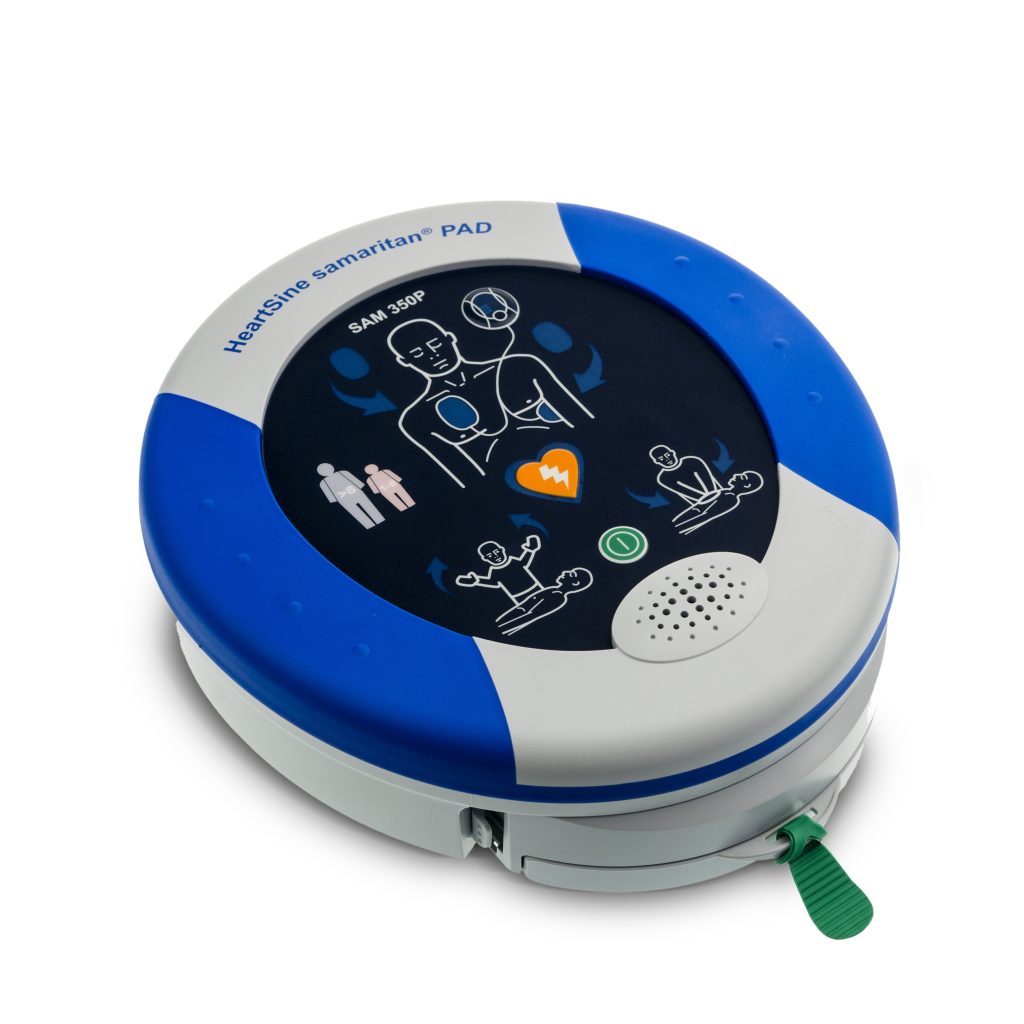
While you can ensure that most of these things are available in your workplace, Alsco can definitely help you with that defibrillator. Ask Alsco Uniforms for a portable HeartSine Samaritan 500P for the following reasons:
- It’s light – anybody can pick it up, carry it and use it
- It’s easy to use – there are only two buttons and it is very much intuitive
- It’s durable – there is an 8-year warranty on these AEDs
- It’s automated – it sets the needed charge automatically
Usually, with this sort of service comes a hefty price tag. Not in this case. You cannot put a price on somebody’s life, and with Alsco, you don’t have to. Call your local Alsco branch and ask us about our rental fee.
Alsco representatives come, place workplace AEDs strategically and come back to check it every three months.
You pay a small rental fee that includes all these and you can stop worrying about your workplace AED once and for all. Try us now!
Eye Injuries in the Workplace: Causes and Treatments
Mere seconds of delay in treating an eye injury can make a difference between temporary and permanent damage to one’s eyes. The immediate and efficient first response to eye injuries is necessary to save someone’s vision.
To do that, you need skills, knowledge, and a fully stocked First Aid Kit.
Skills and knowledge can be acquired through training, but a First Aid Kit should be rented from Alsco. That is the most reliable way to be 100% sure that it is stocked, up to date and up to legal standards.
In some workplaces, it is more likely to obtain an eye injury than others. Still, the types of eye injuries that occur are more or less the same at all of these places.
It is more likely to get a chemical burn in a lab and a black eye in a warehouse, but a foreign object in your eye can happen anywhere.
Here are the most common types of eye injuries and what to do if something like that happens:.
Foreign Objects in the Eye
There are all sorts of things that can find their way into the unprotected eyes. Splinters, larger dust particles, and even bugs occasionally end up there. If this occurs, there are some dos and don’ts about treating this injury.
You SHOULD:
- Wash your hands before touching the injured eye
- Try to rinse the eye, preferably using the eye washing station
- Remove the contact lenses from the victim’s eyes
- Use clean and wet cotton swab if the object is in the white area of the eye, but only so that the objects stick to the swab. Never to dig the object out.
You SHOULD NEVER
- Rub the injured eye
- Try to use tweezers or similar tools to remove the object
- Try to remove metal objects from the eye. Only a doctor should do that
Scratched Cornea
This injury is usually the consequence of a foreign object being stuck in the eye. In most cases, the cornea gets scratched because a person attempts to rub the eye. The recommended actions are similar to those when the foreign object gets stuck in the eye:
- Don’t rub.
- Rinse or remove the object if possible.
- Close your eye or wear an eye patch until it heals.
Black Eye
This is a bruise that occurs when the area around the eye has been injured. A black eye does not occur instantaneously, so there are steps that can be taken to prevent it.
- Step 1 – Keep the person’s head elevated. This will prevent the blood from building up and causing swelling.
- Step 2 – Check the eye itself for possible injuries. Black eye affects the surrounding area.
- Step 3 – Apply an ice pack to the eye to reduce the swelling and bruising. These should be applied every 10 minutes. Do not use packs that contain chemicals. These can rupture and cause further damage to the eye.
- Step 4 – After several days, when the swelling calms down, use warm packs to speed up the bruise fading.
Chemical Burns
Chemical burns can be very serious and they should be prevented at all times. If you are working in an area where these types of injuries are possible, make sure that you wear eye protection at all times.
There are two major classes of chemicals that can hurt your eyes: acids and alkali. These chemicals are found in different cleaning products. They don’t have to reach your eyes directly in order to hurt you, but they can produce fumes that are harmful.
Either way, if any other liquid besides clean water reaches your eyes and causes a reaction of any kind, you should rinse the eye and seek immediate medical help.
Small Cuts to the Eye
If there is a cut in the eye area it is important to react quickly. The first thing to do is to grab the First Aid Kit and get a sterile cloth to apply pressure to the bleeding area.
Pressure should be applied gently but firmly in order to stop the bleeding. However, do not apply it directly to the eyeball.
As soon as possible, go to the doctor’s for an exam because some cuts can cause further damage to tear ducts or your vision.
Heat Burns
There is no reason to expose your unprotected eyes to the sources of great heat. It that happens, it is absolutely necessary to seek help immediately. Three things should be done one after another.
- Flushing with cool water. This should be done immediately. The eye should be under the cool,running water and the injured person should attempt to close and open the eye and move it while underwater. This should be done for half an hour.
- Applying sterile bandage. The bandage should be taken from the First Aid Kit to make sure it is sterile. Also, it should be applied carefully and without any unnecessary pressure.
- Seeking professional help. Burns can cause serious damage that is hard to repair. They can get infected and cause much bigger problems. Therefore, a doctor should check any eye injury that was caused by heat.
You can be prepared to provide proper First aid in cases of all eye injuries if you have a proper First Aid Kit. Moreover, if it contains the eyewash station, you can provide even better and safer care.
These are only a phone call away. Call 0800 4 ALSCO and ask about our rental services. Once you agree to let Alsco help you, you will get:
- First Aid Kit and eyewash station that meets legal requirements
- Regular and thorough check-up of these items
- Regular and full restocking and repairing in case this is needed
- Regular replacement after the expiry date
- Priceless advice on where to place these items and how to use them
All this is included in only ONE annual fee. There will be no additional costs and no hidden charges. Make an enquiry today and make the first step toward a safer workplace.
The Slips and Trips: Evaluating Safety in Your Workplace
Slips and trips often garner a few good laughs. As such these trivial accidents are often overlooked in the workplace.
It is, however, important to note that these minor acts of clumsiness can attribute to injury. The bigger question is, was it about clumsiness or is your workplace safe?
It is inevitable for miners to always be on alert as they are most susceptible to trips and slips. Part of their work requires them to stand for long hours.
Different safety mats are in place to make sure that they are covered for any possible circumstance.
Request a quote today and get a Welcome Mat Trial*. Absolutely free!
An Overview of Work-related Injuries
A study conducted on work-related injuries shows a significant correlation between male and female victims. Women (17%) are more susceptible than men (11%) to encounter slips and trips. This translates to 39,000 men and 48,000 women suffering from a related injury over a year.
Slips and trips are the second leading cause of workplace injuries. These accidents frequently result in severe injuries requiring extensive and expensive recovery and lost time. From an excruciating sprained ankle to a disastrous fall from a stairwell, Slips and trips need to be taken seriously.
It is important to define these terms in order to better understand the dilemma:
Fall – Can be generally caused by a person’s sudden loss of balance. It does not always have to be due to the work environment.
Slip – A slip can be caused by factors such as a wet or frozen surface, or items that are not secured to trays, a sheet of paper, among others.
Trip – Commonly happens due to overlooked objects lying on the ground. Cables easily catch a person’s foot if left unattended. An uneven edge on the flooring like a dog-eared mat corner or loose tile can certainly spell misfortune.
These injuries albeit minor have to be a focal point of every business’ safety measure. Treatment can be administered with a handy first aid kit. From bruising to sprains and strains – these injuries, however minor, can result in absenteeism.
The Role of the PCBU
A Person Conducting a Business or Undertaking (PCBU) has a very important role. PCBUs must oversee the health and safety risks concomitant to slips and trips. He is designated to minimize if not eliminate these risks in a reasonably practicable manner.
Among a PCBUs duty is to make systematic methodology to the following:
- Identifying hazards
- Making a proactive assessment of risks associated with these hazards
- Managing risk control measures
- Reviewing the implementation and preparation of the risk control measures
How to Efficiently Reduce Slips and Trips in the Workplace
There is a detailed guide to effectively minimize incidents of slips and trips. Here is a link to The Slips And Trips Fact Sheet [1.3MB]
Listed here are the proper way of addressing and managing slips and trips in the workplace. Take note that this list is arranged according to its effectivity level.
| Hierarchy of control | Examples |
| Eliminate the hazard | Take control of your work area from the design state. Carefully plan changes in floor levels and organize necessary recesses. Avoid trailing cords by installing more power outlets in strategic locations. |
| Substitution | Design floors with a more slip-resistant surface. |
| Isolation | Cordon off access to high-risk areas. Make sure the necessary signs and measures are observed when cleaning or other activities are ongoing. |
| Engineering controls (redesign) | Make your floors more slip-resistant by applying appropriate treatments. Illuminate your work area, do not compromise safety over aesthetics. Plan your drainage system well to suffice your business’ requirements. Elevated floors need well designed visual markings. |
| Administrative controls | Intensify training and supervision measures. Devise a systematic housekeeping system. See to it that there is a checklist of the routinary cleaning procedures. Spills should be addressed immediately. |
| Personal protective equipment | Safeguard your staff with slip-resistant footwear. |
Slip Hazards are commonly present when the following occurs:
- Spills of liquid or solid material
- Wet cleaning methods
- Wind-driven rain or snow through doorways
- A sudden change in floor surface like joints
- Between carpet and polished timber
- Change from wet to dry surface
- Dusty and sandy surfaces
- The incline of a ramp
- Loose or bumpy flooring
- Low light levels
- Use of unsuitable footwear
Trip hazards can be avoided by keeping the following in check:
- Ridges in floors or carpets
- Worn floor coverings or broken tiles
- Potholes and cracks in floors
- Changes in floor level
- Thresholds and door stops
- Floor sockets and phone jacks
- Cables from power extension units
- Loads that obstruct vision
- Obstacles in traffic areas
Controlling the Risks of Slipping
Main floor treatments include sandblasting or grinding, chemical etching, coating with resins, and using floor mats or adhesive anti-slip strips. These measures increase the surface roughness of the flooring and improve slip resistance.
Every floor type has its own unique property and thus require a different way or approach to cleaning and maintenance. Below are the different floor types and their characteristics:
Concrete
This type of floor can be slippery over time. This can be more slippery with the application of treatments that prevent dusting and liquid absorption.
Terrazzo
Can be slippery when wet or dusty. Take extra caution when polishing this type of floor as an excess polish can cause the floor to be slippery. This type, however, provides a good appearance and is better than concrete in terms of wear and tear.
Quarry tiles, ceramic tiles
Not recommended to be used as floors. The smooth surface can indeed repel dust easily but it can also cause major slip accidents. It has a good resistance against chemicals and fluids. It may require special cleaning equipment for cleaning.
Glazed ceramic tiles
Soapy water can make the surface very slippery. There are slip-resistant treatments available. These tiles are not to be used as a flooring material.
Vinyl tiles and sheet
Ordinary vinyl tiles and sheet are relatively easy to clean with its smooth surface. Extra care should be given still because water can easily seep in under it. These are slip-resistant types of vinyl available, the thicker and softer types are more slip-resistant.
Cork
It can easily absorb oil and water and can be very slippery when wet.
Steel plate
This sturdy material can nevertheless be prone to wearing. This, in turn, makes it slippery when wet or oily.
Rubber
Make sure to have edges and joints properly secured as this is a common trip hazard. The effectivity of this material can be less effective when wet or damp due to moisture.
Plastic Matting
Cleaning is practically easy with plastic mattings. It can be steam cleaned or hosed down. Interlocking PVC extrusions can provide good drainage and slip resistance.
Carpet
Can be very cost-effective than a hard floor surface. It is important to consider that this material is also highly susceptible to tripping. Also, it must be rubber-backed and with hardwearing tapered edges when used in an entrance or where traffic is high. Pushing trolleys in a carpet can also be a challenge. A carpet with a shallow pile can easily address this concern.
Fibreglass gratings
It can provide good to excellent slip resistance. Fluids are easily drained and can be a good cost solution to flooring requirements.
Controlling Trip and Slip Risks in Your Workplace
Here is a checklist on how to minimize or eliminate slipping hazards caused by liquid and waste from machinery:
- Maintain and adjust the machinery to prevent leakage
- Keep your floor dust-free with exhaust systems to prevent dust from settling down the floor.
- Collect liquid and waste properly with the use of specialized trays
- Immediate action is required for water or oily spills – tools and equipment should be readily available like absorbent paper or powder to clean them up. Make sure the affected areas are residue-free.
- Ensure that the floors are perfectly dry after cleaning
- Should there be areas with a high risk of spills, put up signages accordingly
Control tripping hazard by following these guidelines
- Systematically organize your workplace to segregate storage and work areas.
- Keep the aisles free by providing adequate storage systems
- Eliminate if not minimize the use of cords lying on the floor. As earlier mentioned, have a good number of available sockets and outlets from the planning stage or construction of the workplace.
- Protect sockets with covers and as much as possible, avoid protruding sockets.
- Organize the stacking of goods and materials. Avoid stacking in a single tower.
- Secure power cords appropriately and do not leave them lying on the floor.
- A routinary cleaning regimen should be observed to free the work area of rubbish and obstructions.
Put up signages in a conspicuous area to warn pedestrians about changed or uneven surfaces.
Safety is of Primary Concern
Accidents can be controlled. Keeping our workplace safe for both our employees and customers can ensure longevity and success. That is why Alsco is here to provide you with the best solutions to your safety needs. Our innovative products are perfect even to the harsh work condition of mines.
Alsco has a variety of commercial and industrial mats which now includes the Evolution Mat. A premium quality mat featuring thicker piles and is made out of recycled materials, making it environment-friendly.
Guarantee the safety of your workplace with Alsco. Use an Alsco Mat FREE* for 2 weeks. Enquiry now!
Photo Courtesy: Flickr Image by RandiChiu
Keeping Your Workers’ Safe: Be First Aid Ready with Alsco
Is your workplace capable of giving immediate care during emergency cases?
First aid readiness is required to enhance the safety of your employees. After all, a quick response can mean the difference between life and death.
A workplace first aid kit also ensures that legal guidelines for health and safety in employment are met.
Not having the appropriate first aid kits available could put you at risk to WHS penalties of up to $1,000,000.
If you want a fully managed, hassle-free safety solution for your first aid needs, contact Alsco now.
Why is a Workplace first-aid Aid Kit Important?
First aid can save lives in a number of situations. For instance, immediate CPR treatment can increase the chances of survival for heart attack. It can provide immediate and effective first aid to injured workers to help speed up recovery.
Health and Safety in Employment Regulations 1995 states that employers are required to take all steps to ensure:
- First aid facilities are provided at every workplace
- Facilities are suitable for the purpose for which they are used
- Facilities are provided in sufficient numbers
- Facilities are maintained in good order and condition
- All employees have access to these facilities
There are about 100 work-related fatal injuries in New Zealand every year. First aid readiness can protect your business so that injured individuals may be able to return to work quicker, with lesser treatment costs.
Why Choose Alsco for First Aid Readiness?
Most employers find first aid kit compliance confusing and tedious. Hazards need to be identified so that adequate supplies can be maintained. Why not leave it to the experts? Choose a provider that offers a managed first aid service.
1. Managed first aid kit
Alsco’s service keeps your business safe and compliant all year round. Your kits will be stocked with carefully chosen, hospital-grade supplies every quarter. No matter your business, Alsco tailors their services to meet your unique needs.
With Alsco’s managed first aid service, you just have to pay a single annual fee. A dedicated team will be in charge of installation, restocking, budgeting, and legal compliance. We actually take care of everything!
2. Hospital-grade contents
Hospital-grade supplies can provide superior performance. That’s why Alsco includes only the highest-quality, long-lasting first aid supplies as part of our service. We also follow the quantities prescribed by the ANSI and WHS standards.
For a single annual fee, Alsco limitlessly restocks your first aid kit at no additional cost. The contents are stored in a sturdy, highly-visible cabinet that can be installed in strategic locations in your workplace.
3. Use-defined organisation
To deliver effective first aid, contents need to be organised and clearly labelled. With Alsco, supplies are grouped into injury-specific, colour coded modules. For example, a ‘burns’ module, eye module, and serious injury module.
Each module is individually shrink-wrapped, which acts as a safety seal. This way, injuries are treated with the right kit as quickly as possible. The expiry date is also written in large, easy to read font.
4. Fast and reliable service
Each Alsco first aid kit is replaced and restocked every 3 months and designed to be serviced in under 5-minutes. A service agent is tasked to check and maintain eight items, which includes seven modules and a door liner.
The goal is to keep the disruption caused at the customer site to a minimum. A brand new liner is installed and modules are replenished at each service. This will help keep your workplace safe and legally-compliant 24/7 all year round.
Alsco’s First Aid Rental Service
Alsco offers a convenient and affordable solution to first aid compliance. Clients can avoid spending too much on the required supplies, cabinets, and refills. Not to mention appointing someone to maintain it.
You no longer have to worry about penalties or legal costs with Alsco’s rental program. You’ll have peace of mind knowing that your first aid kits are auditable to WHS guidelines. A flat fee already includes all services and consumables.
No matter how big or small your workplace is, Alsco can help you find the right first aid kit to meet your needs. Alsco also offers portable defibrillators, eyewash stations, and vehicle first aid kits.
Be first aid ready! Get in touch with us for a fully managed, hassle-free, safety solution.
Photo: Stevepb


