Trusted by 238K+ Business Worldwide. Find a Location
Trusted by 238,000+ businesses worldwide across 250 locations delivering uniforms, linens and more. Find a Location Near You


Delivering Excellence Since 1910
Contact Us
What Are the 10 Main Items in a First Aid Kit and What Are Their Uses?
A first aid kit is a must-have item for your workplace or company vehicle. Accidents can happen at any time, and first aid is crucial to either treat or handle the injury as emergency services are contacted.
First aid kits can be purchased already stocked or can be stocked using individual items, as long as they follow safety regulations.
A first aid kit for a workplace must follow the Health and Safety at Work Act 2015. Your workplace must provide protective gear, adequate first aid kits and well-trained first aid officers per 50 employees.
When choosing workplace first aid kits, keep some of these parameters in mind:
- How big is the workplace?
- What is the layout?
- How many staff are in-house or on the road?
- What hazards are present like chemicals, heavy machinery, sharp objects, etc?
- Is the workplace located in a remote place?
- How far is the nearest emergency room?
Why Is First Aid Important?
Have you ever heard these reasons why people dismiss first aid?
- I just don’t have the time.
- Where do I even begin?
- Accidents will never happen to me or my loved ones.
- I think I can handle it when I need to.
However, basic knowledge of first aid, especially in the workplace, is important.
Helps to save lives: A trained first aid officer is important, as they are well-trained. They are trained to stay in control of the situation and will be able to save lives when an emergency arises. They will be able to handle a situation at the scene of the accident until the paramedics arrive.
Offer comfort to the injured: Having someone trained in first aid on the scene can help offer relief to the injured. They are able to assess the situation and help the patient while assuring them until emergency personnel arrive.
Help to prevent the situation from becoming worse: In some situations like cardiac arrests, eye injuries or any other type of accident, the first minutes are most crucial. If a patient is not tended to immediately, the situation can rapidly worsen.
With basic first aid training, you can stabilise a patient until emergency medical services are on the scene. You are able to collect crucial data to give to the paramedics to help care for the patient.
Boost confidence in first aid skills and abilities: First aid training helps you handle critical situations, calm the situation and finally help your patient. This will then boost your confidence in a wide range of daily situations.
Encourages healthy and safe living: A trained person is able to keep tabs on their surroundings. Basic first aid knowledge gives you and those around you a sense of well-being. That knowledge and desire to be safe reduces the number of accidents around you.
When choosing first aid kits, there is no brand superior to the other. It is the contents of your kit that is most important. The kit must fit its purpose. For example, a workplace first aid kit can have an AED or defibrillator while a travel kit will have compact items perfect for the road. There are some main items in any kit each with its purpose.
First Aid Manual
A first aid manual is an absolute must for any kit. The main reason is that it may not always be a trained first aid officer who will have access to it. Thus, anyone who uses it should be able to follow the instructions or use the emergency contacts in the provided manual.
While the manual is important, it is advised that regular training and refresher training on first aid is done. Regulations state that having a first aid officer in the workplace (one for every 50 employees) is a requirement.
Pain Relievers
Every first aid kit should have various approved painkillers or Paracetamol. You will experience people in emergency situations that may be allergic to some medication. It is important to select both aspirin-based and non-aspirin based painkillers for workplace first aid kits.
When choosing the best pain relievers for the kit, a pharmacist or the in-house first aid officer will advise what should be included. Prescription drugs should not be in the kit. Instead, it should contain acceptable over-the-counter options.
Portable Eyewash Station
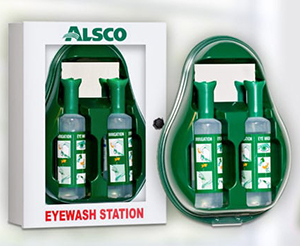
Alsco’s high-quality Eyewash Station
There are many workplaces where eye injuries are a possibility. Chemicals or foreign objects may enter your eyes.
First aid officers advise that you clean out the eye using an eyewash station in a matter of seconds.
A portable eyewash station in your kits is essential for handling eye injuries. They must be regularly maintained or replaced for the next patient.
Companies using hazardous chemicals have eyewash stations installed for a more effective cleanse.
Instant Cold Pack
Falling objects, slips and other workplace-related injuries can result in swelling. To prevent swelling, place an instant cold pack on the affected area. This can keep the patient comfortable as other first aid procedures are conducted.
Instant cold packs are preferred because they do not need refrigeration before use. Go for the options that are activated immediately when the seal is broken. In the workplace, you should have as many ice packs as possible to cater for your staff.
Alcohol Swabs
Alcohol swabs are a necessity in any first aid kit. They are used to clean a wounded area before bandaging to minimise infections. Alcohol swabs can be used alongside anaesthetic swabs and are perfect for sterilising tweezers or scissors.
Tweezers and Scissors
Tweezers are crucial for any first aid kit. They are mostly used to remove foreign objects like glass, dirt, or splinters from a wound. They are perfect for taking care of stingers left in the skin by bees and wasps, which means those working in the field must have a pair in their kit.
Having a pair of scissors in your first aid kit is also advised. These can cut away clothes to access an injury. It can also be used to cut bandages or gauze before use. You must make sure they are rust-free and are cleaned with an antiseptic solution before each use.
Bandage
Adhesive bandages in many sizes are crucial in any first aid kit. When using a managed rental service, they usually place various bandage sizes in the kits to cater for varying emergencies.
Companies can also buy assorted bandages to complement those in the first aid kit. Make sure they are constantly checked during maintenance and replaced as necessary.
Gauze Pads
These are used for wounds that are too large for adhesive bandages. They can be used to cover a burn area to prevent infection. It also helps to control the flow of blood if an employee or a visitor is injured. Like bandages, gauze pads are available in many sizes and an assortment is ideal for first aid kits.
Elastic Bandages
Elastic bandages will help to keep a sprained joint from moving and also reduce swelling. They are available either with a hook-and-loop or metal fasteners. They are perfect for use around ankles, knees, wrists, and elbows, before visiting the emergency room. They vary in width from one to six inches.
Defibrillator or AED
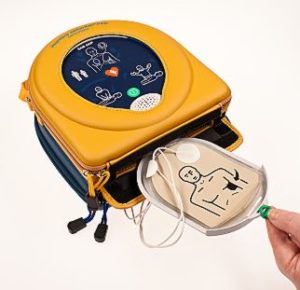
An AED, or Automated External Defibrillator, is a portable machine that analyses heart activity and administers shocks to the heart.
It is used to save a cardiac arrest patient.
This form of first aid is done alongside CPR and is not effective on a heart attack patient.
An AED is important in a workplace first aid kit because more than 2,000 out-of-hospital cardiac arrests are reported annually in New Zealand (between 2018 and 2019).
Fatalities are reported when the patients do not get help within five minutes of the incident.
Why Choose Alsco Managed Rental First Aid Kits?
If your workplace values the health and safety of its employees and visitors, a managed first aid kit is a great option. The assurance of safety offered by Alsco NZ’s rented first aid kits is next to none.
- Regularly restocked with hospital-grade first aid supplies free of charge.
- Out kits are matched with your business needs and stocked with the supplies you’d most likely need.
- All these services are available for a single, all-inclusive annual fee.
Contact Alsco NZ for a free quote and to find out more about the best first aid kits for your business.
The Ultimate List of Items for a First Aid Kit
When first aid kits are mentioned in conversation, they are typically linked to emergencies and risky activities.
Bungee jumping, hiking, backpacking… you name it.
Workplaces have varying levels of risk. It is worth noting what supplies you can have in your workplace that could help you or a colleague if a medical situation ever occurs.
With some of these items, you can build your own kit (kind of like build-a-bear) and customise it to suit your business needs.
Who Makes the Best Use of a First Aid Kit?
Planners
People who commit to ensuring they are prepared in case of any emergencies. Good planning is an ace up your sleeve.
In dire situations, first aid kits are useful in conditions when one is powerless to resupply or get third-party help. If this is the kind of planner you are, then this is for you.
To be a well-rounded planner, you will need more than a regular store-bought supply kit.
Look out for inconsistencies with what you think you need and what you actually need. This ensures you have enough stock and are better equipped to handle a crisis where help is either caught in traffic or not available.
Above all else, knowledge about first aid is required. If you would like some pointers or reminders, you can watch this video on 10 first aid mistakes explained by a professional.
You can also read more on workplace first-aid shortfalls that can be fixed in five guaranteed ways
Assuming you remember your first aid training, let’s dive into every possible item you could want in your workplace first aid kit.
What You Need to Know About First Aid Kits
Be aware that some of the products in a first aid kit can cause allergic reactions. This could include the latex in gloves.
You need to know your allergies and the allergies of those around you.
You should have records stored in an easy-access location about who is allergic to what This helps if there are too many people to keep track of.
If you suffer from a chronic condition or debilitating disease, you must only seek out specialised help. There is no shortcut in this case.
Finally, New Zealand is a culturally diverse country.
It could be life-saving to learn first aid vocabulary in English for those not too familiar with the dialect.
With these disclaimers, let’s dive right in!
Medicine
1. Pain and Inflammatory Medicine
Naproxen
This works as a general cramp reliever. Although it is most popular for menstrual cramps. It is definitely a must-have!
Aspirin
Also known as Acetylsalicylic acid, it comes as a package deal. It has an antiplatelet agent which acts as a blood thinner. The anti-prostaglandin reduces fever, inflammation and provides general pain relief.
It’s abilities as a blood-thinning agent need to be considered if you are bleeding, as aspirin can augment the flow of blood.
Ibuprofen
It works on the affected location in the body that causes pain and/or inflammation. It is best for inflammatory pain.
Codeine
It can be quite tricky to come across this, or even buy over the counter without a prescription. It’s a restricted substance in various places, but mostly used as a cough suppressant. It’s effective but can cause drowsiness or lightheadedness.
2. Topical Supplies
Burn Gel
This comes in handy when dealing with first and second-degree burns. If they go beyond this, extensive work on pain reduction and dead tissue will be needed.
Antiseptics
These are often used to reduce the chance of catching an infection on an open wound. They are quite versatile and antimicrobial.
This makes them useful in surgical application and general wound cleaning. This reduces the risk of putrefaction, sepsis and infections.
Antibacterial Soap
Hygiene shouldn’t be an afterthought. It is necessary to have soap around for general use. Always restock!
Hydrocortisone Cream and Emollients
These are used for itches, irritations, inflammation, and rashes. Emollients help ease dermatitis symptoms, which include eczema.
Be cautious of ‘contact dermatitis,’ which is caused by contact with irritants. Burning, itching, and redness occur.
3. Specialised Medicine
Phenylephrine
This is used for nasal and sinus congestion.
Doxylamine Succinate
Can’t sleep? This helps deal with insomnia, allergies, the common cold and other sleeping disorders. It falls under first-generation antihistamines and is quite versatile.
Antihistamines
These are good for dealing with allergies and work well with the sleeping aids listed above. They are re-purposed first-generation antihistamines with drowsiness as a major side effect.
Metformin and Insulin
These are relied on by individuals with type 2 diabetes. If there is anyone in your workplace who has this condition, consider looking into long-term solutions of stocking up on these medications.
Beta Agonists
Quite like Ventolin. For those who suffer from asthma, you know triggers can happen anytime. It works well dealing with minor attacks and needs to be present and accessible.
Ammonia Inhalant
For dealing with general lightheadedness and fainting, this is also referred to as a respiratory stimulant.
Penicillin
It is used to fight bacteria in your body. Extensive research dating far back means there is plenty of information about the side effects. Dosages are available and vetted after many years of common use.
Some people suffer allergic reactions to penicillin-based antibiotics. You need a prescription to get your hands on some, and it needs to be stored well.
Situation-Specific Kits
4. Vehicle and Portable First Aid Kits
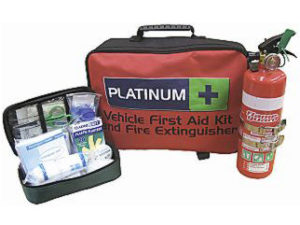
This kit is important to have if your work involves a lot of travel. It could be frequent road trips for deliveries, meetings or tours.
It also extends to the operation of heavy machinery and equipment. Such situations create more room for accidents for you and your employees.
It is best to have them safe, especially if they are alone.
You could consider Alsco’s light and compact, portable first aid kits that can fit any nook and cranny. Better yet, they are colour-coded, and thus easy to locate in an emergency.
They are ideal for trucks, boats, machinery and much more.
5. Fracture Kit
Sling and Orthopedic Cast Plaster
It is possible to DIY your way through this, and that is useful information to have. Mesh slings are much better to use in relation to comfort, especially in hot weather when having a sling can be quite bothersome.
Cast plaster is a shell, often made from plaster or fibreglass. It encases an injured part of the body to stabilise and hold anatomical structures (most often a broken bone) in place until healing is confirmed.
Cotton Undercast Padding
Injuries need to be taken care of well, but comfort is also paramount to this process. This is needed to make a proper cast for the fracture once it has been reset.
6. Managed First Aid Kits
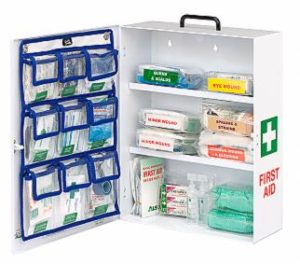
These kits are customised to meet your business needs.
Imagine having someone else regularly restock your kit every three months. You get quality hospital-grade material, regardless of your industry.
It will also be organised with colour-coded modules that work as guides for different emergencies.
Best yet, it is affordable because you are charged a single, all-inclusive annual fee!
Alsco’s managed first aid rental service takes care of everything.
7. General Trauma Kit
EMT Shears
They are designed for emergency purposes only. They are also known as trauma shears because they are meant to shear through cloth without running the risk of cutting you or your patient.
Gauze Bandages and Clips
They lack the sticky texture that other bandages have. They stay on with safety clips and make room for repositioning the bandage. The clips can also make the bandage more breathable.
Hydrogen Peroxide and Alcohol
Unlike other kinds of antiseptics, you can use hydrogen peroxide for oral use (rinse and gargle). Alcohol can be poured over dire wounds to minimise the risk of infection.
Duct Tape and Hand Sanitizer
Alcohol works with the same efficacy as a sanitizer, but emollients can be found in the medical composition. This quality mixture is kinder to your skin. Duct tape has so many uses! Find out more here.
Well, there you go!
You can now be more confident in your knowledge of first aid kits and what they should have. Keep in mind that you do not have to be the one to worry about the upkeep of your kit.
You can consider Alsco New Zealand for many more services than managed first aid kits.
Why choose Alsco?
- We are the best at offering both vehicle and workplace kits suited for your business.
- We will install and check them regularly for you.
- All these services are available for a single, all-inclusive annual fee.
Call us today.
All You Need To Know About Hi Viz Clothing
Hi-Viz clothing stands for high-visibility clothing. This type of clothing, usually workplace uniforms, is any type of clothing that is reflective and easily visible.
It is used in many industries to boost the safety of the employees and prevent all the accidents that could happen due to people not seeing each other in time. It is present in many industries.
Hi vis clothing is used for those who work in the traffic and/or need to spend time working on the roads. Another industry that is known for their hi-viz clothing is the construction industry.
People there need to wear hi-viz clothing so that they prevent accidents.
Additionally, all workers that are employed in different types of warehouses, shipyards, airports and similar industries where the heavy machinery is used and a lot of items are stored need to wear hi-viz clothing.
Hi-viz clothing regulations in NZ that dictate the standards which have to be met by the workplace hi vis clothing are AS/NZS 1906.4:2010 and AS/NZS 4602:1:2011. These standards include the colours allowed for hi-viz clothing as well as some of the requirements that deal with the amounts of hi vis fabrics and similar details.
Why Is Hi Viz Orange?
The most of the hi-viz clothing for outside workers is orange because this colour stands out from the green grass and natural surroundings the most. Hi viz standards in NZ regulate the colour of the hi-viz clothing. They propose yellow and red-orange only.
Entirely red clothing is not allowed because people with some types of colour blindness have issues discerning it from the surroundings. For safety hi-viz clothing to be useful, it also needs to meet some other requirements.
- Hi-viz clothing needs to have fluorescent material on both the front and back of the garment.
- The minimum of fluorescent fabric on hi vis clothing needs to be 0.2 sqm on the front and the same amount on the back.
- This amount of fabric does not include the patches covered by logos, reflective tape and other items.
- The reflective tape needs to be at least 50 mm wide.
Since it is quite difficult to create hi-viz clothing that is made out of natural materials, it is allowed to create underarm venting patches. They make the clothing more breathable and allow for more comfort, especially in the warm weather.
How Does Hi-Viz Clothing Work?
Hi-vis clothing ensures increased visibility of its wearers. This is achieved by including fluorescent or reflective pieces of fabric into the uniforms. These two types of fabric achieve increased visibility in two different ways.
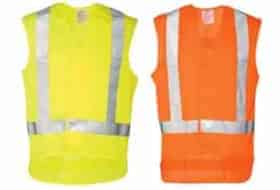
Reflective hi-viz clothing reflects the light that falls directly to it, under the right angle. If it is observed from angles that are not from the same direction as the light, the reflective tape is not that effective. It is usually used for the safety hi-viz clothing in traffic. This type of hi visibility uniforms is also used for nighttime. This type of hi visibility is usually achieved by hi viz tape for clothing.
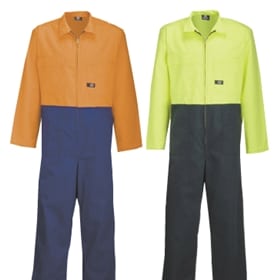
Fluorescent hi-viz clothing effect is achieved by colouring fabrics and materials with special types of dyes. This type of clothing is not suitable for nighttime use because it needs light to be visible enough. Namely, this type of dye uses short wavelength energy to convert it into glowing reflection. UV lights don’t have this type of energy, so this kind of hi-viz clothing is not usable under that sort of conditions.
How Many Classes of Hi Visibility Clothing Are There?
High viz clothing in NZ is classified into three classes depending on their appropriate use. There are Class D, D/N, and N.
Class N includes the type of hi-viz clothing that is used during the night. We already mentioned that the fluorescent dyes are not suitable for night use, so the visibility of these garments is achieved by hi visibility tape for clothing.
Class D is, obviously suitable for daytime use. Its visibility is achieved with fluorescent areas on the garments. Again, we already said that this makes them unusable during the night, but also under artificial lights, especially UV lights.
When these two types of classes are combined, you get Class D/N, which is hi vis clothing suitable for both night and day. This is achieved by combining the fluorescent patches and reflective tape.
How Often Should You Replace Your Hi Visibility Clothing?
It is best if you are able to replace your hi-viz clothing every six months. This goes for that hi viz garments that you use regularly. However, this lifespan of your high visibility uniforms can be seriously reduced if you are wearing it every day and under some conditions that can damage it.
Some of the things that can make your hi-viz clothing last shorter are:
- Extreme temperatures
- Bleach
- Extreme rubbing or wear
Therefore, extreme conditions and excessive wear can damage your hi-viz clothing. That is why it is important to inspect your garments after and before every use. That is how you will know if it is ready to be replaced.
You will know that it is time to replace your hi visibility clothing if you find that it has faded, is torn, dirty beyond the possibility of washing and not visible from afar.
There is another option when it comes to ensuring visible and sanitary hi visibility clothing. You can simply rent it from Alsco New Zealand. Alsco NZ has hi visibility clothing for NZ businesses which matches all the hi viz standards in NZ.
Moreover, we will deal with the cleaning, replacement, and maintenance of your rented hi vis clothing. It is all included in your price.
Whichever option you choose – buying or renting hi-viz clothing – it’s absolutely critical that you learn how to size your workwear properly.
Call Alsco NZ today, and we will explain this in more detail, but here is how our rental process works:
- You call Alsco NZ and tell us how much hi viz clothing you need.
- We agree on the frequency of laundering the hi viz clothing you ordered.
- We deliver the uniforms as agreed.
- After the usage, you dispose of the hi viz clothing so we can pick it up.
- We pick up the dirty garments and leave the clean ones for you to use.
The best part? All this is included into a flat annual fee that you can agree upon with our representatives right now. Call Alsco NZ and get your quote.
Photo courtesy of Freepick by Free Stock Center
What is Basic First Aid?
The basic first aid involves helping patients in the case of emergencies. This should be conducted in a way that is safe for the person providing the first aid, the patient and the bystanders.
The basic first aid includes:
- Dealing with cuts, bruises, scrapes, eye and head injuries, fractures
- Dealing with potentially life-threatening conditions
- Managing patients that are unconscious until the ambulance arrives
In the New Zealand workplaces, this means that there is usually at least one trained and certified first aider and one or more first aid kits. Some workplaces also opt for additional first aid equipment, such as AEDs, eyewash stations, trolleys, beds and similar items.
Alsco NZ should be your go-to place for all your first aid kit requirements. Our first aid kits are rental which means you don’t have to purchase them. They will be stocked and restocked regularly by our professionals. Meaning – no maintenance for you. It is all included in the price. Get your first aid kits today.
What Is First Aid and Why Is It Important?
First aid is every quick assistance that is provided for a person who has suffered an injury or some sort of illness. It is important for the following reasons:
- It can prevent minor injuries and illnesses from escalating
- It can help save lives
- It can buy the time for the patient until they get proper medical care
- It can reduce the inconvenient injuries that prevent people from performing their work duties
That is why it is important that workplaces have somebody who is trained in first aid. This person is the one who should manage the consequences of an emergency situation and provide enough time for the ambulance to arrive.
What Is the Procedure for First Aid?
Generally, all certified first aiders know about the course of action they should take to administer the first aid. However, for those that don’t have the refresher courses every two years, the abbreviation DRSABCD is usually useful.
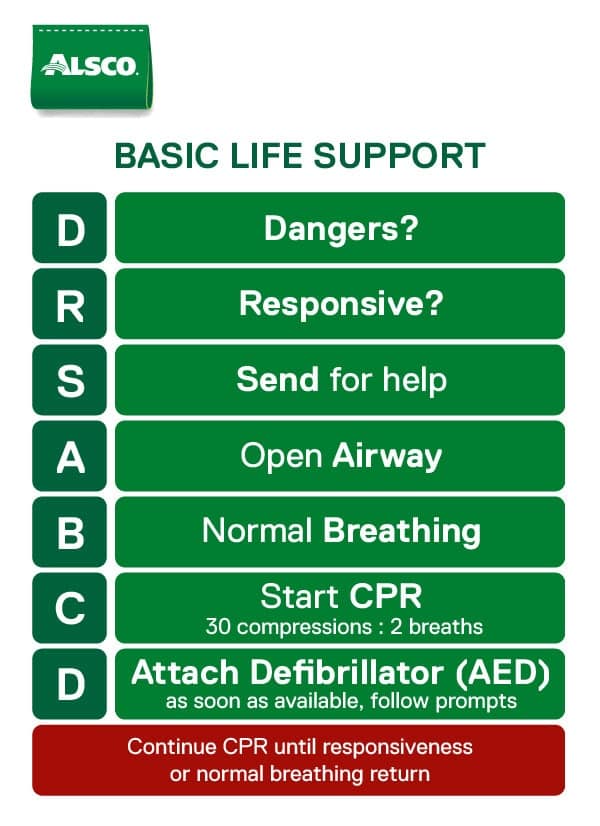
Here is the meaning behind this abbreviation:
- Danger – it should be eliminated prior to administering first aid. This doesn’t just include the patient. You should make sure that you are free from danger, as well as the other people present.
- Response – Establish if the person is conscious and responsive. This is extremely important as it can determine your next actions. Check responsiveness by talking to them, touching them or lightly shaking them. Never shake a child or an infant but rather pinch them lightly.
- Send for help – call 111. Give the operator all the answers in a precise and concise manner.
- Airway – it is important to check the person’s airways. If they are responsive and their airways are clear, learn how you can help them with their sustained injuries.If they are not responsive, you will need to open their mouth and look inside. Do that by tilting their head back and lifting their chin. You will need to unblock the airways if you can see the blockage in there. Turn the patient on their side before clearing the contents.
- Breathing – There are several ways in which you can check for the patient’s breathing:
- Looking at their chest for movement
- Placing ear next to their nose and mouth
- Placing hand on their lower chest to check for movement.
Unconscious patients who have detectable breathing should be turned on their side in a way that ensures that their neck and back are aligned.
- CPR (cardiopulmonary resuscitation) – CPR is started if the person is not conscious and they are not breathing. You need to start giving CPR as soon as possible and keep doing it until the person either restores their own breathing or the ambulance arrives. CPR works best in combination with AED in case the patient has suffered the cardiac arrest.
For proper CPR, the patient needs to be flat on their back, once you have them in this position, take the following steps:
- Place the base of your hand to the centre of their chest and grab your wrist with the other or place it over the hand pressing the chest.
- Press down so that you reach the 1/3 of their chest depth. Do it 30 times.
- Give them a breath of air by tilting their head back, closing their nostrils and slowly blowing into their mouth.
- Administer 30 compressions and 2 breaths interchangeably at a rate of 5 times within 2 minutes.
- Defibrillator – Automatic External Defibrillator or AED is an electronic device that, when placed on the patient’s chest analyses its heartbeat. If the heartbeat is irregular, it administers an electric shock and resets the heart. Anybody can use an AED since it comes with simple audio and written instructions. It is usually automatic which means you just need to attach it and leave it to do its job.
What Is the Legal Requirement for First Aid at Work?
The law offers the following guidelines when it comes to workplace requirements. The entirety of the responsibilities for the workplace first aid is on the PCBU – the employer:
Duty to provide first aid
(1) A PCBU must ensure that—
(a) adequate first aid equipment is provided for the workplace; and
(b) each worker at the workplace has access to the equipment; and
(c) workers have access to facilities for the administration of first aid.(2) A PCBU must ensure that—
(a) an adequate number of workers are trained to administer first aid at the workplace; or
(b) workers have access to an adequate number of other persons who have been trained to administer first aid.(3) In complying with subclauses (1) and (2), the PCBU must have regard to all relevant matters, including—
(a) the nature of the work being carried out at the workplace:
(b) the nature of the hazards at the workplace:
(c) the size and location of the workplace:
(d) the number and composition of the workforce at the workplace.(4) A PCBU who contravenes this regulation commits an offence and is liable on conviction,—
(a) for an individual, to a fine not exceeding $10,000:
(b) for any other person, to a fine not exceeding $50,000.New Zealand Parliamentary Counsel Office
First Aid for Workplaces – A Good Practice Guide from the Department of Labour translates this into a first aid kit on every 50 employees and/or a first aid kit on each floor or separate facility of the workplace. Company vehicles should also be equipped with first aid kits.
Is your workplace one of the most responsible ones – a school?
If yes, besides the basic first aid, you should also be familiar with the legal requirements for school washrooms. Read this School Washroom Guide and find out whether your workplace meets the necessary New Zealand school washroom standards.
Contact Alsco New Zealand to help you with ensuring your workplace has the appropriate and well-positioned first aid kits. We will rent as many kits as you need, stock them, restock them and check them for you. It is all included in a rental price. Get first aid kits for your workplace today.
6 Ways to Keep Your Employees Safer This Summer
“A life without love is like a year without summer”– Swedish proverb.
Summer is a fabulous season of the year; nature is at its best! Think of the breathtaking views, warm weather and longer days.
Summer is a full feast of nature, and a perfect invitation to spend more time outdoors. For employees hunkered down at the office all year, summer is a time to take a break.
For those still at work, it’s a time to enjoy team-building exercises. Fun activities such as biking and hiking are also scheduled this time of the year.
Summer is a time full of fun, but the activities of the season pose great safety risks for your employees.
In 2019, there was a 24% increase in preventable drowning cases in New Zealand. 34 people died on New Zealand roads in December of 2018. The number is four more than the average number of the last five years.
An estimated 5,000 – 6,000 hospitalisation cases each year are due to work-related ill health.
Combined with having to work under spiked temperatures, summer has its challenges.
Thankfully, this article talks about six ways to keep your employees safer this summer.
Before we delve into that, here are some common summer emergencies you should be aware of.
Heat Exhaustion and Dehydration

Temperatures swell in summer, and the excess heat can easily cause problems on the human body.
Heat exhaustion is caused by water and salt depletion in your body. The condition is worsened by physical activities such as working or sporting. Employers are to ensure that workplaces are safe and conducive to good health.
Symptoms of heat exhaustion include dizziness, nausea, vomiting and muscle cramps.
If left untreated the condition can lead to a heat stroke.
Useful tips:
- Administer fluids.
- Cut out any unnecessary physical activities.
- Move to the shade as you seek medical assistance.
Swimming/Drowning Accidents
Swimming workouts are an excellent way to crank up your whole body.
For your employees, swimming is an excellent way to manage stress and to keep fit. The exercise is also a mood booster, and your office needs to be happy, right?
Whether it’s for a break or part of your team building activities, swimming for employees is a plus. The warm summer weather provides a perfect background for this activity.
It can be fun-filled, but there is also a risk of drowning.
Useful tips:
- Offer swimming lessons.
- Ensure a lifeguard is on duty.
- Provide CPR training.
Food Poisoning
Do you provide a catering service for your employees? If your answer is yes, then you definitely have to worry about food poisoning. Food provided at the workplace should meet food safety standards.
The summer season is also a time of office parties. As you get on with providing catering, ensure that the food is prepared and maintained to the highest standards.
Useful tips:
- Ensure high hygiene standards.
- Seek help in case of an emergency.
Skin Injuries: Burns and Cuts
Skin injuries are common in summer because more time is spent outdoors. The summer allows people to spend time at the beach with workmates, family or friends. Summer is also the time to enjoy cookouts and barbeques.
It is important to encourage your employees to take precaution to avoid getting hurt.
Useful tips:
- Wear sunscreen.
- Carry protective clothing.
- Provide first aid training.
Road Accidents
Isn’t summer just the time to enjoy travel?
Travel during summer could be for work or leisure. Remind your employees not to throw caution to the wind as they cruise down those roads.
Useful tips:
- Always exercise caution on the road.
- Use vehicle sunshades and sunglasses to improve visibility.
- Provide basic first aid and carry a first aid kit to work outings.
Fire Accidents
A lot of fire accidents occur during the summer. This is because people are out to have fun, and may easily forget to put out the fires.
Useful tips:
- Ensure fire pits and grills are 3 feet away from any structure.
- Use fire starters or kindlers.
- Keep a bucket of sand, fire extinguisher and water source close by.
- Keep your grill clean to avoid grease fires.
Hiking/Camping Accidents
Hiking and camping activities are also scheduled in summer. The risks of accidents occurring are high in the great outdoors and so precautions should always be taken seriously.
Useful tips:
- Carry a first aid kit.
- Wear protective clothing.
- Pack some snacks and water.
- Ensure you have navigational tools like GPS devices.
6 Ways to Protect Your Employees
1. Create a Cooler Workplace
In many workplaces, high temperatures are a common problem.
Industrial setups such as warehouses or manufacturing plants can experience even higher temperatures. This poses a great risk to workers already burdened with heavy protective clothing. There is, therefore, a need to create a cooler workplace.
Use Ventilation
The traditional solution involves the use of ventilation. The use of fans, opening of doors and windows could work in a normal office set up. This is not enough in industries where outdoor dust can interfere with machinery.
Invest in a Cooling System
To keep employees safe, it is important to invest in a mechanical cooling system. This is effective for offices and industries as it also allows dehumidification.
2. Provide Water/Hydration Stations
An adequate supply of water should always be provided to employees. Employers must also provide disposable cups.
Employees working outside also have a right to drinking water.
Drinking dispensers should be regularly cleaned to avoid contamination.
Employers should also encourage workers to stay hydrated at all times. Hydration stations should be strategically placed for easy access by everyone.
3. Encourage Regular Work Breaks
Every worker has the right to work breaks.
During the warmer weather, exposure to heat can lead to serious complications including:
- Heat cramps
- Heat exhaustion
- Heatstroke
To protect workers from heat-related illnesses, allow them to rest in air-conditioned rooms. Those working outside should also rest in trailers or in the shade.
Rest periods do not necessarily have to be unproductive times. Your employees could carry out lighter work or receive training.
4. Offer First Aid and CPR TraininG
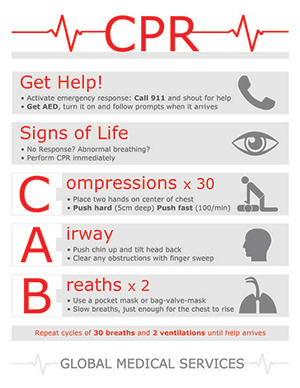
While summer graces us with many happy occasions, accidents are also bound to happen.
Employers are obligated to offer first aid training and equipment employees.
First aid kits are essential for any workplace set up. They come with first aid supplies which enable one to act efficiently in case of an emergency. When accidents happen, trained employees will be able to take the right action to save lives or prevent further injury.
First aid training helps in making employees more conscious about workplace safety. This helps in reducing the number of accidents or work-related injuries. It teaches employees how to use first aid kits in case of an accident.
First aid training also helps in creating a more positive workplace. It is your opportunity to prove that you care about your employees.
5. Have a Rapid Response Team in Place
A first aid response team is crucial in emergency planning. Emergency response teams should be familiar with their roles and responsibilities.
They should also be trained in first aid to ensure that they save lives.
A rapid response team can consist of outsiders or it can be part of your personnel trained on first aid. A contracted safety or first-aid company is an example of a rapid response team consisting of outsiders.
Having a rapid response team in place:
- Increases chances of survival in accidents.
- Contributes to hazard prevention and reduction of accidents and injuries.
- Helps in identifying and assessment of workplace risks.
- Improves employees morale.
6. Promote a Safe Workplace Culture
How do you actually do things at your workplace?
Building a positive safety culture involves changing the attitudes and behaviours of workers.
To build a good workplace safety culture:
Communicate
One way to build a strong safety culture is to communicate. Effectively and often.
Hold weekly or monthly meetings on safety and discuss how to improve it. Make safety policies readily available for all employees and keep communication channels open.
Lead by Example
As management, you are more convincing when you lead by example. Take a lead on following safety precautions and your employees will follow suit.
Provide Training
Training employees makes your employees more knowledgeable about safety hazards all around them. It also demonstrates your level of commitment to their safety and well-being.
Involve Employees
Involving employees in safety helps in building a strong safety culture. It also allows you to receive feedback on areas you may need to improve on.
Reward Positive Behaviour
Rewarding positive behaviour helps in boosting morale amongst employees. It also promotes the safety culture at your workplace.
Get Started: Promoting a Positive Safety Culture at Work
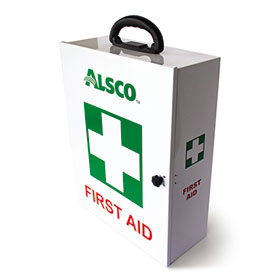
To keep your employees safe this summer and beyond, you’ve got to promote a safety culture:
- Take preventative safety measures.
- Involve all employees in safety education.
- Reward those who adhere to safety regulations.
Lastly, always plan ahead as you never know when disaster strikes. Having a first response system will save you a lot in case of an accident!
With vast years of experience, Alsco provides you with rented emergency response systems that are perfect for your workplace. We also offer a wide range of first aid services to suit your business. Contact us today to find out how we can help your business prosper.
7 Hottest Germ Danger Zones in Your Kitchen
Did you know your restaurant kitchen may look clean but still have germs lurking in it?
A restaurant kitchen is an ideal breeding ground for various types of bacteria.
This is because food leftovers can spill from visible areas to germ hot spots. These germ danger zones usually go unnoticed during cleaning.
A dirty kitchen area also invites pests that spread contaminants to restaurant utensils. In turn, your business may face “dire consequences” due to complaining customers.
You don’t want your customers or staff to get sick due to a poorly maintained kitchen. That said, here are the seven hottest germ hot spots in your restaurant’s kitchen.
The Food Preparation Table And Countertop
Kitchen countertops are the workhorse of any restaurant. But they are also one of the dirtiest areas.
You may wonder how this is even possible when your staff always cleans them. It turns out; you need more than just wiping down these areas.
The reality is that many food preparation tables and countertop material are porous.
And germs can flourish on such porous surfaces because they find exactly what they need:
- Food
- Comfortable temperature
- moisture
According to a CBS News report, 18 per cent of kitchen countertops have mould while 32 per cent harbour coliform bacteria.
Some typical example of coliform bacteria include:
- E-coli
- Salmonella
How To Disinfect Your Food Preparation Tables And Countertops
Wiping down your restaurant kitchen surface isn’t enough to kill germs. Here is how you should disinfect these surfaces:
- Use a paper towel or microfiber cloth to wipe away visible debris and crumbs on the table.
- Mix hot water and Auto-Dish Washing Liquid in a basin.
- Saturate a paper towel with the soapy solution and carefully wipe the countertop.
- Once the table is clean, use Fresh & Clean Challenge to clean and disinfect the surface.
- Let the disinfectant air-dry for at least 10 minutes.
- After the surface has dried, rinse it with fresh water.
The Chopping Board

Did you know that chopping boards are 200 times dirtier than your toilet seat?
Although you may be washing these boards after every use, this doesn’t protect you from all types of germs.
This is because chopping boards easily transfer bacteria from raw meat, fruits and vegetables to other surfaces.
The types of germs that thrive on these boards include:
- Coliform bacteria
- Yeast
- Mould
How To Disinfect Your Chopping Boards
- Place the chopping board in a clean and empty sink.
- Run hot water over its surface to remove any food particles.
- Soak a clean cloth in hydrogen peroxide or vinegar.
- Wipe the chopping board with a cloth and leave it for a few minutes.
- Rinse the board with hot, clean water.
Note that you can also use bicarbonate of soda to deodorize the board before using vinegar.
The Kitchen Sink
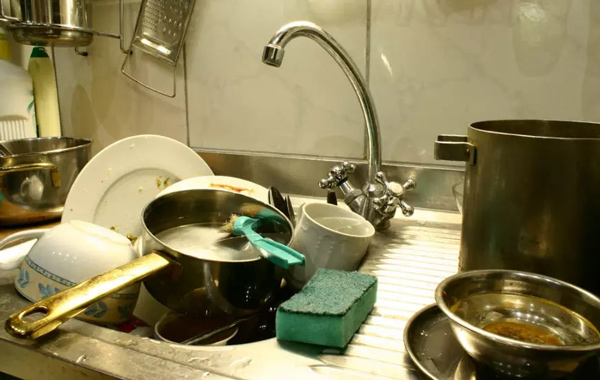
Your kitchen sink gets contaminated with germs when you wash raw foods in it. Additionally, sponges, mops and cloths rinsed in the sink contribute to its contamination.
Some common germs you can find on your kitchen sink include:
- Coliform bacteria
- Mould
How To Disinfect Your Kitchen Sink
- Clear the sink of any items like dishes and food scraps.
- Run water to remove any visible crumbs.
- Mix some warm water and dishwashing soap.
- Dip a sponge in the solution and scrub the entire sink basin.
- Use baking soda to remove sticky stains if the dishwashing solution isn’t effective.
- Rinse the sink with clean water and wipe it dry using a microfiber cloth.
The Garbage Disposal
The garbage disposal unit collects germs from various types of raw food. This includes spinach, chicken or eggs that are filled with bacteria.
While you may manage to keep your garbage disposal always smelling fresh, it’s quite hard to keep it absolutely bacteria-free. The most common type of bacteria that thrive in the disposal is salmonella bacteria.
How To Disinfect Your Garbage Disposal
- Turn off the disposal.
- Apply Auto-Dish Washing Liquid to an abrasive sponge.
- Use the sponge to scrub its baffle thoroughly (frequently rinse the sponge to remove any gunk).
- Use the sponge to wipe down the top of the grinding chamber (repeat until there is no gunk).
- Pour about half a cup of baking soda into the unit followed by vinegar.
- Cover the drain opening for some minutes. This traps the fizzing caused by the mixture of vinegar and baking soda.
- Remove the stopper and use hot water to flush the disposal.
Scrubbers And Sponges
Ironically, your kitchen scrubbers or sponges, that you use to keep other items clean, maybe the dirtiest. A study on microbiome shows that scrubbers and sponges that are regularly washed using soapy water harbour a lot of bacteria.
Understanding how to keep them germ-free and clean can increase their lifespan as well as reduce the spread of bacteria.
Germs that thrive in sponges
- Salmonella
- E.coli
- Staphylococcus
- Moraxella osloensis
How To Disinfect The Scrubbers And Sponges In Your Restaurant’s Kitchen
- Fill a basin or your kitchen sink with a gallon of water.
- Add ¾ cups of Fresh & Clean Triple-X bleach.
- Soak your scrubber or sponge in the sink and wait for a few minutes.
- Remove the sponge, and it’s now ready for use.
The Refrigerator
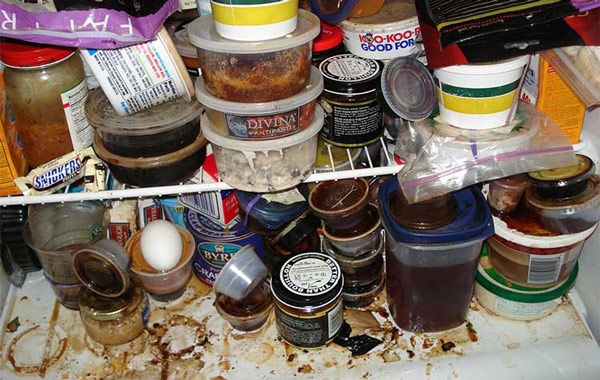
Why do some food products go bad even after being stored in a refrigerator?
According to Which?, Seven in every ten refrigerators harbour harmful bacteria. Even though refrigerators slow down microbial growth, they can easily turn into a breeding ground for bacteria if it’s not kept clean.
Micro-organisms such psychrophilic bacteria can thrive in extremely low temperatures.
Usually, psychrophilic microbes are found in glaciers. This means that they can survive even in a freezer
How to Disinfect Your Fridge
- Remove all food items from your fridge.
- Take out the refrigerator drawers, shelves and other removable parts.
- Wash all the removable parts by hand using hot, soapy water and dry them with a clean towel.
- Wipe the interior of the fridge using hot, soapy water.
- Rinse the soap off using clean water.
- Dry the refrigerator using a clean towel.
- Mix one gallon of water and one tablespoon of liquid bleach to sanitize the fridge (optional).
- Return the drawers, shelves and food items in the refrigerator.
- After you have finished, wash your hands with soap and water.
- Don’t leave food out of the refrigerator for more than two hours.
Microwave Plate, Handle, And Control Panel
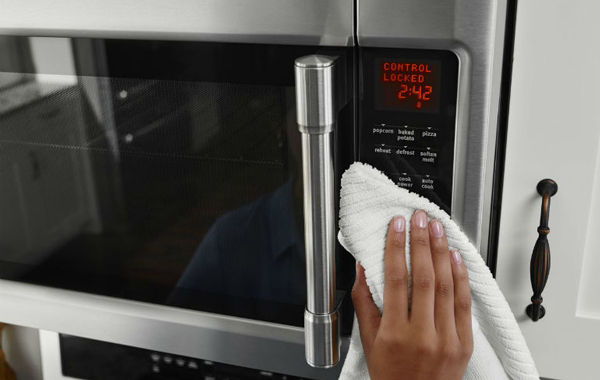
Like other appliances in your kitchen, your microwave needs regular cleaning. A study by Kimberly-Clark Professional shows just how the exterior of a microwave can be full of germs.
When you use a microwave for cooking, food leftovers are usually stuck to the bottom, top and sides of the oven.
Therefore, if you don’t clean your microwave in time, it will be swamped with germs.
Some of the germs you’re likely to find inside and outside your microwave include:
- Mildew
- Mould
- Coliform bacteria
How To Disinfect The Inside Of Your Microwave
- Mix lime or lemon with one cup of water (you can also use vinegar) in a microwave-safe bowl.
- Place the bowl inside the microwave and turn it on.
- Leave the mixture to boil until the microwave window is steamy.
- Allow the microwave to cool for about 5 minutes.
- Remove the bowl and clean the inside using a microfiber cloth.
How To Disinfect The Outside Of Your Microwave
- Pour some rubbing alcohol on a microfiber cloth.
- When the cloth is damp, use it to clean the control panel, and the handle of the microwave till it’s shiny.
Choose Alsco For All Your Restaurant Kitchen Deep Cleaning Services
A study by NSF International reveals that your kitchen could be dirtier than your bathroom. The research found coliform bacteria in:
- 32% of countertops
- 18% of cutting boards
- 45% of kitchen sinks
- Over 75% on kitchen counters.
These statistics show how dirty your restaurant kitchen can be if you don’t take necessary measures. You can maintain a high level of hygiene by sanitizing kitchen germ hot spots.
You can order kitchen deep cleaning supplies from Alsco and sanitize your restaurant kitchen without much strain. Some of these supplies include:
- Sanitizing solutions
- Cleaning protective ear
- High-quality soaps and detergents
You can also contact Alsco in New Zealand if you are looking for a sparkling-clean kitchen. One that gets you returning customers.
Enhance Your Employees’ Engagement on Health and Safety Matters: 3 Sure Ways
An engaged employee is a safe employee. A study by Gallup found that employees in high engagement workplaces reported fewer accidents, with 25% of the top engaged workplaces experiencing 70% fewer incidents than those in the bottom 25%.
The importance of increased employee engagement in safety is clear. Managers should aspire to create an environment that keeps employees excited about safety. A different study by Queen’s University reveals 20% lower absenteeism in engaged workplaces. Employee turnover also decreases by 26%.
How can you reap these benefits for your company? There are steps you can take to increase employee engagement today.
1. Optimise Safety Training
Teaching adults is very different from teaching children. Participatory methods that take advantage of their life experiences will create success. When you tweak programs to suit the participants, it increases adoption. This way, you achieve integration of the training into daily work activities.
Personalise the Benefits
A strong training program focuses on making safety as personal as possible. It should not be about helping the company meet regulatory requirements. A personal touch ensures workers are happy to protect their future. Personalisation includes:
Personal Perspective
What’s in it for them? Adults are juggling many things at the same time. Show how the training can improve their lives and watch them get interested. Lead with personal benefit instead of compliance. When they understand safe work practises ensure they get to watch their kids grow, they pay attention.
Benefits Outweigh the Burden
When listing the safety regulations, frame them in a way that caters to the worker’s needs. For example, if they have to wear a respirator mask, talk about the effects of inhaling dust on long term health. Once they realise the true repercussions of dangerous work are personal, things change. They’ll comply from a sense of self-preservation.
Compliance Benefits the Workers and the People in Their Lives
Encourage long term thinking that prioritises safety versus getting a task done. When a worker lives for today, they can be reckless and sustain an injury that leaves them unable to work in the future. Make this clear during the training. It will shift mindsets and help them to understand the importance of staying safe.
Use Engaging Teaching Techniques
Once you get your training material right, check your delivery techniques. Create a teaching plan that is mindful of instruction time. Ensure you leave participants with actionable tips and knowledge. Avoid training sessions that feel like a waste of time.
You can improve your sessions in the following ways:
The Ideal Session Length
Do you understand the psyche of an adult learner? While they’re able to sit through 90 minutes of instruction, they retain only 20. Break the training into themes and include breaks to prevent eyes from glazing over. Try toolbox talks to breakdown the material into bite-size chunks. A good example is this kit from OSHA
Build Behavioral Objectives
These are training objectives that enable you to measure effectiveness. Use SMART goals which are Specific, Measurable, Achievable, Relevant and Timely. Strong training programs help in creating behavioural change. Set behaviour objectives that cater to the unique nature of your audience.
Define the audience and consider whether your content matches their needs. Identify the exact behaviour that needs to change as a result of training. Use the training to fill skill deficits.
2. Adjust Your Leadership Style
The main component of participative management is collaboration. Leadership goes beyond enforcing rules and directing your workforce. It involves fostering collaboration through empowerment and problem-solving.
Consult Staff in Health & Safety Concerns
A common mistake by managers is viewing employees only as a way to get things done. They do not give them a chance to contribute. Avoid these mistakes through the following:
Listen to What Employees Have to Say
Employees feel valued and engaged when what they say is appreciated. Create an environment where you consider the issues and suggestions raised by employees. It will encourage them to take ownership of their work.
Engage Employees in Decision Making
Managers assume they have all the information needed to make decisions on safety. Valuable insight comes from the intellect and experience of employees on the frontline. Learn to consult before making a decision that affects how people do their work. The best tool for improving safety is leveraging insights from the people who do the work.
Ask for Input
Questions are the best tool for a good manager. Some employees never step forward with solutions yet they offer answers when asked. Ask for the thoughts of your employees to be a truly participative manager.
Managers Should Lead by Example
Prove that you are trustworthy by delivering on commitments and promises. Don’t make unrealistic promises while attempting to win cooperation. Broken promises breed resentment and a wedge between management and staff. Only promise what is possible to reassure your team that you’re working for their welfare.
Remember that your team is always watching what you’re doing. They are likely to do exactly what you do since it shows your values. When you use your position to set a positive example, everybody will follow it. The staff also know you are a person of integrity who believes in the policies they create.
Make it a habit to interface with the staff by walking around to mingle and talk to them. It’s hard to take directives from a boss who is absent so become accessible. Take a walk around to listen and chat with your team.
Use Positive Reinforcement to Build Habits
Humans are creatures of habit and will always do more of the things that bring good consequences. With positive reinforcement, you encourage a culture of ownership and safety. Praise the efforts your team makes. Practice positive reinforcement through these simple steps:
Recognise and Reinforce Employee Achievements
The simple things make the biggest difference. Thanking the team for a continued period of safe operations or praise for valuing safety will go a long way. Employees are happy to go above their job description when efforts are acknowledged and praised.
Share Information and Insights
Create a feeling of inclusion by keeping everyone in the loop. Become a great leader by creating communication systems between all employee levels. Participative communication is the distinction between good and great leadership
Support Ongoing Employee Development
Provide resources and support to help your employees succeed in their project. These can be things like sparing time for a review to lending a listening ear for a decision they need to make. Sometimes this support is a form of training that can empower them.
3. Create a Culture of Safety
Culture is how things get done in your company. It’s not enough to create a great training program and train your staff. You need systems that encourage people to include safety as a part of their day to day work. Here are some practices that you can implement to get started:
Introduce Safety From the Recruitment Stage
The interview process is more than a chance to know the candidates. It’s a chance to show your company’s core values and priorities. From the start, prospective employees should understand that safety is your central value. Do this through simple things like safety reminders around your workplace. Include safety training in the onboarding process.
Create Open Communication Channels
Employers must focus on listening, considering and respecting the ideas from your employees. It encourages your team to come to you with concerns and solutions. Invest in their future by providing the safety skills that they need. When you keep your staff empowered, they become confident and foster a culture of safety. Get your staff excited about safety, to encourage them to be accountable to each other.
Review the Safety Processes
Are your uniforms and equipment up to date? Provide your team with the recommended tools and uniforms for your industry. To manage uniform logistics, get a reliable vendor who understands safety regulations. It will save you time and heartache.
To encourage accountability, choose safety reps that lead their peers through safety exercises. They can be great assets in encouraging your staff to share their point of view, which in turn can prove an invaluable insight into improving your current safety processes.
Conclusion
The steps to improving safety in your organisation are fairly simple.
You need to change your leadership style, review your training materials and create a culture of safety.
With consistency and a commitment to implementation, your organisation will become safer in a sustainable way.
Article contribution by Alsco New Zealand. Alsco aims to help create a healthier and safer workplace by providing affordable yet high-quality uniform rental service and hospital-grade first aid solutions.
Photo: Wallpaper Flare
6 Steps To Train Your Employees To Become Deep Cleaning Pros
There is no doubt, as a restaurant owner you understand the importance of hygiene.
You may even argue that you carry out scheduled cleanups several times a day.
Yet, a huge upcoming event can throw you into disarray and may expose how much more you need to be cleaning.
What do you do when you discover cobwebs on the roof, wall splatters and grime in the areas you never imagined?
Washrooms are also a key area that should not be forgotten in your cleaning schedule. Due to the high numbers of visitors, washrooms are prone to develop dirt and grime.
Washrooms carry dirt that is not always visible to the naked eye. Yet this can maim your image and lower your hygiene ratings.
Food establishments should be more vigilant when it comes to maintaining hygiene standards.
Did you know unsafe food causes more than 200 diseases? These range from diarrhoea to cancers.
Foodborne illness affects people all over the world:
- Almost 1 in 10 people fall ill after eating contaminated food and 420,000 die every year.
- Every year, contaminated food causes illness in 550 million people and deaths in 230, 000.
Research indicates there are more than 250 foodborne diseases.
Hand washing is important in preventing the spread of germs and disease. Hand washing:
- Reduces the number of people who get diarrhea by 23-40%
- Reduces related illness in people with low immune systems by 58%
- Reduces respiratory illnesses in the population by 16-21%
Your staff members are the front line in the implementation of a good hygiene policy.
They are the forebearers in maintaining the cleaning standards set for your business.
Employees cannot do it alone. They need your support and commitment through training.
No matter what your business is, training your employees on cleanliness has benefits:
- It provides employees with confidence in their quality of service
- Makes employees efficient, more productive and happier
- Reduces the spread of infections and diseases
- Creates a safer, healthier environment
- Training gives your company an edge over others
- In the long run, training helps in cutting cost
Steps Involved in Training Your Staff:
Are you looking for a sustainable solution to cleaning problems?
How about getting experienced experts to clean and train your employees.
- They will offer you the highest quality cleaning service.
- They will customise their services to meet your needs.
- They will provide you with environmentally friendly cleaning products.
Establish Hygiene Standards to Be Adhered to in Your Restaurant
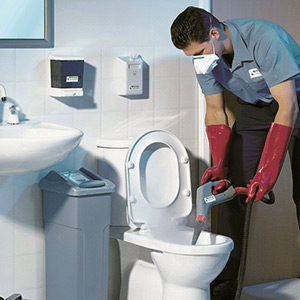 Alsco’s Deep Clean Services eliminates all mould, mildew and fungi.
Customers are very specific on the kind of restaurant they chose to step in to. Restaurant hygiene plays a major role in determining their decision.
Establishing hygiene standards help in keeping your staff and your visitors safe. It is also important in maintaining a positive perception of your restaurant.
Hygiene standards provide a sense of direction for both trainers and trainees. Trainers can identify blind spots and help your employees improve these areas.
Trainees are fast learners and will quickly adapt to areas they were previously missing out on.
Examples of hygiene standards include:
Personal Hygiene Practices and Cleanliness Standards
- Food handlers must do their best to avoid food contamination.
They should:
- Dress in proper workwear
- Follow special handwashing rules
- Report to their supervisors when they feel sick
Instead of encouraging staff to come to work when they are feeling unwell, to avoid being short-staffed. Create an environment where staff feel comfortable to call in sick. No one likes a sneezing server or runny-nosed chef.
Food Hygiene
Food handlers have a huge responsibility in enhancing food safety.
An effective way of meeting hygiene standards is by ensuring staff are well trained on:
- Proper handling
- Storage
- Cleaning techniques
Washroom Hygiene
Your washroom hygiene speaks volumes about the way you run your business. It also impacts on the morale of your workers and your visitors.
- Schedule a regular cleaning routine
- Enforce washroom etiquette
- Hire deep cleaning service experts
Proper Handwashing
Dirty hands can lead to the spread of germs and diseases.
Proper handwashing entails the use of water and handwashing soap. It also means that you have to provide the best hand drying options for your staff and customers.
2. Provide All the Necessary Equipment and Supplies
Use of practical skills ensures your trainees understand how they should conduct business.
Better knowledge and skills can also help in boosting employee morale. Happy employees are likely to stay longer at your company.
Provide all the necessary equipment and supplies needed in the deep cleaning training.
Effective training must ensure that trainers and trainees are well equipped. From brushes and scourers to gloves, all these resources have an impact on training.
For trainers, a supply of all they need ensures that the training runs smoothly and is productive. It also enables them to monitor the progress of the trainees.
3. Request for Feedback From Your Trainees
Feedback is valuable information that can be used to implement future improvements. As a restaurant owner, it is important to request feedback from your trainees.
Check for the knowledge gained by your employees by gauging how much they are able to share.
Go through activities performed in training to see how much they actually learnt. How much are they sharing with the junior staff?
Reviewing training helps identify any grey areas trainees may not be satisfied with.
It also helps you know how the trainees reacted to the training. If they found it valuable, you can learn how to improve future learning experiences.
Feedback is also important for trainers. It can help them look for ways to improve on future engagements.
4. Evaluate Training Results
The best way to test training results is to see if what was trained is being adhered to. Can you identify any changes after training is complete?
The way to tell that training has been effective is by measuring its impact on your staff.
Training that is impactful leads to improvements in cleanliness. It also leads to a change of attitude amongst workers and an increase in productivity.
How About Starting That Deep Cleaning Training Today?
Employee training is key in meeting hygiene standards set out by the government.
Providing proper training is essential in getting the job done safely and efficiently.
Training your employees helps in improving their capabilities and boosting their morale.
A well-trained employee is an important asset of the company.
While many companies offer deep cleaning training services, be sure to enlist the right company for the best results.
Photo: Sean Mulgrew
How to Keep Your Office Washrooms Looking Professional All Day Long
Let’s be honest, an employee working for eight hours is likely to visit the office washrooms at least three times in a shift. And the number of visits could increase depending on individual needs.
This could be a person who needs a touch up before an important meeting or a moment away from all the workplace madness. It’s true. Some people use the washroom area to find peace and quiet.
They also use their phones in the washroom. Only 32% of people interviewed in a study found it impulsive to use a phone during a bathroom break.
Another study indicates that some people can spend up to 28 minutes in the bathroom while at work.
Workplace hygiene is of utmost importance. Health and safety regulations stipulate that employers must provide suitable toilet facilities. And the government of New Zealand has extensive guidelines. Employers must also provide:
- Tissue
- Running water
- Soap
- Clean towels or other effective means of drying hands
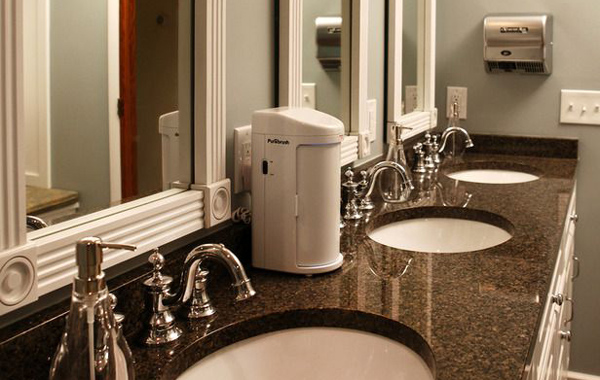 Source: pinterest.com
Productivity in the workplace is a joint effort between employers and employees. The two parties must work together in establishing a great working environment.
Maintenance of your restrooms has an impact on your employees. Employees feel valued and appreciated when employers provide washrooms with excellent hygiene standards.
Whether it’s replacing the paper towel or refilling the handwashing soap, every effort made is a plus. It makes your workforce happy and more productive.
Here Are 4 Ways to Keep Your Washrooms Looking Professional All Day Long
1. Regularly Clean and Sanitize the Washrooms
There’s nothing as horrible as a stinking office bathroom.
Nobody wants to go in and it is unsettling to think that germs could be making their way to your work desk. What’s worse, unclean washrooms harbour dangerous bacteria which can spread disease.
Lack of access to basic sanitation and poor hygiene cause nearly 90% of all deaths that result from diarrhoea. 87% of the world’s population has access to improved water sources. Yet 39% still lack access to improved sanitation.
Cleaning and sanitising your bathrooms will leave them sparkling and smelling fresh.
Cleaning once a day is adequate for a small office. Yet, high traffic washrooms may need to be cleaned several times a day.
Here are a few reasons why you must clean and sanitise your office washroom:
Improve Hygiene
Washrooms attract a lot of dirt and grime. Shared office washrooms are bound to have a build-up of dirt carrying all sorts of germs and bacteria. This can lead to diseases such as influenza, Norovirus and COVID-19.
Eliminate Bad Odour
Unclean washrooms tend to emit bad smells. This can affect employee productivity.
Quality products can get rid of such smells, and leave the place smelling fresh and clean.
Getting professional help is also a great idea. Experts know the best ways to deal with washroom odour in a matter of minutes.
Saves Time and Money
Regularly cleaning washrooms prevents the build-up of dirt. The longer you take to clean up the mess, the more difficult it becomes.
Dirt that has clung to surfaces for long periods of time may be difficult to clean. It may also cost you money as you involve experts and buy more aggressive products.
Additionally, some washroom fixtures may get damaged in the process. To avoid all this, keep your office washrooms hygiene in check at all times.
2. Refill Hand Soap Dispensers
Employers should ensure office washrooms have hand soap dispensers.
Germs can be passed by touching various surfaces including work desks. Washing hands with soap limits the spread of germs that lead to microbial diseases.
It also helps protect you from the flu and other viruses at work. Proper handwashing is one of the many preventative actions against the spread of the flu virus at work.
Some washroom soaps are contaminated and this makes them unhygienic to use.
Sealed soap dispensers are a better option in maximising office hygiene. They come covered to limit the spread of germs and other bacteria.
Providing hand care facilities encourages employees to wash their hands properly and with soap. This is because they feel assured that touching the soap isn’t more risk than it’s worth.
There is a wide array of handwashing soaps available on the market. They come in different sizes and the different fragrances that also add to your range of options.
Scented handwashing soaps can also help keep your office washroom smelling fresh.
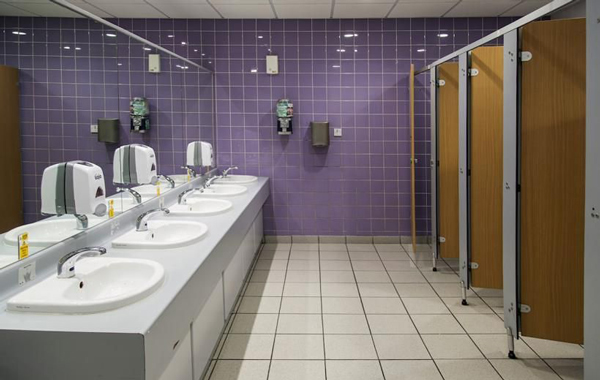
3. Install Automatic Fresheners
 Source: pinterest.ph
It is no secret, bad-smelling washrooms will send your clients away. They may also slow your workforce, as they look for other options such as a coffee run.
Having a great smelling workplace is an indicator of how much value you place on your employees. Additionally, it also creates a good impression of your business on your visitors.
Automatic air fresheners are a good investment for your office. They release different scents which help in keeping the office environment happy. A nice smelling washroom increases the likelihood that visitors will stay to properly wash their hands.
Automatic air fresheners are convenient and release the perfect amount of product at intervals. They are also cost-effective, making them a better option than manual air fresheners.
4. Offer Hand Drying Options
Hands that aren’t dried properly are almost as bad as hands that aren’t washed.
Proper hand drying is an important step in handwashing. It prevents the spread of germs through surfaces that people touch. Bacteria thrive in the moist environment wet hands offer.
Washrooms offer two primary drying options:
- Paper towels
- Hand dryers
And the supremacy battles between the two options continues.
Good managers should ensure that their employees have a hand drying option available that suits the employees and the workspace.
Alsco’s excellent service offers multiple hand drying options. No matter the option you chose, the main goal is to keep germs at bay.
Alsco’s hand drying options are:
- Environment friendly
- Available in a variety of ranges
- Elegantly designed
- Extra quiet
- Ultra-fast at drying hands
Get Started: Schedule Proper Washroom Maintenance
Planning is important in ensuring office washrooms are maintained as they should be. Staying up-to-date is a difficult task that you probably don’t have time for. You need to:
- Schedule a duty roster and ensure it is adhered to.
- Implement a daily routine upkeep plan to maintain the standards that you want for your company.
- Introduce a hygiene policy to ensure that the staff know what is expected of them.
Wondering if there is an easier solution?
If all this sounds a bit too heavy for you, do not hesitate to reach out for professional help.
Alsco New Zealand provides excellent washroom hygiene standards to keep your office safe.
With experienced members of staff, they’ve got you covered on all aspects of washroom hygiene.
From replacing consumables to providing excellent hygiene systems they will transform your washroom with care and attention to detail.
Contact them today.
Photo: WikiMedia
The Ultimate Guide to Office Hand Hygiene
Did you know that your health status says a lot about your hand hygiene practices? That’s right!
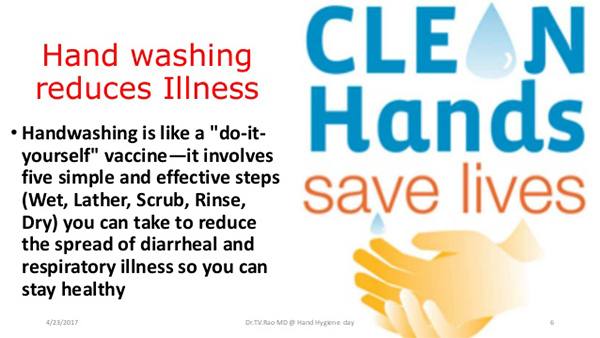
According to experts, handwashing is the best way to protect the body from illnesses.
The workplace is one area where hand hygiene should matter the most. Your workers are the pillar of your business’s success, and they deserve to work in a hygienic setting.
Establishing a culture of hand hygiene among your employees reduces cross-contamination by 80%. This decreases the frequency of office absenteeism and makes staff healthier.
It’s amazing what a big difference handwashing can make!
“The higher your energy level, the more efficient your body. The more efficient your body, the better you feel, and the more you will use your talent to produce outstanding results.”
You can jump on the bandwagon and encourage hand hygiene practices in your office. This guide answers all your questions and it’s what you need to get a head-start!
 Source: slideshare
1. Stock up on High-Quality Hand Hygiene Products
 Source: surewash.com
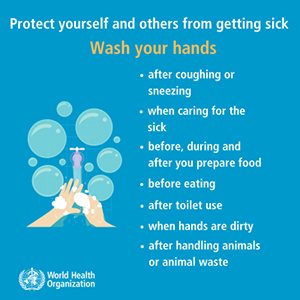
During an ordinary workday, employees touch many items. Hand washing is essential in killing bacteria that lodge on their hands.
A combination of soap and water is the best way to make this happen. Soap traps the microorganisms and water washes them away. Together they play a key role in keeping our hands germ-free.
Hand hygiene relies on the availability of the best products. This may seem pretty obvious, but one in every five people don’t wash their hands.
The products you provide should influence people to wash their hands. An ordinary bar of soap is less compelling because it may keep germs from previous users.
Installing an automatic soap dispenser is a better option. These dispensers use the no-touch principal which helps reduce cross-contamination among employees.
Liquid soap gets onto the palms without the touch of a button. This helps in reducing the spread of the common cold and influenza too!
Did you know that hand drying makes us 1,000 times safer compared to leaving the washroom with damp hands?
Bacteria stick to moist surfaces where they can grow. This may put your colleagues at risk of getting sick.
It’s desirable to provide the best hand drying products, such as paper towels and air dryers. This allows your employees to dry their hands well before leaving the washroom.
A common myth is that hand dryers are more hygienic. So, which is the best hand drying product to provide?
Research shows that paper towels are the best because they absorb all the moisture. They also contain eco-friendly materials that promote sustainability.
Buying the best paper towel brand for your washrooms helps build a positive brand image. The best part about going green is it attracts like-minded clients to your business.
2. Install Hand Sanitiser Dispensers in Common Areas
Did you know that workplace illnesses spread fast through communal touchpoints? Studies show that door handles spread germs to 60% of employees in less than two hours.
Hand washing is effective, but your employees can’t wash their hands all the time. They need a product to use when they’re on the move.
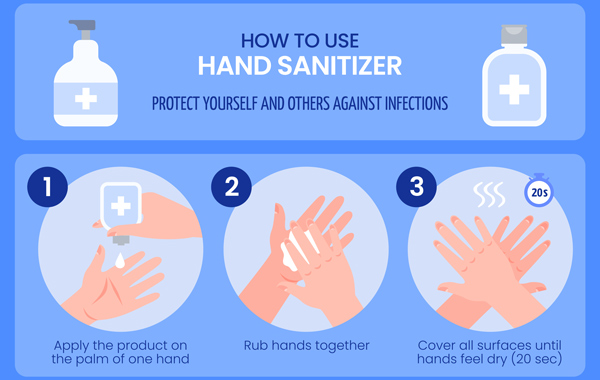
Hand sanitiser is the best go-to option when soap and water aren’t nearby. With an alcohol base, this product cleans off microbes within seconds.
Source: Freepik
It gives your employees the confidence to go about their tasks without the fear of getting sick. You should install wall-mounted sanitiser dispensers in common office areas, such as:
- Conference rooms
- Employee work areas
- Workplace kitchens
- Office building entry points
By doing this, you’re able to tackle disease-causing germs at the source.
Remember, showing concern for your employees’ well-being makes them feel valued.
Go the extra mile and provide a pack of anti-bacterial wipes at each employee’s workstation. This helps to defeat the spread of viruses through stationery items.
3. Maintain Spotless Workplace Washrooms
Illnesses spread when a sick person coughs or sneezes on a surface.
Your employees are at risk of falling sick when they touch these surfaces and forget to wash their hands. This is because viruses can enter through the eyes, nose or mouth after you touch your face.
The major takeaway point is: you should clean all surfaces to reduce the spread of infections.
‘’80% of all infectious diseases are transmitted by touch.’’
One key area of concern is workplace washrooms. They’re a source of germs and need special attention.
Your employees are more likely to wash their hands in a clean washroom.
Developing a cleaning plan ensures your washrooms stay sanitary all the time.
Consider hiring expert deep cleaning services to complement your workplace hygiene efforts.
Thorough sanitation helps get rid of dirt, especially in sink areas.
To make hand hygiene a habit, you should put up subtle reminders in your washrooms. Using eye-catching posters is the best technique to attract your employee’s attention.
Creative signs make them remember: ‘’Oh, I need to wash my hands!’’
‘’Reminder signs are successful in encouraging more handwashing.’’
This nudges them to take action and collaborate with your efforts to keep them safe.
4. Offer Hand Hygiene Training and Workshops
Areas frequently missed during hand washing. #GlobalHandwashingDay #firstaid #nurse #paramedic #doctor #handwashing pic.twitter.com/SYqVZjI2Rs
— Simon Nash
(@simonnash1980) October 15, 2014


Data shows that 5% of people know the correct handwashing technique.
Don’t let this get you down!
Stay ahead by offering training sessions to teach your employees more about handwashing. During these sittings, invite a hygiene expert to give them the best hand washing tips.
After these sessions, send a breakdown of the discussion via the office newsletter. This gives your employees the chance to keep abreast with hand hygiene information. As a result, they become more aware of their hand washing practices.
Stay Informed on Medical Developments
As the old saying goes, prevention is better than the cure. You need to enforce extra guidelines to protect your workforce.
Learning better habits goes a long way in protecting our health status. This is why medical experts use Non-Pharmaceutical Interventions (NPIs).
Other than vaccinations, NPIs are actions each person can take to stay healthy. In the event of a pandemic, NPIs are at the forefront of keeping individuals and communities safe.
Examples of NPIs include eating healthy and maintaining a safe distance from others. Although these are minor efforts, they effectively control the spread of contagious illnesses.
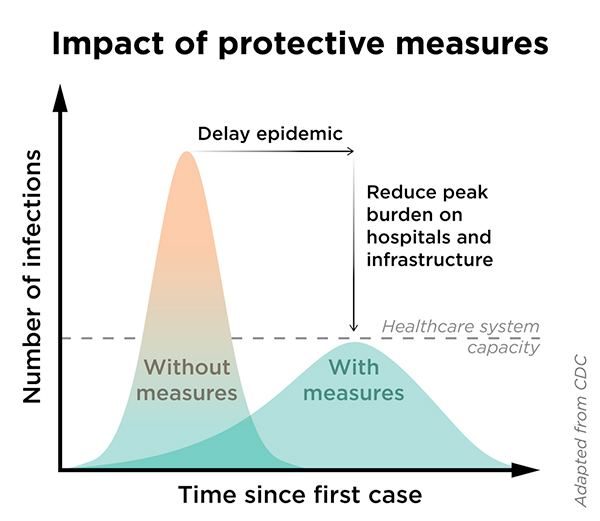 Source: NEJM Journal Watch
Different NPIs work for different situations. So, staying up to date on medical developments helps you understand the best NPIs to use.
The bottom line is you shouldn’t take shortcuts when it comes to office hand hygiene.
Leave no stone unturned by using high-grade cleaning products. Maintaining a clean environment adds to your office hand hygiene practices.
In the long run, your immunity system becomes stronger as a result of falling sick less often.
A great manager makes their employees’ well-being a priority. These incredible hand hygiene tips are the key to fighting the spread of diseases.
Photo: Freepik


