Trusted by 237K+ Business Worldwide. Find a Location
Trusted by 237,000+businesses worldwide across 250 locations delivering uniforms, linens and more. Find a Location Near You


Delivering Excellence Since 1910
Contact Us
Paper Or Cloth Towels: Which Are Better For You?
There’s always lots of chemistry in kitchens! They always tend to become all stained and dirty.
There has to be something effective enough that can clean that mess up.
Paper Towels
Paper towels are the most traditional solution when it comes to cleaning up a spill, and they are not a good choice.
They can become quite an expensive solution when there’s a lot of little spills happening every day.
From an environmental aspect, paper towel isn’t a good option either.
Even if the paper towel you use is recycled, you make a lot of waste, and you can avoid that.
Cloth Towels
You’re probably wondering if there is a better option for cleaning up spills than a paper towel? There definitely is! There are three benefits to cloth towels:
- Efficiency – cloth towels are more efficient. They are made out of thicker fabric, which makes them absorbent. They also have a thicker pile for collecting dirt.
- Cost effective – cloth towels are reusable. Even using a rental system to keep a supply of clean cloth towels full is cheaper than buying rolls of paper towel.
- Environmentally friendly – apart from being reusable, cloth towels also reduce the amount of waste from your kitchen.
We’ve come to a conclusion that reusable wipes work better. They are also good for the environment and are cost-effective. But who will be cleaning them? And how can you be sure that they appeal to workplace health and safety regulations? There is a rental program that can take care of all these problems for you!
We collect cloth towels for food and glass and launder them according to high standards. Afterwards, we deliver them back for you to use and reuse them. We conform to all relevant workplace health and safety requirements. We can provide you with you with colour-coded food wipes in order to prevent cross-contamination.
We are also providing you with glass wipes for detailing and cleaning. Our rental service can make sure that there is no capital outlay. It means that the costs related to purchasing are eliminated, so you can rest assured you’ll always have clean towels ready for use.
Now it’s even easier to run a commercial kitchen. Your kitchen is waiting to be cleaned up! You can try these Alsco’s cloth towels and make a decision for yourself!
Photo courtesy of Freepik Images by aopsan
The 3 Top Options for Office First Aid Kits
Health and safety practices in the workplace inspire productivity. Employee commitment to your mission and goals improves if they feel safe.
While evaluating health and safety practices, you need to think of:
- A risk management strategy.
- Workplace safety and first aid training.
- Safety equipment in the workplace.
- Accident and emergency response equipment.
Accidents will happen at some point, your role is to:
- Minimise the frequency of accidents.
- Respond fast and with the right equipment.
- Prepare your employees with the right skills to help manage accidents.
In your emergency preparedness, you must adhere to safety laws and regulations. In New Zealand, every business must adhere to the Health and Safety Act 2015.
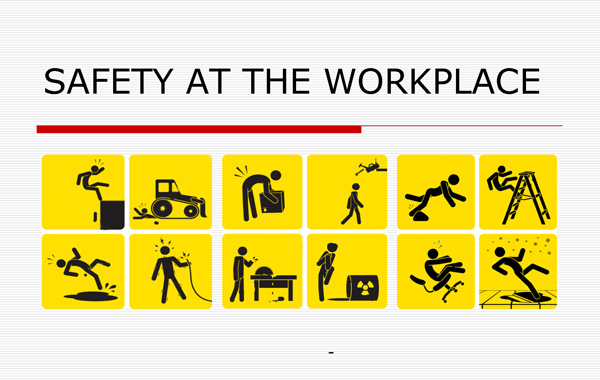
Safety Responsibilities for Businesses in New Zealand
According to the Health and Safety Act 2015, your business should:
1. Reduce the Risk of Injury
Take responsibility for the health and safety of all your workers. This includes mitigating risk and providing employees with safety equipment.
You can do this by:
- Providing safety equipment specific to your industry.
- Enforcing health and safety policies. You should hold all employees accountable for their safety.
- Encouraging communal responsibility. Employees must understand how their actions affect the safety of others.
2. Offer Safety Training
Safety training comes in 2 packages:
a) Industry-Specific Safety Training
This is a mandatory training in most workplaces.
During the training, you will refer to a safety manual and other regulatory training.
You should offer the training while onboarding employees. Thereafter, offer refresher courses several times a year.
b) First Aid Training
This is optional, yet crucial training.
Since you cannot avoid accidents, first aid training can help you save lives.
Training your employees equips them with the skills they need to save a life or reduce suffering during an accident.
Employees can work with more confidence as they know they’ll receive first aid treatment if necessary.
3. Equip Your Office
A well equipped first aid kit completes the safety tri-factor for businesses.
The first aid kit you choose will depend on factors such as:
- The number of people in your office.
- The common types of accidents for your industry.
- Industry-specific safety standards.
As a business, you can choose from a wide variety of industrial first aid kit solutions.
Types of First Aid Kits
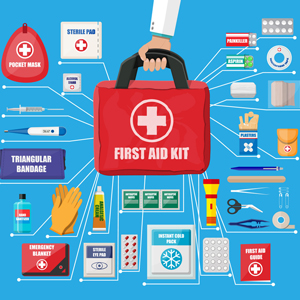
Regulatory and logistical factors will affect the type of first aid kit you choose.
With an industry leader like Alsco NZ supplying your kit, you can choose from a wide variety of kits.
Some common options include:
1. Managed First Aid Kits
With a managed first aid kit, you contract an external supplier to install and service your first aid kit.
With this package you get:
- Basic first aid supplies.
- Industry-specific emergency and accident supplies.
- Regular kit servicing.
Once you choose a managed first aid kit, you will work with a supplier to assess your needs. The supplier will then prepare a quote with a subscription fee. The frequency of the subscription will depend on your supplier.
Most serviced kit contracts run for a year. In this time, the supplier will service and refill the kits regularly.
Who Needs a Managed First Aid Kit?
Managed first aid kit solutions work well for teams with 4 or more people. You should consider signing up for one if you are a:
- Medium-large office.
- Public sporting facility.
- Retail facility.
- Business such as a restaurant that is prone to accidents.
Managed first aid kits help you respond to multiple accidents or emergencies.
With the kit, you will always have enough supplies to serve as many people as necessary.
What to Ask for In a Managed First Aid Kit
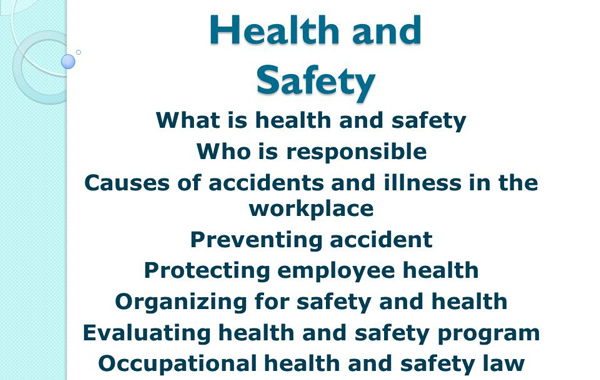
In your request for a managed first aid kit, you need to make sure you meet all safety and health regulations.
Before getting your first aid kit, ask for a first aid needs assessment. In the assessment, you should ask questions such as:
a) What are the Potential Workplace Hazards?
Each workplace presents a different set of hazards. The hazards can be physical (falling from a ladder), chemical (acid burns) or environmental (sunburns).
Poor handling of machinery or change of equipment also presents a safety risk.
Identifying and anticipating these hazards will help you select the right supplies.
b) How Many People are in the Workplace?
The number of people in your office will influence the type of supplies in your first aid kit.
You need to think about:
- The number of people on location at any given time.
- How many people have basic and/or comprehensive first aid skills.
- The nature of work different people do and related risks.
- The spread of people around the workplace. Do you have more people at certain locations than others?
- The number of visitors (suppliers or customers) you receive and the places they visit.
You can answer these questions by consulting your employees and mid-level managers. They are in a better position to inform your decision-making process.
They can tell you when numbers change, for example, when you have an increase in temporary employees coming in.
With these numbers, you can have a valuable conversation with your kit supplier.
c) Do You Have Teams From Different Employers?
If you manage a shared workspace, you might have teams from different employers on-site.
Instead of having every employer install a first aid kit, encourage them to work together. Several teams can share the same first aid resources.
The managed first aid kit will cater to their different needs and help everyone save money.
d) How Does the Layout and Size of the Workplace Affect First Aid Needs?
With a managed first aid kit, you will have several first aid stations in your workspace.
Understanding the layout and functionality will help determine:
- How many first aid kits to install.
- The placement of each first aid kit.
- Accessibility to all kits. If you need to lock some spaces at night or over the weekend, will it affect access to first aid kits?
- The workplace communication system and how it can help speed up the first aid response.
e) How Close Is the Nearest Medical Facility?
If you work far away from medical facilities, you will need more provisions.
While selecting your supplies, you need to consider your proximity to medical services. Look out for hospitals, emergency response centres or ambulance services.
Even then, make sure you consider the operating hours at these facilities. Do they run a 24/7 service or do they close in the evenings or weekends?
e) Does the Workplace Provide In-House Health Services?
If you have an in-house medical team, consult them before signing up for a managed first aid kit.
They will offer a more professional perspective. They interact with workplace emergencies and accidents more often and can advise you accordingly.
Consulting them will help you avoid wastage and save money.
2. Vehicle and Portable First Aid Kits
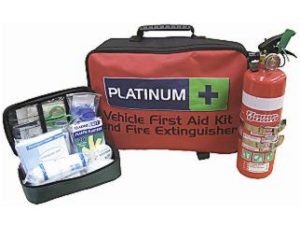
Vehicle and portable first aid kits are similar to managed first aid kits. The major difference is the size and mobility of the kits.
They come with the same supplies as managed kits but in smaller quantities.
Who Needs a Vehicle and Portable First Aid Kit?
You should ask for vehicle and portable first aid kits if you:
a) Manage a Fleet
If you have several vehicles, each vehicle should have a first aid kit.
Instead of the standard kit, customise it to your industry. You can add supplies such as hand sanitisers for garbage handlers or eyewash kits for chemical transporters.
b) Work On-Location
If you set up a work station away from the office, always bring a portable first aid kit.
The number or size of the kit will vary depending on the number of people you have on location.
3. First Aid Kit Add Ons for the Workplace
Managed and portable kits will often have everything you need for emergencies & accidents.
Nonetheless, you can improve your response by adding:
a) Eyewash Stations
Eyewash stations work best if you handle chemicals, such as in a lab, school or a kitchen.
An eyewash station is easy to install and use. It can make a difference between a temporary accident and permanent eye damage.
b) Portable Defibrillators
Portable defibrillators help you respond to cardiac emergencies.
You can use them to restart a heart or reset the rhythm of a heart. Quick cardiac response saves lives.
Who Should You Contact for Your First Aid Supplies?
While looking for a managed kit and other first aid services, you can trust Alsco NZ. All their first aid kits include:
- A single annual fee for all your supplies, including industry-specific customisation.
- Quarterly refills and equipment maintenance on all your kits.
- Easy to use equipment.
Take your workplace safety to the next level with Alsco NZ. You can contact them today and request for a managed first aid kit.
How to Maintain a Workplace First Aid Kit
Picture these two scenarios at the workplace:
Scenario 1: An accident happens, you know where the first aid kit is. You grab it and are ready to help.
Scenario 2: An accident happens, you do not know if there is a first aid kit on site. After making rounds in the office, you find one. It is missing some essential items.
What situation would you rather be in? Well, neither. Nobody wants to deal with a workplace accident.
Yet, workplace accidents are a common occurrence. They happen not only in industrial sites but also in normal office environments.
Injury claim statistics show an increase in accidents in the workplace.
Business owners can enhance safety by providing first aid kits for the workplace. In case of an accident, a basic first aid kit can make the difference between life and death.
You never know what kind of accidents will come your way. Having a fully stocked first aid kit will help keep you and your team safe.
The kind of first aid kit you choose varies depending on your workplace environment. But, there are various items a basic first aid kit should not miss. These include:
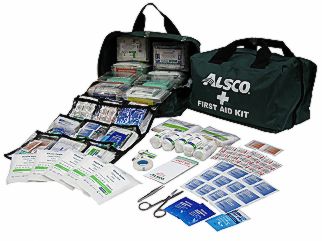
- Dressings: Apply them on the wound to protect injured areas.
- Crepe and roller bandages: These offer light support for sprains and strains.
- Triangular bandages: These can act as slings, towels or tourniquets.
- Sterile Gauze: This is used in the absorption of blood and can be used as a bandage.
- Hypoallergenic tape: Allergen-free adhesion.
- Scissors: Use them for cutting bandages, clothing, etc.
- Safety pins: Use these to hold a bandage or sling in place.
- Disposable gloves: Use the gloves to avoid cross-contamination between the one providing first aid and the patient.
- Eye pads and shield: This cushions and protects the eye from infection.
- Resuscitation mask: Protects the person performing CPR from bodily fluid.
- Saline water: Used to clean wounds.
- Eyewash solution: Rinses the eyes in case of injury.
- Antiseptic solution: Used to clean wounds.
- Torchlight: Provides light in case of a power outage.
- First aid manual: This will help people who may not know how to use the supplies.
First aid kits should be located in a central location where they can be reached by all your employees.
Hire a first aid team who can be available on-site during working hours. Also, offer your employees first aid training. You need to have a team in place who can deal with an emergency situation before the medics arrive.
Maintenance of Your First Aid Kit.
You may have a first aid kit in place, yet there’s one important aspect you must consider.
First aid kits need proper maintenance so that they are ready for use in case of an accident.
Organise the items in your first aid kit to ensure you are not fumbling in panic when an accident happens.
Health and Safety Employment Regulations ask employers to provide first aid facilities. First aid supplies must be:
- Available in sufficient numbers
- Suitable for the intended purpose
- Maintained in good order and condition
- Conveniently placed and accessible to all
Where possible, a room should be set aside for the storage of first aid supplies and equipment. This should be within the main building and it should be accessible to all your employees.
First Aid Kit Maintenance Steps
1. Inspect the First Aid Kit
Oftentimes first aid kits are placed in a shelf or cabinet; a safe space where everyone can reach them.
Some of the items can be removed for usage in case of an accident. In some instances, your employees may forget to put the items back in place.
When inspecting your first aid kits, go back to the storage spaces and check for all first aid kit supplies. Organise them and take stock of any opened or used items. Unused items should be returned to their proper places. This makes it easier to trace them when you need them next time.
When inspecting, also check for the following:
a. Expiry Dates
As you arrange the first aid kits, take a peek at the expiry. Check the expiry dates on each of the items in your first aid kits. Get rid of all expired items and replace them with new ones.
While you reassemble the kits, place the older items in front so they are used first.
b. Damaged or Contaminated Items
Damaged or contaminated items in first aid kits should be disposed of. Any discoloured items or those with torn packaging should be removed.
Note: Most items in first aid kits are single-use items. Once used they should be well disposed of.
c. Review Usage
It is important to take note of the most used items to ensure that they are always replenished in time.
2. Sanitise Your First Aid Kit
In case of an accident, you have no control over who handles the first aid supplies first. It could be one of the injured persons who reaches the kit first, meaning they could cover the kit in blood.
To avoid contamination, always sanitise your first aid kit supplies.
To sanitise your first aid kit:
- Wear protective gloves made of vinyl or latex.
- Clean each shelf at a time.
- Spray and wipe down empty kits with quality disinfectant.
- Sanitise all the items one at a time.
- Return them to their designated kits.
Different surfaces can harbour various germs. Do not forget to disinfect the shelf or cabinet surfaces such as the doors, handles and ledges.
3. Restock the First Aid Kit
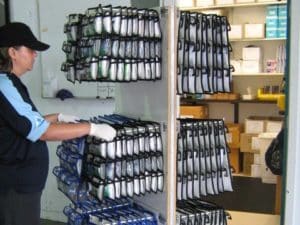
First aid supplies need to be replenished to avoid any shortages in times of need.
Keep tabs on the contaminated or expired supplies and replace them with new ones.
Most importantly, keep track of your workplace usage patterns. What items does your workplace use the most? If it is bandage strips, be sure to order more of those. It is better to have too many rather than too few.
Maintaining your workplace first aid kit is time-consuming. Yet, this is a rewarding undertaking every business must consider.
If you are already feeling overwhelmed, do not hesitate to reach out to Alsco today.
We offer first aid kits that are:
- High quality: Each kit is packed with high-grade functional materials.
- Easy to use: They have a colour-coded system to allow you to work efficiently.
- Restocked: Our rental service guarantees quarterly restocking with quality supplies.
- Of a wide variety: We offer a wide array of kits for different needs and industries.
Our team will help you conduct a needs assessment based on your workplace. We also offer a fully managed first aid kit rental service that is cost-effective and legislation compliant.
Benefits Of Non Slip Mats And Anti Fatigue Mats
There is no hiding in that floor mats are great when it comes to creating a safer workspace.
It is of the utmost significance that well-maintained mats prevent possible trips and slips.
It’s important both for customers and employees.
The right mat plays a big role in preventing employees from fatigue and muscle strain.
How To Choose The Right Mat For Your Workplace?
Non-slip mats have a very different purpose than anti-fatigue mats. The choice between these two depends on the business type and the nature of your work.
Anti-slip mats are most of the times best option for:
- Slippery kitchens
- Greasy industrial zones
They also significantly contribute to worker safety in such types of work environments.
Anti-fatigue mats are perfect for reduction of foot weariness. It is especially good for workers who stand in one position for a large period of time or for a whole day. Anti-fatigue mats absorb the impact on feet due to walking. They provide a cushioning effect that decreases foot fatigue.
Be careful with non-slip matting, because it can increase foot fatigue. Non-slip matting is “grabbing” the shoe soles, which makes feet move forward in the shoe.
It’s of great importance to choose the right type of mat suits for the particular situation. Some workplaces benefit from both types of mats. On the other hand, some other places require only one type of mat.
Would you like to ensure that your workplace is at its safest as it’ can be? If yes, then it would make sense to get some expert advice on what type of mats is suitable for your situation.
Consider trying a mat rental service. Our service provides regular pick-up and exchange. It also makes sure that the mats in your workspace are always clean and in good condition. It’s very important when your previous mats become worn out and trip hazardous.
Alsco’s Eco Friendly Mats
A clean workplace will contribute both to employees and customers. It will leave a very good impression on everyone. Our Wet Area Mats and Anti-Fatigue Mats are all made out of recycled eco-friendly materials.
Just think about how much you will benefit from this. The only thing you have to do is call Alsco and we’ll be very pleased to serve you.
What Are the 10 Main Items in a First Aid Kit and What Are Their Uses?
A first aid kit is a must-have item for your workplace or company vehicle. Accidents can happen at any time, and first aid is crucial to either treat or handle the injury as emergency services are contacted.
First aid kits can be purchased already stocked or can be stocked using individual items, as long as they follow safety regulations.
A first aid kit for a workplace must follow the Health and Safety at Work Act 2015. Your workplace must provide protective gear, adequate first aid kits and well-trained first aid officers per 50 employees.
When choosing workplace first aid kits, keep some of these parameters in mind:
- How big is the workplace?
- What is the layout?
- How many staff are in-house or on the road?
- What hazards are present like chemicals, heavy machinery, sharp objects, etc?
- Is the workplace located in a remote place?
- How far is the nearest emergency room?
Why Is First Aid Important?
Have you ever heard these reasons why people dismiss first aid?
- I just don’t have the time.
- Where do I even begin?
- Accidents will never happen to me or my loved ones.
- I think I can handle it when I need to.
However, basic knowledge of first aid, especially in the workplace, is important.
Helps to save lives: A trained first aid officer is important, as they are well-trained. They are trained to stay in control of the situation and will be able to save lives when an emergency arises. They will be able to handle a situation at the scene of the accident until the paramedics arrive.
Offer comfort to the injured: Having someone trained in first aid on the scene can help offer relief to the injured. They are able to assess the situation and help the patient while assuring them until emergency personnel arrive.
Help to prevent the situation from becoming worse: In some situations like cardiac arrests, eye injuries or any other type of accident, the first minutes are most crucial. If a patient is not tended to immediately, the situation can rapidly worsen.
With basic first aid training, you can stabilise a patient until emergency medical services are on the scene. You are able to collect crucial data to give to the paramedics to help care for the patient.
Boost confidence in first aid skills and abilities: First aid training helps you handle critical situations, calm the situation and finally help your patient. This will then boost your confidence in a wide range of daily situations.
Encourages healthy and safe living: A trained person is able to keep tabs on their surroundings. Basic first aid knowledge gives you and those around you a sense of well-being. That knowledge and desire to be safe reduces the number of accidents around you.
When choosing first aid kits, there is no brand superior to the other. It is the contents of your kit that is most important. The kit must fit its purpose. For example, a workplace first aid kit can have an AED or defibrillator while a travel kit will have compact items perfect for the road. There are some main items in any kit each with its purpose.
First Aid Manual
A first aid manual is an absolute must for any kit. The main reason is that it may not always be a trained first aid officer who will have access to it. Thus, anyone who uses it should be able to follow the instructions or use the emergency contacts in the provided manual.
While the manual is important, it is advised that regular training and refresher training on first aid is done. Regulations state that having a first aid officer in the workplace (one for every 50 employees) is a requirement.
Pain Relievers
Every first aid kit should have various approved painkillers or Paracetamol. You will experience people in emergency situations that may be allergic to some medication. It is important to select both aspirin-based and non-aspirin based painkillers for workplace first aid kits.
When choosing the best pain relievers for the kit, a pharmacist or the in-house first aid officer will advise what should be included. Prescription drugs should not be in the kit. Instead, it should contain acceptable over-the-counter options.
Portable Eyewash Station
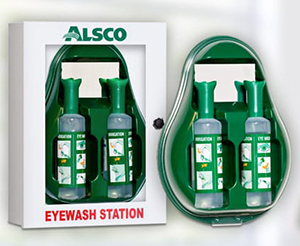
Alsco’s high-quality Eyewash Station
There are many workplaces where eye injuries are a possibility. Chemicals or foreign objects may enter your eyes.
First aid officers advise that you clean out the eye using an eyewash station in a matter of seconds.
A portable eyewash station in your kits is essential for handling eye injuries. They must be regularly maintained or replaced for the next patient.
Companies using hazardous chemicals have eyewash stations installed for a more effective cleanse.
Instant Cold Pack
Falling objects, slips and other workplace-related injuries can result in swelling. To prevent swelling, place an instant cold pack on the affected area. This can keep the patient comfortable as other first aid procedures are conducted.
Instant cold packs are preferred because they do not need refrigeration before use. Go for the options that are activated immediately when the seal is broken. In the workplace, you should have as many ice packs as possible to cater for your staff.
Alcohol Swabs
Alcohol swabs are a necessity in any first aid kit. They are used to clean a wounded area before bandaging to minimise infections. Alcohol swabs can be used alongside anaesthetic swabs and are perfect for sterilising tweezers or scissors.
Tweezers and Scissors
Tweezers are crucial for any first aid kit. They are mostly used to remove foreign objects like glass, dirt, or splinters from a wound. They are perfect for taking care of stingers left in the skin by bees and wasps, which means those working in the field must have a pair in their kit.
Having a pair of scissors in your first aid kit is also advised. These can cut away clothes to access an injury. It can also be used to cut bandages or gauze before use. You must make sure they are rust-free and are cleaned with an antiseptic solution before each use.
Bandage
Adhesive bandages in many sizes are crucial in any first aid kit. When using a managed rental service, they usually place various bandage sizes in the kits to cater for varying emergencies.
Companies can also buy assorted bandages to complement those in the first aid kit. Make sure they are constantly checked during maintenance and replaced as necessary.
Gauze Pads
These are used for wounds that are too large for adhesive bandages. They can be used to cover a burn area to prevent infection. It also helps to control the flow of blood if an employee or a visitor is injured. Like bandages, gauze pads are available in many sizes and an assortment is ideal for first aid kits.
Elastic Bandages
Elastic bandages will help to keep a sprained joint from moving and also reduce swelling. They are available either with a hook-and-loop or metal fasteners. They are perfect for use around ankles, knees, wrists, and elbows, before visiting the emergency room. They vary in width from one to six inches.
Defibrillator or AED
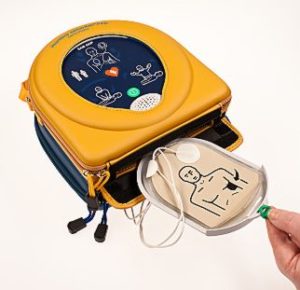
An AED, or Automated External Defibrillator, is a portable machine that analyses heart activity and administers shocks to the heart.
It is used to save a cardiac arrest patient.
This form of first aid is done alongside CPR and is not effective on a heart attack patient.
An AED is important in a workplace first aid kit because more than 2,000 out-of-hospital cardiac arrests are reported annually in New Zealand (between 2018 and 2019).
Fatalities are reported when the patients do not get help within five minutes of the incident.
Why Choose Alsco Managed Rental First Aid Kits?
If your workplace values the health and safety of its employees and visitors, a managed first aid kit is a great option. The assurance of safety offered by Alsco NZ’s rented first aid kits is next to none.
- Regularly restocked with hospital-grade first aid supplies free of charge.
- Out kits are matched with your business needs and stocked with the supplies you’d most likely need.
- All these services are available for a single, all-inclusive annual fee.
Contact Alsco NZ for a free quote and to find out more about the best first aid kits for your business.
What is a Dark Kitchen?
It may sound ominous, but a dark kitchen is not as ‘dark’ as it sounds. No, you do not have to paint your kitchen black. Nor do you have to cook in the dark.
A dark kitchen is an establishment which sells meals exclusively through food order delivery.
Also known as cloud or virtual kitchens, they reveal the changing face of gastronomy.
The brick & mortar restaurant industry is notorious for shutdowns and bankruptcy.
“23% of restaurants fail within the first four years” – RS&G
The issues around the location can also be a major headache for owners.
It is no surprise that business owners are using these new dark kitchens as alternatives.
But what exactly do dark kitchens entail?
Luckily, it’s not that complicated. Let’s explore this new different concept to restaurants.
What Is a Cloud Kitchen
Dark kitchens or cloud kitchens are quickly becoming the new norm.
They offer an opportunity to provide dining experiences without really owning a restaurant.
Some distinctive features include:
1. No Physical Dine-In Premises
This means that there is no space allocated for customers within these restaurants. They are usually small spaces fitted with professional cooking equipment only.
There are no counters, tills or tables or even a ‘store-front’. As a passerby, unless you smell (or see them) you may not even know there are dishes being made inside.
In fact, many clients do not even know where the dark kitchens are. All food orders are made online and meals are delivered to their homes.
2. Delivery Only Establishments
 Source: rawpixel.com
The major feature of these dark kitchens is that they offer only delivery services, usually via apps. They do not have dining areas or takeaway facilities. Consumers interact only with the uniformed delivery person.
This is why business owners should invest in branded uniforms for delivery people. By using a rented workwear service, they can save costs and improve the brand image of the business.
3. Often Connected to an Existing Restaurant
Sometimes existing restaurants will outsource dark kitchens to handle the business’ delivery side. They can opt for the concept of dark kitchens or team up with an online delivery service like Uber Eats.
If they do not have the capabilities to deliver food, dark kitchens are the obvious choice.
Benefits of a Dark Kitchen
1. Reduced Overhead Costs
For restaurants to be successful, they need to be strategically placed.
They have to attract the attention of the public and entice them to become customers. This often means placement in prime real estate areas such as the inner city and exclusive malls.
It is not surprising that rental costs are often the downfall of many eateries. Reducing this cost is a major advantage for any restaurant owner.
With less customer seating and waiting areas, there is significantly less rent expense.
In addition, there is no need for service staff as there are no tables to wait upon. This means fewer salaries are paid.
2. Increased Adaptability & Variety
Virtual or ghost restaurants have the advantage of being able to quickly and cost-effectively move with different trends.
They do not have the restrictions of set menus and physical infrastructure. A dark kitchen can experiment with culinary concepts to choose the right brand.
In addition, they can offer a wide range of cuisines – a way of appealing to a broad range of customer tastes.
3. Economies of Scale
By offering services to a number of brands and restaurants, dark kitchens can take advantage of economies of scale by sharing ingredients.
Many brands are catered for under one roof and even if their foods are vastly different, they consist of the same basic ingredients.
If an owner buys them in bulk, it is usually at a lower price. They can use it across all the brands they distribute and will save on buying smaller quantities.
4. Capitalise on Home Delivery
The food delivery market is expected to increase by at least 20% each year. This offers huge potential for restaurants that can tap into the online market.
More diners, especially millennials want the convenience of good food paired with the comfort of their homes.
These businesses can tap into a larger market because their food can be shared between many people who might not otherwise get the opportunity to choose to eat it.
Types of Dark Kitchens
Commissary Kitchen
Also known as an aggregator kitchen, this is a shared space owned by a 3rd party. Multiple restaurants rent space and operate under one roof (think of shared workspaces).These are often found in large warehouses.
It is ideal for chain restaurants which have high delivery-driven demand. They can meet customer needs without opening a new branch.
It also lets them experiment with new cuisines to test the market with minimum risk.
Pop up Kitchen
Do not confuse these with a popup restaurant which is only open for a limited time.
Popups are cooking stations within the main cooking area which are designed for completing only delivery orders.
They then partner with services like Uber Eats to deliver the food.
 Source: unsplash.com
Being included as part of the main cooking area means there is a higher risk of hazardous spillage.
To avoid injury, managers are encouraged to use anti-fatigue and wet area mats.
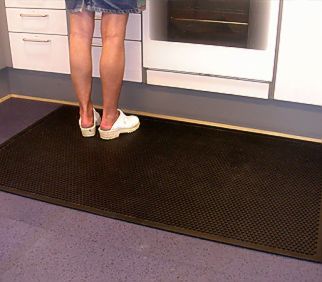
Wet Area Mats
]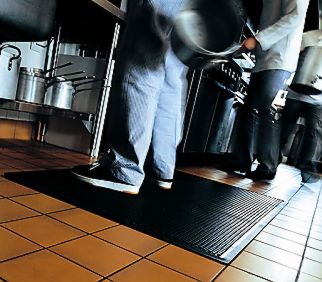
Domestic Kitchen Wet Area Mats
Reliable rental services ensure that floor mats are installed, cleaned and replaced regularly.
Pod Kitchens
This type of dark kitchen is the newest development in the restaurant market.
They are small spaces located close to the customers and kitted out to cook food for various brands.
Deliveroo is one such organisation which has been extremely successful and popularised this concept. Let’s take a brief look at some details of this company.
Does Deliveroo Have Their Own Kitchen?
Deliveroo has basically reinvented the commercial kitchen. This is achieved by placing a functional kitchen in a shipping container known as a RooBox.
This offsite delivery system provides partner restaurants with fully-equipped cooking facilities.
Deliveroo dark kitchens are a way to provide food delivery to areas with a high demand of customers and a low supply of restaurants.
What is Editions on Deliveroo
Deliveroo Editions lets existing restaurants deliver food in new locations without investing millions.
They can instead work with Deliveroo to acquire a RooBox where food can be made and delivered.
The company uses data to determine where demand for a certain cuisine or brand of food is lacking. They then partner with the different restaurateurs to fill the gap.
Chefs focus on creating meals for ‘at-home dining’, especially in residential areas where it may be hard to find a specific restaurant.
Taking the Stress Out of Running a Dark Kitchen
The combination of increased delivery services and lockdowns due to the COVID-19 pandemic will have a huge impact on the industry.
Many restaurant owners may need to opt for dark kitchens as their primary business model.
From the physical infrastructure to the day-to-day details, it may all become a bit overwhelming.
Establishments may find it easier to outsource time (and money) consuming tasks to a professional service provider.
It saves the hassle of laundering small necessities such as cleaning wipes and tea towels. Instead, just wait for a weekly delivery to your doorstep.

Alsco’s laundered wipes
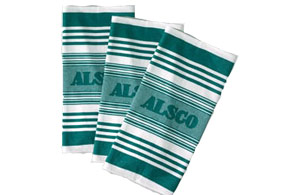
Cotton Jaquard Tea Towel
]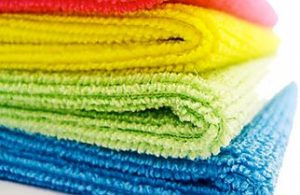
Microfibre cloths
Alsco is the trusted rental services provider to 27,000 businesses across New Zealand. We promise to provide excellent solutions and leave you to the business of making money.
Contact them today and focus on ensuring the success of your business.
Photo: freepik
5 Workplace Hazards To Watch Out For
Hazards are inconvenient and costly. The average company gets more than two fines on average per inspection.
With the WorkSafe fines reaching $3,000,000 for reckless business practices that expose employees to harm. With planning and some forethought, you can avoid hazard-related losses.
Workplace hazards affect employees. Over 600 New Zealanders die each year from world related injures and disease. A loss of income to thousands of households and physiological impact on a community.
For the workplace, it’s a loss of skilled staff plus health and medical costs, not to mention extremely upsetting for the staff and management.
To avoid losses, stay aware of potential workplace hazards. Look around your workplace to identify which hazards apply to you. Then take the required measures to keep your staff and business safe.
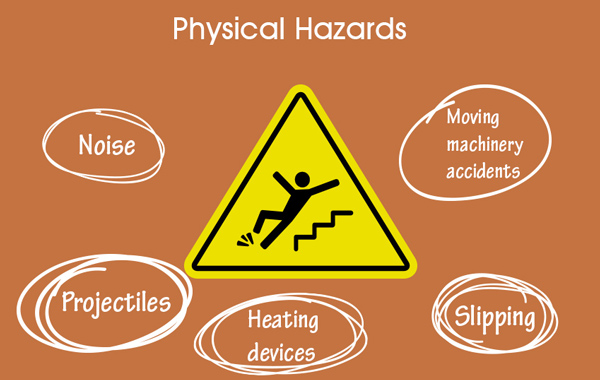
1. Physical Workplace Hazards
The workplace environment presents different levels of threats to workers. Physical hazards are obstacles, objects or elements that present potential threats. Solve these with proper workplace design and adherence to safety processes.
a) Housekeeping Mistakes
Slips and falls happen because of liquids or elements, such as boxes or cables, lying around. Clutter blocks drainage or prevents effective movement around the workplace. It includes things like disorganized wiring and misused storage facilities.
To prevent accidents, start a culture where your staff clean as they go. Waiting on cleaning staff to store tools creates a lack of personal responsibility. It leads to avoidable exposure to hazards.
When cleaning up needs specialized skills, alert the relevant manager or department. This way, you solve problems soon before they occur.
Consider using safety signage in high-risk areas. These include floors where spills are common or stacked loads that can topple over. Safety posters identify hazards and keep staff from becoming complacent. Have a first aid poster with emergency numbers handy in case any incidents occur.
b) Sharp Objects and Machinery
In the retail sector, cuts from sharp objects like knives and box cutters are common. It’s a result of lack of training or taking shortcuts. It is important to establish safety procedures that instruct employees on how to safely carry out their duties.
Workplaces with machinery or mechanical moving parts create a potential hazard. The common injuries include broken bones, strained muscles or even death. Operate machines with care and full attention.
To prevent casualties, ensure staff have protective wear. They include hard hats for machine workers and gloves for handling sharp objects. With training, scheduled breaks and safety processes, incidents should decline.
First aid is crucial in keeping an injury under control. Distribute adequate first aid kits to ensure first aid is accessible immediately after an incident occurs. Keep them stocked with essentials and emergency numbers for paramedics.
c) Extreme Temperature and Fire
Different seasons come with a shift in temperature. Design your workplace to regulate these variations. Exposure to extreme temperature leads to heat stress, hypothermia, sunburn or heat stroke. Protect your employees with good ventilation and air conditioning.
Fire is an ever-present hazard in many workplaces. Especially if you work with machines that can overheat or chemicals that combust. Another risk factor is publicly accessible buildings. They are vulnerable to arson.
To keep staff safe, the first line of defence is installing a fire alarm and sprinkler system. Practice safety drills until reactions to a real emergency are immediate and orderly.
Place fire extinguishers, fire blankets and first aid kits around the workplace. Most first aid kits contain masks that can help people breathe in smoky rooms. Fire blankets will protect your face from flames as you evacuate from a burning building. The first aid kit helps to treat burns and scratches before medical care arrives.
2. Chemical Workplace Hazards
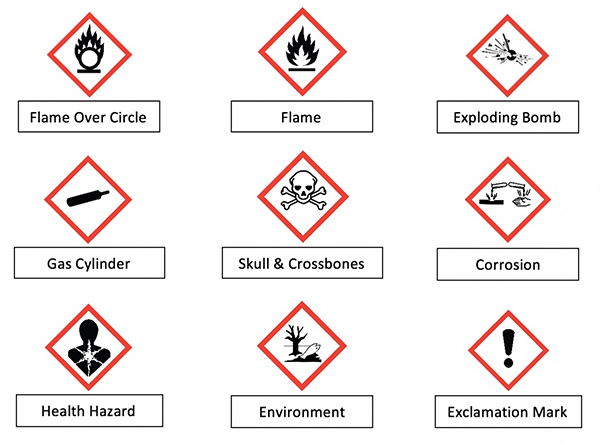
An unfortunate habit by companies that deal with chemicals is stockpiling them. Since chemicals tend to be expensive, they stay for far too long in anticipation of future use. This exposes your staff to danger since some chemicals become hazardous with time. For example, ether becomes unstable over time and turns into poisonous peroxide. Establish a control system that ensures all chemicals that come in first go out first.
Source: Scholarblogs
a) Chemical Handling
Create an inventory of your products. Note expiry dates to ensure you use the chemical before it expires. Avoid transferring chemicals from one container to another. This creates allows for harmful reactions to occur.
Ensure all staff are trained on how to handle chemicals. They need protective gear that allows them to work and move comfortably. Practice proper labelling to ensure your team is aware of what harmful chemicals they are handling.
For swift action, place eyewash stations and first aid kits around your workplace. Acting fast prevents a minor injury from escalating. Eyewash stations are essential in removing contamination before it infects or damages the eyes.
b) Asbestos Poisoning
This is a particularly harmful substance that deserves specific mention. It causes breathing complications and mesothelioma after exposure. There’s no known way of removing the fibres once they get to the lungs and the disease they cause has no cure. It’s found in building projects built before 2000.
Workers maintaining buildings built with asbestos are at risk. The only way to prevent damage is to limit or completely prevent exposure to the fibres. If you have asbestos in your building, get specialized asbestos contractors to advise you on its removal.
3. Social Workplace Hazards
Workplaces are dynamic. You could have the best safety processes but still, experience many workplace accidents. Protect the mental health of your staff by keeping workplace stressors in mind.
25% of employees admit to their jobs being the top source of stress in their lives. Stress is sometimes psychological and caused by harassment or heavy workload. Work can stress people if they feel underprepared or overburdened. This can spiral into low self-esteem and self-harm.
Create an open-door policy where your staff can come to you with any problems they face. This way, you create a culture of openness that helps you know when the team is overwhelmed or need new training. Stress is a harmful response that happens when job requirements don’t match resources. Staying aware of this helps reduce the stress levels for your staff.
b) Workplace Violence
This refers to disruptive behaviour or threats of physical abuse at the workplace. It can come from fellow colleagues or clients and suppliers. Whether verbal or physical, abuse has adverse effects on the performance of your staff.
Due to an increasingly diverse workforce, violence is a rising concern for employers. Do your part with sensitisation campaigns that encourage tolerance and professionalism at work. Reinforce good behaviour and have penalties for people who threaten violence. You cannot afford to be on the fence while your staff suffer fear or intimidation.
c) Poor Hazard Communication
Communication breakdown at the workplace leads to avoidable accidents. Make sure your staff are aware of all the safety precautions. When handling dangerous substances, communicate the potential risks. Emphasise why it’s important to follow procedures. This increases compliance and promotes a sense of workplace cohesion.
d) Workplace Bullying
Bullying is persistent actions towards a co-worker aimed at degrading them. It creates a huge risk to the mental health of your employees. It leaves an employee feeling helpless and defenceless. It undermines the right to dignity at work.
4. Ergonomic Workplace Hazards
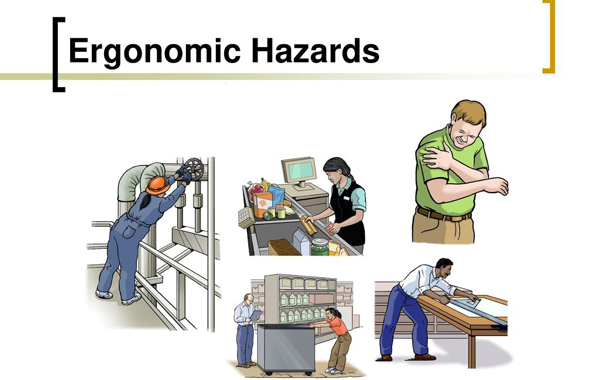
Non-impact injuries from overexertion are the leading cause of joint inflammation and pain. Excessive physical effort can lead to discomfort or blinding pain in others. Prevention is the best cure against overexertion. Other causes of ergonomic hazards are poor lighting and poor posture.
Source: ehsdb.com
a) Repetitive Tasks
Use ergonomic principles to reduce the risk of fatigue, short term pain or illness. Awkward movements can affect posture, the back and other strained areas of your body. Instead of repeating a task, practice task variety to reduce repetitive movements.
Space out your tasks to give the body time to recover. Teach your staff to value breaks and lead by example. The health of your staff leads to long-term productivity and success.
b) Lifting and Handling Materials
Improper technique while lifting, lowering or twisting will cause strains and serious injuries. Training empowers your workers with skills they need to maintain ergonomic practices. Supplement this training with safety signage as a reminder of workplace safety measures.
Position safety tools within reach this includes a first aid kit. If someone sprains a leg, wrapping the affected joint with a bandage can help your staff recover in good time.
5. Biological Workplace Hazards
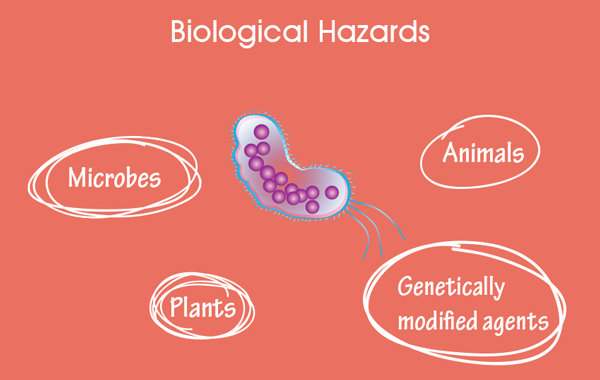
When working with animals, people or plants, you can encounter biological hazards. They include viruses, bacteria, injuries sustained from animal care and exposure to toxic plants or blood. These biological agents can cause injuries, disease or illness in humans.
 Source: InterFocus
Emphasise the importance of personal hygiene in prevention. Most illness-causing agents are transmitted directly through physical contact or indirectly through ingestion. Practice good hand hygiene and wear protective gear where necessary.
Clean and disinfect all the time and keep up your immunisations. This prevents diseases like rabies. Keep your immunity high and have a first aid box that can help ease symptoms of diseases. Painkillers and anti-inflammatory medications keep staff comfortable before medical help arrives.
Focus on Prevention and Preparation with Alsco NZ
Prevention is the best way to handle workplace hazards. After identifying which ones apply to your business, take immediate action. Foolproof prevention measures include:
- Training – Train employees on safety protocols as soon as they join your organisation. Conduct periodic refreshers for everyone to re-emphasise the importance of safety.
- Protection Resources – Wear protective gear to protect yourself from injury or illness. Provide ample first aid kits to help out in case an incident occurs. Fast action can sometimes be the difference between life and death.
- Culture – An open culture ensures open communication. Your employees will be able to communicate their needs and frustrations to you. This will increase job satisfaction and decrease workplace stress.
Alsco Nz provides your workplace with top of the line safety equipment to keep your workplace running smoothly.
Speak to a customer care agent today and equip your workplace with managed first aid kits. For an annual fee, Alsco NZ will keep your workplace first aid kit stocked and replenished every three months; meaning you can focus on your business.
Alsco Cleans Up Rivers, Joins Waterway Replanting Project
What An Effort!
Alsco staff, family & friends contributed 300 volunteer hours to million metres project – what and effort!
Did You Know That Alsco Cleans Up Rivers
Earlier this year, Alsco joined with the exciting Million Metres Streams Project. It’s a three-year partnership that will help transform New Zealand’s waterways.
Million Metres is led by the Sustainable Business Network (SBN), in partnership with the Department of Conservation.
Its aim to is to support communities to replant one million metres of New Zealand waterways by 2026. Alsco is an SBN Member, joining more than 500 other business finding ways to change the way we work to put people and planet first.
This winter, Alsco staff joined Million Metres at planting days around the country. More than 130 Alsco staff, family, and friends from five branches got stuck in. Together they contributed more than 300 volunteer hours to the effort.
Along with volunteers from local community organizations and other business, they helped get an impressive 3,900 native plants in the ground along 1480 metres of waterway:
- 800 plants at the Whau River in Ken Maunder Park, West Auckland.
- 900 plants at Mangaonua Stream in Silverdale, Hamilton
- 1,000 plants at Tahawai Stream in Katikati, Bay of Plenty.
- 800 plants at Mangapapa Stream in Woodville, Manawatu.
- 400 plants and trees at Belmont Stream in Seton Nossiter Park, Wellington.
Throughout the year Alsco has also donated $3,000 to eight waterway restoration projects around the country, via Million Metres crowdfunding platform (www.millionmetres.org.nz)

As the trees from these projects grow they will shade and cool the waterways. They help protect the waterways from soil erosion and pollution and they provide habitat and food for native birds and fish.
The Million Metres project is gaining momentum all over the country. It has now raised over half a million dollar for 25 waterway restoration projects across New Zealand.
Georgi Hart is project lead for Million Metres.
“What is underway is a vital shift in the way New Zealanders relate to their streams, rivers and lakes,” she says, “It wouldn’t be possible without partners like Alsco.”
“It’s so great that Alsco staff and their families have given their time and energy to this. We look forward to doing more!”
Gavin Smith is Business and Product Development Manager for Alsco. “Million Metres is a wonderful partnership for Alsco. It is something our employees, families, suppliers, and customers can really relate to and there is a genuine energy associated with our involvement. It is fantastic to see kids, parents and friends join our teams for these plantings. Not only do they enjoy participating, but we know we are making a positive and tangible long term environmental impact, and that flows onto social goodwill and community pride,” he says.
“Alsco is a large user of water and we want to do whatever we can to minimise our impact on the environment. Our support of the Million Metres initiative is a tangible and collective action by our teams nationwide that is creating a real social, environmental, and economic difference. We are really grateful for all the wonderful support and feedback from the wider Alsco family in relation to our contribution to Million Metres.”
The Ultimate List of Items for a First Aid Kit
When first aid kits are mentioned in conversation, they are typically linked to emergencies and risky activities.
Bungee jumping, hiking, backpacking… you name it.
Workplaces have varying levels of risk. It is worth noting what supplies you can have in your workplace that could help you or a colleague if a medical situation ever occurs.
With some of these items, you can build your own kit (kind of like build-a-bear) and customise it to suit your business needs.
Who Makes the Best Use of a First Aid Kit?
Planners
People who commit to ensuring they are prepared in case of any emergencies. Good planning is an ace up your sleeve.
In dire situations, first aid kits are useful in conditions when one is powerless to resupply or get third-party help. If this is the kind of planner you are, then this is for you.
To be a well-rounded planner, you will need more than a regular store-bought supply kit.
Look out for inconsistencies with what you think you need and what you actually need. This ensures you have enough stock and are better equipped to handle a crisis where help is either caught in traffic or not available.
Above all else, knowledge about first aid is required. If you would like some pointers or reminders, you can watch this video on 10 first aid mistakes explained by a professional.
You can also read more on workplace first-aid shortfalls that can be fixed in five guaranteed ways
Assuming you remember your first aid training, let’s dive into every possible item you could want in your workplace first aid kit.
What You Need to Know About First Aid Kits
Be aware that some of the products in a first aid kit can cause allergic reactions. This could include the latex in gloves.
You need to know your allergies and the allergies of those around you.
You should have records stored in an easy-access location about who is allergic to what This helps if there are too many people to keep track of.
If you suffer from a chronic condition or debilitating disease, you must only seek out specialised help. There is no shortcut in this case.
Finally, New Zealand is a culturally diverse country.
It could be life-saving to learn first aid vocabulary in English for those not too familiar with the dialect.
With these disclaimers, let’s dive right in!
Medicine
1. Pain and Inflammatory Medicine
Naproxen
This works as a general cramp reliever. Although it is most popular for menstrual cramps. It is definitely a must-have!
Aspirin
Also known as Acetylsalicylic acid, it comes as a package deal. It has an antiplatelet agent which acts as a blood thinner. The anti-prostaglandin reduces fever, inflammation and provides general pain relief.
It’s abilities as a blood-thinning agent need to be considered if you are bleeding, as aspirin can augment the flow of blood.
Ibuprofen
It works on the affected location in the body that causes pain and/or inflammation. It is best for inflammatory pain.
Codeine
It can be quite tricky to come across this, or even buy over the counter without a prescription. It’s a restricted substance in various places, but mostly used as a cough suppressant. It’s effective but can cause drowsiness or lightheadedness.
2. Topical Supplies
Burn Gel
This comes in handy when dealing with first and second-degree burns. If they go beyond this, extensive work on pain reduction and dead tissue will be needed.
Antiseptics
These are often used to reduce the chance of catching an infection on an open wound. They are quite versatile and antimicrobial.
This makes them useful in surgical application and general wound cleaning. This reduces the risk of putrefaction, sepsis and infections.
Antibacterial Soap
Hygiene shouldn’t be an afterthought. It is necessary to have soap around for general use. Always restock!
Hydrocortisone Cream and Emollients
These are used for itches, irritations, inflammation, and rashes. Emollients help ease dermatitis symptoms, which include eczema.
Be cautious of ‘contact dermatitis,’ which is caused by contact with irritants. Burning, itching, and redness occur.
3. Specialised Medicine
Phenylephrine
This is used for nasal and sinus congestion.
Doxylamine Succinate
Can’t sleep? This helps deal with insomnia, allergies, the common cold and other sleeping disorders. It falls under first-generation antihistamines and is quite versatile.
Antihistamines
These are good for dealing with allergies and work well with the sleeping aids listed above. They are re-purposed first-generation antihistamines with drowsiness as a major side effect.
Metformin and Insulin
These are relied on by individuals with type 2 diabetes. If there is anyone in your workplace who has this condition, consider looking into long-term solutions of stocking up on these medications.
Beta Agonists
Quite like Ventolin. For those who suffer from asthma, you know triggers can happen anytime. It works well dealing with minor attacks and needs to be present and accessible.
Ammonia Inhalant
For dealing with general lightheadedness and fainting, this is also referred to as a respiratory stimulant.
Penicillin
It is used to fight bacteria in your body. Extensive research dating far back means there is plenty of information about the side effects. Dosages are available and vetted after many years of common use.
Some people suffer allergic reactions to penicillin-based antibiotics. You need a prescription to get your hands on some, and it needs to be stored well.
Situation-Specific Kits
4. Vehicle and Portable First Aid Kits
This kit is important to have if your work involves a lot of travel. It could be frequent road trips for deliveries, meetings or tours.
It also extends to the operation of heavy machinery and equipment. Such situations create more room for accidents for you and your employees.
It is best to have them safe, especially if they are alone.
You could consider Alsco’s light and compact, portable first aid kits that can fit any nook and cranny. Better yet, they are colour-coded, and thus easy to locate in an emergency.
They are ideal for trucks, boats, machinery and much more.
5. Fracture Kit
Sling and Orthopedic Cast Plaster
It is possible to DIY your way through this, and that is useful information to have. Mesh slings are much better to use in relation to comfort, especially in hot weather when having a sling can be quite bothersome.
Cast plaster is a shell, often made from plaster or fibreglass. It encases an injured part of the body to stabilise and hold anatomical structures (most often a broken bone) in place until healing is confirmed.
Cotton Undercast Padding
Injuries need to be taken care of well, but comfort is also paramount to this process. This is needed to make a proper cast for the fracture once it has been reset.
6. Managed First Aid Kits
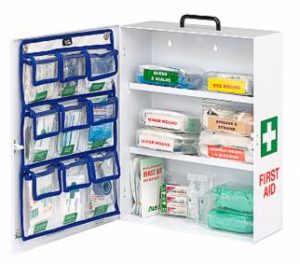
These kits are customised to meet your business needs.
Imagine having someone else regularly restock your kit every three months. You get quality hospital-grade material, regardless of your industry.
It will also be organised with colour-coded modules that work as guides for different emergencies.
Best yet, it is affordable because you are charged a single, all-inclusive annual fee!
Alsco’s managed first aid rental service takes care of everything.
7. General Trauma Kit
EMT Shears
They are designed for emergency purposes only. They are also known as trauma shears because they are meant to shear through cloth without running the risk of cutting you or your patient.
Gauze Bandages and Clips
They lack the sticky texture that other bandages have. They stay on with safety clips and make room for repositioning the bandage. The clips can also make the bandage more breathable.
Hydrogen Peroxide and Alcohol
Unlike other kinds of antiseptics, you can use hydrogen peroxide for oral use (rinse and gargle). Alcohol can be poured over dire wounds to minimise the risk of infection.
Duct Tape and Hand Sanitizer
Alcohol works with the same efficacy as a sanitizer, but emollients can be found in the medical composition. This quality mixture is kinder to your skin. Duct tape has so many uses! Find out more here.
Well, there you go!
You can now be more confident in your knowledge of first aid kits and what they should have. Keep in mind that you do not have to be the one to worry about the upkeep of your kit.
You can consider Alsco New Zealand for many more services than managed first aid kits.
Why choose Alsco?
- We are the best at offering both vehicle and workplace kits suited for your business.
- We will install and check them regularly for you.
- All these services are available for a single, all-inclusive annual fee.
Call us today.
All You Need To Know About Hi Viz Clothing
Hi-Viz clothing stands for high-visibility clothing. This type of clothing, usually workplace uniforms, is any type of clothing that is reflective and easily visible.
It is used in many industries to boost the safety of the employees and prevent all the accidents that could happen due to people not seeing each other in time. It is present in many industries.
Hi vis clothing is used for those who work in the traffic and/or need to spend time working on the roads. Another industry that is known for their hi-viz clothing is the construction industry.
People there need to wear hi-viz clothing so that they prevent accidents.
Additionally, all workers that are employed in different types of warehouses, shipyards, airports and similar industries where the heavy machinery is used and a lot of items are stored need to wear hi-viz clothing.
Hi-viz clothing regulations in NZ that dictate the standards which have to be met by the workplace hi vis clothing are AS/NZS 1906.4:2010 and AS/NZS 4602:1:2011. These standards include the colours allowed for hi-viz clothing as well as some of the requirements that deal with the amounts of hi vis fabrics and similar details.
Why Is Hi Viz Orange?
The most of the hi-viz clothing for outside workers is orange because this colour stands out from the green grass and natural surroundings the most. Hi viz standards in NZ regulate the colour of the hi-viz clothing. They propose yellow and red-orange only.
Entirely red clothing is not allowed because people with some types of colour blindness have issues discerning it from the surroundings. For safety hi-viz clothing to be useful, it also needs to meet some other requirements.
- Hi-viz clothing needs to have fluorescent material on both the front and back of the garment.
- The minimum of fluorescent fabric on hi vis clothing needs to be 0.2 sqm on the front and the same amount on the back.
- This amount of fabric does not include the patches covered by logos, reflective tape and other items.
- The reflective tape needs to be at least 50 mm wide.
Since it is quite difficult to create hi-viz clothing that is made out of natural materials, it is allowed to create underarm venting patches. They make the clothing more breathable and allow for more comfort, especially in the warm weather.
How Does Hi-Viz Clothing Work?
Hi-vis clothing ensures increased visibility of its wearers. This is achieved by including fluorescent or reflective pieces of fabric into the uniforms. These two types of fabric achieve increased visibility in two different ways.
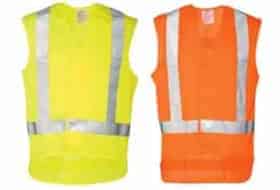
Reflective hi-viz clothing reflects the light that falls directly to it, under the right angle. If it is observed from angles that are not from the same direction as the light, the reflective tape is not that effective. It is usually used for the safety hi-viz clothing in traffic. This type of hi visibility uniforms is also used for nighttime. This type of hi visibility is usually achieved by hi viz tape for clothing.
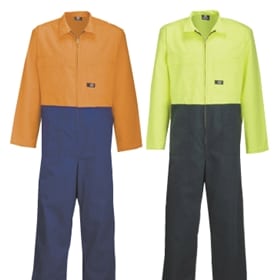
Fluorescent hi-viz clothing effect is achieved by colouring fabrics and materials with special types of dyes. This type of clothing is not suitable for nighttime use because it needs light to be visible enough. Namely, this type of dye uses short wavelength energy to convert it into glowing reflection. UV lights don’t have this type of energy, so this kind of hi-viz clothing is not usable under that sort of conditions.
How Many Classes of Hi Visibility Clothing Are There?
High viz clothing in NZ is classified into three classes depending on their appropriate use. There are Class D, D/N, and N.
Class N includes the type of hi-viz clothing that is used during the night. We already mentioned that the fluorescent dyes are not suitable for night use, so the visibility of these garments is achieved by hi visibility tape for clothing.
Class D is, obviously suitable for daytime use. Its visibility is achieved with fluorescent areas on the garments. Again, we already said that this makes them unusable during the night, but also under artificial lights, especially UV lights.
When these two types of classes are combined, you get Class D/N, which is hi vis clothing suitable for both night and day. This is achieved by combining the fluorescent patches and reflective tape.
How Often Should You Replace Your Hi Visibility Clothing?
It is best if you are able to replace your hi-viz clothing every six months. This goes for that hi viz garments that you use regularly. However, this lifespan of your high visibility uniforms can be seriously reduced if you are wearing it every day and under some conditions that can damage it.
Some of the things that can make your hi-viz clothing last shorter are:
- Extreme temperatures
- Bleach
- Extreme rubbing or wear
Therefore, extreme conditions and excessive wear can damage your hi-viz clothing. That is why it is important to inspect your garments after and before every use. That is how you will know if it is ready to be replaced.
You will know that it is time to replace your hi visibility clothing if you find that it has faded, is torn, dirty beyond the possibility of washing and not visible from afar.
There is another option when it comes to ensuring visible and sanitary hi visibility clothing. You can simply rent it from Alsco New Zealand. Alsco NZ has hi visibility clothing for NZ businesses which matches all the hi viz standards in NZ.
Moreover, we will deal with the cleaning, replacement, and maintenance of your rented hi vis clothing. It is all included in your price.
Whichever option you choose – buying or renting hi-viz clothing – it’s absolutely critical that you learn how to size your workwear properly.
Call Alsco NZ today, and we will explain this in more detail, but here is how our rental process works:
- You call Alsco NZ and tell us how much hi viz clothing you need.
- We agree on the frequency of laundering the hi viz clothing you ordered.
- We deliver the uniforms as agreed.
- After the usage, you dispose of the hi viz clothing so we can pick it up.
- We pick up the dirty garments and leave the clean ones for you to use.
The best part? All this is included into a flat annual fee that you can agree upon with our representatives right now. Call Alsco NZ and get your quote.
Photo courtesy of Freepick by Free Stock Center


