Trusted by 237K+ Business Worldwide. Find a Location
Trusted by 237,000+businesses worldwide across 250 locations delivering uniforms, linens and more. Find a Location Near You


Delivering Excellence Since 1910
Contact Us
Keeping Your Workers’ Safe: Be First Aid Ready with Alsco
Is your workplace capable of giving immediate care during emergency cases?
First aid readiness is required to enhance the safety of your employees. After all, a quick response can mean the difference between life and death.
A workplace first aid kit also ensures that legal guidelines for health and safety in employment are met.
Not having the appropriate first aid kits available could put you at risk to WHS penalties of up to $1,000,000.
If you want a fully managed, hassle-free safety solution for your first aid needs, contact Alsco now.
Why is a Workplace first-aid Aid Kit Important?
First aid can save lives in a number of situations. For instance, immediate CPR treatment can increase the chances of survival for heart attack. It can provide immediate and effective first aid to injured workers to help speed up recovery.
Health and Safety in Employment Regulations 1995 states that employers are required to take all steps to ensure:
- First aid facilities are provided at every workplace
- Facilities are suitable for the purpose for which they are used
- Facilities are provided in sufficient numbers
- Facilities are maintained in good order and condition
- All employees have access to these facilities
There are about 100 work-related fatal injuries in New Zealand every year. First aid readiness can protect your business so that injured individuals may be able to return to work quicker, with lesser treatment costs.
Why Choose Alsco for First Aid Readiness?
Most employers find first aid kit compliance confusing and tedious. Hazards need to be identified so that adequate supplies can be maintained. Why not leave it to the experts? Choose a provider that offers a managed first aid service.
1. Managed first aid kit
Alsco’s service keeps your business safe and compliant all year round. Your kits will be stocked with carefully chosen, hospital-grade supplies every quarter. No matter your business, Alsco tailors their services to meet your unique needs.
With Alsco’s managed first aid service, you just have to pay a single annual fee. A dedicated team will be in charge of installation, restocking, budgeting, and legal compliance. We actually take care of everything!
2. Hospital-grade contents
Hospital-grade supplies can provide superior performance. That’s why Alsco includes only the highest-quality, long-lasting first aid supplies as part of our service. We also follow the quantities prescribed by the ANSI and WHS standards.
For a single annual fee, Alsco limitlessly restocks your first aid kit at no additional cost. The contents are stored in a sturdy, highly-visible cabinet that can be installed in strategic locations in your workplace.
3. Use-defined organisation
To deliver effective first aid, contents need to be organised and clearly labelled. With Alsco, supplies are grouped into injury-specific, colour coded modules. For example, a ‘burns’ module, eye module, and serious injury module.
Each module is individually shrink-wrapped, which acts as a safety seal. This way, injuries are treated with the right kit as quickly as possible. The expiry date is also written in large, easy to read font.
4. Fast and reliable service
Each Alsco first aid kit is replaced and restocked every 3 months and designed to be serviced in under 5-minutes. A service agent is tasked to check and maintain eight items, which includes seven modules and a door liner.
The goal is to keep the disruption caused at the customer site to a minimum. A brand new liner is installed and modules are replenished at each service. This will help keep your workplace safe and legally-compliant 24/7 all year round.
Alsco’s First Aid Rental Service
Alsco offers a convenient and affordable solution to first aid compliance. Clients can avoid spending too much on the required supplies, cabinets, and refills. Not to mention appointing someone to maintain it.
You no longer have to worry about penalties or legal costs with Alsco’s rental program. You’ll have peace of mind knowing that your first aid kits are auditable to WHS guidelines. A flat fee already includes all services and consumables.
No matter how big or small your workplace is, Alsco can help you find the right first aid kit to meet your needs. Alsco also offers portable defibrillators, eyewash stations, and vehicle first aid kits.
Be first aid ready! Get in touch with us for a fully managed, hassle-free, safety solution.
Photo: Stevepb
8 Tips to Ace Washroom Etiquette in the Workplace
Washroom etiquette plays an important role in creating a happier, safer, and cleaner working environment.
These practices are designed to show respect and reduce the level of bathroom contamination that may render you and your workmates ill.
Inconsiderate individuals can make the toilet a disgusting destination. A clean and hygienic washroom begins with proper washroom etiquette from those who use it. So encourage fellow staffers to be respectful when utilizing this shared space.
For washroom etiquette solutions tailored to your business, contact ALSCO now.
What Poor Washroom Etiquette Can Do To Your Health
Poor etiquette may even set off a chain reaction wherein others don’t try as hard to keep the washroom clean. This can present a health risk to the entire workplace. A dirty bathroom becomes a breeding ground for germs that spread illness.
Harmful germs that can breed in the bathroom include:
- Gastrointestinal viruses. These harmful germs can explore your toilet seat and remain on the surface for as much as a week. They can cause stomach ailments that are easily transmitted.
- Enteric pathogens. These are organisms can spread by contaminated foods or through the oral-faecal route. E. coli and salmonella fall under this category, which causes severe diarrhoea and bloody stools.
- Skin organisms. The bathroom is an ideal environment for the spread of staphylococcus aureus via hands, damp surfaces, towels, and face cloths. It can cause a range of illnesses including skin infections.
- Respiratory viruses. Cold and flu viruses also love damp areas like the bathroom. They can be easily spread through coughing, sneezing and nose-blowing by an infected person.
- Residual fungi. Airborne fungi which enter the bathroom can colonise moist surfaces. It can release spores or substances which trigger or aggravate respiratory allergies such as asthma.

The spread of these pathogens can be prevented with good washroom etiquette and hygiene practices, which is of most importance at crowded workplaces such as schools or restaurants.
Send a positive message to workmates and help ensure their working environment is kept hygienically clean too. Our School Washroom Guide gives you all the necessary guidelines on how to do it if you work in a school, for example.
Greenroom’s Tips On Bathroom Etiquette In The Workplace
Are you aware of the dos and don’ts associated with workplace bathrooms? Remember, you are not the only person using the restroom in the office. So we have listed helpful tips to help you ace good bathroom etiquette.
1. Always wash your hands
Hand washing is an essential part of proper workplace bathroom etiquette. This simple act can prevent millions of germs from spreading. It’s an easy, inexpensive, and effective way to keep employees healthy.
A 2008 SCA Hygiene Report, which involved over 4,800 participants in 9 countries, revealed that the biggest concern over hygiene was firmly set around toilets and bathroom etiquette. Around 47% were concerned about insufficient hand hygiene in connection with toilet visits.
2. Clean the spaces as you go
Imagine visiting the bathroom only to come face to face with a mess. No one wants to be greeted with an unflushed bowl, a toilet seat used for target practice, or floor used as an open landfill site. Always clean as you go.
After flushing the bowl, it would help to wipe down the seat with a little toilet paper from the dispenser next to you. If you drop some paper on the floor, pick it up. It’s simple as that. This etiquette shows respect to your co-workers.
3. Do not conduct business transactions
Bathroom chitchat should be kept to a minimum. No more than the occasional ‘hey’ should be exchanged in most situations. Save the ‘nice to meet you’s’ after you exit the bathroom door. Be sure to wash your hands.
The workplace bathroom exists for specific purposes. It would be inappropriate to conduct business deals in a space made for evacuations. Those involved will only feel uncomfortable and worst, the deal will be lost completely.
4. Doing the courtesy flush
Courtesy flush refers to a ‘flush’ administered midway through the toilet-sitting process. The purpose is to remove odour as quickly as possible. If you let the smell linger, it can make the trip to the toilet extremely unpleasant for your co-workers.
There are some issues against courtesy flushing in terms of eco-friendly principles. As much as 22.7 litres of water is used with every flush, according to EPA. However, modern toilet models now use lesser with just 6.1 gallons.
5. Don’t hang around
This unwritten rule may seem strange but to hang around and wait for your turn may trigger a ‘shy bladder’. In fact, it is now a recognised medical condition known as paruresis wherein the sufferer is unable to urinate in the presence of others.
No one likes to feel rushed, so when it comes to performing either on the throne or at the urinal. Your co-worker may feel slightly embarrassed, but more than likely annoyed. Give them sufficient space by waiting at your desk or workstation.
6. Flush with the lid down
Did you know that bacteria are sprayed around 25 centimetres above the toilet bowl with each flush? This was revealed by a study from Leeds General Infirmary. It was also found that the presence of the bacteria was 12 times greater in open bowls.
Apparently, flushing with the lid up ‘aerosolizes’ bacteria that can spread disease like the diarrhoea-causing Clostridium difficile. This can be found abundantly in workplace bathrooms.
7. No executive privilege
Even if you hold a high position in the company, you are not entitled to skip any aspect of hygienic bathroom etiquette. Do not expect lower-ranked employees to give way to you. People from all walks of life share the same ‘washroom needs’ after all.
You are also not exempted when it comes to flushing the lavatory seat down, as well as washing and drying your hands adequately. Do the same rule in terms of conducting business transactions inside the washroom.
8. Do not release resentments
There is no executive privilege in the workplace bathroom, but if your boss expects you to stand aside, then just do so. There are more diplomatic ways to get the etiquette message across to them.
If your boss tries to strike up a conversation, do not ignore him. Instead, make your answer short and shrift. If you have a company suggestion box, why not suggest to have bathroom etiquette posters displayed inside?
Alsco’s Hygiene and Washroom Services
Alsco’s dedicated team will help keep your business clean, organised and professional. Their trusted services include affordable washroom and hand hygiene solutions and eco-friendly options for the workplace.
Through Alsco’s own workplace hygiene branch, Fresh & Clean, our clients can successfully enhance the degree of workplace bathroom hygiene significantly. Services and products provided include feminine hygiene, odour control, soap dispensers, and hand-drying systems.
Now is the time to promote good washroom etiquette in the workplace! Get in touch with us for hassle-free solutions.
Image Courtesy: kittenfc
If You Don’t Go Green Now, You’ll Hate Yourself Later
A green workplace promotes practices that can reduce the ecological footprint and help the environment.
Obvious benefits include reducing waste and cutting costs. It can also have a positive effect on employee health and productivity.
Turning into an eco-friendly business is not an overnight exercise. We’ve put together some tips to help your business Go Green. It’s time to enhance your reputation for greener, cleaner, and more efficient practices!
For green solutions tailored to your business, contact Alsco now.
What are the Benefits of Going Green?
Going green is a trend with a variety of benefits for business owners. It will create a healthy environment for employees, reduce unnecessary waste, and promote a positive response from customers.
Research has shown that businesses with eco-friendly work practices are more highly thought of. The 2009 Auspoll survey revealed that consumers are now concerned with the environment and countering climate change.
Reduce operating cost. Going green involves money-saving practices. Printing less lowers the budget spent on paper usage and printing materials. Turning off lights in vacant offices can help you save on utility costs.
A healthier workplace. Going green means choosing greener options from food selection down to cleaning supplies. A healthier workplace will help decrease the number of sick days and increase productivity.
Save the environment. Maintaining eco-friendly business practices is a social obligation to your community. A large value of going green goes to the environment. Green methods help in preserving our natural resources.
6 Easy Ways to a Green Workplace
Adapting to greener business practices does not mean imposing strict rules. It will require an effort but the steps are easy. Get ready to create a more positive work experience for your staff and contribute to a better environment.
1. Upgrade to energy-saving appliances
The old equipment you’re using at work may be consuming more energy than they need to. It’s time to switch to energy-saving appliances and get a difference in consumption that can range from 50% to 90%.
For instance, cloth towel dispensers are a greener choice over hand dryers. To prevent water wastage, consider installing modern dual-flush toilet units, which use only 25% of the water per flush than the older single flush toilets do.
A survey of 2,000 retail and manufacturing professionals was conducted and found that:
- 31% fitted energy-efficient appliances and saved money
- 22% installed automated energy control systems and experienced a genuine difference
2. Cut back on resources
Most businesses consume tons of paper per year. The most cutbacks come down to the decisions that employees make during their working day. Some examples include reducing the demand for printing or switching off lights in rooms when unused.
Business owners should ask themselves the following:
- Are separate recycling bins provided in work for plastic, paper, and glass?
- Is waste being placed in the provided recycling bins?
- Does a document need to be printed? If so, why not on both pages?
- Is the paper used recycled?
- Do the lights need to be on? Or is there sufficient light from windows?
- Are the lights turned off when leaving the office?
- When work is finished, is the computer turned off?
3. Regulate heating and cooling systems
Heating and cooling systems account for around 40% of a business’s energy consumption. You can either regulate their use or switch to energy-efficient heating, ventilation, and air-conditioning systems.
The following are suggested:
- HVAC equipment should be regularly serviced to maintain the highest performance rates
- Set heating system timer, so it’s off after working hours
- Open a window and let fresh air in on hot days, instead of using the air conditioner.
- Attach weather strips on the base of doors to prevent heat from escaping
4. Buy green cleaning products
A green workplace also needs to be clean and hygienic. The cleaning products used will have an impact on the greenness of your workplace. So, choose eco-friendly products to mop floors, clean windows, and keep the staff kitchen and restrooms spotless.
For greener washroom options, check with Alsco’s own washroom hygiene systems. Garages and workshops should consider switching to EcoSafe Washer, which provides effective, eco-friendly machine parts washing.
5. Use eco-friendly modes of transport
Why not encourage your staff to consider green commuting? It’s an excellent way to lower your business’s carbon footprint. You can walk, use a bicycle, and choose a greener way of getting to work.
Popular green commuting options include:
- Public transport – Helps lower fuel consumption and greenhouse gases.
- Carpooling – Sharing helps in reducing the number of vehicles on the road.
- Walking – Perfect for those living close to work and can benefit their health too.
- Cycling – The best option for anyone living between 5km and 15km from work.
Ride2Work is a national program aimed to encourage employees to get involved in commuting green. Direct and indirect subsidies are paid to workers. A tax deduction is also provided for bicycles purchased by workers. Check with your local authority to see what financial incentives can be passed on via the workplace.
6. Be a proactive member
In developing a sustainable Go Green program, make sure to get workers involved and make the benefits clear to everyone.
Staff Involvement – Green practices will be more effective if you work together. Appoint a team for your recycling and energy reduction drives. Come up with fun activities and events that promote greener practices.
Educate on benefits – Let them know why the change is good. Put up posters or monthly newsletters to promote the benefits of going and staying green. Share the results of your energy-saving and recycling efforts.
Choose the ALSCO Solution
Alsco’s dedicated team will help keep your business clean, organised and professional. Their trusted services include affordable washroom and hand hygiene solutions and eco-friendly options for the workplace.
There is plenty of help out there for those who want to maximize their green status. Organizations worth checking out include:
- Emissions Trading Scheme from the Ministry for the Environment
- MBIE New Zealand The government’s principal adviser on environmental and climate change issues for businesses
If you were waiting for the perfect time to Go Green, the time is now. Get in touch with us for a safer, healthier workplace.
Image Courtesy: Zhao!
5 Reasons To Invest In Hand Sanitisers For The Workplace
The workplace makes you susceptible to many forms of diseases. Good hygiene plays a big factor in keeping the work environment tidy and productive.
Hand washing alone is not enough to kill bacteria. The use of hand sanitisers is also essential in preventing the spread of illness.
Providing a clean, hygienic workplace is important to keep your staff safe against germs. From wall-mounted soap dispenser units, and hand drying solutions, to hand sanitisers, hygiene amenities should be complete.
If you want the best hygiene products that are affordable and easy to install, contact Alsco now.
Why Do You Need Hand Sanitisers?
Did you know that the average desk contains about 400 times more germs than a toilet seat? Frequently touched surfaces are also a breeding ground for germs including lift buttons, telephone handsets, and door handles.
Once the disease spreads, absenteeism begins. This can become a burden on the company and the rest of the staff.
Providing hand sanitisers is one way to help your company’s bottom line. Because it’s convenient, it can easily promote good hygiene and encourage your staff to participate.
How Do Hand Sanitisers Work?
Proper handwashing with soap and water is still the best method to reduce microbes in most situations. However, if soap and water are not available, alcohol-based hand sanitisers that contain at least 60% alcohol are the best substitutes.
Hand sanitisers are typically gels that contain alcohol. It works immediately and effectively in order to kill bacteria and most viruses. Most brands of sanitisers contain moisturisers to minimize skin dryness and irritation.
Hand sanitisers may work well in settings where hands come into contact with germs but are not heavily soiled or greasy. They are more effective in reducing the spread of rotavirus, adenovirus, and rhinovirus.
Why Should You Invest In Hand Sanitisers?
1. Prevents the spread of diseases
The flu and common cold are contagious and can be transmitted via airborne droplets and direct contact. The things you touch throughout the day can become a breeding ground for countless bacteria. Hand washing or the use of sanitisers are effective ways to prevent the spread of germs.
2. Keeps environment safe
If you’re working in the food, education industry or healthcare setting, good hygiene and cleanliness of the workplace are paramount. Regular handwashing or the use of hand sanitisers can reduce the risk of cross-contamination.
If education is your field, to help you learn all you need to know about the effects of washrooms on making a school a safe, healthy and pleasant environment for students and staff, we’ve created the ultimate School Washroom Guide. It will teach you how your school washroom can meet all the legal requirements, health and safety standards and much more.
3. Reinforce the habit among employees
Hand hygiene is essential for good health, yet many people do not give it much thought. Establish the habit of handwashing among your staff by making hand sanitiser dispensers visible and easily accessible. The sight of the container will remind everyone of what they are supposed to do.
4. Boost work productivity
Preventing the spread of illness is preventing absenteeism. Healthy people make more and that’s a fact. Habitual practice of good hygiene amongst employees will lower the risk of spreading diseases. Keep your team or staff in tip-top shape.
5. Show workers you care
A fresh and hygienic washroom only shows that you care about the comfort and well-being of your staff. More so, a washroom that includes complete amenities such as hand soaps, hand sanitisers, paper towels, and hand dryers can create a lasting impression on guests and clients.
What ALSCO Can Offer?
Germs lurk in your work environment every day. Simple steps like putting up hand sanitiser dispensers can go a long way towards keeping employees healthy and productive. Alsco offers a wide range of hygiene products suited to specific needs.
Stop the spread of illness in the workplace and invest in good hygiene practices now!
Want a well-maintained, well-managed washroom and hygiene system, contact Alsco now.
A Greener Workplace Through Leveraging Technology – Is It Possible?
Green workplaces have recently been all the rage, with many businesses investing in green technologies at a handsome cost.
You might consider it an expensive endeavour that’s not really feasible for a business trying to make its way to the top.
However, recent studies demonstrate that employing technology to create a greener workplace could help out the bottom line.
You can make a greener workplace by encouraging and implementing better technology in areas such as office design, equipment, software, hardware and employee commutes.
By following some of the recommendations below, your workplace can be a greener, healthier and more productive.
Use Settings and Options that Save Power
The modern workplace makes use of a range of appliances. They consume a large amount of power, but this does not need to be the case. Consider some of the following measures:
- While switching the lights off when leaving a room might seem to be inconsequential in terms of savings, over the long run it may result in a noticeable difference.
- Try implementing policies that require all peripheral equipment such as printers and scanners to be switched off and unplugged when not in use.
- Save power by setting computers to turn off after a set period of not being in use.
- One of the most efficient of technologies to save energy that I found is the eco button, which is a USB device that you can use to switch off your computer with a single touch.
- Consider investing in smart strips that turn off multiple devices with one switch.
Go Digital With Your Documents
How many times have you written two lines on a document only to crumple up the paper and throw it in the trash? We use a lot of paper that not only increases costs but is destructive to the environment.
Unfortunately, we can’t completely get rid of paper just yet. Nevertheless, you can still benefit from technological advancements to make the workplace a better place.
Try out the following:
- Make use of safe and innovative cloud solutions such as Google Drive. It is relatively cheap given that it eliminates the need for physical backups of your records.
- Perform most of your document reviews onscreen rather than printing the document every time.
- With software such as GreenPrint, you can remove any blank pages in your documents and make them more accessible for printing.
Make the Commute Greener
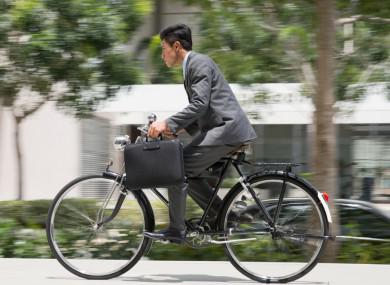 Most people will spend quite a significant amount of time commuting to and from work.
Productivity in the workplace will suffer from the wasted hours and the stress of driving.
Consider some of the following options:
- Educate and incentivize carpooling, public transit, biking and walking as viable and less stressful alternatives that will help make the workplace greener.
- Encourage employees to adopt car-pooling as a practice. It will leave most of them less stressful. Ride-sharing services are also more freely available than they’ve ever been.
- Encourage employees to bike to work. It is not only an eco-friendly means of transport, but one of the fastest ways of getting around on streets clogged with vehicular traffic.
- There are advanced bikes and folding bikes that are very convenient in crowded cities. See if your company can help cover some of their costs.
Take Advantage of Telecommuting Technologies
The internet presents you with innovative technologies that will enable you to make the workplace greener through telecommuting.
Advanced technologies such as instant messaging and video conferencing can result in significant advantages by cutting out the costs of the commute altogether.
However, I have to assert that while a telecommuting framework is cost-efficient and creates a greener workplace, it comes with security risks to your company’s data. I would recommend you use a Virtual Private Network (VPN) to ensure the security of your corporate data from hackers.
As some of your employees may use public networks that may be lacking the protection your sensitive information deserves. A VPN will encrypt device connections to keep hackers out.
Use Recyclable and Environmentally Friendly Materials
While you should strive for a paper-free workplace, the achievement of such an objective may not be practical in the short term. However, you could still create a greener workplace by making use of the following materials and options:
- Switch to using paper and envelopes made using recyclable and green technologies.
- For your cleaning needs, try using biodegradable eco-friendly products that will not only make for a safe workplace but also reduce your ecological footprint.
- Recycle printer cartridges. According to this study refillable cartridges are usually cheaper than buying new.
- Use paper or cloth towels made from recyclable materials. Also use biodegradable soaps, pens and pencils.
Re-engineer the Workplace
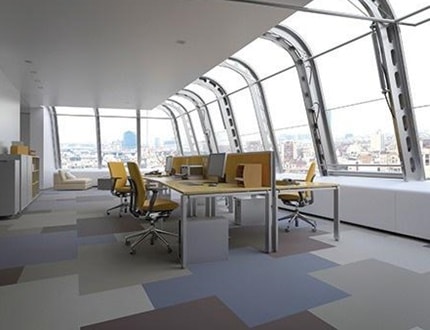 Reengineering the workplace to make it greener is one of the most cost-effective ways you can use to enhance the bottom line. Try out some of the following options to optimize your workplace:
- You can adopt a cradle to cradle model in the redesign of the workplace for huge savings. The cradle-to-cradle model makes use of recycled materials to create recyclable products.
- For your overhead lighting and desk needs, adopt the energy-efficient LED and Compact Fluorescent (CFL) lights for huge savings over the long term.
- Take advantage of modern architectural design and floor planning to leverage natural daylight for the workplace.
Implementing a greener workplace strategy through technology will make the workplace a more productive and healthier one for your employees. Employing such an approach will enable you to improve your organization and have an edge over competing firms.

Alsco would like to thank Catherine Black of Secure Thoughts for contributing this article for Greenroom. Secure Thoughts is the industry leader in helping people make sure their information and loved ones’ are protected online.
For more green solutions for your business, visit the Greenroom blog. Spread the word about how easy it is to create a greener, safer and healthier workplace.
Alsco’s Quick Tips On How To Make The Workplace First Aid Ready
Summary: Is your workplace capable of giving immediate care during emergency cases?
Workplace first aid readiness can mean the difference between life and death. A quick response can reduce the severity of the injury.
It is a legal requirement for employers to provide first aid facilities in the workplace, as stated in the Health and Safety in Employment Regulations 1995. However, the process to first aid readiness may be a bit complex.
If you want a fully managed, hassle-free, safety solution, contact Alsco now.
Why is Workplace First Aid Important?
According to the Workplace Health and Safety Strategy for New Zealand to 2015, there are about 100 work-related fatal injuries in New Zealand every year. More so, approximately 17,000 to 20,000 new cases of work-related diseases are reported annually. Over 200,000 occupational injuries result in ACC claims.
First aid in the workplace covers the arrangements for employers to ensure that employees receive immediate attention in times of illness or injury. It also includes calling an ambulance in serious cases.
First aid can save lives in a number of situations. For instance, immediate CPR treatment can increase the chances of survival for heart attack.
First aid readiness can also protect your business. Providing immediate and effective first aid to injured workers may help speed up recovery. They may be able to return to work quicker, with lesser treatment costs.
What Does the Law Say About Workplace First?
Health and Safety in Employment Regulations 1995 was created to secure the health and safety of workers and workplaces by eliminating or minimising risks, promoting the provision of information and training, and providing the right facilities.
Employers are required to take all steps to ensure:
- First aid facilities are provided at every workplace
- Facilities are suitable for the purpose for which they are used
- Facilities are provided in sufficient numbers
- Facilities are maintained in good order and condition
- All employees have access to these facilities
How to Do a First Aid Needs Assessment?
To identify your first aid needs, a workplace assessment should be completed. Some circumstances can affect your first aid necessities.
Low-risk workplaces only need minimum arrangements, such as a stocked first-aid box. For workplaces with greater health and safety risks, they are more likely to need a first-aider.
Ask yourself the following questions:
What are the hazards present?
It can be physical, environmental, chemical, or biological. For example, working at heights provide greater risks for fall. Or, working under an open heat of the sun can result in sunburns. Work processes like cleaning machinery also create hazards.
How many employees are in the workplace?
The number of workers will affect the facilities you need, including the volume of supplies. It will also determine the number of first aiders you need. Make sure that the first aid provisions cover all hours when employees are working.
What is the layout of my workplace?
The size and layout of the workplace matter. First aid should be readily accessible to all employees upon minutes of emergency situations. You need to consider how long it will take for a first aider to reach the injured or ill person.
How can location affect my first aid needs?
Employers should also take into account the proximity of the workplace to medical centres, hospitals or ambulance service. For those situated in remote areas, find out how long it takes for emergency services to reach the workplace.
How many first aiders do I need?
The hazards in your workplace, the nature of work, the number of your employees, and location will determine the number of first aiders you’ll need. For instance, an IT company close to a medical centre, with three employees, may no longer need one.
The Core Elements of First Aid Readiness
First aid readiness offers obvious benefits for both your employees and your business. It can also help you with reduced claims costs associated with workplace injuries. Here are its three core elements:
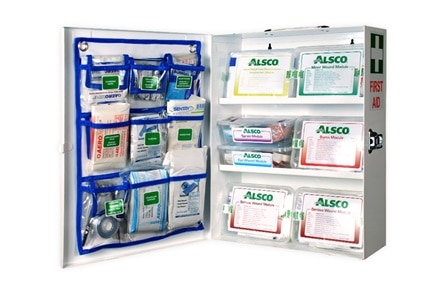
1. Resources and equipment
A fully-stocked first aid kit, with clear first aid signage, should be found in each place where people are working, including work vehicles. Supplies should be enclosed in a sturdy material to protect contents from contamination.
For high-risk workplaces, such as those located in remote areas, first aid rooms may be necessary. First aid kits must be checked regularly. Items should be replenished after use, and replaced before the expiry date shown on the packaging. Nothing other than first aid equipment or related equipment should be in the kits.
2. Accredited first aiders
A first aider should be available during work hours and provided on all shifts. Low-risk workplaces are required one first aider for every 50 workers. High-risk workplaces need one first aider for every 25 workers.
First aiders are required to undertake annual refresher courses in CPR and renew their qualifications every two years. Training should be carried out by people who work for an organisation accredited by the New Zealand Qualifications Authority.
3. Procedures and drills training
All employees must be given clear information about first aid available in the workplace. They should know the location of first aid kits and first aid rooms. Communication channels should be clear in case of an emergency.
Employees need to be introduced to first aiders so that they know their names and where to find them. For high-risk workplaces, employees need to be trained in basic first aid procedures, and what to follow when needed.
Alsco Managed First Aid Kit Solutions
Give your workers an extra dose of confidence by letting them know that their safety and wellbeing is taken care of. Alsco offers best-practice solutions for your business to get you first aid ready and compliant.
Alsco’s serviced first aid kits have the following advantages:
- Their dedicated team does all the checking
- They make first aid kits sturdy, well mounted, and portable.
- Supplies are hospital-grade and auditable to WHS guidelines.
- They offer a scheduled maintenance program.
- Fees are inclusive of consumables with value for money.
Choose Alsco for a fully managed, hassle-free, safety solution. They also offer portable defibrillators, eyewash stations, and vehicle first aid kits.
Be first aid ready! Visit www.alsco.co.nz to discover the services Alsco can provide. Fill out our enquiry form and we will contact you shortly.
Photo Courtesy: Reytan
Your Hassle-Free Solution To Installing Eyewash Stations In The Workplace
Summary: Workers in the manufacturing industry are still at high risk of eye injury.
Eyewash stations are the ultimate convenient answer. They provide on-the-spot decontamination to flush away hazardous substances that can cause injuries to the eyes.
Even a strict compliance with safety procedures can’t guarantee total protection from accidental chemical exposures. Look beyond the use of goggles, face shields, and procedures for using personal protective equipment.
If you want the most reliable eyewash stations that are affordable and easy to install, contact Alsco now.
Why Do You Need Eyewash Stations?
Every year, more than 4000 eye injuries occur at work in New Zealand. A sizeable percentage of these statistics consisted of employees from the manufacturing industry. Many results in pain, impaired vision, time off work and some are blinded.
The eye contains delicate and sensitive parts. If it comes in contact with corrosive chemicals and irritant liquids, it may cause corneal scarring. This leads to visual loss and disfigurement. Radiation from welding flash and industrial laser beams can lead to visual impairment by causing burns to the retinal layer.
Common eye injuries include:
- Penetration of foreign objects like metal scraping into the eyes
- Scratches and abrasions on the eye’s surface (cornea) from foreign objects
- Burns caused by exposure to caustic chemicals
- Swelling caused by being struck in the eye by a fast moving object
The good news is, most of these eye injuries can be alleviated, if not totally prevented. The best first aid treatment is to immediately flush the eyes with flushing fluid within 10 to 15 seconds of exposure. Then, followed by the appropriate medical attention.
Safety goggles and personal protective equipment can’t always guarantee total protection from accidents. Eyewash stations are the ideal solution for your eye emergency needs in the workplace. They are an absolute necessity, even for schools, laboratories, and kitchens.
What Does the Law Say About Eyewash Stations?
Safety standards define eyewash stations as devices designed and intended to deliver flushing fluid insufficient volume, to irrigate and flush the eyes. Australia and New Zealand Standards require a facility of the appropriate type in each room where chemicals are used.
Eyewash safety units should be located on the same level within ten seconds of the hazard or work areas. In the presence of strong acids or bases, the eyewash station should be adjacent to the hazard.
Eyewash units should function in accordance with safety standards. For plumbed units, a continual source of potable water is required. Stand-alone eyewash stations should immediately be refilled or replaced after use. Employers should make sure that these devices are highly visible and well-marked.
Make sure to purchase an eyewash unit that has been approved by a third-party authority. Maintain it regularly to ensure that it will do its job during an emergency. Employees who are exposed to hazardous substances must be trained in the use of the equipment.
How to Choose the Right Equipment?
The need for emergency eyewash stations is based on the chemicals that workers use and the tasks that they do in the workplace. A job hazard analysis is important to identify potential risks and dangers of the job and the work areas.
General requirements for eyewash stations include:
- Ability to flush both eyes simultaneously.
- Freeze protection when the possibility of freezing temperatures exists.
- Nozzles protected from airborne contaminants.
- The unit shall deliver no less than 0.4 GPM tepid flushing for 15 minutes.
- Valves should have a ‘stay open’ feature.
The standard also recommends self-contained units to be constructed of materials that will not corrode in the presence of flushing fluid. As for maintenance, both plumbed and self-contained eyewash stations must undergo weekly inspection to verify proper operation.
Plumbed eyewash stations are not always possible or accessible due to location issues within the workplace. If space is an issue, you’ll need a portable model to support or substitute a plumbed equipment. Portable eyewash stations are great for first aid.
The key requirement, for portable models, is that instructions and the expiration date must be permanently marked on the containers. Inspection and maintenance should be performed according to the manufacturer’s instructions. Regular check-ups, replacements, and resupplies are essential.
How To Do Proper Flushing?
Approved flushing fluids include potable water, preserved buffered saline solution, or other medically acceptable solutions. Eyewash stations should expel only tepid water with temperatures ranging from 60°F to 100°F.
Flushing periods will depend on the kind of foreign object or chemical the eyes are subjected to. If the nature of the contaminant is not known, a flushing period of at least 20 minutes is required.
For other chemicals, flushing and rinsing time are as follows:
- Mildly irritating chemicals require 5-minute flushing
- Moderate to severe irritants require 20 minutes
- Non-penetrating corrosives need 20 minutes
- Penetrating corrosives require longer flushing time of 60 minutes
Non-penetrating corrosives include most acids. Their properties limit the extent of damage since they react with human tissue to form a protective layer. Penetrating corrosives threaten the vision because they enter the eyes deeply. Hydrofluoric acid, phenol, and most alkalis are penetrating corrosives.
If irritation continues, repeat the flushing procedure as first aid until proper medical attention is available. The eye injury and chemical contamination should be consulted with a physician.
Alsco Portable Eyewash Stations
Time is of the essence when it comes to saving someone’s eyesight. Choosing the best eyewash station for your workplace doesn’t have to be complicated. Alsco’s objective is to provide an eyewash model that is accessible easily and instantaneously.
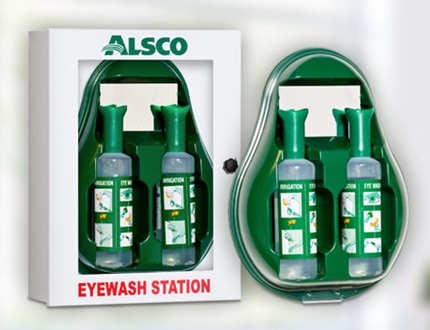
Alsco’s eyewash stations are a practical alternative to fully-plumbed flushing equipment. These do not require plumbing, thus affordable and easy to install. Employers can set up more units throughout the work area. They are highly portable and allow their users to be mobile.
Each of our portable units provides simple, step-by-step visual instructions. The equipment is kept in a highly-durable, visible wall-mounted cabinets. Each station comes with two bottles of 500ml saline flushing solutions and features a no-mess flush system.
What Is Managed Rental Services?
The Alsco team is dedicated to assisting their clients in their WHS compliance requirements. That is why they offer a hassle-free Managed Rental Service when it comes to first aid. Rather than buying multiple eyewash stations, employers can simply pay a single annual fee.
With Alsco, there is an agreed maintenance schedule for your eyewash stations. Rest assured that supplies that are never out of date. Your first aid kits are appropriately stocked with the specific supplies you need for emergencies.
Portable eyewash stations are:
- Re-stocked regularly
- WHS Compliant
- Hospital-grade supplies
- Up-to-date Service Logs
- One small, simple, flat fee
It is best to be prepared with the proper safety equipment. Before purchasing and installing your eyewash stations, check what standards your state has set. Regulations may vary in local areas, but our friendly sales representative from Alsco can assist you.
Be first aid ready today! Get in touch with us now for a free quote.
Alsco’s 4 Quick WHS Solutions for the Lazy Facilities Manager
Summary: A safe and healthy work environment is a goal everyone shares.
Employers help in achieving that goal by complying with Workplace Health and Safety (WHS) requirements specific to their industry.
Regulatory compliance will be handled by your Facilities Manager. What if WHS procedures become too complex?
If you want a quick solution to WHS compliance, contact ALSCO now.
————————-
Maintaining a green working environment will result in having a healthy, clean, and happy workplace for your staff to work in. A clean and green workplace adds value, making it an excellent marketing tool to help you impress prospective clients.
Now the question is, where should we start?
It all depends on your Facilities Manager, and how we can meet his or her requirements. Facilities Management is defined as an important function in a business that coordinates space, infrastructure, people, and organization. In other words, it keeps the facilities in proper working order.
The Facilities Manager handles everything from the company’s floor plans to compliance with health and safety regulations. He is also expected to find cost-effective solutions to maintain workplace safety and regulatory compliance.
Why Should You Choose Alsco?
Facilities Manager are mainly concerned with two areas — quality and cost-efficiency. This is where Alsco can help.
In Alsco, products are rented by the client and not purchased. They only charge a single, affordable annual fee. When you rent from Alsco, their team takes care of legislation and restocking, so you don’t have to.
From mandatory first aid kits to washroom appliances, Alsco includes regular quarterly servicing, maintenance, and restocking. Their managed rental services offer the highest quality products there is.
Before laying down tailored solutions for your company, Alsco and the Facilities Manager will look into these key areas:
Health and Safety
Laws for health and safety apply to all businesses. These laws are there to protect you, your employees, and the public from workplace dangers. The approach to take should be proportionate to the size and nature of your business.
Assessments of risks, first aid codes of practice, management of hazardous chemicals – health and safety regulations set by the industry is quite extensive and detailed. Failure to adhere can lead to a host of costly consequences.
Fire Safety
Fire is not only the highest risk to life in the workplace but also the biggest threat to workplace destruction. Every employee should be able to describe the emergency procedures for their facility in case of fire.
Apart from keeping fire safety documents up-to-date, the Facilities Manager should conduct regular inspections, ensuring that extinguishers and sprinkler systems are properly working.
Hygiene Levels
There should be careful monitoring of hygiene levels in the workplace. For instance, frequently touched surfaces are a breeding ground for germs. Keep washrooms, kitchens and canteens bacteria free to reduce the risk of illness to personnel.
Employees should be provided with the right sanitation supplies. There should be a clear schedule of cleaning hours and re-stocking of cleaning products like hand soap, paper towels, and toilet papers.
Maintenance and Inspections
The Facilities Manager will be in charge of maintenance schedules. Regular inspection should be drawn up to check whether stocks are adequate, or the equipment is working.
What Are Alsco’s 4 Quick WHS Solutions?
Here at Alsco, we are committed to helping businesses make a difference. It is our goal to keep workplaces cleaner, greener, and safer. It’s a mistake to view commercial cleaning as a cost — it’s an investment.
1. Low-cost rental fees
Alsco’s managed rental services tailor their deals to your business. For a company on a budget, the cost for new equipment like electric hand dryers, Automated External Defibrillator (AED), or parts washers for engines can get pretty high.
Alsco can help you save on expenses by letting you rent. They charge a single, affordable annual fee with no extras. Rental services are also tax-deductible, so that’s additional savings for you.
Alsco provides fully managed rental services in:
Floorcare – Alsco offers mats for all situations and applications. This service aims to help protect floors from dirt and premature wear and reduce the risks of slips and trips in slippery surfaces.
Uniforms – Alsco offers industrial workwear, uniforms for the food and catering industries, as well as pharmaceutical workwear. Their affordable rental program takes care of all laundry, inventory, repair, and delivery of the garments.
Washroom Services – A clean and hygienic bathroom is an essential requirement for all workplaces. Alsco’s products include no-touch dispensers, hand dryers, baby changing tables, and more!
Linen – Alsco offers a comprehensive range of linen with products including tablecloths, table linen, tea towels, HACCP food and glass wipes, bedsheets and towels. They can also supply hospitality workwear.
First Aid Systems – First aid kits are a legal requirement for your business. From motorist kits to regular, wall-mounted cabinets, Alsco can offer the right kit for your workplace, business and industry.
Ecosafe washer – This automotive parts cleaning solution promotes green cleaning by a process called bioremediation. It reduces the use of harmful chemicals and uses a powerful water-based degreasing fluid called OzzyJuice.
2. Full and easy compliance
Failing to comply with health and safety regulations can lead to some hefty fines. Alsco helps you comply with complex, confusing WHS guidelines. They keep up-to-date with any changes to WHS rules, so it can be dealt with immediately and full compliance is assured.
3. Reliable maintenance services
It is Alsco’s job to keep their products in proper working order. For instance, consumables are checked for their expiry date on a regular basis and replaced at no additional cost. They also check if your AED is faulty, or if your electric hand dryer is safely mounted on the wall.
Alsco’s managed rental services include scheduled inspection of equipment, maintenance programmes, and cleaning if necessary. This system gives you peace of mind since your company complies with relevant regulations.

4. Restocking services
There’s a reason why Alsco has become the first choice when it comes to First Aid Kits. Their wide range of rental services not only offer the highest quality medical supplies and products. Alsco is also relentless in maintaining and replacing stocks.
Restocking keeps you prepared. When there is an accident in the workplace, Alsco ensures you’re equipped with the right supplies to deal with the crisis.
Alsco Rental Services
Alsco’s dedicated team, together with your Facilities Manager, will satisfy the key areas of your business. Over the years, Alsco’s managed rental services have evolved to maximize cost-efficiency and convenience.
From restocking to maintenance, Alsco has got it covered so you can focus on running your business. Alsco’s dedicated teams will help keep your business clean, organised and professional.
Have unique requirements or one-off emergency requests? Enquire now.
Have A Clean And Green Workplace You Can Be Proud Of – It’s This Easy
Summary: Green Cleaning promotes the health and safety of your workers, clients, and other individuals in the workplace.
It is achieved through cleaning methods and products that have environmentally-friendly ingredients, and free from hazardous chemicals and toxins.
Keeping a green working environment is not as difficult as you think. It is most successful when best practices are implemented so that everyone can benefit.
If you want a clean and green workplace you can be proud of, contact Alsco now.
————————-
Ever wondered how the office custodian cleans the kitchen facilities and washroom? In many workplaces, Green Cleaning is not considered a priority. This means you might be exposing yourself to harsh chemicals in your work environment, without your knowledge.
How Green Workplace Cleaning Works
Two issues have been identified when it comes to conventional cleaning products:
- The impact that old cleaning products have on the environment.
- The impact they have on worker health.
With workers constantly coming in contact with all kinds of surfaces, toxins can easily get on the skin, eyes, and possibly be absorbed by the body. These chemicals also invade our wastewater system and seep into the soil.
Green Cleaning is the key phrase to keep in mind. The concept promotes cleaning methods and products that use environmentally-friendly ingredients that are free from hazardous chemicals and toxins. True ‘Green’ products also come in environmentally-friendly packaging and disposal.
Benefits of Keeping a Green Workplace
Keeping a green working environment is not as difficult as you think. It can be challenging for other places of work, such as garages and manufacturing complexes, but by no means impossible. You can get the following benefits by just switching to green cleaning:
1. Healthier Environment
For a mechanic working in an auto shop, old chemical cleaners and solvents used in parts and engine cleaning are highly detrimental. Waste liquids not only pollute the workplace but also the water system when these untreated wastes are disposed into the sewage.
Chlorinated solvents are resistant to environmental degradation. Meanwhile, petroleum hydrocarbons, heavy metals (fluid), heavy oil distillates and detergents all contribute to highly pollutant concoction.
Upon changing to greener methods, you help in reducing pollution to our waterways and the environment in general. These methods can reduce chemical runoff through proper cleaning techniques, are less toxic to aquatic life, and produce less greenhouse gas emissions.
2. Healthier Workers
The use of chemicals in cleaning parts has long been linked with a variety of illnesses and injuries. Workers may absorb contaminants from residues of cleaning products on food preparation surfaces, as well as from poorly cleaned hands.
A recent Healthland report by Time.com shares that according to the Environmental Working Group (US), some all-purpose cleaners contain 2-butoxyethanol, which can damage red blood cells.
Illnesses and injuries caused by chemicals in traditional parts washer include:
- Liver and eye damage – linked to acetone vapours
- Respiratory problems – linked to ammonia
- Headaches, blackouts, cancer, death – linked to benzene
- Carcinogenicity, neurotoxicity – linked to ethyl acetate
Green Cleaning reduces the exposure to toxic chemicals, therefore, benefits the health of both employees and clients. Green cleaners can improve indoor air quality, reduce airborne dust, and chemical gases. You can also expect less of the stench caused by strong chemical odours.
3. Safer Work Area
Whether running a portable parts washer or increasing washroom hygiene levels, green cleaning is one of the best solutions for a safer workplace. Green products don’t pose risks such as chemical burns to the skin and eyes.
Environmentally-friendly cleaners also aren’t corrosive. Ingredients contained in these products meet strict standards regarding inhalation toxicity, combustibility and skin absorption.
Green Cleaning Products to Use
Low environmental impact products for home and office use are now being recognized — such as a cloth towel dispenser for the washroom.
**A study conducted by the University of Westminster revealed that cloth towel dispensers are far more hygienic. Hot air dryers can cause cross-contamination by blowing bacteria into the air.
Now, ‘green cleaning’ options for machinery parts washers and engine products are also available!
For a workplace where a machinery parts washer is used, alkaline detergents mixed with water is a favourable option. Water-based parts washers give you all the cleaning power of the solvent, with cleaning solutions that are safe and biodegradable.
According to the EPA, water-based cleaners are “better than solvents from an overall human health and environmental standpoint. They reduce worker exposure and exposure to the surrounding community”.
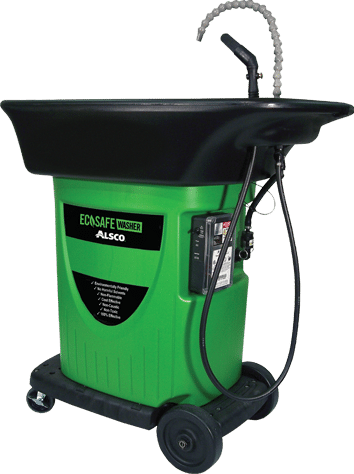
Alsco Ecosafe Washer
One example is the Alsco Ecosafe Parts Washer, which is designed to use OzzyJuice, a non-flammable, pH neutral, non-toxic and non-corrosive solution instead of traditional engine cleaning solvents.
The Alsco Ecosafe Parts Washer converts hydrocarbons into water and carbon dioxide, while oil and grease are converted into oxygen and carbon dioxide. It provides a safer alternative since the number of pollutants left in wastewater is only 7% that of the pollutants in traditional wastewater.
Green Cleaning Made Easy
Businesses are gradually becoming aware of the impact they are making on the environment. The next time you hire a cleaning team for your workplace, make sure that they are using eco-friendly products. Look for the Design for Environment (DFE) logo.
Keeping a green work environment doesn’t mean compromising your standards. In fact, it can even promote health, and eventually productivity, among your workers by decreasing potential risks for injuries.
Take Green Cleaning as a chance to increase your knowledge of efficient cleaning practices that can help reduce waste and chemical use. The EcoSafe Washer is safe to use, cost-effective and remarkably strong.
Curious on how our Alsco Ecosafe Parts Washer can transform oil and grease into water and carbon dioxide? Contact our Experts.
Photo Courtesy: atelier PRO
Alsco in the Community – See What we do in Your Local Community
Alsco NZ is proud to be an active supporter in the local communities we belong to supporting a wide range of non for profit, sporting and, local community organisations and initiatives. This is also in conjunction with our involvement with our three key sponsorship initiatives with Medical Aid Abroad, Auckland City Mission and the Westpac Rescue Helicopter.


