Trusted by 237K+ Business Worldwide. Find a Location
Trusted by 237,000+businesses worldwide across 250 locations delivering uniforms, linens and more. Find a Location Near You


Delivering Excellence Since 1910
Contact Us
Treat Your Heart with These 5 Fab Foods
Cardiovascular disease is one of Australia’s major health problems and aside from being a major health issue, it is also one of the biggest problems on the economy.
It is, therefore, critical to take precautionary measures to lower the risk of heart attacks, especially in the workplace.
Your diet is critical in alleviating the risks involved in heart attacks. Moreover, a healthy diet can help you stop gaining weight, and reduce your risk of diabetes and high blood pressure.
It is a common misconception that healthy eating is associated with a higher cost of food. Should you ponder on the investment, it is a way cheaper avenue.
Imagine the cost of hospitalisation and health care needed for treatment and recovery. Worse, you may not be alive to even worry about it. Heart attacks are always unexpected and as such, it is a great necessity to have convenient access to an Automated External Defibrillator (AED) within minutes.
Knowing the location of the nearest AED is crucial and can be the difference between life and death. Simply check Heart Attack Help to know the exact location of AEDs in your area or anywhere in the country. It also pays to know the locations of the nearest AED facilities along your route if you are planning to travel.
Reduce Risks of Heart Attacks By Eating Right
Watching what you eat is a good idea. It is, however, exhausting both gastronomically and economically. Spare yourself from worrying about what you can’t eat. Instead, focus on what you can eat.
A steady supply of heart-friendly nutrients such as fibre, potassium, and omega-3 fatty acids can be found in vegetables, fruits, low-fat dairy products, and whole grains.
Here are a few recipes and snack ideas that are easy to prepare and readily available from your local grocery store. Stock up your pantry with these Fab Food delights for a healthier heart.
Honey-Soy Broiled Salmon

Calories per Serving: 234
Nutrients: 23g of protein, 13g of healthy fats, selenium, and omega-3
Preparation Time: 40 minutes
This savoury, sweet, tangy dish has all the wonderful flavours of honey, ginger and rice vinegar.
Ingredients
- 1 pound centre-cut of salmon fillet
- 2 tablespoons of reduced-sodium soy sauce
- 1 tablespoon of rice vinegar
- 1 minced scallion
- 1 teaspoon of freshly minced ginger
- 1 teaspoon toasted sesame seeds
How to Cook
1. Mix together the soy sauce, vinegar, honey, ginger, and scallion in a bowl until all ingredients are perfectly blended together.
2. Slice the salmon into four portions and marinate it with three tablespoons of the prepared mixture. Let it sit for at least 15 minutes.
3. Preheat the broiler. Line a small baking pan with foil and coat it with cooking spray.
4. Drip dry the salmon from the marinade and place it in the pan skin-side down.
5. Cook the salmon and make sure that the pan is at least 10-15 cm from the heat source.
6. The fish is cooked when it turns white. Arrange it on a plate drizzled with the remaining marinade.
7. Sprinkle with sesame seeds.
Shed Some Light on Dark Chocolate

Image from: Flickr by Tim Sackton
Dark chocolate is proven to help good blood flow. Contrary to the “chocolate” perception, eating dark chocolate is actually very healthy.
It contains many antioxidants as well as flavonols that help improve blood flow, lower blood pressure, as well as reduce the stickiness of blood platelets which makes them less likely to form blood clots.
Always remember that a healthy diet requires moderation.
Excessive consumption of dark chocolate may help aggravate diabetes and other health problems.
Curried Pork Chops with Roasted Apples & Leeks

Image from: Flickr by Annabelle Orozco
Calories per serving: 463
Nutrients: Fat 20g, Cholesterol 100mg, Carbs 39g, Total sugars 24g), Protein 34g, Fibre 6g, Sodium 377mg, Potassium 778mg
Preparation Time: 40 minutes
This healthy, oven-baked pork chop dish is good for 4 servings and it is gluten-free. Roasted apples and leeks lend a sweet-and-tart tang.
If you often take off the dark green tops of the leeks, don’t throw them away this time—they have a delicious savour and become succulently tender when roasted.
Ingredients
- 2 medium-sized leeks (washed, cleaned and sliced diagonally)
- 3 large apples (cut into 2.54 cm pieces)
- 4 bone-in, trimmed pork chops (around 1.27 cm to 1.9 cm thick)
- 3 tablespoons of extra-virgin olive oil
- 1/2 teaspoon ground pepper
- 1/2 teaspoon salt
- 1 tablespoon cider vinegar
- 1 tablespoon brown sugar
- 1 tablespoon curry powder
How to Cook
1. Preheat the oven to 218.3°C; Place the racks in the upper and lower thirds of the oven.
2. Coat 2 large rimmed baking sheets with cooking oil spray.
3. In a large mixing bowl, mix the leeks, apples, and 2 tablespoons of olive oil. Season well with salt and pepper.
4. Arrange the apples and leeks mixture on one of the prepared baking sheets. Roast it on the lower rack of the oven and stir once or twice until the apples are tender and the leeks have wilted. This will take around 20-25 minutes.
5. You can prepare the pork chops while the apples and leeks are in the oven. Use a small bowl to mix the curry powder and 1 tablespoon of olive oil, then season with salt and pepper. Brush this paste-like marinade to both sides of your pork chop.
6. Place the pork chops on the second baking sheet and turn on the broiler to high setting. Cook it for 4-6 minutes. You can use an instant-read thermometer horizontally into the meat, but make sure that it does not touch the meat. The chops are perfectly cooked if it registers 62.7°C.
7. Combine the vinegar and white sugar in a large bowl. Toss in the apple and leeks mixture. Serve together with the pork chops.
Blueberries – the Super Fruit

Image from: Pixabay by JillWellington
Filled with antioxidants and phytoflavinoids, these berries are also high in potassium and vitamins C, E, and B. Therefore, they are rightfully labelled as a super fruit. Not only can they lower your risk of heart disease and cancer, but they are also anti-inflammatory.
Studies show that blueberries contain the highest antioxidant capacity of all commonly consumed fruits and vegetables. The antioxidants in blueberries have been shown to protect the body from oxidative damage. It increases the levels of the “bad” cholesterol – a critical phase in the pathway towards heart disease.
Moreover, consuming 50 grammes of blueberries every day for eight weeks can significantly affect blood pressure alleviating risks for heart disease.
Get your supply of blueberries fresh from your local farmer’s market. You can also buy the properly packaged blueberries from nutrition shops.
A Nice Cup of Coffee

Image from: Flickr by Peter Burka
Your favourite morning brew is more than just the strongly aromatic, bittersweet beverage. It’s also known to be full of active compounds and minerals that have a variety of health-promoting features.
Coffee’s health perks are related to naturally-occurring compounds in coffee beans other than caffeine. Coffee contains hundreds of unique phytochemicals that help reduce inflammation, making it good for your heart.
Drinking coffee regularly has some great health benefits, such as:
- a lower incidence of Parkinson’s
- certain types of cancers
- reduced rates of DNA damage
It is, however, important to note that you should only consume coffee made of natural coffee beans.
Do Your Share – Help Save Lives at Your Workplace

Be on top of your game. By eating healthy foods, you can exponentially cut your chances of suffering from heart attacks.
Share your regimen with others especially in your workplace to help save lives.
Speaking of saving lives, Alsco offers a variety of first aid and safety services including our Automated External Defibrillator (AED) which are essential in related emergency situations.
Our professional operators are on standby to answer any of your inquiries. Call us now at 0800 4 ALSCO.
Photo: Pexels
4 Ways to Deal With Workplace Stressors
Stress has long been understood to result from pressure in the world around us coupled with the strain that happens within us.
Things that don’t stress us out in some situations can pretty much stress us out in others.
That said, it’s pretty obvious that a workplace is a place where stressors abound and stress is rife.
Pinpointing what these stressors are is critical to effectively manage them and turning your office into a healthy workplace with happy employees.
In this article, we look at the very real problem of stress, what causes it in the workplace and offer 4 effective ways to properly manage it when it’s there.
What’s the big deal with stress?
Stress can be observed as a person’s reaction to the situations they encounter. It’s certainly reflecting on a person’s behaviour, feelings, mental state, and can even have obvious physical symptoms.
Everybody deals with stress in their own way, but basically, you know a person is stressed when they’re more erratic, irritable, and even aggressive coupled with a lowered drive for work and impaired functionality.
Even those that mask these things well will find their stress reflected in the quality of their work output.
The stressors that abound
There are far too many stressors in the workplace to discuss in one article, but there are several that are worth focusing on:

Image from: Pexels by Startup Stock Photos
- The work itself. Having a heavy workload can’t be helped sometimes, it’s true. But it’s still critical to understand the exact pressure triggers that your employees have at work.
- The level of pressure. Again, this is something that can’t always be helped when the deadlines approach fast, but it does have a very significant effect on stress levels—always to the detriment of the person being pressured.
- The work environment. Employees place a lot of value in the work environment. This includes the people they work with and place they work at. If the workplace is messy and unsanitary and the coworkers unpleasant and gloomy, the stress levels rise rapidly. Pay extra attention to workplace washroom.
Take these all together and you have a recipe for disaster—especially if it all goes unnoticed and unaddressed. So how does one manage all of these? Here are the 4 best ways.
1. Identify the Specifics of These Stressors
When you’re caught up in the stress yourself, it’s very easy not to notice what’s causing it. Stress has a way of sneaking up on you.
While you are thinking that you are upset because your pen stopped working, you fail to realise that it is the inadequate workload and the approaching deadline what makes you break that pen in half.
If you’re in a position to do so, take the time to carefully observe what’s going on in the office.
Does the workload really mirror the stress felt by everyone? Is someone putting too much pressure on everyone else? Is the work area conducive to stress or productivity? The best way to answer these questions is to talk to the people working around you.
2. Acknowledge the Most Affected

Image from: Pixabay by Free-Photos
Once you’ve identified what stressors exist and how these affect people specifically, the next step is to acknowledge those most affected.
It’s actually very effective when your boss shows that they know you’re under a lot of stress.
Acknowledging that your employee is doing their best when the conditions are not perfect means a lot.
It shows a great deal of care and concern that many people long for when under the weight of stress.
Again, the way to do this is to sit down and talk to these people.
3. Take Proactive Steps Where Possible
Don’t wait until you notice that your employees are crashing down under the weight of stress. Do something before it even starts to happen. It’s always better to be safe than sorry.
You can do this simply by doing these things today:
- Make your workplace clean and comfortable for your workers.
- Think about their workload and deadlines and make sure they are reasonable.
- Spot the interpersonal issues and solve them in time.
- Take some steps that will help your employees get enough exercise and eat healthily.
All these things will help prevent stress before it even starts making problems around your workplace.
4. Set Up Breaks!

Image from: Pixabay by pmvchamara
Lastly, taking much-needed breaks can easily relieve workplace stress. If possible, make the pauses long and truly distant from the stressors.
A trip to the park or even the spa might just be what the doctor ordered. If such big breaks simply aren’t possible, then little things like a surprise box of pizza or doughnuts (or both!) can do wonders.
The keys, really, centre around being more conscientious about what’s going on around you and reacting appropriately.
Again, it’s important to ask questions and talk to your coworkers. That done, deal with it with a touch of care and compassion. It goes a long way.
At Alsco, our biggest priorities are employee happiness and safety. When you attend to these, you invest in the most important assets your company has.
With an extensive product line and packages geared towards safety and sanitation, Alsco has all you need to help mitigate employee stress.
Reach out to us and we’ll help you pick out the products and packages that meet your needs specifically. We’re all about meeting our customers’ needs exactly as they need them met.
Photo: Flickr
The Kaikoura 7.8 Magnitude Quake Effects Story
Let’s begin with the understatement of the year:
The 2016 Quake Effects
It was a very shaky start to the 2016/17 tourism season for our Kaikoura customers, their businesses and families.
Just after midnight on the 14th November, the people and businesses of Kaikoura had their worlds turned upside down in just a few minutes.
The November quake and the aftershocks have had a profound effect on this beautiful and tranquil, small, seaside town.
On my first visit back, I couldn’t believe the level of damage and the changes in the landscape from when I was there just two weeks earlier, on Marlborough anniversary day, 31st October.
You can view images on Google (Kaikoura Quake Images)
[b3_row]
[b3_column lg=”6″ md=”12″ sm=”12″ xs=”12″ ]

Photo courtesy by contractormag.co.nz
[/b3_column]
[b3_column lg=”6″ md=”12″ sm=”12″ xs=”12″ ]

Photo courtesy by dailymail.co.uk
[/b3_column]
[/b3_row]
Kaikoura & Alsco Linen
Here we are a few months after, and I am happy to say that the town is being rebuilt. Access via the inland road and Christchurch has been mainly restored, unlike the access from Blenheim is still many months – if not years away.
Many of Kaikoura’s unique and wonderful attractions have reopened since then and the tourists are once again visiting Kaikoura.
Over the past 3 weeks, the numbers (e.g. Linen Orders) have almost doubled and as of this week, we are now going to Kaikoura 2 times a week.
The Unconditional Helped Given
However, back in mid-November, it was a different scenario that we were facing. With no road access in or out of Kaikoura and random communications with businesses, emergency agencies and customers. All of this was a regular thing until December.
But what we did have in Kaikoura was a Knight in Shining Armour. Well, maybe not a knight nor shining armour, but our local part-time employee Dan Young (in a shiny Van) who was based in Kaikoura and kept us informed about events as they occurred.
It was a very difficult time for all Kaikoura residence and for Dan it was no different. He had his family and was also working on his other part-time job, delivering milk etc.
Dan stayed in touch with all the Bays Laundry customers that he knew were open. He recovered clean linen from accounts which were not able to open, ensuring service continuance for those that were. This was fantastic and we appreciate Dan’s commitment to his customers very much.
The Soiled Challenge
Yet, we had a new challenge. There was a significant buildup of soiled linen bags. We had to get this soiled product out of Kaikoura as soon as possible. Looking at the short term, this was fine.
However, in the mid-long term, this could become a health hazard and a significant expense for replaced damaged stock.
We looked at a number of different scenarios to get the soiled linen bags out of Kaikoura, including airfreight. However, with $150 a bag and over 300 soiled bags in Kaikoura, this was way too pricey.
The Solution
The help came from Peter, an acquaintance of a friend of mine. He was in the boat building industry in Nelson. Peter owned a fishing boat and because of the quake damage in the bay, his boat was available.
Because of the seabed rising 3-4 metres and lack of fuel available, the local fishing industry in the area basically had to shut down just a few weeks after the quake.
Anyway, I got in contact with Peter and we arranged his fishing boat and crew to meet Dan in Kaikoura, where they loaded almost 300 bags of soiled linen onto the boat. They travelled to Picton for about 10-12 hours approximately, to meet up with our Bays Laundry Service Manager Shane Laurence who collected the linen bags.
We then loaded 150 Bags of clean linen back onto the boat to take back to Kaikoura.
For the next few weeks, as road access was improving, we serviced Kaikoura via the inland road. Initially, we had to go online and register to meet the emergency services, who then provided a guided transport convoy in and out of Kaikoura. Most of the service days consisted of departing from Motueka/Nelson at 3 am, returning at approx. 6 pm.
The cost of maintaining services into and out of Kaikoura is probably doubled than those of last year, with less than half the revenue.
However, as a long-term supplier with a commitment to the market, we owe it to our Kaikoura customers to be there and work with them to rebuild local businesses in the region.
Paul Ladbrook
Branch Manager, Alsco Bays Laundry
6 Effective Housekeeping Hacks for the Workplace
Housekeeping has always been essential for, well, your home—hence the name.
And when you talk about housekeeping, that always implies cleaning floors and surfaces, getting rid of dust and dirt, and reorganising everything to its proper place.
That still holds true for the office but “office-keeping” takes cleaning to a whole different level.
That is, safety is often the watchword for office housekeeping.
More than at home, good office housekeeping protects your employees from injury and harm. This, in turn, can improve your productivity and overall morale.
Additionally, the perfectly clean and safe office makes great impressions on visiting clients—which is always a plus.
So how does one actually get good office housekeeping done? We’ll share with you 6 great ways to keep that office up to par in terms of cleanliness and true freshness.
1. Go for Safety Against Trips, Slips, and Falls
Occupational hazards and injuries are a literal pain in the neck for your employees and a painfully figurative one for you. One of the most common causes of workplace injuries are slips and falls.
Moreover, workspaces should maintain cleanliness and orderliness for safety. That is the only way to prevent those trips, slips and consequential injuries.
This specifically pertains to floor areas that tend to be vulnerable spots, especially when they are wet. Alsco’s mats are the perfect option here as they effectively absorb dirt and liquid while providing traction for safety.
2. Eliminate Foul Odours
Bad smells and foul odours might not cause many injuries as slips and falls, but they can certainly make a day wholly unpleasant.
This is especially relevant if your business entertains clients in site. It can make or break any potential deals you might have in the works.
Alsco’s Odour Control system features customizable time-release intervals to allow a day-long extrusion of wonderful scents in order to keep your workspaces smelling fresh and clean. This also has an amazing psychological effect on the people you’re working with.
3. Prioritise Accessible First Aid

When it comes to workplace safety, first aid is a very critical component that mustn’t be ignored. In fact, it’s a critical component for compliance that has to be dealt with promptly.
Again, Alsco provides a wide range of First Aid options from portable kits all the way up to a full station. All of these contain everything you need for many different office-emergency scenarios.
We even offer in-office training options to make sure that your employees are all capable of handling any emergency.
This is a great solution as it makes everyone participative in the maintenance of safety in the office.
4. Workwear Also Matters
If you want to keep your workplace looking neat, you need to deal with your employees’ appearance, as well.
To this end, a variety of workplace uniforms is a great investment depending on the nature of the business or industry that you’re working in.
Whether it’s industrial safety, medical hygiene, food processing sterilisation, Alsco’s uniform options are varied and industry-specific to ensure that your personnel is good-looking and protected from harm and injury.
With rental options available, you can save on expenses and budgeting when you get our uniforms.
5. Create a Codified Set of Rules
Another important component of safety is to create a set of rules to follow.
Firstly, make sure there’s a simple handbook to guide your people in most likely emergency scenarios and situations.
Secondly, label high-risk areas with proper guidance and instructions in order to reinforce the points made and to ensure on-point safety and cleanliness.
Examples of these places are entrances, washrooms, and even the pantry. Making these visual will go a long way to ensuring they’re fully understood and followed. This way, it’s always clear to everyone what they need to do.
6. Equip Your Washrooms With the Necessary Equipment
Lastly, with a clear need for safety and cleanliness within the washroom, it’s essential to invest in washroom technologies that work best for you and your needs.
The Alsco product line includes components that include:
- Feminine hygiene
- Hand hygiene
- Odour control
- Deep cleaning and many more.
All of these come with a range of options that can be customised to fit your company’s specific needs.

Image from: Flickr by Peter Burka
Everything from hypoallergenic hand soap to sanitizer can be selected to match your own desires. You can even choose between manual and automatic systems that provide for affordability or convenience respectively.
Alsco has long been Australia’s top provider of quality supplemental services centred around employee safety, comfort, and hygiene.
With the purchase or rental options available, our products and services fit any and every budget.
Give us a call today and we’ll be more than happy to provide you with fully customizable packages that are tailored to fit your needs specifically.
Photo: Álvaro Vega F.
8 Reasons to Get Your Employees Pumped Up on Fitness
Between the stresses of the day to day grind, and—more often than not—the commute to work, it’s easy for employees to get tired and drained.
When that happens, it’s not surprising that productivity and drive get affected negatively. If you have a company full of unproductive workers, your business will be the first to suffer.
This is exactly why keeping employees healthy makes good business sense.
The key elements of health are exercise, proper diet, and good hygiene.
As an employer, you can do your best to have a clean and healthy workplace and even offer some healthy snacks and fitness programs.
Many companies today are quick to invest in the physical fitness and wellbeing of their employees.
Of course, offering a physical fitness plan and getting people to go for it are two different things entirely. Which is why we give you 8 reasons why you should really get them motivated.
1. Fit employees stay healthy
When an employee is tired and worn out, their immune system isn’t working at top efficiency. This leaves them very vulnerable to getting sick. This is especially true when there’s a flu bug jumping from employee to employee.
Getting your people fit means also boosting their immune systems. That will result in lowered absence rates and even less spend on health care payouts.
For some employees, taking on a more physically active role can be life-changing. Take Domenik, for example, whose job as a Service Delivery Person for Alsco in Auckland changed his life in less than 3 months.
https://www.facebook.com/AlscoNewZealand/videos/358413175057693/
2. Fit employees are more active at work

Image from: Pexels by Gratisography
Being fit contributes to better endurance in other fields, as well. This means that stress, commute and other physical stains less affect those that are in good physical shape.
After a long commute and a stressful day, you’re more likely to feel lacking in the energy department when you’re not fit.
Naturally, this affects the quality and calibre of work being delivered.
When you encourage fitness in your employees, you keep their energy levels on the up and up, meaning that they better handle their workloads with vim and vigour.
3. Fit employees have higher self-confidence
Let’s be honest, being in an unfit body isn’t the best way to feel confident. It makes us feel more conscious of our appearance and less likely to drive ourselves onward.
Being fit will help build your employee’s self-confidence. This is especially true when they start to notice the changes in their body. This, in turn, will drive them to go beyond what they can do and challenge them to excel.
4. Fit employees make others confident too

Get one or two employees on the fitness waggon and you’re bound to attract even more to follow. Fitness is contagious!
A lot of people think that fitness is something that other people do and that it’s not for them.
That is the precise thought that’s holding your employees back from taking up exercising.
When they see how it works on a real, live example in the office, they will be inspired to try fitness themselves.
That’s especially true when it comes to energy levels. Someone lively will inspire others to be lively too.
5. Fit employees are more goal-oriented
Fit employees often have a vision for what and where they want to be in terms of their shape and health. It can be a target weight or a target body form, but having these fitness goals actually extends into their work lives.
Fitness fans easily adopt a goal-oriented mind frame.
You’ll find that motivating your employees to keep fit also pushes them harder to reach their professional goals. This will pull up productivity even more.
6. Fit employees act much better
Exercise has long been found to release “feel good” chemicals in the body as well as release pent-up stress. This has a profound effect on a person’s perspective on life as well as their general behaviour.

Image from: Maxpixel by Nikon D700
While those same people might once have been dour and glum, physically fit employees are far more likely to become positive and bright. This is something that can literally lighten the mood around the office too.
7. Fit employees are far less stressed
Apart from the release of chemicals like endorphins that promote positive outlooks, exercise and physical fitness also give employees an outlet for everything that might be stressing them out.
Be it work or their personal lives, encouraging them to keep fit is also encouraging them to vent out all the stress that has been piling up inside them.
Less stressed employees are more relaxed and better prepared for all tests and trials of the office work.
8. Fit employees notice your efforts for them

Photo courtesy of Wikimedia Image by Virgo Group
Take all the benefits mentioned above and try to implement them into the everyday routines around your office.
Your employees will notice the effort you are putting out for their wellbeing and they’ll love you for it. Because who wouldn’t want to feel cared for by their bosses?
This will not only improve productivity, but it will also lower turnover and attrition rates in the long run. Nobody wants to leave an office where they feel taken care of.
At Alsco, we tend to your company’s very specific hygienic needs—all for the safety and wellbeing of your employees.
Let us take the issues of sanitation, hygiene, and general workplace safety off your hands and leave you to deal with other aspects of employee wellness.
We offer many great products in highly customisable packages. Give us a call today and we’ll come up with a plan that is specific and perfect for your needs. Reach out to us today.
Photo: tanjashaw
The 4 Employee Well-Being Aspects You Need to Consider
Investing in employees’ health is the best investment any company can make. After all, if your employees aren’t in the pink of health, they aren’t going to be performing at their utmost.
Now, when you speak of health, many people assume that has to do with physical well-being. While that is true, general well-being is much more than its physical aspect.
There are actually at least four factors to consider if you want to provide holistic care for your people. You need to think about their emotions, life-work balance and even go into every little detail when it comes to workplace hygiene.
So, let’s take a look at these aspects and figure out the things you can do to improve your employees’ well-being.
1. Feelings, Nothing More Than Feelings?
There are two ways to look at the emotional well-being: the first is personal, the second is professional.
Emotions and moods caused by relations and events in one’s personal life shape the personal emotional well-being of that person.
While those issues are best left at home, that is not always possible. Especially if the low emotional well-being is caused by clinical depression, anxiety, or some sort of tragic event.
In that case, looking the other way is not a solution. The employer should reach out to the employee in question and try to help by offering counselling, contact with the support groups or at least days off for treatment.

Image from: Pexels by Katii Bishop
Professional emotional well-being has a lot to do with how employees feel about where they work. This is a very important aspect to consider as our moods strongly affect our work focus and productivity.
When we’re happy, giddy even, we tend to perform better as we’re pumped up. When we’re hurt, sad, or down in the dumps, we tend to lean towards the lethargic behaviour.
These cases dip and dive in our work quality. The same can be said of the emotions directed towards the company.
If an employee doesn’t feel comfortable, respected, and taken care of in their workplace, they are less likely to give their best.
The answer: There’s much to be said about drawing the line when getting friendly with your employees. It doesn’t hurt, though, to be a friendly face willing to ask “What’s up?” with genuine concern.
This usually helps employees feel comfortable and acknowledged in their workplace. Also, give them a company they can be proud of and happy to be with. Keep things bright and clean, and host team-building activities.
2. Money, Money, Money
All things considered, your employees’ bottom line is to earn money. That’s why they applied for and accepted their jobs. So, even with all the perks and good vibes in the workplace, what matters most to them is what they earn.
When faced with mountains of expenses, bills, rent, and even emergencies, it’s not hard to see why employees can stress out over their finances.

Now, you’re likely thinking, “I pay them! What more is there to it?” Well, what a lot of employers don’t take into account is the shifting costs of living relative to economic shifts in the world you are all a part of.
Inflation, market dips, current events—all these can shrink the value of their paychecks year in and year out.
The answer: Show you care. Take the time to understand the financial situations of your employees. If you can, adapt to these with a small raise that help them get by better.
Failing that, offer perks, coupons and discounts for things like groceries and medical services. Not only do you build rapport, but you also actually make a real difference that will reflect in better productivity.
3. It’s All in The Mind, and That’s Not OK
Stress and burnout are common workplace afflictions and one that can really do a number on your employees.
After all, when your employees reach a breaking point, you can’t expect them to keep pushing forward. People don’t work that way.

Stress and burnout can happen for many reasons – sometimes it’s emotional, sometimes it’s financial, sometimes it’s even the commute to work and a bad work-life balance.
The thing to know is that—no matter how insignificant these reasons might seem to you, they are very serious to your employees. Ignoring it will only make it worse.
Being in a constant state of burnout, especially if it is not acknowledged, makes people down-spiral into depression and anxiety. These, further, cause much more serious physical illnesses and conditions.
The answer: Enforce break times! Make sure that your employees know that you’re all for them stopping to catch their breath.
If you can fill that time with relaxing activities, all the better! The whole point, however, is making sure that there are moments when your employees know they can ease up and not think too much about work.
4. Let’s Get Physical
The overall health of every individual is greatly influenced by their physical activity. Health rarely comes to those that wait for it in their chair or bed. Experts recommend at least half an hour of exercise a day.
When it comes to people that work in the offices, these 30 minutes can easily be broken into two or three intervals of light office exercising for better health.
Still, physical well-being does not only rely on what you do. Where you do it is also an issue. More precisely, the level of hygiene and cleanliness of your surroundings influences your health greatly.

The office that isn’t clean enough and has a horrible washroom will have a lot of sick days on their hands. For that to get fixed, every employer needs to take extra care about cleaning.
The answer: Alsco provides for hygienic needs of your company through its line of Fresh and Clean products. From Odour Control to Anti-slip Mats, we have all the products you need to ensure a clean and safe workplace.
This will help keep your employees in the best of health and ensure that their well-being is well taken care of. Contact us today and together we’ll work out a custom plan fit for your company’s needs.
Reusable vs Disposable: Why This Battle Matters
Admittedly, there is something infinitely convenient about disposable cutlery. After all, it’s light, easy to carry about, and once you’re done with it, you can chuck it in the bin and never worry about it again.
Reusable cutlery, for its part, requires cleaning and storage. But who has time for that? You do.
Seriously, it’s a far better investment—not just for you—but for the environment as well.
In this article, we take a look at why it’s smarter to go for reusable anything rather than disposable. We cover the arguments and the benefits that a little extra effort will get you.
Reusable Is Much More Affordable

Image from: Flickr by Peggy_Marco
Buying disposable cutlery means a constant, consistent daily expense.
Even if that expense is rather small—especially if you skimp on quality, that’s all still going to add up eventually. What seems like a small expense today is going to be quite the expense in a year!
The alternative, reusable cutlery, is a one-time expense.Unless you’re exceedingly careless and manage to lose the set you’ve bought, these won’t cost you a dime more their entire lifetime.
In today’s world where every little bit counts, the kind of savings this brings adds up quickly.
Reusable Is Far More Durable

For all their convenience, eating with disposable cutlery isn’t all it’s cracked up to be.
For one thing, these tend to be painfully small. For another thing, regardless of the quality, they’re still essentially flimsy plastic. This means that they might break at absolutely the worst time—like while you try to eat.
No matter how “cheap” you go with reusable cutlery, it’s still going to be more durable.
The really “affordable” ones might bend a little when used with a little more vigour, but at least they’re never going to break apart when you’re eating.
Reusable Is Way Healthier

Consider the disposable cutlery handed to you. Where was it stored? Was it handled by someone with dirty hands? What were the manufacturing conditions it was born into?
Did its maker have any true quality control? Disinfection? Higher standards?
Of course, you could argue and then go and wash your disposable cutlery. But that defeats the purpose of it being far more convenient.
You’d be better off with reusable cutlery. Unless you’re terrible at the basic task of washing things up, you’re golden.
Reusable Is Kinder to the Environment

Image from: Flickr by Dan4th Nicholas
Disposable cutlery is the product of mass manufacturing processes—which aren’t too kind to Mother Earth, to begin with.
Considerable energy goes into it, for one. For another, the processes involved also require a lot of natural resources. And when you’re done using them, they get chucked in a bin.
While some of these can and are recycled, a lot gets dumped into landfills where they build up and collect over time, causing a lot of dangerous waste to the environment.
Reusable cutlery already solves that problem—all of those problems, in fact. That’s in its name.
Reusable Cutlery Options

When you say reusable cutlery, people automatically think metals. And, indeed, the best kinds of reusable cutlery are, in fact, made of sturdy metal.
Apart from being the easiest to clean and the most durable, metal cutlery is also the most sanitised due to the processes in which they are made.
Increasingly, bamboo is also proving to be a great alternative to metal reusable cutlery. It’s significantly lighter to be a wide margin. This particular material also inherits the strength and tensile durability of the plant from which it is hewn.
Lastly, and kind of amusingly, some reusable cutlery is actually made from plastic! What makes this unique is the particular treatment of the plastics when they’re being manufactured. This ensures that they last longer than the average plastic spoon, that they’re also more sanitary than the average plastic spoon, and are just as effective as reusable spoons made from other materials.
About the Crockery and All Other Things

The same arguments above still apply to other items like plates, dishes, and cups. Even if you talk about the paper-hewn versions, you’re still looking at a lot of waste generated that might be recycled. Might.
This means that there’s still the off-chance that they build up into a nasty, disgusting pile in some landfill somewhere.
The central idea behind reusables is compacted efficiency and true awareness. Investing in these long term is smart and the only option worth considering.
If you’re all for the environment, it’s important to act like it. For workplaces and companies looking for ecologically friendly products that help contribute to the environment and improvement of office life, Alsco is the partner they can trust.
For years, we’ve been the most reliable and called upon commercial solutions providers for companies this side of the world.
Call us today and we’ll be more than happy to find the best solutions for your office needs.
Photo: cocoparisienne
Natural Light and The Workplace Comfort It Brings
No matter how bright they can get, no matter how innovative and evolved the technology behind it, artificial light will never hold an ironic candle to natural light.
Our bodies know this truth well. Which is why a long day under artificial lighting always leaves us somewhat drained and weary.
With that in mind and the fact that natural light is completely free, it behoves one to wonder why the workplace doesn’t seem to capitalize on this one inexhaustible source of illumination more.
Here we look at several awesome benefits of natural light—and why you should totally get on this trend to achieve a healthy, sustainable workplace.
It Lowers Your Energy Consumption Dramatically
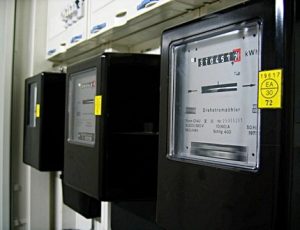
If it wasn’t entirely obvious, relying more on natural light means you rely on artificial lighting far, far less.
That means that you will see a dramatic decrease in your workplace’s energy consumption.
Apart from being a great boon to the environment at large, this saves you quite a lot on your monthly bills.
Admittedly, you can’t expect to totally do away with artificial lighting, especially if you’re the type of company that just has to have a nightshift.
During the day, however, it’s all a matter of efficient distribution. First among these are your windows—you’ll need big ones. Second, are a few well-placed reflective surfaces.
Naturally, the question you’d ask is: will the investment in all these things be worth it? The answer is a resounding “yes”. All these bits and pieces might cost you, but it will only cost you once and never again.
Making the most of natural light can save up to 75% of the energy consumed in lighting and even cooling buildings during the day.
It Makes Your People Healthier
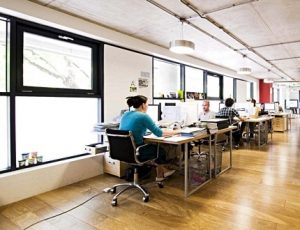
Image from: Flickr by David Wall
The reason we do so well in natural light is that we (and our ancestors) have acclimated to it through our evolutionary history.
Now, natural light has its own spectrum of, well, light that artificial sources can never truly, fully emulate.
This dissonance is one of the biggest causes of eyestrain. It has a lot to do with how our eyes need to constantly adjust to the amount of light it takes in and the specific wavelength this is in.
This can cause headaches, nausea and a whole lot of other associated illnesses and conditions.
That’s not to mention the damage it can cause your eyesight. An investment in natural light is an investment in health and, over the years, it has been found that natural light also promotes feelings of wellness, fewer headaches, attentiveness, and overall better quality of life.
All That Positivity Will Pay Off

Image from: Flickrby University of Exeter
Literally. With less eyestrain, fewer headaches, better attentiveness, you end up having happier employees. And that’s where it all comes together. All those things mean you have a stronger sense of teamwork, greater drive and motivation, and you’ll even make your employees simply love working where they work.
If it hasn’t hit you yet, that also means improved productivity and employee performance across the board. That, in turn, translates to great profitability for your company. All of that comes with just a switch to something that is already free and in abundance.
How You Get All That Sweet Natural Light
No one will ever expect you to up and remodel your entire building—especially if you don’t, in fact, own the entire building. But it’s really all about the little things.
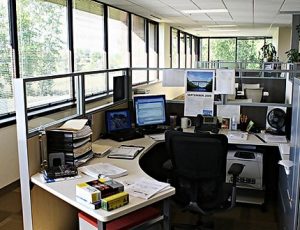
Image from: Flickr Image by Jerry Huddleston
First, focus on the windows. Getting full-pane windows lets the most light in the most direct way possible. If you invest double-paned energy-efficient windows, then they can do all that while helping to regulate temperatures as well.
Second, if you have access to your roof, skylights and light tubes are also a great way to go. Naturally, skylights bring the most natural light in, but there’s that risk of causing temperatures to rise indoors. Light tubes are a more compact but nonetheless effective option.
Third, heliostats can actively catch sunlight throughout the day and deflect this light into your building. These are especially effective on the sides of your building that face away from the sun. Think of them as artsy, outdoor installations that help the entire system.
Lastly, it would support these systems immensely to invest in open office layouts. This setup means less need for reflecting light around tight corners. Adding in a few glass walls and dividers means enhancing the effect all around!
Throw in a Spot of Clean

With all this light cast into your office, it wouldn’t do to have a dirty office. That’s why it makes sense to also invest in cleanliness. For that, you have Alsco Mats. These Evolution Mats are made from earth-friendly recycled materials. Durable and dependable, they will ensure that the workplace remains clean no matter the conditions outside!
Give Alsco a call today. We’ll help you pick out all that your office needs to stay clean and certifiably green.
Photo: K2 Space
Staying Clean and Green with Reusable Food Wipes
Long before the advent of green cleaning practices, business operations in maintaining a clean workplace were considered a very wasteful activity.
Fortunately, these days, it is possible to introduce small but pivotal changes in cleaning practices in an industrial setting.
That can help promote environmental sustainability without compromising cleaning quality.
These changes can be implemented at the macro level of power plants down to the smaller or micro-level of keeping clean kitchens in a tiny restaurant or café business. And for the latter, the switch from old school methods to reusable food wipes is one such change. It is a simple but effective solution that holds a lot of promise.
Disposable Paper Cleaner’s Downside
The ushering in of reusable products like cotton and microfiber food wipes emerged after a long-standing history of using disposable paper products to wipe off gunk or dirt from the kitchen surfaces.
The paper cleaner’s shelf life comes with an expiration date on its sterile period where it can later be more harmful to use than discard. In contrast, you can wash and reuse a micro-fibre food wipe by as many as 500 times.

Photo Courtesy of Flickr Image by jchapiewsky
Despite this downside, there are still instances where disposable paper products are practical. For example, one time events like outdoor parties leave a little provision for hoisting a whole set of cleaning products and require a mobile cleaning setup.
But for more regular operations like maintaining a café or a restaurant, long-term cleaning solutions are in order.
Nuances of Cloth Materials for Cleaning
Not all reusable food wipes are created equal. Cotton is a natural material, while microfiber is a synthetic material. The ability to absorb depends on your choice, and each type has its own set of advantages and disadvantages.
Cotton is ubiquitous as a naturally occurring fibre in the world. On the other hand, micro-fibre has a greater ability to absorb and withstand a diverse array of kitchen dirt types. Your choice will also depend on which part of the kitchen needs wiping.

For example, glassware and drying activities are best done with the use of natural cotton cloths. A more special type of cotton cloth called a cotton tea towel is popular for dish drying. Wine glasses, on the other hand, demand an expert use of damp polyester material.
In case of temperature extremes, cotton can handle hot temperatures better than polyester material.
In a normal kitchen cleaning setup, it may be advantageous to have both types at your easy disposal.
Standards and Color Coding Designations for Reusable Food Wipes
There is nothing random or disorganized about the commercial use of items like polyester or cotton food wipes. The selection of the reusable food wipes is not a whim or a fleeting trend in cleaning kitchens.
Four colours govern the use of this item in kitchens: green for raw food, blue for cooked food, pink for food establishment cleaning, and white for general purposes.

Even if the humble stature of the cotton wipes takes a small space in your cleaning arsenal, it is upheld by a global food safety standard. The colour-coding mechanism was upheld by the HACCP Food Safety system. This system makes sure that there is less risk of contamination. Raw food and final prepared food need to be separated and treated differently.
This just goes to show that there are high standards at play. A simple cotton dishcloth for cleaning just would not cut it if you are really planning to impress the food establishment authorities during your restaurant’s official audit.
Strong Cleaning Ingredients Beget Strong Reusable Wipes
One of the limitations of disposable paper cleaning wipes for kitchens is the fact that they are not usually strong enough to handle chemicals that are essential for disinfecting the kitchen surfaces. Each area in the kitchen requires a specific type of chemical.

Photo Courtesy of Flickr Image by Keith Williamson
Worksurface and cooking equipment benefit from a controlled dosage of chlorine, iodine, or bleach. Some of the heavier equipment in the kitchen may be cleansed using alkali detergents. On the other hand, you can use acid for floors, walls, and ovens. The rest of the items with less specific requirements can use a traditional cleaning substance.
Busting Bacteria and Vermin through Sound Kitchen Cleaning Practices
Ultimately, it’s not enough to switch from one type of food wipe to another. The choice of your cleaning solution must be embedded under the holistic view of keeping a clean kitchen: sustaining excellent facilities for your business and fostering a habit of killing bacteria and vermin.

Photo Courtesy of Flickr Image by Trevor Owens
One of the problems with using the old style of disposable paper cleaning materials is the proliferation of bacteria. Disposable cleaning items are much harder to sterilize.
The biggest possible bane to a food-related endeavour is to have a sullied reputation due to a lack of sanitation practices. It can be hard to bounce back after earning the infamy of having dirty and unsafe food preparation facilities.
Alsco proudly offers both cotton and micro-fibre fabrics in our effort to promote environmentally sustainable cleaning solutions. To get started with high-quality reusable food wipes, contact us today!
Here’s Why You Should Start Using Natural Light in Your Workplace
May it be a quiet beach or a mountainous wilderness, we can’t deny how much we love spending time outdoors, wandering around nature, and getting as much sun as we can.
But snapping back to reality, we realize that we don’t really have the luxury of time to spend outdoors because we have actual jobs that need to be done inside our offices all day.
How do we solve this problem? Revamp the workplace to make it cleaner and brighter with natural light.
Research suggests that there are far more benefits to having natural light in the workplace than sticking to artificial lights.
You Consume Less Energy

The less artificial light you use in the workplace, the less energy you consume, which also means fewer bills to pay.
While our reliance on artificial lights may not end completely anytime soon, going for natural lighting in the workplace is still a worthy investment that can benefit everybody. Imagine natural light distributed across the office. Imagine a workplace with no dark corners.
Some offices in the US have actually gone natural with their lighting. A Locklear plant in Seattle, WA, was redesigned to let the sun’s natural light into the office, making it their major day-time lighting source.
Aside from a reduced cost in annual electricity (US$500,000), the company also enjoyed taking pride in the fact that they have reduced their office’s carbon footprint and contributed to saving the environment just by switching to natural light.
You Have Healthier Workers

Image from: Flickr Image by Michael Saechang
Research done in 1994 states that the most common health issues in the workplace are headaches and other illnesses associated with eyestrain caused by the light present in a workplace.
Any poorly lit place can damage the eyes but eyestrains can be prevented if a person has a window with a view to look at to give his eyes some rest. Landscape short-range and long-range views benefit the eyes by helping them refocus.
Aside from fewer headaches, natural light also helps increase attentiveness, reduce accidents, and even improve sleep quality when workers get home.
Positive and Productive People

As impossible as it may seem, natural light can have a huge positive effect on people.
For employees, it doesn’t only help provide motivation, it also promotes a sense of teamwork and organisational attachment.
No wonder why providing a comfortable and conducive working environment is recognised for being advantageous to everyone.
A California, USA-based company reported a 5% increase in productivity just after 18 months of moving in their constructed daylit distribution facility. The new VeriFone building turned out to be even more cost-effective than expected.
How Do You Get All That Daylight?

Image from: Unsplash by Benjamin Child
The question now is, how are you going to maximise all that daylight in your office?
Well, unless you can afford a complete remodelling of your building, there are actually small fixes you can do to let as much daylight into your workplace as possible.
Go for full pane windows as they can be installed to let all the sunlight to flow in.
Install light tubes on the roof. These light tubes can actually capture, funnel down, and distribute light inside a room.
A heliostat would also be a good idea. It can deflect the sunlight it catches throughout the day into any building through windows, skylights, or the light tubes installed in the roof. Once the natural light is in, you can distribute it more effectively with the use of glass walls and dividers.
Wouldn’t you enjoy working more in a fun, upbeat, and positive working environment that would motivate you to be more productive?
No wonder why modern offices these days go for an open plan and opt for spacial dividers and glass walls. More companies are also getting into adding plant-life in the workplace as well as large windows that would help bring the outdoors in.
Now that’s a clever way to still get a good view of the outdoors while working on our desks.
Don’t just stop at bright, go for clean too!

A bright office with all-natural lighting is definitely good for everyone. But wouldn’t it be better for everyone if it was kept clean at all times, too? Now that’s what you’re going to need these Alsco Mats for.
These revolutionary Evolution Mats will help prevent dirt from entering the office premises. They are made from eco-friendly recycled materials and they come in a variety of Eco-Mats to choose from.
If you’re curious about these revolutionary mats, Alsco’s friendly representatives will be more than happy to share you their mat service’s benefits as well as the cost.
Sources:
- ErgoDynamix – Workplace Lighting’, ErgoDynamix online – www.ergodmx.com/articles/article_8.html
- ‘A Literture Review of the Effects of Nautral Light on Building Occupants”, L Edwards and P Torcellini, NREL, 2002 – www.nrel.gov/docs/fy02osti/30769.pdf
- 2a. ‘Daylighting Offers great Opportunities’, G Franta and K Anstead, Window & Door Specifier-Design Lab, 1994
- 2b. ‘Energy Effectiveness and the Ecology of Work: Links to Productivity and Well-Being’, Heerwagen JH, et al. Building Research and Information, 1998
- 2c. ‘At What Cost Health? Low Cost, As It Turns Out’, WR Pape, Inc Online, 1998
Photo: Rodrigo Galindez


