Trusted by 237K+ Business Worldwide. Find a Location
Trusted by 237,000+businesses worldwide across 250 locations delivering uniforms, linens and more. Find a Location Near You


Delivering Excellence Since 1910
Contact Us
9 Washroom Design Ideas To Consider
Do you actually know how much time your employees spend in the washroom?
It’s probably not something you usually think about, but that might change once you learn how much time they actually spend there.
A study has shown that on average, workers spend 41 hours every year in the washroom, which is pretty much a week’s worth of work. Considering the amount of time they spend there, it’s sure to have some impact on their work.
That’s probably one of the reasons why Steve Jobs decided to have only two bathrooms in Pixar facility.
He knew what potential the washroom could have in terms of bringing people together to exchange ideas. You don’t have to follow his example, but there are some other washroom design options you should consider.
The Workplace Washroom Design
Washroom design is a task you should take seriously since it can influence your employees’ productivity a lot. Of course, functionality is the most important aspect, but it’s not the only one you need to think about. Here are some details you should keep in mind when designing your workplace washroom.
1. Hygiene And Modern Devices
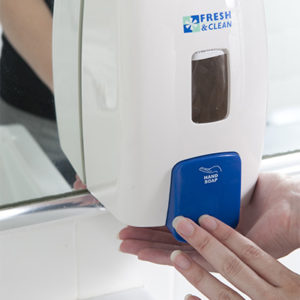 If you have workers who care about their hygiene, as they should, it might bother them if your washroom isn’t up to their standards. For example, they might not want to touch surfaces that have been touched by somebody who is less hygiene-conscious than they are.
You can make your hygiene-conscious employees happy and your washroom germ-free by installing touchless devices in it. They would look great in your washroom, and some of these include:
- Hand dryers
- Toilets
- Dispensers for toilet paper
- Soap dispensers
- Faucets
- Dispensers for paper towel
2. Proper Lighting
Proper lighting fittings are not just about lighting the room – there’s much more to it. If it were just about the visibility, you could simply make the lights as bright as possible. However, lighting can do much more than just illuminate the room. The thing is, proper lighting can also reduce stress as long as it’s not too bright.
3. Air Circulation
The air inside your washroom should always be fresh and be circulating. Nobody wants to use a room that smells bad – they are more likely to stay as far away from it as possible. To make sure the air is circulating properly, install quality ventilators and use some nice air fresheners. Also, be mindful when placing the ventilators – you don’t want to place them right above the stall since that could lead to some quite embarrassing situations for those who use those stalls.
4. Music
Everybody knows that music can have a calming effect on people, so why not play some good music in your washroom? Some types of music can really help people relax. Considering that many workers use the washroom to unwind, they would surely appreciate such an idea. You can play sounds of nature, like bird sounds, or something similar. Another good idea is to play some more upbeat music to energise your employees and boost their productivity. It’s all about creating the right kind of atmosphere, and music can really help with that.
5. The Right Type Of Stalls
Have you ever walked into a washroom and wondered whether the stall you’re looking at is occupied or not? You can imagine why this could be a problem in any washroom. So, make sure you install the right kind of doors to avoid this type of confusion.
6. The Doors
As already mentioned, some people prefer not to touch any surfaces in the washroom, including the door knobs. So, you can see why typical doors are not the best option for your washroom. Plus, some people don’t wash their hands after using the toilet, so installing the knobs is not always the most hygienic option.
The doors should be designed in a way that allows you to open them without touching or turning the knobs. With that in mind, consider installing doors that swing outwards.
Another good idea is to avoid doors completely and choose a labyrinth entrance instead. That way, your employees won’t have to worry about germs and the stall will still be protected from the view.
7. Hot Water
Your employees will love the idea of having hot water in the bathroom, especially if you make it available all the time. If you think that such an idea would cost a lot and make your washroom waste too much energy, don’t worry – there are many eco-friendly options you can consider.
8. The Toilet Seats
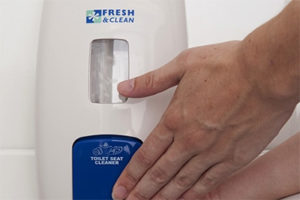 Nobody wants to enter the washroom just to see that somebody has used the stall before and left a dirty toilet seat. You can prevent this issue from occurring by installing toilet seats that are kept upright (so they can’t get dirty as easily) and by using toilet seat sanitisers.
9. Hooks And Shelves
Adding shelves inside your washroom can provide your employees with temporary storage for their things. You can also add hooks inside the washroom stalls, which can come in handy when your workers need to hang their jackets, coats, and bags.
Finally, you can improve the overall experience of using your washroom by getting a managed washroom service from Alsco. Keep your workplace fresh, clean and hygienic. Get Alsco’s fully managed washroom hygiene systems now. For more details, send us an enquiry.
6 Tips That Will Help You Run Your Business
Running a business is never an easy job. Stressing out due to all the problems that need to be solved is expected.
To be able to deal with it, it’s important to understand what stress really is; it’s your body’s natural reaction to a certain situation that seems out of our control, also known as the flight or fight reaction.
This reaction comes in handy when you find yourself in a physical danger, but nowadays, it can also cause many problems. When your body reacts to emotional issues in the same way as it would to the physical ones, then you will start feeling stressed out.
Make your life easy and hassle-free, contact Alsco and enquire about our cost-efficient and fully-managed rental services.
If you’re looking for ways to make your job as easy and smooth as possible, consider the following few tips. They will not only help you deal with the stress, but also prevent many other problems from developing in the first place. The thing is, regardless of how much money you’re making, you can still end up stressed out, so follow these few steps in order to avoid it as much as you can.
1. Plan Ahead
This might sound like common sense, but you’d be surprised how many people ignore this very important step. Not having a business plan can make you lose both money and resources. On the other hand, having a good plan increases your chances of success. The lack of planning has also shown to be one of the main reasons why most of the new business fail so fast, so this isn’t something you should think twice about.
A good business plan should have several important components:
- The company’s goal and main idea
- A description of your company’s services and products, and what makes you unique
- The market analysis
- A description of your management team
- Your marketing strategy
- Your company’s strong and weak points
- A cash flow statement
- Projections of revenue
- A short and clear summary of the entire plan
2. Come Up With A System
Regardless of your field of work, you need to develop a system about how different processes are handled. All your employees should follow that system. Having a good system is important because it standardises the way things are done in your company, which leaves very little room for mistakes. In other words, it helps you streamline the way your business is done.
For example, if you’re producing a certain product, you need to have an efficient system of manufacturing that product in the best possible way and make sure all your employees stick to that system.
3. Delegate
As your business grows, so will the number of your responsibilities and tasks that need to be taken care of in order for your business to keep running smoothly. At some point, you might become overwhelmed by the amount of work you need to do. When that happens, don’t be afraid to delegate some of the tasks; give your employees more responsibilities. By doing so, you will also show your appreciation of their hard work and in turn, make them more loyal to your company.
4. Outsource When Needed
Outsourcing means that you let other companies do a part of your company’s work for you. It’s becoming more and more common as it has many advantages. It can save you money because it often costs less to let others do things for you instead of doing them yourself. Outsourcing also allows you to focus on other, more important aspects of your business.
Some things that you can outsource are:
- Web Design and Development
- Laundry of Uniforms and Linens
- Washroom Services and Maintenance
- Customer Support
All of these are essential for running your business successfully, but are better done by somebody else; it allows you to spend more time dealing with more important aspects of running a business while still getting quality service.
5. Make Use Of The Technology
You need to know how to use technology to your advantage. Luckily, there are many modern tools that can help you increase your business productivity and competitiveness.
Some of them include:
- Planning software
- Accounting software
- Time Tracking software
- Software for email management
- Mobile internet access
These tools can make some aspects of your business, like communication for example, much faster, smoother, and easier.
6. Don’t Forget About The Teamwork
None of these tips can help you if your employees are not willing to work with you and with each other. This is why it’s important to hire people with certain qualities who will be happy to help you and willing to do whatever it takes to see the company grow.
With that in mind, focus on hiring productive and smart team players who will bring the company together and take some of the load off your back.
Being a business owner comes with many emotional challenges and no matter how prepared you think you are, stress can always sneak up on you. Running a business is definitely not an easy task, but it can be made easier.
So, we have these 6 tips laid out for you to help you reduce stress when running a business. Plus with Alsco’s fully-managed services, you sure can run your business smoothly. Enquire now! Our friendly and informed staff are waiting to help!
Photo courtesy of Freepik Images by Freepik Exclusive
Mistakes In Maintaining Entrances You Should Avoid
Have you ever thought about the number of people who pass through your building entrance every day? How about how many times a day someone walked in or out of your building or facility?
Entrances must be one of the busiest and most frequented places in a building. Still, they are most neglected, as companies and organizations tend to underestimate the importance of entrances.
First Impressions Are Crucial
The first thing people see when going to a store or a company is the entrance. As with meeting new people, it is important to leave the right impression.
This does not only apply only to potential clients or customers, but to employees as well. The building entrance is the very first thing they see when going to work. The building can either inspire them or leave a gloomy feel.
But not only that. As one of the busiest spots in a facility, they affect the level of hygiene of the entire place. If proper mats are used at the entrance, and in turn reduce cleaning expenses.
Interested in a wide range of our mat solutions? Contact us at Alsco.
Common Entrance Mistakes And How To Avoid Them
If you are looking to improve the level of hygiene in your building and reduce cleaning costs, the most obvious place to start with is the entrance.
Here are some of the more common mistakes made in connection with maintaining building entrances. Use the list to avoid these mistakes and ensure cleaner and more presentable workplace:
1. Not Keeping The Outside Area Clean
People’s shoes are actually the source of more than 90% of dirt that ends up in carpets. No wonder then why keeping the exteriors clean is crucial to maintaining the interior cleanliness.
Many establishments do not keep their immediate outside area clean enough. This includes the pavement, the parking area, and other exterior places where people usually pick up dirt and dust, which eventually ends up inside, increasing the costs of cleaning and maintenance.
2. Not Providing Adequate Entrance Mats
Think of entrance mats as the very first line of defense against dirt and dust. If they are inadequate or of poor quality, you will, in all likelihood, lose the first battle in keeping your establishment clean and your cleaning costs low.
Due to high foot traffic, you need to make sure that your entrances are equipped with mats that will protect the floor and control the dust. With a minimum length of 20 feet, an adequate entrance mat should be highly-absorbent and specifically designed to capture dirt and moisture, preventing them from entering an establishment.
3. Not Vacuuming Daily
Even if you take every precaution to prevent dirt and dust entering your establishment, some will always pass through. This is why regular vacuuming of the establishment, especially its entrance and entrance mats, is a must in keeping the area clean.
However, this necessity is usually overlooked, and many establishments fail to vacuum, not just their entrances but their whole interior on a daily basis. This, in turn, leads to building up of dirt and dust, making it more difficult and expensive to clean.
Keep your eyes on those areas that get a great deal of traffic and make sure that your entrance is vacuumed every day.
4. Not Using Pile Lifter Vacuum Cleaners
You might succeed in ensuring daily vacuuming of your establishment, but if heavy-duty vacuum cleaners, such as pile lifters, are not used, entrance mats will not be properly maintained.
The best solution to removing dry dirt trapped in a mat or a carpet is to use pile lifter vacuums. They are regularly used in high-traffic areas to reach the base of the carpet fibers and remove embedded soil and dry grainy matter. Although the purchase of a pile lifter may seem like an expensive investment, it is a necessity for heavy-traffic establishments that will prove to be cost-effective in the long run.
5. Not Focusing On Heavy-Traffic Areas
Instead of cleaning all the floors in a building every day, it is more effective to focus on those areas that get more traffic. In a building with multiple floors, daily cleaning can prove to be extremely time-consuming, which in turn can leave less or no time needed for daily maintenance of entrances.
While wall to wall cleaning should be performed occasionally, it is more useful to focus on entrances for daily vacuuming as they get a great deal of traffic and can filter out most of dirt and dust.
6. Not Vacuuming Lift Floors
Cleaning lift doors is important for preventing dirt and dust spreading to upper floors. This is why they should be cleaned at least once every week.
Another great idea would be to have the lift floors carpeted so they can trap dust and dirt. Dry cleaning these carpets would mean that it would have a quick turnaround.
7. Not Replacing Entrance Mats Regularly
High foot traffic results in heavy use of entrance mats. Companies tend to over-extend the use of entrance mats. That means mats are regularly used even when they no longer serve their purpose due to their worn-out condition.
Over-extending the life of an entrance mat is never the right decision in the long run because it can lead to increased cleaning costs. This is why you should see to it that your entrance mats are regularly replaced so they can be most effective.
8. Not Maintaining The Cleaning Equipment Properly
Inadequately maintained equipment significantly reduces efficiency. This means that more time and effort are needed to clean a particular area. This is why proper maintenance and cleaning of the equipment should be a priority at all times.
Now that are you familiar with some of the more common mistakes made in maintaining and cleaning entrances, you should start working on how to avoid them in your own workplace.
Learn how you can try out Alsco’s floor mats for free to ensure a cleaner and safer workplace. Enquire now!
How To Manage Allergies In The Workplace
Despite being one of the top three reasons why people miss work, allergies are usually overlooked by business owners. Allergies are also not commonly associated with issues of health and safety at work.
But, since they can significantly affect productivity, it’s crucial for business owners to recognize simple steps in reducing exposure to allergens.
From a runny or blocked nose and watering eyes to severe reactions to foods or products, allergies are becoming increasingly common. Limiting exposure to allergens can improve working conditions, which in turn can result in increased productivity and employee satisfaction.
The Cause Of Allergic Reactions
The immune system is responsible for defending the body against bacteria and viruses, but in some cases, it may defend against usually harmless substances. These substances are knowns as allergens, and when the body reacts to them, it causes an allergic reaction. The most common triggers of allergic reactions are dust mites, pollen, moulds, certain foods, chemicals, animal skin and hair, and even animal urine and faeces.
The symptoms of allergic reactions range from mild to severe to life-threatening and usually affect:
- the skin (hives, rashes)
- the respiratory system (coughing, throat swelling, hay fever)
- the gastrointestinal system (nausea, stomach pains, diarrhoea)
- the cardiovascular system (feeling faint, weakness, floppiness, collapse)
Here’s what you can do to limit allergic reactions at three most common workplaces.
At The Office
Allergens associated with offices are usually air-borne. Piles of paper contribute to high levels of dust, dust mites and spores, while dirty air conditioners and ventilation systems might also be the cause.
Also, chemicals used to clean toilets, hand sanitisers, or even paper towel dispenser might be sources of skin irritation.
How to go about it:
- Make sure your desk is regularly cleared and cleaned, so it doesn’t harbour any dust or allergens
- Have the ventilation system cleaned, or replaced if needed.
- Don’t leave papers stacked up on desks.
- Consider installing an air purifier, or a more powerful air conditioner
- Think about using more hygienic hand drying systems in the toilet
- (such as a closed roller cloth towel dispenser), pH neutral hand soaps and sanitisers, and non-toxic cleaning products.
In The Warehouse
Most warehouses tend to be neglected when it comes to cleaning. Since this area is used for stocking boxes, crates, and pallets of different sizes, the amount of dust or dirt might not be immediately visible. Hidden areas behind shelves are rarely cleaned, and they can be a haven for all kinds of pests. Poor ventilation can only add to the overall problem of exposure to allergens.
How to go about it:
- Declutter and dispose of unused boxes or other products.
- Make sure your warehouse gets a regular and more importantly thorough cleanup.
- Ensure proper ventilation of the area keeping skylights, windows and doors open as often as possible.
- Replace an old ventilation system
- Ask your co-workers or staff to smoke in designated areas only.
- Consider making toilet changes
In The Garage
Garages are probably the most difficult places to keep clean as the staff constantly deals with dirt and grease because of the parts and engine cleaning that is done. But if cleaned regularly and thoroughly, garages can also achieve acceptable levels of cleanliness.
Chemicals, oils and other products used in garages can cause skin irritations while clutter and dirty corners are perfect for rodents. Exposure to a mixture of odours and vapours can irritate eyes, skin and the lungs.
How To Go About It:
- Ventilation is crucial so make sure it is adequate.
- Keep lids on cleaning products, oil drums etc and store them away from the working area.
- Consider getting a chemical-free parts washer, like the EcoSafe Washer from Alsco. Alkaline water-based cleaning substances are proven to be safer for employees as well as the environment.
- Make sure personal protection items, such as face masks, are worn when required.
- Set up a strict and environmentally friendly clean-up procedure to deal with spillage and waste.
No More Allergies
A clean, properly maintained and allergen-free workplace is an attainable ideal that both business owners and employees should strive for. Start with simple yet efficient steps of creating a safe workplace by installing our Work & Dust Control Mats, Anti-Fatigue & Wet Area Mats, Message & Safety Mats, Welcome Mats, Corporate & Logo Mats, or Entrance Mats, to help reduce dust levels. They are all made from recycled and eco-friendly materials.
Call Alsco now and we will be more than happy to help you achieve your goals.
Photo courtesy of Flickr Images by freeimage4life
Reusable Food Wipes: The Green Solution For Your Kitchen
Going green is a positive, environmentally conscious trend among the modern companies all around the world, and many new and experienced business owners want to go down this road.
However, a lot of them have a feeling that it is difficult to make the first step.
The truth is, it isn’t hard at all to start making your company more eco-friendly.
All you need to do is take care of simple things first, things that at first sight look too mundane to be addressed.
For example, if you consider the amount of waste created by paper products designed to be thrown away after one use, like paper towels, for example, it becomes clear that introducing a more sustainable solution like cloth wipes is the right way to go.
Read on to find out more about this particular issue.
Clean Kitchen Is A Must
Every restaurant owner should know that the clean kitchen is the first prerequisite for a good restaurant.
A clean kitchen is a healthy kitchen. It is very easy for bacteria to develop among food leftovers and other impurities which normally appear during a normal working day in a restaurant. Since taking care of your employee’s and your guests’ health should be your top priority, you need to make sure that the food preparation area is always kept in impeccable condition.
It is true that your guests rarely get to see what your kitchen looks like. But you need only one food poisoning to forever tarnish reputation of your restaurant, so do all you can to prevent it.
There are a number of chemicals used for cleaning kitchens, each specific to a certain area.
- Chlorine bleach and iodine are very effective when used to disinfect work surfaces and cooking equipment.
- Alkali detergents are used for heavy duty requirements.
- Acid based cleaners are used for cleaning ovens, floors and walls.
- Regular detergents can be used in many areas, from washing to general cleaning.
These chemical cleaners are available in industrial strength and are preferable to those commercially available for home use. In general industrial strength cleaners have less “fillers” and are more effective than their commercially available cousins.
The Negative Side Of Paper Based Wipes
While paper based products can be used for cleaning in a kitchen, these products need to be disposed of after use and generally cannot be recycled effectively. Paper based wipes are less durable and are a one use only type of cleaner. Continued use of these products can lead to bacterial contamination of sterile areas.
There are a number of stronger “paper” based cloths available which have a reasonable life durability, but are unable to be recycled and have a tendency to be used beyond their usable “sterile life”
Why Using Reusable Wipes Is The Way To Go
The use of reusable wipes provides a more hygienic solution for keeping a restaurant clean. A systematic approach has been developed for the use of cotton cloth wipes.
Different coloured cloths help identify where they should be used so cross contamination is minimised.
There are four available colors of cotton wipes, which helps your staff know which part of kitchen should be cleaned with which wipes.
- Use Green wipes to clean areas where you prepare raw food.
- Use Blue wipes to clean spaces where the food is cooked.
- Pink wipes are for general use in restaurant establishments..
- White cloths are all purpose wipes used for general cleaning.
These colors conform to the HACCP Food Safety System rules and you are required to use them as prescribed, especially if you go through an audit.
Cotton Cloth Uses
Using a cloth for cleaning is not limited to benches in the kitchen – cotton cloths are very effective for drying of dishes and detailing of glassware.
- For drying of dishes, nothing beats a cotton tea towel, which also has the advantage of being ideal for use as a general cleaning cloth.
- In the case of detailing of glassware, in particular wine glasses, the best solution is a slightly damp polyester cloth.
- While cotton cloths are effective in glass detailing, polyester cloths have the advantage of leaving no lint.
For general restaurant use, polyester cloths have the disadvantage of not being able to be used near hot surfaces as the polyester will melt. However, their inherent natural properties make them an ideal cloth for cleaning up.
Cotton cloth wipes are made from natural fibres, while micro-fibre is a synthetic product made from very fine polyester and polyamide threads. Visually, there is little difference between a micro-fibre and cotton cloth, both have a similar texture and feel. However, there are some significant differences between the products.
Micro-fibre fibres are thinner than a strand of hair, in comparison to cotton which is a thicker thread. Micro-fibres have strong elasticity content and resist shrinking or stretching.
The angled edges of the fibres contain deep splits to attract moisture and dirt, leaving no residue after cleaning. The dirt is trapped and held in the fibres until the cloths are washed.
Cotton is the most widely used textile fibre in the world.
Natural cellulose is spun with long-staple cotton and woven into a 100% natural cloth. The result is a soft and absorbent cloth that will not cause scratching, ideal for glass cleaning.
Once this type of fabric has been through its first few washes it becomes more absorbent but has the disadvantage of potentially leaving lint when used as a glass wipe.
Reusable Wipes – Clean To Green
If you have any more questions regarding the proper use of cloth wipes, feel free to contact Alsco and ask more about this subject. Call 0800 4 ALSCO and talk to our friendly representatives who are always more than happy to assist you in finding the solution that best fits your needs.
Photo courtesy of Flickr Images by Didriks
Evolution Mats For A Clean And Green Workplace
Mats used to be commonly associated with creating an appealing and attractive welcome to one’s home or workplace. But is there any real effectiveness to them except pure aesthetics?
However, taking care of what is under our feet has become more important than before.
The reason for that lies in changes of perspective. Today, environmentally-friendly products and procedures have almost become a requirement.
Also, health and safety at work have significantly improved, as well as care for working conditions of employees.
This is why cutting-edge Evolution Mats produced by Alsco are the last word in mat production. Made from recycled materials, they help in controlling dust and dirt, but also prevent trip hazards and fatigue in employees.
Cleaner Workplace
Stop dirt right at your door and prevent it from spreading by using entrance mats. Since 70% of all the dust and dirt is brought in by foot, no wonder then why entrance mats are a necessity in creating a cleaner workplace.
If you still use textile floor mats, you should know that they are an ideal bacteria breeding ground. People pick them up as they walk over fibers and spread them further.
Research has shown that as many 5,000 bacteria exist in each square inch of footwear. But anti-microbial mats are the right solution to this problem. The development of anti-microbial mats means that this no longer is a problem.
Antimicrobial additives used on mats prevent the growth of bacteria and fungi in order to provide a healthier and cleaner work environment.
Greener Workplace
Alsco Evolution Mats are made from recycled and re-engineered materials. This means that no raw materials are used in the production process. In addition to all the advantages of recycling rubber, plastics and other fibres, less water and energy are used in the production of Evolution Mats.
Healthier Workplace
When it comes to taking care of your staff’s health, anti-fatigue mats are the perfect solution to preventing negative impacts of standing for extended periods. They are safe, comfortable, and highly resistant.
Common Musculoskeletal Effects
- Back and foot pain
- Joint pain
- Exhaustion which can result in accidents
Pressure-absorbent rubber and other materials with similar effects, as well as thicker piles with cushioned bases, help ease the problem.
Various studies have shown that these mats lead to reduced absenteeism and injuries, and increased employee satisfaction and productivity.
Safer Workplace
Safety of your employees’ matters. If you aim to create a safe environment for your workers, then floor mats would be your most logical choice.
Adding mats to any place where employees work with water, oil, or there are slippery floors, is crucial to preventing injuries.
Why You Should Choose These Mats
Made from specialised, waterproof rubber, these mats are not only resistant to water, but also to other liquids, such as oils and solvents. Today’s mats are also ripple-free and have bevelled edges, for bringing the safety aspect to the next level.
As they are textured for grip and safety, they are great for all workplaces with heavy traffic. Tripping over a mat is practically impossible.
But that’s not all. In highly competitive markets, opting for products and companies that make a difference has become a matter of doing the right thing. Using recycling instead of raw materials, by using Evolution Mats you contribute to reducing carbon emissions and protecting the environment.
A Clean And Environmentally-Friendly Office
Make sure your office is clean and well-maintained, as it leaves a good impression on both employees and customers. Start with the simple yet efficient steps of creating a safe workplace by installing our floorcare solution mats. Choose from our Work & Dust Control Mats, Anti-Fatigue & Wet Area Mats, Message & Safety Mats, Welcome Mats, Corporate & Logo Mats, and Entrance Mats. They are all made from recycled and eco-friendly materials.
Call Alsco now and we will be more than happy to help you achieve these goals.
Hygiene Condition Of Your Workplace Is Dictated By Restroom Facilities
Workplace hygiene is of utmost importance, just as equipment is to getting work done. If you wonder why, well, there are a lot less chances of getting ill when working in a neat and clean space. This creates a more positive working environment for everyone.
It is clear that many businesses have put a lot of effort into increasing their hygiene levels, especially in the toilets. However, much more is needed to achieve this than a few towels and some toilet paper.
It’s all about providing proper facilities. Two principal types of facilities, to be exact. Practical facilities are related to certain hygiene items.
Meanwhile, design ones are related to how the restroom is put together.
Are you willing to create better workplace hygiene for your workers? Good! We’ve created a brief guide to the things your workplace restroom must have.
Facility maintenance
Getting the facilities right is important, but restroom maintenance is crucial too. After all, anything that is not in perfect condition is not going to be as effective as it should be.
Appointing a facility manager from your staff helps to keep everything in shape. But, is your workplace is larger than the average? If it is, we advise you to consider renting rather than buying facilities.
Practical bathroom facilities
1) Hand Dryers
Three methods of drying hands in the workplace restroom are possible. These are electric hand dryers, cloth roller towels and disposable paper towels. Electric hand dryers are very effective in drying your hands. However, it has been shown that bacteria levels actually increase by up to 254% on palms and 194% on finger pads.
Meanwhile, modern jet air dryers can extend contamination distance by 2 meters. On the other hand, disposable paper towels are much more effective. They reduce bacteria by 76% on finger pads and by 77% on palms. But most importantly, being disposable makes the risk of contamination negligible. At least as long as the bins have proper and functional lids.
The cloth roller towel is highly hygienic too. Since cloth towel dispensers are closed, the used section of a roller towel is unreachable, which reduces contamination significantly. It was found in 2007 that with cotton roller towels bacterial levels decreased by 85% on the hands.
2) Hand Soap Dispensers
Soap is the fundamental agent in cleaning hands, but the old version of a soap bar is not the best option. These tend to gather dirt on their surface. This does not mean cross-contamination is possible (lather washes away the bacteria). It just doesn’t look hygienic so workers usually don’t like it.
Far better version of soap is in liquid, foam or spray form, made available in hand soap dispensers. The dispensers completely protect the actual soap from getting contaminated. Meanwhile, the push-button release mechanism minimises the contamination.
3) Hand Sanitizers
The hand sanitiser is an addition of value required to maintain high hygiene levels. Therefore, it is important to know that it should be used only as an addition to the soap and hand drying system. That’s because sanitising dispensers only remove the transient bacteria that live only on the skin’s surface. More dangerous bacteria lie beneath the surface and can be eliminated more effectively by soap.
Facility design
A lot of things are covered by the restroom design. From the type of doors to the actual combination of colours chosen for a particular facility.
For example, while soap dispensers effectively help workers clean their hands, having a hands-free soap dispenser lowers the risk of contamination from the dispenser button a lot.
Similarly, an automatic flush on a toilet prevents contamination since there is no handle to be contaminated.
Hygiene starts at the restroom threshold, that’s why the swing doors are the most suitable. The design is a walk-in entrance which uses dividers that block the view from the outside but requires no doors.
It is obvious that cubicle doors need to have a lock. Slide latches or push button locks are more hygienic than twist mechanism latches. They need to be gripped.
Work in a school? Here’s all you need to know about school washrooms from the necessary facilities, cubicle sizes, health and safety concerns, washroom design and best workplace hygiene practices.
A Clean And Hygienic Toilet Room
Alsco provides restroom stock and maintenance management services as part of a rental program, which means your staff can focus on their primary tasks instead of wasting time on washroom hygiene and maintenance.
For more inquiries contact Alsco now, our friendly representatives are available to you!
Sources:
- ‘Washing with Contaminated Bar Soap is Unlikely to Transfer Bacteria’, JE Heinze and F Yackovich (1988), US National Library of Medicine
- ‘A Comparative Study of Three Different Hand Drying Methods: Paper Towel, Warm Air Dryer, Jet Air Dryer’, K Redway and S Fawdar, School of Biosciences, University of Westminster, London (2008)
Photo courtesy of Flickr Images by simone.brunozzi
22 Ways To Reduce Stress In The Workplace
Not every type of stress is harmful. One way of looking at it is to consider it a sort of a warning, a specific state of mind telling you that you’re in danger.
In other words, if you find yourself in an extreme situation that your body sees as dangerous, becoming stressed out is a way of protection.
If you truly are in danger, stress makes you focus better on the thing that is causing it.
However, if there is no actual danger, feeling stressed out over a longer period of time can become a problem and even lead to work-related injuries.
In those cases, it might be a good idea to have well-stocked first aid kits, but still, you need to take care of the stress-related problem as soon as possible.
It could be said that what stress does to you to drain your resources until you deal with the cause of the stress. Think of it this way – if you were driving a car and speeding constantly, eventually you would run out of fuel and the engine, which was straining to keep up, would have a chance to cool down. That is what happens to your body – you keep burning out until the problem is solved.
In work-related environments, most employees are constantly under stress. Whether it is due to a project, a family argument they had at home or the lack of money, chronic stress affects their performance, harms their health and makes them unable to work efficiently.
If you are an experienced leader and manager, you know how this can affect the business. You should also know how to reduce that stress and prevent it from taking over in the future. With that in mind, here are 22 ways of reducing stress in the workplace.
1. Identify The Cause
There are some people that might seem as cool as a cucumber all the time, and then they would suddenly lose it over something seemingly irrelevant, like the kitchen running out of coffee. In other words, everybody reacts to unpleasant situations differently and even minor issues can become stress triggers for some.
With that in mind, you should encourage your employees to learn what their stress triggers are and to find the most efficient way of dealing with them. If you’re a vegetarian, for example, avoid going to the butchers. However, if for one reason or another, you just have to face a stressful situation, try finding a less-stressful way of looking at it. For instance, if your children love meat and you have to go to the butchers, focus on the amazing meal you’ll make for your kids and how much they’ll enjoy it.
2. Introduce Your Employees To Breathing Techniques
When stress becomes overwhelming and you feel like your head is going to explode, try inhaling through your mouth and exhaling through the nose. This technique will help you cool down, give your brain some more oxygen and help you think more clearly.
You can also hire a meditation expert to teach your employees some amazing and helpful breathing techniques that will surely help them deal with stressful situations.
3. Snacks That Contain Omega 3
Omega 3 fatty acid can be very helpful in dealing with stressful situations. It can be found in fish such as mackerel and salmon, and it makes your body more stress-resilient. Try to have this on your lunch menu at all times.
4. Learn How To Properly Manage Interruptions
Constant interruptions can be a serious cause of stress, but unfortunately, they are hard to avoid at work. Since you can’t avoid them or ignore them, you have to find an appropriate way of dealing with them so they can’t affect you too much.
Assess the interruptions and see if they are actually worth your time. If not, disregard them; if yes, give them your time and attention. Just try not to stress over the interruption itself, they are a normal part of work life and even though they can make you feel as if you’re losing control over your time, don’t let that feeling stress you out – take control and you’ll feel much better.
5. Know When To Take A Break
The modern world makes us feel as if we always have to do more. We are constantly pushing our limits, and the truth is that nobody can handle that kind of tempo without burning out or, in some cases, even getting ill. Of course, sometimes you just have to work overtime, but not ten days in a row.
Knowing when to push yourself further and when to take a break and rest for a bit is essential for your health and general well-being. Work smarter, not harder.
6. Turn Your Washroom Into A Sanctuary
When it comes to office breaks, people sometimes use those breaks to have some privacy in a washroom. It gives them an opportunity to just relax for a moment and freshen up. Therefore, it’s important that your washroom is clean and properly equipped with everything the users might need. Turn your workplace washroom into a little piece of heaven, and you’ll have much happier (and healthier) employees.
7. Introduce Some Greenery
Adding some plants to your office can help reduce stress in more ways than one. They provide more oxygen and help reduce the noise, which helps your employees focus and think more clearly. Consider adding a couple of plants in the corners or the busiest parts of your workplace. The plants will not only help you reduce the stress but also make your office look more comfortable and familiar.
8. Think About The Light Fittings
Not enough light and too much light can lead to anxiety, depression, and stress. You should make sure there is enough natural light coming through, but during the less-sunny days, ensure that your employees have enough office light since it is essential for their focus and performance. If you’re not sure how to do that, you can hire a professional to install ergonomic lighting in your office.
9. Get Rid Of The Clutter
Clutter in the office leads to clutter in the mind, so make sure every room in your office is always clean, odour-free and clutter-free. If you manage to do that, your employees will surely feel more comfortable and motivated while working.
10. Add More Greens
Since we were children, we have all constantly been told how greens are good for us. Green smoothies can help your employees be healthier, since greens are rich in omega 3 fatty acids and they affect your hormone levels positively. In short, they help you reduce the stress and deal with it more easily. And since cooking is known to kill the beneficial enzymes in the greens, you can offer your employees the ingredients and they can enjoy their own hand-made smoothies.
11. Set The Example
It’s true that actions speak louder than words, so don’t be just their boss – be their leader and show them how it’s done. Change your own lifestyle and inspire your employees to follow your example. Introduce that kind of healthy trend into your office and people will gladly adopt it into their lives as well.

12. Take Breaks More Often
Research on the issue of office breaks has shown that people are taking lunch breaks less and less often under the excuse of simply not having enough time. Also, more and more people are taking sick leaves and holiday breaks.
This might sound as if they are simply working harder, but this kind of work actually makes them less productive. Burning out has consequences, so in order to improve your employees’ productivity, encourage them to take more breaks to rest and recharge. You can give them more days off, or simply more time during the day. It will definitely pay off in the long run as it will make your employees happier and your company more successful.
13. Make Sure Your Office Is Comfortable
Being forced to sit in an uncomfortable chair, straining your eyes in poor lighting conditions, being too cold or too hot for too long or being on your feet all day can all cause a great amount of stress. So, try to make your office as comfortable as you can. For example, you can get ergonomic chairs, AC system and anti-fatigue mats.
14. Move Around
Everybody knows that exercising can help reduce stress by allowing us to use up all the energy that builds up when our body gets in that “fight or flee” state. Therefore, encourage your employees to move around and exercise more. You could organise hiking trips, offer them discounts on gym memberships, and you can even introduce exercise breaks into the work routine.
For some employees, a more physically active role can be life-changing. Take Domenik, for example, whose job as a Service Delivery Person for Alsco in Auckland changed his life in less than 3 months.
https://www.facebook.com/AlscoNewZealand/videos/358413175057693/
15. Organise Team Building Activities
We all feel more comfortable and relaxed being around familiar people, which is why organising team building activities is a great way to reduce stress. The closer your team is, the more comfortable and productive your employees will be.
16. Learn How To Be A Good Listener
You’re not always supposed to offer solutions to problems; sometimes you are only needed to listen. Not all stress is work-related, sometimes your employees are simply struggling with their private issues and as much as they are trying to hide it, the issues still show by affecting their mood and productivity. Listening to them might help them get their problem off their chest, and they will feel better knowing that you understand them. Compassion can go a long way.
17. Offer Courses In Assertiveness And Meditation
Sometimes, people become stressed out because they cannot find an adequate way to express their needs and opinions. Assertiveness courses might be a great way to boost your shy employee’s confidence and teach them how to speak their mind and feel less stressed out. Of course, there are some issues that cannot be solved by assertiveness courses, and that’s where meditation classes come into play. Thinking about these matters and letting them go will save you from a lot of stress that will do you no good.
18. Introduce Flexible Work Schedules
People who work a lot are always struggling with balancing their work life and private life. You can help them achieve this balance by introducing flexible work schedules. Let them work from home on some days and your company is sure to strive since this sort of flexibility will make your employees more rested and productive.
19. Reward Them For Good Work
It goes without saying that things can always be improved and people can always work more, but talking too much about it will only put more pressure on your already stressed-out employees. Instead of doing that, you can offer them small rewards for their good work and praise them publicly so they know their effort is appreciated. It will boost your employees’ productivity and happiness because you will show them that you value them and the effort they put into their work.
20. Stay Positive
Staying positive helps you deal with stress better. Focusing on the good things means that your body won’t go into the “defence mode” and you won’t get stressed out easily.
21. Address The Self-Imposed Stress
You need to learn how to deal with the stress that you yourself create. By coming up with unrealistic, stressful scenarios that are actually very unlikely to happen, just because you don’t have all the details or are not quite sure what is going on, you are only putting additional, unnecessary pressure on yourself.
No, the fact that your boss is not giving you any feedback yet does not mean they are going to fire you; they are more likely just busy, or perhaps they even forgot. You need to recognise when you’re overreacting and being unrealistic and stop yourself from stressing out further. This is something your employees (and everybody else for that matter) should think about.
22. Make Sure Your Employees Are Safe
In every workplace, there are a million things that can go wrong, from equipment-related injuries to health hazards. Show your employees that you care about their safety by organising first aid training; this will help them learn how to protect themselves or help a colleague if something happens. You should also ensure that there are always first aid kits around and that they are always up to date.
This may sound like a big investment, and if you were to buy all those items, it probably would be. However, with Alsco, you can just call us and we’ll rent you everything you need.
Our first aid kit rental involves an affordable annual fee and we will make sure that it is 100% law compliant. Moreover, we will replenish it whenever necessary and make sure it is always up to date.
Call us now and we’ll work everything out with you so that your needs are met and your budget saved.
Photo courtesy of Freepik Images by yanalya
Photo courtesy of Freepik by @rawpixel.com
6 Ways To Minimise Wet Floor Problems At Work
Every year, companies all over the world lose millions of dollars in lost production and other expenses caused by a seemingly insignificant type of accidents – slipping and falling in the company’s premises.
If you are an owner of a company, you probably know how problematic and time consuming dealing with injuries at work can be.
Depending on who suffers this type of incident, losing an employer for some time can be anything from a big to a downright devastating problem.
This all means that finding a functional way to deal with wet surfaces in your business premises has to be among the priorities of any serious company.
For decades, Alsco has been part of the solution worldwide, with its rich offer of floor mats which absorb water. These mats are resistant to slipping and enable safe movement across potentially dangerous areas.
The mats produced by Alsco are designed to fit into any environment, be it a building hall, a lobby or a toilet.
How Big Is The Problem?
In truth, it’s difficult to find statistics relating specifically to washroom incidents, but there is plenty of information highlighting the significance of the broader ‘wet floor’ accident category. According to figures in Key Work Health and Safety Statistics 2014, published by Safe Work Australia, injuries caused by falls, trips and slips represented 21.4% of all serious workers compensation claims in 2011-2012.
Its prominent share of workplace injuries continues, with the Australia Bureau of Statistics (ABS) reporting that between July 2013 and June 2014, Australian workplaces registered 68,200 ‘falls on the same level’ (which includes slips and trips), or 13% of the total number of work-related injuries and illnesses over the 12-month period.
In the UK, the Health and Safety Executive (HSE) revealed that the vast majority of about 1,300 registered incidents of slips and trips in the food and drinks industry (pubs and restaurants etc) are accounted for by slips (80%), and of them 90% were caused by wet floors.
Meanwhile, the US reports 540,000 serious slip and fall injuries in the workplace on average each year, with as many as 460 workplace fatalities directly related to slips on wet floors.
The indictment of the ‘wet floor’ problem at work is pretty clear, but there is little reason for the threat to remain so high. Adequately managing wet floors in your workplace is not a very complex undertaking, and there are several steps that can be taken to greatly reduce the risk of falling on a wet floor, in washrooms, kitchens, lobbies or anywhere else.
Areas Which Can Get Slippery
Whatever the nature of your business, slips and trips are always a risk – even in carpeted offices, staff can trip over a dog-eared carpet corner and get injured in the fall. Wet areas are usually confined to specific locations, however, and while statistics fail to identify the precise location of incidents involving wet surfaces, common knowledge tells us they are confined to 6 main areas. These are the
- front and rear entrances, where rainwater is carried in on wet shoes, clothes and umbrellas,
- canteens, where spills can occur during break and lunchtime. Also, cisterns dispensing hot or cold drinks, and refrigerated display units may leak.
- kitchens, where water, grease, oil and moist ingredients can fall to the ground. Also refrigerators and other temperature-controlled food storage units might leak.
- warehouses and workshops where machinery oils, detergents and other liquid chemicals might spill.
- lobbies and waiting rooms, again where water from outdoors can be allowed to drip
- washrooms, where splashing around sinks, overflowing toilets and leaking pipes can lead to wet areas
Of course, any areas where there is a normally smooth surface – like marble floors or ceramic tiled floors – are aesthetically impressive and easy to clean, but they become hazardous surfaces should there be spillage at all.
Tips To Prevent Accidents
As with all health and safety issues, there are several steps you can take to counter the likelihood of there being an accident. In fact, managing wet floors in washrooms, entrance lobbies and general walkways, is perhaps the most straightforward of all the safety-related tasks in any working environment.
We have put together a shortlist of the top 6 tips for managing wet floors in washrooms at work, and in that way protecting staff and visitors from the threat of slipping and suffering an injury – or worse.
Tip 1 – Place the signs
First you need to consider clearly marking wet floors whenever and wherever they appear. For this purpose you can use one of the standard signs which are available everywhere, with a “Caution! The floor is wet!” message written on them. You need to place the signs strategically well – placing them on the wet floor is a mistake, since by the time people see them they may have already stepped on the wet surface and risk falling.
It is also very important that the signs aren’t covered by something, and that it is impossible to pass the sign without actually reading it.
There are two types of signs you need to consider getting. The first type is the removable sign, portable enough that you can carry it in your hands and deliver it where necessary as soon as a situation arises.
The second type is the one which gets fastened on the wall and is usually placed in washrooms, around sinks, but also around windows on which the water can condensate and drip on the floor.
Consider also introducing “spillage reporting” and train employees to report on wet floors in the building whenever and immediately after they see one.
Tip 2 – Don’t let people discover wet surface by accident
Either by using the signs themself, or anything else sufficiently bulky, you need to block entrance to the area which is wet. People generally don’t pay much attention to what they walk into, especially when they have a lot of other things on their minds, which is usually the case at work.
This is important not just for workers in the company, but also for clients, in case your company receives them in the premises.
Tip 3 – Let everybody know
Letting people know that the floor is wet is only step one in the process of maximising awareness of the risk of slipping and falling. Vigilance is one of the key tools in keeping people safe and establishing high safety standards.
Putting up posters and other visual materials on the walls in corridors is a really good idea. Even if people don’t think much about what they see on those posters, it is likely that they will subconsciously understand the risks of slipping.
These posters are very easy to find on the internet and are usually available to download for free. Do make sure you print them on large formats because they need to be clearly visible from the distance.
Tip 4 – Keep Cleaning Equipment Handy
Acting on all of the previous tips will definitely result in more safety for everyone working in or visiting your business. There is, however, something that undoubtedly wins as the most efficient method for eliminating slipping risk and that is quick action.
If spillage is removed before anyone manages to even reach the place where it occurred, there will be absolutely no chance an incident would happen.
In order to enable quick reaction times, you need to consider your cleaning closet distribution across the building and plan employing the sufficient number of cleaning staff to be able to react as soon as possible.
These closets need to be placed at strategic places and they always need to be adequately stocked with all the necessary equipment, such as buckets and mops, liquid absorbing materials, etc. Cleaning closets don’t have to be big, but in that case you need to organize them well enough to fit everything. Also, consider appointing a member of your staff to ensure closets are always kept well stocked.
Tip 5 – Make the right choice of floor mats
We have already identified toilets as the critical areas in any building where spillage can occur at any time. While keeping them spillage free with timely actions should be a priority, there are still ways to alleviate risks of dangerous falls before cleaning crew arrives.
Floor mats are an ideal solution for areas which get slippery all the time. The new technologies make floor mat materials able to soak up a lot of liquid while still providing a safe surface.
However, material is not everything. Floor mat design is also important, as it prevents the mat from sliding on the wet floor.
Consider placing a mat on every permanently or frequently wet surface. These are found not only in washrooms, but also at building entrances and other places, depending on the building in question.
Successfully managing wet areas in washrooms means finding a way to negate the risk of injury. At Alsco, we provide a variety of floor mats specifically designed to handle wet areas and reduce the risk of slipping. Depending on the nature of your work, there may be certain wet area mats needed for certain sections of the workplace. For example, there are thick mats that let liquid and debris to fall through while keeping workers above the spillage and allowing them to work on. They are popular in kitchens and workshops, but equally effective around those sink areas in workplace washrooms.
Entrance mats normally suitable for lobby areas are highly absorbent too, which can be useful if placed at the doorway into the washroom, but they can also be used around the sinks too. For more on Alsco Mats, check out our online brochure.
Tip 6 – Choose The Right Cleaning Schedule
Aside from timely reactions when a spillage occurs, it is important to impose a fix cleaning schedule which will at the same time keep the building clean and safe for workers.
General cleanings are best performed in the morning before employees come to work or after everybody has left. While the first scenario is more desireable (cleaning staff will not like it if they have to stay at work for such a long time), it requires some careful planning. If employees arrive at nine in the morning, it would be wise to perform cleaning one or even two hours earlier.
Timely cleaning will ensure that there are no wet areas left when workers arrive, which helps with general safety at work and makes cleaning itself more efficient, since dirty shoes can make quite a mess on a wet floor.
Solve The Problem With Alsco Mats
Over the years, Alsco has become a trusted name in the textile rental industry, serving a variety of industrial sectors. Through Alsco Mats, we provide floorcare solutions for every situation, making us the perfect option when it comes to managing wet areas in washrooms, kitchens, lobbies, and corridors.
And because we provide a complete mat rental service, our clients avoid the often high costs associated with purchases, maintaining and replacing floor mats in the workplace, with weekly rates starting from less than $1 a day.
Some of the key benefits of mat rental and you’ll see it makes good business sense:
- Keeps floors clean and prevents floor damage
- Presents a clean image to your staff and customers
- No capital outlay
- Complete managed service
- Tax-deductible advantages
For more on how Alsco Mats can contribute to a safer workplace in an affordable and reliable way, simply visit the website. You can also check out our range of floor mats on our brochure. And if you want to speak to one of our experienced team, you can fill our online enquiry form, or call us at 0800 4 25726 (0800 4 ALSCO).
Attainable Green Goals To Set For Your Business
Have you been thinking about your green goals for your workplace? Perhaps it is high time you and your colleagues joined hands and tried to achieve some green credentials. Here are some ideas on how to do this in your office.
 What to achieve next year…
- Announce to clients and customers that you are taking steps toward going green
- Start an incentive program for departments who reduce their waste output and include recycling.
- Increase the number of staffers who bike to work by 25%.
- Reduce energy usage by 5%. Easy ways to reduce energy use include turning appliances off at the powerpoint and using cloth towels for hand drying.
- Start an office composting program.
What to achieve in the next five years…
- Go for a cool roof, skylights, garden roof and season it with solar panels.
- Reduce energy usage by 20%.
- Commodes and sinks have more efficient models waiting to be found.
- Replace your heating and cooling system with one with more programming options.
- Go tankless! Depending on your office size, switch to a tankless water heater.
What to achieve in the next ten years…
- Use natural lighting to keep your electrical lights off as much as possible.
- Embrace the future and technology and meet with clients and associates via video conferencing. This will reduce transportation emissions and costs. Allow staff to work from home and save on expenses and pollution.
- Use collected rainwater and other natural irrigation options to help with your landscaping options. Top it off with organic fertiliser and protect it with natural pest control.
- Go even greener! Upgrade your building to LEED standards.
- Contract an environmental scientist or consultant. They can help you lower your environmental impact and create a plan to reduce it in the future.
Green For The Team
Alsco is a home of solutions that can help you in your road to a greener workplace. Products such as Evolution Mats, Continuous Towels and Ecosafe Washers. The revolutionary Evolution Mats are made from recycled eco-friendly materials. The Cloth Towel impacts the environment on a much smaller scale Cotton towels represent a much better solution than paper. Finally, Ecosafe Washers are purely water based and they transform oil and grease into water and carbon dioxide.
If you are interested in learning more, why not ask Alsco directly. You could start the green office of your dreams in a matter of days.
Photo courtesy of Freepik Images by katemangostar


