Trusted by 237K+ Business Worldwide. Find a Location
Trusted by 237,000+businesses worldwide across 250 locations delivering uniforms, linens and more. Find a Location Near You


Delivering Excellence Since 1910
Contact Us
How to Develop a Practical Health and Safety Plan to Perfectly Suit Your Business
A Formula One racing team is the perfect blend of precision, planning, and execution. When that race car pulls into the service bay, everyone knows where they need to be and what they need to do because literally, every second counts.
How would your team, in your workplace respond to an accident or emergency?
Compared to that Formula One team, do your employees or colleagues know where exactly they need to be or what precisely they need to do when something goes wrong and every second is precious?
A health and safety plan is so much more than backside-covering compliance paperwork. Your workplace health and safety plan should outline how your team will respond in an emergency when the pressure is on.
Tailor Your Health and Safety Plan to Suit Your Business’ Unique Hazards
Every business faces unique challenges based on their location, industry, and tools of the trade. That means your health and safety plan must be customised for you, to reflect your business and circumstances.
You can’t copy someone else’s plan and hope it will perfectly work for you, as well. Dedicate some time to discussing the unique hazards you’re likely to face in your business, so you can figure out how your team should respond.
Involve Your Team Members in Your Health and Safety Planning
 Image from: Freepik by Katemangostar
In order to be truly effective, your team should be involved in your health and safety planning.
Just as the managers of the Formula One team listen to the crew members on the ground, you should ask your team about what would improve their working environment.
Research shows that businesses who place a heavier emphasis on involving their team in health and safety experience greater staff retention and more positive working environments.
One way you can engage your employees in your operational health and safety plan is holding regular Toolbox Talks.
Have a meeting, discuss a health and safety issue and what they should be looking for. You can find examples of Toolbox Talks and meeting agendas on the Take 5 Health and Safety Stationery website.
Ensure Proper Disposal and Easy Accessibility of All Your Health and Safety Equipment
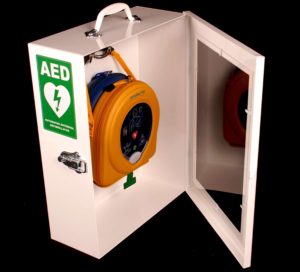
When every second is invaluable, does your team know where the first aid kits or fire extinguishers are located in your business? Do you even have first aid kits and fire extinguishers? When was the last time they were checked, itemised and refreshed to make sure they are current?
If your business has company vehicles, does each car, truck and van can hold its own fire extinguisher and first aid kit? After all, accidents can happen anywhere at any time, and it pays to be prepared when every second count.
Your health and safety plan should set the standards and expectation across the whole team, so regardless of where an accident takes place, all the health and safety gear you need is easily accessible and readily available.
It’s encouraging to see more defibrillators installed in malls and public places, and that most first aid training these days covers how to use one. When suffering a heart attack or cardiac arrest, you must not waste a second.
The sooner you can get to those people with a defibrillator, the greater chance you have of saving their lives.
Your health and safety plan may also cover keeping your business hygienically clean to prevent the spread of sickness and disease. Proper disposal of sanitary equipment will protect your employees, the environment, and generally reduce the risk of infection.
Find a Reliable Partner and Work Together to Your Mutual Benefits
All ‘Formula One’ racing teams have partners – companies who provide operational assistance to keep you going around the track faster, and better than ever. Think of Alsco and Take 5 Health and Safety Stationery as your health and safety partners.
Alsco can take care of all your first aid needs, from first aid kits to portable defibrillators and all of your sanitation requirements. Involving Alsco in your health and safety plan means they can provide the first aid, safety and sanitation equipment you need, along with a regular maintenance schedule to keep your business health and safety compliant.
If you’re not sure where to start with your health and safety plan, or your business has undergone some changes, and your plan needs to be updated to suit, contact the team at Take 5 Health and Safety Stationery. Most of our health and safety stationery range can be customised to your industry, and we can even provide cloud-based systems tailored for your business.

Get your workplace Formula One ready! Between Take 5 Health and Safety Stationery and Alsco, we can help your business prepare and execute a health and safety plan that actively involves and protects your team.
As a precision, performance racing crew, everyone will know what to do, when to do it, and have the right tools at hand. After all, from racing pit crews to accidents and injury or matters of life and death, every moment is worth its weight in gold.
Alsco would like to thank Take5 for this article. Take5 are OHS consultants that help small to medium-size businesses maintain workplace safety.
Photo: Voltam
Should You Care About Hand Hygiene In Your Restaurant? 5 Crucial Tips
Did you know that washing hands with soap and water can reduce diarrhoea associated deaths by 50%?
In short, a million people can be saved in a year, by the routine action of handwashing.
Hands are one of the main pathways of germ transmissions. This makes handwashing a critical practice in restaurants.
Handwashing education reduces:
- The number of diarrhoea infections by 23-40%.
- Diarrheal illness in people with weakened immune systems by 58%.
- Respiratory illness like colds by 16-21%.
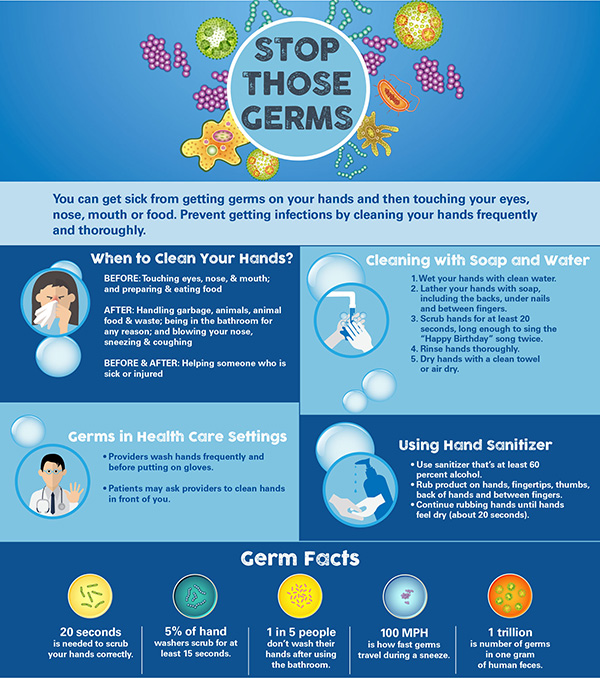
Here are 5 crucial tips on why you should promote high hand hygiene standards in your restaurant.
How to Properly Wash Hands
A high number of people understand the importance of handwashing, yet not all practice proper hand hygiene.
Most people wash the palm of their hands and forget key areas including nails which hide germs.
Missing out on the critical steps will not help. It is also equally important to dry your hands after handwashing. Damp hands are 1,000 times more likely to spread bacteria compared to a pair of dry hands.
Handwashing is an easy process that will help keep germs at bay.
In restaurants, handwashing is key, particularly in the kitchen where harmful bacteria lurk.
Actionable Steps for Handwashing
- Wet your hands with clean running water. Turn off the water and properly apply soap.
- Lather your hands by rubbing the soap onto your hands.
- Scrub your hands for at least 20 seconds.
- Rinse your hands well under clean, running water.
- Use a clean towel or an air dryer to dry your hands.
Important Supplies Needed for Handwashing
Customers want to know that they are dining in a restaurant with high hygiene standards.
To prove yourself in the restaurant business, provide important supplies needed for handwashing. These include:
Soap
Soap is a cleansing and emulsifying agent made by treating a fat with an alkali. Handwashing with soap is critical as it helps in the removal of germs from your hands.
Using soap with water is more effective than using water alone. The surfactants in soap help in lifting microbes form the hands. The lathering abilities of soap also help in making it easier for you to scrub your hands.
Water
Clean running water should be used for handwashing. Use of stagnant water is dangerous as the water could easily lead to recontamination.
Scrubbers
Scrubbers are particularly useful in removing dirt from the fingernails when it comes to handwashing.
Sanitisers
A Sanitiser is a liquid, gel or foam used to decrease infectious agents on the hands.
Using a sanitiser is not as effective as washing your hands with soap and water. Sanitisers should only be used when there is no soap and water.
When to Wash Your Hands
Proper handwashing is a vital food safety step.
Restaurant employees and particularly food handlers should wash their hands before handling food.
The Food Safety Standards stipulate that food handlers are to wash their hands:
- Before handling ready-to-eat food and after handling raw food.
- After touching the open parts of your body including nose, ears and mouth.
- After using toilet facilities.
- After handling or caring for any animals.
- After sneezing, coughing, using a handkerchief, smoking, eating or drinking.
- After handling soiled equipment or utensils.
- During food preparation to avoid cross-contamination.
- Before wearing gloves to work with food.
- After any activity that contaminates the hands.
Germs That Spread With Your Hands
Many diseases spread from dirty hands with millions of germs passing through them in a day. It is therefore important that we keep our hands clean and germ-free.
Germs get onto your hands after you use the toilet or handle raw meats which have germs.
Additionally, one can also get germs through touching contaminated objects.
Germs that can spread through your hands include:
- Salmonella
- Ecoli
- Norovirus
- Adenovirus
- Coxsackievirus
- Hepatitis A
- Shigella
4 Steps to Encourage Hand Hygiene in Your Restaurant
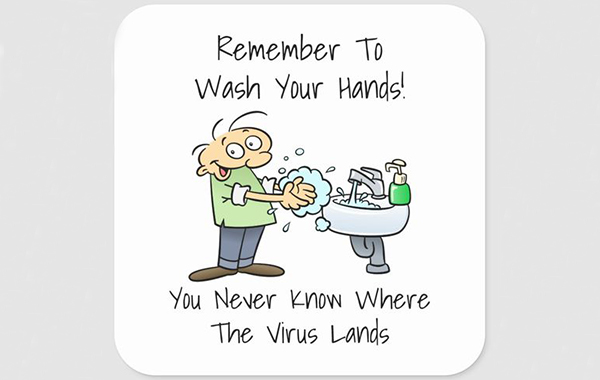
Actionable steps include:
- Installing handwashing stations at key points and stocking them with necessary supplies.
- Integrating handwashing in training to orient new employees on the importance of handwashing.
- Reinforcing proper food handling by training on best practices like wearing gloves.
- Putting up proper signage in common languages on the importance of handwashing.
4 Common Handwashing Myths Debunked
Handwashing may seem easy and obvious. However, a rather harsh truth is that many people do not know how to wash their hands properly. Indeed there are some handwashing misconceptions often peddled as the truth.
To separate misconceptions from the truth, here are 4 common handwashing myths that you might have heard of debunked.
Myth 1: Hand sanitiser is as effective as soap and water.
Good hand sanitisers contain at least 60% alcohol. They are a great option to use when water and soap are not available but they are not as effective.
In truth, all sanitisers do not eliminate all types of germs. This includes norovirus, a highly contagious disease which causes diarrhoea and vomiting.
Myth 2: Handwashing with warm water is more effective than with cold water.
This notion is wrong. Indeed hot water can irritate your skin making you more vulnerable to infections.
Myth 3: So long as you’re using soap, it won’t matter how long you wash your hands.
The World Health Organisation has recommended a specific length of time for handwashing. Singing the birthday song twice is long enough when handwashing with soap.
Myth 4: Hot air dryers are more effective than paper towels.
Both methods of drying hands are effective. The most important thing is to dry your hands completely as damp hands can spread germs.
Encourage Hand Hygiene with Alsco New Zealand
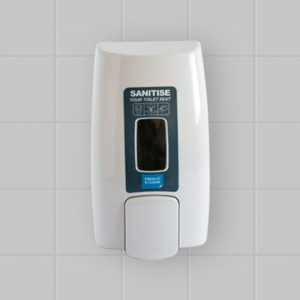
Hand washing is an important step in keeping your customers and communities healthy.
It prevents illness-causing germs from spreading through our hands.
Useful Tips:
- Wash your hands with soap and running water.
- Wash your hands during key times.
- Only use hand sanitiser when water and soap are not available.
- Always dry your hands after handwashing.
Clean hands are your first line of defence in protecting your business.
If you are wondering where to start, worry no more as we at Alsco New Zealand have got you covered.
We provide you with top of the range handcare and hand drying products for your restaurant.
The beauty of it is our products are affordable and tailored to meet all your business needs. Contact us today.
28 Plants To Bring Your Office Back To Life
Making your employees feel good at work shouldn’t be too hard if you are determined to do it.
As a matter of fact, there are so many ways in which you can improve workers well-being – and most of them don’t even include giving them additional money at all!
Plants are an often neglected way to improve the atmosphere in the office.
Apart from looking great, there are also a couple of other benefits that you can get when you decide to introduce some flora in the office.
For example, some plants are able to:
- Reduce work-related illnesses
- Reduce noise which means reduced distractions
- Improve the air quality inside the office
- Remove impurities
- Add a focal point to your work environment.
- Increase creativity
- Reduce work-related stress
- Enhance productivity by 15%
- Reduce absenteeism
- Lower O&M (Operations and Maintenance) costs
In this article, we will provide you with a list of some great plants you should consider introducing to your office:
1. African Violet
The African violets, or Saintpaulia, are great plants to add colour and cheer to any area. While these flowering plants require a bit more maintenance than others, they’re only going to take up very little space, making them perfect for desks.
2. Peace Lily (Spathiphyllum)
Now, if you’re interested in something a bit more tropical, then we suggest you get yourself a Peace Lily. Not only are they beautiful, but peace lilies are also easy to keep since they can grow in very low lighting conditions. This makes them ideal for workspaces and offices that are a bit short on windows (or hat have very small windows.
In fact, you should keep these away from direct sunlight. Keep them in low light places with lots of humidity.
3. Azalea
Azaleas are flowering shrubs that thrive in cold environments and can filter the air to combat formaldehyde.
4. Bromeliads
Now, if you prefer pretty and ornamental plants, then Bromeliads are the way to go. They come in a variety of shapes and sizes, and even in different colours. They have rigid and thick leaves that really help out with the atmosphere in the office.
5. Jade Plant
Next, the jade plant is a succulent that has very small flowers. Also, it really doesn’t need to be watered as often as other plants should. Also called money plant, the Crassula Ovata is fabled as to bringing financial success to its owner.
6. Walking Iris (Neomarica bicolor gracillis)
This plant has hardy leaves that look like they are swords. Also known as Apostle plants, the Walking Iris has an orchid-like flower that blooms at the upper end of its stem. These flowers last only for a day, but that day truly is special. Now, while very pretty, they need constant and regular watering.
7. Chinese Evergreen
Next, the Chinese Evergreen, also known as Aglaonema. These are great since they require very little maintenance, don’t need a lot of light, and they even remove and disperse toxins in the air.
8. Mother-in-law’s Tongue (Sansevieria)
These can reach almost seven feet in height. With upright leaves and a specific look, these gorgeous plants will really brighten up your office. They can last for years if you take care of them properly and can thrive almost anywhere.
9. English Ivy
The English Ivy is also known as Hedera helix. It’s a clinging vine that can reduce airborne fecal matter particles and filter out formaldehyde.
As disturbing as it is to know those airborne particles exist, it’s good English Ivy can take care of it. This is another plant ideal for those stale office environments lacking a lot of fresh air circulating.
10. Gerber Daisy
Aside from being attractive decors to your office, Gerber Daisies, also known as Gerbara, are also great at filtering toxins like benzene (a substance that can be emitted by some printing systems.)
11. Parlor Palm
If you want something really tropical, we suggest you get some Chamaedorea elegans – or, better known as a Parlor Palm. Called so because they, well, look like palm trees, these plants are a great fit for any office. Also, they don’t really need as much light as you would think they would.
12. Snake Plant (Sansevieria trifasciata)
The leaves of a snake plant can grow fairly tall. They come with shooting dark green leaves that have bands of a bright yellow-green on the outside. These plants are great as natural partitions in the workplace.
13. Cacti
These plants come in different varieties, sizes, and shapes. They look great on desks but take note that they require a lot of sunlight. So, if your office is dimly lit, make sure they are placed near a window so they still get a lot of sunlight.
14. Warneck Dracaena (Dracaena reflexa)
These shrubs can grow tall enough to be perfect dividers for different office areas. They help combat pollutants from varnishes and oils. This plant is ideal for offices with hardwood floors.
15. Fiddle-leaf Fig (Ficus lyrata)
Fiddle-leaf Figs also have a tropical look with their long stems and large glossy leaves. They are actually one of the trendiest plants to have right now. These plants are best placed where there is plenty of light as it tends to stretch in low light conditions.
16. Weeping Fig
The weeping figs are large plants that can filter pollutants such as formaldehyde and benzene as well as other pollutants found in carpets and furniture.
17. Ming Aralia
Also great for offices that require privacy between workstations. The Ming Aralia or Polyscias fruticosa are also tall, bushy plants that doesn’t require too much maintenance. Just water it every couple of weeks.
18. Spider Plant
Spider plants are also known as Chlorophytum comosum. They are often displayed in hanging baskets and are one of the easiest plants to grow indoors, making them great office space decor.
19. Aloe
These plants are usually small in size so they easily fit on desks. Their air-filtering qualities also have the ability to remove pollutants like formaldehyde and benzene from the air. Aside from purifying the air, Aloe also has a gel inside the plant that can be used to treat wounds and burns.
20. Philodendrons
If you would like to add some height to small areas in the office, get these large climbers. The best part is, these plants can survive even with very little maintenance.
21. Umbrella Tree
Umbrella Trees can grow to be quite tall, making them perfect for creating office privacy. They also come in smaller dwarf versions you can put on desktops.
22. Janet Craig (Dracaena deremensis)
These plants come with dark green, glossy leaves and can thrive even in low light conditions. Just make sure to place them in a corner where they won’t get damaged by passing traffic.
23. Pothos
The Pothos or Epipremnum aureum is flowering plants perfect for desktops. They may require occasional trimming but aside from that, these plants are very low maintenance and can be left on a desk for long periods without needing much care.
24. Madagascar Dragon Tree (Dracaena marginata)
Madagascar Dragon Trees have tall snake-like trunks and green and pink leaves. They can grow up to 3 meters high and they look best in a well-lit space to maximize leaf coloring.
25. Zanzibar Gem (Zamioculcas zamiifolia)
Zanzibar Gems grow even in dry, shaded areas, making them perfect office plants because they can survive an amazing amount of neglect. During winter, just water them less and clean the leaves by wiping them with a damp cloth.
26. Yucca (Yucca elephantipes)
Yuccas are one of the most versatile indoor plants. They have long woody stems and large strappy leaves, perfect for offices. While they prefer high levels of light, yuccas usually survive neglect rather well so they would definitely make great additions to your office.
27. Fittonia
Sometimes referred to as the nerve or mosaic plant, Fittonias can thrive on the fluorescent light so they work well in offices.
Plus, the oversized, inside-out look on the leaves of the Fittonia can serve as quite a focal point in your office space.
28. Mixed Garden
A mixed garden is always a great idea. If you can’t decide what to get, you get multi-grouped planting. These plants are intended for desktops or any other place in the office that has lots of light.
Your office will look so much better with those plants around, and they will make your employees feel a lot more motivated to work. These plants alleviate stress, and will even energize and motivate your employees.
Now, adding plants to your office really will spruce things up, but, you should also consider taking care of workplace hygiene. So, let the next step of going green be a focus on cleanliness.
Alsco offers high-quality solutions for your green workplace. From mats to odour control, from the washroom to hand hygiene, Alsco offers services that can be tailored to any particular needs your business may have.
Photo courtesy of Unsplash Images by Ellyot
Alsco NZ and Wellington City Council join the NZ Textile Reuse Programme
Alsco is pleased to be part of the NZ Textile Reuse Programme. Following is a press release for distribution.
The NZ Textile Reuse Programme is delighted to welcome new partners ALSCO NZ and Wellington City Council to the programme.
Stage Two of the Program was initiated with continued collaboration from Fonterra and the new partners as we progress with work on solutions for end of life textiles.
Textile specialists The Formary have led the project from inception with the view that it needs to be a collaborative project, inviting prominent New Zealand brands on board to create a step-change in how end-of-life clothing is managed.
Clothing and textiles is a large and growing sector, it is estimated that 80 billion pieces of clothing are produced each year (a 400% jump from just 20 years ago), three-quarters of which will end up landfilled or incinerated.
According to the NZ Retailers Association, New Zealanders are now spending nearly $4 billion on clothing each year, this figure does not include the volume of corporate textiles, estimated to be 40 times greater than that of domestic textiles.
Stage One of the program, completed in 2016, involved an audit of the waste textiles being generated by the participating companies to determine the scale of the problem.
Local reprocessing solutions were assessed and a reprocessing model designed with the aim of producing environmental, social and financial benefits for all New Zealanders.
 Bags of laundry queued for washing at Alsco NZ, Auckland
Auckland Council has provided funding for Stage Two – the establishment of a pilot aggregation centre to receive, sort and redistribute the end-of-life garments diverting them from landfill and converting them into fee stock for the industry.
“If we can divert our clothing and textile waster, which is significant, from landfill and convert it into useable feedstock for industry, we not only reduce the draw on virgin resources but also reduce the environmental impacts of textiles,” says Peter Thompson, The Formary CEO.
“Synthetics can take hundreds of years to break down in landfill, while clothing dyes and finishes create another issue – it is these sort of legacy issues that the programme partners are highly cognisant of and aiming to address through the programme”.
Mark Roberts, Alsco NZ Group General Manager, explains more: “Alsco has been helping to create clean, healthy workplaces in New Zealand since 1910. As a major user of workwear, we have a particular responsibility in reducing the number of textiles that end up as land-fill.
As Alsco we want to do whatever we can to help. We have comprehensive environmental and sustainability policies in place and we are always looking at new ways to minimise our impact on the environment.
Alsco sees our support of the NZ Textile Reuse Programme initiative as a tangible and collective action to make a real social, environmental and economic difference.
“We recognise that textile waste is a growing problem in NZ,” says Kellie Benner, WCC’s Waste Minimisation Manager “with the amount of textile waste being sent to landfill growing each year.
WCC is excited to start leading by example, through analysing and diverting from landfill our own uniforms, once they’ve reached their end of life.
This work fits nicely into our new Waste Minimisation and Management Plan, which includes actions towards minimising textile waste, and WCC’s internal waste minimisation”.

Media Contact
Bernadette Casey
What Needs to Be in a First Aid Kit?
What you include in your first aid kit greatly depends on your type of workplace. There is a minimum requirement for the contents of the first aid kit for a workplace that doesn’t have any specific risks. These include:
- First aid manual or guide
- Saline solution
- Moist wipes (individually wrapped)
- Adhesive dressings (at least 20 in different sizes, individually wrapped)
- 2 sterile eye pads
- 2 sterile triangular bandages (sterile, individually packed)
- Clasps or safety pins
- 2 stretch bandages
- Unmedicated wound dressings (6 pieces 12 cm x 12 cm and 2 pieces 18 cm x 18 cm)
- 2 pairs of disposable gloves
- Resuscitation mask
- Scissors
- Tweezers
- Hand sanitiser
These are just suggestions based on the experience of the professionals and the needs that they have had in the practice. However, you may need a completely different set of provisions.
For example, you may need a lot more of adhesive dressings if you are running a big kitchen. Cuts are to be expected in such a workplace, and first aid is all about being prepared and acting fast.
Alsco New Zealand has fully stocked First Aid kits that can be packed with supplies appropriate for your workplace. We also restock the kits and check them regularly, so that you always have what you need in the case of an emergency.
How Do You Maintain the First Aid Box?
You maintain your first aid supplies by putting them in an appropriate box, replenishing the supplies before the expiry date and checking them regularly.
First aid box – First of all, you need a well-made box to keep your supplies in. This box needs to be clearly marked with the recognisable cross on it. It needs to keep the supplies sterile and it needs to protect them from moisture and dust, as well.
Restocking the supplies – many of the first aid supplies have an expiry date. You need to keep those dates in mind and to replace the expired items before that date. That is the only way to ensure that the first aid box is functional and ready to use.
Regular checking – Some of the sterile packages may be compromised for some reason. Moisture may have entered the first aid box and damaged some of the supplies. You never know what may happen and in the case of emergency, you will rarely have the time to open one first aid kit by one and look for usable dressings.
All this is regularly done by Alsco NZ professionals when the first aid kits are rented from us. We drop by regularly, check the state of the kits, replace the items that are close to their expiry date and leave you with a perfect kit.
Are Workplace First Aid Kits Required?
The New Zealand Department of Labour issued First Aid for Workplaces – A Good Practice Guide to help businesses understand the requirements when it comes to first aid. This includes the first aid kits. This guide recommends the following:
- At least one first aid kit in the workplace
- At least one first aid kit on each storey if the workplace has more than one storey
- Additional first aid kit should be provided on every 50 employees of the company
- At least one kit in every company vehicle
Health and Safety at Work (General Risk and Workplace Management) Regulations 2016 say that the first aid facilities (i.e. first aid kits) need to be:
- In good working order
- Clean, safe and accessible
- Suitable for work being carried out
- Suitable to match the hazards of the workplace
- Suitable to the size and location of the workplace
- Suitable for the number of people who frequent the workplace
Visibility and accessibility – First aid kits need to be easily visible to anybody in the room and they should never be locked. There are situations where even the first aid kits need to be locked and if that is the case, you should ask for sealed kits.
Location – In the vicinity of your first aid kit, there should be a washbasin. The access to hot and cold running water is important, as well as the supply of clean towels. If this is not accessible, it is essential that your first aid kits contain the sterile solution, wipes and hand sanitising gel.
If your workplace has areas with increased hazard, that is where you should position your first aid kit.
How Many First Aiders Are Needed in the Workplace?
The Health and Safety Employment Act from 1992 covers the requirements about the workplace first aiders but doesn’t explicitly state how many first aiders are needed per workplace.
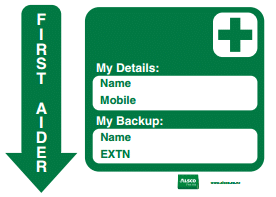
First aiders are the trained and qualified people within the workplace, who have their certificates on first aid and they should be the go-to people in case of an emergency.
To find out how many qualified first aiders you need for your workplace, you need to conduct the first aid needs assessment. The assessment includes closely examining the conditions and the requirements of your workplace while considering the following:
- Size and location of your workplace
- The number of people present at all times
- Distance from the nearest medical facility
- Shift work
- Presence of a registered nurse or other medical workers
The first aiders should be trained by an organisation which is authorised to issue the first aid certifications. They even have to take regular refresher courses every two years.
That is a lot to think about when it comes to first aid requirements for your company. To make your first aid kits one thing less to worry about, rent them from Alsco New Zealand. We offer both vehicle and workplace kits that match all the requirements. We install them, check up on them and restock them without additional charge.
Get your first aid kits today!
17 Easy Tips For Your Workplace And Employee Safety
Every good businessman knows the importance of workplace safety. We don’t want people to get hurt on their job, right?
To keep employees safe is the top priority when creating a clean and healthy workplace environment for them to enjoy working in.
It is also important to make sure that your workplace is in accordance with local regulations and standards.
They represent an assessment and mitigation of risks that may harm the health, safety or welfare of your employees.
These legal requirements are a must for every good business owner. They ensure a safe workplace for everyone – from employees to customers, contractors, visitors, volunteers and even suppliers.
Apart from complying with legal terms, the safety of the workplace is essential to the long-term success of any business.
A safe workplace helps:
- Retain staff
- Maximise productivity
- Minimise sick leaves and absenteeism
- Reduce the costs of injury and workers’ compensation
You can always do something to make sure that all your employees look and feel good when they go home as if they just started their day.
Here are some tips on workplace safety you’ll probably want to share with your coworkers.
1. Keep everything clean and organized
Scattered objects or spills can often cause people to slip and trip. Be sure that your workspace is always clean and fresh. Turn it into a habit to clean the spills up right away.
To make sure that nothing can get in the way and/or hurt workers, a good businessman will see that aisles are kept clean and organised.
2. Use mats on slippery floors
Alsco’s line of wet area rubber mats is an excellent solution for employee safety. They are industrial quality and are able to absorb up to 80% of water and dirt.
Strategically placed around your workplace, these mats prevent your employees from nasty falls and slips.
Besides that, Alsco provides laundry services for these mat rentals that suit your own schedule. This means we need to know when you want the job done! Call Alsco and arrange the schedule.
3. Store flammable materials the right way
If not stored properly, these flammable materials a real threat from fire hazards. Everyone’s safety is at risk! Be sure to store these materials in areas with proper ventilation.
Again, properly clean right away any spill or splatter made while working with such materials.
4. Train your employees to properly handle equipment or machinery
Every employee that handles the equipment, tools, or machines should be properly trained first.
And if there’s anyone not trained, they should never be assigned to handle heavy machinery. Instead, they should refrain themselves from it except if there’s a trained person present who can supervise.
5. Prominently mark hazardous areas
Clearly label places where dangerous equipment is stored. Also, be sure that the walkways are highlighted with necessary singes.
Mark the hazardous zones with black and white stripes or with tape. This proved to keep employees aware of possible dangers. It also helps them avoid accidents that cause severe injuries.
6. Provide employees with appropriate suits
Employees in charge of power tools have to wear the proper workwear while they operate such machinery.
They have to wear protective equipment and proper shoes for that kind of job. Only gloves that are appropriate for a certain job. They also have to fit right.
7. Everyone should be provided with first aid training
First aid stations provide your employees with a great stepping stone towards their safety and an efficient way in dealing with emergency situations. These wall-mounted stations always have to be fully stocked with a first aid kit with all necessary supplies and meds.
For advanced safety, Alsco also provides a First Aid techniques training program. It will provide your employees with useful knowledge on how to react to the first emergency signs.
This course is very thorough and it covers everything that is essential for these kinds of situations.
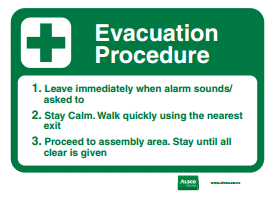
8. Set out evacuation procedures
This will increase safety from fires as well as from possible natural disasters such as earthquakes. Employees should be trained and able to use fire safety equipment correctly.
9. Avoid twisting or stooping
Providing your workplace with ergonomically designed furniture can prove to be useful. Also, it would be best to arrange the workspace in such way to make everything within easy reach. This prevents people from falling and other accidents.
10. Use mechanical equipment in lifting
Mechanical aid is mandatory when it comes to heavy lifting. It’s best to use a wheelbarrow, conveyor belt, crane or forklift because they prevent back injuries.
11. Be fully aware of the risks
Particular hazards specific to your job should be discussed when introducing new employees. This raises their awareness and cautiousness when moving around the workspace. It reduces risks of injury during work.
12. Avoid repetition of tasks
Vary employee’s activities so they don’t become dulled from doing one task for a long period of time. Rotating them through tasks allow them to change their activities and their posture.
13. Maintain tools properly
Workers are exempt from using forceful movements if they are using properly maintained tools, which prevents injuries as well.
14. Reduce stress level in your workplace
Long hours, job insecurity, conflicts and heavy workload are the most common causes of stress and work burn-out. They can lead to lack of concentration, sleeping difficulties and even depression.
Create a stress-free environment and promote a healthy lifestyle in your workspace.
15. Stay hydrated all the times
Motivate your employees to evenly drink water every day. Consuming more water, juices and other non-alcoholic drinks in even time periods will help regain all the fluids your employees have lost from working.
16. Make regular breaks
Employees tend to feel more fresh and alert when they have regular breaks, unlike those who don’t. Have your employees rest in a nice place. It will help them avoid injuries and burnouts.
17. Always be ready for a real emergency situation
First aid only covers the basics. But what if a true emergency happens? Cardiac arrest can happen at any time in any place.
To be prepared you’ve got to have an automated external defibrillator ready for situations like this. You and your employees must have an easy, yet effective solution to a dangerous emergency.
The HeartSine Samaritan 500P is a quality, single button operation device, and you can get it for a single annual fee.
Instructions on proper use, regular checks and maintenance are all included. Even the device itself gives easy step-by-step instructions, so everyone can use it at any time.
X has been providing quality commercial services to Australia for over 50 years. We’ve put all our experience into services you can always rely on.
Our Managed Rental Services make sure that you don’t spend too much on workplace safety. Additionally, you don’t have to worry about the functionality of any equipment you got from us. We include their upkeep in our offer.
Moreover, all our services are customizable to fit the needs of your company. Where you need us – we’ll be there. We also guarantee that we are compliant with complex WHS laws, so you can put that out of your mind, too.
Call Alsco today and we can come up with a solution that suits your needs the best.
Photo courtesy of Freepik
What Is A First Aid Qualification?
First aid qualification means that a person has taken an accredited first aid course and received a first aid certificate. It is important that the course the person is taking is approved by the New Zealand Qualifications Authority.
Courses are offered by the New Zealand Red Cross Society and The Order of St John.
These institutions offer different kinds of first aid courses or qualifications. There are even some courses that can be taken online.
It is up to you to choose the best first aid course for your company and your employees.
However, first aiders will have a hard time administering first aid without the first aid kits, AEDs and other supplies needed for these purposes. Contact Alsco New Zealand to take care of these requirements for you and equip your workplace with the best first aid supplies.
How long does a first aid certificate last in New Zealand?
New Zealand authorities require the refresher training course to be taken every 2 years. That is the only way to keep the certificate current and to update the skills and knowledge of the first aiders.
Sometimes, the refresher course is not taken and the certificate expires. In that case, the first aider should just take the course as soon as possible. However, if three months have passed from the expiry date, the certificate holder cannot take the refresher course but has to take the full, first aid course, like it is the first time.
Once the refresher course is completed, the first aider receives a new first aid course that is valid for another 2 years. If the first aid training provider has deemed that the first aider’s knowledge is satisfactory and their qualifications are entered in the NZQA database.
First aid certifications can be:
- Basic
- Specialist
First aiders can take the basic first aid course, or they can go for specialist training.
What Is A Specialised First Aid Course?
Specialised training is needed for those workplaces that require additional skills from a person who is expected to administer the first aid in case of emergencies.
Which specific skills should be acquired depends on the hazards that are characteristic to the workplace. The employer is the one who determines if these skills are needed. Once this assessment is done, the appropriate institution – the course provider is contacted and requested to tailor the specific course.
Upon completion of such training, a first aider should be able to:
- Identify the nature of the hazard and come up with the ways to deal with it
- Identify the signs and symptoms of exposure to this hazard
- Describe the treatment to the exposure to the hazard
- Understand the mechanisms of such treatment, as well as the side effects
- Demonstrate the use of specialised equipment used for providing specific first aid
- Keep records of incidents caused by the specific hazard
How many first aiders are in the workplace?
Health and Safety at Work Regulations don’t explicitly regulate the number of the first aiders in the workplace. These regulations only talk about the duties of an employer. The employer’s (PCBU) responsibilities are regulated in the following way:
1. A PCBU must ensure that—
(a)adequate first aid equipment is provided for the workplace; and
(b)each worker at the workplace has access to the equipment; and
(c)workers have access to facilities for the administration of first aid.2. A PCBU must ensure that—
(a) an adequate number of workers are trained to administer first aid at the workplace; or
(b) workers have access to an adequate number of other persons who have been trained to administer first aid.3. In complying with subclauses (1) and (2), the PCBU must have regard to all relevant matters, including—
(a)the nature of the work being carried out at the workplace:
(b)the nature of the hazards at the workplace:
(c)the size and location of the workplace:
(d)the number and composition of the workforce at the workplace. – New Zealand Parliamentary Counsel Office
This means that every workplace needs the first aiders unless they have a different, specific type of access to people who are trained in first aid. New Zealand Parliamentary Counsel Office
This may mean the workplace is next to the medical facility or the company is in the medical industry, so most of the employees are trained, medical officers. Perhaps, there is a registered nurse in the workplace. There are other options, as well.
In regard to the details of the workplace-related hazards, size and location, here are the factors that should indicate to the employer that there may be more than one first aider needed:
- Number of employees. The more employees you have, the more first aiders are needed.
- Large probability that injuries or illnesses can happen due to the nature of work.
- Increased number of task specific hazards (working on heights, adventure tourism, heavy machinery, etc)
- Shift work. There should be first aiders in each shift.
What are the roles and responsibilities of a first aid officer?
Health and safety regulations don’t specify the responsibilities of first aiders. They only regulate the PCBU’s duties and one of them is to have first aiders and/or to enable access to first aiders for all employees. However, what is the duty of a first aider is a bit vague.
The obvious answer would be: the role of the first aider is to administer first aid in the case of emergencies. That is clear enough, but is that the only thing that the first aider has to do? This depends from one workplace to another, but here are some of the reasonable duties for a first aider:
- To provide a reasonable level of help in case of emergencies. You cannot expect from your first aider to treat illnesses and administer medication and perform complex treatments that can only be done by a medical professional. You can only expect them to know how to administer the first aid.

- To be able to use the equipment to protect themselves while protecting others. If the first aider is the one that is best at administering first aid, this means that if they are injured, there is nobody else to do it properly. Therefore, it is important for a first aider to be able to take care of themselves, as well.
- To work with PCBUSince the first aider is the person who has the hands-on experience with the first aid in the workplace, their insight is precious. That is why they need to work closely with PCBU and improve the first-aid efforts in the workplace or maintain satisfactory levels.
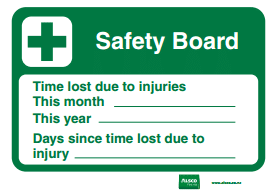
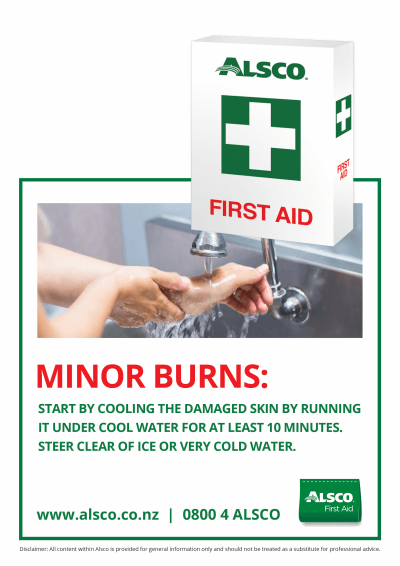
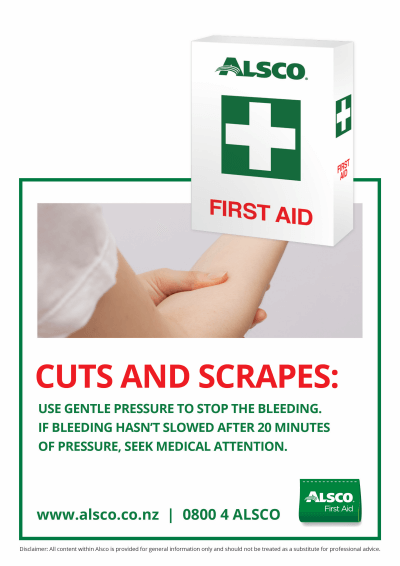
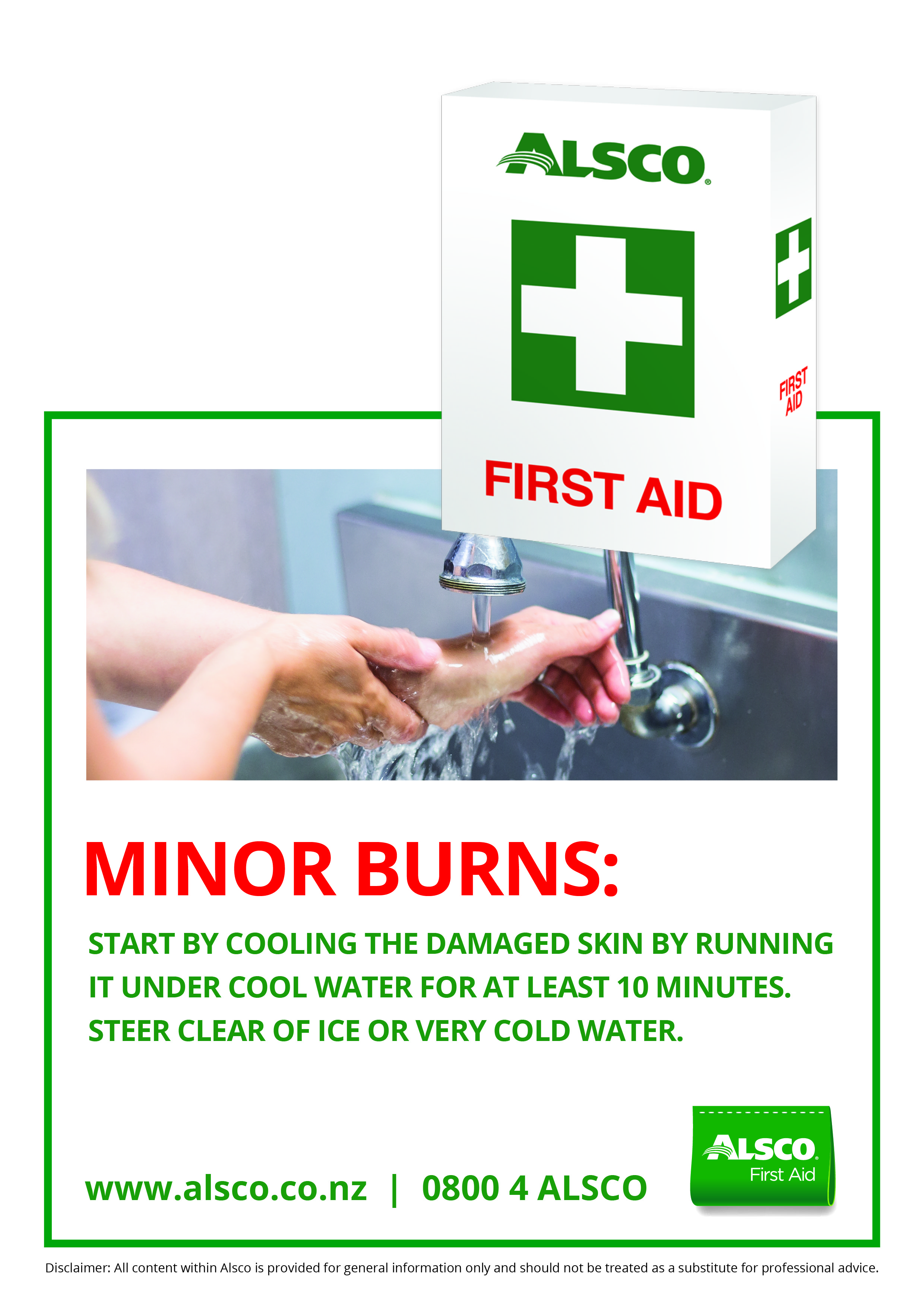
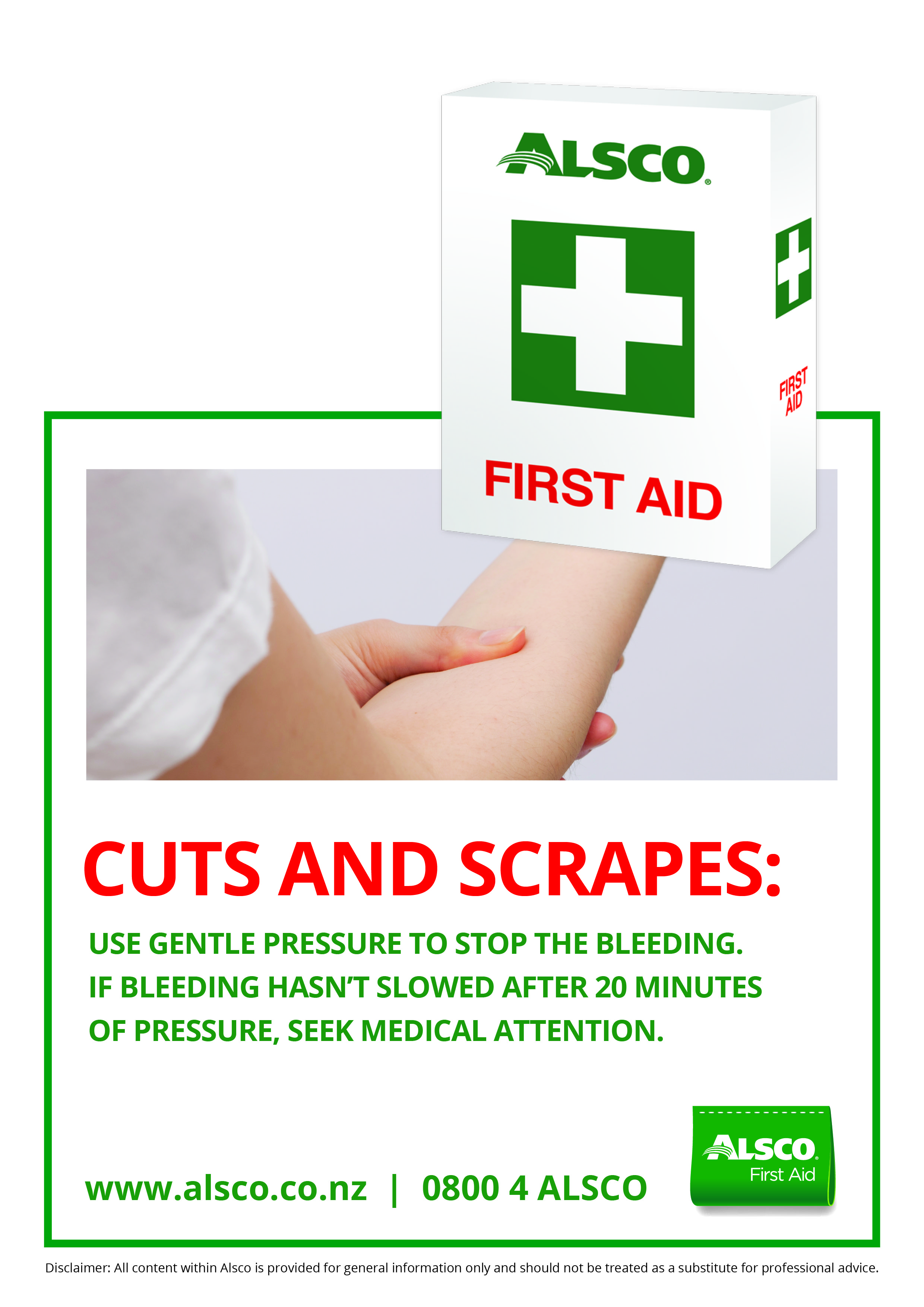
- To know the location of all first aid kits and first aid equipment. People get confused in the case of emergencies and they can easily forget where the first aid kits are or what is in them. The first aider is trained to keep his head cool and make the most efficient steps to contain the dangerous situation. First aid posters and signs can help.
There are some workplaces in which the first aider is expected to take care of the first aid kits and make sure all the supplies are up to date. This is a bit too much to expect from an employee in whose job description is not workplace maintenance. That is why you should rent Alsco New Zealand first aid kits.
For a monthly flat rate, we offer first aid kits with contents that match your business needs. We also check them regularly and make sure they are always stocked with supplies that are up to date. Get your first aid kits today.
How Many Toilets Does Your NZ Workplace Need? (2026 Guide)
Updated
NZ Building Code Clause G1 | Health and Safety at Work Act 2015
How Many Toilets Does a Workplace Need?
The Guidelines for the Provision of Facilities and General Safety and Health in Commercial & Industrial Premises set the minimum toilet requirements for NZ employers. The number depends on your headcount and whether your workforce is mixed or single-gender.
Minimum toilets required by employee count
If your workplace has fewer than 15 employees total, separate male and female washrooms are not mandatory. A single unisex washroom with a locking door meets the minimum requirement.
| Female employees | Toilets required | Male employees | Toilets required | Urinals required |
|---|---|---|---|---|
| 1–15 | 1 | 1–20 | 1 | 1 (1–15 males) |
| 16–20 | 2 | 21–30 | 2 | 2 (16–30 males) |
| 21–40 | 3 | 31–60 | 3 | 3 (31–60 males) |
| 41–60 | 4 | 61–90 | 4 | 4 (61–90 males) |
| 61–80 | 5 | 91–120 | 5 | 5 (91–120 males) |
Beyond the Count — What Else Is Required
The number of toilets is just the start. Every NZ workplace washroom must also provide:
-
Warm water supply at every washbasin -
Soap dispensers or hand-washing soap -
Toilet paper dispensers -
Adequate hand-drying equipment (paper towels or dryers) -
Sanitary disposal facilities for female staff -
Adequate ventilation and lighting
Hygiene compliance counts: Under the Health and Safety at Work Act 2015, employers are required to maintain facilities in a clean and hygienic condition. A toilet that meets the count requirement but is poorly maintained can still trigger a WorkSafe notice.
How Many Toilets Should a School Have?
The NZ Government does not set strict legislation for school toilet numbers, but provides guidelines under the NZ Building Code Clause G1:
- 1 toilet and washbasin per 10 students under 5 (pre-school)
- 1 toilet and washbasin per 20 students aged 5–11 (primary)
- 1 toilet and washbasin per 20 students aged over 11 (secondary)
Schools with more than 61 students must provide access to a wash-hand basin with hot and cold water. Changing and shower areas are required only in secondary schools where PE classes are held.
Commercial Buildings, Restaurants & Venues
For non-workplace buildings, requirements come from the NZ Building Code Clause G1 Personal Hygiene. Select your venue type below.
Restaurants, cafes, nightclubs, tea rooms
Minimum 1 toilet and 1 washbasin per 15 persons for both men and women as a general rule. Full requirements by count:
| Women | WC pans (F) | Men | WC pans (M) | Urinals |
|---|---|---|---|---|
| 1–15 | 1 | 1–15 | 1 | 1 (1–100) |
| 16–90 | 2 | 16–80 | 2 | 2 (101–340) |
| 91–170 | 3 | >80 | +1 per 100 | 3 (341–600) |
| >170 | +1 per 100 | — | — | +1 per 280 (>600) |
The Count Is the Minimum — Hygiene Is the Standard
Meeting the toilet ratio is just compliance. The condition of your washrooms says far more about your business than the number of cubicles. A well-maintained washroom with stocked dispensers, proper odour control, and hygienic sanitary disposal signals professionalism. A neglected one — even if technically compliant on numbers — reflects poorly on your brand and your duty of care to staff.
Alsco’s managed washroom services take the ongoing maintenance off your plate entirely. Regular servicing of consumables, sanitary bins, hand care dispensers, and air fresheners — all on a scheduled cycle, all at a fixed cost. See the full range at our Washroom Services NZ page.
Related Articles
Keep your washrooms stocked, clean, and compliant.
Alsco manages sanitary bins, soap dispensers, consumables, and air care on a scheduled service cycle. Nationwide. No upfront costs.
Everything You Need for Your Workplace First Aid Kit
Imagine witnessing an accident and being unable to help?
First aid is the immediate help given to an injured person before a professional arrives. First aid knowledge is invaluable in the workplace.
Workplace accidents can be a never-ending chain. When you think you’ve sealed all the safety loopholes, another accident happens.
What’s worse, accidents happen at the least expected times. They can throw your workspace into confusion. It doesn’t matter how prepared you are, accidents can be upsetting and disruptive to the flow of work.
First aid training helps to reduce the impact of accidents in the workspace. Proper first aid also helps address injuries in the best way possible.
First aid knowledge is important because it:
- Can help save lives.
- Can reduce the severity of accidents.
- Provides relief to the injured party.
First Aid Requirements for Your Workplace
Every workplace has a legal obligation to provide first aid provisions for its workers.
As an employer, you are bound by law to provide first aid facilities and equipment to your employees.
Employees and employers are both required to work together in creating a safe workplace.
Employer Responsibilities
- Provide first aid kits and facilities at the workplace.
- Hire trained first aiders.
- Offer safety training to all employees.
Worker Responsibilities
- Accept training on safety.
- Report any potential hazards or threats.
- Conduct themselves in a safe manner.
First Aid Equipment and Facilities
Your workplace first aid must follow the health and safety guidelines set by the government.
There are essential items that should be in any first kit. These include:
- Dressings
- Bandages
- Tweezers and scissors
- Gauze pads
- Pain relief medication
- Instant cold pack
- Alcohol swabs
- Elastic bandages
- Defibrillator or AED
- Portable eyewash station
The video below shows you some basic first aid kit essentials.
A suitable room should be set apart to function as the first aid room. An ideal first aid room should contain:
- Telephone or means of communication
- Sink with running water
- Examination/medical couch
- Incident book where you record incidences and near misses
- First aid kit supplies
First Aiders
Every workplace needs to have trained first aiders on stand by. Employers are free to hire first aiders or to enhance employees’ training on first aid.
A proper needs assessment should be carried out to determine the number of first aiders required.
Note: The number of first aiders should be enough for your workplace. First aid staff should be scheduled at all times when there are staff working in the facility.
Maintaining Your First Aid Kit
You may have your workplace stocked with all the first aid essentials. But when was the last time you looked into their maintenance?
First aid supplies need to be well maintained to make them ready in case the need arises.
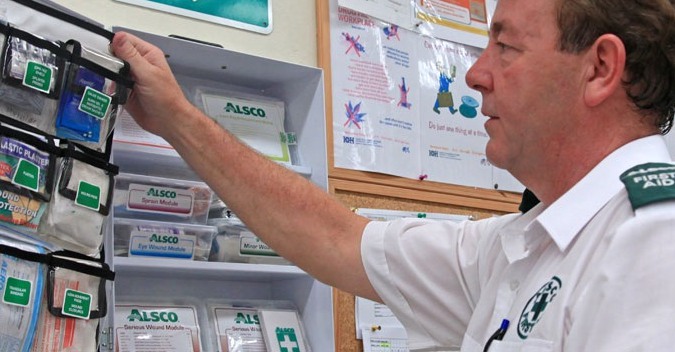
Inspect the First Aid Kit
Inspection of the first aid kit involves checking that all the items are available and ready to use. It also means organising the items in a way to make them accessible in times of emergencies.
Remember to check for the following:
Damaged or Contaminated Items
In an accident, your main aim is to save lives and ease discomfort. Avoiding further contamination is an important way to ensure this happens.
While inspecting your first aid kit, make sure you remove any damaged or contaminated items.
Dispose of these items and take note so you remember to restock.
Expiry Dates
Expired items in a first aid kit pose a potential threat to injured workers. Make sure you remove any expired items.
Check the expiry dates on each of the packages. This will help you organise your first aid kits and prevent the use of expired items.
Items should be made available so that the first to expire are at the front and the newest products are placed at the back of the queue.
Review Usage
Depending on your work environment, some first aid items will be used more than others.
Take note of the items that are more frequently used. Reviewing will help you plan your restocking better. It may also help you identify common hazards in your workplace.
Sanitise Your First Aid Kit
Accidents have a way of throwing everyone into confusion. In an emergency situation you have no control over who grabs the first aid supplies first.
Ensure first aid supplies are well sanitised to prevent further contamination. Follow these steps in sanitising:
- Empty all the contents of your first aid kit.
- Put on a pair of latex gloves for your protection.
- Remove all contaminated items which shouldn’t be there.
- Spray and disinfect all the items one by one.
- Once done, organise all the items and return them to their designated places.
Note: Do not forget to disinfect all the shelves and cabinets where the kit is kept.
Restock the First Aid Kit
Keeping a list of damaged, contaminated and expired items makes restocking easier.
Different workplaces also have different usage patterns. Knowing your workplace usage patterns will make it easier for you to know what to replenish.
Consider a managed first aid kit from Alsco New Zealand. Instead of restocking the kits yourself, Alsco will replace the expired, used and contaminated items in your kit, all for one yearly fee.
Are You Ready to Make Your Workplace Safer?
This article is a resource to get you started creating a safer workspace.
As you have already learnt, there is a lot that goes into creating a safe, first aid compliant workplace.
Alsco New Zealand has a wealth of experience on first aid at the workplace. They have you covered with top range first kits as well as other first aid solutions for 2020.
Do not hesitate, get in touch and discover their cost-effective first aid solutions for all your safety needs.
You can have a peace of mind with Alsco’s managed first aid kit rental service. The fully managed service provides legislation compliant products throughout the year.
Why Choose Alsco?
- Managed first aid kit: Services tailored to meet all your needs.
- Hospital-grade supplies: High-quality, long-lasting first aid supplies.
- Colour coded modules: Well-labelled supplies which save time in an emergency.
- Fast and reliable service: Regular restocking and servicing for your first aid kits.
Make your workplace first aid ready today.
14 Tips to Avoid Restaurant Fires
Fourteen fire trucks were trying to put down a fire that happened in the Garden Shed bistro in New Zealand in 2018. That is just one of the cases when a fire ruined a good business. It’s a well-known fact that one of the most devastating hazards among restaurant kitchens is the outbreak of a fire.
Not only do restaurant fires cause damage to equipment and the building itself, but these fires can also cause injuries to the restaurant and kitchen workers.
This results in a huge financial hit for the business due to the reparations, business downtime, and sometimes may result in the restaurant closing permanently.
The National Fire Protection Association (NFPA) has estimated that there are roughly 7,640 reported restaurant fires on an annual basis which have resulted in nearly $250 million in property damage. While this is a high number, it does not account for revenue losses and the money lost due to the restaurant being closed either temporarily or permanently.
In a restaurant kitchen, there are lots of fire threats. Open flames, heating equipment, cooking oils, cleaning chemicals, all of them are flammable and contribute to the fire hazards within a kitchen. With the number of flammable substances in a kitchen, it’s no surprise there are as many fires as there are.
Is your restaurant prepared for emergencies? Contact Alsco for a fully-managed Emergency Response Systems and First Aid Supplies.
How You Can Prevent a Restaurant Fire
Given the very nature of cooking, there is no way to completely eliminate the risk of a fire. However, you are able to take a variety of precautions to prevent for fire from breaking out, keep your workers safe, and even ensure first aid supplies in case it happens. With that in mind, here are some steps that can be taken to avoid a restaurant fire as much as possible.
The Necessary Fire Suppression Equipment for a Restaurant Kitchen
Equipment such as situation dependant fire extinguishers and sprinklers in restaurant kitchens are a health and safety requirement in New Zealand nowadays, although their placement and accessibility play an important part in case of a fire. So, what how can you ensure that your fire suppression equipment is up to its best standard?
Tip #1 – Install an Automated Fire Control System.
This first tip is by far the most important. Having an automated fire control system allows for action to be taken the second fire breaks out. This is done by not only cutting off the power to the kitchen but both the gas line and fuel supply, preventing the fire from growing.
Tip #2 – Always Have Backup Equipment.
Fire extinguishers aren’t used regularly, which unfortunately gives the possibility of them not working at the time of use. This is why it’s important to have several backups available in different locations within not only the kitchen but other parts of your restaurant too. To prevent a fire extinguisher not working in the time of need, make sure that you keep them up to date as well as having them serviced on a regular basis.
Tip #3 – Have the Right Equipment Available.
While fire extinguishers and sprinkler installation is important, making sure that you have other things such as fire blankets are equally as important. Make sure that your whole staff team is informed on where all of your fire equipment is located as well as informed on how to react in a fire situation.
Preparing Your Electrical Equipment
While all fires are difficult to deal with, unless they are dealt with at a very early stage, an electric fire is extremely difficult to deal with due to how it spreads fast. One of the most common causes of electrical fires is short-circuiting.
Tip #4 – Regularly Maintain your Electrical Equipment.
This tip accounts for all electrical equipment in your restaurant, not only the kitchen. Your electrical system as a whole should be surveyed regularly, although between surveys you must train your staff on watching out for old or frayed wires which may be a danger, as well as watching for multiple high-voltage appliances plugged into one outlet, which can cause a short circuit fire.
Tip #5 – Rearrange your Kitchen.
The best way to ensure that an electrical fire is prevented is to move potentially dangerous appliances away from one another. For example, if you have your deep fat fryers located next to wall sockets, move the fryer to a different part of your kitchen.
Fire Outbreak: First Response
If your previous preparation failed you and a fire does outbreak, it’s important that you and your staff team know how to react.
Tip #6 – Shut Off the Power.
To stop the fire from spreading and further damaging your restaurant, make sure that there are multiple people trained to deal with shutting off both the electrical power and the fuel supplies, for your kitchen. This will prevent the fire from spreading as well as prevent a potential gas explosion.
Tip #7 – Evacuate your Restaurant.
There must always be an evacuation plan in place. While the fire is most likely in the kitchen, fires can spread quickly so it is important that you get everyone who is in the restaurant, outside of the restaurant. In order to have this done efficiently, there are a few steps that must be considered:
- There must always be an evacuation plan in place, and if changes are made to the restaurant these changes must be accounted for in the plan. This plan should account for the capacity and access points of the restaurant.
- Have staff members who are responsible for the evacuation and are trained to get everyone out of the building efficiently and safely.
- Practice evacuation and fire drills on a regular basis. This will ensure that all of your staff members are fit to deal with the unfortunate situation if it were ever to break out.
TIP#8 – Get Fire Safety Training.
It’s important that your staff are trained in Fire and Warden Training. This will ensure that your staff know how to deal with fire as well as remain calm while doing so.
Tip #9 – Check Out your First Aid Kits Regularly.
It’s important that the first aid kit in the workplace is up to date and the first aid kit supplies are adequate to deal with a variety of situations, one of them being a fire. Make sure that you have multiple first aid kits around your restaurant and make sure that they are properly organised so that an injury is dealt with as soon as possible.
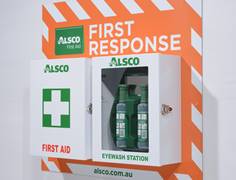
Emergency Response Systems
Ensure your employees are as prepared as possible in an emergency situation.
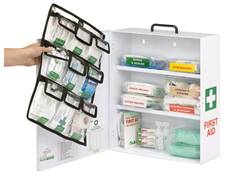
First Aid Kits
Managed first aid kit service keeps your business safe and compliant – year-round.
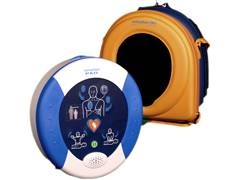
Portable Defibrillators
Ensure your people are capable and prepared as possible when a cardiac emergency strikes.
Find out more about it…
Dealing with Kitchen Grease Properly
Kitchen grease is one of the biggest pains of working in a kitchen. Not only is it dangerous to work with, but if one drip hits the floor, it must be cleaned up immediately and cleaned up properly to ensure that the floor does not become a danger to your workers.
Tip #10 – Clean the Hoods and Vents Regularly.
It’s important to put together a regular cleaning schedule for your deep fat fryers, however, every restaurant schedule will differ depending on many factors. It’s important to ensure that both the fryer and the vents are cleaned regularly in order to ensure that a build-up of grease does not become a fire hazard.
Tip #11 – Ensure that All Parts of the Fryer is in their Correct Places after Cleaning.
If parts are not put back properly, it can result in the fryer not working as efficiently as before and can cause even more of a grease build up in the vents and hood.
Tip #12 – Consult a Professional.
Having a professional inspect your exhaust system will ensure that the deep and harder to reach parts of the fryer system are cleaned efficiently. As well as this, you will be told with confidence if there are certain parts of the system which are not being cleaned as well as they are supposed to be.
Tip #13 – Clean Grease from Around the Whole Kitchen.
Given that in a kitchen you are working with grease regularly, it’s important to clean the whole kitchen every day (or at the very least every other day). Not only is this general health and safety, but it prevents grease from building up in other parts of the kitchen and become a safety hazard.
Tip #14 – Have your Cleaning Rags Cleaned, too.
Remember, grease isn’t the most pleasant thing to work with, and that’s not just the case for in the kitchen. When it comes to cleaning grease out of your cleaning rags it can be a real pain. Have your greasy rags professionally cleaned, too.
It’s The Little Things That Count
While the bigger pointers such as “Make sure at the end of the day, everything is turned off” are important, smaller pointers such as ensuring that your first aid kits are prepared properly are the things that really count when running a business.
Having properly marked exits, efficiently marked first aid kits, and cleaning up spillages. These are the little things that can make or break your business, take care of your business and it will take care of you.
Before the worst strikes your workplace, Send Alsco NZ an enquiry to learn more about our fully-managed Alsco New Zealand Emergency Response Systems and First Aid kits.


