Trusted by 237K+ Business Worldwide. Find a Location
Trusted by 237,000+businesses worldwide across 250 locations delivering uniforms, linens and more. Find a Location Near You


Delivering Excellence Since 1910
Contact Us
What Do I Need for a Workplace Earthquake Kit?
In New Zealand, the Health and Safety in Employment Act states that every workplace should have a plan in case of emergency.
The safety of employees is one of the primary obligations of a business owner.
Given that the people of New Zealand can feel around 100 – 150 earthquakes a year, it is obvious that every workplace should be prepared for this emergency situation.
One of the most important things a workplace should have to be prepared for is an emergency earthquake survival kit.
[b3_row]
[b3_column lg=”8″ md=”12″ sm=”12″ xs=”12″ ]
Some of the items it should contain are:
- Items for warmth and protection
- Items for first aid and sanitation
- Items for rescue and entry
- Items for communication
- Items needed to contain fire and spills
- Food and water
Alsco provides emergency kits that are classified into modules that contain such items. All those modules are clearly marked and they are packed in a logical order in a cabinet, so you can find your way around them even in dark.
[/b3_column]
[b3_column lg=”3″ md=”12″ sm=”12″ xs=”12″ ]
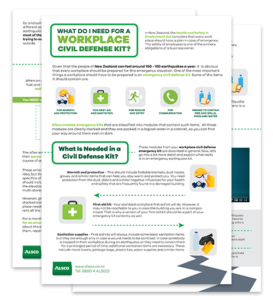
FREE “Workplace Civil Defense Kit in PDF” – DOWNLOAD HERE
[/b3_column]
[/b3_row]
What Is Needed in an Earthquake Kit?
These modules from your workplace earthquake emergency kit are described in general. Now, let’s go into a bit more detail and explain what really is in an emergency earthquake kit.
Warmth and protection – This should include foldable blankets, dust masks, gloves, and similar items that can help you stay warm and protect you. You need protection from the dust, debris and similar negative influences for your health and safety that are frequently found in a damaged building.
First aid kit– Your standard workplace first aid kit will do. However, it may not be reachable to you in case the building you are in is compromised. That is why a version of your first aid kit should be a part of your emergency kit contents, as well.
Sanitation supplies – First aid kits will always include some basic sanitation items, but they are enough only in case a wound needs to be sanitised. In case somebody is trapped in their workplace during an earthquake, or they need to remain there for a prolonged period of time, additional sanitation items are necessary. These include moist towels, garbage bags, plastic ties, water supplies and similar items.
Communication, rescue and entry items – It is possible that an earthquake will compromise the electric grid in your workplace. It is necessary to turn off utilities and prevent further disaster. That is why you need wrench or pliers, but also protective gloves and even helmet. You will need a flashlight, battery-powered radio, phone and extra batteries to be able to communicate. It is also useful to have a whistle available.
Food and drink – In the worst case scenario, you will have to remain in the workplace for longer than a day. That is why a lot of workplace emergency kits are created to help you survive a period of 3 days. In this case, you need some non-perishable food and at least 3l of water per day, to help you with sanitation and of course, to keep you hydrated.
These are all items that need to be available in your workplace emergency kit. If an earthquake hits, it is best to stay inside. Given that you spend a lot of your time at your workplace, there is a good chance that you will be forced to stay there for a while.
What Should You Do During Earthquake at Work?
In case you are inside your workplace when an earthquake happens you need to stay inside. Moreover, you should follow the Drop, Cover and Hold protocol. There are many people who rush outside in case of an earthquake, but that is a bit mistake. That is something you should be doing in case of fire.
When an earthquake strikes, the authorities in New Zealand recommend you take the following three steps:
- Drop – get on the ground as soon as you realise that the earthquake is happening. If you are unable to drop to the ground, head to the walls, away from the glass windows and try holding onto a piece of sturdy furniture.
- Cover – Seek cover under the sturdiest piece of furniture in your vicinity. In case that mortar, light fixtures and other items start falling off the ceiling, you need to be covered.
- Hold – Grab the sturdiest and the nearest piece of furniture and hold on to it. Don’t let go until the shaking stops and even for a while after that.
By analysing the injuries and outcomes of different actions taken during New Zealand earthquakes, it has been concluded that the most of the injuries were sustained by people trying to exit and those who managed to get outside.
Severe earthquakes cause parts of buildings, trees and even street lights to fall off and such objects can cause injuries. The same goes for the glass windows and even electric cords that can get torn. Inside your workplace is safer, even if the building has been compromised to a lesser degree.
How to Prepare a Workplace Earthquake Emergency Plan?
When an earthquake happens, it is a bit too late for planning. Everything will be happening too fast and you need to plan ahead. As a business owner, you need to make sure that you have a workplace emergency plan already set and that all your employees are aware of it.
You need to make sure that:
- Your employees know about the drop, cover and hold procedure
- Your employees know where the earthquake kits are
- Your employees have their go bags ready in case evacuation is necessary
- Your employees know about your established after earthquake procedure
All of New Zealand is at risk of earthquakes, and lots of us travel to parts of the country where earthquakes are more common. pic.twitter.com/at2NYI4d9P
— Get Ready Get Thru (@NZGetThru) December 5, 2016
The after earthquake procedure should be clearly understood and your employees should have their personal workplace emergency plans. Also, there should be an agreement about the correct course of actions and the leadership chain in case of earthquake.
These emergency plans will include the same idea, but they should also take into account the specifics of your workplace. For example, it should include the fact that nobody should use the elevators in case you run your business in a multi-storey building.
However, getting a well-supplied and regularly stocked earthquake kit is something every workplace needs. Contact Alsco New Zealand and rent all the earthquake kits you need.
For an affordable annual price, you will always be prepared for an emergency and you’ll never have to worry about the state of your kits, as we will check them, repair them, and replenish them regularly.
8 Signs Your Employees May Be Fatigued
Fatigued employees are never capable of offering one hundred per cent at work. No matter what you try to do and how you try to help them and motivate them, you won’t succeed unless you help them rest.
Some disorders like the work-related musculoskeletal disorder (MSD) can cause people to become exhausted, to miss out on work and to even injure themselves in the workplace.
MSD should be taken very seriously – it’s been identified as a very serious disorder. Ergonomics, proper rest time, all of these things can help out in preventing (or alleviating) issues like these.
Integrating and presenting ergonomic solutions in the workplace can do wonders. You should even invest in some quality ergonomic products that aim to reduce employee fatigue.
In case you are wondering how ergonomic products may help you and your employees:
- They improve employee work quality. Workers that perform manual labour duties that really tire them out will really enjoy ergonomic products. It will not only make their jobs less painful but will even help them rest more effectively.
- They improve productivity. Employees will become much more efficient. They will be in less pain, have less joint aches and issues, and this will, in turn, get them to accomplish much more at work.
- They lessen and reduce expenses. MSD can be prevented, and quite easily. All the costs associated with this disorder can be nullified by just getting proper ergonomic gear.
- They help to create a culture of safety. By having ergonomic items and products, you send out a message not only to your competitors but to your employees and customers as well. A message that centers around safety and employee care.
- They improve employee morale. By having this stuff, you show that you care. This will do wonders for the employees, their moods, and their morale.
So, we hope this section has been informative. If it indeed was, then we would like you to think about something else. Namely, do any of your co-workers or employees look tired? Fatigued? Exhausted?
We advise you to check out the following early warning signs of work-related fatigue. This may save someone from serious injury.
1. Their Productivity Is Falling
While they seem to be working longer hours, employees experiencing fatigue tend to be less and less productive over time.
So even if you add all these extra hours, the net total is that you won’t get as much productivity as you want, as well as getting low-quality work and unhappy employees.
If you notice that your employees’ productivity has hit an all-time low, then there’s definitely something wrong going on with them.
2. They Are Never In A Good Mood
Closely observe employees who seem not to be their usual selves and are acting out of character. Moodiness, emotional distress, or having a bad attitude in the workplace are telling signs that something is wrong.
3. They Get Fidgety
Now, people have their own needs and want. But, most understand that they can and should tolerate a certain amount of discomfort at the office. Now, this may be fine and dandy, but sometimes, they can go overboard and put on a tough façade.
If you notice them fidgeting at their workstations, or that they are very uncomfortable, you should problem get them to do something that is not related to their work. This may seem silly, but it can, in fact, be a sign of some subconscious stress, or simply some pain that they are not willing to share with people.
It is, however, an early sign of fatigue, and you should do everything in your power to alleviate it until it gets worse.
4. They Seem Distant
Everyone experiences forgetfulness at some point but employees with fatigue may suffer from ongoing forgetfulness and complete disregard for their work and their team at large.
This will not only affect their performance, but it can also waste other employees’ time. It’s an obvious sign that the employee has a lot on his plate and is struggling to get on top of their workload so it is best to find out what’s causing this behaviour.
5. They Are Always Late
There are employees who are habitual late comers – those who run late in every aspect of their lives. But once you notice someone in your team, who usually comes on-time, if not an hour early, to work every morning, arrive late for consecutive days or weeks, then that is a clear indicator of fatigue or poor work-life balance.
6. They Often Don’t Show Up
Employees experiencing fatigue will always find ways to justify not getting out of bed in the morning. When you start to notice an alarming increase in your employees’ absences, then maybe it’s about time to ask if work-related fatigue has taken over people in your office.
Again, talking to employees involved is critical, but it’s also important to do something about those factors making it hard for them to perform their duties efficiently.
You can also actually walk in their shoes and try out their job for a day yourself. If you find that you hate it and everything is, in fact, uncomfortable to use, the safe bet is that therein lies the problem – one that needs an ergonomic solution.
7. Their Hygiene Is Problematic
Always pay attention to your employees’ workstations and desks. A messy desk can be a sign of stress that may have been caused by overwork.
8. They Keep Complaining
People headed towards fatigue aren’t going to keep it in. Whether it’s straight out complaining about it with their friends during lunch breaks or even just a long drawn out sigh of relief when they get up for a stretch, these are the most obvious clues that fatigue might be just about to set in.
Of course, it’s never a safe thing to assume. So, an effective next step would be to talk about it, or at least to encourage sharing. You’ll be surprised how much more smoothly this conversation will actually go. When it concerns comfort, no one is ever too shy.
At Alsco, we have several ideas that can be simple, subtle, and passive solutions against employee fatigue.
Foremost among these are the Anti-Fatigue Mats that can be placed in strategic areas around the office and work areas. These are guaranteed to provide comfort as your employees move about their workplace.
On top of that comfort, they also maximize safety and convenience as your employees go about their day. Paired with truly comfortable equipment, they can nip fatigue right in the bud.
Contact Alsco New Zealand and our friendly representatives will help you to work out how to get enough Anti-Fatigue Mats without breaking the bank. Help your employees prevent their fatigue and pay only a fixed monthly fee.
What Are the 5 Main Aims of First Aid?
It is impossible to predict when an accident will happen in the workplace. However, it is the employer’s duty to do everything in their power to prevent accidents and provide access to first aid to their employees and everybody who frequents their workplace.
The 5 main aims of first aid are:
- preserve life
- prevent the escalation of the illness or injury
- promote recovery
- pain relief
- protect the unconscious.
Preserve life – while the first aider is the person who has the certificate for the first aid, they are not medical professionals. They can do their best to make sure the patient is given the basic care and they can help treat minor injuries like cuts and scrapes that don’t need routine or emergency attention.
However, in severe situations that are a threat to the patient’s life, they do not focus on providing care but on preserving life long enough until the ambulance arrives.
Prevent the escalation – again, the efforts of the first aiders are directed toward prolonging the time the patient has until the ambulance arrives. If the patient is bleeding profusely, the first aider will not stitch the wound, but they will do their best to stop the bleeding until the ambulance arrives. In that way, they will prevent further complications and health deterioration.
Pain relief – this is done only if it is in any way possible and it doesn’t present a risk to the patient. Some pain relief medications can be dangerous if a person is bleeding. Therefore, if you are not sure if the pain medication is appropriate, it is better to ask the medical experts first.
Protect the unconscious – one of the important factors in administering first aid is protection and safety for both the patient and the first aider. Moreover, this extends to the people who are nearby as well. Protecting the unconscious can mean removing them from a dangerous situation, like fire, a flooded space or a road with traffic.
Promote recovery – every action that a first aider takes should be in the direction of helping the person who has suffered an injury or sudden illness get better.
Promoting recovery usually means using the first aid kit. It is packed with supplies that are necessary for the first aider to be able to help the person in need. You can understand that the time of providing the first aid is crucial. If your first aid is not well-stocked or it is not there at all – that is a big problem.
Let Alsco NZ provide you with all the necessary first aid kits for your workplace and always be ready for an emergency.
As you know, children are most prone to accidents. So, if you work in a school, your duty is to ensure a safe and healthy environment for them.
You could start with the washrooms. The Ultimate School Washroom Guide will help you learn how to address major washroom health and safety concerns according to the New Zealand standards.
What Are the Types of First Aid?
The two types of workplace first aid in New Zealand are:
- Basic first aid
- Workplace-specific first aid
The basic first aid contains all those types of assistance that you would expect from a first aider to know about. These include:
- Dealing with cuts, scrapes, grazes, burns and other minor injuries
- Managing eye injuries of different kinds
- Immobilising fractures, sprains and strains of joints
- Preventing choking
- Stopping the excessive bleeding
- Helping unconscious patients
More or less, those are the areas that the most basic first aid course covers. These courses are not places where first aiders learn to treat people, but simply to offer the first aid that will buy some time and prevent the situation from getting much worse.
Workplace-specific first aid courses in New Zealand are easily organised with the institutions that offer the basic first aid courses. These are the training sessions that focus on the specific dangers that can occur in the workplace.
For example, if you have a touring business and most of your tours are by boat, your first aiders need to be ready to administer first aid to people who have had a near-drowning experience, hypothermia, or sunstroke.
What Are the 10 Items in a First Aid Kit?
There is no legal requirement about what you need to put in a first aid kit. However, you can expect to find the following 10 items in almost any workplace kit.
- Bandages of different kinds
- Adhesive tape and bandages
- Sterile gauzes and eye pads
- Wet wipes
- Antibiotic ointment
- Saline solution
- Clasps and safety pins
- Scissors and tweezers
- CPR mask
- First Aid Guide that includes first aider phone number
However, the nature of your workplace will determine the contents of your first aid kits. Workplaces that involve ovens, open fire and similar hazards will need more antibiotic ointments and gauzes than anything else. Keep that in mind when choosing the first aid supplies.
What Are the Types of First Aid Kits?
Not all first aid supplies are the same. These, again, should be positioned and packed in a way that ensures the most convenient use. Types of first aid kits include:
- First aid cabinets – This type of first aid supply is not movable in its entirety. You can open the cabinet and take the supplies you need from it, but you cannot carry them all at once. The good side of this type of first aid kit is that you always know where it is. The bad side is the impossibility of moving it.
- First aid kits – This is usually the most common way to pack supplies. You can grab the entire kit and take it with you directly to the place of the accident. That saves time and prevents making several trips for this item or that during the treatment. On the other hand, there is a possibility for this first aid kit to be misplaced.
- Vehicle first aid kits – These first aid kits are specially designed so they can be placed inside the vehicles at all times. New Zealand companies that have vehicles are required to have a first aid kit in each of the vehicles.
Alsco New Zealand has decades of experience in dealing with workplace first aid. You can trust us to offer you the most effective and cost-efficient solution for your company. Don’t worry about what happens when you use your first aid kit or whether you will have to think about the expiry dates. For a fixed annual rate, we do that for you. Contact us to learn more about how we can meet your first-aid needs.
What Are the 3 C’s When Dealing with an Emergency?
The three C’s represent the mnemonic technique that should help people who administer first aid. They are meant to help these first aiders remember the course of action and their sequence so they can provide the best possible first aid. The first C’s are:
- Check
- Call
- Care
Check: For the first aid to be administered successfully, the patient, first aider and the present people should be out of the influence of the hazard that has caused the injuries.
Moreover, you should check for the safety of you, patient and the others. This can include removing the victim from the traffic or putting out the fire, providing the airflow and eliminating toxic fumes, etc.
Call: One of the primary functions of the first aid is to actually give the victim enough time and prolonging their life until the ambulance arrives. For that to happen, the ambulance needs to be called. As soon as you assess the surrounding, you need to call the 111 and talk to the operator explaining the specifics of the situation and answering their questions accurately and directly.
Care: The first two C’s are actually the preparation for the main course of action – providing medical assistance. This is where you actually start administering care to the patient. In some cases, it will simply mean dressing a wound, but it can also mean monitoring a person’s breathing and pulse, giving them CPR and even shocking them with AED.
For the most steps of the third C: Care, you will need special supplies. The first aid supplies are packed in the first aid kits. Every workplace should have at least one. Rent your workplace kits from Alsco NZ and make the Care step much easier for your first aiders.
For instance, did you know that floor-to-ceiling cubicle doors can seriously compromise safety and make the checking and caring for the injured person impossible?
You should be aware of hazards such as this especially if you work in a school or other crowded environment.
Learn how to make your school washroom safe and healthy with our ultimate guide.
What Are the Steps in Assessing an Emergency Situation?
Once you find yourself in an emergency situation, you need to assess it quickly, especially if you notice that there are one or more people injured. Don’t rely on the other people to be responding, because this does not always happen. Look around and do the following three steps of assessing the situation:
- Assess the situation
- Assess the environment
- Assess the patient
Assessing the situation – this means establishing what is going on, if there are injured people and what are other people doing. You will notice that many people react to emergencies by freezing. In many cases, the bystanders will do nothing to help the person in trouble. That is why you should react instantly if you see that somebody is hurt. If you need help from the others, give them precise directions about what to do and they will most likely follow them.
Assessing the environment – this is the moment when you need to see what caused the injury to the patient and if they are still in the same danger. Moreover, you need to take care of yourself and the others, also. You, as the first aid provider are useful to the patient only if not injured yourself, so do everything in your power to stay safe.
Assess the patient – check the patient’s pulse, breathing and airways. Those are the three things that you need to do if the person is unconscious. If you are not sure if the person is conscious, shake them and call them like you would if you were waking them up from a deep sleep. If they are not responsive, go for the pulse and breathing.
- Check for the breathing by laying the person on the back and observing if their chest is moving. Place your hand on their chest to closely feel the possible motion. Move your cheek next to their nose and mouth and try to feel their breath.
- Check the airways by raising the patient’s jaw and tilting their head back so you can see the inside of their mouth. If you see something, turn the patient to their side and unblock the airways.
- Checking the pulse is best done by placing the index and middle finger on the carotid artery which is next to the windpipe.
What Is the First Thing You Should Do If a Person Is Unconscious and Not Breathing?
When you see a person without consciousness and not breathing, you still need to check their breathing and try to wake them up. This should not last long. Establish the lack of consciousness and breathing by taking the following steps:
- Call or ask somebody to call 111
- Check the airways and unblock them if necessary
- Start CPR
While administering the CPR, ask somebody to give you AED and use it on the person. Don’t worry, the AED will not administer the shock if there is no heart rate or the heart rate is regular.
What Do You Do If Someone Has a Pulse but Is Not Breathing?
If the person has a pulse, but they are not breathing, it is possible that their airways are blocked and need to be unblocked. If that is not the case, start the “rescue breathing” until the ambulance arrives.
Positioned them on their back and start with the “rescue breathing”. This is different to the CPR because, during the CPR, you are pressing the patient’s chest, while when performing the “rescue breathing” you are only blowing the air into the patient’s mouth, but without the compressions.
You should tilt the patient’s head, pinch their nose, and open their mouth. By positioning your mouth on theirs, slowly breathe in the air. This should be done once every 5 or 6 seconds.
How Do You Give a Defibrillator Shock?
While you are going for the first aid kit, or calling the 111, grab the nearest AED in your workplace and have it handy. AED in combination with the CPR gives the best chances for survival to the person who is unconscious and has an irregular heartbeat. Defibrillator shock is given in a couple of steps:
- Position the person on their back
- Open their shirt
- Wipe them dry if necessary
- Place the AED pads, one above the right nipple and other slightly to the left side of the chest.
- Make sure nobody is touching the victim
- Press the start button
- Continue CPR when the AED informs you it is safe to do so
Both AED and the first aid kit are the first aid equipment that can mean the difference between life and death in the emergency situation.
Alsco NZ can rent you the first aid kits and the AEDs for a flat annual price. For the same price, we will regularly make sure that they are working properly. We will fill the cabinets when the supplies are used and we will make sure they are all up to date.
Get your first aid kits and AEDs from Alsco NZ today.
Photo courtesy of Max Pixel
What Is Automatic External Defibrillator (AED)?
AED stands for Automatic External Defibrillator. This is becoming an essential first response device that is used to diagnose and treat certain life-threatening heart conditions in the case of an emergency.
It is done by the method of defibrillation. Automatic External Defibrillator is portable and runs on batteries.
An Automatic External Defibrillator should be in all workplaces in New Zealand since it is of essential importance in the case of emergencies.
Heart disease and different heart conditions can lead to an irregular heart rate, called dysrhythmia which can be life-threatening.
The causes of such conditions can be varied but include previously suffered heart attacks, certain substances or congenital heart conditions – heart conditions that you have been born with.
What Is an Automatic External Defibrillator Used For?
An Automatic External Defibrillator is used for the first aid response in case of a sudden cardiac arrest (SCA). More precisely, when a person is suffering from an abnormal heart rate which usually happens as a cause of a cardiac arrest. The two most common reasons for the AED are Ventricular Tachycardia (V-Tach) and Ventricular Fibrillation (VF).
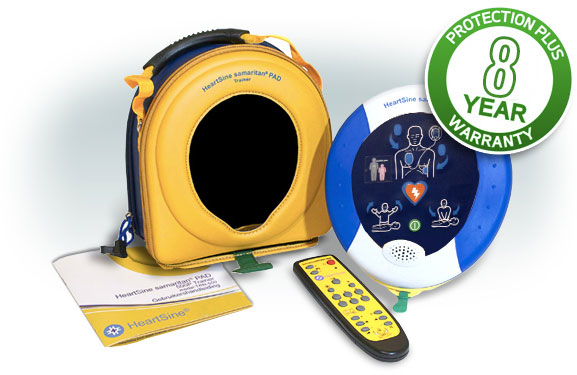
An AED is used to administer an electric shock that should trigger normal heart function. When a sudden cardiac arrest happens, the heart loses its rhythm, which is essential for sustaining a human life. Usually, the lower parts of the heart start with the rapid and erratic beating that doesn’t pump enough blood and doesn’t do it properly.
That is the ventricular fibrillation. When it occurs, it means that the heart is not performing its function properly, and the person suffering from VF will probably experience a rapid and severe drop in blood pressure and lose consciousness. If not treated with an AED and CPR instantly, this can be fatal.
How Does an AED Work?
An AED releases electrical current into the heard of those suffering from the VF or some other abnormal, life-threatening heart rhythm. The idea is to stop the heart for a split second and reset it. In that way, the heart should automatically resume its natural rhythm.
The AED will not release the electric current unless required. It has an analyser in it that checks how the heart is beating and it releases the current only when it picks up the signs of abnormal heart rate. If it ‘sees’ that there are signs of VF or V-Tach, it will release the current of 150 to 360 Joules. That’s enough to restart the heart without causing permanent or irreparable damage.
That is why it is important that the AED is used properly.
The electrodes of the AED should be placed on the patient’s chest. Through them, the heart rate is measured and analysed by the AED. If they show that the person is suffering from VF or another life-threatening arrhythmia, the electrical shock is administered through the pads.
Does an AED Work on a Beating Heart?
Yes. An AED works on a beating heart. Moreover, it only works on a beating heart. An AED will not try and shock the heart that is not beating. Once you place the electrodes on a patient’s chest, the analyser looks for the signs of the beating heart and establishes whether the current needs to be administered or not.
The reason for administering the current are the signs of erratic and irregular heart rate. Therefore, if the heart is not beating, the AED will not detect the VF or V-Tech and won’t administer the shock.
What Are the Steps for Using AED?
There are several steps for using AED that you should be aware of before the situation occurs. Also, keep in mind that a lot of instructions are already on the AED display as you perform the first aid.
-
Turn on the AED.
Some AEDs are battery operated, so you won’t need to plug them in. Check your AED right now and learn if it is battery operated or needs a socket. This will save you time one day when you need it instantly.
-
Remove the patient’s shirt.
The chest of your patient needs to be bare, dry and with no patches on them. There should be nothing that could get in the way of direct contact of your AED and your patient’s skin.
-
Position the pads.
Sometimes the pads are already connected to the AED. Sometimes, these pads need to be plugged into the AED. Make sure they are plugged in before proceeding.
-
Warn everybody to stand clear from the patient.
Nobody should be in direct contact with the patient. The electric shock may transfer to them, as well and that is very dangerous. This includes the person who is using the AED. Make sure that you are not touching the person accidentally with your legs, body or in some other way – not just with your hands.
-
Press the analyse button.
Watch the instructions from the AED. It will analyse the heart rate and administer the shock if necessary.
-
Perform CPR.
AED will check if the electric shock needs to be repeated. In the meanwhile, perform the CPR and make sure you analyse the patient using AED again
It is important that you use your AED during the first 3-5 minutes after the cardiac arrest has happened and the person has lost consciousness. The quick and swift reaction is essential and it is the only way to save somebody’s life.
Therefore, what you can do right now is check if your workplace has an AED, where they are and how they work. That will save you precious minutes if the situation arises. Inspire others to do so as well, since they will be the ones to use the AED on you if you are unfortunate enough for an SCA to happen to you.
Work in a school? Create a safe school environment for all the children you’re responsible for at your workplace.
Apart from an AED to save lives, you must meet the basic school washroom legal requirements and provide all the students and stuff with a safe and healthy environment.
Fresh & Clean School Washroom Guide teaches you all you need to know about it.
Your workplace doesn’t have an AED? Contact Alsco New Zealand immediately and get your AED.
You don’t have to invest thousands into an AED. You can rent it for a flat affordable annual fee and get it checked regularly without additional cost.
What Is In An Earthquake Kit?
There are two items that should be clearly discerned when it comes to workplace earthquake preparedness: the grab bag and the earthquake kit.
The workplace earthquake kit checklist should include:
- First aid kit and life-sustaining medicine (e.g. insulin)
- Battery powered or self-charging torch
- Radio
- Spare batteries
- Dust masks and protective items
- Toilet paper, moist towels and rubbish bags
- Food and water supplies
It is easy to conclude that the workplace emergency kit should equip you with all the necessary tools to sanitise any wounds, keep you fed and hydrated for a while, allow you to contact your family and the rescue teams and ensure basic sanitary needs.
What Do You Put in a Grab and Go Bag?
We already mentioned that the earthquake kit and a Grab and Go bag are not the same. The workplace earthquake kit is a necessary item that every New Zealand workplace should have. It should be used after the earthquake to make sure the consequences are dealt with.
The Grab and Go Bag is also recommended for most workplaces and these are individual bags that each of the employees should assemble for themselves and keep close in case they need to evacuate immediately.
Here is what you should find in an average Grab and Go bag.
- Water, energy bars and dry food
- Essential toiletries
- First aid kit and necessary medicine if needed
- Covers or blankets
- Foldable raincoats, fleece clothes and walking shoes
- Torch and radio
These bags need to be designed in a way that allows them to be carried easily. You can make a shoulder bag, but many people opt for a backpack since it is easier to carry and leaves both of your hands free.
Where Is the Safest Place to Be During an Earthquake?
The answer to this question greatly depends on where you are at the moment of an earthquake. Therefore, here is a table that can help you make your choice:
What Is the Safest Place to Be during an Earthquake? |
|
Where are you during earthquake? |
Where to go? |
| Inside your home/workplace | Stay inside |
| Outside | Keep away from the buildings, street lights, electric posts. Seek open areas. |
| In a moving car | Slow down, pull over and stay in the car |
| In a moving train | Stay inside the train and keep calm |
| In an elevator | Wait until the shaking stops before exiting the elevator |
| On a beach | Wait until the shaking stops and seek elevated ground due to tsunami possibility |
Regardless of where you are, you should follow the instructions given by Get Thru New Zealand.
The most important thing you should instruct your employees to do is to Drop, Cover and Hold.
This means that all your employees should drop down so that they are not knocked down by the earthquake. In that way, they will avoid injuries from the fall.
Together with your employees, you should identify the sturdiest pieces of furniture, usually the desks, that can be used as a cover from the masonry that can fall down from the ceiling and walls.
Holding onto the shelter is also important because it will prevent people from sliding away from the shelter or, on the contrary, preventing the shelter from sliding away itself.
Holding on also provides people with a feeling of security, much needed in a case of such emergency.
Also, it is important to keep in mind that there can be persons in your workplace that cannot drop down that easily, even in the case of emergency. That is why it is important that your employees know their options in case of an earthquake:
IMO @NZGetThru should do more to inform pple who are not able to just ‘drop’, ‘cover’ & ‘hold’. Like this pic on FB: pic.twitter.com/8UtiyiibaN
— C_NZ_ (@C_NZ_) October 14, 2015
This, together with the location of the workplace earthquake kits, is the essential piece of information in case the grounds start shaking – a fairly common occurrence in New Zealand.
How Much Does an Earthquake Survival Kit Cost?
The New Zealand price of earthquake survival kit for one person can be up to $260. This usually contains items that people would have in their homes, but rarely carry to their workplaces.
Do you need to create, from scratch, these kits for each of your employees? Luckily for you, no. There are special workplace earthquake kits that you should use.
Their price greatly depends on the size of your workplace and the number of people that are present in your workplace on a daily basis.
The earthquake kits for 50 people should be a bit different than those for 5 people. That is something to consider once you plan your workplace emergency procedure and the equipment of your office.
Putting together your own earthquake survival kits can be challenging.
You need to make sure you buy all the necessary items, pack them in the appropriate way, so that they are usable in a case of emergency and to regularly check them and replace items if they have expiry dates.
Therefore, managing your own earthquake kits can cost you time and money. The good news about the cost of your earthquake survival kit doesn’t have to be paid in full, all at once.
Moreover, you don’t have to worry about replenishing the items in a timely manner. There is a much better option than buying the earthquake kits. You can rent them.
Renting earthquake kits means that you just need to contact Alsco New Zealand. We already have emergency kits in our offer that are available to you for a flat, annual fee.
Call us and we will discuss the size and the needs of your workplace. We will recommend the number of our emergency kits and we will deliver it to your doorstep.
This is not all. Since even the first aid kits have perishable items, we will regularly come back and replenish the earthquake kits and replace the items close to their expiry date. That is all included in your annual fee.
Call Alsco New Zealand now and get your best quote for a earthquake kit rental.
How Do You Maintain a First Aid Kit?
Once you purchase a first aid kit, you just find a place for it and don’t give it a second thought. You hope for the best and hope that you will never need it.
But, there is an expiry date on many first aid supplies. If the first aid kit is not maintained, it can be useless in the case of an emergency.
Here are the things you should do to keep your first aid kit maintained:
- Choose two dates a year when you check your first aid kits.
- Replace all the supplies that are close to the expiry date.
- Check that the first aid kit easily opens
- Check that the first aid kit is not damaged
- Check that all the contents and supplies are in stock.
- Check that the sterile products are still uncompromised and sealed.
Only by regularly checking your first aid kits can you be certain that they are always ready to use. It is just a matter of habit. Also, your employees all need to know where the first aid kit is and what it contains.
Not all of them need to know how to administer the first aid, but it is advisable that you have at least one of them who is a certified first aider.
First Aid kits help save lives. They are the first step toward getting real medical assistance in case of emergency. Therefore, their maintenance cannot be emphasised enough. However, it is easy to forget about it and business owners usually don’t have the time to deal with it.
Alsco NZ has the answer. Our rental program helps you in two ways: first, you don’t have to pay a lot of money upfront to buy first aids and secondly, once you rent first aid kits from Alsco NZ, regular maintenance by our professionals is included in your annual rate. Get maintained first aid kits for your workplace.
What Should You Keep in a First Aid Kit?
To maintain a first aid kit, you first need to have one. New Zealand workplaces are not legally required to have precise contents of their first aid kits. However, there are recommendations made by the Ministry of Business, Innovation and Employment of New Zealand (MBIE) about what should be found in a basic first aid kit:
- First aid instructions
- Phone numbers of first aiders
- Saline solution and wet wipes
- Adhesive dressings
- Bandages and eye pads
- Wound dressings
- Resuscitation mask
- Clasps or safety pins
- Gloves, scissors, tweezers
These are just general items that can be found in a basic first aid kit that is appropriate for an average workplace with no special risks. This is a first aid kit that will work well in a school office, retail shops even a restaurant.
Better prevent than cure, right?
In addition to keeping your first aid kits properly stocked and regularly maintained, especially if you work in a school, learn how to create a safe and healthy environment to minimise the risk of accidents.
This School Washroom Guide can be your starting point.
However, the first aid kit contents can and should be adjusted to specific workplace requirements. Here are some more details about the contents of the first aid kit.
- Instructions – Not everybody works well under the pressure of an emergency situation. Even if they know a thing or two about first aid, the adrenaline can render them flustered and unable to remember what to do. That is why you need first aid instructions, written in brief and concise directions.
- First aider phone numbers – The phone numbers of first aiders can be useful to get in touch with them for advice or to call them if they are within the facilities.
- Saline solution and wet wipes – Wet, sterile and packed one by one. That is how you want your wipes to be. They are needed for wiping your hands and similar activities in case that there is no running water nearby. The saline solution has a similar purpose, but it is usually used to disinfect the wound so it can be properly dressed.
- Adhesive dressings – these supplies make sure that your dressing of the wound stays in place. They are excellent for cuts and slits. You need them in different shapes and sizes and the minimum is 20 pieces of individually packed dressings.
- Bandages and eye pads – two stretch bandages come in handy in cases of bleeding that needs to be contained and compressed. Regular ones have their use, as well. It is best to have two of each kind. Also, eye pads are specially formed types of bandages that serve to protect the hurt eye from possible infections. All these supplies need to be sterile.
- Wound dressings – you use bandages to keep the wound dressings in place. That is why they need to be sterile and unmedicated. They are what comes in contact with the wound, so if they are not sterile, there is a good chance that the wound will be infected. You cannot predict the wounds, so you need to be prepared. The most commonly picked sizes are 12 cm x 12 cm and 18 cm x 18 cm. Keep the stock of 6 smaller dressings and 2 big ones.
- Clasps and safety pins – the wound dressings provide protection for the wound and the bandages keep them fixed, but what makes the bandage stick? That is where the clasps and the safety pins come. They are needed to attach the bandages and other first aid supplies.
- Resuscitation mask – it is not always sanitary and/or safe to give mouth-to-mouth to an unconscious person. That is why you should use a resuscitation mask. It contains filters that prevent viruses and bacteria to get transferred from one person to another during CPR.
- Different small tools – the use of scissors is obvious. You need to open the packages and tailor the bandages in some situations. Tweezers are irreplaceable when you need to remove foreign objects from eyes or ears.
It is challenging to worry about every little thing in your first aid kit. But, Alsco NZ doesn’t mind. We will put this and anything else you may need into your workplace first aid kits.
Moreover, we will visit you regularly to check if anything needs replacing or restocking. It is all the safety and none the worry with Alsco New Zealand. Get your customised first aid kits to keep your employees safe.
Are Workplace First Aid Kits Required?
According to the Ministry of Business, Innovation and Employment of New Zealand (MBIE), it is required that you have at least one workplace first aid kit in every location.
The recommendations for the workplace first aid have been given in their Guide.
The number of needed first aid kits rises with the number of employees and the size of the workplace. For every 50 employees, an additional workplace first aid kit should be added. If the workplace has more than one floor, a first aid kit should be on each of the floors.
The first aid kits should be positioned in a way that makes them clearly visible. There should be signs in place that point to them and there should never be anything that blocks the first aid kit. Ideally, right next to the first aid kit should be a wash basin with both hot and cold running water and a supply of clean towels and soap.
Based on this, a perfect place for positioning first aid kits are washrooms or anywhere near them, especially in crowded multi-storey places such as schools or restaurants.
If a school is your workplace, don’t miss out on learning all the positive effects washrooms that meet the legal requirements have on the staff and students’ safety.
However, it is not enough to just install the first aid kits and to hope that there will be no emergencies. As an employer, you need to make sure that the first aid kits are regularly checked, so that the items are replaced before their expiration dates and that used items are regularly replenished.
What Should Be in a Basic First Aid Kit?
WorkSafe recommends that first-aid kits contain the basic equipment for attending to injuries, along with equipment based on the risks of your workplace. This is best estimated after conducting a thorough first-aid workplace assessment.
First aid requirements are different for low-risk workplaces, such as offices, single person companies, retail stores without major warehouses and similar.
On the other hand, there is an entirely different situation in the mining industry, automotive workshops, businesses that require heavy machinery, and the like. The hospitality business is not without its challenges, either, although it cannot be compared to mining.
These are the basic items that should find their place in your workplace first aid kits:
- First aid guide
- Contact information of workplace first aiders
- Moist wipes
- Adhesive dressings
- Triangle and stretch bandages
- Eye pads
- Saline solutions
- Safety pins and clasps
- Tools such as gloves, scissors and tweezers
- Resuscitation mask
Wipes, dressings and bandages should be unmedicated and entirely sterile. They need to be packed individually so that when you take out one piece, the others stay uncompromised. Stock them in different sizes, so they can match different requirements.
The adhesives should be in different sizes and you should have at least 20 of them. As for the stretch and triangle bondages, make sure that you have at least 2 of each. The same goes for the eye pads.
It is not legally regulated whether the pain medication should be stocked in the first aid kits. There is an ongoing discussion about whether this is justified or not.
One side claims that they are over-the-counter medications that people can freely use at any moment. The other side says that any kind of medication should be administered by a medical professional, especially in the case of an emergency.
This is a judgement call for the employer. However, if you choose to stock the pain relief medication, its use must be closely monitored.
How Many Aiders Are Needed in the Workplace?
First aiders are employees who hold the First Aid Certification and are qualified to offer first aid in the case of emergency. However, there is no law that says if you have to have a first aider in your company or how many of them should be present.
The need for the first aiders is regulated by the Health and Safety in Employment Act 1992, but it doesn’t go into details. It only says that you need to come up with procedures for dealing with the emergencies. This leaves a lot of room for interpretation from the employer. In other words – it is up to you.
MBIE also advises that the employers are the to make the call about the number of first aiders, based on the workplace assessment. First Aid workplace assessment involves examining the characteristics and the specifics of the workplace in the aim to tailor the best possible solution for the first aid distribution.
The factors that need to be considered when making such an assessment include:
- The number of employees
- Specifics and hazards of the industry
- The size, the location and the work organisation (e.g. shift work)
- The proximity of the medical assistance centre
If you opt for first aiders in your workplace, you need to keep in mind that some of those people need to be present at all times. For example, if you don’t have a lot of employees, but they work in three shifts, you need to make sure that there is one first aider in each of these shifts.
The holidays, sick days and other absences of the first aiders should also be covered. That is why you will need a couple of people trained to administer first aid in the most efficient way.
First aid certification is valid for two years. After those two years, a refresher course is needed for a person to keep their certificate. If there are more than three months from the moment the certificate expired, the first aider needs to take the course all over again to get a new certificate.
Besides the first aiders and the first aid kits, your workplace can also have a first aid room. However, even in that case, you will need the appropriately stocked first aid kits. Purchasing them is not the end of your worries. They need to be checked and rechecked regularly.
Some of the supplies will expire while others will be used. The first aid box itself can be compromised in some way, or the doors can simply get stuck. Running a good business and thinking about these issues at the same time is challenging.
Delegate all your first aid efforts to Alsco New Zealand. We offer rental first aid kits that we can stock in any way you like. For a flat rate, you can forget about the stocking and restocking, as well as about the regular checkups. That’s all included in your annual price. To get started with workplace first aid, get in contact with Alsco today!
What Items Are Found in the First Aid Kit?
Different workplaces will have different requirements for their first aid kits.
If you are working in an office with low levels of risks for a workplace injury, a simple, basic first aid kit will be enough.
However, if you are working in the mining industry, you will need a much better stocked first aid kits.
While restaurant businesses will have more need for bandages and adhesive dressings, you can expect for the miners to have more need for resuscitation masks and more sterilisation supplies.
Either way, every first aid kit should contain at least the following:
[b3_row]
[b3_column lg=”6″ md=”12″ sm=”12″ xs=”12″ ]
- Phone numbers and contact information of first aiders
- Wipes
- Adhesive dressings
- Eye pads
- Bandages (regular and stretch)
- Saline solution
- Clasps
[/b3_column]
[b3_column lg=”6″ md=”12″ sm=”12″ xs=”12″ ]
- Safety pins
- Scissors
- Tweezers
- Gloves
- Resuscitation mask
- First Aid Guide
[/b3_column]
[/b3_row]
You need to assess your workplace first. Alsco NZ already has decades in supplying workplaces with first aid kits and similar items. Contact Alsco today and let us help you rent appropriate first aid kits.
What Supplies Should Be in the First Aid Kit?
Let’s get back to the basic first aid supplies and try to go into a bit more detail about them. This will help you determine which of these supplies you really need and which can be reduced to a minimum to make room for the more useful items.
First aid guide and contact information – this should definitely stay in your first aid kit. Your workplace needs first aiders and people are sometimes flustered in the emergencies, so they cannot remember details like phone numbers or even whom they should call. The first aid guide should be there to help people start administering the first aid as soon as possible.
[b3_row]
[b3_column lg=”4″ md=”12″ sm=”12″ xs=”12″ ]

MINOR BURNS
[/b3_column]
[b3_column lg=”4″ md=”12″ sm=”12″ xs=”12″ ]

CUTS AND SCRAPES
[/b3_column]
[b3_column lg=”4″ md=”12″ sm=”12″ xs=”12″ ]

HEAT EXHAUSTION
[/b3_column]
[/b3_row]
Wipes – these should be individually wrapped, moist and easily opened. They are necessary if there is no easy access to hot and cold running water, as sometimes, wounds need to be cleaned.
Adhesive dressings – for all the cuts and minor bleedings, adhesive dressings make the best first aid. These should also be individually wrapped and there should be at least 20 of them in different sizes.
Eye pads – it is best to have 2 sterile eye pads for all the emergencies in which the eyes are hurt and need to be protected from the outside influence.
Bandages – there should be both stretch and regular, triangular bandages in your first aid kit. All of them should be sterile. You need at least two triangular ones and two stretch bandages.
Wound dressings – it goes without saying that the wound dressings should be sterile. They also need to be unmedicated. The best is to two sizes of wound dressings. The smaller one is 12 cm x 12 cm and the larger one is 18 cm x 18 cm. You need 6 small and 2 bigger dressings.
Saline solution and hand sanitisers – these two items are in your first aid kit so that you can make sure the open wounds are not infected. The saline solution can be used to wash the wound and prevent contamination. The hand sanitiser should be used to quickly sanitise the hands of the person administering the first aid. Again, all in the aim of preventing the infections.
Resuscitation mask – this mask is used to help your CPR efforts. It is placed on the patient’s mouth and nose and the air is breathed through the opening. In that way, the contamination is prevented.
Other helpful items – these include gloves, scissors, tweezers and similar items. Their use is to facilitate opening of the packages, removing foreign objects from the wounds, help maintain sterile conditions and the like.
Are Workplace First Aid Kits Required?
Everybody will agree that the first aid kits are needed, but the question remains – are they legally required. The Health and Safety at Work Regulations cover the legal requirements of the workplace first aid. This is where you get the most precise information about the laws covering the first aid kits (facilities) and the first aiders.
The law says that the first aid kits need to be:
In good working order – In other words, you should be able to open, use and close your first aid kit without issues. It should not be compromised in any way, including the environmental conditions like moisture and extreme temperatures.
Clean, safe and accessible – there should be nothing blocking the access to the first aid kit. The worst thing you can do is hide it behind a plant, a piece of furniture and other objects. It needs to be visible and obvious to everyone. Maybe your employees already know where it is, but what if the person who needs to access the first aid kit is simply visiting your premises and doesn’t know them that well. Don’t forget to enable the access for the person’s in wheelchairs, as well.
Suitable for work carried out – again, this is about the contents of your first aid kit, but also about its size and location. The work that is conducted mainly from the cars, should have the vehicle first aid kits. The workplace that has increased levels of risk for the eye injury should have more eye patches in the kits.
Appropriate for the size, location and the number of people in the workplace – each workplace should have at least one first aid kit. If there are more buildings or the building is multi-storey, each storey should have at least one first aid kit. The same goes for the company vehicles. However, the number of kits should be increased if there are more than 50 people in the workplace. Generally, you need one additional first aid kit on every 50 people.
Meeting these legal requirements is absolutely critical in work environments such as schools, for instance. See how you can promote health and safety in schools by providing proper school washroom facilities according to the New Zealand standards.
First aid signs, kits, AEDs, eyewash stations and other first aid tools are items that you don’t really think about until you really need them. However, it may be too late then.
Contact Alsco NZ and, when it comes to first aid, we will do the thinking for you. Our rental system allows you to get first aid kits installed in the best possible places in your workplace. We also restock them and check them regularly for no additional fee. Get your best first aid kits today.
What Do Overalls Protect You From?
Overalls can protect their wearers from many possibly harmful or unwanted influences from their environment, provided that they choose the right size. It is important to note that not all overalls protect you from all these influences. Their ability to protect depends on the overalls design and material.
In other words, you cannot simply buy any type of overalls for your employees and hope that it will guard them against burns.
In order to be an effective defence against fire or water, the material of the overalls needs to be treated in a special way. The same goes for protection against some chemicals.
However, here are some of the things that good overalls can protect you from:
[b3_row]
[b3_column lg=”4″ md=”12″ sm=”12″ xs=”12″ ]
- Cold temperatures
- Excessive heat
- Certain chemicals
- Fire
[/b3_column]
[b3_column lg=”4″ md=”12″ sm=”12″ xs=”12″ ]
- Water
- Stains and splatters
- Accidents (hi vis overalls)
[/b3_column]
[b3_column lg=”4″ md=”12″ sm=”12″ xs=”12″ ]
[/b3_column]
[/b3_row]
To protect you from accidents, the overalls have to have hi vis properties. This means that they need to have fluorescent materials and reflective tape on them, according to the New Zealand standards AS/NZS 4602.1.2011 and AS/NZS 1906.4.2010.
[b3_row]
[b3_column lg=”4″ md=”12″ sm=”12″ xs=”12″ ]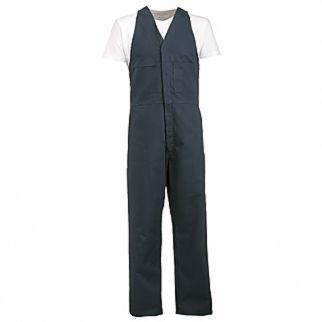
[/b3_column]
[b3_column lg=”4″ md=”12″ sm=”12″ xs=”12″ ]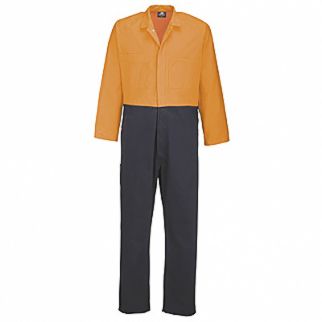
[/b3_column]
[b3_column lg=”4″ md=”12″ sm=”12″ xs=”12″ ]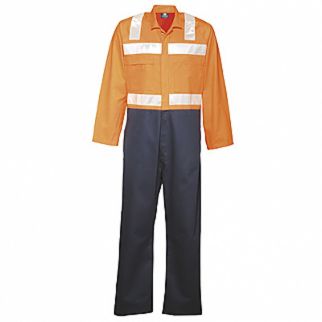
[/b3_column]
[/b3_row]
How do you know whether your overalls meet all the standards for certain use? You can simply ask those that already have a ton of experience with different kinds of overalls. Alsco New Zealand rents a wide range of overalls for different purposes. We can advise you and help you make the best choice.
After all, overalls are important! Why? Let’s discuss it a bit and explain.
Why Are Overalls Important?
Safety is the primary reason why a company would make sure their employees have good and appropriate work overalls. However, that is not the only reason why you should invest in these protective uniforms. Overalls in NZ workplaces are important because they offer:
- Protection – Of course, the first function of overalls is to protect. However, they don’t protect only the body of the wearer. Overalls can be used to protect the clothing, as well. If your employees work with food, for example, their overalls can be used to protect their everyday wear from spatters and spills.
- Temperature regulation – There are stuffed overalls that are excellent for cold days or night shifts. They keep their wearers warm. In the mining industry, they are especially important, since the underground conditions usually mean low temperatures. On the other hand, breathable fabrics are also available for overalls. That makes them perfect for warmer climates.
- Visibility – Hi-visibility overalls are important for those occupations that work alongside highways, as well as those that are first responders. Visibility of such overalls is achieved with the combination of fluorescent fabrics and reflective tapes. If there is only fluorescent fabric used, the overalls are to be used only during daytime. The hi-vis overalls that have reflective tape can be used during nighttime, as well.
- Brand exposure – Overalls cover a big portion of the wearer’s body. Surely, there is enough space on that amount of fabric for a company logo or a brand name. Just make sure, if you want to put a logo on hi-vis overalls, there has to be a minimum of fluorescent material visible.
The purpose and the function of overalls are now clear, but have you ever wondered about their name? The answer is quite simple.
Why Are overalls Called Overalls?
The etymology of the word “overalls” is pretty much transparent. It is a piece of clothing that covers the rest of your clothing. In other words, it goes “over-all-other-clothes”. However, it didn’t start that way.
The first commercially made “overalls” were actually jeans with suspenders. Levi Strauss, the inventor of jeans initially intended for them to be used as protective work overalls. They were meant to be a sort of waist-high overalls.
Work overalls had to wait for their upper part all until 1900s. Harry David Lee created this type of overalls by connecting the pants and the shirt. He also added the straps that went over shoulders to support the garment.
While they were designed to be overalls for men, they were also used as overalls for women and even kids. In time, the versatile use of overalls grew and they are now present in many industries.
Different purposes of overalls led to different overall designs and different overalls types. The most common type of overalls being the coveralls. What is the difference?
What Is the Difference Between Coveralls and Overalls?
There are two versions of this answer. Some will say that the difference is only a matter of regional language. “Coveralls” is mainly an American word, while in the UK, Australia and New Zealand, the word used for the same garment are “overalls”. Another word for “overalls” is “dungaree”
There is another definition of what is overalls and what is coveralls. Some people think that overalls include connected trousers, bib and over shoulder straps or suspenders.
[b3_row]
[b3_column lg=”6″ md=”12″ sm=”12″ xs=”12″ ]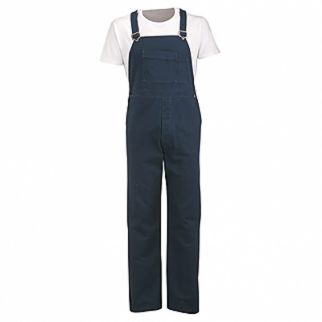
[/b3_column]
[b3_column lg=”6″ md=”12″ sm=”12″ xs=”12″ ]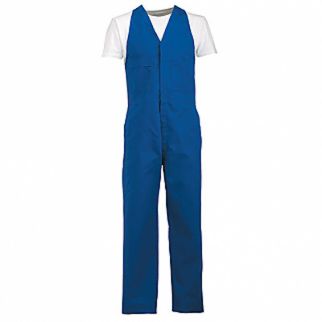
[/b3_column]
[/b3_row]
On the other hand, coveralls also include a shirt with sleeves. Coveralls are also sometimes referred to as boilersuit. However, in New Zealand, you can expect the words “overalls” and “coveralls” to be used interchangeably.
[b3_row]
[b3_column lg=”4″ md=”12″ sm=”12″ xs=”12″ ]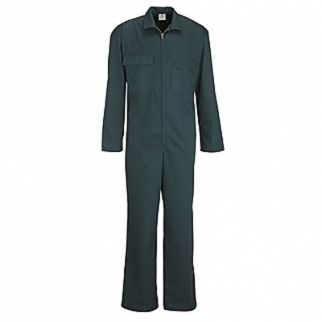
Spruce Green
[/b3_column]
[b3_column lg=”4″ md=”12″ sm=”12″ xs=”12″ ]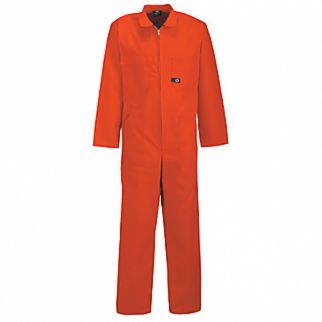
Red
[/b3_column]
[b3_column lg=”4″ md=”12″ sm=”12″ xs=”12″ ]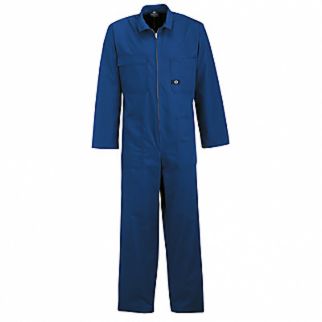
Royal Blue
[/b3_column]
[/b3_row]
Therefore, you are safe with using overalls and coveralls for the same type of garment, but you would have to make it clear whether you need the overalls that have the sleeves or not, just in case.
What Are Duck Bib Overalls?
Instead of just overalls or coveralls, you will also hear the term “duck bib overalls”. This is what a lot of people think about when they say “overalls”. This is the type of overalls with pants, bib and braces, but made out of special duck fabric.
Duck fabric is actually cotton duck fabric. This is a type of plain-weave canvas that is much softer to the touch than the regular canvas, but with all the durability and sturdiness. It also has a higher thread count than plain canvas.
These types of overalls are quote versatile in their use, but they are not to be used in situations when the fire retardant properties are necessary. These overalls are good for occupations where the minimal to moderate protection is needed and their main goal is to help protect the clothes from dirt and wear and tear.
Therefore, if you are interested in work overalls for different industries, your better bet are polycotton or cotton overalls or even hi-visibility coveralls. All of these clothing items can be found in Alsco New Zealand’s range of products.
When browsing the Alsco NZ range of overalls and coveralls, focus on the material and the purpose of this garment. If you are not sure which one is the best for your line of work, contact Alsco NZ representatives and ask them. They will gladly answer all your questions.
What you needn’t worry about is maintenance and laundering. When you rent the overalls from Alsco NZ, it involves paying a flat annual rate. This flat rate also involves regular laundering and maintenance of your overalls.
You just need to make sure they are in one place, so Alsco NZ representatives can pick them up and deliver the freshly cleaned and ironed ones to replace them. This will happen as often as you like.
Call Alsco New Zealand today and discuss your needs for work overalls, so our representatives can help you with your choices and make sure you are pleased to work with us.


