Trusted by 237K+ Business Worldwide. Find a Location
Trusted by 237,000+businesses worldwide across 250 locations delivering uniforms, linens and more. Find a Location Near You


Delivering Excellence Since 1910
Contact Us
4 Ways Germs Can Kill Your Workplace Productivity
Workplace germs are scary, but are all germs bad?
Germs such as bacteria or viruses are actually very small living organisms called microorganisms (or microbes). But not ALL microbes are bad. In fact, when helpful bacteria spreads in our bodies, they protect us from illness (caused by bad bacteria). Good bacteria actually help with food absorption and aid digestion. Bad germs though can cause serious illnesses like pneumonia or the flu (influenza).
Mayo Clinic recommends implementing proper hand hygiene, which entails frequent and thorough hand washing to help protect you from illnesses like common colds and the flu.
Influenza is a common virus that impacts work productivity by causing absenteeism. It is preventable by exercising proper hand hygiene. Proper hand hygiene involves washing hands before and after meals, after touching raw and cooked food and after visiting the toilet. To curb flu, avoid hand contact to the eyes, nose or mouth, as touching is a common way of germs entering your body.
Proper hand hygiene doesn’t mean washing with soap and water only but also drying. Failing to dry hands helps spread germs because germs do breed in moist environments. Electric drying is an effective method of preventing germs but paper towels are effective in the hospital or clinic settings, for example.
Germs and Work Absenteeism
If employees don’t exercise good hand washing and drying techniques, they’ll get sick and won’t come to work. So a company’s efforts have to be directed towards replacing workers, or employees playing catch-up. And some medications can cause sluggishness and reduce morale and productivity.
Germs and Workplace Productivity
A healthy employee looks forward to coming to work. But when a workplace is germ-infested, it becomes an unsafe option. An unhygienic work environment makes workers dread work, decreasing their motivation and productivity.
Germs and Employer Losses
Studies show that employers lose billions of dollars due to ”presenteeism”. ”Presenteeism” (coming to work while sick) and absenteeism affect productivity. Treating common colds costs more than chronic illnesses. Employees lose productivity due to lack of concentration and fear of contracting illnesses. Missing work or coming to work when sick decreases effectiveness.
Most Affected Germ Areas in the Workplace
The workplace has high germ infestation due to shared spaces. Shared spaces attract germs due to cross-contamination and poor hygiene.
The following shared spaces are the most affected areas:
The Workplace Kitchen
The workplace break room is a frequented area where colleagues leave dirty dishes. Un-wiped kitchen sinks and shared washing sponges carry different types of bacteria. These bacteria are responsible for spreading diseases.
The Workplace Toilet
The toilet is probably the most used space in the workplace. Germs can cover every inch of a toilet seat. So can toilet seats cause or spread diseases like gastro?
Well, yes and no. It depends on how well a person washes their hands after using the toilet, especially if they touched a toilet seat with germs on it that are known to cause gastro-like symptoms. Good hand hygiene effectively neutralises the germs’ ability to transfer disease to another host such as a human.
Office Desks
Computers and computer keyboards are often left uncleaned in the office space. Employees often aren’t even aware of how to clean them. Even if using a cleaning contractor, a company often asks them not to touch office equipment, giving free reign to make themselves at home on keyboards and a person’s mouse.
Many employees type away at their keyboards unaware of the germs they’re working with. A simple cleaning procedure of regularly wiping down with sanitiser is recommended. Ask the IT department to issue a memo on safe computer cleaning methods.
Office Telephone
The office telephone is a commonly shared device touched by different people. Different people carry different types of germs. It’s a good idea to sterilise the mouth and earpiece regularly as part of the cleaning regime.
Doorknobs, Lift Buttons and Sink Faucets
Doorknobs attract germs because everyone touches them and they are rarely cleaned. Unless you always touch doorknobs with paper towels or some other sort of cloth, the only way to protect yourself against any germs that may be residing on the doorknob or handle is to wash and dry your hands immediately. The same applies to lift buttons and sink faucets.
Do Germs Travel?
Germs do travel. Germs such as bacteria or viruses are actually very small living organisms called microorganisms (or microbes). Many microorganisms, though not all, can survive outside of the host environment.
Think of a sick colleague who has coughed into their hands in an office setting but didn’t sanitise their hands. To survive and thrive, these microorganisms only need moisture, warmth and food. Microorganisms can multiply in one person, escape that person’s body in some way (e.g., coughing) and then must find their way into another host before they die due to lack of food, water or too much light exposure.
Direct physical contact (like a handshake) helps germs spread faster. Consider for example, if Colleague A coughed into their hands and shook the hands of Colleague B.
And Colleague B doesn’t wash their hands or sanitise immediately. Colleague B risks infection if Colleague B touches her/his face, mouth or nose.
How to Prevent Germs from Spreading in the Workplace
There are various strategies an employer can use to prevent the spread of germs in the workplace. They include:
- Cleaning work areas or surfaces often. Germs lurk in often touched places like desktops. Wiping down work surfaces with disinfectant wipes helps prevent germs from spreading.
- Creating a hand-washing policy. Promote good hand hygiene, including regularly washing hands with water and soap; particularly after handshakes, visiting the toilet, and before and after snacks. Alcohol-based hand sanitisers offer the best protection. Health organisations like the World Health Organization (WHO) and the Center for Disease Control and Prevention (CDC) stress the importance of good hand hygiene.
- Installing alcohol-based sanitisers – these reduce bacteria populations and the transmission of viruses like Staphylococcus aureus. Companies like Fresh & Clean generally carry a wide array of alcohol-based hand rubs (including foams, liquids and gels). Studies show that implementing hand hygiene programmes using alcohol-based sanitisers reduces illnesses.
- Not going to work when sick – The flu spreads, so one droplet from a sneeze is often enough to trigger a chain reaction and cause an entire department to miss work. It’s recommended to stay home to allow yourself to heal. Forcing yourself to go to work only increases the chances of cross-contamination and compromises the health of your colleagues – which in turn actually negatively impacts the business’s productivity.
- Avoiding touching your face after contact with office objects like telephones or desks. Transferring germs onto the face and close to the mouth, nose and eyes increases the likelihood of contamination.
- Teaching your colleagues. Encourage and educate your colleagues on the importance of clean hands. Persuade your workmates to clean up after themselves and look after their own personal hygiene – for the benefit of everyone as well as themselves – often referred to as herd immunity.
In conclusion, proper hand hygiene enhances the cleanliness of the workplace. The hands are the biggest dirt-carriers. Good and proper hand hygiene helps prevent about 80% of diseases.
According to the CDC, human hands spread germs through surfaces and human contact. Proper hand hygiene increases productivity and workers can appreciate a healthy working space free from germs.
Fresh & Clean places hand-sanitisers in easy-to-access areas of the work-space. This enables people to sanitise their hands before and after meal breaks, and after touching kitchen sinks, office telephones, doorknobs and lifts.
Employers and employees should be aware of germs in the workplace – because being aware help saves time and money. Employees just need to remember to always rub their hands using a quality soap dispenser or sanitiser for at least 18 to 20 seconds and then use an automatic hand dryer professionally maintained by a provider such as Fresh & Clean.
Should Your Restaurant Invest in Pay-at-the-Table Technology?
For the longest time, people have been going through a tedious back and forth process when paying at a restaurant. The process involves the staff taking a bill to the table and walking away.
The diner has to find their credit card and hand it over to the waiter who will have to come back to the table.
The waiter will then proceed to the POS (Point of Sale) terminal and bring the diner a receipt for a signature and maybe a tip. Later, the waiter will grab the receipt and go back to the POS to adjust the transaction for the tip.
This is a lot of work. But to simplify the whole process, a new system has been introduced to the market, known as pay-at-the-table.
What is Pay-at-the-Table Technology?
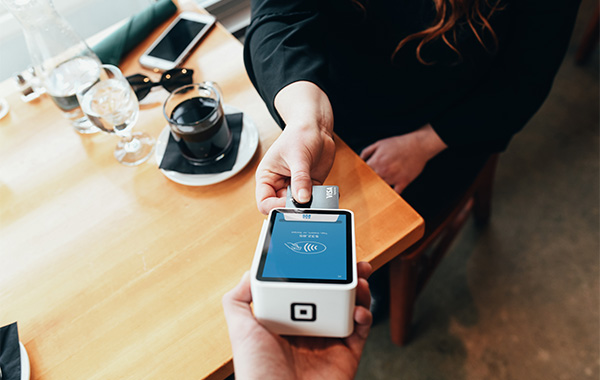
Just as the name suggests, it means that a customer pays the bill at the table. A server will issue the diner with the bill and offer a handheld EMV payment terminal. This means that there’s no need for a fixed point of sale terminal in the restaurant.
Most new debit and credit cards come with EMV chips which work as tiny computers. All the diners may have to do is enter their PIN to authorise the payment.
Should Your Restaurant Invest in This Technology?
Many diners are finding this technology very efficient and secure. Knowing that their cards will not leave their sight is also reassuring. The fact that they do not have to wait for the bill also makes the dining process seamless. All the customer has to do is handle the payment. This is convenience at its best.
Here are some of the reasons your restaurant should invest in pay-at-table technology.
Customers Enjoy Reduced Wait Times
What makes dining out frustrating for most people is the wait time.
Servers have to move from one customer to the other and also rush to the POS terminal while other guests sit there waiting to be served. During peak hours like lunch, dinner or on weekends, restaurants can receive huge numbers of customers. This keeps the servers swamped as they move from one customer to the other.
It can mean long wait times which can frustrate your customers.
However, with pay-at-the-table technology, customers don’t have to wait for extended periods to have their bills handled by the servers. They can make the payments instantly once they are done with their meals or drinks. A faster checkout also means that servers can turn tables more frequently.
Less Identity Theft Cases
For so long, the hospitality industry has been known for the dreaded card skimming scenario, which happens when the card leaves the customer’s sight for a short time. Some servers are part of the fraud. All they need is to wear concealed card skimmers on the loops of their belts and use them to collect card data.
When customers pay at the table, it helps eliminate any chance of credit card fraud as the servers do not actually take possession of the cards. This can be reassuring for your customers and help keep your restaurant top-of-mind on their list of go-to dining-out venues.
Minimise Chargebacks to Your Restaurant
Restaurants are often faced with chargeback cases that arise from credit card fraud. Pay-At-The-Table technology can help them deal with this issue and prevent any future chargebacks.
With more people choosing to go with EMV chips, there will be a reduction in card fraud cases and your restaurant can benefit from the reduction in chargebacks. It can also minimise any adverse effects on your reputation.
Better Customer Experiences
When people go to a restaurant for a meal, they expect to have a wonderful time and go home feeling happy and satisfied. When you offer your customers first-class service, they are likely to become loyal clients and even recommend your establishment to their family and friends.
Word-of-mouth referrals can do wonders for your business and people tend to believe reviews from people with first-hand experience. Introducing pay-at-table technology is a great way to improve your customer experience, as patrons have the option to split bills or even pay with multiple cards.
Get to Know Your Customer Better
With pay-at-the-table, servers can have more face time with patrons. Instead of handing over the bill and walking away, they can now be at the table as the customer makes the transaction. This offers them a chance to keep a conversation rolling.
At the same time, servers can ask diners to complete a short survey of their dining experience, gaining valuable feedback and insights for the restaurant manager. The technology also allows the manager to send receipts to their customers via email and creates the opportunity to build an email marketing list.
Enjoy Increased Profits
 When tables are turned faster, customers are kept happy and satisfied and the restaurant operates more efficiently with minimal cost; the result is more profit.
Happy customers become repeat clients for any business. They also act as a marketing tool as they spread the word to their family and friends. Nothing is better for a business than great reviews from satisfied clients.
It helps them gain loyal customers and advertises their services at the same time. Restauranteurs are actually using pay-at-the-table technology to help improve their ROI as more customers translate to more revenue.
Be Considerate of the Environment and Minimise Expenses
Restaurants are major waste contributors due to the volume of paper receipts they dispose of from their transactions. Pay-at-the-table technology eliminates the need for printed paper receipts, which translates to less waste and reduced receipt expenses.
Paper receipts also need ink cartridges and rolls of paper. Even thermal paper is not a safe alternative as it is known to expose people to BPA, a well-known carcinogen.
Receipt printers are also costly and require maintenance from time to time. All these costs can be removed when restaurants adopt pay-at-the-table technology. From accounting spreadsheets to receipts, this technology can help in getting rid of paper and helping the business reduce overheads.
Any environmentally conscious person will also appreciate this digital revolution as fewer trees are converted to paper for printers, reducing the burden on our forests and minimising a restaurant’s carbon footprint.
Going Mobile With Your Restaurant
There is no perfect point of sale, but pay-at-table technology is a more sustainable option and helps to minimise the cost of paper products. It also gives customers a feeling of security when they use their credit cards. Happy customers tend to tip more, which boosts staff morale and leads to better service.
And once you’ve gone digital, you can complete the transformation into a sleek modern establishment by ensuring your staff look the part, too. Ask us today about our fully managed rented uniform and workwear service and smart managed garment system. Your staff will always be immaculately presented and we take care of the entire process for you.
Photo courtesy of Freepik
Photo courtesy of Unsplash by Blake Wisz
Photo courtesy of Burst by Matthew Henry
5 Excellent Ways To Attract New Customers
Expanding your customer base is an important part of business development. It not only challenges you to keep innovating, but it also increases profit.
New customers come with a fresh perspective, helping you to improve your products and service delivery. Of course, there are those who prefer to utilise their existing client base instead of attracting new ones.
They do this by increasing their customers’ wallet share – creating more value than commanding a higher price. This strategy may lock out the customers who chose your business based on a low price point and instead, drive them into the hands of your competitors.
The share of wallet metric is dependent upon a short time window, during which a customer’s spending habits and preferences may change. This makes it challenging to find accurate data about your customers and increases the cost of marketing altogether.
Those who keep clinging to the share of wallet raft discover that they can’t fully rely on current customers for sustained profits. Especially when these customers reduce their spending after falling on hard times.
Acquiring new customers remains a viable option for maximising profit. Here are some tips you could use to attract new customers.
Define Your Buyer Persona
Marketing is only effective when a business clearly understands its target customer.
Who does your business help the most?
Let’s assume you run a restaurant in the middle of Auckland.
Would you like to target busy professionals as Best Ugly does? They claim to be able to cure your Monday malaise with their signature bagels.
Or do you want to target tourists like Orbit 360°, who offer a breathtaking dining experience to tourists who visit the Sky Tower for an adrenaline fix, giving them panoramic views of Auckland and the Hauraki Gulf?
These two restaurants would approach their marketing strategy differently.
Orbit 360° prides itself in being the most unique restaurant in Auckland. Their strategy would probably involve hosting functions and intimate parties at its facility.
In contrast, Best Ugly would take advantage of rush hour, give 2 for 1 discounts and partner with other organisations in the area like they did with Bike Auckland.
Everyone who spent on breakfast at the Bike Auckland event got a free cup of coffee to start the day.
Both restaurants not only understand their buyer persona, but they also use their customers’ interests to inform their marketing efforts.
Ask yourself the following questions when you’re crafting your buyer persona:
- What are their demographics?
Find their income level, age, gender and where they live. - What is their background?
Find out what they do for a living and their family life. - What are their identifiers?
Explore their communication preferences – Do they predominantly use email over text message? Social media over traditional forms of media?
How do they talk with their connections?
Do they use formal or slang language?
What is their demeanour?
Are they assertive, open, cautious, altruistic or ambitious? - What are their primary and secondary goals?
Find out what their dreams are and what they strive to achieve.
Customer choices are driven by underlying goals and they tend to buy what they want, not what they think they need.
Understanding their wishes and aspirations will enable you to package your product or service as something they ought to have ASAP. - What are their pain points?
Find out what keeps them up at night.
In pursuit of their dreams, customers face challenges that your business can help solve. - Which of their challenges does your business solve?
Discover ways to help your customer to realise their dreams and overcome their challenges. - What common objections have they given you in the past?
Note down the reasons and excuses that your prospective customers have given for not purchasing your product or service.
Quote it verbatim if you can. For example “I am happy with my current provider” or “I can’t afford this right now, I’m on a budget”
You can then create a solution to counter their objections. - How should I package my offer to prospective clients?
Based on the information you have gathered so far and the common objections given by prospective clients, you can tailor your messaging differently.
Once you know who you want as a customer, define who you don’t want. A negative buyer persona represents people who don’t qualify as your customers.
For instance, if you have a restaurant that sells liquor and only targets mature clients, your negative buyer persona would be anyone below 21 years old.
Your negative persona may also be people who find your products or services too expensive and may only buy once or not at all.
Efforts to acquire such customers would only increase your marketing budget and lower your ROI.
Explore Their Buyer Journey
So you’ve created the right marketing strategy to attract new clients but have no leads to show for it.
The problem might be your buying process.
Make sure that you’re not discouraging prospective clients with long forms, hard to navigate landing pages, complicated messaging or a lengthy checkout process.
If a new customer lands on your website or social media pages and finds obstacles in their buying process, they will give up and go to your competitors’ pages.
Do customers find your website through social media referrals or through other platforms?
How much time do they spend on your website? Do they check out other offers and pages on your website? At what point do they drop off the buying process?
These questions may help you to know how you can create more compelling content for your social media pages and converting landing pages on your website.
The buyer journey may also be affected by your own team, especially if it takes a lot of time for an opportunity to pass through the sales pipeline.
This may be caused by a lack of urgency or failure of your sales team to give a lead the information they need to move forward in the pipeline and eventually downplay your marketing efforts to new customers.
Extend Your Brand Experience
Post relevant content and run contests on your social media pages so that customers can engage with your brand before, during and after purchase.
Reward customers who share photos and videos of themselves using your product or service. The more they share their experience with your brand, the more their followers will know about you.
Ensure that your social media profiles are optimised so that new customers can find you. You can accomplish this by adding your business’s contact information, location and a convincing call to action. If you own a restaurant, for instance, add opening hours, location, menu and contacts.
Always Use a Compelling Call to Action
In all your marketing efforts, ask your customers to engage in a call to action such as ‘learn more’ or ‘sign up’.
You could then give freebies or discounts to incentivise them to engage.
This allows you to take contact information from prospective clients and nurture them with newsletters, branded content and event updates to keep your business on top of their minds.
If lead nurturing is done right, a large fraction of them will convert and spread the word about your amazing products and services.
Give Back to the Community
Invest in the people who support your business by sponsoring a local event or partnering with a charity organisation.
When new customers are comparing your business and your competitors with similar offers, they will look at other factors to make purchasing decisions.
Charity will give you good exposure and prospective customers will find the experience mentally rewarding.
It will also communicate to them that you’re not all about the bottom line and that your business has a positive impact on your community.
Here are a few ways you could support your community through positive branding:
- Donate your delivery vehicle to be used at a local function
- Place coin donation boxes at your business
- Sell tickets for a charity event at your establishment
- Donate a percentage of your sales on a particular day to a charity
- Sponsor a local team
- Offer to host a meet-up group or book club at your facility
Make new friends but keep the old.
These words ring true in marketing, too, so make sure to dedicate a part of your strategy to retaining old customers. Give them members-only pricing or highlight them on social media. Send an e-card on their birthday and offer them a discount for two.
It’ll remind them that you exist, that you care and they won’t resist telling their friends and loved ones about you.
Oh, and make sure everything in your restaurant is spotlessly clean and hygienic. A dirty washroom or stained tablecloth can ruin a guest’s experience as quickly as a beautifully cooked dish can make it a great one. If you’re ready to experience the benefits of a spotless, hygienic restaurant, contact Alsco today!
How to Cook Up a Killer Restaurant Business Plan
One of the main reasons businesses fail is not having a solid business plan.
A solid business plan is a blueprint of the actionable plans you have for your business, from the restaurant design to the team you will be working with.
It’s the plan that will be shared with not only investors but also the financial institution you approach for financial help.
When coming up with a business plan, it’s better to document as much information as possible to show potential investors it has been well thought out.
You can write up the business plan on your own or approach a professional – either way, it can’t hurt to educate yourself as much as practically possible before you commit to the venture.
There are some key aspects that very well thought out business plan should contain to imbue confidence in the new restaurant concept.
Start With an Executive Summary
The executive summary is a short description of what your entire restaurant business plan contains. In other words, a brief synopsis of why someone should share your faith that this particular venture will succeed where others have failed.
The executive summary is a page or two of basic information that any busy investor or financial institution will look at and get a feel for the rest of the plan without perusing the entire document. Some of the things that can be in an executive summary include:
- Your business mission and vision statement: These are short statements that give the purpose, goals and values of your business.
- Summary concept of your business: You will use this space to explain the overall plan and design of your upcoming restaurant. This will draw a skeleton of what your business will look like.
- Business Execution: This is a summary of how you intend to roll out this elaborate business plan.
- Financial Plan: Many investors will tell you that they want to see the numbers, which in this case is the cost of starting up and maintaining the business. Take this opportunity to cover as much ground as possible to give investors the bigger picture.
A trick to ensuring that your executive summary covers all bases is to think of yourself as a potential investor and what you would like to see in a business plan to invest in.
Include a Company Description
Once you have introduced investors to your business summary, it’s time to give an accurate company description. The general description will cover factors such as the name of the restaurant, its location, the owner’s details, existing investors and contact details.
At this point, you can also add the legal standing of the company, which can include consent to open a business in your area, food registration licenses and so on. It’s advisable before writing out the company legal standing to check out local council sites and ensure that all licences are obtained.
Have a Detailed Market Analysis
Opening a restaurant business means that you are entering a field with many competitors.
So your business plan must show that you have done a proper market analysis. This is a way to show investors that you understand the current situation of the hospitality industry and display what unique factors you bring to the table. There are different types of analysis you can have.
SWOT Analysis
SWOT stands for ‘Strengths, Weaknesses, Opportunities and Threats’.
This analysis should highlight what strengths your business will have over others and any weaknesses it may encounter. It should also show opportunities that your business brings to investors and the community at large. Finally, any threats you are aware of against your business should also be addressed.
Industry and Competitor Analysis
In this case, you will share the industry analysis and show that you are aware of the current trends in the market. A good business plan must show factors that make it stand out from other similar ventures.
In addition, share in your business plan the competitors that your business may likely have. This means listing any competitor brands in your target area of business and information such as their location, size, hours of operation, sample menu items and so on. This is where you will be able to show how different your restaurant will be to attract customers.
Show Off The Menu
In the restaurant industry, it’s the menu that can make or break your business. You must show your investors your sample menu. This includes which items will be the potential best sellers and proposed prices.
You should have a sample of your menu complete with logo and design. This will give investors a picture of the finished menu and help determine the price range the restaurant will fall in.
Introduce The Team
This may sound unusual for a business plan to a restaurant yet to be set up.
However, it’s good to show investors that you already have your management and partner team in place. Make sure that the plan shows a detailed description of the team, starting with yourself as the team leader.
Ensure that the team description shows you have experienced management to cover all aspects of running a restaurant. You can also add an overview of which type of staff you will hire once up and running.
Reveal Restaurant Location and Design
The location of the business and its design are as important as the menu and the team. When sharing the location, ensure that you give a clear justification for your choice and explain how it will be a great spot for business.
In addition, make sure that the elaborate restaurant design plans are part of the business plan. If possible, have a mock-up or sample design created to give the investors a visual idea of your plan. Aside from the exterior and interior design, including sample design ideas for the uniforms, kitchen and dining equipment.
Create a Marketing Plan
When investors are considering being a part of your business, they will also be interested in how the restaurant will be marketed. Share a rundown of how you intend to create hype and excitement for the restaurant.
In this section, you will share if you intend to run the marketing plan yourself or if you will bring in a PR firm. List ideas you will invest in for marketing the restaurant before and after opening. This can include social media, media being considered for advertising the restaurant and any other ideas you may have in mind.
Round Off with a Financial Proposal
It’s the numbers that will attract or scare away investors.
You need to give a detailed financial plan for the restaurant. This will include how much is required to put up the restaurant, the costs for designing and purchasing items required for the business and so on.
You should also have a breakdown of recurring costs such as rent, staff salaries, linen and uniforms, periodic licence renewal charges and marketing budgets among others. The financial proposal is the best way to round off the business plan.
5 Stupid-Simple Factors for Managing an Awesome Restaurant
When opening up a new restaurant, it all starts with a business plan. This includes how to manage the restaurant and bring in constant revenue while building the brand.
Running a successful restaurant is not a walk in the park. It requires patience, planning, consistency and keeping up with the industry as it changes.
There are some key factors to consider when managing a restaurant. These include marketing, hiring and rostering staff, and constantly measuring your restaurant’s performance, just to name a few.
The important thing is to be prepared and have a plan that you can stick to when things get busy. Which they inevitably do if you get it all right.
What Are a Restaurant Manager’s Roles and Responsibilities?
It’s crucial to factor in the roles and responsibilities that come with managing a restaurant, including:
- Ensure that all licences and restaurant requirements are met – you must have a thorough knowledge of the local laws and regulations to ensure that the restaurant stays open and drama-free.
- Be fully aware of your restaurant’s moving parts – floor plans, employees, shifts and ways to manage conflict should it arise – it’s important to know how the restaurant works and who is responsible for all relevant duties at all times, enabling you to handle any issues that arise.
- Be fully involved in the hiring (and firing) process – ensure you have a role in sourcing new staff, onboarding new team members, setting shift rotations and so on – this will help you keep your finger on the pulse of the business – front and back of house – and to know which areas need a particular skill set and which team members are the right fit for your restaurant’s success.
- Stay on top of the menu – this may seem obvious when managing a restaurant, but this is one of the things that can make or break a restaurant – know every menu item intimately – what’s in it and how it’s prepared – and know what your chef wants to move that day so you can have your floor staff recommending the dish to your clientele.
- Know current restaurant trends and tools – be proactive and on the constant lookout for emerging restaurant trends and determine which ones you can implement – keep up with the latest tech such as predictive ordering technology to reduce food waste, integration with online reservation platforms, and even augmented reality where diners can experience their meal in 3D before they commit to ordering.
- Keep track of expenses and profits – every business, restaurants being no exception, needs to make a profit to survive – use a reliable, well-supported accounting software product to manage your balance sheets week by week so you always know where you stand financially.
The Most Successful Restaurants Are Masters of Consistency
Managing a successful restaurant is all about consistency.
Put in place rules that everyone can follow and use them to maintain a consistent, harmonious working environment. If staff members make mistakes, the repercussions must be consistent for all staff. At the same time, if a staff member exceeds expectations, the reward and recognition must be consistent across the board.
Be consistent with the food you serve and the way you serve it.
The menu must be consistent and prepared to the same high standard day after day, week after week. In a customer’s eyes, you are only as good as the last meal you served them. If there are any changes to the menu, make sure your staff are aware and that they inform the customers.
And be mindful about making drastic changes to your restaurant or risk harming your brand for good.
Make The Customer The Epicentre of Your Restaurant Management Plan
A restaurant without customers is not a restaurant. It’s just another bad investment and someone’s dreams destroyed. So neglect the customer at your peril. Make them the very epicentre of your restaurant management plan.
To begin with, connect with and listen to your customers. Any feedback, good or bad, should be taken onboard as the restaurant grows. Maintain an open channel of communication between your restaurant and your customers. A phone line that doesn’t just ring out, a well-monitored Facebook page, staff that are courteous, professional and good listeners – it’s the simple things that make the difference between poor and good customer service.
Make sure every customer feels welcome and appreciated. Rude staff are not compatible with good customer service. Proper customer service training also equips all staff with the right tools for handling conflict and complaints from customers and suppliers alike.
When Your Staff Look Good, Your Restaurant Looks Good
In any restaurant, well-trained and well-presented staff are as much a part of your success as the food. Yes, really. They’re that important.
It begins by making sure that the staff hired and retained are well-trained, flexible and able to handle any situation a busy restaurant can throw at you.
When looking for staff, make sure that the job descriptions and roles for each staff member are clearly aligned. Having staff members who can multitask and step up in case of a crisis is a definite plus. Ensure that all staff brought on board have one goal in mind, which is to protect the restaurant brand and contribute to the overall success of the business.
So how do you ensure you take care of your staff and gain their loyalty? One surefire way is competitive pay and other perks. Talk to other restaurateurs about how they look after their staff. Not just what they pay but what other incentives they include in the staff package. Things like training, obviously; but also practical technology that makes their job easier and more streamlined, rewards for consistent performance, paid leave and even smart uniforms that they can wear proudly.
Good quality uniforms make your employees look good and by extension, your restaurant. And you don’t even have to outlay big upfront costs to kit them out – outsourcing to a trusted managed uniform rental service like Alsco will ensure your staff look the part every time they start a shift. Get a free quote and fast response from Alsco today or visit the Alsco website for more information.
Marketing Your Restaurant: Tell Your Story
There are clearly plenty of options for promoting your new restaurant:
- Paid advertising in local media such as newspapers, radio, TV and social media (Facebook and Search Engines like Google, Bing or Yahoo!)
- Outdoor advertising on billboards and other signage opportunities – this can be surprisingly expensive unless you can call in some favours with local landholders!
- Direct marketing such as letterbox drops with printed flyers – this can actually be very effective
- Email marketing – try to build an email list via social media by offering special discounts or coupons in exchange for email addresses – then engage with your list by offering interesting updates on new menu items, food trends, new cocktails, catering ideas, etc – use your imagination – and don’t spam them with endless promos
- Develop genuine relationships with popular food bloggers in your area – offer them interesting insights into your restaurant, your chefs, your theme, whatever – just work out how to tell your story.
Because that’s really what it’s about – telling your story. Not someone else’s. Yours.
Why did you get into this business? What has your journey been to get you here? What is it about the fusion of good food and people that gets you out of bed every day?
Why should people choose your restaurant out of all the possibilities in your city or region? What experience can you offer them that no-one else can?
That’s where a really good restaurant manager can make the difference – by making sure your restaurant’s brand is compelling – a place where people want to come to experience great food and atmosphere and be seen.
If you have a good business plan, well-trained staff that you can trust to do the front and back of their job of the house, and reliable suppliers that ensure you have exceptional produce, clean linen and washrooms – you’re half-way there.
It frees you up to get out there and tell your story.
Photo courtesy of Freepik
How To Get More Restaurant Customers
The restaurant business is notoriously competitive and everyone is trying to get more paying customers.
Methods of connecting with customers have changed because technology and social media are now so ubiquitous.
But consequently, there are many more ways that you can get more customers to come to your restaurant that will not be costly or time-consuming like traditional marketing tools.
When determining how to get more restaurant customers, restaurants should not be afraid to try multiple methods. There is no specific way that works for all restaurants, therefore you should identify what will work for your business.
Be Active on Social Media
Social media is the best way to connect with new and existing customers. Your restaurant’s online profile must not only be up to date but also active. You can use social media to post promotions, menu items and upcoming events along with all sorts of other information.
On your social media pages, have professional photos of menu items posted to entice customers. You can also have short videos of the chef making some of the top menu items in the kitchen. Make the pages fun and exciting to visit, and this will encourage customers to visit your restaurant in search of that type of experience.
When customers use your social media pages to contact you, make sure that they receive prompt responses. This makes customers feel appreciated by you and will not only keep them coming but motivate them to introduce other people to your restaurant.
Have Customer Promotions
When looking for new customers, consumer promotions can be the key to making this happen.
For example, have a promotion for new customers like a percentage off their meal or a gift card for their next meal at the restaurant. Post these via social media or email marketing to reach as many customers as possible.
Have a colorful and eye-popping sign at the restaurant entrance so that potential customers walking by can see it. You can put up a ‘Happy Hour’ sign saying that customers can get a free drink or dessert with their order or enjoy a great discount.
You can partner with local business to reward new and existing customers. You can partner with a movie theatre or a theme park and offer discount coupons or free tickets when people visit your restaurant.
When having promotions to attract new customers, don’t forget the loyal customers. Have a loyalty program that will reward regulars and keep them coming as well as telling others about your restaurant. Learn their names and basic information and treat them to a birthday or anniversary treat the next time they visit your restaurant.
Offer Delivery Services for Convenience
In the busy world we live in, people are looking for convenience in every aspect of their lives, eating included.
Customers will gravitate towards restaurants or eateries with delivery services. As a restaurant, have delivery services that will have people still enjoying your meals even if they can’t dine in-house.
Delivery service apps are popping up across New Zealand – including Uber Eats and Menulog. Have your restaurant listed on as many apps as possible so more customers can order from you. When you get listed on the app, you can have a small offer or promotion for the first order customers make at your restaurant.
Set Up Free Wi-Fi
People these days expect a constant connection to the internet, and may not always have data available. They will then look for places with free WiFi to visit and even buy from. Restaurants should offer free WiFi so customers can stay longer and buy more.
You may be concerned that people are visiting your restaurant only for free WiFi. So you can offer the WiFi password to customers once they buy a drink or a snack. Make sure that the minimum purchase is not too costly or this will put off customers.
Have an Appealing Setup
Customers like to visit restaurants with great ambience and an appealing set up. For example, many people look for comfort at a restaurant, so consider having a lounge setup where customers can comfortably sit while enjoying their meals and company.
There are other things that can speak to the heart of a customer. For example, during the cold season have a fireplace or ample air conditioning during the summer. These features need to be able to cater to the entire restaurant.
Host Special Events
People love attending special events, and this is something your restaurant business can look into hosting. For example, host cooking classes once in a while. Customers can learn tricks from the resident chef, and you can also invite renowned chefs in your area as special guests.
Live shows such as karaoke sessions, live band sessions, open mic segments and so on can get more customers visiting your restaurant. Make it a regular event that people can look forward to. You can have live shows as entertainment or give free drinks or snacks with every ticket sale.
Market Your Restaurant
There are many ways that you can market your restaurant and get more customers coming through the door.
To begin with, have a simple but eye-catching website that people can visit. The website needs to be updated regularly and also have a customer service option available. Make sure that you post your menu and upcoming events, which should also be posted on the restaurant social media pages.
Email marketing is another great way to market your restaurant but it should be done carefully. You can have a subscription option on your website so that people can subscribe to the service. To get people subscribing, have a discount or offer attached as a reward for opting in. When sending out marketing emails, do not spam your customers or they will lose interest.
Another way to market your restaurant is through the media. Digital and broadcast media are great avenues to get people talking about your restaurant. Invite food bloggers and media stations to cover your restaurant. This will have people interested in your restaurant and they will make a point to visit.
You should train your staff to upsell the restaurant. This means that whenever they’re out and about, they’re able to talk up the restaurant and this will get more people eating there. In addition, they can talk about special menu items as well as upcoming special events to the customers.
What Keeps Customers Away from Restaurants?
There are things that can keep customers away from your restaurant, and it’s important to tackle them before focusing on bringing in new customers.
- Bad Customer Service: Customer service is what can make or break a restaurant, or any other business. Customers who are treated badly or addressed rudely at a business will not only keep away but tell others about it. This can deal a blow to any restaurant business.
- Poor Hygiene: A restaurant whose hygiene standards are low can keep customers away. Make sure that the restaurant is spotless right from the front door. Make sure that staff uniforms are clean as well as the restaurant linen and don’t forget the washrooms. Having a dirty restaurant will not only keep customers away but potentially see your restaurant shut down for non-compliance.
- Bad or Inconsistent Menu: The main thing that brings customers to a restaurant is the menu. The food must be delicious, unique and filling to get more customers visiting. Customers do not appreciate being told that a menu item is not available. So, ensure that the food is consistent so that customers will frequent your restaurant.
8 Emerging Restaurant Trends in 2019/2020
The year is almost halfway through and the restaurant industry is already gearing up for new and innovative ways of ensuring that their customers are well-fed and happy about their services.
With each new year comes new trends that restaurants have to adopt if they want to stay afloat in this incredibly competitive business.
Here are 8 expected trends in 2019/2020.
Bugging Out
Sounds weird? Well, it isn’t.
People are increasingly turning to bugs for a rich source of protein. With processed meat being demonised each and every day, it is a high time people looked for an alternative way to get their required dose of proteins without having to forgo meat in the process. This has also been fueled by the lack of sustainable options when it comes to meats.
Statistics have shown that around 80% of consumers worldwide eat insects. These bugs are loaded with protein and yet are very low in fat. For adventurous diners, this is a great experience.
This trend is expected to continue and gain traction even by those who are still put off by the thought of crunching down on some tasty bugs.
The Appeal of Fermented Beverages
This is another trend that has made a huge comeback.
People believe that fermentation is a healthy and natural way of preserving food, which is actually right. With more people getting concerned with their gut health, this will definitely be a big thing in 2019/2020.
Fermented foods are loved not only for their pleasant flavours but also for the gut-friendly bacteria they have. They get these gut-healing properties from probiotics found in most fermented products. These include:
- Sauerkraut
- Pickles
- Kombucha
- Kefir
- Kimchi
Many millennials particularly have become fond of fermented products’ preservation methods. This is probably because that generation is always looking for new, exciting taste experiences. By 2020, the worldwide market for fermentation ingredients is expected to be $28.4 billion. This translates to annual growth of 3.4% according to BBC research.
This increase in the need for fermentation ingredients is a trend that is going to be followed in this and next year. With more people paying attention to their gut health, the trend is here to stay. People might even start adding these products to their earthquake survival kits.

Technological Evolution in the Restaurant Industry
Everything is moving in line with relentless technological evolution and the restaurant industry has not been left behind.
There is a new trend where customers can book tables through an app. The same app can show them the waiting time for tables. This helps them avoid wasting time waiting for a table to be available when they are already at the premises. The fact that they can easily do this from the comfort of their homes or nearby bar and time their arrival at the restaurant when a table is available is a great idea.
Another trend that has emerged as a result of technology evolution is self-ordering kiosks. This means that diners don’t have to spend so much time in a queue waiting to be served. There is also at-the-table ordering which increases bill averages since customers don’t have to wait to order their drinks or even desserts.
Technology is also offering solutions to supply chain traceability and transparency, improving customer loyalty and managing food waste. This is a trend that is going to be seen more in the coming year as people are embracing technology more readily than they have historically.

The Blue Planet Effect
Some things can never be forgotten that easily. This includes BBC One’s Blue Planet II program. It clearly showed what negative effects plastics have on the environment. Many of those who watched the program is no doubt embracing better ways of caring for the environment by eliminating single-use plastics as much as possible in their everyday lives.
Very soon, diners will also start questioning restaurant owners about their use of plastics in their establishments. They will demand that these owners stop using plastics. Recently, there has been groundswell against the use of plastic straws. A search for better alternatives is still ongoing.
Those dealing with takeaway services will be forced to find alternatives to their plastic cups, cutlery and food carriers. Also, chefs may need to use non-plastic storage materials like cling film. Although they might not have found all the alternatives by the end of this year, this trend will stick around. Who knows, they might even have a solution by 2020 if the pressure and demand for sustainable alternatives persists.
The Push Towards Calorie Counting
In the UK, Public Health England is on a mission with the government to cut childhood obesity. They have proposed guidelines of putting in place calorie caps on all sandwiches, ready meals and restaurant meals. This has not been received so well by some chefs. According to them, people go to the restaurant to have fun and indulge and not start counting calories in their meals.
Although this might prove to be impossible for small restaurants, the mass market where large portions get served to customers might be forced to comply. People need to know the nutritional value of whatever they get served. This goes beyond the number of calories to salt and fat content in those meals.
Although the guidelines are still at the consultation stage, restaurateurs should know that they exist and consumers have their own expectations that need to be met. This type of legislation will have far-reaching impacts throughout the developed world, encouraging other governments to follow suit, including New Zealand.
Immersive Dining Experiences and Augmented Reality
With such stiff competition within the restaurant industry, there is a need to embrace innovative ways to help each businessperson set their restaurant apart from competitors.
Restaurateurs should keep an eye out for upcoming technologies that make it easy to create immersive experiences for their customers. By using augmented and virtual reality, restaurants can easily alter their diners’ meal experience.
For example, diners will be able to make live previews of the restaurants’ menu items, seeing a 3D rendering projected onto their plates before they make their orders. Since this technology is fast becoming easier to use and is less costly than ever before, its integration into the restaurant industry will surely prove to be valuable for most restaurant owners.
The Future of Algae as Food is Blooming
For centuries, seaweed and other types of algae have continued to be used in eastern cuisines. However, the western world has also started catching up on the delicacy through sushi and spirulina, among other healthy foods.
Algae include a wide range of distinct marine vegetables that come in unique flavours. They are normally used in broths or as condiments.
Using seaweed will see restaurants meeting the demand of multi-sensory dining as well as offering environmentally sustainable foods. Now, who wouldn’t like that?
The Growth of Predictive Menu Ordering Technology
Although this technology has been in use for a number of years now, it’s likely to embrace by more restaurants in 2019/20. Some of those expected to adopt it include franchises and stand-alone restaurants.
In simple terms, predictive ordering technology involves doing an analysis of the sales history of a given restaurant as well as its ordering patterns. This helps in making accurate predictions of the items that need to be in stock the coming week.
If restaurants use an accurate system such as predictive ordering, they’ll be in a position to automatically submit orders, minimise food wastage and lower the possibility of forgetting to order required items.
The best thing about this trend is that it will help restaurant owners to save money, time and the stress of trying to keep up with the orders.
Restaurants of the Future
These are some of the trends to look out for in 2019/2020 for those working in the restaurant industry. If restaurants can keep up with at least some of these foodie trends, they will definitely have a headstart over their competitors as the new year, and appetite for new dining experiences, come in.
However, running a busy restaurant is a challenge at the best of times. It makes good financial sense to enlist the help of professional workplace hygiene specialists like Alsco to keep your restaurant in top shape so you can focus on giving your customers the best possible dining experience.
Photo: rawpixel
Top 8 Career Podcasts You Shouldn’t Be Missing Out On in 2019
Having real get-up-and-go is vital as a leader – but insufficient if you want to be a driving force behind your team.
Staying in the know about how to manage a team is a life hack every leader must do.
Especially if you’re a manager. And it’s up to you to hold your team together and keep your workplace functional and sustainable.
Now, if you’re doing your job well – there are good chances you’re constantly on the lookout for ways to up your leadership.
Yet, living in the age of time scarcity we’re also searching for ways to skimp on time. And so we end up consuming not as much knowledge as we’d wish to.
But here’s the kicker:
You don’t have to read a book of 800 pages or attend a seminar miles away to catch up with some new industry info. Grab a pair of earplugs and play yourself a podcast while going about your errands or getting stuck in traffic.
Below are 8 career podcasts you shouldn’t be missing out on in 2019. Developing those soft skills you always wanted for yourself is just a few clicks away.
1. The School of Greatness With Lewis Howes
 Subscribe to this Lewis Howes podcast and enjoy hours of inspiring talks given by this internationally acclaimed athlete and New York Times best-selling author. The podcasts are jam-packed with inspirational stories coming from accomplished businessmen, celebrities and athletes.
Learn what it means to be successful from an insider’s perspective. How to build resilience that is the synonym of having a thriving career, and much more.
Recommended by Alsco:
- July 5, 2019: Find Your Calculated Confidence
- June 14, 2019: Lead With Love
2. Tara Brach Podcast
 Stress-related issues loom large in workplaces across the world. And if you’re part of the global workforce, odds are you’ll know exactly what we’re talking about. To put it differently, Tara Brach Podcast will strike a chord with you.
As a PhD in Clinical Psychology and a western teacher of Buddhist meditation, Brach offers her subscribers the best of both worlds. It’s necessary but insufficient to have a healthy working environment to work in. You need to evolve to a health-conscious individual. And become knowledgeable on how to cope with work-related stress.
Brach advocates for getting skilled at mindfulness, meditation and breathing techniques as an antidote to our anxiety-inducing world.
Think of it as your secret daily retreat from the chaotic amplitudes of your busy life.
Recommended by Alsco:
- March 4, 2019: Beyond the Controlling Self – Part 1
- February 27, 2019: Navigating Conflict with a Wise Heart – Part 1
3. The Tim Ferriss Show Podcast
 Tim Ferriss, author of “The 4-Hour Workweek,” is an experimenter that comes back to his audience with true experience gems he’s gleaned from his exciting ventures. Piqued your interest? Good.
The show will teach you how to keep hitting the target with your professional endeavours. And that’s just part of the story.
You’ll learn this first hand from nobody else but world-class performers. Each episode features a different interviewee and brings forth super-useful insights that listeners can learn and apply to their everyday lives.
Recommended by Alsco:
- June 3, 2019: #372: Julie Rice — Co-Founding SoulCycle, Taming Anxiety, and Mastering Difficult Conversations
- July 4, 2019: #376: How Seth Godin Manages His Life — Rules, Principles, and Obsessions (Repost)
4. The Charged Life With Brendon Burchard
 You’re one of the lucky few outliers that hold the reins of their motivation most of the time? Then this podcast is clearly NOT for you. Then again, if you’re a regular person – odds are certain roadblocks will get you stumped.
This is where The Charged Life jumps in to help you overcome your lows. Or better still, get your day off to a good start – so the rest of it simply rolls out.
Brendan Burchard, a high-performance coach, talks on a mash-up of valuable topics. From how to harness your inner drive and how to make attitude adjustments – to how to let go of self-doubt and build strong self-discipline.
Recommended by Alsco:
- June 12, 2019: Are You Triggered Too Easily?
- June 25, 2019: Best Of: Schedule Your Dreams
5. The James Altucher Show
 Imagine having a face-time with a household name – a secretive billionaire, a notable astronaut or your favourite author? Nifty, right?
Well, although you’re not getting a physical encounter exactly – this is as close as you can get to it. And with Altucher’s depth of insight, blunt language and inquisitive nature – you get a priceless sneak peek experience.
He makes a case for the belief that success is found outside cliches and typical success stories.
He shoots straight to the bullseye with the questions he throws at his peak performer guests – the likes of Mark Cuban, Coolio, and Arianna Huffington
Recommended by Alsco:
- June 18, 2019: 463 – Humble the Poet: Unlearn The Lessons That Hurt You. So You Can Learn The Lessons That Help You
- July 4, 2019: 468 – David Epstein: Proof That It’s Never Too Late to Master Something New
6. Outside In With Charles Trevail
 Is your business in tune with the rapidly changing world? This pressing topic is exactly what Trevail is trying to approach in his Outside In Podcast. The podcast is all about challenging business leaders to think ahead. To fine-tune their business strategies so they stay relevant and future-proof.
Trevail is tapping into business strategies behind the world’s most customer-centred brands. He also explores the extensive experience of leaders in business, media and academic worlds to get you closer to a sustainable business.
Recommended by Alsco:
- June 19, 2019: Matt Wallaert: To Change Behavior, ‘Start at the End’
- June 11, 2019: Kate Tellers, The Moth: Principles of Great Storytelling
7. HBR IdeaCast
 It’s never been that hard to stay ahead of the curve as it is today in the world of the interwebs – with its endless niches and nooks.
Want to act upon an innovative idea? To bring forth fresh strategies to your organisation? You need to be at the source of the strategy, innovation and leadership of today’s world first.
Follow HBR’s weekly podcast and you’ll be right at the source. The podcast features the world’s best business and management experts from Harvard Business Review.
Recommended by Alsco:
- June 25, 2019: 688: How to Fix Your Hiring Process
- July 2, 2019: 689: Stopping White-Collar Crime at Your Company
8. Engaging Leader With Jesse Lahey
 Just as a square peg won’t fit into a round hole – outdated management strategies won’t work in a modern workplace. That’s why Jesse Lahey probes into effective leadership principles to help you engage your team. Here and now.
He dives into what core competencies will help you lead with greater impact. And focuses on communication as a way to spark up corporate synergy. It’s a resource packed with hands-on tips and tricks on how to inspire trust, passion, and action!
Recommended by Alsco:
- February 4, 2019: 187: 3 Strategies for Achieving Your Goals
- May 6, 2019: 190: 4 Steps of Emotional Transparency That Cultivates Accountability
Do It With Half the Time and Effort
Podcasts are on a steady rise for one major reason – they’re crazy time-efficient. As such, they’re one of the most practical ways to stay at the forefront of your industry.
Want to dig out new business strategies before others do?
Keep listening to career podcasts! The ones from the list above are a great start. So weigh up your options – and get straight to business.
Just as podcasts will save you time and effort, outsourcing some of your operations will essentially do the same. Partner up with Alsco and get those boring but important tasks out of your way. Let us take care of your linen, uniforms and first aid supplies. So you can finally focus on those killer management strategies that will transform your workplace.
Photo: yanalya
Instagram 101 for Small Businesses
Have you come across the Millennial term, FOMO?
It’s the acronym for the Fear Of Missing Out.
This is a perceived sense of loss and anxiety over the possibility of missing out on what your connections are sharing on social media apps.
It can range from event updates on Instagram to news items on Twitter or a flash sale on Facebook.
Brands and companies have realised this digital phenomenon and are effectively using FOMO as part of their marketing strategy.
FOMO keeps us glued to our devices for hours as we feverishly refresh our content feeds, eager not to miss a thing. Consequently, our collective attention span becomes shorter.
Smartphones have become modern day alarm clocks, meteorologists, music and video players, TVs, GPS trackers and navigators, wallets, cameras, newspapers, notepads, flash drives – making this multifunctional gadget indispensable.
Rest assured that your target audience has formed a profound attachment to their devices.
Millennials and Gen Zs Expect a Mobile-Friendly Experience
If they are Millennials, they probably spend hours researching on topics, shopping online, listening to social media influencers, connecting with followers and even reviewing products and services.
Millennials and Post-Millennials make up the bulk of buying power today and possess peculiar shopping habits.
According to the Deloitte Global Millennial Survey, this cohort prioritises experiences. They would much prefer to travel the world rather than own a home.
They patronise brands that align with their values and are extremely cynical of business’s motives.
It is therefore critical for brands and businesses to communicate their values to their target audience, in a brand tone of voice that connects with Millennials and Gen Zs.
To foster brand trust, businesses must pull back the curtain and invite their customers in. One of the best ways to accomplish this is Instagram marketing.
By 2017, New Zealand had over 1.2M Instagram users, 85% of which were below 45 years old.
Unlike other social media apps, Instagram allows businesses to thrive in the attention economy because it’s built for mobile.
While it’s possible to use the app on a desktop you may find some of the mobile features missing unless you install plugins like Bluestacks or Uplet.
For better user experience, Instagrammers must use the app on a smartphone or tablet.
Your business is on Instagram means your customers will have a better chance to see and interact with you on mobile, 24/7.
Instagram allows brands to use visual storytelling to create experiences about their products, increase social proof and foster brand trust.
Benefits of Instagram for Business
Instagram keeps your customers’ attention for longer
Instagram allows for short videos, stories that disappear within 24 hours, images, gifs and memes.
As the attention span wanes, you’re able to fragment your information in different forms and lengths of content so that your customers stay engaged.
Instagram humanises your brand
You have the opportunity to develop your brand voice with every post.
Customers can put a face to the name when you give them a behind-the-scenes look at your business or when you celebrate employees.
Not only does it satisfy your customers’ curiosity, but it also builds trust between your brand and the customer.
Instagram encourages customer participation
This app is an engagement machine. Your target audience can interact with your brand and give feedback.
Contests, hashtags, giveaways and other forms of content present an opportunity to gather data about your customers and measure brand sentiment.
Instagram allows for direct purchases
Shoppable posts allow you to directly sell products by putting price tags and links on your products.
These links lead the user to landing pages that contain product descriptions and a buy now button.
Instagram Business Tools You Need to Know
Before you set up an Instagram account for your business, you need to be aware of the following tools:
Instagram Business Profile
Think of this as your online home. People who hear about you through a hashtag or advert will come straight to your profile.
They’ll check out your content and if they like what they see, they will give you a call or send a DM (direct message) with further enquiries.
You may be wondering whether you need to have a separate account for your business if you already have a personal Instagram profile.
You do. A business profile gives you access to Instagram Insights, contact buttons and Instagram Ads.
You can get actionable information about your audience demographics, ad spend, level of engagement, and profile visits, which will greatly inform your marketing strategy.
Here’s how you can transition from a personal account to a business profile:
- Step 1: Go to your Profile and tap Settings, then Account
- Step 2: On the list of options, tap Switch to Business Account
- Step 3: Connect your business account to your company Facebook Page to unlock all the features available. (Please select a page that is associated with your business).
You may only connect one Facebook Page to a business account on Instagram. Make sure that you’re the Page’s Admin.
If the page does not appear in the drop-down menu, it means that you’re not the Admin and therefore have no permission to add that page to Instagram.
Reach out to the Admin of the page and request them to add you as one. - Step 4: Go to your profile and select Edit Profile.
- Step 5: Tap Business information then Select Page
- Step 6: Select the page you would like to connect to from the pages displayed on the drop-down
- Step 7: Your Facebook page is now connected to an Instagram business account
If you are new to Instagram, here’s a step-by-step guide you could follow to set up:
- Step 1: Download the app and launch it.
- That is if you don’t have it installed on your device already.
- Through Apple iOS, Windows App and Google Play stores, you could find an app version that works on your android, iPhone, tablet or computer.
- Step 2: Launch and sign up.
- Using your work email or phone number, sign up on the app then enter a username that you would like for your business
- Step 3: Change the profile to a business account.
- By default, your profile will be personal after signing into Instagram so you have to convert it to a business account.
- Start by connecting your account to a Facebook Page associated with your business.
- Go to Settings, Tap Switch to Business Profile, select Connect to a Page then select Set the Page to Public.
- Instagram will then ask for permission to manage your Facebook pages. Give permission then select the page you want to connect and tap Next.
- If you’re not the Admin of that page, it will not show.
- If this is the case, ask the Admin to change your role on Facebook to one of the admins.
- Step 4: Set up Profile and Bio.
- Head to the Profile section on your Instagram account and select Edit Profile. Enter the business email and phone number.
- Write an attractive bio about your product or services to compel visitors to follow your business.
- Tap Done.
Instagram Insights
To find out how your content is performing, check out the Instagram Insights on your profile.
From here, you can learn a lot about your followers, view results from your promotions and find out the best times to post content for maximum reach and impressions.
You can also get insights on an individual post or story on your profile with the following steps:
- Step 1: Go to your profile and select a specific post.
- Step 2: Tap View Insights below the post. You’ll be able to see the number of likes, bookmarks, shares, comments and profile visits generated by that post.
How the General Data Protection Regulation (GDPR) Affects Your Business on Instagram
The General Data Protection Regulation (GDPR) is a data privacy law that gives users across the EU (European Union) more control over how their data is collected and used.
Tracking IP addresses, cookies, and analysing EU visitors to Facebook or Instagram ads and your website makes you subject to the provisions of the GDPR.
If you plan to use your Instagram business profile to process data about your customers in the European Union, you must comply with the GDPR.
Non-compliance will bring warnings, data protection audits and hefty fines to your doorstep.
Setting up your Instagram business profile, tracking insights and staying within the GDPR will take your online marketing strategy to a new level.
However, running a busy restaurant is a challenge at the best of times. It makes good financial sense to enlist the help of professional workplace hygiene specialists like Alsco to keep your restaurant in top shape so you can focus on giving your customers the best possible dining experience.
Photo: Pixabay
12 Scientifically Proven Ways to Motivate Employees
It is often said that your company is only as good as its best employees. And to succeed in business goals you need to motivate employees.
Motivating employees determines if they will stay or jump ship as soon as they get the chance. Learning how to motivate your people is a small price to pay for your business longevity.
Motivated employees show some qualities – happiness, security, comfort, welfare and health.
Ask yourself – Do your employees embody these qualities? If not, consider motivating them.
So, what does it take to ensure you motivate your employees?
1. Have a working employee handbook
As an employer, it is good to have a working HR manual, also known as an employee handbook. Employees then have a document of reference on their well-being at the workplace.
They are also able to know company goals and how they apply to them. This gives clarity on workplace dynamics.
The manual should have information on employee expectations. It should also highlight allowances, leave, insurance, promotion, time, dressing and work ethic.
The employees can be able to refer to it for guidance. It also provides a sense of accountability on their part as they can refer to it anytime. Having an employee handbook has many benefits.
2. Be a supportive manager
As an employer, provide supportive leadership to your employees. Ensure respect, honesty, support and clear communication are foundations of your leadership.
Support employees when at the workplace, whether on work-related issues or personal issues. If you are a good employer to work for, your employees will always have the motivation and be loyal.
3. Make your business a warm place
Ensure your working environment is a pleasing, functional, and interesting space to work. This contributes to making work more pleasant.
You can do this by sprucing up your current space. Add plants, let in more natural light and add more comfortable furniture. These are a few affordable ways of warming up an otherwise boring space.
4. Have an employee reward system
People enjoy working in places that motivate them to work harder. One of the ways of encouraging employees is putting in place a reward system.
Consider incentives like the employee of the month, quarterly bonuses and attractive commissions. You can also have profit-sharing in the company or even recognise an Employee of the Year. There are a variety of reward ideas you can put in place.
When people know there is a reward for a job well done, they are more likely to enjoy work and do a good job. They will have a reason to see things through and look forward to a reward.
5. Give employees feedback
Employees need fulfilment to give good work output. One of the ways is through feedback.
If your customers express appreciation, it is important to pass it on to the employees. They feel good when they know their work is of value – that they are adding value.
It is also worthwhile to pass on constructive correction feedback. Address issues that need correction to make work better. Shying away from correction prevents employee growth.
Constructive feedback also helps gives employees a deeper connection to your business.
6. Give room for growth
All employees need to know that you value them as individuals. Giving employees an opportunity to grow is good motivation.
They need to feel like they belong, have the trust of the employer and their work is of value. Give them an opportunity to express themselves and display their skills and aspirations.
Give the best employees growth opportunities by considering them for promotion. You can do this when new roles open up with the company or let them take the lead in new locations or stores.
Also, provide training opportunities and expose them to new knowledge. This motivates employees to work hard as if working on their personal projects.
Effective growth is trusting employees with responsibilities and letting them find their inner drive.
7. Recognise employee achievements
If an employee has put a lot of effort into a project, or they went out of their way to help out a coworker, appreciate them. If people feel appreciated, they will continue working hard.
Appreciation of employees makes them proud of the work they do. If they are not appreciated, they will not put in the effort.
As an employer, note achievements in a meeting, by staff email, or thanking them in person. It’s imperative that you show gratitude to hardworking employees.
Keeping employees motivated is an important part of your business success.
8. Be transparent
When employees know the ongoings of the business, they are more likely to be more invested in its success. Share growth data with them on a regular basis.
You can share daily, weekly, or monthly sales reports. Share information about new customers retained customers and compare the rate of growth.
This information makes employees feel like an important part of the business. They are also able to contribute ideas for your growth.
9. Have flexible scheduling
With the world now being a global village, technology has made it easier for employees to work. It is important that employers include flexibility to employee schedules.
Employees are able to focus on work at their most productive hours and get a lot more done. Findings from the impact of flexible arrangements journal show that 98% like flexible scheduling. as it means more quality family time.
Flexible scheduling enables employees to work and still take care of their responsibilities. It reduces stress levels for parents and caregivers. Flexible scheduling needs employee discipline.
As an employer, you can consider having flexibility by:
- Having fewer more structured meetings
- Encouraging employees to take breaks
- Reducing email overload
- Creating a flexible schedule for all employees
10. Offer food at the workplace
Employees are the least productive when hungry. The best way to keep them motivated is to feed them.
In a survey by Seamless 57 per cent of employees see food-based perks as a motivating factor. The study is US-based but relevant to New Zealanders as it affects employees across the globe.
Caring about such a need makes employees feel cared for and that the work they do is appreciated. 38 per cent of respondents said food perks would make them appreciate their employer.
Food and snacks can help you keep your employees, and can also help you attract new employees. Provide food today.
11. Set up an ergonomic workspace
Employees work for long periods of time in a day. Some of them sit for long hours while others stand for long hours like in the case of restaurants.
It is important to have a conducive environment. You can achieve this by setting up an ergonomic workplace.
As a start, buy ergonomic chairs. These contribute to the wellbeing of employees through proper postures and back support.
Also, allow employees to take breaks in-between their assignments. They can stretch, do yoga, have breathing exercises and take a short walk.
You can also create a recreation room for employees to unwind. Encourage employees to always take good care of their health.
It’s an investment with visible results through better employee productivity and morale. It will make your workplace culture the envy of your competitors.
It’s also a strong magnet for good talent to seek you out.
12. Ensure your employees have good uniforms
Want your company to project success in every way? One easy win is to ensure your employees have the most stylish uniforms in the country.
Remember, perception is everything.
And ALSCO is a specialist in managed uniform rental services. Your employees will ALWAYS be well-dressed in smart, laundered uniforms.
Their confidence levels will get a boost and they will represent your brand with pride. Proud employees are far more likely to be productive and motivated at what they do.
Bonus tip: Celebrate employee life events
Make an effort to celebrate employee life events. Consider showing employees appreciation by giving them exclusive access to events or services.
For a few hours – let them enjoy the workplace on their terms, have some fun without the pressure of customers. Let employees be a part of each others’ important events. This could be weddings, graduations, baby births and other key events.
Let all staff take part and avoid leaving some at work in the restaurant while the rest celebrate. Allow employees to close early for holidays and other major events.
They will be able to spend time with their families. This creates a work-life balance and leads to motivated employees. There are so many ways to motivate employees.
Read about employee-related issues that affect motivation like fatigue. The success of your business relies on the well-being of your employees.


