Trusted by 237K+ Business Worldwide. Find a Location
Trusted by 237,000+businesses worldwide across 250 locations delivering uniforms, linens and more. Find a Location Near You


Delivering Excellence Since 1910
Contact Us
How to Choose the Best Food Industry Workwear in New Zealand
The food industry is a paradox. The people who work for you are both your biggest asset and your biggest liability.
You need people to thrive, but people are also a major potential source of contamination for the food.
We can separate the common sources of contamination into two groups: physical and microbial. The physical sources include skin flakes, threads or buttons, etc., while the microbial sources are pathogens.
As a manager, it’s critical to know these dangers and understand the role of protective clothing in preventing contamination. Keep the following in mind.
1. Workwear Provides Employee Safety
Regulations in the New Zealand food industry guide the basic protective garments needed for your employees. Depending on the level of risk, the required garments include:
- Headcovers – These include hair nets, mop hats, trilby hats, hard hats, etc.
- Overalls – These can be full-body overalls or protective coverings like aprons or coats.
- Gloves – Wear them when the foods are high risk, sensitive or aggressive on bare hands.
- Footwear – Choose some good quality, non-slip shoes that can be colour-coded for safety.
2. Staff Uniforms Prevent Cross-Contamination
To meet legal requirements for processing certain foods, you need to provide safety equipment for your staff members. Uniforms ensure production protection from contamination or potential legal suits.
When choosing suppliers, ensure they’re up to date with the latest regulatory requirements. Choose a supplier that makes your life easier. Reliable uniform suppliers like Alsco NZ take care of the legal requirements for you.
3. Workwear Establishes Internal Systems and Controls
Uniforms in the food industry can denote rank in a particular organisation. For example, it is easy to spot the chef by their hat. It is important for guests or new employees to be able to distinguish the staff members.
Colour-coded uniforms maintain and reinforce internal safety systems. The colours identify what belongs in certain departments. This prevents cross-contamination or laxity in maintaining the standards.
4. Staff Uniforms Create a Company or Brand Reputation
Well-maintained and well-designed uniforms create a great first impression. Brands that care for what their staff wear gain a positive reputation. Pay attention to the design and maintenance of your staff uniforms. Always add your brand logo for greater visibility.
Compliant food-processing uniforms reinforce clean working since staff are aware of their uniform’s appearance. Comfortable, well-fitting workwear that is well-maintained sends a message to your staff. They’ll believe that you care about cleanliness and will follow your lead.
How to Decide the Type of Uniforms You Need
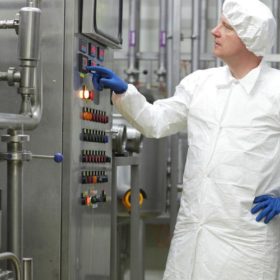
Food Industry PPE are highly durable, breathable, functional and comfortable.
1. Assess the Risk Levels Involved
Every workplace has its different risk levels for different jobs. The higher the risk levels, the stricter the requirements for workwear become. Assess risk by factors like:
- Perishability of ingredients
- The production process
- The production setup
- The type of end consumer
High-risk jobs: These are jobs like handling ready-to-eat, perishable or unpacked food. The typical products include raw meats, ready-to-eat salads, or spreads. To prevent the entry of microorganisms and contamination, maintain the highest levels of hygiene at all times.
Low-risk jobs: These are the inverse of the above. Handling foods that are not perishable, such as crisps and coffee, fall into this category. Workwear provides simple coverage since packaging provides the required protection for the food.
2. Be Aware of Uniform Requirements in the Food Industry
When it comes to safety regulations, it is always better to be safe than sorry. Are you aware of the basic protective coverings for the food industry? Do you know when to provide them? Brush up on the requirements before you start sourcing uniforms for your staff members.
Head Covering

Proper Head Wear is essential in preventing contamination when working with food.
Hair is a source for both physical and microbial contamination matter. It is imperative that head covering becomes a part of your essential uniform tool kit. Communicate the importance of the head covering to staff members through regular training.
- Hairnets: A basic item for head covering is a hair net. Regardless of the type of hat you choose, ensure all your staff wear a hairnet underneath. This is especially important for people with long hair.
- Hats: To ensure comfort and adequate coverage, choose hats with a generous size that fits hair. Check that the elastic in the net doesn’t cause irritation while staff are working.
- Hard hats – They become a necessity when an impact to the head is a possibility. Buy them if your company has processes that involve an overhead conveyor or cranes. Hard hats are durable and easy to clean.
- Disposable paper hats – They are perfect for catering outlets and assignments. Non-woven disposable hats can be effective for high-risk areas where daily cleaning is critical. This is because they can be cheaper compared to daily laundering.
- Facial hair covering– To cut contamination, cover all head hair, including beards and moustaches. Everyone in the factory should wear beard snoods in disposable fabrics. This also includes visitors, site engineers and contract employees.
Choosing headwear doesn’t have to become complicated. A call to Alsco NZ is all you need. We will give you an account manager who can advise and sort your needs.
Overalls
There are three types of overalls used in food industry workwear. They include a coverall (boiler suit), separate jacket or shirt and trousers, or a coat sometimes paired with trousers.
For ease in usability and versatility, the coat wins. It can be worn over trousers or any clothing that your staff might wear. It works best for jobs with medium to low risk with a diverse workforce.
Footwear
The footwear used in the production area should never leave the production area. Ensure that the shoes are comfortable and well-fitting. The material should also be easy to clean and stored on the storage racks.
Dedicate the footwear to the work area. Wellington boots are perfect for wet processing or cleaning. Colour code the footwear as a reminder of the hygiene requirements of the production area.
Gloves
It is better to have clean hands than dirty gloves. This phrase should be your guiding light when considering how to buy and care for gloves. It’s not easy to realise when a glove gets too dirty. It is important to put in place processes that remove soiled gloves before they outlive their usefulness.
Use gloves when handling the below categories of products:
- High-risk products (e.g., cooked meats) – Natural rubber gloves are the best in terms of usability and safety.
- Sensitive products (e.g., chocolate items) – Thin cotton gloves are good but need to be changed for clean ones at regular intervals.
- Aggressive products (e.g., salt, fish or cartons) – PVC or rubber gloves are best for protection against abrasives or irritants.
- Hot and cold products – Special fabric gloves work well for handling hot items from ovens. Insulated gloves are available for staff working with frozen foods.
3. Be Mindful of Design Needs
The food industry is highly regulated, and New Zealand is no exception. Get acquainted with the laws and regulations that govern food industry uniforms to keep your company safe from litigation.
In a nutshell, these are the general design requirements you should pay attention to:
Use Light or White Fabric
White or other light-coloured uniforms make it easy to inspect for cleanliness. Workwear has to live up to food safety standards.
Use Long-Sleeved Workwear
Food industry workwear in all risk levels must have adjustable long-sleeves. The sleeves are important to protect the food from staff contamination. Always close coats and jackets and ensure they are long enough to cover the side pockets on trousers.
Permanently Attach Your Logos and Emblems
Avoid using logo stickers or tags. Embed the logos directly onto the garment. The transferable sticky logos can loosen with time. Logos need to be of a high enough quality to last the whole life cycle of the workwear to which they are attached.
Use Fitted Garments to Prevent Spills
Fitted uniforms are comfortable and increase staff productivity. A good workwear rental supplier will measure your staff and make sure uniforms fit. Ensure your supplier can do this for you. Providing your own uniforms will prove to be tedious and time-consuming. Get a trusted partner like Alsco NZ to take care of this process for you.
How to Find the Best Food Industry Uniform Vendor
1. Do They Pay Attention to Fabric & Fit?
Do you understand the standard material used for protective clothing? Most protective clothing is now made from a blend of 65% polyester and 35% cotton. These are comfortable to wear, last a long time and absorb spillages.
An adequate supply of clean garments is essential. Everyone should have at least a weekly change in garments, while some will need a daily change. Rent or buy garments on-site or send them to a specialist laundry.
2. What Is the Maintenance and Laundering Process?

Alsco provides a comprehensive Managed Uniform Rental Service to help your business thrive.
Make sure your supplier is right for your business. The food industry CCPs that your supplier needs to be mindful of include:
- Garment material: Traditional apron materials, like vinyl and polyurethane, have cleanability problems. Choosing good materials promotes food and employee safety.
- Carts/plastic tubs: Clean clothes should be transported by designated carts that only carry clean clothes. Line the carts with a disposable plastic liner to ensure clean clothes do not touch carts or soiled garments.
- Pest control: Each laundry-processing plant should minimise hazards through an effective pest control program.
- Gloves: Change disposable gloves worn during the sorting of dirty garments and by handlers of clean laundry before being poly-wrapped.
- Cross-contamination on the service route: Design the process for serving food accounts to prevent cross-contamination.
- Training: Certify all vendor employees on basic food safety and preventing cross-contamination.
- Service trucks: Keep these free of dust and dirt. Separate soiled and cleaned garments on trucks to prevent cross-contamination.
Choosing and maintaining staff uniforms can become an extreme sport if you choose the wrong supplier. When you put these notes into consideration, you will pick a great supplier for you.
A neat trick to get you started is to look out for companies with great recommendations and track records.
Contact us for the rental workwear service from Alsco NZ. An affordable, reliable and compliant service. Don’t take our word for it: Check out what our clients say about us.
Photo: Emiliano García-Page Sánchez
The Ultimate Guide to Choosing a Professional Laundry Service for Your Company
If you’re looking for the right laundry service for your staff uniforms, you’ve come to the right place.
Maintenance is where the rubber meets the road.
Running a business where your staff needs professional uniforms takes a lot of work.
Your laundry partner will either save you money and make life easier, or lose your money and stress you out.
4 Factors to Consider When Choosing a Laundry Service
1. Great Customer Care
Trustworthy reviews will come from satisfied or dissatisfied customers. Before committing to a vendor, do some groundwork to establish their standards in customer care.
a. Responsiveness
When you pick up the phone to call them, does someone always answer? How do they respond to customer needs or complaints? How promptly do they act?
Your time is precious. Pick partners who value it and treat all customer matters with a sense of urgency.
b. Transparency
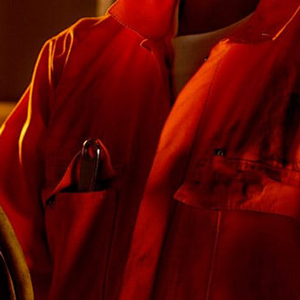
Alsco’s Managed Uniform Rental Service picks up your dirty uniforms and delivers clean ones to your door.
Do they provide a list of all their services and prices upfront? Ensure you get a good grasp of all the associated costs to avoid surprise hidden charges. Ask about all the features you may need, from folding to pressing and more. If they are upfront about all the available packages, they are a good match.
Alsco’s Fresh & Clean managed rental service provides affordable uniforms for your organisation. Reach out for a free quote or for a comprehensive guide to what we offer.
c. Professional
How do the staff behave? Are they happy to answer questions or help out? Professionalism comes from consistency and how much effort the staff makes. They should be knowledgeable and reliable in their tasks.
Since you’re trusting them with your assets, they should give you the confidence that you’re in the right hands. Alsco’s team is ready to create a customer service that caters to how often you need your uniforms. All this for an affordable monthly or annual rate.
2. Reliability and Guarantee of Service
Avoid surprise or costly lessons. A little background research will save you from the misery of working with unreliable laundry vendors.
a. Online reviews
A foolproof way of reviewing vendor efficiency by location is through reviews on apps like Google Maps, Yelp or Nextdoor.
Look for well-thought-out comments that give a perspective of first-time users. Responsible business owners always ask for reviews from customers. This is because they are confident about the quality of service provided.
b. Displayed Customer Recommendations
Read and check out the customer reviews on the official website or social media pages. They give you insights into important things like the size of companies they serve.
The reviews also give insight into companies that are happily affiliated with the laundry provider. This is a show of confidence in the service and brand. Alsco New Zealand has many local reviews on our website from happy clients.
c. Professional Equipment
Laundry for staff uniforms involves more than just washing. Ensure the vendor has machines or processes which assist in drying, cleaning, pressing, ironing, mending and folding clothes. A proper commercial dry cleaner uses safe, efficient and sustainable equipment.
d. Certificates and Permits
Look for vendors that have a valid licence for running a commercial laundry service. Afterwards, ensure they uphold the standards in your respective industry.
They must also follow the legal standards for handling and disposing of detergents and dry cleaning solvents.
Companies that have been around for a long time are likely to be up-to-date and compliant with the law. It is not a guarantee and you should feel free to ask questions about how they work and run their laundry service. Alsco New Zealand has been in the business for over 125 years and is ready to provide you with the best service possible. Feel free to reach out with any questions.
3. Pricing
The maintenance of staff uniforms can become a huge budget item. Therefore, it is important to pay attention to the details of your contract.
a. Pricing Packages
How does the laundry provider calculate their charges? Is it by the pound? What influences the pricing? Ask about the packages available and the specific services included in each.
A bundled package tailored to your business is the ideal situation. Beware of rigid vendors who insist on a specific package without the assurance they can accommodate your needs. They may not have the resources to customise your orders.
b. Compare to Competitor’s Pricing
Don’t settle for the first quote you get. Shop around and get several quotes and packages from different vendors. You’ll find a deal or service that works best for you.
c. Check for Extras
Maintaining staff uniforms involves buying quality items and providing efficient laundering. You win if you can find vendors that take both tasks off your hands. These are some of the extra benefits you should be on the lookout for.
Alsco New Zealand offers a managed rental service where we deliver clean uniforms to your office for an affordable monthly or annual fee. This service frees you from buying and storing uniforms. We rent the uniforms to you, which saves you from the cost and worry of buying uniforms.
4. Service Agreements
Sometimes you need to sign a contract to hire a vendor. Make sure you get the best deal by paying attention to the following:
a. Contract Terms
Read the fine print carefully. Ensure all your needs are met and then give your lawyers the contract. They will be able to spot clauses or hidden tricks in any document. You can never be too careful.
b. Personalised Service
Will you be able to reach out to someone when you need something done quickly? Look out for vendors that offer personalised attention or negotiate for it in your contracts. Emergency needs might arise in the future.
With Alsco NZ, you get an account manager who will advise you on the best services for your needs. With over 50,000 happy customers and 125 years in the business, we’ve perfected the art.
c. Special Needs and Detergent Provision
Does your industry need special detergents? Will some employees need you to use hypoallergenic detergent? Ask for accommodation for your specific needs or ensure there is room to request new needs as they arise. Flexibility is an important trait in a great laundry partner.
d. Pickup and Delivery Options
There are two notes to keep in mind when considering the pickup and delivery of your staff uniforms.
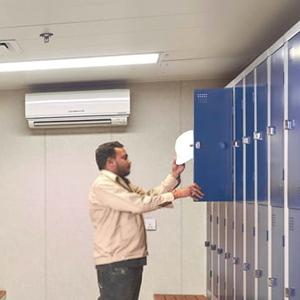
Alsco’s Locker Garment Systems helps provide a cleaner and dust-free work environment.
- Pickup and Storage
To prevent cross-contamination between clean and dirty uniforms, how will you store soiled uniforms for pickup? Keep safety and cleanliness in mind when selecting the vendor you would like to work with.
Alsco NZ offers a storage solution for soiled uniforms or garments. We provide lockers for soiled garments that prevent dust from building up.
- Delivery Schedule
Pay attention to important details like the radius of delivery and flexibility of delivery time. Do they deliver all over New Zealand? How often can they deliver the uniforms? How long do they take between deliveries?
To ease the delivery of uniforms to your staff, you need a locker system to make the process seamless. Consider getting a locker for the clean uniforms. They will provide your staff with easy access to their work attire. Alsco NZ provides these lockers through our managed rental service.
Ask about emergency orders or needs. Do they attract an extra charge? Alsco’s annual fee guarantees you limitless uniform replacements at no extra cost.
Whether you run a company of 10 or 100 employees, a reliable laundry partner allows you to relax and focus on your core business.
There’s a reason Alsco NZ has been around for over 125 years. We’ve got you covered, no matter your industry or uniform needs.
4 Amazing Benefits of Choosing Sensor Hand Dryers over Traditional Dryers
Compared to indoor or private environments, diseases and infections are more prone in public places. Public restrooms have been found to have a plethora of bacteria associated with the human skin, gut and urine.
Diseases caused by bacteria, some of which are spread in washrooms, can create a loss of productivity.
Businesses in New Zealand are losing an average of $1.26 billion per year to sick days.
Proper hygiene in the workplace not only prevents the spread of disease-causing bacteria but also makes your employees comfortable.
Proper hygiene creates a positive perception of your workplace, to both your clients and staff.
Here is how you can improve hygiene in your workplace:
Create a Hygiene Policy
A hygiene policy for your workforce will help in aligning them to your expectations regarding cleanliness in the workplace.
A workplace hygiene policy should cover personal hygiene, office cleanliness, and the use of washroom facilities.
The policies will motivate your employees to uphold high hygiene standards.
Provide a Clean Washroom

Cloth towel dispensers are highly-absorbent and hygienic.
Having a clean bathroom will enhance hygiene in the workplace. It will also prevent the spread of infections, which can weigh down productivity.
The bathroom should be stocked with handwashing soaps, sanitisers and appliances such as hand dryers. Alsco NZ products such as hand dryers can help keep your bathroom safe and clean.
Employees will use the products and facilities if they are available. If not provided, they are likely to skip washing their hands and practising other vital washroom hygiene practices.
Employees thrive in a clean environment. Regular cleaning of the workplace, especially the restroom, can keep infections at bay.
Install Hand Dryers
Hand dryers are critical equipment to have in your washroom. Washing hands is a vital practice after using the restroom. Proper hand hygiene does not only protect you from getting sick but also from spreading germs to others.
While washing your hands, some bacteria may be left behind. However, washing your hands alone eliminates bacteria by up to 23%.
Bacteria like E.Coli multiplies every 20 minutes; wet hands facilitate its growth and lifespan.
The following are the benefits sensor hand dryers have over traditional dryers.
1. Improved Hygiene
Traditional hand dryers work with the press of a button. This contact facilitates the spread of bacteria and viruses.
Employees using the dryer are therefore likely to contract the bacteria and spread it to other office surfaces, such as doorknobs, keyboards and utensils.

Air Towels are
economical and efficient.
Although most traditional hand dryers stop after 80 seconds, this might not be enough time for the hands to dry completely.
Sensor dryers are faster than traditional dryers. Bacteria multiply quickly in moist environments. Automatic hand dryers work in about 20 seconds, denying the bacteria time to multiply.
Automatic hand dryers like the Alsco air towels detect hand motion through an infrared sensor, producing warm air to dry your hands.
Sensor dryers turn on when hands are detected, and only turn off when the hands are removed. This allows enough time for the moisture to be eliminated.
There is also no surface contact, preventing the spread of bacteria.
2. Environmental Benefits
Over one pound of carbon dioxide is produced in 1 kilowatt per hour of electricity. Running a traditional hand dryer requires 160 kWh per month, while the energy-efficient sensor dryer consumes only 30 kWh per month.
Automatic hand dryers take a shorter time in drying hands, minimising the amount of electricity used to dry the hands thoroughly. Less electricity is consumed, which leads to a lower carbon footprint.
3. Cost Saving
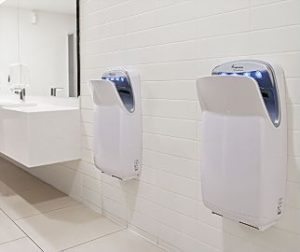
Jet Dry Executive’s anti-bacterial filter stops microbes entirely.
Using an energy-efficient hand dryer saves on operation costs. With a sensor hand dryer, you can save $147 annually in electricity costs per unit.
On average, bathroom breaks per employee can cost your business up to £633.60 annually. Jet Dry Executive hand dryers can reduce the amount of time your employees spend in the washroom. (Learn more about how long they take to dry your hands.)
Since a motion sensor hand dryer is a more hygienic option than the conventional dryer and reduces instances of sickness, your company can, therefore, save on costs linked to sick days and presenteeism.
4. Easier Washroom Management
Because the conventional hand dryers take more time to dry the hands, they allow water from the hands to spill on the washroom floor. This poses a challenge to the washroom cleaners.
Constant wiping is required to keep the floor dry. A sensor dryer does the job faster, eliminating the possibility of spills.
A high-efficiency sensor dryer works within 10 to 20 seconds, seeing more uses within a specific time. It reduces traffic in the washroom, amounting to better washroom management.
Conventional dryers require more maintenance compared to automatic hand dryers. A faulty switch is among the problems likely to be encountered with traditional dryers.
A failed switch will prevent the dryer from starting. Until an electrician intervenes and works on the switch door lever, the employees will not be able to dry their hands.
This can cause more problems, such as wet floors and the spread of bacteria.
Also, conventional dryers have dial timers, which will not work if the push-to-start switch is broken.
Automatic sensors do not have manual switches. They are, therefore, less likely to break. They are low maintenance compared to the traditional ones.
In Conclusion
Tired of employees continuously getting sick? A sensor hand dryer can keep your team productive and healthy. Here are a few things to remember:
- Hand drying significantly reduces the spread and multiplication of bacteria. Having an automatic hand dryer, therefore, enhances health and safety at your workplace.
- They are more cost-effective, hygiene efficient, environmentally friendly and low maintenance. This leads to overall easy washroom management.
- Regular maintenance of sensor hand dryers can increase their life. To enjoy the benefits of a hand dryer, purchase one from a reliable vendor.
Alsco NZ products and services can help you take control of your office’s washroom hygiene.
Everything a Business Owner Needs to Know About Workplace Washroom Urinals
If you do not provide the correct amount of workplace urinals and basins, you might be breaching the health and safety regulations of New Zealand.
Have you ever heard of a toilet calculator?
It is used to work out how many toilet pans, basins and urinals are required in a building.
All business owners have a lot on their to-do lists. There is so much to think about! But how often do work washrooms make it to the top of the list?
It is worth considering because your employees use these facilities every single day. They could feel undervalued if their basic needs for facilities are not being met. Do consider that most employees spend more time in the office than at home.
Normal cleaning simply isn’t enough to keep your washrooms safe and presentable for your employees. Keep in mind that the facilities you provide should:
- Be located in convenient areas.
- Be kept clean and orderly.
- Include soap or other suitable means of drying hands.
- Supply clean hot and cold, or warm water.
- The washroom should be well-lit and ventilated.
Consider using biological treatment. It is a revolutionary new way to keep your workplace washrooms nice and clean, without the use of aggressive chemicals that hurt the environment.
Types of Urinals
Urinals are a popular choice in the men’s bathrooms of most public buildings, educational institutions and office blocks. Models for women have also been developed but are rare.
They can also be found in some homes, although they are a lot less common in domestic settings than public ones. Urinals consist of manual flushing, automatic flushing or no flushing, as is the case for waterless urinals.
1. The Standard/Conventional – Manual Handle
Each urinal is equipped with a short lever or button to activate the flush and requires users to operate it as they leave. Other urinals have a foot-activated flush system that has the button set into the floor or a pedal on the wall at ankle height.
Conventional flush values use about 1-1.5 gallons of water per flush (GPF), which is quite a lot. Their affordability sustains their popularity.
2. The Conventional Automatic/Timed Flush
It is all about convenience. These urinals are armed with a timer, which flushes periodically, or an infrared sensor to detect usage. The amount of water used per flush is no different than a standard manual handle.
The drawbacks include errant flushes, the continued use of urinal cakes and the need to buy batteries for the sensors.
3. The High-Efficiency Urinal (HEU)
Defined as a urinal fixture that functions at 0.5 gallons per flush (GPF) or 1.9 litres per flush (LPF) or less. Fixtures currently considered as qualifying for the HEU designation fall into several different designs and flush volume categories.
They require high pressure and higher velocity for the supply water and a smaller opening in the diaphragm of the flush valve.
4. Non-Water Urinals
These are similar in appearance to the others but do not need water or a valve. There are many brands on the market of both water-free and low water urinals (i.e., those using 1-4 GPF).
Water-free urinals capture plenty of attention since they represent an obvious solution to a common water conservation opportunity. Seeing as urine is basically water, why use more water to flush it down?
They work best in settings that call for frequent and anonymous use, such as train stations, schools, colleges and universities, convention centres, parks, airports and sports stadiums.
5. Low Flush Urinals
These urinals come off as a compromise between the conventional and waterless variations. They operate just like a standard urinal with a manual or automatic flush system but use far less water. They have the highest initial cost, but the lowest operating cost.
How Urinals Work
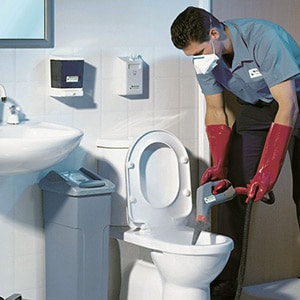
Alsco Deep Clean Service eliminates all mould, mildew and fungi.
A urinal with a flushometer valve utilises pressure from the main water supply system to release a high volume of water at a rapid rate into the bowl.
Flushometer valves can pair with any fixture to achieve minimum flush volume requirements. Independent from the fixture, the flush volume can be adjusted through the control stop. The main water supply comes through the control stop. When the handle is pushed, the valve is opened for a regulated amount of time.
The drain pipes from waterless urinals need to be correctly installed to prevent the build-up of struvite (“urine stone”) and calcium phosphate, which can lead to blockages in the drainage systems. Undiluted urine can be corrosive to metals (except stainless steel), which is why plastic pipes are preferred for urine drainage.
Everyone knows that regular cleaning service is simply not enough for washrooms frequented by many people daily. That’s why Alsco Deep Clean is a necessity for all New Zealand businesses that demand perfect hygiene and nothing less.
Features of Urinals
Cost and Life Cycle
The cost of a urinal can range from $60 to $100, and the fixture can require nearly two hours of labour to install. An estimate of 30 years can be placed upon the life cycle of fixtures.
Urinal fixture replacement flushometer and valve components are sold separately.
This is advantageous because you do not have to buy a whole new set every time maintenance is required.
Waterless urinals require little maintenance seeing as the absence of a flush valve eliminates valve repairs and reduces opportunities for tampering. Additionally, overflow due to clogged drains and vandalism is not an issue since large amounts of water are not being flushed.
Popularity
Urinals saw an increase in demand in the late 1980s and early ’90s. The first generations of these inventions were controversial due to concerns regarding their reliability and performance.
Low flush urinals are the current national standard and the demand could witness an increase in nonresidential construction. With the impacts of global warming and meteorological patterns, countries are aiming to reduce water waste.
Waterless urinals allow for the pure and undiluted collection of urine for reuse (e.g., as fertilizer in urban farming) after appropriate treatment (e.g., storage). Surface water and aquifers are protected from nutrients and pharmaceuticals if the urine is collected separately.
This not only makes them economical, but environmentally friendly.
Energy Reduction
Widespread use of waterless urinals could result in an overall reduction in the use of energy. Cities and other water supply agencies would not have to treat and pump as much water.
Some water utility companies offer rebates and incentive payments to owners installing waterless urinals. They can range from partial to full reimbursement.
The rebate sorter has a wide range of programs from the Australian government, as well as state and territory governments. See EnergyMadeEasy.gov.au for more information.
Improved Hygiene
Water used by conventional urinals gives germs in the restroom the moist environment they need to grow. This is because urine is generally a sanitary liquid composed of dissolved metabolic waste and excess water.
Waterless urinals are designed to dry out between uses, which makes them hostile to bacteria and viruses. Pair this up with a touch-free experience, and the spread of communicable diseases is much lower.
There are a lot of benefits that come with installing urinals in your workplace and ensuring they meet the needs of your employees. This leaves a positive impression on all employees, potential business partners who visit your business and customers alike.
Keep Your Washrooms Spotless with Alsco New Zealand
Having a perfectly clean and well-equipped washroom in any New Zealand workplace is imperative. Clean and odour-free washrooms ensure a comfortable and pleasant working experience for your employees. It keeps the working environment sanitary and hygienic.
To have a clean and hygienic washroom, you need to take care of the toilets, ensure efficient hand washing and hand drying options, introduce effective odour control and make sure all the consumables are always in place. Your other option is to contact Alsco New Zealand and have them do all the hard work for you.
Photo: Evening_tao
4 Essential Areas to Keep Clean in Your Workplace
Misconceptions about workplace hygiene are common and often lead to misunderstandings.
To take control of your workplace hygiene, you need to understand the impacts of these myths.
Myth 1: Workplace hygiene isn’t important.
Many workers think the only focus in a business should be profit-making.
Cleanliness is important, too, as poor hygiene may make your associates sick.
In turn, this leads to poor business performance.
Myth 2: Any cleaning product will do the job.
Cleaning products are available in plenty. Yet, only high-quality cleaning products will have your workplace in the best shape.
Myth 3: Hiring professionals is an unnecessary expense.
Micro-managing workers is time-consuming. Despite your best efforts, the professional touch is still missing. Let the experts do the dirty work for you instead. Professional services actualise the joys of hygiene maintenance by offering value for your money.
These four tips will help you control hygiene in crucial workplace areas.
Washrooms
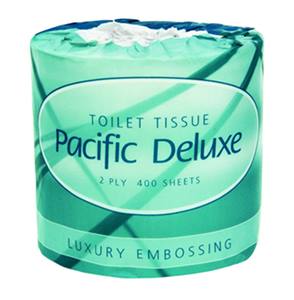
Ensure you stock up on exceptional products which are critical to maintaining excellent hygiene practices.
Provide basic washroom consumables that every person requires for a comfortable washroom visit.
For one, toilet tissue is a product we can’t do without. Focus on selecting a cost-effective brand for your washrooms.
High-quality tissue supports hygienic practices and makes washroom visits comfortable by blocking the spread of dirt.
Another necessity is hand wash that leaves hands feeling pampered. It should be antibacterial to protect workers from common hand-to-mouth illnesses.
In addition, you can install proper hand drying devices to get the job done well.
Hand dryers are a popular choice as opposed to regular hand towels:
- They need less physical contact, which reduces the spread of bacteria.
- They are eco-friendly.
- They are cost-efficient.
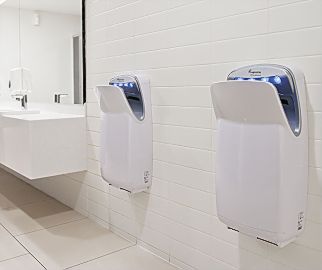
Jet Dry Executive dries hands in 10-12 seconds.
Remember to introduce air fresheners, which serve to maintain a great-smelling washroom.
Automatic air fresheners are preferred due to their convenience and secrecy. By releasing one spritz every few minutes, the washroom will smell fresh at all times.
Your workplace benefits by selecting an excellent air freshener service provider:
- Experts handle installations and refills at your convenience.
- Battery replacements are free.
However, tackling bad odours is stressful when you can’t find its source.
This is why your workplace should hire deep cleaning services for the total elimination of germs. This process involves using powerful machines and chemicals to create a sanitary washroom environment.
The benefits of hiring experts include:
- Removing dirt from hard-to-reach areas, such as behind toilets.
- Eliminating bad odours to make your washroom smell fresh.
- Avoiding the need to spend money on supplies unnecessarily. Expert services are always fully-equipped and ready to work.
- Providing more time to focus on your business. The burden of managing cleaners is no longer of concern.
- Using 5-star services for your establishment. Professionals are experts at what they do and they have a system. There is a guarantee your washroom will be better than ever.
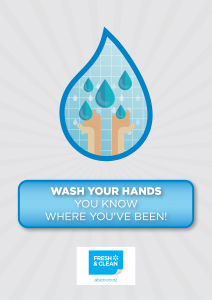
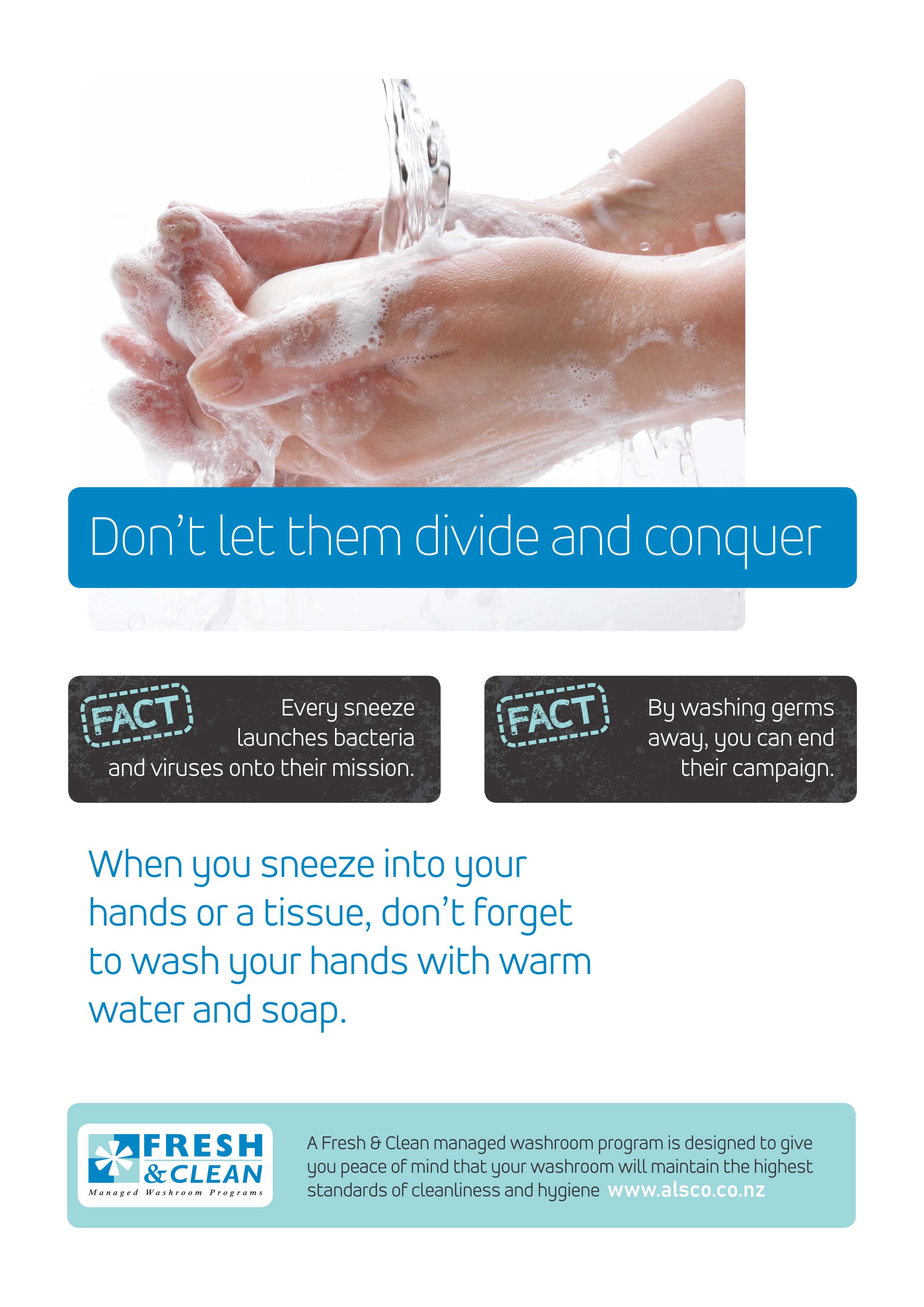
On top of that, place posters in washrooms to help foster hygienic habits among workers.
[b3_row]
[b3_column lg=”4″ md=”12″ sm=”12″ xs=”12″ ]
[/b3_column]
[b3_column lg=”4″ md=”12″ sm=”12″ xs=”12″ ]
[/b3_column]
[b3_column lg=”4″ md=”12″ sm=”12″ xs=”12″ ]
[/b3_column]
[/b3_row]
Here’s why washroom posters are so common:
- They are helpful in promoting appropriate washroom etiquette practices.
- It is easier than monitoring workers’ hygiene practices.
- This cultivates healthy habits that contribute to workplace wellness.
Furthermore, creating a pleasant washroom experience has an overall impact on your establishment. So, the above washroom products are important in contributing to a wholesome workplace.
Workspaces
Did you know that 1 in 10 employees admit to cleaning their desk once a month?
Plus, another 9% confess to not disinfecting their workspaces at all.
Hygiene management in the workplace may be difficult, but with proper guidance, it is a smooth process.
Begin by instructing cleaning staff to wipe down workspaces using excellent cleaning products.
Likewise, encourage workers to declutter their workspaces every week.
Together, these efforts help in controlling dust that settles on desks and computers.
On top of that, prohibit workers from eating and drinking in this area. Food and drinks contain small particles that seep into the furniture. As a result, they go bad and leave hanging smells in the workplace.
To promote hand hygiene, make sanitiser and antiseptic wipes available.
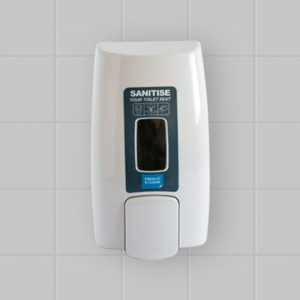
Hand Sanitisers eliminate microbes within seconds.
These are some key locations to place hand care products:
- On work desks
- At entrances and exits
- In the kitchen and breakroom
- Inside meeting rooms
Ensure these products are within sight and accessible to every worker.
Supply enough bins in the workspace to prevent littering. Overflowing bins are not a lovely sight and are often the source of bad smells and dust. Empty them often for a tidy appearance.
Surprisingly enough, workspaces significantly affect workers’ performances. A clean environment improves productivity, which translates to an increase in business revenue.
Kitchen
Today, it is common to use office kitchens for self-service purposes. This is where workers store their lunch, make coffee and prepare meals. Hence, this is an area of concern in the workplace.
Messy kitchens will force employees to east elsewhere.
To take charge of the situation, direct regular cleaning of the fridge and microwave.
A mixture of different foods and drinks creates a cocktail of smells. Instruct workers to throw out their old food, as this contributes to the risk of food poisoning.
For proper food storage, ensure there is enough ventilation to assist in battling the growth of mould.
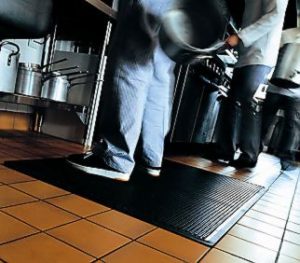
Anit-Fatigue and Wet Area Mats offer greater underfoot comfort.
Besides this, label bins according to paper, plastic and glass to make disposal an easy task. This encourages recycling, which contributes to environmental conservation in the long-run.
Plus, purchase wet area mats to give your kitchen an orderly look and to avoid slip-and-fall accidents.
A first aid kit should be available and well-stocked if an accident should happen. Furthermore, there should be regular inspection of the kit to replace expired or damaged items.
What’s more, support the creation of a cleaning plan for staff to assist in maintaining tidiness.
These tips for creating a good cleaning plan are quite helpful.
Reception
This is the first point of contact for people, so it should create a lasting impression. People want to walk into a clean and safe environment.
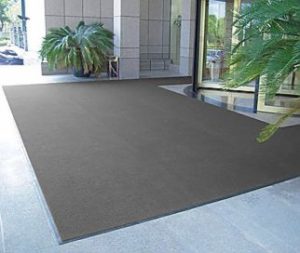
Alsco’s Dust Control Mats absorb up to 80% of dirt and dust.
First, install good lighting fixtures and wipe them often to avoid gathering dust.
In addition, placing mats at the main entrance is an asset:
- They reduce slip and fall accidents, as they provide a good grip for shoes.
- They save cleaning costs, as they absorb dust particles.
- They create a unique image for your company. Maintain these mats for a first-class look and a great first impression.
Don’t forget to spruce up the smell in the reception by requesting a vase of fresh flowers every once in a while. These provide a consistent pleasant smell that uplifts moods.
“Any job well done that has been carried out by a person who is fully dedicated is always a source of inspiration.” — Carlos Ghosn
It’s time to set your worries aside.
Are you ready to take control of your workplace hygiene? Contact the experts for nothing but 5-star services and products to improve your workplace environment.
Alsco’s cleaning services leave your workplace gleaming and your workers’ smiles beaming.
Photo: Igor Starkov
3 Little Details That Set Amazing Restaurants Apart from the Average Ones
Variety is the spice of life, and this is especially true when it comes to dining.
The restaurant industry is one of the most competitive industries in the world. According to a Report by Stats NZ, New Zealanders are spending more time and money dining out than ever before.
Consumers today expect perfect food, service and comfort.
They are on the constant lookout for the next best restaurant. And there’s no reason why your restaurant can’t be one of them.
Consider the Trifecta: Concept, Chef and Location
Your restaurant is like a blank canvas. Every colour on your palette will help shade your diners’ experience from their first bite to the last.
A restaurant will never succeed without these three elements:
A Good Concept
A great restaurant starts with a well-developed concept. Begin by researching the market for eating trends, design styles and consumer spending habits to conceptualise a profile that appeals to your target audience.
To create a fusion of comfort and complete the experience for your guests, you will require:
- Ambience
- Music
- Lighting
- Table linen
- Decor
A restaurant’s ambience is the most important factor to consider when settling for a concept.
Pretend your business is a stage where the limelight focuses on the food as the guests become the spectators.
The music you play helps create ambience depending on your goals and objectives. If your restaurant is a fine dining establishment, you might consider playing low tempo, relaxing music to keep your guests in their seats. This could encourage them to eat and spend more.
You can play fast-paced music in the daytime for faster turnover and mellow music at night for leisurely dining.
Like music, lighting is also a key element to the ambience.
According to John R. Walker, “With the wrong lighting, a restaurant’s entire design will suffer; with the right lighting, the entire restaurant design could flourish.”
Lighting can also directly affect the pace at which people eat. Pairing high tempo music with bright lighting can be used subliminally to get customers in and out faster during high-peak hours of the day.
Dim, warm mood-lighting can be paired with low tempo music in a fine dining restaurant to make the guests feel more relaxed.
Aesthetically pleasing table linen is a must-have for any restaurant today. As consumers continue to post more and more food-related content on social media, they expect to have an aesthetically pleasing, picture-perfect backdrop for their Instagram and Tumblr food photography.
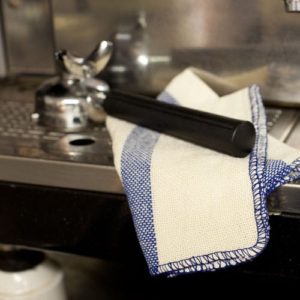
Having clean linens is vital to the success of any restaurant. Make your restaurant stand out from the competition.
- Do this by matching aesthetics that the consumers expect by investing in a linen rental service that delivers a variety of affordable, fresh and high-quality table linen.
The decor is the final element that marries the lighting, music, and tableware to create the desired ambience. Switch up the decor in your restaurant to stay current with the latest interior design trends from time to time.
Doing so will help give your restaurant a fresh new look just by changing up a few elements in the decor. Check out: How to come up with a great restaurant floor plan.
A Great Chef
To begin with, choose your chef carefully. Think about what your food concept is to be able to match your chef’s capabilities to your needs.
The chef is the most significant member of a restaurant’s team. According to a 2018 New Zealand Hospitality Report, “The biggest challenge for hospitality business owners is the lack of skilled employees.”
Therefore, make sure to hire a chef that is well-trained and has years of experience. A great chef should have an eye for detail. Only then will you be sure that every meal they serve tells a story.
The chef is the person who sets standards in a restaurant, and therefore, they should prioritise quality.
The Perfect Location
One thing you’ll have to pay extra attention to is selecting a good location for your restaurant.
Spend time to figure out the location and analyse whether the traffic flow is in line with what you are trying to serve.
It would be ideal to pick an easily accessible location that draws crowds and has the potential for growth.
The most important factor to consider when picking a site is the congruency of the community around whatever concept you want to introduce. Choose a community that you will enjoy serving to be able to build up a loyal customer base.
Select a Location that has high visibility and good foot traffic.
To determine whether a location has good foot traffic, you’ll need to:
- Visit the closest restaurant near the site you wish to set up.
- Survey the number of people walking through the door to have a clear sense of what their daily performance is like, the peak/rush hours, etc.
This will give you an idea of how much revenue they are making and whether the location is your ideal choice.
The Menu Is the Centre of Your Restaurant’s Universe
The menu is a restaurant’s number one sales tool that can determine whether or not your business becomes successful.
It includes a description of how the food is prepared and presents the dishes in an alternative and fun way. Having secured the trifecta (concept, chef and location), many restaurateurs often end up neglecting the menu.
Offer a menu that will be a feast for the eyes and pallet.
Use Descriptive Language to Make Each Dish Offered Sound as Delicious as Possible.
Get into as much detail as you can. This provides more information and can even open up the guest’s appetite depending on how well you’ve managed to describe the dish.
Incorporate words such as:
- Braised
- Seared
- Pan-fried
- Oven-roasted
When used properly on the menu, such words can add a topping of prestige to what you’re serving. You can also highlight special ingredients and point out where they came from.
Try Some Menu Engineering Techniques
There is an art to designing the menu to where the guest’s eyes go and how you want to align it. It is a handy way of influencing customers to purchase certain items on the menu.
Highlighting specific sections of the menu and using enough white space, boxes and borders draws the eye and captures attention.
Try this nifty trick: Put a menu board with pictures of the food outside your restaurant during peak hours. This is an effective way of capturing people’s attention.
Keep track of the latest food trends and try adding new dishes to the menu. This is a great way to stand out! Don’t be afraid to expand your menu to meet your customers’ dietary needs.
Have a Strong Social Media Presence
Social media is a fantastic sales and brand awareness tool for your restaurant. Brand your restaurant on social media platforms like Facebook, Instagram and Twitter in such a way that your content stands out and gets noticed.
The rise of social media has created a new breed of consumers.
According to Facebook’s 2019 Restaurant Trends and Insights Report, 86% of millennials try a new restaurant after seeing food-related content online.
To have an effective online presence, you need to:
- Plan and create strategies and goals. Is it brand awareness or sales? Having a plan will help you make that commitment right from the beginning. The right tools will help you enact that plan.
- Share content that is authentic and engaging. This will help you connect with your audience. For example, taking professional photos of your meals and posting on Facebook, Instagram or Twitter with a creative caption will catch their attention and convince them to give your restaurant a try.
- Collaborate with social media influencers. Living in the era of the influencer means that your restaurant is more likely to succeed if it’s endorsed by a social media influencer or celebrity.
Additionally, you can also have your menu online so guests can gauge various food items and the price range. This makes it much easier for them while ordering because they already have an idea of what they are going to have.
An Easier Alternative
One of the simplest ways of creating an experience full of discovery for the guests, while giving your restaurant a “face-lift” without breaking the bank is by changing the linen frequently.
However, buying new restaurant linen is expensive and impractical to maintain. Alsco NZ has you covered. They offer an affordable and efficient linen rental service with an array of different fabrics, colours and styles to choose from to suit your needs.
You can also indulge your guests in a luxurious, five-star royalty treatment by subscribing to.
They have a wide range of luxurious, high thread-count linen form tablecloths, customisable overlays and serviettes in various sizes and colours to match the standard of your restaurant and pamper your customers.
Their managed rental service means that your soiled linens will be regularly replaced by clean, crisp ones.
Photo: JCOMP
5 Mind-Blowing Tips for Hand Washing
Hand washing is a necessity that makes life bearable. It is the main foundation of hygiene maintenance.
Fact: Washing hands is a symbolic act which signifies purity in communities.
As the old saying goes, ”Cleanliness is next to godliness.”
But did you know that only 5% of people know how to wash their hands properly? So, to increase this percentage, there are initiatives that provide hand care education.
For example, in New Zealand, health boards develop plans to improve hand hygiene.
There is an immediate need for proper hand hygiene education in workplaces.
The best way to live a healthier lifestyle is for workers to put in a personal effort to do better. If you are reading this, you are definitely in the right place.
These hand washing tips will help you improve your workers’ hand hygiene habits.
Use the Correct Products
It’s crucial to equip workplace washrooms with high-quality hand hygiene products.
Install automatic soap dispensers to make hand wash more accessible to workers.
Interestingly enough, studies show that the presence of soap dispensers encourages hand washing.
Dispensers are a popular choice, compared to a bar of ordinary soap, for the following reasons:
- Dispensers don’t preserve dirt from previous users unlike bars of soap.
- They are resourceful because they release exact amounts of soap to prevent waste.
- Dispensers use sensors to detect hands and release the soap. There is minimal physical contact with the machine, thus reducing the spread of illnesses.
- They contain antibacterial soaps that lather well for people with sensitive skin.
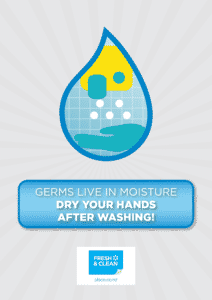
To use soap well, workers must know how to wash their hands correctly. By doing so, their health stays in check.
Encourage them to follow these steps:
- Wet your hands with either warm or cold water. Turn off the faucet to conserve water.
- Lather well after placing a dollop of soap onto your palms.
- Massage your hands between your fingers and under your nails to weaken dirt particles.
- Rinse your hands well to make sure there are no traces of soap left.
This fascinating video demonstrates proper handwashing techniques for practice. Show this video to your colleagues to ensure they maintain the habit of cleanliness.
Wash Hands for the Appropriate Amount of Time
Our hands touch many items in a typical workday, causing germs to accumulate.
So, washing hands for the appropriate amount of time kills germs and reduces the spread of illnesses.
In turn, workers are more productive, which translates to fewer sick days taken. As a result, your workers are more energetic and your business profits improve.
Did you know that people wash their hands for an average of six seconds?
Improve this and advise workers to wash their hands for 20 to 30 seconds for better sanitary results. The World Health Organisation insists this is a suitable amount of time to do a thorough job.
How can workers measure the time while washing their hands?
They don’t need to count down, as this can be boring and overwhelming.
Instead, have some fun with the process and suggest they hum the ‘’Happy Birthday’’ song twice. This way, remembering the correct hand washing duration becomes easier.
As a result, handwashing becomes an enjoyable activity for everyone in the workplace.
“Hygiene is two-thirds of health.” — Proverb.
Dry Your Hands Well
Super-fast, quiet, and environmentally-friendly Jet Dry Executive
Ensure workers dry their hands well by supplying either paper towels or hand dryers.
Both of these products get the job done, but many workers prefer hand dryers.
This research concludes that dryers are more beneficial because they reduce the transfer of bacteria.
These are the pros of hand dryers:
- They are eco-friendly as some paper towels are non-recyclable.
- Hand dryers need less effort because they do the task for you.
- They are a cost-effective option, as they don’t need constant maintenance.
Why is it important for your colleagues to dry their hands?
Specialists confirm that wet hands attract germs easier. Instruct your workers not to shake their hands dry because this retains moisture.
Also, place mini hand lotion near washroom sink areas. This prompts workers to moisturise their hands, thus protecting them from dryness and lifting cuticles.
Don’t Overdo It
Having the appropriate knowledge is excellent, but you need to know how to use it well.
Hand washing is an inexpensive way to keep workers healthy, but are they aware that excessive hand washing may make them sick?
Let them know that although frequent hand washing is helpful, overdoing it may be harmful to their wellness.
Our bodies use a special type of bacteria to boost immunity levels. Without it, we fall sick more often.
Thus, they don’t need to wash their hands every instant. Instead, shift their focus on keeping a proper balance.
According to New Zealand experts, we should wash our hands during key moments.
Inform your workers to wash their hands before:
- Preparing meals or eating.
- Caring for sick people.
- Touching or rubbing their eyes.
And wash their hands after:
- Using the washroom.
- Gardening.
- Coming into contact with animals.
- Touching rubbish bins.
- Changing nappies.
- Sneezing, coughing or itching.
Powerful, alcohol-based Hand Sanitisers
Employees should also wash their hands when they are visibly dirty.
When in a rush and in need of a quick solution, encourage the use of hand sanitiser or antibacterial wipes. These products work well when soap and water are unavailable, such as during fieldwork.
Today, many workplaces encourage the use of alcohol-based sanitisers because of their excellent performance.
These products have lower operational costs and require few refills, which are efficient in providing a great hand hygiene experience.
By observing these steps, workers learn to sanitise their hands well:
- Spritz a good amount onto one palm.
- Rub your hands together until the hands are dry.
Yet, where there is an option, using soap and water is better.
Pay Attention to Hand Hygiene Posters
Handwashing posters are crucial in guiding hygiene habits. They come in different creative designs and slogans to grasp people’s attention.
Using visual reminders is interactive in communicating your business’ values. It shows workers that their hygiene is a priority.
As such, teach workers to mind their surroundings and pay attention to any posters within sight.
Have a look at the reasons why posters are powerful in the workplace:
- They remind workers of the proper hand care techniques that contribute to their wellbeing.
- They provide workers with useful hand hygiene facts that encourage them to wash their hands.
Ensure you choose posters that are visible and appealing to the eye. Place them near product dispensers to encourage hand care.
Adopting great hand hygiene habits in the workplace leads to the health protection of the community in general.
Do you need exceptional hand hygiene products in your workplace? Alsco is full of local experts who will make the job a walk in the park. Fully-managed hand hygiene products are only one call away.
Upgrading your hand hygiene regime will happen in no time!
“…a competitive pricing structure and robust product range.” — Richard Brain, Operations Manager, Jani-King.
4 Must-Know Tips to Improve Your Workplace Washroom Hygiene
Do you ever wonder why your employees often take sick leave? One of the reasons could be your washroom hygiene.
It’s uncommon for businesses to think of hygiene as a factor affecting productivity. In reality, poor hygiene disrupts workplace harmony.
Not only does it affect employee productivity, but also drives away potential clients. As a consequence, there is a loss of business funds. Studies show that sick days cost businesses $20,000 annually.
In the workplace, the focus on making profits is a priority so much so that toilet hygiene seems unimportant.
“We are embedding health and well-being at the heart of our business strategy because our people are our greatest asset, and we recognise that a healthy, happy and committed workforce is vital to our business success.” — Alex Gourlay, MD, Boots UK
Good washroom maintenance is a step in the right direction for your business.
How can you improve your washroom hygiene? The following must-know tips are a checklist of what your workplace washroom needs. Use them to assess your washroom and install the necessary items.
Stock up on Basic Washroom Supplies
Many embarrassing scenarios occur because of scarce washroom supplies. While these can make for hilarious stories, they’re also horrifying situations to be in.
Smelly toilets and lack of tissue paper are a few reasons why people avoid washrooms. Running out of toilet paper puts people in a difficult and awkward situation.
Stocking up on basic consumables is a way of investing in your washroom. These are products such as toilet paper, hand wash and paper towels.
Ensure the proper products are available at all times. Providing these products eases the maintenance of good toilet hygiene.
What’s more, people have certain expectations in a business environment. This includes toilet hygiene standards.
Without the proper products, people get the wrong perception of your business. Washroom product shortages make employees feel undervalued.
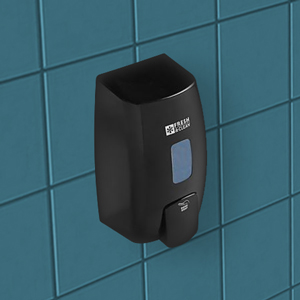
Stocking up on good products indicates the company cares for their needs.
Other products like air fresheners, hand sanitiser and toilet seat sanitiser are vital. They tackle hand hygiene and odour control, creating a dignified washroom experience.
Everyone enjoys fresh and clean washrooms.
Keep Your Washrooms Clean
Making efforts to maintain a clean washroom is admirable. From wiping the floors and surfaces, down to disinfecting the door handles. These are areas we often come into contact with.
Using good cleaning products to sanitise the washroom reduces potential health risks. This includes using clean water to avoid re-contamination. Otherwise, handwashing will be difficult.
‘’Good health is good business.’’ — Paul Drechsler, Chairman/CEO, Wates Group Limited
Maintaining good toilet hygiene is easier where there is a steady water supply. Making courtesy flushes is more manageable, and this eliminates hanging odours.
Ensure there’s good air circulation in your washroom. Open up windows to let fresh air in and let bad odour out. Investing in a good air ventilation system helps where there are few windows.
Additionally, a little bit of air freshener goes a long way. It keeps the washroom smelling great. Spray a puff or two in the air to kill any hanging smells.
Cleaning surfaces is fundamental because washrooms can get damp. Accumulation of moisture from liquids and poor air circulation causes this.
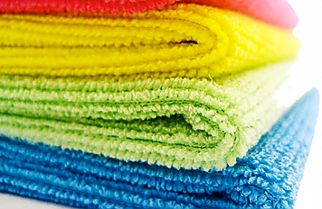
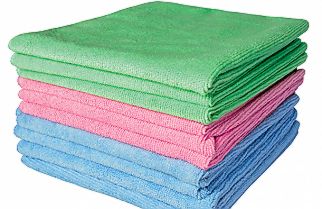
Soaking up spilt liquids and polishing discoloured tiles helps to battle dampness. Using linen wipes makes the washrooms appear polished and put together.
[b3_row]
[b3_column lg=”4″ md=”4″ sm=”12″ xs=”12″ ]

[/b3_column]
[b3_column lg=”4″ md=”4″ sm=”12″ xs=”12″ ]
[/b3_column]
[b3_column lg=”4″ md=”4″ sm=”12″ xs=”12″ ]
[/b3_column]
[/b3_row]
Mopping the floors and wiping surfaces doesn’t cut it. There’s usually dirt in hard-to-reach places that requires closer inspection.
This doesn’t mean you can ignore them. Instead, it means it’s time for the experts to take over. This is where the need to hire deep-cleaning services comes in.
Deep cleaning rids washrooms of germs and dirt in hard-to-reach areas. It helps in expelling bad odour, especially around urinals and toilet cubicles.
This is a service which is often tailored according to the customer’s needs. Setting up a schedule for regular check-ups works best and is convenient to manage.
Maintain Your Washrooms Regularly
Conducting regular washroom inspections makes this more manageable. This is usually done by plumbers, who identify broken and rusty parts to replace.
We all know how expensive toilet fixtures can be. Regular servicing is cost-effective in the long run. Spotting faulty parts early saves you the trouble of having to buy replacements.

Image from: Dan Watson
Maintaining good toilet hygiene is nearly impossible where there is poor equipment. Imagine walking into your workplace washroom and finding all the toilets clogged. Leaking toilets and broken fixtures should be a thing of the past.
Proper washroom maintenance combats stagnant water. When well-addressed, the washroom won’t attract insects or grow mould.
Putting time and effort into ensuring toilet hygiene sends out a positive message. It inspires people to maintain their own hygiene standards.
Provide Proper Means of Disposal
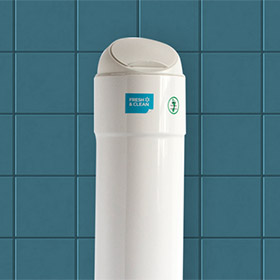
Get Sanitary bins for Feminine Hygiene
Fitting enough disposal units to serve your washroom capacity is crucial. They encourage people to clean up after themselves in the washroom.
Disposal units are often used to dispose of used paper towels and sanitary napkins. For general disposal, place a bin at the sink area for disposing of used paper towels.
Placing a female hygiene unit in each cubicle in the ladies washroom is impressive. This shows employees that you value their hygiene and privacy.
Regularly emptying bins during the workday is crucial. It bypasses a build-up of trash that makes the washroom look disorderly.
It is well-known that bins are a potential breeding ground for bacteria. Washrooms are a particularly sensitive area. About 77,000 types of bacteria and viruses exist in washrooms.
Emptying bins battles the growth of bacteria in washrooms.
Clean the disposal units as often as possible. Proper disinfection avoids a build-up of dirt in unwanted areas. Doing this at the end of each workday leaves your washroom tidy.
“Improving the health and well-being of our employees makes good business sense. As a leading provider of workplace health services, we see every day the difference it can make to a company’s bottom line and the impact it can have on employee morale and motivation. It offers a ”win-win” all-round. Employees benefit from better support for their health. Companies benefit from less absence and improved productivity. And society benefits from improved public health.” — Steve Flanagan, Commercial Director, Bupa
The right professionals guarantee your washroom hygiene is spot on. Let them help you choose the best packages to meet your workplace washroom needs.
Contact ALSCO today! Upgrading your workplace washroom is just one click away!
Photo: pxhere
4 Unexpected Reasons Why Workplace Hand Hygiene Matters
When you think of workplace hand hygiene, constant hand washing comes to mind. But it’s much more than that. Hand care has the potential to save your workplace from a disaster.
Workplace hand hygiene importance has increased over the last few years. This is evident in all the hand hygiene products and posters made available in offices today.
It’s no secret that our hands come into contact with numerous items during the workday from our daily commute, down to the washroom.
Proper hand hygiene observation makes us healthier because hand washing kills a significant number of germs. Hence, it reduces your risk of catching even the common cold.
Is hand hygiene important in your workplace? These interesting reasons will convince you to upgrade your workplace hand hygiene.
Reduces the Spread of Illnesses
Using hand hygiene products, such as soap and sanitiser, protects us from illnesses. That’s why it’s important to wash your hands before you eat and even after using the washroom.
Placing emphasis on hand hygiene importance has great positive effects on your business. Fewer workers fall sick, and this makes your business thrive in unimaginable ways.
Contracting an illness causes fatigue. Oftentimes, workers need to take sick days to recuperate. This means they are absent from work for several days.
Further, this has negative effects on business performance. Did you know that absenteeism at work cost New Zealand $4.5 billion in 2014? Imagine what decreased absenteeism could do to your business alone.
Healthy employees are more productive. They have more energy and morale to get through the workday. They are more attentive at work and can attend to clients well.
Besides, in the workplace, there are different kinds of bacteria. In a common washroom, there are 77,000 distinct types of bacteria and viruses. These are known to cause diseases and infections. These include influenza, E-coli and hepatitis, eye infections and intestinal problems.
Germs are not only found in washrooms but in the workspace, too. This means there are bacteria found on desks, telephones and printing machines.

Image from: Printerland
So, take note to provide the appropriate products in the workspace as well as in washrooms. This helps in emphasising hand hygiene importance.
Making these products available is a form of non-verbal communication to workers. It prompts workers to clean their hands well.
Also, your employees get the message that you care about their health. In turn, they feel valued by their employers and are willing to take part in the hand hygiene processes.
Good Hand Hygiene Saves Workplace Resources
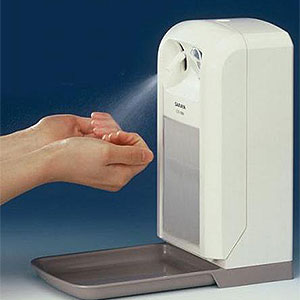
Hand washing is the first line of defence against infections. Learn more
Investing time and effort into your workers’ health is a great investment. This translates to return on investment (ROI) because productive employees are an asset.
Losing time and money due to absenteeism is a common problem that few workplaces can address. Hiring external help in cases of severe illnesses creates an avoidable extra cost. Whereas, healthy workers complete tasks on time.
When workers are absent from work, this causes disruption. Most workplaces are fast-paced environments. The need to beat deadlines and complete projects is imminent.
So, investing in good products and in-house training sessions saves you the trouble. Get managers or volunteers to educate your workers on proper hand hygiene methods.
It’s in your best interest to make these sessions as interactive as possible. Show videos and send out internal memos on hand hygiene importance. This makes the information stick.
‘’We believe that engaged people deliver exceptional results. Wellbeing for us is about what’s going to engage people – what’s important to them? If they’re going to contribute to Z they need to be in a place of strength to do that.’’ — Julian Hughes, GM Health & Safety, Z Energy
Encourage workers to maintain hand hygiene by making it fun and memorable at no extra cost.
Roll out a slogan-making competition to really get your employees engaged in this noble cause. Workers can come up with hand-hygiene slogans and the best can become the slogan of the week.
Using the slogan among themselves reminds them of hand hygiene importance. This slogan can be a simple as ‘’clean hands are safe hands.’’
Essential in Building Resistance and Immunity
Throughout the workday, we come into contact with many items. This includes our faces, bodies and food. We are bound to get sick when we don’t take care of ourselves.
As the old saying goes, prevention is better than cure. Emphasising hand hygiene importance is significant in boosting immunity.
So, the more you wash your hands, the less likely you are to catch a disease.
You will end up spending less money on antibiotics used to treat illnesses. Reducing the overuse of antibiotics saves workers money.
Good hand care causes the body to build resistance. This makes employees healthier, not only as individuals but also in their families. They are less likely to spread bacteria contracted from the workplace to others.
This creates happy relationships in the workplace and healthy families. When workers are healthy, they are happier.
“The groundwork of all happiness is health.” — Leigh Hunt.
Additionally, when clients relate with happy workers, they feel more at home. This increases their loyalty to your business, making them stick around even longer.
Healthier employees are keen on proper engagement with clients. This creates impressionable results.
Promotes Good Etiquette Practices
[b3_row]
[b3_column lg=”8″ md=”12″ sm=”12″ xs=”12″ ]
Proper hand hygiene education creates good etiquette practices in the workplace. Workers will comprehend that the state of their hygiene can affect others. Creating hand hygiene awareness at work extends to their homes. This leads to the creation of a healthier society in general.
Thus, hand hygiene importance is best enforced through the creation of habit. Various mechanisms make this a smooth-sailing process.
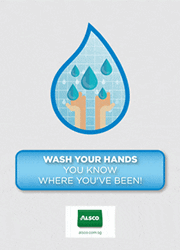
For starters, the use of posters in the workspace and washrooms comes in handy. These remind workers of the importance of hand hygiene, as well as educate them on proper hand hygiene techniques, such as how to rub in hand sanitiser well.
These posters state interesting facts, too. They remind us where our hands have been and why washing them is necessary. They are key in repeating the hand hygiene practices taught in training sessions.
[/b3_column]
[b3_column lg=”3″ md=”12″ sm=”12″ xs=”12″ ]
[/b3_column]
[/b3_row]
Are you ready to change the face of your workplace hand hygiene? It’s time to clean up your act and take the first step. Finding an expert is easy, especially one with good recommendations and price quotes.
“…they are always willing to go the extra mile to help us out when we get stuck.” — Lyndsey Morrison-Barnes, Resort Manager, Paihia Beach Resort & Spa
Photo: Mike Mozart
Why You Should Pay Attention to Hand Hygiene: The Ultimate Guide
Despite the handwashing drills we had growing up, research shows that we’re not effective at hand hygiene. 1 out of 5 people do not wash their hands after using the washroom.
This means that for every party of 20 people, 4 have not washed their hands.
This is alarming and a hazard for spreading harmful bacteria.
With this in mind, it’s probably a good idea to carry your hand sanitiser everywhere you go. Handwashing is key in preventing illness since 80% of infectious disease is spread through hands.
Considering all the hand contact in the workplace, improved handwashing practices can lead to a whopping 31% reduction in gastrointestinal conditions (vomiting and diarrhoea) and a 21% reduction in respiratory conditions (common colds and flu).
As a rule of thumb, wash your hands as soon as they feel dirty. We are in contact with a lot of bacteria during a typical workday. Mobile phones are said to have more bacteria than the average toilet seat. We also touch money, keys, door handles and other items commonly covered in bacteria.
Since it’s impractical to wash your hands each time you touch anything with bacteria, we need to learn how to turn hand hygiene into an easy habit.
Steps to Proper Hand Hygiene
Make Handwashing Part of the Culture at the Office
When buying office supplies, keep in mind utility and how to encourage a handwashing culture. Here are simple tweaks that will create a healthy workplace.
Keep Interactions in Washrooms Pleasant
An underappreciated area in the workplace is the washroom. Clean and pleasant washrooms lead to a healthier workforce.
Some people skip hand washing because of the state of the washroom or a line at the sink. Therefore, plenty of room and washing stations will ensure people don’t rush out of the washroom.
Another way to encourage cleanliness is by ensuring washrooms always look and smell lovely. With regular deep cleaning and odour services from Alsco’s Fresh & Clean service, your washroom will become a hub for your staff to comfortably unwind.
Prevent the Spread of Disease at the Workplace
After creating beautiful washrooms, how do you prevent the spread of germs within the washroom and workplace? Always provide the appropriate disposal and cleansing products.
For the ladies washroom, feminine hygiene bins and nappy disposal bins are important. You should also provide toilet seat cleaners in all the washrooms to ensure each toilet is sanitary and safe.
Alsco’s Washroom Hygiene Service eliminates dirt and bacteria from your workplace with zero effort on your side. Gain access to a wide range of super-efficient, cost-effective washroom services for your business today.
Remember to provide plain liquid soap, paper towels, running water, hand sanitiser, tissues, and regular cleaning of commonly touched surfaces
Have Handy Reminders at Strategic Locations
Regularly replenish all the consumables from your washroom. Learn more
Everyone needs a reminder. Place signs around the office to remind people to wash their hands. Choose areas like the office kitchen, the snack area, inside and outside the washroom, inside the toilet door, and near the office entrance. These are all strategic spots that remind people to be aware of the state of their hands.
You could also go the extra mile and add hand sanitisers at these strategic spots. Especially at the areas where you cannot always have a sink with running water e.g. the office hallways or entrance.
Alsco has a great range of hand sanitisers that can be wall-mounted. They have automated operation and automatically dispense the perfect amount to prevent wastage.
We also have free and fun posters that you can download and print for your office. They are attention-grabbing and will get people talking about hand hygiene practices.
Do It Right
Now that the importance of washing your hands is clear, how do you make sure you are doing it properly?
The Proper Handwashing Technique
Hand washing may seem obvious but there is a proper way to do it. A fun trick to remember is that washing your hands should last as long as it takes you to sing the “Happy Birthday” song twice.
The popular myth that hot water kills more germs has been debunked. Do not cut corners by just rinsing your hands with water without using soap. This will still lead to the spread of bacteria.
Wash your hands frequently throughout the day, after using the washroom, and when your hands are visibly dirty. The correct procedure according to WHO is as shown below:
- Wet hands with water
- Apply enough soap to cover all hand surfaces
- Rub hands palm to palm
- Right palm over left palm with interlaced fingers and vice versa
- Palm to palm with fingers interlaced
- Rub the backs of your fingers against your palms with fingers interlocked.
- Clasp your left thumb with your right hand and rub in a circular motion. Repeat this with your left hand and right thumb.
- Rub the tips of your fingers in the other palm in rotation, going backwards and forwards. Repeat this with the other hand.
- Rinse your hands with water.
You can also use hand sanitiser when your hands are not visibly dirty but feel like they need some cleaning. Makes sure to have sanitiser with at least 60% alcohol and rub it in for at least 15 seconds.
The Best Washing Products
In addition to knowing how to properly wash your hands, you need to ensure you have good washing products. You don’t have to use antibacterial soap since plain soap is just as effective in fighting germs.
Avoid refilling soap dispensers before they’re totally empty. Rinse the dispenser before each refill to prevent germs from growing in the dispenser. Alsco provides a variety of dispensers according to your specifications and needs.
Hand sanitiser stations are also important in maintaining clean hands. Make sure the hand sanitiser is at least 60% alcohol and placed in hygenic dispensers away from flames, heat, or any potential danger.
Alsco can provide you with its amazing range of hand sanitiser dispensers that dispense the perfect quantity to prevent wastage. They are also hygienic since they have automated operation.
Always Dry Your Hands
The Proper Hand Drying Technique

Avoid spreading germs at workplace areas. Learn more
Drying your hands is just as important as washing them. If you don’t dry your hands well, you risk leaving the washroom with more germs than you came with.
When it comes to drying equipment, the hand dryer is popular but less effective than a paper towel. This is because they can spread water particles in all directions at the speed of over 370 mph.
When it comes to public restrooms, a paper towel is better than using a hand towel. Hand towels are great for home and private use. Dry your hands well using the rubbing method to remove the most germs. You should also use the paper towel to turn off the taps and to open the bathroom door.
The Best Drying Products
Depending on how many washrooms you have at your workplace, a variety of options are available. For executive or private washrooms, you can have cloth towels dispensers. They are soft to the touch and highly absorbent.
For the larger public washrooms, you have the option of paper towel dispensers, air dryers and jet dry executive. Get a quote from Alsco for these options and choose the most suitable service for your office.
Handwashing is not just a good idea, it is critical for good health. Creating and reinforcing proper hand hygiene is a great long term strategy for creating healthy workspaces. Not only does it save lives, but also prevents the spread of diseases that reduce productivity and quality of life.
You can’t afford to take shortcuts with the quality of washrooms at the office. Remove the stress and get a reliable rental service today. Alsco New Zealand offers great washroom hygiene services that ensure clean, well equipped, and odour free spaces.


